FREE! Ask Ayurvedic Doctors 24/7

 Fast responses
 1000+ verified doctors
Does Salt Make Hair White? Ayurvedic Perspective and Hair Care Tips

When it comes to hair care, few questions spark as much curiosity (and confusion) as does salt make hair white? Some people swear that using salt on hair helps with scalp cleansing, while others warn about long-term damage. You may have also wondered is salt good for hair or even what happens if we apply salt on hair regularly. The truth is not entirely black and white — pun intended. Both Ayurveda and modern hair science provide insights, but the key lies in balance. In this article, we’ll look at how salt affects hair health, whether it can actually turn your hair white, and what natural alternatives you can consider for stronger, healthier strands.
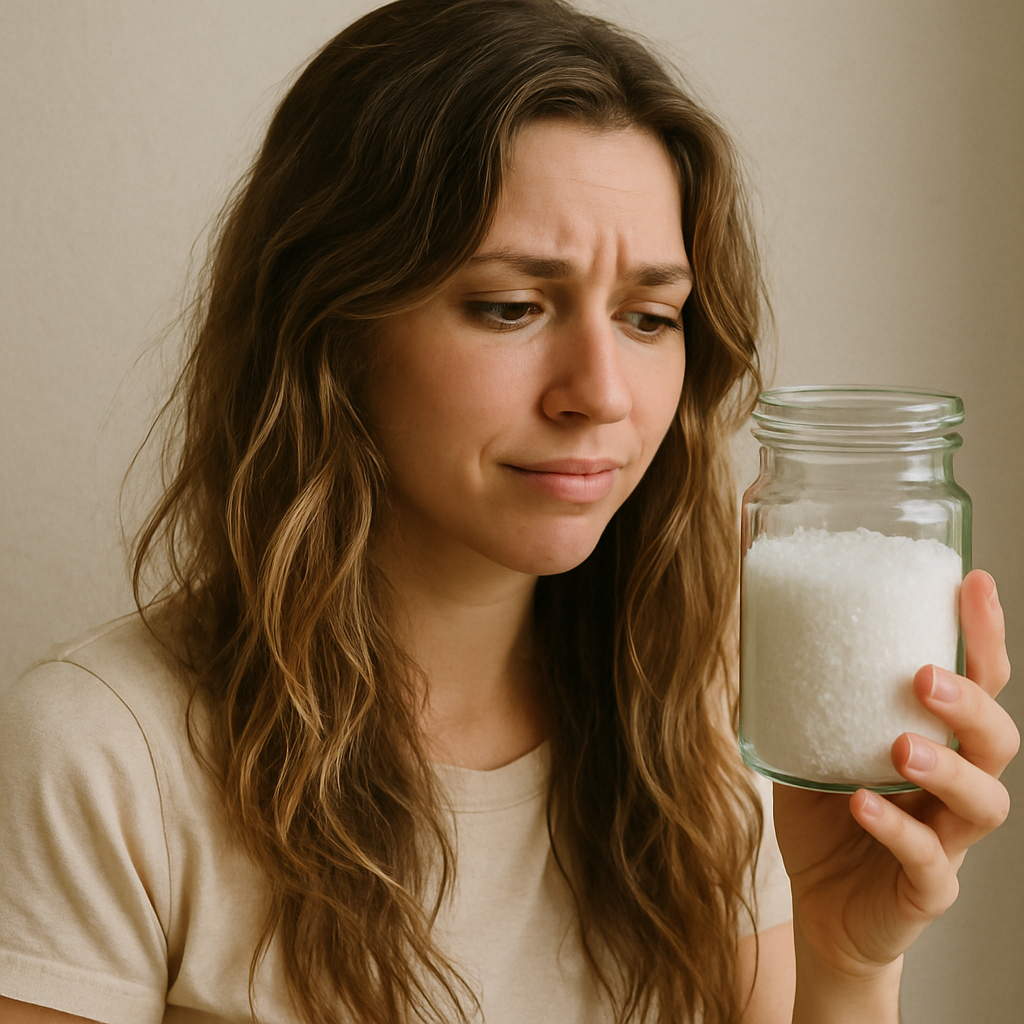
Does Salt Make Hair White or Damage It?
The fear that does salt cause white hair is quite common. Salt, whether in food or applied topically, can influence the body, but the direct connection to greying is not so clear. In Ayurveda, premature greying is linked to an imbalance of pitta dosha, excessive heat, stress, and lifestyle habits more than to external salt use. Still, applying salt to hair and scalp too often may lead to dryness and weaken natural pigmentation over time.
What Happens If We Apply Salt on Hair
When you put salt on hair, it works like a natural exfoliant. It helps remove dandruff flakes, excess oil, and product buildup. That’s why sea salt scrubs are popular in DIY hair care. But if overdone, this exfoliation can backfire — leaving the scalp dry, itchy, or even irritated. Think about it like sandpaper: a little smoothing is good, too much and you’ll scratch the surface.
Does Salt Cause White Hair According to Ayurveda
Ayurveda doesn’t say “salt makes hair white” directly, but it does mention that excessive salty taste (lavana rasa) in diet or external use can worsen pitta, which accelerates hair greying and hair fall. So if you’re asking, is salt is good for hair from an Ayurvedic view, the answer is moderation. Balanced salt is fine, but an overload? That’s a path to premature aging signs.
Side Effects of Salt on Hair Health
So, is salt bad for hair? Here are some possible side effects:
-
Dryness: Salt pulls moisture out, making hair brittle.
-
Scalp Irritation: Especially for sensitive skin types.
-
Weakening Roots: Prolonged dryness may cause breakage.
-
Color Fading: For dyed hair, salt can strip away pigment faster.
In short, occasional use is fine, but frequent salt application may lead to noticeable damage.
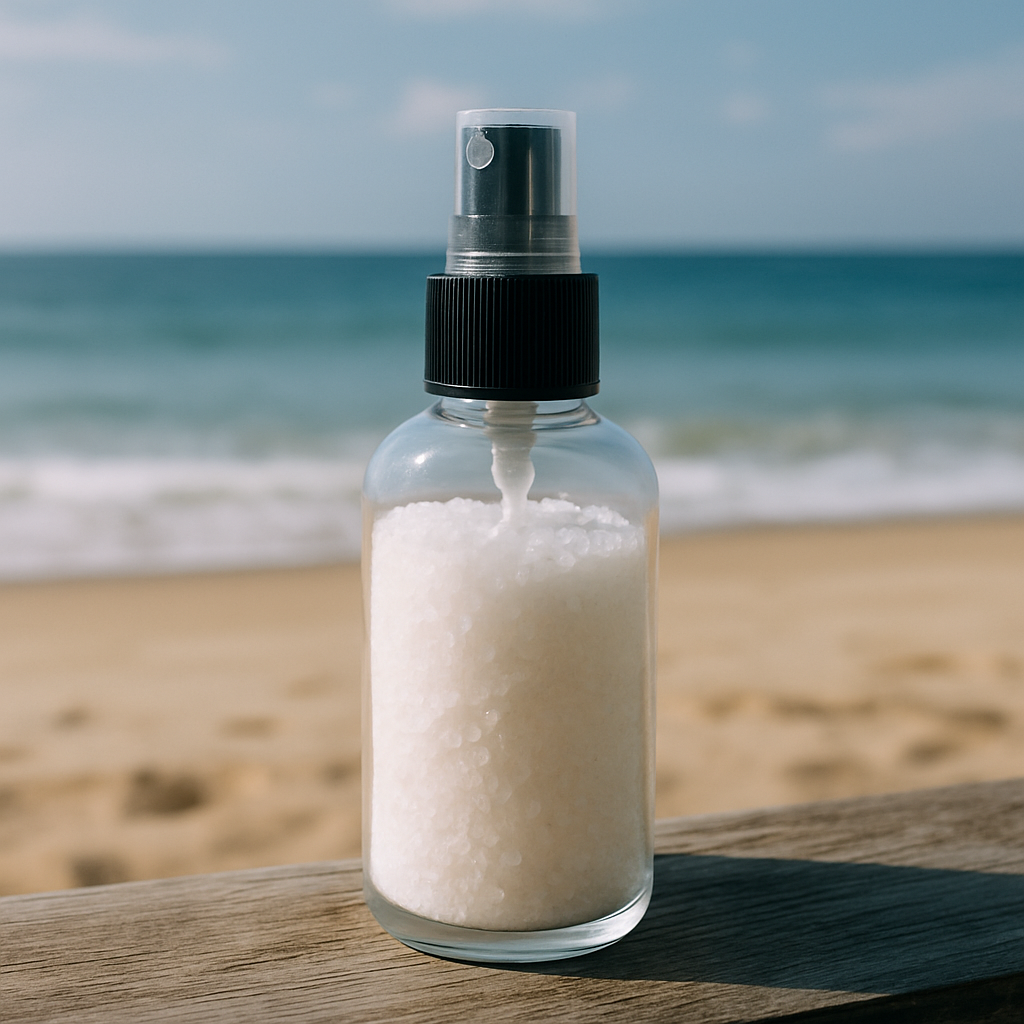
Is Salt Good for Hair in Any Form?
Here’s where things get tricky. People often ask: is sea salt good for hair? or does salt damage hair structure? The answer depends on how you use it.
Is Sea Salt Good for Hair? Benefits and Uses
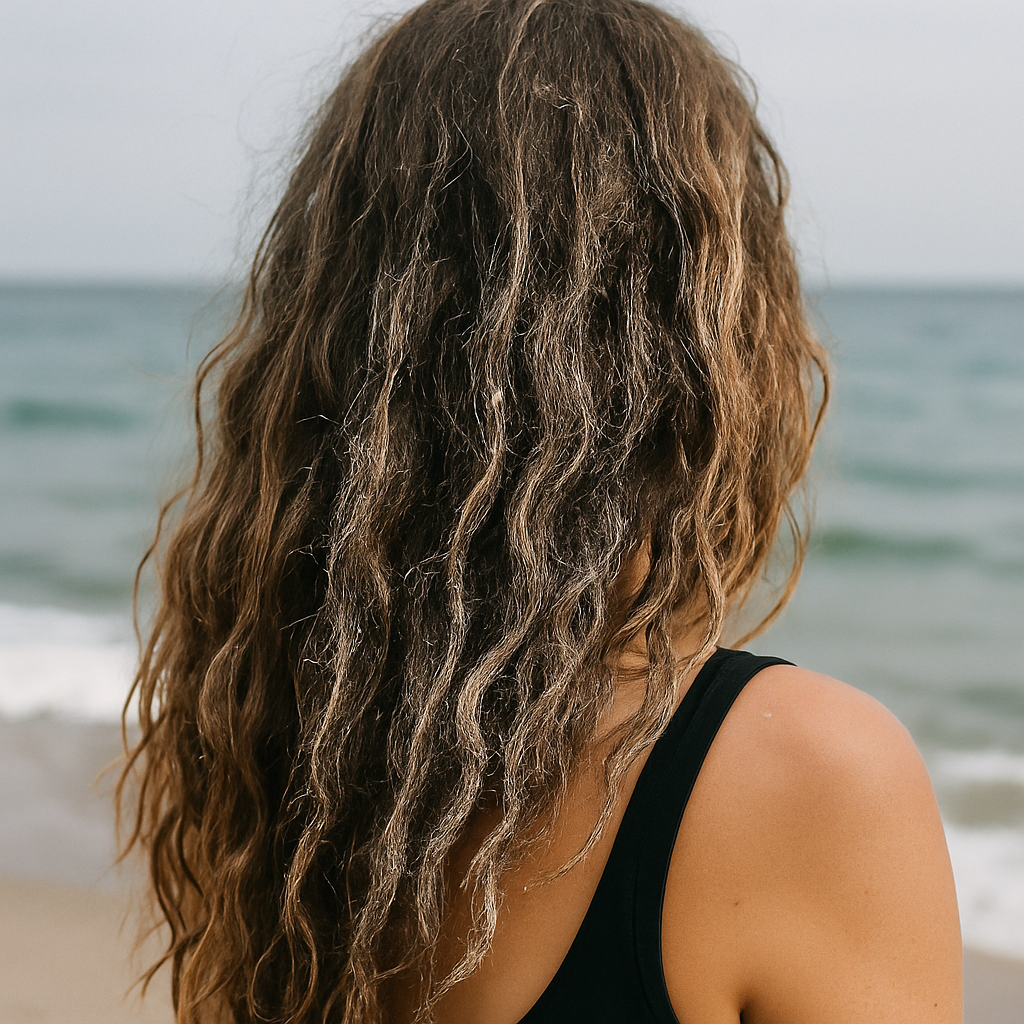
Sea salt, unlike table salt, contains minerals like magnesium, potassium, and calcium. These trace elements can improve scalp circulation, cleanse buildup, and even add natural volume. That’s why “beach hair” looks so textured! However, frequent use can leave hair feeling rough and tangled. A weekly sea salt rinse may help oily scalps, but daily use? Not so much.
Is Salt Harmful or Beneficial for Scalp Health
Here’s the funny thing: salt can act both as a remedy and a culprit. When used sparingly, salt scrubs or rinses help remove impurities that block hair follicles, allowing healthier growth. Some even report that controlled use reduces dandruff flakes. On the flip side, if you’re asking is salt harmful for hair, the answer leans toward yes — especially with overuse. An over-salted scalp loses its natural oils and protective barrier, leaving hair dull, lifeless, and in some cases leading to scalp eczema flare ups.
So, it’s not about whether salt is universally good or bad; it’s about frequency and method. Occasional treatments? Helpful. Daily routine? Probably harmful.
Does Salt Damage Hair Structure?
Now to address the big question: does salt damage hair structure? Salt doesn’t directly dissolve or “eat away” at your hair strands. But it does dehydrate them. Hair shafts naturally contain water molecules and proteins. Salt, being hygroscopic, pulls this moisture out, leaving hair more porous. This makes strands prone to frizz, split ends, and breakage.
If you’ve ever swam in the ocean and let your hair dry in the sun, you know that crunchy, stiff texture — that’s exactly what saltwater can do over time. So, while occasional exposure isn’t a disaster, repeated exposure without proper conditioning absolutely weakens hair structure.
Ayurvedic View on Salt and Hair Health: Is Salt Good for Hair?
Ayurveda, India’s traditional system of medicine, provides a holistic perspective here. According to Ayurvedic texts, excessive salty food or external salt application increases pitta and kapha doshas. Elevated pitta leads to premature greying, while excess kapha can result in greasy, weak roots.
Instead, Ayurveda recommends balancing salty tastes with bitter and sweet herbs. For hair specifically, oils like bhringraj, amla, and neem are suggested for restoring natural pigmentation and strengthening strands.
So while Ayurveda doesn’t ban salt completely, it does warn that frequent salt exposure (internally or externally) can accelerate ageing signs — including grey hair, thinning, and scalp imbalance.
If you are still wondering does salt make hair white, the Ayurvedic answer is: indirectly yes, by aggravating the doshas responsible for premature greying. But again, it’s not just about salt alone; lifestyle, stress, and diet play a big role too.
Natural Alternatives to Maintain Hair Color and Strength Without Side Effects of Salt on Hair
For those worried about side effects of salt on hair, here are some simple, natural alternatives you can try instead of relying on salt scrubs or rinses:
-
Aloe Vera Gel: Hydrates the scalp and soothes irritation.
-
Fenugreek Seeds (Methi): Strengthens roots, prevents dandruff.
-
Amla (Indian Gooseberry): Rich in vitamin C, prevents premature greying.
-
Hibiscus Leaves & Flowers: Nourish hair, restore shine.
-
Neem Water Rinse: Cleanses scalp naturally, reduces excess oil.
These alternatives not only clean the scalp but also maintain hair health without the drying or damaging effects that salt can sometimes bring.
Conclusion
So, circling back to our starting question: does salt make hair white? The short answer is — not directly, but it may contribute. Applying salt to hair doesn’t instantly bleach it white, but frequent use can dry out strands, irritate the scalp, and potentially speed up issues like premature greying when combined with diet, stress, or lifestyle imbalances. Ayurveda particularly points out that overuse of the salty taste aggravates pitta dosha, which accelerates hair aging.
On the other hand, salt (especially sea salt) has its benefits when used wisely: it cleanses, exfoliates, and boosts scalp circulation. The real issue is overuse. Think of salt as spice — a little enhances flavor, but too much ruins the dish. Similarly, small amounts of salt-based hair treatments can help, but daily reliance might lead to dryness, breakage, and loss of natural shine.
If you’re serious about protecting your hair color and strength, Ayurvedic alternatives like amla, hibiscus, or neem are safer long-term. These herbs nourish the scalp without the risk of salt’s drying effects.
Bottom line? Moderation is everything. A pinch of salt won’t hurt, but drowning your hair in it — that’s when trouble begins.
FAQs
What happens if we apply salt on hair regularly?
Regular salt application may start out feeling refreshing and cleansing, but over time it causes dryness, brittleness, and even scalp irritation. Salt absorbs natural oils and moisture, which weakens roots and can eventually contribute to hair fall or dullness.
Can salt cause premature greying of hair?
Salt alone does not directly cause white hair. However, Ayurveda suggests that excessive salty taste in diet or topical use aggravates pitta dosha, which is linked to premature greying. So while salt is not the sole culprit, it can worsen the process when combined with stress or unhealthy habits.
Is salt bad for hair when used in shampoo?
Shampoos with a small amount of sea salt can help with cleansing and dandruff control. But frequent use of high-salt shampoos can strip hair of natural moisture, leading to dryness and split ends. If you already have dry or color-treated hair, it’s best to avoid shampoos with too much salt.
Final Thoughts
Hair care is deeply personal, and what works for one person may not work for another. The big takeaway here is balance. Salt — whether in your food or in your hair products — is not inherently evil, but it should be used with caution. If you’re worried about is salt harmful for hair or does salt damage hair, remember that overuse is where the risk lies.
Instead of leaning on salt too heavily, experiment with Ayurvedic herbs, natural oils, and gentle cleansing methods that protect both your scalp and your hair’s natural color.
✨ If you found this article useful, don’t keep it to yourself! Share it with a friend who’s curious about natural hair care or Ayurvedic remedies. And if you want more tips on maintaining strong, healthy hair without harsh chemicals, make sure to follow our updates — your hair will thank you for it.
Ask Ayurvedic doctor a question and get a consultation online on the problem of your concern in a free or paid mode.
More than 2,000 experienced doctors work and wait for your questions on our site and help users to solve their health problems every day.
Related articles