FREE! Ask Ayurvedic Doctors 24/7

 Fast responses
 1000+ verified doctors
How to Apply Ginger on Hair: Benefits, Growth, and Ayurvedic Remedies

If you’ve been searching for natural ways to boost hair growth and improve scalp health, you might have come across remedies involving ginger for hair. And yes, it’s not just a kitchen spice! People across cultures, especially in Ayurveda, have been using ginger for centuries. It’s believed that applying ginger on hair can strengthen follicles, reduce dandruff, and even help with thinning strands. But the big question many people ask is: how to apply ginger on hair properly, and does it really work?
In this guide, we’ll explore how to use ginger for hair growth, the benefits of ginger oil, ginger water, and even DIY recipes. We’ll also answer common questions like “can we apply ginger on hair daily?” and whether it truly promotes growth. Stick around, because by the end you’ll have practical, step-by-step ways to try it at home.
How to Apply Ginger on Hair for Maximum Benefits
The key to using ginger on hair is understanding the different forms it comes in — fresh juice, ginger oil, or even ginger water. Each method has unique benefits, and knowing how to apply ginger on hair the right way ensures you get maximum results.
Here’s the deal: Ginger contains compounds like gingerol, which improves blood circulation in the scalp. When circulation is improved, hair follicles are stimulated — and that’s what leads to potential growth. Plus, it has anti-inflammatory and antimicrobial properties that can keep scalp issues like dandruff or itching at bay.
But don’t just grab a piece of ginger and rub it straight onto your head (ouch, that’s not smart). Instead, you need to prepare it carefully — dilute with oils or water, or mix into homemade masks.
Can We Apply Ginger on Hair Daily?
This is a pretty common question: can we apply ginger on hair every day? Well, not really. Ginger is powerful, and applying it too often might cause irritation or dryness. Most experts recommend using it 2-3 times a week. Daily use can sometimes be too much, especially if your scalp is sensitive.
So, yes, ginger has amazing uses for hair, but moderation is key.
Applying Ginger Juice on Hair: Step-by-Step Guide
One of the most popular methods is applying ginger juice on hair. Here’s a simple way to do it at home:
-
Peel and grate a fresh piece of ginger.
-
Extract the juice by squeezing it through a clean cloth or strainer.
-
Mix the juice with a carrier oil (like coconut or jojoba) to avoid irritation.
-
Apply it directly onto your scalp using a cotton ball or your fingertips.
-
Massage gently for 5-10 minutes to boost circulation.
-
Leave it on for 30 minutes to an hour, then wash it off with a mild shampoo.
Now, does applying ginger promote hair growth overnight? Nope, let’s be real. You won’t wake up with Rapunzel-length hair the next day. Growth takes time. But consistent use, over weeks and months, may improve thickness and shine.
How to Use Ginger Oil for Hair Growth Effectively
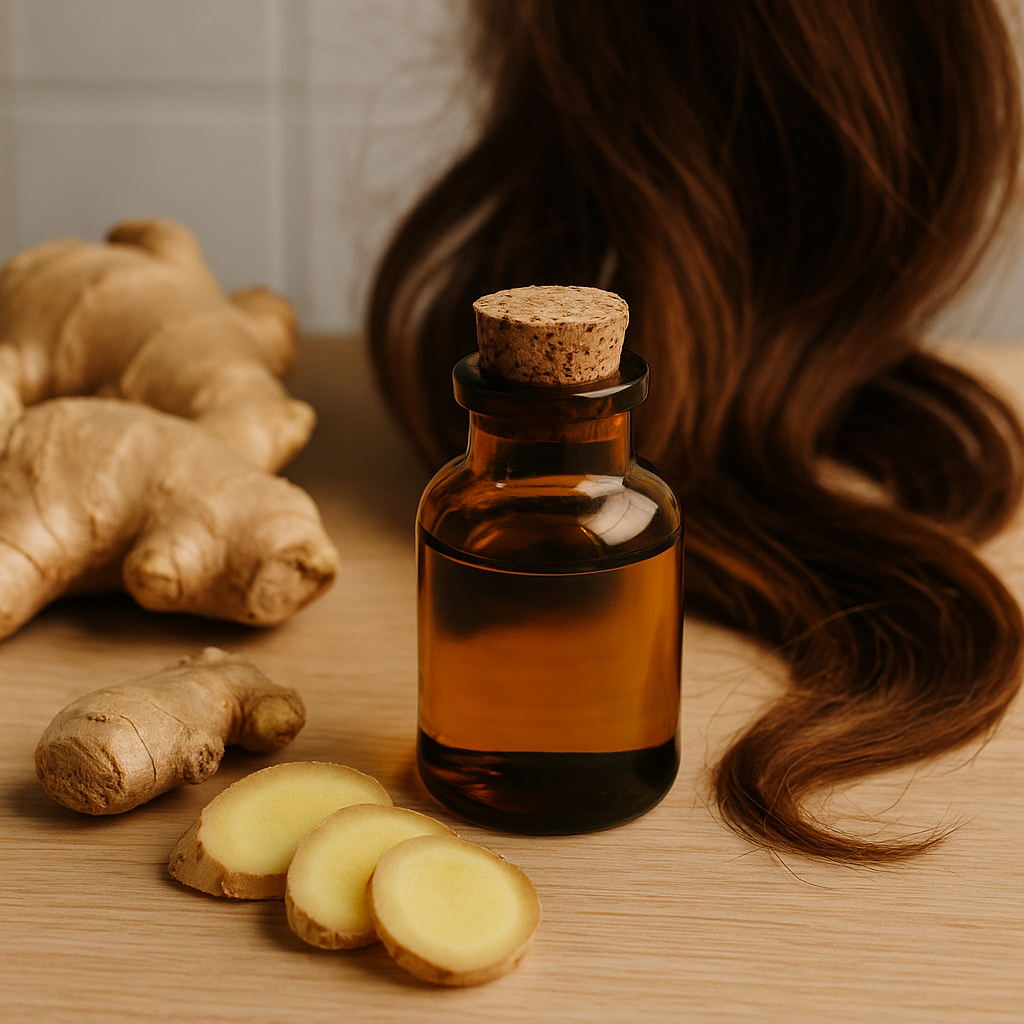
If squeezing juice feels like too much work, ginger oil is another great option. You can buy ready-made ginger oil for hair, or even make your own at home (we’ll cover that in the FAQs). To use:
-
Warm a small amount of ginger oil.
-
Massage it gently into your scalp, focusing on thinning areas.
-
Leave it overnight or at least for a couple of hours.
-
Wash with a sulfate-free shampoo.
The warmth of the oil plus the natural compounds in ginger can do wonders for stimulating the roots. In fact, many people find this method less irritating than raw juice. It’s one of the most effective ways for those asking how to use ginger oil for hair growth.
Ginger Uses for Hair Beyond Growth
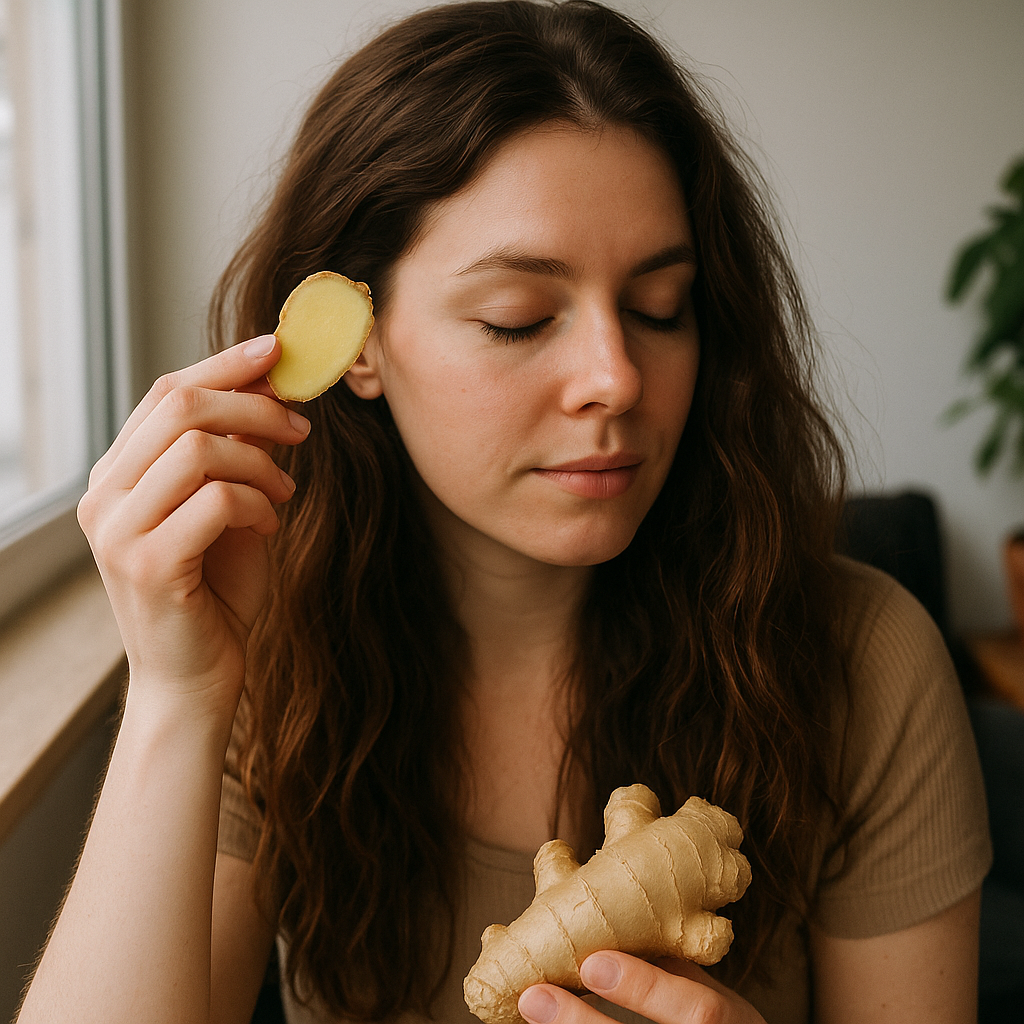
Most people focus on ginger for hair growth, but that’s not the only benefit. Ginger uses for hair go beyond just making it grow. For instance, many people notice that it reduces scalp itchiness. Some even say it helps with excess oil production, leaving the scalp fresher.
Another cool thing? Ginger has natural antiseptic properties, which means it might reduce dandruff when applied consistently. Some people prefer applying ginger on hair simply for its cleansing and refreshing effect rather than growth.
And let’s not forget about shine — hair that lacks luster can sometimes look dull no matter how long it grows. Ginger may help restore a healthier, shinier appearance over time.
So, the truth is, ginger isn’t only about hair growth; it’s a bit like an all-in-one scalp treatment.
Ginger Water for Hair: Simple Home Recipe
For those who find raw juice or oil a little too strong, ginger water for hair is a gentler alternative. It’s super easy to make, and honestly, it feels refreshing.
Here’s how you can prepare it:
-
Take a few slices of fresh ginger.
-
Boil them in about two cups of water for 10–15 minutes.
-
Let it cool completely.
-
Pour the ginger water into a spray bottle.
Now, you can spritz this directly on your scalp after washing, or use it as a rinse before conditioning. Some people like to leave it on without rinsing because it’s lighter and less concentrated than juice.
Is it as effective as oil or juice for growth? Maybe not as strong, but it’s still helpful — especially if your scalp gets irritated easily. Ginger water is like the “milder cousin” of other methods, and it makes daily or frequent use more realistic.
Safety and Possible Side Effects of Applying Ginger on Hair
Okay, let’s be real for a second. As much as we hype up ginger, it’s not perfect for everyone. So, does applying ginger promotes hair growth without any risks? Not exactly.
Some people experience redness, stinging, or dryness after applying raw ginger juice. That’s why it’s important to always dilute it with oil or water. And of course, do a patch test on your skin before trying it on your whole scalp.
Overuse can also cause irritation. If you feel any burning or see flakes, stop right away. Switch to gentler methods like ginger water for hair or use the juice only once a week.
It’s also worth noting that scientific research on ginger and hair growth is still pretty limited. Yes, there are studies on circulation and anti-inflammatory effects, but there’s no magical guarantee that it will work for everyone. Think of it as a natural helper, not a miracle cure.
Ayurvedic Remedies Combining Ginger with Other Ingredients
In Ayurveda, ginger is rarely used all alone. Instead, it’s often combined with other natural ingredients to enhance its benefits and balance out any harsh effects. Here are a couple of traditional pairings:
Ginger with Coconut Oil for Hair Nourishment
Mixing grated ginger or ginger juice with warm coconut oil creates a soothing scalp treatment. Coconut oil is deeply nourishing, and when combined with ginger, it not only moisturizes but also helps with better absorption of ginger’s active compounds.
Massage it gently into your scalp, leave it overnight, and wash the next day. This remedy is especially loved in tropical regions where coconut oil is a staple.
Ginger with Aloe Vera for Hair and Scalp Health
Another great combo is ginger with aloe vera gel. Aloe is cooling and hydrating, which balances out the heat and sharpness of ginger. Together, they make an excellent DIY mask for soothing itchy scalp while promoting growth.
Simply mix equal parts aloe gel with ginger juice, apply it as a mask, and rinse after 30–40 minutes.
Conclusion
So, there you have it — a full breakdown on how to apply ginger on hair and why so many people swear by it. From ginger oil for hair massages to refreshing sprays of ginger water for hair, there are lots of ways to try it out depending on your scalp type and comfort level.
The key takeaway? Ginger isn’t a miracle worker, but it can be a supportive, natural remedy that helps with circulation, dandruff, and possibly growth. Consistency is important, but so is patience — hair growth is a slow process. And of course, don’t ignore your body’s signals. If you feel irritation, scale back or switch to milder preparations.
Ayurveda has been using ginger uses for hair for centuries, pairing it with coconut oil, aloe vera, and other natural ingredients. Modern hair care trends are just catching up to what traditional remedies have been saying for ages.
If you’re curious, give it a try. Start small, see how your hair responds, and build from there. Who knows? That extra boost of natural care might be exactly what your scalp needs.
FAQs
How to make ginger oil for hair at home?
Making your own ginger oil for hair is simpler than you think. Take a few tablespoons of grated fresh ginger and heat it gently with a cup of carrier oil (like coconut or olive oil). Keep the flame low — you don’t want to burn it. After about 15 minutes, let it cool, strain out the solids, and store the oil in a glass jar. You can now massage this into your scalp whenever needed.
Is ginger water good for hair?
Yes, absolutely. Ginger water for hair is a lighter, more soothing option compared to raw juice. It refreshes the scalp, can help reduce mild dandruff, and gives hair a cleaner feel. While it may not be as concentrated for growth, it’s perfect for frequent use or sensitive scalps.
Can ginger help reduce dandruff?
Yes, many people report that ginger use for hair helps with dandruff thanks to its antimicrobial and anti-inflammatory properties. That said, if your dandruff is severe or caused by conditions like psoriasis, ginger alone won’t solve it. You may still need medicated treatments.
Are there any side effects of applying ginger on hair?
This is important. While applying ginger on hair can be beneficial, it may also cause dryness, itching, or redness in some people. Always do a patch test first and avoid daily use if your scalp feels sensitive. Remember, more is not always better — sometimes less frequent application works best.
Final Thoughts
At the end of the day, the answer to “does applying ginger promotes hair growth?” is: maybe. For some, it works beautifully; for others, it’s just a refreshing scalp treatment. What’s certain is that ginger brings multiple potential benefits to the table, from reducing dandruff to improving shine and scalp circulation.
If you decide to try it, experiment with different methods — applying ginger juice on hair, making DIY ginger oil, or even using ginger water as a rinse. Stick with what feels right for your hair.
And here’s a thought: Why not share this with a friend who’s always on the lookout for natural hair remedies? Sometimes the best solutions aren’t in a fancy bottle but sitting right there in your kitchen.
Ask Ayurvedic doctor a question and get a consultation online on the problem of your concern in a free or paid mode.
More than 2,000 experienced doctors work and wait for your questions on our site and help users to solve their health problems every day.
Related articles