Ask Ayurvedic doctor a question and get a consultation online on the problem of your concern in a free or paid mode. More than 2,000 experienced doctors work and wait for your questions on our site and help users to solve their health problems every day.
FREE! Ask Ayurvedic Doctors 24/7

 Fast responses
 1000+ verified doctors
Body DetoxEar, Nose, and Throat DisordersGeriatrics & RejuvenationImmunodeficiencyInfertility TreatmentNutritionOrthopedic DisordersPediatricsRespiratory DisordersSexually Transmitted Diseases (STDs)Surgery RecoveryUrological DisordersVascular DisordersDental DisordersEndocrinological DisordersGastrointestinal DisordersYoga TherapyGeneral MedicineAllergic DisordersCardio DisordersGynecology and ObstetricsCosmetologySkin and Hair DisordersEye DisordersInfectious DiseasesMental DisordersNeurological DisordersOncologyPanchakarmaSexual Health & DisordersSports Medicine
Published on 03/26/25
(Updated on 07/04/26)
4,404
Dhurdhurapatradi Oil Uses: Benefits, Research, and Application
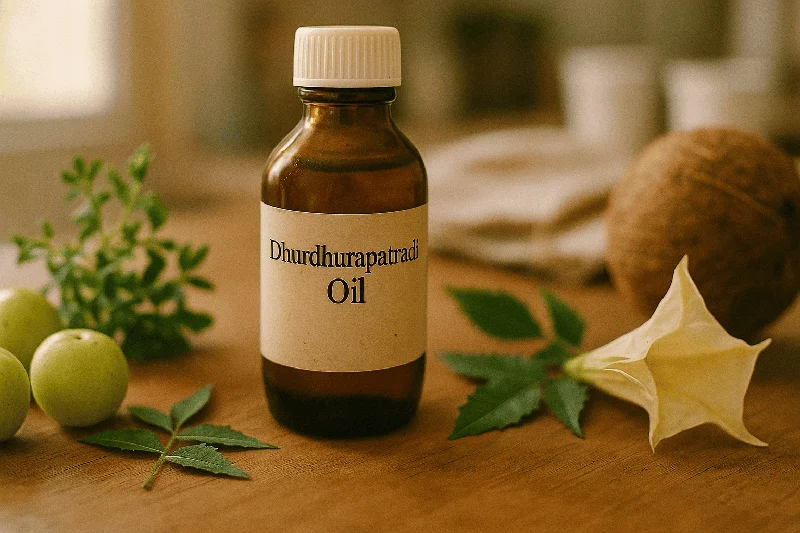
Did you know that over 50% of adults experience scalp issues at some point in their lives, according to various dermatological studies? While many turn to conventional medical treatments, there has been a surge in interest toward traditional Ayurvedic oils like Dhurdhurapatradi oil for its potential therapeutic uses. Derived from a blend of herbs commonly used in Ayurveda, Dhurdhurapatradi oil is increasingly sought after for its scalp and hair-supporting properties. But how effective is it really? This article delves into the origin, composition, and scientifically backed benefits of Dhurdhurapatradi oil, offering you an in-depth look at its uses and current research findings.
In the following sections, you will find a balanced view of Dhurdhurapatradi oil uses, including any supporting clinical studies, expert opinions, and guidance on safe application. By the end, you’ll be well-equipped to make an informed decision on whether or not to include this oil in your healthcare or haircare routine.
Table of Contents
What Is Dhurdhurapatradi Oil?
Dhurdhurapatradi oil is an Ayurvedic herbal preparation traditionally used in various parts of South Asia for promoting healthy hair and scalp. The term “Dhurdhurapatradi” is derived from Sanskrit, where “Dhurdhurapatra” typically refers to certain plant leaves that form the core component of this oil. While exact formulations can vary, most commercial and traditional recipes include a combination of herbs simmered in a carrier oil like sesame or coconut oil.
Historical Roots:
-
Believed to have originated from classical Ayurvedic texts that detail herbal remedies for scalp conditions and hair growth.
-
Often prescribed by Ayurvedic practitioners to individuals suffering from dandruff, itching, and other scalp irritations.
Key Ingredients and Ayurvedic Perspective
In Ayurveda, each herb carries unique properties that contribute to the oil’s overall therapeutic effect. Traditional preparations of Dhurdhurapatradi oil may include:
-
Dhurdhurapatra (Datura metel or other Datura species)
-
Often cited for its analgesic and antimicrobial properties in Ayurvedic literature.
-
Used externally in controlled amounts to help soothe scalp irritations.
-
-
Carrier Oil (Sesame or Coconut Oil)
-
A key medium that helps in the extraction and absorption of active herbal compounds.
-
Rich in healthy fats that may further nourish the skin and hair.
-
-
Additional Herbs (e.g., Amla, Brahmi, or Neem)
-
Some formulations include extra herbs for synergistic effects, such as anti-inflammatory or antifungal properties.
-
Ayurvedic Rationale
In Ayurvedic theory, scalp and hair problems are frequently attributed to imbalances in the doshas—Vata, Pitta, and Kapha. Dhurdhurapatradi oil is said to help pacify certain doshic imbalances by improving circulation, reducing dryness or excess oiliness, and creating an environment conducive to scalp health.
Disclaimer: While these Ayurvedic concepts provide a framework for understanding Dhurdhurapatradi oil’s uses, they do not replace modern medical diagnoses or treatments. Always consult a qualified healthcare provider for personalized advice.
Potential Health Benefits
1. Scalp and Hair Health
One of the most frequently cited Dhurdhurapatradi oil uses involves promoting a healthy scalp. According to a 2019 review in the Journal of Ethnopharmacology, certain herbs found in Dhurdhurapatradi oil (notably Datura species) have demonstrated antifungal and antibacterial activities in vitro. This suggests a potential benefit for combating scalp infections and dandruff.
-
Dandruff Control: The antimicrobial properties may help reduce dandruff-causing fungi like Malassezia.
-
Anti-Inflammatory Effects: Some traditional reports attribute soothing effects to Dhurdhurapatradi oil, possibly aiding in relieving itching and redness associated with scalp disorders.
-
Hair Strengthening: When massaged into the scalp, the oil can increase local blood circulation, supporting hair follicles for stronger, thicker-looking hair.
2. Skin Health Support
Although primarily marketed for hair and scalp, some advocates claim Dhurdhurapatradi oil might help alleviate minor skin irritations when used under medical supervision. The theoretical basis is that certain herbs in the formulation carry anti-inflammatory and wound-healing properties.
-
Minor Irritation Relief: Laboratory tests on Datura extracts show potential anti-inflammatory effects, which may help soothe localized redness or irritation.
-
Topical Antimicrobial Action: Traditional Ayurvedic practitioners sometimes recommend Dhurdhurapatradi oil for mild skin complaints, though robust clinical evidence is limited.
3. Other Traditional Uses
Historically, Dhurdhurapatradi oil has been used in Ayurvedic regimens for conditions beyond scalp issues. In certain villages and rural Ayurvedic setups, it is sometimes prescribed for headache relief through topical application on the forehead. However, these uses are mostly anecdotal, and more clinical research is needed.
Don't wait or self medicate. Start chat with Doctor NOW
Scientific Research and Evidence
Modern research on Dhurdhurapatradi oil itself is somewhat limited, but several of its key components—particularly Datura species—have been studied extensively for their chemical constituents:
-
Antimicrobial Activity:
-
A 2020 study published in the Journal of Traditional and Complementary Medicine found that Datura metel extracts displayed broad-spectrum antimicrobial activity against certain bacterial strains. This underpins some of the scalp infection control claims.
-
-
Analgesic and Anti-Inflammatory Effects:
-
Compounds like hyoscyamine and scopolamine, found in Datura, have known pharmacological activities. However, these alkaloids can be toxic if ingested. When used topically in regulated amounts, they may contribute to mild analgesic effects.
-
-
Hair Growth Potential:
-
While there are no conclusive large-scale clinical trials on Dhurdhurapatradi oil specifically, smaller pilot studies on herbal oils containing Datura suggest improved hair density in participants with scalp conditions. More rigorous, large-scale human studies are needed for definitive evidence.
-
Note: Many of these findings stem from in vitro or animal studies, and thus their direct applicability to humans should be approached cautiously. Reputable organizations like the World Health Organization (WHO) and National Institutes of Health (NIH) encourage further research to validate traditional remedies.
How to Use Dhurdhurapatradi Oil Safely
If you’re interested in trying Dhurdhurapatradi oil for scalp or hair care, consider the following steps and precautions:
-
Patch Test:
-
Apply a small amount of oil to a patch of skin (e.g., inside your forearm) and wait 24 hours to check for any adverse reactions, such as redness or itching.
-
-
Gentle Massage:
-
Warm a small amount of Dhurdhurapatradi oil by rubbing it between your palms or placing the sealed bottle in warm water.
-
Massage the oil gently onto your scalp using circular motions to enhance blood flow and ensure even distribution.
-
-
Leave-In or Wash Out:
-
Some users prefer leaving the oil in overnight and washing it out in the morning.
-
Others may keep it on for just 30 minutes to an hour before shampooing.
-
-
Frequency of Use:
-
Most Ayurvedic practitioners suggest using the oil two to three times per week, though this can vary based on your individual needs.
-
-
Consultation:
-
Always consult with a qualified healthcare provider or Ayurvedic practitioner, especially if you have a pre-existing medical condition, are pregnant, or taking any medications.
-
Precautions and Possible Side Effects
Despite the promising aspects of Dhurdhurapatradi oil, it’s crucial to note the following caveats:
-
Toxicity Concerns:
-
Datura species contain potent alkaloids that can be toxic when ingested. Dhurdhurapatradi oil formulations are generally for external use only. Avoid ingestion and keep the product out of reach of children.
-
-
Allergic Reactions:
-
Herbal ingredients can cause reactions in sensitive individuals. Always perform a patch test before broader application.
-
-
Lack of Standardization:
-
Different brands and homemade batches may vary widely in quality and concentration. Look for products from reputable manufacturers that follow Good Manufacturing Practices (GMP).
-
-
Professional Advice Necessary:
-
People with chronic scalp conditions, open wounds, or severe dermatitis should consult a medical professional before use.
-
Expert Opinions and Clinical Guidelines
Reputable medical organizations such as the National Center for Complementary and Integrative Health (NCCIH)highlight the importance of evidence-based approaches to herbal therapies. While Dhurdhurapatradi oil may offer some benefits, official guidelines stress:
-
Supplement, Not Substitute:
-
Herbal treatments should complement, not replace, scientifically proven medical interventions.
-
-
Quality Assurance:
-
Products should be verified by third-party testing to confirm purity and potency.
-
-
Informed Medical Guidance:
-
Consult healthcare professionals knowledgeable in both modern medicine and herbal practices to ensure an integrative and safe approach.
-
Frequently Asked Questions (FAQ)
-
Is Dhurdhurapatradi oil safe for pregnant women?
-
Due to the presence of potentially potent compounds, it’s best to avoid Dhurdhurapatradi oil during pregnancy and breastfeeding unless specifically advised by a qualified healthcare provider.
-
-
Can Dhurdhurapatradi oil help with severe hair loss conditions like alopecia areata?
-
While some users report improvements, scientific evidence for severe cases is limited. More rigorous clinical trials are needed. Always consult a dermatologist or trichologist for severe conditions.
-
-
How long does it take to see results for scalp itching or dandruff?
-
Individual responses vary. Some people report relief within a few uses, while others may need consistent application for several weeks.
-
-
Should I blend Dhurdhurapatradi oil with other oils?
-
Blending with gentle carrier oils like coconut or sesame is a common Ayurvedic practice. However, consult a practitioner for a tailored approach.
-
-
Where can I purchase Dhurdhurapatradi oil?
-
It’s available in many health stores specializing in Ayurvedic products, as well as online marketplaces. Ensure the brand follows GMP or other quality certifications.
-
Conclusion and Call to Action
Dhurdhurapatradi oil has a long history in Ayurvedic tradition for promoting scalp and hair health. Preliminary studies hint at the antifungal, antibacterial, and anti-inflammatory properties of its key herbal constituents. Yet, like many traditional remedies, conclusive scientific backing is still growing. If you decide to explore Dhurdhurapatradi oil, remember to source high-quality products, perform a patch test, and consult qualified professionals for personalized advice.
Key Takeaways
-
Dhurdhurapatradi oil may support scalp health, reduce dandruff, and potentially strengthen hair.
-
Always consider a patch test and professional consultation, especially if you have medical conditions.
-
Look for third-party certifications to ensure product quality and authenticity.
Are you curious to try Dhurdhurapatradi oil or have you already used it? Share your experiences in the comments, subscribe to our newsletter for more updates, and spread the word if you found this article helpful. Together, we can foster a supportive community discussing both traditional wisdom and modern evidence-based healthcare.
Medical Disclaimer: This article is for informational purposes only and does not substitute professional medical advice. For specific healthcare needs or concerns, consult a licensed medical or Ayurvedic practitioner.
Questions from users
What is the recommended way to heat Dhurdhurapatradi oil before application for better absorption?
Virginia
8 days ago
To heat Dhurdhurapatradi oil, just warm it slightly, like to body temp, for better absorption.. You can place the oil bottle in warm water for a few minutes or use your palm to rub a small amount to warm it up. Make sure it's not too hot, you know, you don't wanna burn your scalp! Warming helps open up pores and makes absorption better.
What is the best way to choose a quality Dhurdhurapatradi oil brand?
Natalie
18 days ago
When choosing a qualty Dhurdhurapatradi oil, look for brands that follow GMP or have other quality certifications. Check for reputable sources that clearly label ingredients, and review any user testimonials or Ayurvedic expert recommendations for insight. If unsure, try consulting an experienced practitioner for specific brand suggestions!
What is the typical regimen for using Dhurdhurapatradi oil for skin and hair health?
Gabriella
27 days ago
You can use Dhurdhurapatradi oil by applying a small amount to the affected skin area or hair. Gently massage it in and leave it on for at least 30 minutes before washing off. Its key properties help soothe irritation and offer antimicrobial benefits, but avoid ingestion as it can be toxic. Make sure to do patch test if concerned about sensitivity!
What are the best practices for storing Dhurdhurapatradi oil to maintain its effectiveness?
Victoria
36 days ago
Storing Dhurdhurapatradi oil well is crucial to keeping it effective. You should keep it in a cool, dark place, like a cupboard, and make sure the lid is tightly closed to keep air out. Avoid direct sunlight as it can degrade the oil. Also, it's good to use glass bottles as they're less reactive, preserving the oil's freshness.
Can I mix Dhurdhurapatradi oil with other natural remedies for better hair health?
Benjamin
45 days ago
You can totally try mixing Dhurdhurapatradi oil with other natural remedies like coconut or sesame oil. In Ayurveda, blending oils can enhance benefits and support different hair needs. Just be mindful of your own scalp type to ensure there's no irritation. Avoid ingesting and keep the mixes for external use only. Keep experimenting and see what combo works best for you.
What are the key herbal ingredients in Dhurdhurapatradi oil and their benefits?
Sierra
55 days ago
Dhurdhurapatradi oil typically contains herbs like Dhatura (Datura metel), which helps tackle dandruff due to it's anti-fungal properties. Other herbs can include neem for antibacterial benefits and coconut oil as a base for hydration. But be cautious, Dhatura is toxic if ingested! If you have more questions, feel free to ask.
Can I use Dhurdhurapatradi oil for dandruff and how effective is it?
Lila
64 days ago
Yes, you can use Dhurdhurapatradi oil for dandruff. It might be effective because it helps balance doshas, improves circulation, and can reduce dryness or excess oil. However, it's important to be cautious and maybe consult with a practitioner, as effectiveness can vary. Regular use might help, but keep an eye on your scalp's response!
What is the history and origin of Dhurdhurapatradi oil in Ayurvedic medicine?
Natalie
74 days ago
Dhurdhurapatradi oil, in Ayurveda, has its roots in using certain plant leaves, primarily "Dhurdhurapatra." It's traditionally, it's been used for scalp issues, but also used for some other conditions too. Its exact historical origins aren't precisely documented, but it definitely taps into age-old Ayurvedic practices focused on balancing the doshas, especially for hair and scalp health. If you're curious, you can explore classical Ayurvedic texts or consult an Ayurvedic practitioner to delve more into its background!
Is it safe to use Dhurdhurapatradi oil during pregnancy?
Shayla
83 days ago
It's best to be cautious. Dhurdhurapatradi oil is traditionally used for scalp health, but during pregnancy, always consult with a qualified healthcare professional or Ayurvedic practitioner before using it. They can give you advice fit for your unique situation. Better safe than sorry, right? 🤰
What should I do if I accidentally ingest Dhurdhurapatradi oil?
Sierra
93 days ago
If you accidentally ingested Dhurdhurapatradi oil, it's essential to seek medical attention quickly. This oil is intended for external use only. While each health situation can vary, a healthcare professional can give the best advice on how to proceed. Stay safe and be careful with herbal oils.
Related articles
Skin and Hair Disorders
Indraluptha Lepam – Natural Ayurvedic Formulation for Skin Rejuvenation and Wellness
Discover the benefits and uses of Indraluptha Lepam, a traditional Ayurvedic herbal paste designed for skin rejuvenation, pigmentation correction, and overall skin health. Learn about its components, usage guidelines, and precautions.
2,703
Skin and Hair Disorders
5 Ayurvedic Herbs to Prevent Hair Fall and Boost Regrowth
Hair, often called crowning glory, is an integral part of our identity and self-expression. Yet, the relentless battle against hair fall is a challenge faced by many.
5,204

Skin and Hair Disorders
How to Make Face Scrub at Home?
Learn how to make face scrub at home using natural ingredients like coffee, sugar, rice, and oatmeal. Discover the best DIY scrubs for dry, oily, glowing skin
8,248

Skin and Hair Disorders
How to Drink Saffron for Skin Whitening: Ayurvedic Tips That Work
Discover how to drink saffron for skin whitening, including saffron milk and saffron water. Learn when to consume kesar and how it benefits glowing skin
6,804

Skin and Hair Disorders
Is Tulsi Good for Skin? Ayurvedic Guide to Benefits, Remedies, and Cautions
Is tulsi good for skin? Discover tulsi benefits for skin, how to use tulsi leaves, water, tea, and oil for clear skin, and possible side effects to watch for
6,713
Skin and Hair Disorders
Bhallataka Vati – Potent Ayurvedic Remedy for Rejuvenation & Therapeutic Support
Discover the bhallataka vati benefits, a powerful Ayurvedic formulation used for rejuvenation, pain management, and chronic condition support. Learn about its traditional preparation, therapeutic uses, dosage, and necessary precautions.
2,515

Skin and Hair Disorders
Nalpamaradi Oil Benefits How To Use Ingredients Side Effects
Exploration of Nalpamaradi Oil Benefits How To Use Ingredients Side Effects
5,356

Skin and Hair Disorders
What Is the Best Homemade Face Mask for Pimples and Dark Spots?
Explore the best face mask for oily skin and pimples, dark spots, and acne. Try DIY face masks for pimples, natural Ayurvedic blends, and overnight treatments
6,684

Skin and Hair Disorders
Eladi Choornam Uses for Skin & Face: Ayurvedic Benefits & Applications
Discover the uses of Eladi Choornam for skin and face. Learn about its Ayurvedic benefits, applications, and how this herbal formulation promotes healthy, radiant skin.
10,475
Skin and Hair Disorders
Palitya – Ayurvedic Perspective on Premature Graying of Hair
Discover the Ayurvedic approach to treating Palitya, a condition referring to premature graying of hair before age 35. Learn how natural remedies restore melanin production and hair vitality.
3,134
Related consultations on the topic
Legal
Additional Documents
© 2024 Ask Ayurveda. All rights reserved.