FREE! Ask Ayurvedic Doctors 24/7

 Fast responses
 1000+ verified doctors
Is Tulsi Good for Skin? Ayurvedic Guide to Benefits, Remedies, and Cautions

If you've ever wondered, is tulsi good for skin?—you're definitely not alone. This ancient herb, also known as Holy Basil, has been a cherished gem in Ayurvedic skincare for centuries. People from all over the world are starting to notice the glow-up potential of tulsi, especially when it comes to natural skincare solutions. From fighting acne and blemishes to improving hydration and tone, the benefits of tulsi for skin are honestly kind of amazing.
And it’s not just about slathering it on your face—tulsi water benefits for skin, drinking tulsi tea, eating tulsi leaves, or even using tulsi powder or oil all offer different paths to clearer, healthier skin. But just like any natural remedy, it's important to understand the full picture. That means looking into tulsi side effects on skin too—because yep, even herbs have their quirks.
Let’s dive into the beauty secrets of tulsi and see why this humble plant deserves a spot in your daily skin ritual.
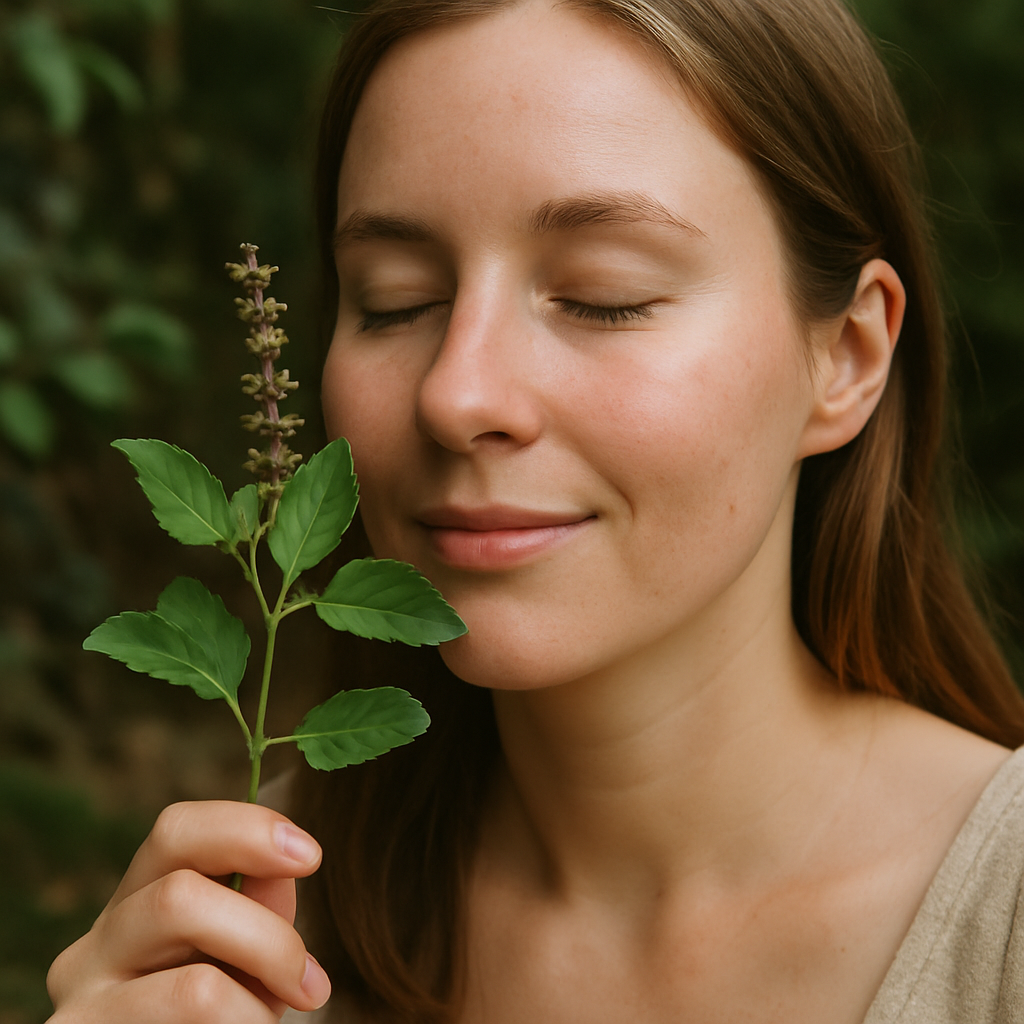
Is Tulsi Good for Skin According to Ayurveda?
How Tulsi Affects Skin Health from an Ayurvedic View
In Ayurveda, tulsi (Ocimum sanctum) is considered a sacred plant with powerful healing properties. It's classified as Rasayana—which basically means rejuvenating. According to ancient Ayurvedic texts, tulsi balances all three doshas (Vata, Pitta, and Kapha), though it’s particularly known for pacifying excess Kapha and Pitta. That’s great news for oily or acne-prone skin types, since those doshas are linked to inflammation and excess oil production.
Tulsi is believed to detoxify the skin from deep within by purifying the blood, removing toxins, and improving circulation. This aligns with modern skincare goals: clear pores, fewer breakouts, and brighter skin. Pretty impressive for a backyard plant, huh?
Benefits of Tulsi Leaves for Skin Detox and Clarity
Using tulsi leaves directly on the skin—or even better, incorporating them into a face mask or cleanser—can help remove dirt, reduce oil, and shrink pores. One of the biggest tulsi leaves benefits for skin is its antibacterial power, which is amazing for tackling acne and blackheads.
Some people like to crush fresh tulsi leaves into a paste and apply it straight to trouble spots. Others dry them and make a powder for longer shelf life (more on that later). Either way, the benefits of tulsi leaves for skin include detoxification, soothing inflammation, and evening out skin tone.
Don’t be surprised if your skin feels a little tingly—that’s the natural astringent effect doing its thing. Just be careful not to overdo it, especially if you have sensitive skin (we’ll get into side effects in a bit).

Tulsi Benefits for Skin: What Makes It So Powerful
Tulsi for Skin Whitening, Acne, and Blemishes
While the idea of skin whitening might raise eyebrows—and rightly so, considering the complex cultural baggage—what most people are really looking for is a brighter, more even complexion. And tulsi delivers. Regular use of tulsi for skin can fade dark spots, reduce pigmentation, and give that lit-from-within glow without bleaching your natural tone.
Plus, if you’ve been struggling with acne breakouts or stubborn scars, tulsi’s antimicrobial and anti-inflammatory properties can help calm redness and prevent future flare-ups. Combine it with neem or turmeric for a DIY face pack that’s both ancient and genius.
Tulsi Oil Benefits for Skin Conditions
Tulsi essential oil is concentrated stuff—like, really potent. Just a few drops mixed into a carrier oil (like jojoba or almond) can help soothe eczema, psoriasis, or irritated skin patches. The tulsi oil benefits for skin go beyond beauty and into true skin healing. But warning: don’t use it neat (aka undiluted). It can sting or cause reactions on sensitive skin, which… isn’t cute.
How to Use Tulsi for Skin: Remedies and Daily Care
You don’t have to be an Ayurvedic guru to bring tulsi into your skincare routine. Whether you’re going full DIY or just looking for simple ways to sneak it into your lifestyle, there’s a method for everyone. Below are some of the easiest and most effective ways to use tulsi for skin that anyone can try—yes, even if you're short on time or new to natural beauty.
Tulsi Powder Benefits for Skin and How to Apply It
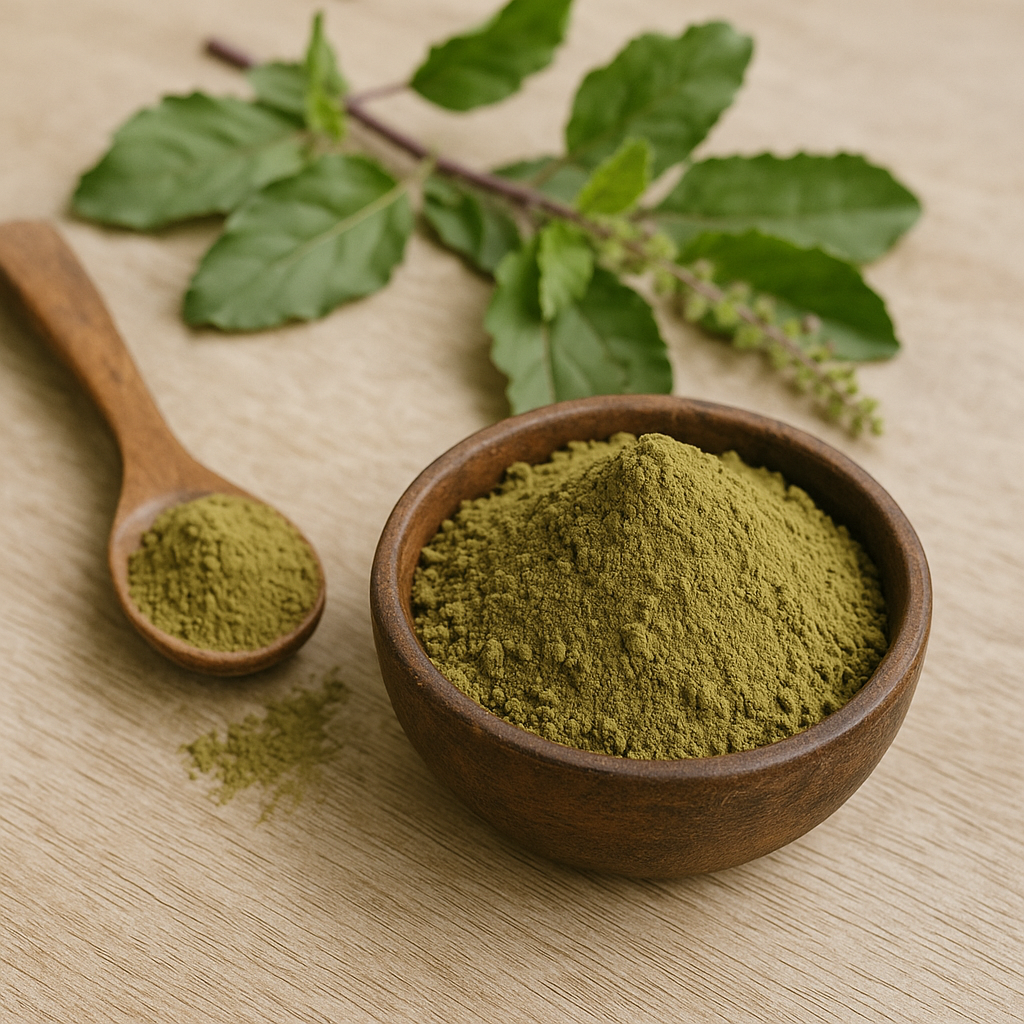
Tulsi powder is basically dried and ground tulsi leaves, and it's super versatile. You can mix it with honey, rose water, or yogurt to create a fresh face mask. Some folks even blend it with fuller’s earth (also known as Multani mitti) for a clay mask that helps draw out oil and toxins. The tulsi powder benefits for skin include exfoliation, reduction in acne scars, and improved skin texture.
Here's a quick recipe:
-
1 tbsp tulsi powder
-
1 tsp honey
-
A splash of rose water
Mix into a paste, apply to clean skin, leave it for 15–20 mins, rinse. Done.
The smell? Earthy and a bit spicy. Some love it, others tolerate it. But hey, the glow makes up for it.
Benefits of Drinking Tulsi Water for Skin Hydration
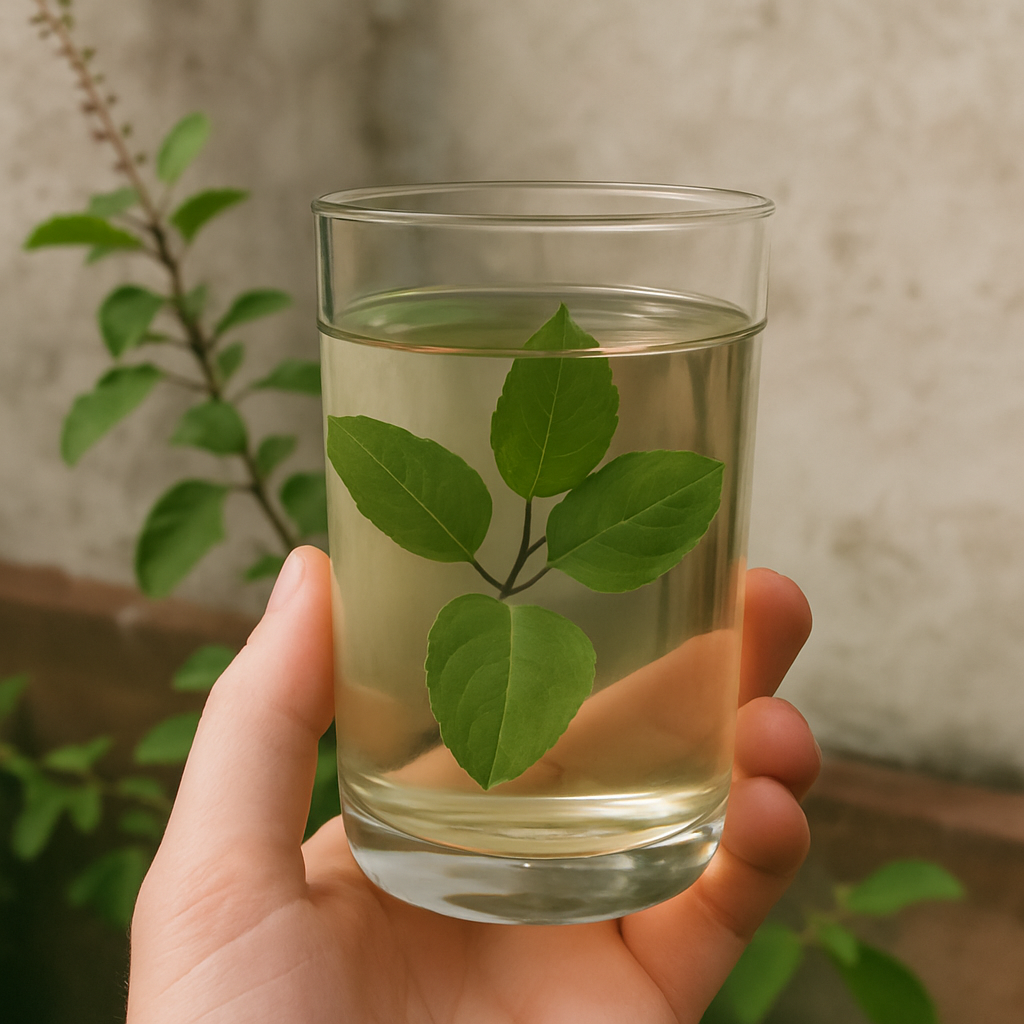
Now here’s a glow-up tip that’s more about inner beauty: tulsi-infused water. Yes, benefits of drinking tulsi water for skin are very real. It hydrates your body, flushes out toxins, and supports liver function—all of which show up on your face eventually.
To make tulsi water:
-
Boil 5–7 fresh tulsi leaves in 2 cups of water
-
Let it simmer for 10 minutes
-
Cool and drink it throughout the day
It’s subtle, herbal, and kinda soothing. Add a dash of lemon or honey if you prefer flavor. Many people claim clearer, brighter skin within a couple of weeks—but results vary, obvs.
Tulsi Tea Benefits for Skin and Immunity
Tulsi tea has been gaining popularity not just for immunity and stress relief, but also for skin. It’s a calming ritual, and the tulsi tea benefits for skin are linked to its antioxidant content. Think of it like a mini cleanse for your blood and system.
By reducing cortisol (your stress hormone), tulsi tea may help prevent stress-related breakouts and dullness. Plus, it hydrates—another win for your skin barrier. Drink it once or twice a day, hot or iced.
Just remember: too much of a good thing isn’t always better. More than 3 cups a day might lead to unwanted effects, like digestive upset or dryness.
Eating Tulsi Leaves: Benefits for Skin from Within
Alright, this one’s a bit polarizing—eating tulsi leaves benefits for skin is a real thing in Ayurveda, but not everyone’s into chewing herbs first thing in the morning. That said, consuming 2–3 fresh tulsi leaves daily can boost immunity, purify the blood, and help balance hormones, all of which can result in clearer skin.
Some people say it helps reduce hormonal acne. Others notice less inflammation overall. But heads-up: tulsi leaves can have a strong, peppery taste. Chew them fresh or mix them into smoothies if you're not a fan of the raw flavor.
Don’t go overboard though. We’ll talk about tulsi side effects on skin next—because moderation matters.
Tulsi Side Effects on Skin and Precautions
As magical as tulsi might seem, it’s not without its downsides. Like any herb or skincare ingredient, it doesn’t work for everyone. Some people might experience mild to moderate reactions, especially if they have sensitive or allergy-prone skin.
When Tulsi May Cause Skin Sensitivity or Irritation
One of the more overlooked tulsi side effects on skin is irritation—usually in the form of redness, itching, or dryness. This tends to happen when:
-
You apply undiluted tulsi oil directly (not recommended)
-
You use tulsi masks too frequently
-
Your skin barrier is already compromised
In rare cases, people develop contact dermatitis from tulsi. So if you're trying it for the first time, always—always—do a patch test first. Trust me, having a red splotch on your cheek is not the kinda glow-up anyone's looking for.
Also, fresh tulsi leaves can be potent. They contain eugenol, which is anti-inflammatory but may trigger a reaction in some people. It’s ironic, I know.
How to Avoid Reactions When Using Tulsi for Skincare
To stay safe and get the most from the benefits of tulsi for skin, follow a few basic tips:
-
Patch test every new tulsi remedy, whether it's a mask or oil
-
Start small—once a week is good until you know how your skin reacts
-
Dilute tulsi oil in a carrier like coconut or jojoba oil before applying
-
Avoid using tulsi right after exfoliation or chemical peels (your skin’s too raw)
-
Watch out for overconsumption if you're eating it—moderation is the name of the game
If you have conditions like rosacea, eczema, or hyper-sensitive skin, talk to a dermatologist first. Nature is powerful, and tulsi isn’t a one-size-fits-all solution.
Conclusion
So—is tulsi good for skin? Absolutely, yes. When used wisely, tulsi can be a total game-changer in your skincare routine. Its antibacterial, anti-inflammatory, and antioxidant properties help fight acne, reduce blemishes, soothe irritation, and boost radiance. From tulsi leaves benefits for skin to tulsi water benefits for skin, it offers something for everyone.
But like all things, it’s about balance. Whether you're sipping tulsi tea, chewing leaves in the morning, or whipping up a DIY face pack, the key is to pay attention to how your skin responds.
And hey—if you find something that works, share it. Tag your friend who’s been complaining about breakouts, or forward this guide to your cousin who’s obsessed with natural skincare. Because honestly, who doesn’t want to glow the Ayurvedic way?
FAQs
Can tulsi cause skin irritation or dryness?
Yes, especially if used too often or in undiluted form. Some people may also have allergic reactions. Always do a patch test and dilute tulsi oil with a carrier.
What are the benefits of tulsi water for skin glow?
Drinking tulsi water can flush out toxins, hydrate your body, and support liver function, all of which contribute to clearer and more radiant skin.
How to use tulsi powder for acne or pimples?
Mix tulsi powder with rose water, honey, or yogurt to make a soothing face mask. Apply it to the affected area 2–3 times a week for best results.
Is drinking tulsi tea enough for skin benefits?
It helps! Tulsi tea is rich in antioxidants, reduces stress hormones, and supports your immune system. While it’s not a magic bullet, it can definitely boost your overall skin health.
Found this helpful? Don’t keep it to yourself! Share it with your friends, pin it to your natural beauty board, or comment below with your own tulsi skincare tip. Your skin—and your social circle—will thank you.
Ask Ayurvedic doctor a question and get a consultation online on the problem of your concern in a free or paid mode.
More than 2,000 experienced doctors work and wait for your questions on our site and help users to solve their health problems every day.
Related articles