Ask Ayurvedic doctor a question and get a consultation online on the problem of your concern in a free or paid mode. More than 2,000 experienced doctors work and wait for your questions on our site and help users to solve their health problems every day.
FREE! Ask Ayurvedic Doctors 24/7

 Fast responses
 1000+ verified doctors
Body DetoxEar, Nose, and Throat DisordersGeriatrics & RejuvenationImmunodeficiencyInfertility TreatmentNutritionOrthopedic DisordersPediatricsRespiratory DisordersSexually Transmitted Diseases (STDs)Surgery RecoveryUrological DisordersVascular DisordersDental DisordersEndocrinological DisordersGastrointestinal DisordersYoga TherapyGeneral MedicineAllergic DisordersCardio DisordersGynecology and ObstetricsCosmetologySkin and Hair DisordersEye DisordersInfectious DiseasesMental DisordersNeurological DisordersOncologyPanchakarmaSexual Health & DisordersSports Medicine
Published on 10/10/24
(Updated on 07/09/26)
5,204
5 Ayurvedic Herbs to Prevent Hair Fall and Boost Regrowth
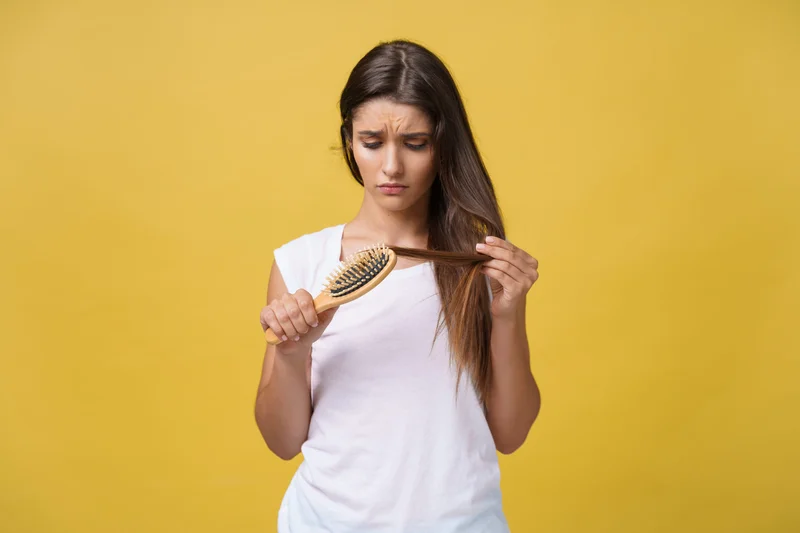
Losing 50–100 hair strands a day is normal. But when clumps come out in your brush every morning, when your parting gets wider, when you start avoiding mirrors — that's when hair fall becomes a real problem. And if you've been searching for a solution that doesn't involve harsh chemicals or lifelong medication, you're not alone.
- Ayurvedic herbs for hair fall have been used for over 3,000 years across the Indian subcontinent, and modern science is finally catching up with what ancient Vaidyas already knew.
- Bhringraj, Amla, Brahmi, Neem, Fenugreek — these aren't just "grandmother's remedies." Clinical studies now confirm that many of these herbs stimulate hair follicles, reduce inflammation, and address the root causes of hair loss from the inside out.
This guide covers 12 clinically-supported Ayurvedic herbs, exact dosages and proportions for both internal and external use, DIY recipes you can make at home, a realistic timeline of what to expect, and a full comparison with pharmaceutical options like minoxidil and finasteride. Let's get into it.
How Does Ayurveda Explain Hair Fall?
In Ayurveda, hair fall is classified under Khalitya (hair loss) and Indralupta (alopecia areata), both categorized as Shiro-roga — diseases of the head. The understanding goes far deeper than "your follicles are weak."
The Dosha Connection to Hair Loss
According to Charaka Samhita and Ashtanga Hridaya, hair is a byproduct (mala) of Asthi Dhatu (bone tissue). When the metabolic fire (Agni) responsible for nourishing bone tissue gets disturbed, hair quality deteriorates.
Each dosha creates a distinct pattern of hair loss:
- Pitta imbalance (most common): Premature greying, thinning at the crown, receding hairline with scalp inflammation. Pitta literally "burns" the hair follicle. This is the closest Ayurvedic parallel to androgenetic alopecia.
- Vata imbalance: Dry, brittle hair that breaks easily. Diffuse thinning across the entire scalp, often accompanied by dry, flaky skin.
- Kapha imbalance: Oily, heavy scalp with clogged follicles. Hair falls in clumps, often with sticky dandruff and slow regrowth.
Common Causes of Hair Fall — The Ayurvedic and Modern View
| Cause | Ayurvedic Perspective | Modern Understanding |
|---|---|---|
| Poor diet | Dhatu kshaya (tissue depletion) | Nutritional deficiency (iron, zinc, biotin) |
| Stress | Prana Vata aggravation | Cortisol-driven telogen effluvium |
| Hormonal changes | Pitta prakopa | DHT, thyroid dysfunction, PCOS |
| Pollution/chemicals | Rakta dushti (blood vitiation) | Oxidative damage to follicles |
| Heredity | Sahaja (congenital) | Genetic androgenetic alopecia |
| Medications | Ama accumulation | Drug-induced alopecia (steroids, antidepressants, blood thinners, oral contraceptives) |
| Seasonal changes | Ritucharya disruption | UV damage, seasonal shedding |
Understanding why your hair is falling is the first step. An Ayurvedic approach always treats the cause, not just the symptom.
Top 12 Ayurvedic Herbs for Hair Fall and Regrowth
Bhringraj (Eclipta Alba) — The "King of Hair"
Bhringraj literally means "ruler of hair," and it earns that title. A 2008 study published in the Journal of Ethnopharmacology found that Eclipta alba methanol extract showed superior hair growth activity compared to 2% minoxidil in albino rats. The study measured follicular density, anagen-to-telogen ratio, and follicle size — Bhringraj outperformed on all three metrics.
How it works: Bhringraj increases blood circulation to the scalp, activates hair follicles in the dormant (telogen) phase, and is rich in Wedelolactone — a compound with proven anti-inflammatory and vasodilatory properties. Best for: Premature greying, Pitta-type hair loss, general thinning.
Amla (Emblica Officinalis) — The Vitamin C Powerhouse
One Amla fruit contains approximately 600–700 mg of Vitamin C — nearly 8 times the amount in an orange. A 2012 study in the Journal of Chemical and Pharmaceutical Research demonstrated that Amla extract promoted proliferation of dermal papilla cells, which are directly responsible for hair follicle regeneration.
How it works: Amla neutralizes free radicals, strengthens collagen around follicles, maintains scalp pH, and chelates excess iron that can damage hair roots. Best for: All dosha types, premature greying, damaged hair.
3. Brahmi (Bacopa Monnieri)
Brahmi is known primarily as a brain tonic, but its benefits for hair are substantial. It strengthens hair roots by nourishing the follicle from within and has a cooling effect that specifically pacifies Pitta dosha. A 2014 study in the Annals of Neurosciences confirmed Brahmi's potent antioxidant activity — which extends to protecting scalp tissues from oxidative stress.
Best for: Stress-related hair fall, thinning hair, split ends.
4. Neem (Azadirachta Indica)
Neem addresses one of the most overlooked causes of hair fall: scalp infections. Its antifungal, antibacterial, and anti-inflammatory properties make it exceptional for dandruff-related hair loss. Research published in the Journal of Ayurveda and Integrative Medicine (2015) confirmed Neem's efficacy against Malassezia — the fungus primarily responsible for dandruff.
Best for: Dandruff, scalp infections, Kapha-type hair fall, seborrheic dermatitis.
Fenugreek (Methi — Trigonella Foenum-Graecum)
Fenugreek seeds are packed with Nicotinic acid and proteins that strengthen hair shafts. A 2006 study in the Journal of Cosmetic Dermatology involving a fenugreek-based supplement showed a statistically significant improvement in hair density among participants over a 6-month period, with 83% of subjects reporting decreased hair fall.
How it works: Fenugreek contains diosgenin, a compound with anti-inflammatory properties. The lecithin in fenugreek seeds also acts as a natural emollient, strengthening hair and adding moisture. Best for: Dry, brittle hair (Vata-type), thinning hair, women experiencing postpartum hair loss.
6. Ashwagandha (Withania Somnifera)
Ashwagandha tackles hair fall from a completely different angle — stress. A 2019 randomized double-blind study in Medicine (Baltimore) demonstrated that Ashwagandha root extract significantly reduced serum cortisol levels by 30% compared to placebo. Since chronic stress pushes hair follicles into premature telogen (resting phase), reducing cortisol directly reduces stress-induced hair fall.
Additionally, Ashwagandha contains tyrosine, an amino acid that supports melanin production, potentially helping to prevent premature greying.
Best for: Stress-related hair fall, telogen effluvium, premature greying.
Hibiscus (Japa — Hibiscus Rosa-Sinensis)
Often underestimated, Hibiscus is one of Ayurveda's most potent hair herbs. A comparative study published in the Journal of Ethnopharmacology (2003) found that Hibiscus leaf extract demonstrated significant hair growth-promoting activity — comparable to minoxidil — in animal models.
Best for: Hair thinning, premature greying, dull and lifeless hair.
8. Jatamansi (Nardostachys Jatamansi)
Jatamansi, or Spikenard, is a less well-known herb that works wonders for hair growth. It promotes hair growth by improving the number of hair follicles in the anagen (growth) phase. It also has calming properties that help with stress-induced hair fall.
Best for: Alopecia areata, patchy hair loss, stress-related conditions.
Curry Leaves (Kadi Patta — Murraya Koenigii)
Curry leaves are rich in beta-carotene and proteins that reduce hair thinning and stimulate growth. They also contain amino acids and antioxidants that strengthen hair follicles and moisturize the scalp.
Best for: Premature greying, hair thinning, dry scalp.
Aloe Vera (Kumari — Aloe Barbadensis)
Aloe vera contains proteolytic enzymes that repair dead skin cells on the scalp, creating a healthier environment for hair growth. Its pH-balancing properties help maintain optimal scalp conditions.
Best for: Oily scalp, dandruff, mild hair thinning, scalp irritation.
Licorice (Yashtimadhu — Glycyrrhiza Glabra)
Licorice root opens pores, soothes the scalp, and strengthens weakened hair. It is particularly effective for conditions where scalp dryness and irritation contribute to hair fall.
Best for: Dry, irritated scalp, Vata-Pitta type hair loss, alopecia areata.
12. Shankhapushpi (Convolvulus Pluricaulis)
Shankhapushpi is traditionally used as a Medhya Rasayana (brain tonic), but its stress-reducing and Pitta-pacifying qualities make it valuable for hair health. It improves blood circulation to the scalp when applied topically as an oil.
Best for: Stress-related hair fall, overall hair strengthening.
Comparative Table: All 12 Herbs at a Glance
| Herb | Primary Action | Best Application | Dosha Balance | Expected Timeline |
|---|---|---|---|---|
| Bhringraj | Follicle activation, anti-grey | Oil massage, internal | Pitta-Kapha | 6–8 weeks |
| Amla | Antioxidant, collagen support | Oil, juice (internal) | Tridosha | 4–8 weeks |
| Brahmi | Follicle nourishment, calming | Oil massage | Pitta-Vata | 8–10 weeks |
| Neem | Antifungal, antibacterial | Paste, rinse | Pitta-Kapha | 3–6 weeks |
| Fenugreek | Protein supply, moisturizing | Hair mask, oral | Vata-Pitta | 8–12 weeks |
| Ashwagandha | Cortisol reduction, adaptogen | Oral supplement | Vata-Kapha | 8–12 weeks |
| Hibiscus | Growth promotion, conditioning | Paste, oil | Pitta | 6–10 weeks |
| Jatamansi | Anagen promotion, calming | Oil massage | Tridosha | 8–12 weeks |
| Curry Leaves | Anti-grey, nourishing | Oil infusion, paste | Pitta-Kapha | 6–10 weeks |
| Aloe Vera | pH balance, scalp healing | Gel application | Pitta | 3–4 weeks |
| Licorice | Pore opening, soothing | Paste, milk rinse | Vata-Pitta | 6–8 weeks |
| Shankhapushpi | Circulation, stress relief | Oil, oral | Pitta-Vata | 8–12 weeks |
How to Use Ayurvedic Herbs for Hair Growth: Internal and External Methods
Most people focus only on applying herbs externally — oils, masks, and pastes. But Ayurveda insists that internal consumption is equally, if not more, important. After all, hair is a byproduct of bone tissue metabolism. If your internal nutrition is lacking no amount of external oil will fix the problem.
External Application: Oils, Masks, and Rinses
Bhringraj Hair Oil (Traditional Method)
- Ingredients: 2 tbsp Bhringraj powder, 100 ml cold-pressed coconut oil (or sesame oil for Vata types)
- Method: Heat oil on low flame. Add Bhringraj powder. Simmer for 15–20 minutes until the herb darkens the oil. Strain through muslin cloth. Cool to room temperature.
- Application: Warm slightly. Massage into scalp using circular motions for 10 minutes. Leave for at least 1 hour (overnight for best results). Wash with mild herbal shampoo.
- Frequency: 3 times per week.
Amla-Fenugreek Deep Conditioning Mask
- Ingredients: 3 tbsp Amla powder, 2 tbsp fenugreek powder (soaked overnight), 1 tbsp yogurt, 1 tbsp honey
- Method: Mix soaked fenugreek into a smooth paste. Blend in Amla powder, yogurt, and honey until you get a thick, spreadable consistency.
- Application: Apply section by section from roots to tips. Cover with a shower cap. Leave for 30–45 minutes. Rinse with lukewarm water.
- Frequency: Once a week.
Neem-Aloe Scalp Detox Rinse
- Ingredients: Handful of fresh Neem leaves (or 2 tbsp Neem powder), 2 tbsp Aloe vera gel, 500 ml water
- Method: Boil Neem leaves in water for 10 minutes. Strain. Add Aloe vera gel and mix well. Cool to room temperature.
- - Application: Use as a final rinse after shampooing.
- Do not rinse out — let it air dry.
- Frequency: 2 times per week (especially effective for dandruff-related hair fall).
Internal Use: Churnas, Juices, and Supplements
This is the part most articles completely miss. External application addresses the symptom; internal use addresses the root cause.
| Herb | Internal Form | Dosage | When to Take | Duration |
|---|---|---|---|---|
| Bhringraj | Churna (powder) | 3–5 grams with warm water or honey | Morning, empty stomach | 3–6 months |
| Amla | Fresh juice or powder | 10–20 ml juice or 3–5 grams powder | Morning, before breakfast | Ongoing |
| Ashwagandha | Capsule or churna | 300–600 mg standardized extract | Night, with warm milk | 8–12 weeks |
| Brahmi | Churna or tablet | 3–5 grams powder or 1–2 tablets | Morning | 3–6 months |
| Fenugreek | Soaked seeds | 1 tsp soaked seeds (eat directly) | Morning, empty stomach | Ongoing |
| Shankhapushpi | Syrup or churna | 5–10 ml syrup or 3 grams powder | Twice daily | 2–3 months |
Important note: Always start with the lower dosage and increase gradually. Consult an Ayurvedic practitioner before combining multiple internal herbs.
- Ayurvedic Herbs vs Minoxidil and Finasteride: An Honest Comparison
This is the comparison everyone wants but nobody provides. Let's be straightforward about it.
| Parameter | Ayurvedic Herbs | Minoxidil (2–5%) | Finasteride (1 mg) |
|---|---|---|---|
| Mechanism | Multi-target (circulation, nutrition, hormone balance, stress) | Vasodilation, prolonging anagen phase | DHT blocker (5-alpha reductase inhibitor) |
| Efficacy evidence | Moderate — multiple animal studies, limited human RCTs | Strong — extensive human clinical trials | Strong — extensive human clinical trials |
| Time to results | 6–12 weeks (variable) | 4–6 months | 3–6 months |
| Side effects | Minimal (allergic reactions, GI upset if taken internally in excess) | Scalp irritation, unwanted facial hair growth, initial shedding | Sexual dysfunction (1.4–3.4%), depression, gynecomastia |
| Cost (monthly, India) | ₹100–500 | ₹300–800 | ₹200–600 |
| Dependency | No — benefits may persist after stopping | Yes — hair loss resumes upon stopping | Yes — hair loss resumes upon stopping |
| Holistic benefits | Improved digestion, stress reduction, skin health, overall wellness | None beyond hair | None beyond hair |
| Safe during pregnancy | Most herbs: NO (especially Ashwagandha, Bhringraj internally) | NO | Absolutely NO (Category X) |
- The bottom line: If you have aggressive androgenetic alopecia with rapid progression, pharmaceutical interventions may offer faster, more predictable results.
- But for mild to moderate hair fall — especially stress-related, nutritional, or early-stage thinning — Ayurvedic herbs provide a safer, more sustainable approach with whole-body benefits and no dependency.
Many integrative dermatologists now recommend combining both: Ayurvedic herbs for overall scalp health and nutrition, with targeted pharmaceutical intervention if needed.
Side Effects and Contraindications: What Nobody Tells You
This is a critical section that virtually no other guide includes. Just because something is "natural" does not mean it's safe for everyone.
General Precautions
- Pregnancy and lactation: Avoid internal consumption of Bhringraj, Ashwagandha, Fenugreek, and Jatamansi. These herbs can stimulate uterine contractions or affect hormone levels. External application in moderate amounts is generally safe, but consult your doctor.
- Autoimmune conditions: Ashwagandha can stimulate the immune system. If you have lupus, rheumatoid arthritis, or Hashimoto's thyroiditis, use with caution and medical supervision.
- Blood-thinning medications: Bhringraj and Amla may have mild blood-thinning properties. If you're on warfarin or aspirin, inform your physician.
- Diabetes medications: Fenugreek can lower blood sugar. If you're on metformin or insulin, monitor glucose levels closely.
- Allergic reactions: Always do a patch test before applying any new herb topically. Apply a small amount behind the ear, wait 24 hours, and check for redness, itching, or swelling.
- Thyroid medications: Ashwagandha may increase thyroid hormone levels. If you're on levothyroxine, consult your endocrinologist.
Herb-Specific Cautions
| Herb | Potential Side Effect | Who Should Avoid |
|---|---|---|
| Bhringraj | May cause GI upset in large internal doses | Pregnant women (internal), those on anticoagulants |
| Amla | Excessive intake may cause acidity | Those with hyperacidity, kidney stones (high oxalate) |
| Ashwagandha | Drowsiness, stomach upset | Pregnant women, autoimmune patients, hyperthyroid patients |
| Fenugreek | Maple syrup odor in sweat/urine, GI gas | Pregnant women, diabetics without monitoring |
| Neem | Can be harsh on dry scalps if used excessively | Vata-predominant individuals (use with oil base) |
Don't wait or self medicate. Start chat with Doctor NOW
Daily Ayurvedic Hair Care Routine
- A consistent daily routine matters more than occasional intensive treatments.
- Here's a practical Dinacharya (daily routine) for hair health:
Morning Routine
- 1.Oil your scalp (Abhyanga): 5-minute warm oil massage with Bhringraj or Amla oil.
- Even 5 minutes makes a difference — you don't need an hour every day.
- 2.Gentle cleansing: Use a mild herbal shampoo (Shikakai or Reetha-based) every 2–3 days. Avoid daily shampooing.
- 3.Herbal rinse: On wash days, finish with a Neem or Amla water rinse.
Evening Routine
- 1.Comb with a wide-tooth wooden comb: Avoid plastic combs that create static and breakage.
- 2.Stress management: 10 minutes of Nadi Shodhana (alternate nostril breathing) or Bhramari Pranayama. This directly reduces cortisol and calms Pitta.
- 3.Internal supplement: Take Ashwagandha churna (3–5 grams) with warm milk before bed.
Weekly Treatment
- Hair mask: Apply Amla-Fenugreek mask or Bhringraj-Hibiscus mask (see recipes above). Leave for 30–45 minutes.
- Scalp exfoliation: Mix finely ground fenugreek with curd and gently massage the scalp for 3 minutes before your mask. This removes dead skin buildup from follicles.
Seasonal Hair Care: The Ritucharya Approach
Ayurveda emphasises that hair care should change with the seasons. This is something no other guide covers, but it makes a massive difference in results.
| Season | Dominant Dosha | Hair Challenges | Recommended Herbs | Key Adjustments |
|---|---|---|---|---|
| Summer (Grishma) | Pitta | Sun damage, scalp burn, excess oil | Amla, Brahmi, Aloe Vera | Use coconut oil base; avoid sesame oil. Increase Amla intake internally |
| Monsoon (Varsha) | Vata | Fungal infections, humidity damage, frizz | Neem, Tea Tree, Bhringraj | Add Neem rinse twice weekly; dry hair thoroughly after washing |
| Autumn (Sharad) | Pitta | Residual Pitta aggravation, hair fall peak | Amla, Licorice, Hibiscus | This is when maximum hair fall occurs. Intensify oil treatments |
| Winter (Hemanta/Shishira) | Kapha-Vata | Dry scalp, static, breakage | Bhringraj, Fenugreek, Ashwagandha | Switch to sesame or almond oil base; increase oil frequency |
| Spring (Vasanta) | Kapha | Oily scalp, sluggish growth | Neem, Curry Leaves, Brahmi | Light oils; focus on scalp detox and internal cleansing |
Panchakarma Therapies for Severe Hair Loss
When topical and oral remedies aren't enough, Ayurveda offers clinical-grade Panchakarma therapies that address deep-rooted imbalances. These should be done under a qualified Ayurvedic physician's supervision.
Shirodhara
- A continuous stream of warm medicated oil poured over the forehead for 30–45 minutes.
- Profoundly calming, it reduces Pitta and stress — two primary drivers of hair fall. Typically done in sessions of 7–14 days.
Nasya
Administration of medicated oils or herbal preparations through the nasal passages. Nasya with Anu Taila or Shadbindu Taila nourishes the head region directly and is specifically indicated for Khalitya in classical texts.
Shiro Abhyanga
- Specialized therapeutic head massage with medicated oils like Neelibhringadi Taila or Mahabhringraj Taila.
- Different from a regular oil massage — it targets specific Marma points on the scalp to stimulate follicular activity.
Shiro Lepa
Application of a herbal paste (containing Bhringraj, Amla, Jatamansi, and other herbs) directly on the scalp. Left for 45–60 minutes under a banana leaf wrap. This intensive treatment is done weekly for 4–6 weeks.
What to Expect: A Realistic Timeline
Setting realistic expectations prevents frustration. Here's what typically happens on a consistent Ayurvedic hair care regimen:
| Timeline | What You'll Notice |
|---|
- | Weeks 1–2 | Reduced scalp itching and dandruff. Hair fall may temporarily increase (similar to minoxidil's initial shedding).
- Don't panic — this is weak hair making way for stronger growth. |
| Weeks 3–4 | Scalp feels healthier, less oily or dry. Hair fall begins to reduce noticeably. Existing hair may feel softer and more manageable. |
|---|---|
| Weeks 6–8 | Visible reduction in hair fall (most people report 40–60% less shedding). Baby hairs may appear along the hairline and parting. |
| Months 3–4 | New growth becomes visible. Hair texture improves. Premature greying may slow down. Overall hair density starts improving. |
| Months 5–6 | Significant improvement in hair volume and thickness. Regrowth fills in thinning areas. Scalp health is substantially better. |
| 6+ months | Maximum benefits are typically achieved. Continue maintenance routine to sustain results. |
Critical caveat: These timelines assume consistent daily use. Applying oil once a week and expecting miracles in 2 weeks is unrealistic. Ayurveda requires patience and discipline.
Hair-Strengthening Diet: Specific Foods That Matter
Ayurveda says "Annam Brahma" — food is the foundation. Here are specific foods that support hair from the inside, organized by their primary action:
Iron and Protein Rich (Dhatu Pushti)
- Moong dal, masoor dal, black sesame seeds, spinach, moringa leaves, eggs (if non-vegetarian)
Healthy Fats (Sneha)
- Ghee (1–2 tsp daily), coconut oil in cooking, almonds, walnuts, flaxseeds
Biotin and Zinc Sources
- Peanuts, sweet potatoes, mushrooms, sunflower seeds, pumpkin seeds
Pitta-Pacifying Foods
- Cucumber, bottle gourd, coconut water, mint, coriander, fennel
Foods to Avoid or Reduce
- Excessive spicy, sour, and fermented foods (aggravate Pitta)
- Refined sugar and processed foods (create Ama/toxins)
- Excessive caffeine and alcohol (dehydrate tissues and aggravate Vata)
- Carbonated drinks (deplete minerals)
Hydration matters enormously. Aim for 8–10 glasses of water daily. Add a pinch of soaked sabja (basil) seeds to water for extra cooling and follicle-nourishing benefits.
Recommendations by Hair Type
| Hair Type | Primary Dosha | Best Herbs | Oil Base | Mask Frequency |
|---|---|---|---|---|
| Thin, dry, frizzy | Vata | Ashwagandha, Fenugreek, Licorice | Sesame or almond oil | 2x/week |
| Fine, oily, thinning with redness | Pitta | Bhringraj, Amla, Brahmi, Aloe Vera | Coconut oil | 1–2x/week |
| Thick, oily, heavy with dandruff | Kapha | Neem, Curry Leaves, Hibiscus | Light sesame or sunflower oil | 1x/week |
| Color-treated or chemically processed | Mixed (often Pitta-Vata) | Amla, Hibiscus, Aloe Vera | Coconut + Almond oil blend | 2x/week |
| Curly/coily | Often Vata-dominant | Fenugreek, Bhringraj, Licorice | Castor oil + coconut oil blend | 2x/week |
Frequently Asked Questions
Which herb is best for hair fall?
- Bhringraj (Eclipta Alba) is widely regarded as the single most effective Ayurvedic herb for hair fall. A 2008 study in the Journal of Ethnopharmacology showed it outperformed 2% minoxidil in promoting hair growth in controlled conditions.
- However, the "best" herb depends on your specific cause — Ashwagandha for stress-related hair fall, Neem for dandruff-related loss, and Amla for overall hair health.
What are the big 3 for hair regrowth?
- In Ayurveda, the "big 3" for hair regrowth are Bhringraj, Amla, and Brahmi.
- These three herbs work synergistically — Bhringraj activates dormant follicles, Amla provides antioxidant protection and collagen support, and Brahmi nourishes the follicle root and calms the nervous system. Many traditional oils like Neelibhringadi Taila combine all three.
Which ayurvedic medicine is used for hair fall?
The most commonly used Ayurvedic medicines for hair fall include Bhringraj Churna (internal), Neelibhringadi Taila (external oil), Narasimha Rasayana (for rejuvenation), and Amalaki Rasayana. For clinical-grade treatment, Nasya with Anu Taila and Shirodhara are prescribed by Ayurvedic physicians for stubborn cases.
Can one apply these hair products to all hair types?
Most Ayurvedic herbs are safe for all hair types, but the carrier oil and frequency should be adjusted. Coconut oil suits Pitta-type (oily, fine) hair, sesame oil suits Vata-type (dry, thin) hair, and lighter oils like sunflower work best for Kapha-type (thick, oily) hair. Always do a patch test before full application.
How can Amla decrease hair fall?
Amla works through multiple mechanisms: its extremely high Vitamin C content (600–700 mg per fruit) boosts collagen production around hair follicles, its antioxidants neutralize free radical damage, it chelates excess iron that can damage roots, and it maintains scalp pH in the ideal acidic range. Both topical application and internal consumption are effective.
What are the benefits of Bhringraj for hair?
Bhringraj promotes hair growth by increasing blood circulation to scalp follicles, extends the anagen (growth) phase of the hair cycle, darkens hair naturally to combat premature greying, reduces scalp inflammation, and strengthens hair roots to prevent breakage. It can be used as oil (external), churna (internal), or in combination with other herbs.
Can men use these hair products too?
Absolutely. All 12 herbs listed in this guide are effective for both men and women. In fact, male-pattern baldness (androgenetic alopecia) responds well to Bhringraj and Ashwagandha in combination — Bhringraj stimulates follicle activity while Ashwagandha manages the stress component. Men can follow the same dosages and application methods.
How does Ayurveda treat hair loss differently from modern medicine?
Ayurveda takes a whole-body approach. Instead of targeting just the hair follicle (as minoxidil does) or blocking a single hormone (as finasteride does), Ayurveda addresses digestion, stress, sleep, dosha balance, blood purity, and tissue nutrition simultaneously. This means results may take longer to appear, but they tend to be more sustainable and come without the side effects associated with pharmaceutical treatments.
Is Ayurvedic hair treatment safe during pregnancy?
External application of most herbs (Amla oil, coconut oil, Hibiscus paste) is generally considered safe during pregnancy. However, internal consumption of Ashwagandha, Bhringraj, Fenugreek, and Jatamansi should be strictly avoided as they may stimulate uterine contractions or affect hormonal balance. Always consult your obstetrician and Ayurvedic physician before starting any new treatment during pregnancy.
Final Thoughts: Start Simple, Stay Consistent
You don't need to use all 12 herbs at once. That's actually counterproductive.
Start with two or three herbs that match your dosha type and hair concern. Use them consistently for at least 8 weeks before evaluating results. Combine external application with internal consumption and supportive diet changes. Adjust your routine with the seasons.
Hair regrowth isn't a sprint — it's a marathon. But with the right Ayurvedic herbs, consistent application,
Scientific Sources
- Traditional uses, bioactive composition, pharmacology, and toxicology of Phyllanthus emblica fruits: A comprehensive review — Saini R et al., 2022, Journal of ethnopharmacology
- Herbal Remedies for Hair Loss: A Review of Efficacy and Safety — Ahmed A et al., 2025, Skin appendage disorders
- A Canadian Consensus on Androgenetic Alopecia: Approach and Management — Landells I et al., 2025, Journal of cutaneous medicine and surgery
- Therapeutic potential of Phyllanthus emblica (amla): the ayurvedic wonder — Krishnaveni M et al., 2010, Journal of basic and clinical physiology and pharmacology
- Phytotherapy in periodontics as an effective and sustainable supplemental treatment: a narrative review — Gawish AS et al., 2024, Journal of periodontal & implant science
Questions from users
How long should I leave an Amla-Fenugreek hair mask on for best results?
John
3 days ago
For best results, leave an Amla-Fenugreek hair mask on for about 30–45 minutes. This timeframe is sufficient for the nutrients to penetrate the scalp and hair, promoting benefits like reduced scalp itching and dandruff. If tolerated, leaving it on for up to an hour is also effective, though overnight applications are generally unnecessary and may cause scalp irritation. Be sure to rinse thoroughly with lukewarm water to remove all residue. If you experience any irritation or an allergy, discontinue use, and consult a healthcare professional.
What is the best way to use Jatamansi for improving hair growth?
Charles
13 days ago
To use Jatamansi for hair growth, you can make a hair oil by mixing Jatamansi powder with a carrier oil like coconut or sesame. Warm it up a bit, then massage it into your scalp gently and leave it for at least an hour before washing. This can help with dandruff, scalp infections and promote hair growth by balancing your doshas, especially Kapha.
Is it safe to use Nasya for hair regrowth, and how should it be applied?
Charlotte
22 days ago
Yes, Nasya can be safe for hair regrowth if used correctly. It's a technique in Ayurveda where medicated oils or preparations are administered through the nasal passages. This method supports dosha balance and tissue nutrition. For application, warm the oil slightly and start with a drop in each nostril, preferably in the morning, but it’s best to consult with an Ayurvedic practitioner to tailor it to your needs.
What is the best way to use Ashwagandha for hair loss caused by stress?
Chloe
31 days ago
It's great you want to try Ashwagandha for stress-related hair loss! You can use it as a supplement or in an herbal tea. Mixing some Ashwagandha powder with oil (like coconut or sesame) and massaging into your scalp might also help. Remember to keep an eye on your overall stress levels, as reducing stress helps with more than just hair health!
What is Brahmi and how does it help with hair health?
Emma
40 days ago
Brahmi is a herb often recognized as a brain tonic, but it's great for hair too! It helps with hair health by protecting scalp tissues from oxidative stress due to its potent antioxidants. This action can help with stress-related hair fall, thinning hair, and split ends. Just make sure to check with your doctor if you're planning to use it!
Can I use pudina essential oil for hair growth and how should I apply it?
Caroline
52 days ago
Yes, you can use pudina essential oil for hair growth, though it’s more for treating dandruff which indirectly supports growth. Just mix a few drops with a carrier oil like coconut or almond, massage it into your scalp gently, let it sit for about 20-30 mins before rinsing it off. Always do a patch test to avoid any reactions!
What is the best way to prepare a hair mask using pudina and aloe vera?
Meredith
62 days ago
You can make a simple hair mask by blending a handful of pudina (mint) leaves with some aloe vera gel. Apply it directly to your scalp and hair. Leave it for 20-30 minutes, then rinse with lukewarm water. It's great for reducing hair fall and promtoing growth because it soothes the scalp and nourishes the follicles. Give it a shot :)
Is it safe to use pudina for hair care if I have sensitive skin?
Isaac
71 days ago
Using pudina on your hair can be safe even with sensitive skin, but it's a good idea to do a patch test first. Just apply a small amoun on a tiny area of skin to see if any irritation occurs. If your skin doesn't react negatively, it should be alright to use on your scalp. Always listen to your body and stop if anything feels off.
Is it safe to combine Brahmi and Bhringraj with other hair growth treatments?
Zara
81 days ago
Yeah, it's generally safe to use Brahmi and Bhringraj alongside other hair treatments. They're natural herbs and don't typically cause adverse reactions. But it's always good to keep a balance and maybe even consult an Ayurvedic practitioner to see how they fit into your specific dosha or body constitution. Remember to also watch your diet and lifestyle!
Can I use Brahmi and Aloe Vera together for hair growth benefits?
Elijah
90 days ago
Yes, you can use Brahmi and Aloe Vera together for hair growth. Brahmi helps rejuvenate the scalp due to its anti-inflammatory properties and Aloe Vera soothes and nourishes. Just make sure to notice how your hair and scalp respond to the combo, as everyone's body is a bit diffrent! If you're unsure, consulting with an Ayurvedic practitioner could help.
Related articles

Skin and Hair Disorders
How to Make Your Nails Stronger: Home Remedies and Ayurvedic Tips
Learn how to make your nails stronger using home remedies. Discover Ayurvedic tips, foods, and natural ways to grow nails faster, thicker, and prevent breakage
5,258
Skin and Hair Disorders
Yashad Bhasma Uses for Skin – Ayurvedic Remedy for Skin Health and Rejuvenation
Discover the benefits and uses of Yashad Bhasma, an Ayurvedic zinc-based formulation, renowned for its ability to treat skin conditions like acne, pigmentation, and aging signs.
4,654

Skin and Hair Disorders
Discover Natural Solutions: Best Ayurvedic Treatment for Melasma on Face
xplore the top Ayurvedic treatments for melasma on the face, including herbs, remedies, and lifestyle tips to achieve clearer, radiant skin naturally.
5,883

Skin and Hair Disorders
Does Honey Make Hair White? Ayurvedic Truth and Misconceptions
Does honey make hair white or lighten it? Explore if applying honey to hair causes whitening, whether it’s safe, and how Ayurveda views honey for hair care
8,691
Skin and Hair Disorders
Nibhanjan Cream: Unlocking the Secrets to Healthy Skin
Nibhanjan Cream
3,711

Skin and Hair Disorders
How to Use Hibiscus Leaves for Hair Growth
Discover benefits of hibiscus leaves for hair growth. Learn how to use hibiscus leaves, apply paste or hair mask, and improve scalp health naturally
8,707

Skin and Hair Disorders
Which Dry Fruit Is Good for Skin and Hair: Ayurvedic Guide
Exploration of Unlock Radiant Skin and Lustrous Hair with Dry Fruits: A Comprehensive Guide
5,330

Skin and Hair Disorders
How to Remove Egg Smell from Hair
Discover how to remove egg smell from hair naturally and fast. Learn tips, rinses, and remedies to get rid of odor after washing and prevent it next time
8,064

Skin and Hair Disorders
How to Control Sweating: Natural Ways to Stay Fresh
Learn how to control excessive sweating naturally. Discover Ayurvedic tips for face, scalp, underarms, and palms. Stay fresh and confident in summer heat
3,869

Skin and Hair Disorders
Chandanadi Thailam: Benefits, How to Use, Ingredients, Side Effects
Exploration of Chandanadi Thailam: Benefits, How to Use, Ingredients, Side Effects
2,182
Related consultations on the topic
Legal
Additional Documents
© 2024 Ask Ayurveda. All rights reserved.