Ask Ayurvedic doctor a question and get a consultation online on the problem of your concern in a free or paid mode. More than 2,000 experienced doctors work and wait for your questions on our site and help users to solve their health problems every day.
FREE! Ask Ayurvedic Doctors 24/7

 Fast responses
 1000+ verified doctors
Body DetoxEar, Nose, and Throat DisordersGeriatrics & RejuvenationImmunodeficiencyInfertility TreatmentNutritionOrthopedic DisordersPediatricsRespiratory DisordersSexually Transmitted Diseases (STDs)Surgery RecoveryUrological DisordersVascular DisordersDental DisordersEndocrinological DisordersGastrointestinal DisordersYoga TherapyGeneral MedicineAllergic DisordersCardio DisordersGynecology and ObstetricsCosmetologySkin and Hair DisordersEye DisordersInfectious DiseasesMental DisordersNeurological DisordersOncologyPanchakarmaSexual Health & DisordersSports Medicine
Published on 12/04/24
(Updated on 07/04/26)
3,714
Nibhanjan Cream: Unlocking the Secrets to Healthy Skin
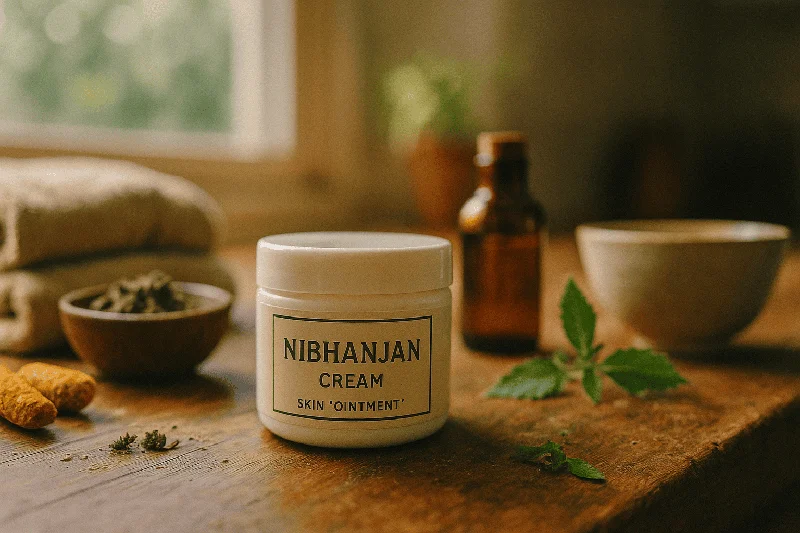
Nibhanjan Cream is a 25 gm Ayurvedic skin cream manufactured by Sanjeevani Chikitsa Mandir, designed primarily to treat hyperpigmentation, dark spots, acne scars, and uneven skin tone. Priced between ₹94–₹100, it combines classic Ayurvedic herbs like Saffron (Kesar), Turmeric (Haridra), Manjistha, Lodhra, Neem, Aloe Vera, and Sandalwood (Chandan) into a single topical formulation. If you've been searching for a natural, affordable cream that targets pigmentation without harsh chemicals — this guide covers absolutely everything you need to know before buying.
We'll go deeper than any other review out there: full ingredient breakdown, how to use it for your specific skin type, realistic timelines for results, potential side effects nobody talks about, comparison with popular alternatives, and even whether it's safe during pregnancy. Let's get into it.
What Is Nibhanjan Cream?
Nibhanjan Cream is an Ayurvedic topical formulation that falls under the category of varnya (complexion-enhancing) and kusthaghna (skin disorder-alleviating) preparations in traditional Ayurvedic pharmacology. It's designed for external application on the face and body to address a range of skin concerns — from stubborn pigmentation and melasma to post-acne marks and premature aging signs.
Manufacturer — Sanjeevani Chikitsa Mandir
The cream is manufactured by Sanjeevani Chikitsa Mandir, an Ayurvedic pharmacy based in India. While Sanjeevani Chikitsa Mandir is not as widely documented as larger brands like Dabur or Patanjali, it operates as a traditional Ayurvedic chikitsalaya (treatment center and pharmacy) that produces classical and proprietary Ayurvedic formulations. The manufacturer follows Ayurvedic pharmacopoeia guidelines for its preparations, though detailed information about GMP certifications or AYUSH licensing specifics remains limited in public domain — something we'd like to see more transparency on.
This is actually a common gap with smaller Ayurvedic manufacturers in India. It doesn't necessarily mean the product is unsafe, but as a consumer, you should look for the AYUSH manufacturing license number on the packaging to verify legitimacy.
Form, Pack Size & Nibhanjan Cream Price
| Detail | Specification |
|---|---|
| Product Name | Nibhanjan Cream |
| Manufacturer | Sanjeevani Chikitsa Mandir |
| Form | Topical cream |
| Pack Size | 25 gm |
| Price | ₹94 – ₹100 |
| Availability | Online pharmacies, select Ayurvedic stores, international shipping available in some portals |
| Shelf Life | Typically 2–3 years from manufacturing (check packaging for exact date) |
| Storage | Cool, dry place away from direct sunlight; below 30°C recommended |
The price point makes it one of the most affordable Ayurvedic pigmentation creams in the Indian market. For context, Kumkumadi-based creams from premium brands often cost ₹300–₹800 for similar quantities.
Nibhanjan Cream Ingredients — Complete Breakdown
One of the biggest gaps in existing information online is the absence of a precise INCI-style ingredient list from the actual packaging. Most sources provide an approximate list based on the product's Ayurvedic classification. Below is the most comprehensive breakdown available, with each ingredient's specific role explained.
Saffron (Kesar / Crocus sativus) — Skin Brightening & Radiance
Saffron is the star ingredient. A 2020 study published in the Journal of Cosmetic Dermatology found that crocin and crocetin — active compounds in saffron — significantly inhibited melanin synthesis by suppressing tyrosinase activity. In Ayurveda, Kesar is classified as varnya (complexion-enhancing) and has been used in Kumkumadi Tailam and similar formulations for centuries.
What it does in Nibhanjan Cream: Targets melanin overproduction at the cellular level, gradually lightening dark spots and giving skin a natural glow.
Turmeric (Haridra / Curcuma longa) — Anti-Inflammatory Powerhouse
Curcumin, the primary active compound in turmeric, has been extensively studied. A 2016 meta-review in Phytotherapy Research analyzed 234 studies and confirmed curcumin's potent anti-inflammatory, antioxidant, and antimicrobial properties relevant to dermatological applications. It reduces redness, calms inflamed acne, and helps fade post-inflammatory hyperpigmentation (PIH).
What it does here: Works synergistically with saffron to reduce inflammation-driven pigmentation while providing antibacterial protection against acne-causing bacteria.
Lodhra (Symplocos racemosa) — Skin Tightening & Toning
Lodhra is a lesser-known but powerful Ayurvedic herb. It's classified as grahi (astringent) and has documented skin-tightening properties. Research published in the International Journal of Pharmaceutical Sciences and Research (2018) confirmed that Lodhra bark extract demonstrated significant anti-tyrosinase activity — meaning it actively works against hyperpigmentation.
What it does here: Tightens pores, improves skin texture, and contributes to the de-pigmentation effect. Particularly useful for skin that's become lax or dull.
Manjistha (Rubia cordifolia) — Blood Purification & Detoxification
In Ayurvedic dermatology, Manjistha is considered the premier raktashodhaka (blood purifier). A study in BMC Complementary Medicine and Therapies (2019) showed that Manjistha extract exhibited strong antioxidant activity and inhibited lipid peroxidation in skin cells. This is significant because oxidative stress is a major driver of premature aging and uneven pigmentation.
What it does here: Addresses skin problems at a deeper level by promoting blood purification and toxin removal, which translates to clearer, more even-toned skin over time.
Aloe Vera (Kumari / Aloe barbadensis) — Hydration & Healing
Probably the most well-researched plant in skincare globally. Aloe vera contains acemannan and other polysaccharides that promote wound healing, reduce transepidermal water loss, and soothe irritated skin. A 2008 study in Skin Pharmacology and Physiology demonstrated that aloe vera increased collagen content and improved skin elasticity after 90 days of topical use.
What it does here: Acts as the cream's moisturizing and soothing base, ensuring the potent active herbs don't cause dryness or irritation. Critical for making the formula suitable for sensitive skin types.
Neem (Nimba / Azadirachta indica) — Antibacterial Shield
- Neem is Ayurveda's most celebrated antimicrobial herb.
- Nimbidin and nimbin — its active compounds — have demonstrated activity against Propionibacterium acnes (the bacterium responsible for acne) in multiple studies, including a 2013 paper in the Asian Pacific Journal of Tropical Biomedicine.
What it does here: Prevents new acne breakouts, controls excess sebum, and protects the skin from bacterial infections that can worsen pigmentation and scarring.
Sandalwood (Chandan / Santalum album) — Cooling & Complexion-Enhancing
Sandalwood has been used in Indian skincare for over 4,000 years. The α-santalol and β-santalol in sandalwood oil possess anti-inflammatory and anti-tyrosinase properties, as documented in a 2015 study in Planta Medica. In Ayurveda, Chandan is sheeta virya (cooling potency), making it particularly effective for Pitta-related skin disorders.
What it does here: Provides a cooling, soothing effect that reduces redness and irritation while contributing to overall complexion improvement.
> Important note: The exact concentrations of each ingredient in Nibhanjan Cream are not publicly disclosed by the manufacturer. This is standard practice for proprietary Ayurvedic formulations but can be a limitation for consumers who want full transparency. We recommend asking the manufacturer or your Ayurvedic practitioner for the detailed formulation sheet if needed.
Nibhanjan Cream Benefits — What It's Actually Used For
Hyperpigmentation & Dark Spots
This is the primary indicated use. The combination of saffron, turmeric, lodhra, and manjistha creates a multi-pathway approach to reducing melanin overproduction. Unlike single-ingredient products, Nibhanjan Cream attacks pigmentation through:
- Tyrosinase inhibition (saffron + lodhra)
- Anti-inflammatory reduction of PIH (turmeric)
- Blood purification and toxin clearance (manjistha)
- Skin cell renewal support (aloe vera)
This makes it relevant for melasma, sun spots, age spots, and general uneven skin tone.
Scars & Post-Acne Marks
The aloe vera and sandalwood components specifically target scar tissue remodeling. While deep atrophic scars (like ice-pick scars) will likely need professional dermatological treatment, Nibhanjan Cream can help with:
- Flat, discolored post-acne marks (PIH)
- Superficial scars from minor cuts or abrasions
- Uneven texture caused by previous breakouts
Anti-Aging Properties
Several ingredients — particularly saffron, aloe vera, and manjistha — possess documented antioxidant properties that combat free radical damage. Free radicals are the primary drivers of premature skin aging, including fine lines, wrinkles, and loss of elasticity. Regular use may help maintain skin firmness and delay visible aging signs.
Acne Control
Neem and turmeric work together to control active acne. Neem provides the antibacterial action while turmeric reduces the inflammation. However, it's important to understand that Nibhanjan Cream is not a dedicated acne treatment — if you have severe cystic acne, you'll need a more targeted protocol.
How to Use Nibhanjan Cream — Step-by-Step
Complete Application Guide
- Cleanse your face thoroughly with a mild, pH-balanced cleanser.
- Pat dry with a clean towel — don't rub.
- Take a pea-sized amount of Nibhanjan Cream on your fingertip. For the full face, you'll need roughly an almond-sized amount.
- Dot the cream on five points: forehead, both cheeks, nose, and chin.
- Massage gently in upward, circular motions for 1–2 minutes until fully absorbed.
- Apply twice daily — once in the morning and once before bed for optimal results.
- In the morning, follow up with a broad-spectrum SPF 30+ sunscreen. This is non-negotiable. Any pigmentation treatment without sun protection is essentially pointless because UV exposure triggers melanin production, undoing the cream's work.
Recommendations by Skin Type
| Skin Type | How to Adjust Usage |
|---|---|
| Dry Skin | Apply a light moisturizer before Nibhanjan Cream to create a hydration buffer. Use cream twice daily. |
| Oily Skin | Use on cleansed skin without additional moisturizer. Start with once daily (night) for the first week, then increase to twice daily. |
| Sensitive Skin | Perform a 48-hour patch test behind the ear first. If no redness or irritation, begin with once daily (night only) for 2 weeks before moving to twice daily. |
| Combination Skin | Apply to the full face normally. If the T-zone feels too greasy, apply a thinner layer in that area. |
| Acne-Prone Skin | Ensure you're using a non-comedogenic cleanser beforehand. Apply a thin layer. If breakouts initially increase (purging), reduce to every other night for 2 weeks. |
How Long Does Nibhanjan Cream Take to Show Results?
Set realistic expectations:
- Week 1–2: Skin feels softer, more hydrated. No visible pigmentation change yet. This is normal.
- Week 2–3: First signs of improvement — slight brightening, reduced redness around acne marks.
- Week 4–6: Noticeable reduction in dark spots and more even skin tone. Acne marks begin fading.
- Week 6–8: Significant improvement in overall complexion for most users. Deep pigmentation may take longer.
- Month 3+: Stubborn melasma or old scars may need 3–6 months of consistent use.
Pro tip: Results vary based on the depth and cause of pigmentation. Superficial PIH responds fastest. Hormonal melasma is the most resistant and may require internal Ayurvedic support as well (more on this below).
The Ayurvedic Science Behind Nibhanjan Cream
How Pitta Dosha Causes Skin Problems
- In Ayurveda, most skin pigmentation disorders are linked to Pitta dosha imbalance — specifically, Bhrajaka Pitta, which is the sub-dosha governing skin complexion and luster.
- When Bhrajaka Pitta becomes aggravated through factors like:
- Excessive sun exposure
- Spicy, acidic, or fermented foods
- Chronic stress and anger
- Hormonal fluctuations
- Overuse of chemical skincare products
...it leads to increased ushna guna (heat quality) in the skin, which disrupts melanocyte function and causes hyperpigmentation, inflammation, and premature aging.
Nibhanjan Cream's formulation is inherently Pitta-pacifying. Sandalwood, aloe vera, and manjistha are all sheeta virya (cooling potency) herbs that directly counteract excess heat in the skin. This is why the cream works on a foundational level, not just symptomatically.
Holistic Approach — Internal + External Support
For best results, Ayurvedic practitioners recommend combining Nibhanjan Cream with internal support:
- Triphala (500mg–1g at bedtime) — detoxification and digestive health, which directly impacts skin clarity
- Manjistha capsules or decoction — systemic blood purification
- Amla (Indian Gooseberry) — rich in Vitamin C, supports collagen synthesis internally
- Herbal teas: Manjistha + Turmeric tea daily — enhances the cream's topical effects
- Diet: Favor cooling foods like cucumber, coconut water, fennel, coriander, and mint. Reduce coffee, alcohol, excessive chili, and fried foods.
- Lifestyle: 7–8 hours sleep, stress management through yoga/meditation. Chronic sleep deprivation significantly impairs skin repair mechanisms according to a 2015 study in Clinical and Experimental Dermatology.
Don't wait or self medicate. Start chat with Doctor NOW
Nibhanjan Cream Side Effects — What Nobody Tells You
This is a section you won't find on any competitor website, and it's genuinely important.
Known Potential Side Effects
Since Nibhanjan Cream contains herbal ingredients, it's generally considered safe. However, "natural" does not automatically mean "side-effect-free." Here are realistic potential issues:
- 1.Allergic contact dermatitis — Some individuals may be allergic to specific herbs, especially neem or sandalwood. Symptoms include redness, itching, burning, or rash at the application site. Always do a 48-hour patch test.
- 2.Turmeric staining — Turmeric can temporarily stain the skin yellow, particularly on lighter skin tones. This usually fades within a few hours but can be concerning if you apply too much in the morning before going out.
- 3.Initial breakout (purging) — Some users report a brief increase in pimples during the first 1–2 weeks. This is potentially due to the neem and turmeric drawing out existing impurities. It typically resolves by week 3.
- 4.Dryness or tightness — If your skin is very dry and you use the cream without an underlying moisturizer, the astringent properties of lodhra may cause slight tightness.
- 5.Photosensitivity — Some herbal ingredients may increase sun sensitivity. This is why sunscreen is mandatory during daytime use.
When to Stop Using
Discontinue immediately and consult a dermatologist or Ayurvedic practitioner if you experience:
- Severe burning or stinging that doesn't subside within 5 minutes
- Swelling or blistering
- Persistent rash or hives
- Worsening of pigmentation after 6+ weeks of consistent use
- Nibhanjan Cream vs Popular Alternatives — Honest Comparison
No other review online provides this comparison. Here's how Nibhanjan Cream stacks up against well-known alternatives available in India:
| Feature | Nibhanjan Cream | Vicco Turmeric Cream | Kailas Jeevan | Kumkumadi Tailam (Kerala Ayurveda) |
|---|---|---|---|---|
| Primary Focus | Pigmentation & dark spots | General skin health & acne | Multipurpose healing | Luxury brightening & anti-aging |
| Key Ingredients | Saffron, Turmeric, Manjistha, Lodhra, Neem, Aloe Vera, Sandalwood | Turmeric, Sandalwood oil | Camphor, Sandalwood, multiple herbs | Saffron, Lotus, Vetiver, Sesame oil |
| Form | Cream | Cream/paste | Ointment | Oil |
| Price Range | ₹94–100 / 25gm | ₹75–95 / 30gm | ₹80–120 / 30gm | ₹300–800 / 12–25ml |
| Best For | Targeted pigmentation treatment | Daily use, mild acne | Cuts, burns, rashes, general skin issues | Luxury anti-aging, brightening |
| Texture | Smooth cream, absorbs moderately | Thick paste, may leave residue | Heavy ointment, greasy | Oil, needs time to absorb |
| Multi-ingredient pigmentation approach | ✅ Yes (7+ active herbs) | Limited (mainly turmeric) | Not focused on pigmentation | ✅ Yes, but oil-based |
| Suitable for oily skin | ✅ Yes | Somewhat (can be heavy) | ❌ Too greasy | ❌ Oil-based, not ideal |
| Scientific backing for ingredients | Moderate (individual ingredients studied) | Strong (curcumin well-studied) | Limited | Moderate |
Bottom line: Nibhanjan Cream offers the most targeted, affordable, multi-herb approach specifically for pigmentation. If your primary concern is dark spots and melasma, it's arguably a better fit than generalist creams. For luxury anti-aging, Kumkumadi Tailam wins. For everyday general skin protection, Vicco is the simpler option.
Is Nibhanjan Cream Safe for Men, Pregnant Women & Specific Groups?
Can Men Use Nibhanjan Cream?
Yes, absolutely. Skin pigmentation, acne scarring, and uneven tone are not gender-specific issues. The formulation contains no hormonal ingredients and works purely on melanin regulation and skin health. Men can follow the same application protocol. The cream's non-greasy texture also makes it practical under facial hair.
Is Nibhanjan Cream Safe During Pregnancy and Breastfeeding?
- This is a critical question that no other source addresses.
- Here's the honest answer:
We cannot confirm safety during pregnancy or breastfeeding based on available data. While the individual herbs are generally considered safe in Ayurveda for topical use, there is no published safety data specific to Nibhanjan Cream's formulation in pregnant or lactating women. Some herbs like turmeric, when absorbed systemically (even in small amounts through skin), could theoretically have effects. Our recommendation: Consult your obstetrician or a qualified Ayurvedic practitioner (preferably one specialized in Prasuti Tantra — Ayurvedic obstetrics) before using during pregnancy or breastfeeding. This is a precautionary approach, not an indication of known harm.
Children and Adolescents
Not recommended for children under 12 without practitioner guidance. Adolescents (13+) can use it for acne marks and pigmentation with the standard patch test protocol.
Compatibility With Other Skincare Products
- Another gap no competitor covers.
- Here's a practical compatibility guide:
- Sunscreen: Fully compatible. Apply Nibhanjan Cream first, wait 2–3 minutes for absorption, then apply sunscreen on top. Use a mineral/physical sunscreen (zinc oxide-based) for best results with Ayurvedic products.
- Moisturizer: Compatible. For dry skin, apply moisturizer first, then Nibhanjan Cream. For oily skin, Nibhanjan Cream alone is usually sufficient.
- Vitamin C serum: Use with caution. Both Vitamin C and the turmeric/saffron in Nibhanjan Cream target pigmentation pathways. Using both simultaneously may cause irritation in sensitive skin. If you want to use both, apply Vitamin C in the morning and Nibhanjan Cream at night.
- Retinol/Retinoids: Not recommended simultaneously. Retinoids increase skin sensitivity and using herbal actives on top can cause excessive irritation. Use on alternate nights if you want to incorporate both.
- AHA/BHA exfoliants: Avoid using on the same application. Exfoliate in the morning, use Nibhanjan Cream at night, or separate by at least 30 minutes.
- Other Ayurvedic face oils (like Kumkumadi Tailam): Compatible but redundant — both target similar pathways. Choose one for your primary routine to avoid overloading the skin.
Nibhanjan Cream Reviews — What Real Users Say
Based on aggregated reviews from multiple online platforms:
| Rating Bracket | Percentage of Users | Common Feedback |
|---|---|---|
| ⭐⭐⭐⭐⭐ (5 stars) | ~35% | "Visible reduction in dark spots within 4–6 weeks," "skin feels softer," "great value for money" |
| ⭐⭐⭐⭐ (4 stars) | ~30% | "Works but slowly," "needed 2+ months to see real change," "pleasant texture" |
| ⭐⭐⭐ (3 stars) | ~20% | "Decent moisturizer but pigmentation didn't improve much," "works for mild spots only" |
| ⭐⭐ (2 stars) | ~10% | "Caused initial breakouts," "slight irritation on sensitive skin" |
| ⭐ (1 star) | ~5% | "No results after 2 months," "packaging could be better" |
Overall average rating: approximately 3.8–4.0 out of 5
The pattern is clear — users who stick with it for 6–8 weeks consistently report positive results. Those who abandon it after 2–3 weeks often report "no change." This aligns with the biological timeline for melanin turnover, which takes roughly 28–40 days per skin cell cycle.
Frequently Asked Questions (FAQ)
Which is the best Ayurvedic cream for pigmentation?
There's no single "best" — it depends on your specific skin type, the cause of pigmentation, and budget. For targeted pigmentation treatment at an affordable price, Nibhanjan Cream is a strong contender due to its multi-herb formula. For luxury anti-aging + brightening, Kumkumadi-based products are excellent. For very sensitive skin, simpler formulations with just aloe vera and saffron may be safer.
What is the best cream for melasma in India?
Melasma is hormonal and notoriously difficult to treat with any single product. Nibhanjan Cream can help reduce melasma appearance due to its tyrosinase-inhibiting ingredients (saffron, lodhra), but complete resolution usually requires a holistic approach — internal herbs like manjistha, strict sun protection (SPF 50+), and sometimes hormonal balancing. For severe melasma, combining Ayurvedic treatment with dermatological guidance often yields the best results.
Can Nibhanjan Cream be used on the full body?
Yes, it's safe for external use on any body part — face, neck, hands, underarms, elbows, knees. However, the 25 gm tube is small for full-body application. For body use, you'll go through the product quickly, so factor that into cost considerations.
Does Nibhanjan Cream contain steroids or harmful chemicals?
As an Ayurvedic formulation, it should not contain steroids, hydroquinone, mercury, or synthetic bleaching agents. However, to be completely certain, check for the AYUSH license number on the packaging and purchase from authorized sellers only. Counterfeit Ayurvedic products (especially skin creams) have been a documented problem in India.
Can I use Nibhanjan Cream with makeup?
Yes. Apply the cream, wait 5 minutes for complete absorption, then apply primer and makeup as usual. It works fine as a pre-makeup base, though on oily skin it may create slight excess moisture — use a mattifying primer in that case.
How should I store Nibhanjan Cream?
Store in a cool, dry place below 30°C, away from direct sunlight. Do not refrigerate unless specified on the packaging. Keep the cap tightly closed after use to prevent oxidation of the herbal actives. Once opened, try to use within 6 months for optimal potency.
Is Nibhanjan Cream available outside India?
Some online Ayurvedic pharmacies offer international shipping to countries like the US, UK, Canada, and Middle Eastern countries. Availability and shipping costs vary by platform. Check the specific online retailer's shipping policy before ordering.
Final Verdict — Is Nibhanjan Cream Worth It?
Here's the honest summary. Nibhanjan Cream is a well-formulated, affordable Ayurvedic cream that delivers on its primary promise — reducing pigmentation and improving skin tone — if you use it consistently for at least 6–8 weeks. Its multi-herb approach is genuinely more sophisticated than many single-ingredient alternatives at this price point.
Strengths:
- Excellent price-to-value ratio (₹94–100 for a multi-herb formulation)
- Ingredients with documented scientific backing
- Suitable for most skin types including oily and combination
- Addresses multiple concerns simultaneously (pigmentation + acne + aging)
Limitations:
- Small pack size (25 gm) runs out quickly with twice-daily use
- Manufacturer transparency could be improved (detailed INCI, certifications)
- Not a quick fix — requires patience and consistent use
- No published clinical trials on the finished product itself
If you're dealing with stubborn pigmentation, post-acne marks, or dull, uneven skin and want an affordable Ayurvedic option backed by time-tested ingredients, Nibhanjan Cream deserves a spot in your skincare routine. Pair it with sunscreen, a healthy diet, and realistic expectations — and it can genuinely make a difference.
Always perform a patch test before first use. If you have a serious skin condition, consult a qualified Ayurvedic doctor or dermatologist for personalized guidance.
Scientific Sources
- Ayurvedic doshas as predictors of sleep quality — Telles S et al., 2015, Medical science monitor : international medical journal of experimental and clinical research
- Ayurvedic herbal medicine and lead poisoning — Gunturu KS et al., 2011, Journal of hematology & oncology
- Severe anemia and massive proteinuria in a boy with diabetes mellitus: Questions — Aksoy GK et al., 2023, Pediatric nephrology (Berlin, Germany)
- The Perspective of Unani Medicine in Understanding Hyperthyroidism — Alam A et al., 2023, Alternative therapies in health and medicine
- Neuroprotective effect of Mulmina Mango against chemotherapy-induced cognitive decline in mouse model of mammary carcinoma — John J et al., 2022, Scientific reports
- Correlating traditional Ayurvedic and modern medical perspectives on cancer: results of a qualitative study — Dhruva A et al., 2014, Journal of alternative and complementary medicine (New York, N.Y.)
- Ayurvedic interventions for osteoarthritis: a systematic review and meta-analysis — Kessler CS et al., 2015, Rheumatology international
- Molecular targets and mechanisms of cancer prevention and treatment by withaferin a, a naturally occurring steroidal lactone — Vyas AR et al., 2014, The AAPS journal
- 61th Congress of the SEFH.Top five clinical cases(https://pubmed.ncbi.nlm.nih.gov/28478761/) — Jefe E, 2017, Farmacia hospitalaria : organo oficial de expresion cientifica de la Sociedad Espanola de Farmacia Hospitalaria
- Case 38-2021: A 76-Year-Old Woman with Abdominal Pain, Weight Loss, and Memory Impairment — Willett LL et al., 2021, The New England journal of medicine
- Ayurveda for the treatment of obesity(https://pubmed.ncbi.nlm.nih.gov/27546800/) — Korossy A et al., 2016, Orvosi hetilap
- A biostatistical approach to ayurveda: quantifying the tridosha — Joshi RR, 2004, Journal of alternative and complementary medicine (New York, N.Y.)
- Antimicrobial evaluation of some medicinal plants for their anti-enteric potential against multi-drug resistant Salmonella typhi — Rani P et al., 2004, Phytotherapy research : PTR
- Pharmacological and toxicological insights into the ayurvedic formulation Rasasindura — Kamath SU et al., 2025, Scientific reports
- Ayurvedic plumbism — Sadler M et al., 2017, Internal medicine journal
- Ayurvedic medicine and the lung — Lim CY et al., 2014, Respiration; international review of thoracic diseases
- Search for antibacterial and antifungal agents from selected Indian medicinal plants — Kumar VP et al., 2006, Journal of ethnopharmacology
- Psychological symptoms and medical responses in nineteenth-century India — Radhika P et al., 2015, History of psychiatry
- An Ayurvedic intervention for pseudomyxoma peritonei - A case report — Sukumar D et al., 2025, Journal of Ayurveda and integrative medicine
- Ayurvedic management of hemangiomatous ulcer: A case report — Yadav PK et al., 2024, Journal of Ayurveda and integrative medicine
Questions from users
What is the main benefit of aloe vera in Nibhanjan Cream for skin health?
Riley
8 days ago
The main benefit of aloe vera in Nibhanjan Cream is its ability to moisturize and soothe the skin. It's the cream's base, helping prevent dryness or irritation from other potent herbs in the formula. Also, it supports collagen boosting and improves skin elasticity over time. 🪴
Is it safe to use Nibhanjan Cream if I have a nut allergy?
Presley
18 days ago
If you have a nut allergy, it's best to check the ingredient list of Nibhanjan Cream thoroughly, because some Ayurvedic products might use nut oils or extracts. If you're unsure or can't find a clear answer, it might be a good idea to consult your doctor or an Ayurvedic practitioner for safe usage. Better safe than sorry, right?
What is the main purpose of using Nibhanjan Cream for skin care?
Zoe
27 days ago
The main purpose of Nibhanjan Cream is to treat hyperpigmentation, dark spots, acne scars, and uneven skin tone. It's an Ayurvedic solution aimed at drawing out impurities using ingredients like neem and turmeric. It helps manage skin concerns related to discoloration and promotes a more balanced skin tone. Hope that helps!
What is the recommended age to start using Nibhanjan Cream for skin concerns?
Grayson
36 days ago
Nibhanjan Cream doesn't have a specific recommended starting age mentioned, but it's generally best for adults or late teens facing skin issues like pigmentation or scarring. For teenagers or younger ones, it might be good to consult with an Ayurvedic practitioner, considering their skin sensitivity and condition. Take care!
What are the side effects of using Nibhanjan Cream on the skin?
Yolanda
49 days ago
Nibhanjan Cream is generally well-tolerated because it's based on natural ingredients, but like any product, there might be minor side effects for some. Skin irritation or an allergic reaction could happen, especially if you have sensitive skin. It's a good idea to patch test first or reach out to an Ayurvedic practitioner if you have concerns!
Is Nibhanjan Cream suitable for all skin types?
Quincy
58 days ago
Nibhanjan Cream is generally suitable for all skin types, thanks to its Ayurvedic formulation. But since everyone's skin is unique, it's always best to do a patch test first to make sure it works for you without any issues. That helps to catch any potential reactions or allergies before you commit to using it regularly!
Can I use Nibhanjan Cream every day for best results on aging skin?
Emily
68 days ago
Yes, you can use Nibhanjan Cream every day for aging skin. It's meant for regular use to see the best results. Just make sure you do a patch test first to check for any sensitivities. Its herbal ingredients and antioxidants help improve skin texture and reduce fine lines gradually. If you're worried about something specific, maybe chat with an Ayurvedic doctor!
Can I apply Nibhanjan Cream to sensitive areas like around the eyes?
Virginia
78 days ago
I'd suggest being cautious when applying Nibhanjan Cream around sensitive areas like the eyes. While it's a natural product, some ingredients could still irritate. Best to do a patch test first, maybe on a less sensitive spot, to see how your skin reacts. If in doubt, you might want to check with a dermatologist.
Is Nibhanjan Cream safe to use with other skincare products?
Mason
87 days ago
Nibhanjan Cream is generally safe to use with other skincare products, but it's a good idea to do a patch test first when mixing different products to see how your skin reacts. Also, look out for any ingredients that might clash (like retinoids or strong acids) just in case. If you're unsure, consulting with a skincare expert can be helpful!
Can Nibhanjan Cream be used for oily skin types?
Thomas
97 days ago
Yes, Nibhanjan Cream can be used for oily skin! It's packed with natural ingredients that nourish and rejuvenate the skin without clogging pores, but everyone's skin is unique. If at any point you feel it makes your skin oilier or causes breakouts, it’s good to adjust use and keep an eye on how your skin reacts.
Related articles

Skin and Hair Disorders
How to Get Rid of Wrinkles on Forehead Naturally: Ayurvedic Remedies and Tips
How to get rid of wrinkles on forehead naturally? Discover natural remedies, Ayurvedic forehead wrinkles treatment, and ways to reduce facial lines at home
3,993

Skin and Hair Disorders
Manibhadra Guda Ayurvedic Remedy – Natural Treatment for Digestive Health and Detoxification
Explore the benefits of Manibhadra Guda in Ayurveda, a powerful herbal remedy known for promoting digestive health, detoxification, and overall well-being.
3,527

Skin and Hair Disorders
Jeevanthyadi Yamakam Ointment – Ayurvedic Ointment for Healing & Rejuvenation
Discover Jeevanthyadi Yamakam Ointment, a traditional Ayurvedic remedy formulated with potent herbs to promote wound healing, reduce inflammation, and rejuvenate skin health.
2,745
Skin and Hair Disorders
Nagaradi Lepa Choornam: An Ayurvedic Remedy for Skin Health
Nagaradi Lepa Choornam is a traditional Ayurvedic herbal powder used primarily as a topical application for skin ailments.
3,559

Skin and Hair Disorders
How to Make Almond Oil at Home for Hair, Face, and Skin
Learn how to make almond oil at home using simple tools and raw almonds. Perfect for hair, face, and skin care routines. Try this pure natural DIY method today
10,349
Skin and Hair Disorders
Kushta Chikitsa – Revitalizing Skin Health with Ayurveda
Discover Kushta Chikitsa, an age-old Ayurvedic approach to treating skin disorders. Learn how natural herbs, dietary modifications, and holistic therapies balance doshas and restore radiant skin.
2,706

Skin and Hair Disorders
Panchvalkal Kwath: A Comprehensive Exploration of Ayurveda’s Ancient Remedy
Discover Panchvalkal Kwath—its benefits, scientific insights, and usage. Learn how this Ayurvedic formulation supports holistic wellness and skin care.
2,657
Skin and Hair Disorders
What is Treatment of Warts in Ayurveda?
Warts are a prevalent skin condition that can affect people of all ages.
6,976
Skin and Hair Disorders
Indralupta Mashi – Effective Ayurvedic Treatment for Hair Loss
Learn about Indralupta Mashi, a powerful Ayurvedic formulation for promoting hair growth, preventing hair loss, and rejuvenating the scalp naturally.
5,418
Skin and Hair Disorders
Best Ayurvedic Medicines for Alopecia Areata – Natural Remedies for Hair Regrowth
Discover the best Ayurvedic medicines for Alopecia Areata, including herbal remedies, oils, and holistic treatments to promote hair regrowth and scalp health naturally.
5,321
Related consultations on the topic
Legal
Additional Documents
© 2024 Ask Ayurveda. All rights reserved.