Ask Ayurvedic doctor a question and get a consultation online on the problem of your concern in a free or paid mode. More than 2,000 experienced doctors work and wait for your questions on our site and help users to solve their health problems every day.
FREE! Ask Ayurvedic Doctors 24/7

 Fast responses
 1000+ verified doctors
Body DetoxEar, Nose, and Throat DisordersGeriatrics & RejuvenationImmunodeficiencyInfertility TreatmentNutritionOrthopedic DisordersPediatricsRespiratory DisordersSexually Transmitted Diseases (STDs)Surgery RecoveryUrological DisordersVascular DisordersDental DisordersEndocrinological DisordersGastrointestinal DisordersYoga TherapyGeneral MedicineAllergic DisordersCardio DisordersGynecology and ObstetricsCosmetologySkin and Hair DisordersEye DisordersInfectious DiseasesMental DisordersNeurological DisordersOncologyPanchakarmaSexual Health & DisordersSports Medicine
Published on 07/21/25
(Updated on 07/07/26)
8,631
How to Use Hibiscus Leaves for Hair Growth

If you’re searching for natural ways to boost your hair health, you might have heard about how to use hibiscus leaves for hair growth. Hibiscus has been a beloved beauty secret in many cultures for centuries. Its leaves and flowers are packed with nutrients that offer amazing benefits for your hair, from promoting growth to reducing dandruff. But why exactly should you consider adding hibiscus leaves to your hair care routine? And how do you use them effectively?
In this article, we’ll explore the benefits of hibiscus leaves for hair, share easy DIY recipes like the hibiscus leaves hair mask, and explain how to apply hibiscus leaves on hair for best results. Whether you have dry, oily, or normal scalp, you’ll find useful tips to bring natural vitality back to your locks. Plus, we'll talk about some other interesting uses of hibiscus leaves for hair beyond just growth. So, let’s dive right in!
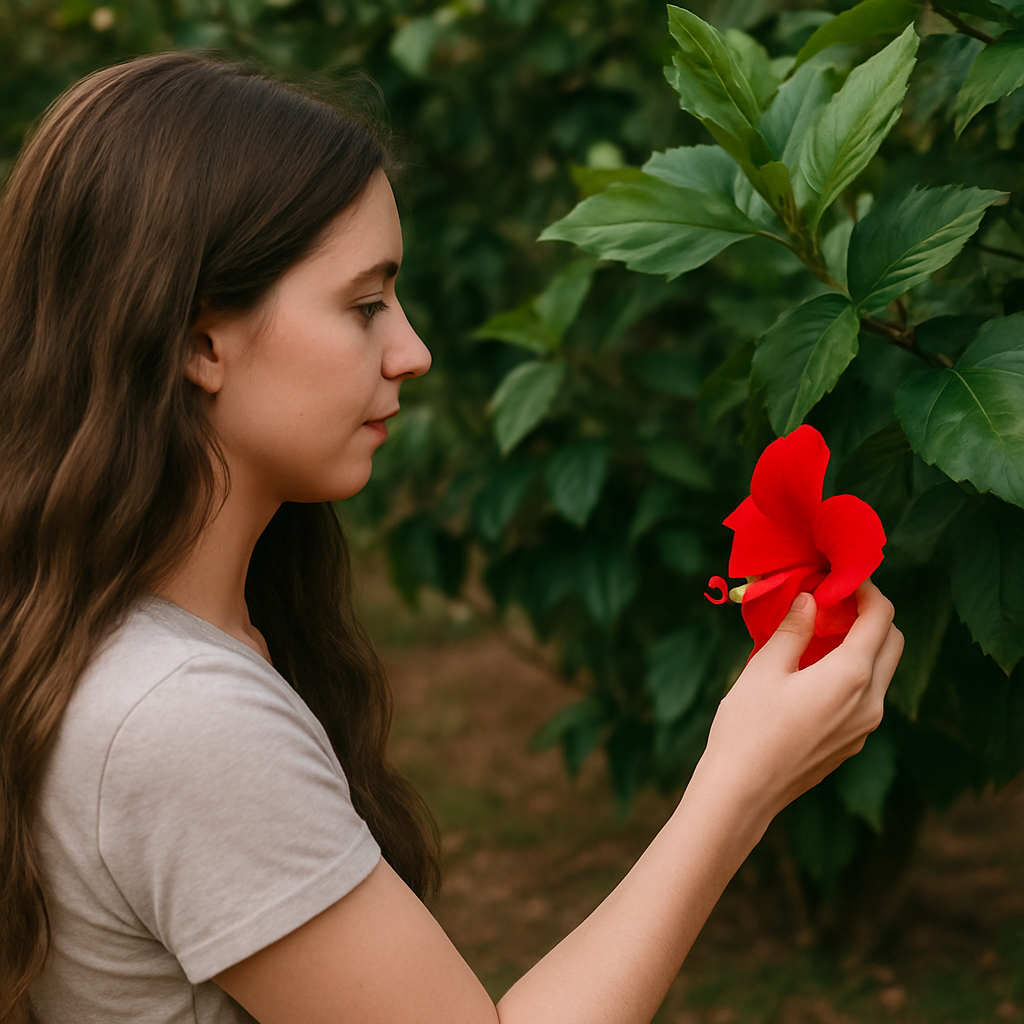
Why Use Hibiscus Leaves for Hair Growth
Hibiscus leaves are often overshadowed by the more famous hibiscus flowers, but both are powerful when it comes to hair care. You might wonder: can we use hibiscus leaves for hair on a daily basis? Before answering that, let’s look at the benefits of applying hibiscus leaves on hair and why this plant deserves a spot in your beauty cabinet.
Benefits of Applying Hibiscus Leaves on Hair
One of the key benefits of hibiscus leaves for hair is their ability to stimulate hair growth. They are rich in vitamins like vitamin C and amino acids that nourish the scalp and strengthen hair roots. This reduces hair fall and encourages thicker, fuller hair over time. Hibiscus leaves also have natural antioxidants and anti-inflammatory properties that soothe the scalp, reducing irritation and dandruff — problems that can block healthy hair growth.
Furthermore, the leaves contain mucilage, a sticky substance that conditions hair deeply, making it softer and shinier. This natural conditioning effect means you can often skip heavy commercial conditioners, which sometimes weigh hair down or cause buildup. Regular use of hibiscus leaves can also help prevent premature greying and add a natural gloss to your hair strands.
Can We Use Hibiscus Leaves for Hair Growth Daily?
While hibiscus leaves are gentle and safe for most hair types, using them daily might be a bit too much, especially if your scalp is sensitive. Ideally, hibiscus treatments can be applied 2-3 times a week to reap the benefits without overwhelming your scalp. Overuse may cause dryness or irritation in some cases.
So, yes, can we use hibiscus leaves for hair regularly? Absolutely, but with moderation and attention to how your scalp reacts. If you notice any itchiness or redness, reduce frequency or try mixing hibiscus leaves with soothing oils like coconut or almond oil to balance the effect.
How to Prepare and Apply Hibiscus Leaves on Hair
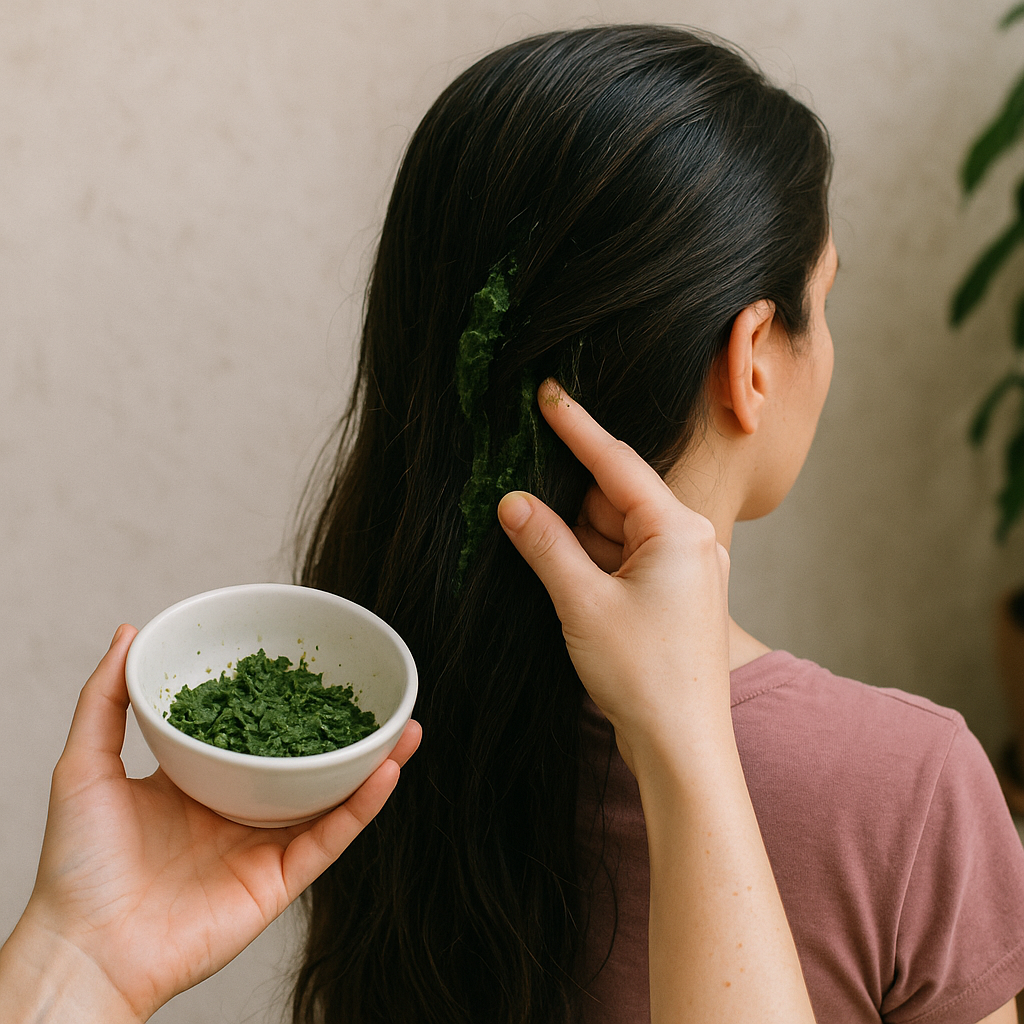
Now that we know why hibiscus leaves are beneficial, let’s move on to how to use hibiscus leaves for hair. One of the easiest ways is by making a fresh hibiscus leaves paste for hair.
How to Use Hibiscus Leaves Paste for Hair Growth
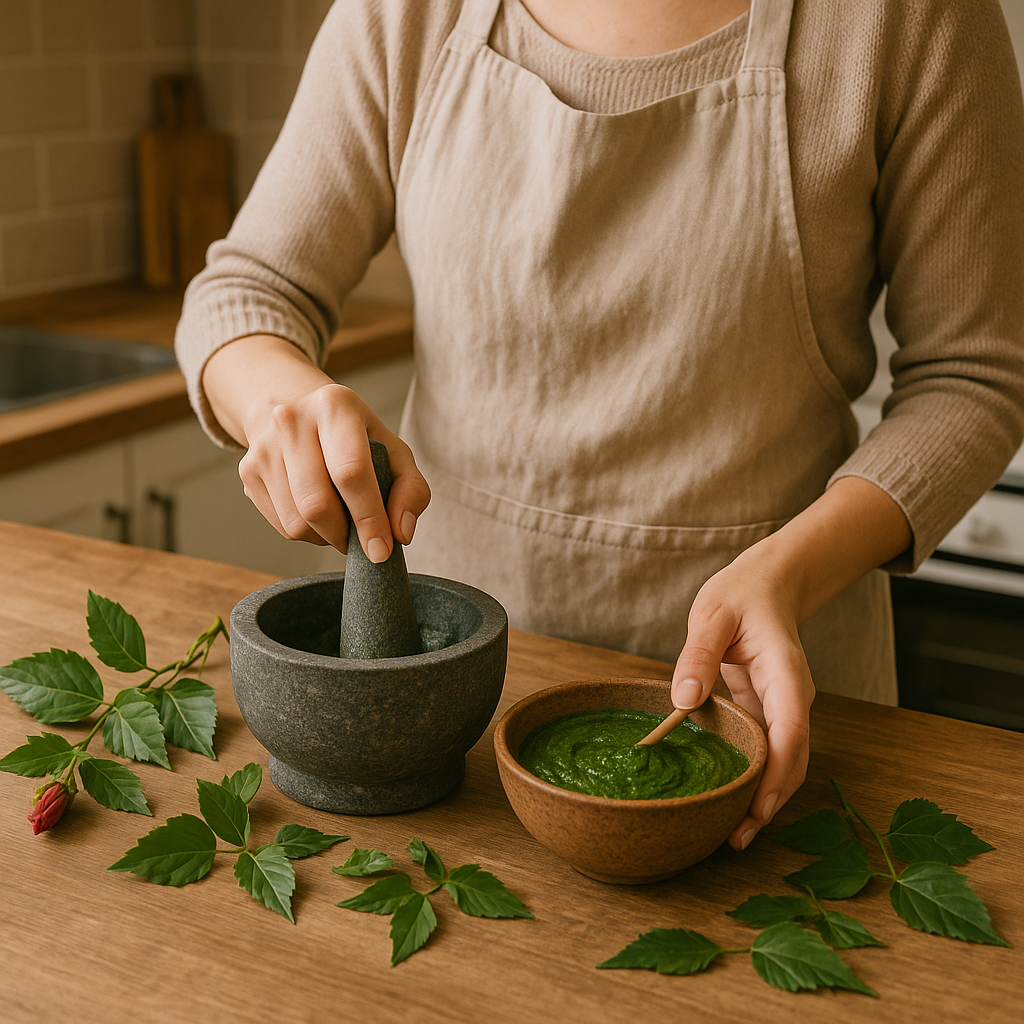
To make a simple paste, take a handful of fresh hibiscus leaves and grind them into a smooth consistency using a mortar and pestle or a blender. You can add a little water or aloe vera gel to help with the blending. The paste can be applied directly to your scalp and hair roots, massaging gently to stimulate blood circulation.
Leave the paste on for about 30 to 45 minutes before rinsing it off with lukewarm water. This allows the nutrients from the leaves to penetrate your scalp deeply. Repeat this treatment once or twice a week for noticeable hair growth and improved scalp health.
How to Make a Hibiscus Leaves Hair Mask at Home
If you want a more intensive treatment, combine hibiscus leaves with other natural ingredients to make a nourishing hair mask. For example, blend hibiscus leaves with hibiscus flowers, yogurt, or honey for added moisturizing and strengthening effects.
Applying this hibiscus leaves hair mask once a week can revitalize dry or damaged hair and promote elasticity, helping to prevent split ends. Plus, it smells amazing — a fresh, floral scent that feels like a mini spa day at home.
Using Hibiscus Leaves and Flowers for Hair Care
Combining hibiscus leaves and flowers can supercharge your hair routine. Both parts of the plant contain different beneficial compounds, so together they provide a comprehensive treatment. Hibiscus flowers are rich in antioxidants and vitamin C, while the leaves add protein and conditioning agents. This combo works wonders for dry, brittle hair and those struggling with slow growth.
To use them, you can grind fresh hibiscus leaves and flowers into a fine paste or soak dried versions in warm water to make a herbal rinse. Applying this mixture after shampooing can leave your hair feeling soft, shiny, and revitalized. Plus, it’s free from harsh chemicals found in many hair products.
Other Ways to Use Hibiscus Leaves for Hair
Beyond pastes and masks, there are a few creative ways you can incorporate hibiscus leaves into your hair care regimen.
Hibiscus Leaves Oil for Hair Growth
Infusing hibiscus leaves in oil is a fantastic way to extract their benefits over time. Simply add fresh or dried hibiscus leaves to coconut oil, olive oil, or sesame oil and warm gently for about 30 minutes. Let it cool and strain the leaves out.
This hibiscus leaves oil for hair growth can be massaged into the scalp before washing your hair. The oil nourishes hair follicles deeply, boosts blood circulation, and helps reduce dandruff. Using this oil 2-3 times a week can promote stronger, healthier hair strands.
How to Apply Hibiscus Leaves Juice on the Scalp
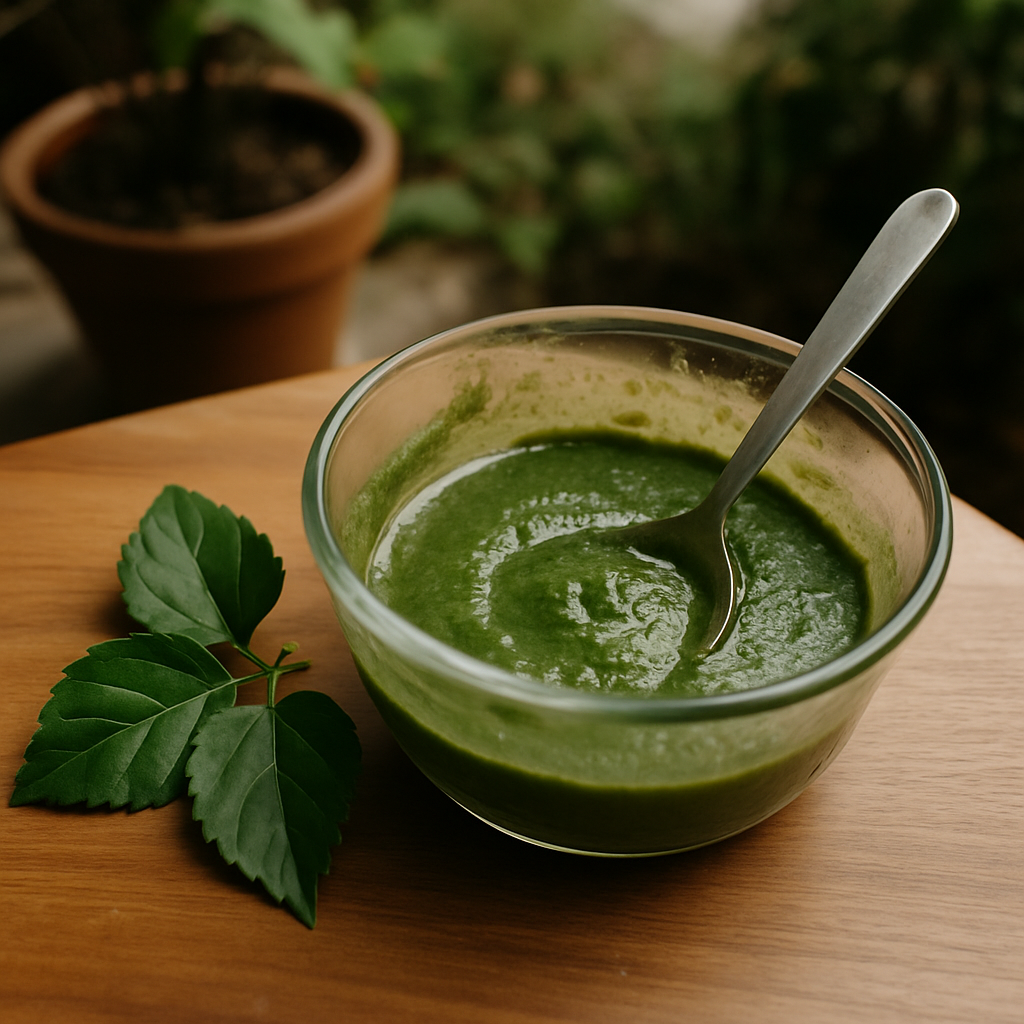
Another popular use is applying hibiscus leaves juice directly to your scalp. To get the juice, blend the leaves and strain the pulp. Use a dropper or your fingers to massage the juice into your scalp thoroughly.
This application helps unclog hair follicles, reduces itchiness, and stimulates hair growth. Since the juice is light, it’s perfect for those with oily scalps who want a quick absorption without leaving residue.
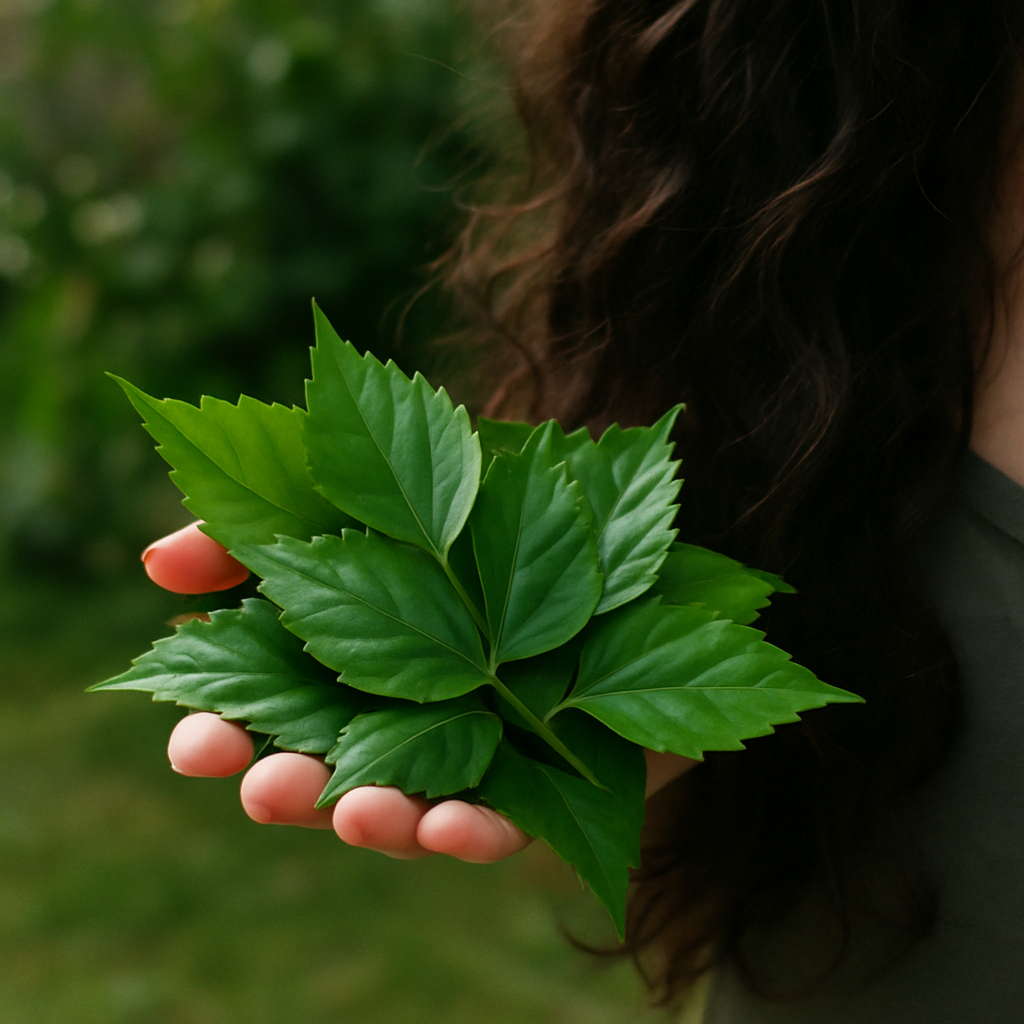
Additional Benefits of Hibiscus Leaves for Hair
Strengthening Roots and Reducing Hair Fall with Hibiscus Leaves
Hibiscus leaves contain compounds that strengthen the hair roots, which are often the first to weaken leading to hair fall. Regular application can tighten the scalp tissue and improve overall hair density. People with thinning hair have found great success with hibiscus treatments, noting less breakage and more resilient hair growth.
Hibiscus Leaves Cooling Effect on the Scalp and Reducing Dandruff
If you suffer from scalp irritation or dandruff, hibiscus leaves have a natural cooling effect that calms inflammation. Their antimicrobial properties help keep scalp infections at bay, reducing flaky patches. A soothing hibiscus leaf rinse or mask can refresh your scalp after long days or stressful periods.
When to Avoid Hibiscus Leaves for Hair
Despite its many benefits, hibiscus leaves might not be for everyone. People with extremely sensitive skin or allergies to plants in the Malvaceae family should avoid or patch test first. Also, if you have open wounds or scalp conditions like eczema, consult a dermatologist before trying hibiscus treatments.
Don't wait or self medicate. Start chat with Doctor NOW
Conclusion
Incorporating hibiscus leaves into your hair care routine is a natural, effective way to promote hair growth and improve overall scalp health. From using a simple hibiscus leaves paste for hair to trying out a nourishing hibiscus leaves hair mask, the options are many and flexible to fit your needs. The benefits of hibiscus leaves for hair are vast—strengthening roots, reducing hair fall, soothing the scalp, and even adding a beautiful shine to your locks.
Remember, while can we use hibiscus leaves for hair is a common question, moderation is key. Use these treatments regularly but not daily, and listen to how your scalp responds. Experiment with different forms like oils, pastes, or juices to find what works best for you.
Don’t hesitate to share this natural secret with friends and family. Your hair journey with hibiscus leaves might just be the boost others are looking for too!
FAQs
What are the benefits of applying hibiscus leaves on hair?
Applying hibiscus leaves helps stimulate hair growth, strengthens hair roots, reduces dandruff, conditions hair naturally, and adds shine. It also soothes scalp inflammation and helps prevent premature greying.
Is hibiscus leaves paste better than hibiscus oil?
Both have their unique advantages. Paste provides direct nutrient delivery and conditioning, perfect for a deep treatment, while hibiscus oil nourishes continuously and is great for regular scalp massages. Using both in rotation can be ideal.
What is the best time to apply a hibiscus hair mask?
Evenings are usually best as they allow the mask to work overnight or at least several hours without disturbance. However, anytime you can leave it on 30-60 minutes before washing works well.
How long does it take to see results from hibiscus treatment?
Results vary but consistent use for 4-6 weeks usually shows improvement in hair strength and growth. Patience and regular application are essential.
Can we mix hibiscus leaves with other herbs for hair growth?
Yes! Hibiscus leaves blend well with aloe vera, amla, fenugreek, and bhringraj, among others. These combinations can enhance the benefits and address multiple hair issues at once.
Questions from users
What are the best ways to use hibiscus leaves for itchy scalp relief?
Stella
6 hours ago
To effectively use hibiscus leaves for itchy scalp relief, you can create a paste or a rinse. Crush the hibiscus leaves to make a paste, and massage it gently into your scalp. Leave it on for about 15-20 minutes before rinsing with lukewarm water. Alternatively, boil the leaves in water to create a rinse, allowing it to cool before applying to your scalp. This helps nourish hair follicles, unclog pores, and reduce dandruff. If you notice any irritation or worsening symptoms, discontinue use and consult a healthcare professional.
What is the best way to use hibiscus leaves for dry and brittle hair?
Tenley
9 days ago
To use hibiscus leaves for dry, brittle hair, you can grind fresh leaves (and flowers too) into a paste or soak dried ones in warm water to make a rinse. Apply the paste or rinse to your scalp and hair, leave it for about 30 mins, then wash it out. Using this 2-3 times a week can really help! It adds shine and moisture, making hair stronger.
What are the best ways to enhance the effects of hibiscus treatments for hair growth?
Rachael
19 days ago
To enhance hibiscus treatments for hair growth, combine it with oils like coconut or olive, which help in deep conditioning and absorption. Also, keep your scalp healthy by avoiding harsh shampoos and ensuring you're following a balanced diet to support hair health. Keep an eye on how your hair responds and tweak the routine accordingly :)
What nutrients in hibiscus leaves benefit hair health the most?
Samantha
28 days ago
Hibiscus leaves are packed with vitamin C and amino acids that really help with hair health! Vit C boosts collagen production, strengthening the hair, while amino acids nourish the scalp and support the hair roots. Together, they work to improve hair growth and maybe even make it thicker. But listen to your hair and scalp, everyone’s different!
What is the best way to store hibiscus leaves to keep them fresh for hair treatments?
Matthew
37 days ago
The best way to store hibiscus leaves is to keep them in a cool, dry place. Fresh leaves can be washed, dried, and then stored in an airtight container in the fridge for a couple of weeks. If you're using dried leaves, keep them in a sealed container, away from sunlight and moisture. This helps maintain their potency for your hair treatments!
Can hibiscus leaves help promote hair shine and smoothness?
Wesley
46 days ago
Absolutely, hibiscus leaves can help with hair shine and smoothness! They work by nourishing the scalp, thanks to their rich vitamin C content that boosts collagen production. They might not be as famous as the flowers, but they're great for promoting shiny, smooth hair. Just make sure to do a patch test if you have sensitive skin.
What benefits does hibiscus offer for scalp irritation and hair growth?
Reid
56 days ago
Hibiscus is great for soothing scalp irritation and dandruff because of its natural cooling effect which calms inflammation. It promotes hair growth by stimulating blood circulation when massaged into the scalp. Plus, it helps strengthen hair and reduce breakage, making it a trusty companion for healthier, more resilient locks!
Is it safe to mix hibiscus leaves with other herbal treatments for hair?
Lucy
66 days ago
Yeah, it's usually safe to mix hibiscus leaves with other herbal treatments, but keep in mind, everyone's hair and scalp reacts differently! If you have sensitive skin, try a patch test first. And also, listen to your scalp — if it feels irritated, ease back a bit on the mix. Natural doesn't alway mean better for everyone!
What is the best way to prepare hibiscus leaves for making a hair mask or rinse?
Warren
75 days ago
To make a hibiscus hair mask or rinse, take fresh hibiscus leaves, blend them into a smooth paste by adding a bit of water. You can apply the paste directly to your hair & scalp, let it sit for 30 minutes, then rinse. Or for a rinse, strain the paste for the juice, mix with water, and pour over your hair after washing!
Is hibiscus juice safe to use on oily scalps without causing irritation?
Mckenzie
85 days ago
Yes, hibiscus juice is usually safe for oily scalps because it's light and absorbs quickly without leaving residues. But, everybody's skin is different. If you're prone to sensitivity, maybe try a small patch test first to ensure there's no irritation. And maybe mix it with a little coconut oil to balance moisture if needed.
Related articles

Skin and Hair Disorders
Patanjali Tejus Tailum
Exploration of Patanjali Tejus Tailum
3,033

Skin and Hair Disorders
How to Apply Egg on Hair: Ayurvedic Guide to Benefits & Growth
How to apply egg on hair? Discover egg hair mask recipes, benefits of egg for hair growth, how to use egg white, and possible side effects of applying egg
17,133

Skin and Hair Disorders
Ayurvedic Treatment for Ichthyosis Vulgaris: Skin Healing Guide
Explore Ayurvedic approaches for ichthyosis vulgaris. Discover natural remedies, herbal treatments, and lifestyle tips to manage dry, scaly skin and promote healthy complexion.
3,921

Skin and Hair Disorders
Which Oil Is Best for Face Massage: Ayurvedic Guide by Skin Type
Discover which oil is best for face massage based on your skin type. Explore Ayurvedic benefits of almond, coconut, castor, and jojoba oils for healthy glow
20,942

Skin and Hair Disorders
Eladi Choornam Uses for Skin & Face: Ayurvedic Benefits & Applications
Discover the uses of Eladi Choornam for skin and face. Learn about its Ayurvedic benefits, applications, and how this herbal formulation promotes healthy, radiant skin.
10,380
Skin and Hair Disorders
Suvarna Bindu Drops: Benefits, Dosage & Ayurvedic Insights
Discover the benefits, proper dosage, uses, and Ayurvedic foundations of Suvarna Bindu Drops, a traditional herbal remedy for hair health and overall wellness.
2,544

Skin and Hair Disorders
Chandanadi Thailam: Benefits, How to Use, Ingredients, Side Effects
Exploration of Chandanadi Thailam: Benefits, How to Use, Ingredients, Side Effects
2,136

Skin and Hair Disorders
How to Cure White Hair at Young Age Naturally with Ayurveda
White hair at a young age solution: learn how to cure white hair naturally, stop premature greying, and explore Ayurvedic treatment for grey or white hair
4,897

Skin and Hair Disorders
Sidhma Kushta – Ayurvedic Approach to Treating Skin Disorders
Discover how Ayurveda addresses Sidhma Kushta, a challenging skin condition. Learn about its historical roots, therapeutic benefits, treatment protocols, and expert guidance to restore skin health naturally.
3,009

Skin and Hair Disorders
How to Prevent Hair Whitening?
Learn how to prevent hair whitening naturally with Ayurvedic tips. Discover causes, white hair treatments, and effective solutions for early greying problems
2,736
Related consultations on the topic
Legal
Additional Documents
© 2024 Ask Ayurveda. All rights reserved.