FREE! Ask Ayurvedic Doctors 24/7

 Fast responses
 1000+ verified doctors
How to Use Essential Oils for Hair Effectively

If you’ve ever wondered how to use essential oils for hair, you’re not alone. From boosting shine to promoting stronger strands, essential oils for hair growth and thickness are gaining popularity worldwide. The beauty industry often talks about the best essential oils for hair, but figuring out how to mix essential oils for hair growth and thickness (and actually use them correctly) can be confusing.
In this guide, we’ll break things down step by step. You’ll learn how to apply essential oils to hair, discover which essential oils work best for different hair types—including low porosity hair—and explore natural remedies that address dryness, thinning, and hair loss. Whether you’re curious about “can I mix essential oils together for hair growth?” or just want a simple way to start, you’ll find practical, share-worthy tips below.
Essential Oils for Hair: An Overview
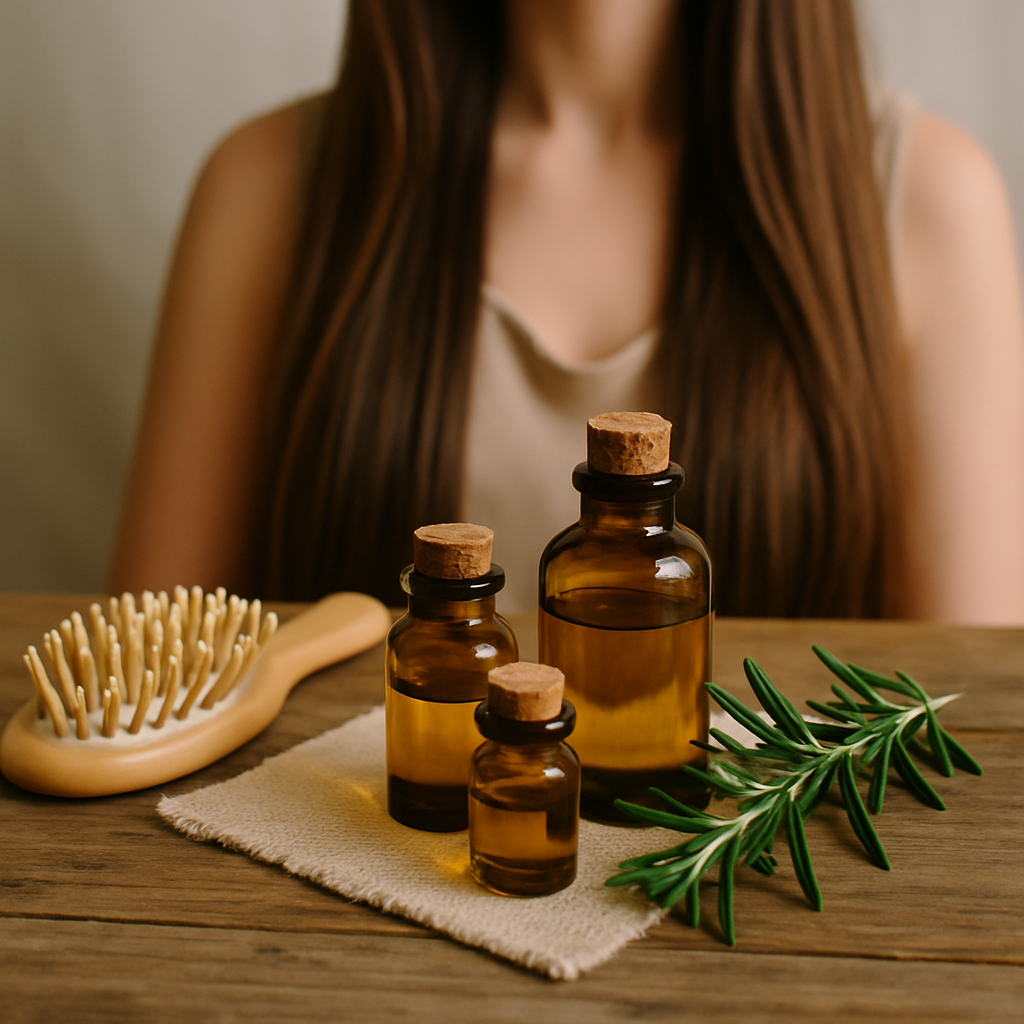
Why Essential Oils Are Used in Hair Care
Essential oils aren’t some new fad. For centuries, people have turned to plants and herbs for natural healing, and now we’re seeing them in modern haircare routines. Oils like rosemary, lavender, and peppermint are believed to stimulate scalp circulation, strengthen follicles, and reduce breakage. They can also bring relief to irritated scalps or dandruff-prone hair.
What makes them different from regular oils is their potency. A few drops of an essential oil, when mixed with a carrier oil, can pack a punch. But it’s important to remember: concentrated oils should never be used directly on the scalp or hair without dilution (that’s a mistake many beginners make).
Can I Mix Essential Oils Together for Hair Growth?
The short answer is yes, but with care. Many people see better results when combining oils—like rosemary plus peppermint for stimulation, or lavender with cedarwood for calming effects. Mixing oils can target multiple concerns at once: growth, thickness, and scalp health.
But don’t just pour random oils together! Learn how to mix essential oils for hair growth and thickness correctly. Usually, this means adding 3–5 drops of essential oil(s) per tablespoon of carrier oil (like coconut, jojoba, or almond oil). Too much essential oil can actually cause irritation instead of helping.
Best Essential Oils for Hair Growth and Thickness
Essential Oils for Hair Growth and Thickness Explained
The biggest reason people use essential oils on hair is to encourage growth and thickness. These oils work by stimulating blood circulation in the scalp, reducing stress (which affects hair health), and nourishing follicles. The results won’t happen overnight—it takes consistency over weeks or even months.
Best Essential Oils for Hair Growth
Some of the best essential oils for hair growth include:
-
Rosemary oil – increases circulation and may encourage faster growth.
-
Lavender oil – calming yet powerful; helps with both hair growth and reducing scalp irritation.
-
Peppermint oil – creates a cooling effect that stimulates blood flow to the roots.
-
Cedarwood oil – balances scalp oils and strengthens weak follicles.
People often ask how to use essential oils for hair growth effectively. The trick is consistency: apply a diluted blend 2–3 times per week, massage into scalp, and leave it for at least 30 minutes before rinsing.
Essential Oils for Low Porosity Hair
Low porosity hair struggles to absorb moisture, which means heavy oils just sit on top without really penetrating. For this type, lighter oils like argan, jojoba, or sweet almond (combined with essential oils) are a better choice. Rosemary and tea tree essential oils can be particularly effective, since they help open up the hair cuticle slightly and improve absorption.
If your hair feels like it repels water and products just “sit there,” you probably have low porosity strands. Don’t give up—essential oils can still help if you choose the right combo and carrier base.
How to Use Essential Oils for Hair Properly
How to Mix Essential Oils for Hair Growth and Thickness
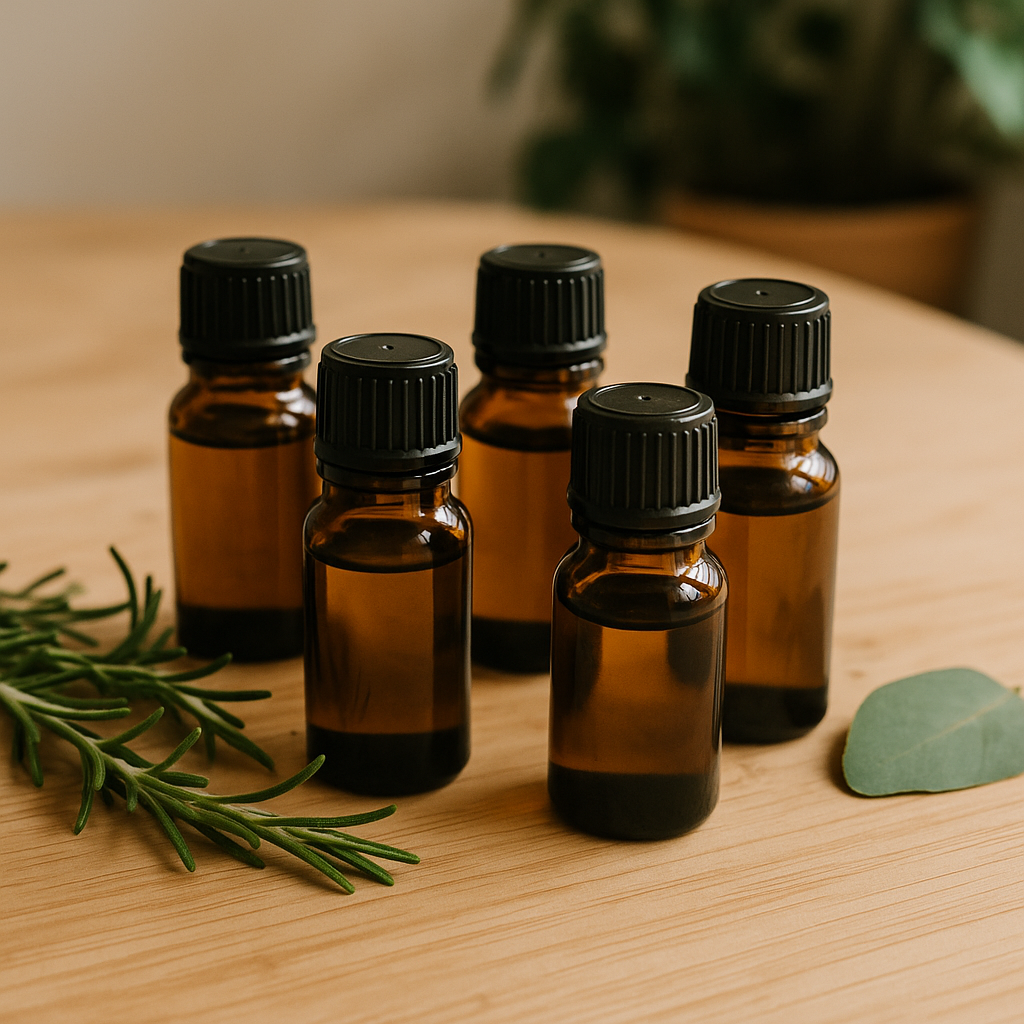
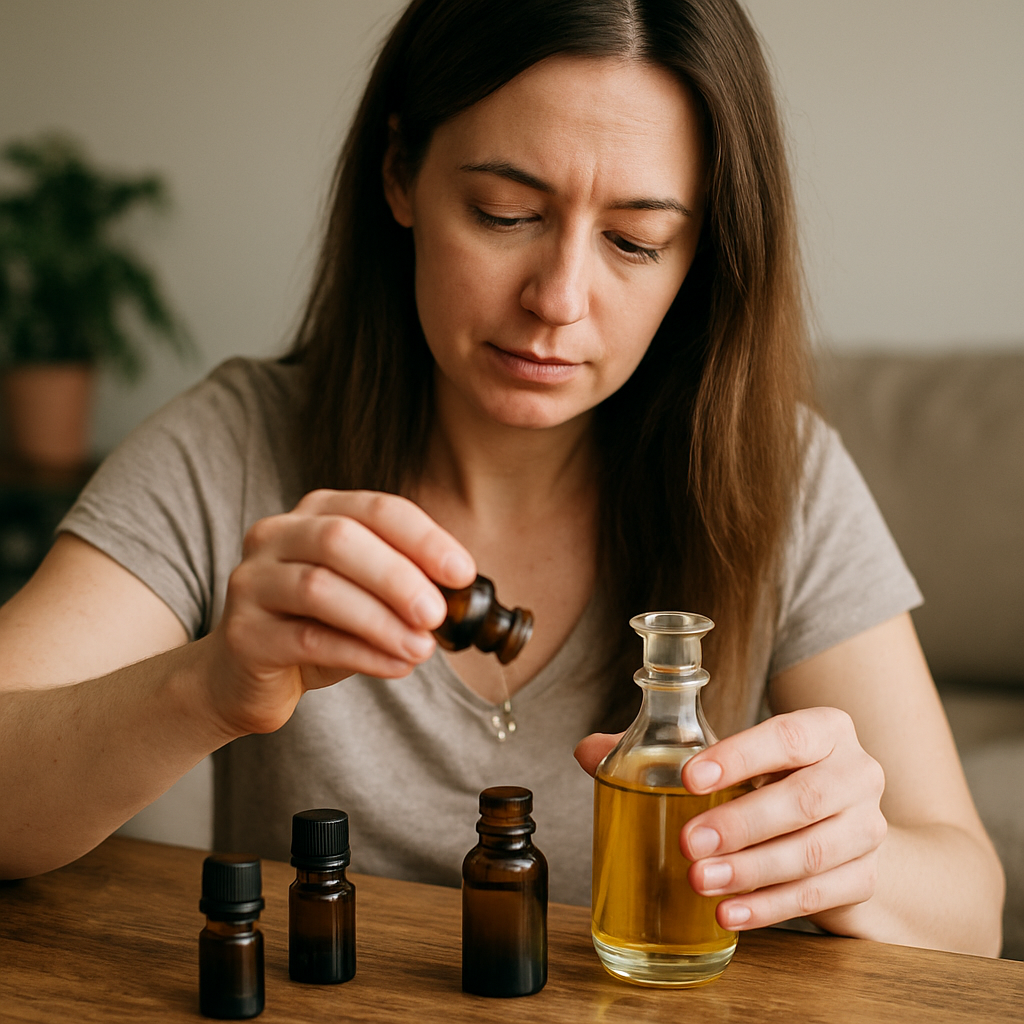
One of the most common questions is how to mix essential oils for hair growth and thickness without messing it up. The key is dilution. Essential oils are highly concentrated, so you never want to apply them neat (undiluted) on the scalp. Instead, blend them into a carrier oil like coconut, jojoba, or olive oil.
A good rule: 3–5 drops of essential oil per tablespoon of carrier oil. If you want to combine several oils, keep the total to around 6–8 drops per 2 tablespoons of carrier oil. For example: 3 drops rosemary, 2 drops lavender, and 2 drops peppermint into 2 tbsp jojoba oil. Mix it gently, massage into scalp, and leave for at least 30 minutes. Some people even keep it overnight with a shower cap (just be careful with your pillowcases, they’ll stain).
This way, you’re not only encouraging growth but also preventing scalp irritation.
How to Apply Essential Oils to Hair
Knowing how to apply essential oils to hair makes a big difference in results. The most effective way is through a scalp massage. When you massage the diluted blend into your scalp, you’re boosting blood circulation and helping the oils penetrate deeper.
Here’s a simple method:
-
Part your hair in sections.
-
Use a dropper or your fingertips to apply oil blend directly to the scalp.
-
Massage in circular motions for 5–10 minutes.
-
Leave it on for 30 minutes to 2 hours before washing out.
If your focus is on dryness or split ends, apply the oil blend to the length of your hair instead, focusing on the tips. A light coating is enough—too much can make hair greasy.
Essential Oils for Specific Hair Concerns
Essential Oils for Dry Hair
Dry hair is one of the most common issues people deal with, especially if you use heat tools or color treatments. Essential oils for dry hair like sandalwood, geranium, and ylang-ylang help restore moisture and add shine. Blending them with heavier carrier oils (like coconut or castor oil) can really lock in hydration.
Tip: If your hair is frizzy, try mixing a few drops of lavender oil into argan oil and applying it as a leave-in serum. It smells great and keeps ends from looking frazzled.
Essential Oils for Hair Loss
Hair loss can feel devestating, and while essential oils won’t stop genetic baldness, they can support healthier growth and reduce shedding caused by stress or scalp issues. Rosemary, peppermint, and cedarwood are the most studied oils for this. Tea tree oil can also help if dandruff or buildup is clogging your follicles.
For best results, use a scalp massage 2–3 times a week. Combine oils with a carrier, keep consistent, and give it at least 2–3 months before judging progress. Essential oils for hair loss are not magic, but they can make a noticeable difference when used properly.
How to Use Essential Oils for Hair Growth Remedies
Beyond oil blends, you can try simple DIY remedies. For example:
-
Rosemary rinse: Add 5 drops of rosemary essential oil to a cup of cooled green tea, and use it as a final rinse after shampooing.
-
Lavender scalp spray: Mix 10 drops lavender with 1/2 cup water and a teaspoon of witch hazel in a spray bottle. Mist onto scalp after showering.
-
Peppermint hair mask: Blend peppermint oil with aloe vera gel and apply as a cooling treatment.
These remedies are easy, natural, and customizable depending on your hair’s needs.
Ayurvedic Approach to Essential Oils for Hair
Essential Oils in Traditional Ayurvedic Hair Treatments
Ayurveda, the ancient Indian system of healing, has long emphasized the power of natural oils for maintaining healthy hair. While not all Ayurvedic oils are classified as “essential oils,” many practices overlap. For example, brahmi oil, neem oil, and amla-infused oils are common in traditional treatments, often blended with essentials like rosemary or tea tree for added benefits.
In Ayurveda, the scalp is seen as a vital energy point. Massaging oils into the scalp (a ritual known as abhyanga) not only strengthens hair but also reduces stress, which indirectly supports hair growth. Combining modern essential oils with these traditional methods creates a balanced approach that feels both ancient and contemporary.
Benefits of Combining Oils with Herbal Remedies
Ayurvedic remedies often blend essential oils with herbs like fenugreek, hibiscus, or curry leaves. These herbs provide nutrients, while the oils enhance absorption and blood flow. For instance, mixing rosemary oil into a hibiscus-infused carrier can help stimulate hair growth and reduce thinning.
This combo approach is especially useful for stubborn concerns like chronic dryness or patchy hair loss. Plus, it’s a great way to personalize your hair care instead of relying only on store-bought products.
Risks and Precautions When Using Essential Oils
Possible Side Effects of Essential Oils for Hair
While essential oils for hair growth and thickness are generally safe, they’re powerful and must be used carefully. Common mistakes include using too much oil, skipping dilution, or applying oils to broken skin. This can lead to irritation, burning, or even allergic reactions.
Here are a few safety tips:
-
Always do a patch test before using a new oil.
-
Avoid using essential oils directly on scalp without carrier oil.
-
Pregnant women and children should consult a professional before use.
-
Don’t overdo it—more oil doesn’t mean better results.
Remember, essential oils are not a cure-all. If you’re dealing with serious hair loss or scalp conditions, it’s best to talk to a dermatologist alongside trying natural remedies.
Conclusion
Essential oils can truly transform your hair routine if used wisely. From rosemary and lavender for growth, to sandalwood and geranium for dryness, these natural extracts offer a wide range of benefits. Learning how to use essential oils for hair properly—mixing them with the right carrier oils, applying with massage, and choosing oils for your specific hair type—is the secret to seeing real results.
Whether you’re exploring how to use essential oils on hair for the first time or you’ve already been experimenting, the key is patience and consistency. Hair takes time to respond, but with regular care, you may notice thicker, stronger, and shinier strands.
So go ahead: try a blend tonight, share your experience with friends, and don’t be afraid to mix nature with tradition. Your hair will thank you later!
FAQs
Which essential oils are best for dry and damaged hair?
Lavender, geranium, ylang-ylang, and sandalwood are excellent essential oils for dry hair. Pair them with moisturizing carriers like coconut or argan oil for best results.
Can essential oils stop hair loss completely?
No, they can’t stop genetic baldness. However, oils like rosemary, peppermint, and cedarwood can support healthier growth and reduce stress-related shedding.
How to mix essential oils with carrier oils for hair?
Start with 3–5 drops of essential oil per tablespoon of carrier oil. For blends, keep the total around 6–8 drops per 2 tablespoons carrier oil. Always dilute before applying.
Ask Ayurvedic doctor a question and get a consultation online on the problem of your concern in a free or paid mode.
More than 2,000 experienced doctors work and wait for your questions on our site and help users to solve their health problems every day.
Related articles