Ask Ayurvedic doctor a question and get a consultation online on the problem of your concern in a free or paid mode. More than 2,000 experienced doctors work and wait for your questions on our site and help users to solve their health problems every day.
FREE! Ask Ayurvedic Doctors 24/7

 Fast responses
 1000+ verified doctors
Body DetoxEar, Nose, and Throat DisordersGeriatrics & RejuvenationImmunodeficiencyInfertility TreatmentNutritionOrthopedic DisordersPediatricsRespiratory DisordersSexually Transmitted Diseases (STDs)Surgery RecoveryUrological DisordersVascular DisordersDental DisordersEndocrinological DisordersGastrointestinal DisordersYoga TherapyGeneral MedicineAllergic DisordersCardio DisordersGynecology and ObstetricsCosmetologySkin and Hair DisordersEye DisordersInfectious DiseasesMental DisordersNeurological DisordersOncologyPanchakarmaSexual Health & DisordersSports Medicine
Published on 01/27/25
(Updated on 07/07/26)
3,038
Psoriatic Arthritis – Natural Ayurvedic Approaches for Joint and Skin Wellness
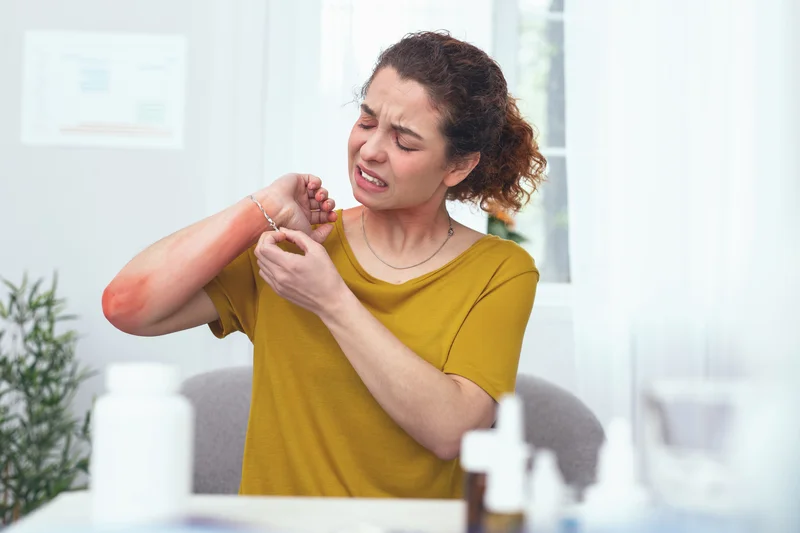
Psoriatic arthritis (PsA) is a chronic autoimmune inflammatory disease that attacks both the joints and the skin, typically developing in people who already have psoriasis. It causes painful swelling, stiffness, and progressive joint damage that can become permanent if left untreated. Roughly 30% of people with psoriasis will eventually develop psoriatic arthritis, according to the National Psoriasis Foundation — and early diagnosis is absolutely critical because there is a limited "window of opportunity" where aggressive treatment can prevent irreversible structural damage.
Unlike osteoarthritis, which results from mechanical wear and tear, psoriatic arthritis is driven by an overactive immune system that mistakenly attacks healthy joint tissue, tendons, and the connective points where ligaments meet bone. It can appear at any age, but most commonly strikes between the ages of 30 and 50. The disease follows an unpredictable pattern of flare-ups and remissions, and its severity ranges from mild joint discomfort to debilitating deformity.
This guide covers everything you need to know — from the earliest warning signs and the five clinical types, to the latest biologic treatments, dietary strategies, and Ayurvedic approaches that many patients in India are actively exploring.
What Is Psoriatic Arthritis?
Psoriatic arthritis is a form of inflammatory arthritis classified under the broader umbrella of spondyloarthropathies. It is a systemic disease, meaning it doesn't just affect joints — it can involve the skin, nails, eyes, heart, and metabolic systems.
The hallmark of PsA is its dual nature: it combines the scaly, red plaques of psoriasis with the joint inflammation seen in other forms of arthritis. In approximately 85% of cases, skin psoriasis appears first, sometimes years or even decades before joint symptoms emerge. However, in about 15% of patients, arthritis symptoms actually precede any skin involvement, which makes initial diagnosis quite tricky.
How Psoriatic Arthritis Develops
- The exact mechanism isn't fully understood, but researchers know that PsA involves a dysfunctional immune response. In a healthy body, the immune system fights infections.
- In PsA, it turns against the body's own tissues — specifically the synovium (joint lining), entheses (tendon and ligament attachment points), and skin.
Key inflammatory pathways include:
- TNF-alpha (Tumor Necrosis Factor) — a major driver of joint inflammation and destruction
- IL-17 and IL-23 — interleukins that promote both skin and joint disease
- T-cells and dendritic cells — immune cells that orchestrate the inflammatory cascade
This inflammation leads to synovitis (swelling of the joint lining), enthesitis (inflammation at tendon insertion points), and eventually erosive damage to bone and cartilage.
The Koebner Phenomenon in Psoriatic Arthritis
One fascinating and underappreciated concept is the Koebner phenomenon — originally described in skin psoriasis, where new plaques develop at sites of injury or trauma. Researchers have proposed a "deep Koebner" phenomenon in PsA, where physical trauma to a joint or enthesis can trigger inflammation at that specific location. This may partly explain why PsA sometimes affects joints that have been previously injured, and it's a concept that most patient-facing resources completely overlook.
What Are the First Signs of Psoriatic Arthritis?
Early recognition is everything with PsA. The first signs are often subtle and easily dismissed as general aches or minor injuries.
Early Warning Symptoms to Watch For
- Morning stiffness lasting more than 30 minutes — this is a key differentiator from mechanical joint pain
- Swollen, warm fingers or toes — sometimes described as "sausage digits" (dactylitis)
- Heel pain or sole tenderness — enthesitis at the Achilles tendon or plantar fascia
- Nail changes — pitting (tiny dents), ridging, crumbling, or separation from the nail bed (onycholysis)
- Fatigue — persistent, disproportionate tiredness that doesn't improve with rest
- Lower back pain — especially if it improves with movement rather than rest (inflammatory back pain)
- Reduced range of motion in one or more joints
- A 2015 study published in the Annals of the Rheumatic Diseases found that the average delay between symptom onset and PsA diagnosis was approximately 2.5 years.
- That delay matters enormously — joint erosion can begin within the first two years of disease.
When Should You See a Doctor?
See a rheumatologist promptly if you experience:
- Any new or unexplained joint swelling, especially if you have psoriasis
- New skin rashes or worsening psoriasis plaques
- Increased frequency of symptom flare-ups
- Persistent fatigue combined with joint symptoms
- Nail changes you haven't noticed before
If your primary care physician is unfamiliar with PsA, insist on a referral to a rheumatologist. Early specialist involvement changes outcomes dramatically.
What Is the Main Cause of Psoriatic Arthritis?
The exact cause remains unknown, but PsA is understood to result from a complex interaction between genetic susceptibility, immune dysregulation, and environmental triggers.
Genetic Factors
Genetics play a substantial role. Specific HLA (Human Leukocyte Antigen) genes have been strongly associated with PsA:
| HLA Gene | Associated PsA Pattern |
|---|---|
| HLA-B*27:05 | Axial disease (spinal involvement) |
| HLA-B*08:01 | Symmetric polyarthritis |
| HLA-B*38:01 | Peripheral arthritis |
| HLA-B*39:01 | Peripheral arthritis |
| HLA-B*44:02 | Joint erosion risk |
| HLA-C*06:02 | Psoriasis and PsA overlap |
| HLA-B*57:01 | Axial involvement |
Beyond HLA genes, non-HLA genes also contribute: IL-23R, TNFAIP3, TRAF3IP2, REL, FBXL19, and PTPN22. Importantly, the genetic associations for PsA are not identical to those for psoriasis alone — meaning PsA is a genetically distinct condition, not simply "psoriasis that spread to the joints."
Environmental Triggers
- Infections — streptococcal infections and HIV have been implicated as potential triggers
- Physical trauma — the deep Koebner phenomenon mentioned earlier
- Stress — both physical and psychological stress can trigger flare-ups
- Obesity — a major modifiable risk factor; excess adipose tissue produces pro-inflammatory cytokines
Interestingly, tobacco use has shown a paradoxical protective association with PsA in some studies — the opposite of rheumatoid arthritis, where smoking is a well-established risk factor. This doesn't mean smoking is beneficial (its cardiovascular harms far outweigh any theoretical benefit), but it highlights the unique immunological profile of PsA.
Key Risk Factors
- Having psoriasis (strongest predictor — about 30% will develop PsA)
- Family history of PsA or psoriasis
- Age 30–50
- Obesity
- Severe or extensive skin psoriasis
- Nail psoriasis (particularly strong predictor of future PsA)
What Are the 5 Types of Psoriatic Arthritis?
PsA is not a single disease pattern. The Moll and Wright classification identifies five distinct clinical subtypes, though many patients shift between types over time or have overlapping features.
| Type | Pattern | Prevalence | Key Features |
|---|---|---|---|
| Asymmetric Oligoarthritis | < 5 joints, different on each side | ~35% of PsA cases | Most common form; often involves fingers and toes asymmetrically |
| Symmetric Polyarthritis | ≥ 5 joints, same on both sides | ~25% | Resembles rheumatoid arthritis; can be difficult to distinguish |
| Distal Interphalangeal (DIP) Predominant | End joints of fingers/toes | ~10% | Classic PsA pattern; strongly associated with nail changes |
| Spondylitis | Spine and sacroiliac joints | ~5% | Inflammatory back pain; axial PsA differs from ankylosing spondylitis |
| Arthritis Mutilans | Severe destructive arthritis | <5% | Rarest and most devastating; causes "telescoping" of fingers and severe deformity |
Axial PsA vs Ankylosing Spondylitis
Axial psoriatic arthritis is sometimes confused with ankylosing spondylitis (axial spondyloarthritis), but there are important differences. HLA-B27 positivity in axial PsA is only about 20%, compared to 80–90% in ankylosing spondylitis. Axial PsA also tends to cause asymmetric sacroiliitis and less severe spinal fusion. The age of onset and radiographic patterns differ as well.
How Is Psoriatic Arthritis Diagnosed?
There is no single definitive test for PsA. Diagnosis relies on a combination of clinical evaluation, imaging, laboratory tests, and validated classification criteria.
The CASPAR Criteria
The Classification Criteria for Psoriatic Arthritis (CASPAR) is the most widely accepted diagnostic framework. To meet CASPAR criteria, a patient must have established inflammatory articular disease (joint, spine, or entheseal) plus ≥ 3 points from the following:
| Criterion | Points |
|---|---|
| Current psoriasis | 2 |
| Personal history of psoriasis | 1 |
| Family history of psoriasis | 1 |
| Dactylitis (current or past) | 1 |
| Juxta-articular new bone formation on X-ray | 1 |
| Rheumatoid factor negative | 1 |
| Nail dystrophy (pitting, onycholysis, hyperkeratosis) | 1 |
CASPAR criteria have shown a sensitivity of 91.4% and specificity of 98.7% in validation studies.
Imaging Studies
- X-ray — reveals joint erosions, new bone formation (periostitis), "pencil-in-cup" deformity in advanced disease
- MRI — detects early soft tissue inflammation, bone marrow edema, and enthesitis before X-ray changes appear
- Ultrasound — increasingly used to identify synovitis and enthesitis in clinic; no radiation exposure
- CT scan — useful for detailed bone architecture assessment in complex cases
What Tests Confirm Psoriatic Arthritis?
- Rheumatoid Factor (RF) — typically negative in PsA; positivity may suggest RA instead
- Anti-CCP antibodies — usually negative
- ESR and CRP — elevated during active inflammation but may be normal in mild disease
- HLA-B27 — helpful if axial involvement suspected (positive in ~20% of PsA)
- Uric acid levels — to exclude gout, which can mimic PsA
Don't wait or self medicate. Start chat with Doctor NOW
Psoriatic Arthritis vs Rheumatoid Arthritis: Key Differences
One of the most common clinical dilemmas is distinguishing PsA from rheumatoid arthritis (RA), especially the symmetric polyarthritis subtype. Here's a clear comparison.
| Feature | Psoriatic Arthritis | Rheumatoid Arthritis |
|---|---|---|
| Skin involvement | Psoriasis plaques present | No skin involvement |
| Joint pattern | Often asymmetric; DIP joints involved | Typically symmetric; MCP and PIP joints |
| Dactylitis | Common ("sausage digits") | Rare |
| Enthesitis | Common | Uncommon |
| Nail changes | Pitting, onycholysis | Not characteristic |
| Rheumatoid Factor | Usually negative | Positive in ~70–80% |
| Anti-CCP | Usually negative | Positive in ~60–70% |
| Spinal involvement | Can occur (axial PsA) | Cervical spine only (late disease) |
| New bone formation | Yes (periostitis) | No; primarily erosive |
| Gender predilection | Equal male:female | 3:1 female predominance |
This distinction matters because treatment strategies, prognosis, and monitoring protocols differ between the two conditions.
Psoriatic Arthritis Treatment: Complete Options
Treatment of PsA follows a step-up approach, starting with milder therapies and escalating based on disease severity and response. The ACR/NPF 2018 guidelines endorse a treat-to-target strategy — aiming for minimal disease activity or remission.
First-Line Treatments: NSAIDs and Corticosteroids
- NSAIDs (ibuprofen, naproxen, diclofenac) — first-line for mild peripheral arthritis; control pain and inflammation
- Corticosteroids — oral or intra-articular injections for acute flare-ups; not suitable for long-term use due to side effects
Disease-Modifying Antirheumatic Drugs (DMARDs)
Conventional DMARDs for moderate disease:
- Methotrexate — most commonly prescribed; effective for skin and peripheral joints; requires liver function monitoring
- Sulfasalazine — option for peripheral arthritis
- Leflunomide — alternative when methotrexate is contraindicated
Biologic Therapies
- Biologics have revolutionized PsA treatment.
- They target specific molecules in the inflammatory cascade:
| Drug Class | Examples | Target |
|---|---|---|
| TNF inhibitors | Adalimumab, Etanercept, Infliximab, Certolizumab, Golimumab | TNF-alpha |
| IL-17 inhibitors | Secukinumab, Ixekizumab | Interleukin-17A |
| IL-12/23 inhibitors | Ustekinumab | IL-12 and IL-23 |
| IL-23 inhibitors | Guselkumab, Risankizumab | IL-23 (p19 subunit) |
| JAK inhibitors | Tofacitinib, Upadacitinib | Janus kinase pathway |
| PDE4 inhibitors | Apremilast | Phosphodiesterase 4 |
TNF inhibitors remain the most established biologics, but IL-17 and IL-23 inhibitors have shown excellent results particularly for patients with significant skin involvement alongside joint disease.
Laboratory Monitoring During Treatment
Patients on DMARDs and biologics require regular monitoring:
- Complete blood count (CBC) — every 4–12 weeks
- Liver function tests (LFTs) — critical for methotrexate users
- ESR/CRP — to track disease activity
- Hepatitis B and C screening — before starting biologics
- Tuberculosis screening — mandatory before TNF inhibitors (especially important in India)
Physical Therapy and Exercise
Low-impact exercise is not optional — it's a core component of PsA management:
- Swimming and aqua aerobics — joint-friendly, reduces stiffness
- Yoga — improves flexibility, reduces stress (particularly relevant in the Indian context)
- Walking — maintains cardiovascular fitness without joint strain
- Resistance training — preserves muscle strength around affected joints
How to Relieve Psoriatic Arthritis Pain at Home
- Cold therapy — ice packs for 15–20 minutes on acutely swollen joints
- Heat therapy — warm compresses or warm baths for chronic stiffness
- Ergonomic modifications — joint-friendly tools, supportive footwear
- Stress management — meditation, deep breathing, cognitive behavioral therapy
- Adequate sleep — poor sleep amplifies pain perception and fatigue
Surgical Treatment
Surgery is a last resort, reserved for cases with severe joint destruction unresponsive to medical therapy. Options include joint replacement (arthroplasty), particularly of the knee and hip, and occasionally joint fusion for severely damaged small joints.
Diet and Nutrition for Psoriatic Arthritis
Diet is one of the most undertreated aspects of PsA management — and it's a significant gap in most existing guides. While no diet cures psoriatic arthritis, emerging evidence supports dietary modifications as a valuable adjunct to medical treatment.
The Anti-Inflammatory Diet Approach
The Mediterranean diet has the strongest evidence base for inflammatory conditions. A 2018 systematic review in Nutrients found that Mediterranean diet adherence was associated with reduced CRP levels and improved disease outcomes in inflammatory arthritis.
Foods to emphasize:
- Fatty fish (salmon, mackerel, sardines) — rich in omega-3 fatty acids
- Colorful vegetables and fruits — antioxidant-rich
- Whole grains — fiber supports gut microbiome health
- Nuts and seeds — walnuts, flaxseeds, chia seeds
- Olive oil — anti-inflammatory polyphenols
- Turmeric — curcumin has shown anti-inflammatory properties in multiple studies
Foods to limit or avoid:
- Processed meats and red meat — pro-inflammatory
- Refined sugars and white flour
- Alcohol — can trigger flares and interact with methotrexate
- Nightshade vegetables (tomatoes, peppers, eggplant) — anecdotally reported as triggers by some patients, though scientific evidence is limited
- Highly processed and fried foods
The Role of Weight Management
- Obesity is both a risk factor for developing PsA and a driver of worse outcomes.
- Excess adipose tissue is metabolically active — it produces TNF-alpha, IL-6, and leptin, all of which fuel inflammation. Studies have shown that weight loss of even 5–10% body weight can significantly improve treatment response to biologics and DMARDs. In overweight PsA patients, weight management should be considered a frontline therapeutic intervention.
PsA in Special Populations
Psoriatic Arthritis in Children (Juvenile PsA)
Juvenile psoriatic arthritis is a recognized subtype of juvenile idiopathic arthritis (JIA). It accounts for approximately 6–8% of all JIA cases. Children may present with joint symptoms before any skin changes appear, making diagnosis particularly challenging. Dactylitis is common in pediatric PsA, and nail pitting can be an early clue. Treatment follows similar principles to adult PsA but with age-appropriate dosing and extra vigilance for growth-related side effects.
Pregnancy and Psoriatic Arthritis
- Pregnancy planning in PsA requires careful coordination between rheumatologist and obstetrician.
- Some key considerations:
- Methotrexate — absolutely contraindicated; must be stopped at least 3 months before conception (both men and women)
- Leflunomide — contraindicated; requires washout procedure
- TNF inhibitors — certolizumab is considered the safest biologic during pregnancy (minimal placental transfer); adalimumab and etanercept are generally stopped in the third trimester
- NSAIDs — avoid in the third trimester due to risk of premature ductus arteriosus closure
- Disease activity often fluctuates during pregnancy — some women improve, others worsen
- Postpartum flares are common and should be anticipated
Mental Health and Psoriatic Arthritis
The psychological burden of PsA is severely underrecognized. Living with a visible skin condition combined with chronic pain creates a "double stigma" that affects nearly every aspect of life.
- Depression affects an estimated 20–30% of PsA patients — significantly higher than the general population
- Anxiety is equally prevalent, driven by unpredictable flare-ups and fear of disability
- Body image distress — visible plaques and joint deformities can lead to social withdrawal
- Cognitive difficulties — "brain fog" reported by many patients, potentially linked to chronic inflammation and poor sleep
- Reduced quality of life — PsA patients report lower quality-of-life scores than those with psoriasis alone
A multidisciplinary team approach is considered best practice: rheumatologist, dermatologist, physiotherapist, psychologist, dietitian, and pharmacist all contributing to holistic care. Mental health screening should be routine at every clinical visit.
Ayurvedic Approaches to Psoriatic Arthritis
In India, many patients seek Ayurvedic support alongside conventional medical treatment. From an Ayurvedic perspective, PsA is understood as a manifestation of vitiated Vata and Kapha doshas with accumulation of ama (toxins) in the joints and skin.
Panchakarma Therapies
- Virechana (therapeutic purgation) — aims to eliminate excess Pitta and toxins
- Basti (medicated enema) — considered particularly important for Vata-dominant joint conditions
- Abhyanga (oil massage) — warm herbal oils may help relieve stiffness and improve circulation
Herbal Remedies Commonly Used
- Guggulu preparations (e.g., Yogaraja Guggulu) — traditionally used for joint inflammation
- Turmeric (Haridra) — curcumin's anti-inflammatory properties have modern research support
- Ashwagandha — adaptogen that may help manage stress-induced flares
- Neem — traditionally used for skin conditions
Important Caution
Ayurvedic approaches should complement, not replace evidence-based medical treatment. PsA is a progressive disease that causes irreversible joint damage without proper medical therapy. Always inform both your rheumatologist and Ayurvedic practitioner about all treatments you are receiving to avoid potentially dangerous interactions — particularly between herbal remedies and immunosuppressive medications.
What Can You Expect If You Have Psoriatic Arthritis?
PsA is a lifelong condition with no cure, but the prognosis has improved dramatically with modern therapies.
Here's a realistic picture:
- Flare-ups and remissions — most patients experience an unpredictable cycle; learning your personal triggers helps manage this
- Early treatment = better outcomes — patients treated within 2 years of symptom onset have significantly less joint damage over 10 years
- Comorbidities require monitoring — cardiovascular disease (increased risk of heart attack and stroke), metabolic syndrome, type 2 diabetes, fatty liver disease, inflammatory bowel disease, and uveitis (eye inflammation) all occur at higher rates in PsA
- Treatment advances continue — new biologics and targeted therapies are entering clinical trials regularly
- Most patients can maintain good function — with appropriate therapy and lifestyle modifications, the majority of PsA patients live active, productive lives
The treat-to-target strategy endorsed by ACR/NPF guidelines aims for minimal disease activity (MDA) — a composite measure including joint tenderness, swelling, skin involvement, pain scores, and functional assessment. Regular follow-up every 3–6 months allows treatment adjustments to stay on target.
Frequently Asked Questions About Psoriatic Arthritis
What is the main cause of psoriatic arthritis?
PsA is caused by an autoimmune malfunction where the immune system attacks healthy joint and skin tissue. The exact trigger is unknown, but it results from a combination of genetic predisposition (specific HLA genes like HLA-B27 and HLA-C06:02), environmental factors (infections, trauma, stress), and immune dysregulation involving TNF-alpha, IL-17, and IL-23 pathways.
How is psoriatic arthritis different from regular arthritis?
- "Regular arthritis" usually refers to osteoarthritis (OA), which is caused by wear and tear on joint cartilage.
- PsA is an autoimmune condition — the immune system causes the inflammation, not mechanical damage. PsA also involves skin symptoms, nail changes, enthesitis, and dactylitis, which are not features of OA. Treatment approaches are fundamentally different.
Can psoriatic arthritis go into remission?
Yes. With early, aggressive treatment, some patients achieve sustained remission — defined as absence of joint inflammation, minimal skin disease, and normal inflammatory markers. However, remission doesn't mean cure; the disease can reactivate, and most rheumatologists recommend continuing treatment even during remission to prevent flare-ups.
Is psoriatic arthritis considered a disability?
Severe PsA can be disabling, particularly the arthritis mutilans subtype. In India, individuals with significant functional impairment may qualify for disability benefits under the Rights of Persons with Disabilities Act, 2016. Assessment typically requires documentation from a rheumatologist detailing functional limitations.
What are the best natural supplements for psoriatic arthritis?
The supplements with the most supporting research include omega-3 fatty acids (fish oil, 2–3g daily), curcumin/turmeric (look for formulations with piperine for better absorption), and vitamin D (many PsA patients are deficient). However, supplements should not replace prescribed medications. Always discuss with your doctor before starting any supplement, especially if you're on immunosuppressive therapy.
Does psoriatic arthritis affect life expectancy?
PsA itself is not directly fatal, but it is associated with increased cardiovascular mortality. A 2017 meta-analysis in Arthritis Care & Research found that PsA patients have a 1.6-fold higher risk of cardiovascular events compared to the general population. Aggressive management of both the disease and cardiovascular risk factors (blood pressure, cholesterol, diabetes, smoking) is essential.
Take Control of Your Psoriatic Arthritis Journey
Psoriatic arthritis is serious — but it is manageable. The single most important step you can take is to get diagnosed early and start appropriate treatment before joint damage becomes permanent. If you have psoriasis and are experiencing any new joint symptoms, don't wait. See a rheumatologist.
Combine evidence-based medical treatment with smart lifestyle choices: stay active with low-impact exercise, follow an anti-inflammatory diet, maintain a healthy weight, and prioritize your mental health. If you're exploring Ayurvedic or complementary therapies, use them as additions to — not replacements for — your medical treatment plan.
Every patient's disease is different. Work closely with your healthcare team to find the treatment combination that gives you the best quality of life. The tools available today are better than ever before, and ongoing research continues to bring new hope for people living with PsA.
Have questions about managing psoriatic arthritis with Ayurvedic support alongside conventional medicine? Our certified Ayurvedic doctors are available 24/7 to guide you with your specific case.
Scientific Sources
- Pathophysiology, Clinical Presentation, and Treatment of Psoriasis: A Review — Armstrong AW et al., 2020, JAMA
- Psoriatic arthritis: state of the art review — Coates LC et al., 2017, Clinical medicine (London, England)
- Psoriasis — Greb JE et al., 2016, Nature reviews. Disease primers
- Navigating Psoriatic Arthritis: Treatment Pathways and Patient-Specific Strategies for Improved Outcomes — Queiro R et al., 2025, Drugs
- EULAR points to consider for the definition of clinical and imaging features suspicious for progression from psoriasis to psoriatic arthritis — Zabotti A et al., 2023, Annals of the rheumatic diseases
- Advances in Psoriasis — Smith J et al., 2017, Southern medical journal
- Guidance for the management of patients with latent tuberculosis infection requiring biologic therapy in rheumatology and dermatology clinical practice — Cantini F et al., 2015, Autoimmunity reviews
- Psoriatic arthritis update — Mease P, 2006, Bulletin of the NYU hospital for joint diseases
- Spondyloarthritis in China — Rong J et al., 2013, Current opinion in rheumatology
- Psoriatic arthritis therapy advances — Mease PJ, 2005, Current opinion in rheumatology
- Complementary and Alternative Medicine Use in Psoriatic Arthritis Patients: a Review — Roberts JA 4th et al., 2020, Current rheumatology reports
- Management of spondyloarthropathies — Cuellar ML et al., 1996, Current opinion in rheumatology
- Apremilast and its role in psoriatic arthritis — Sandhu VK et al., 2020, Giornale italiano di dermatologia e venereologia : organo ufficiale, Societa italiana di dermatologia e sifilografia
- Atherosclerosis in psoriatic arthritis — Ramonda R et al., 2011, Autoimmunity reviews
- Autonomic dysfunction and cardiovascular risk in psoriatic arthritis — Gezer HH et al., 2023, Clinical rheumatology
- Causal associations between both psoriasis and psoriatic arthritis and multiple autoimmune diseases: a bidirectional two-sample Mendelian randomization study — Duan K et al., 2024, Frontiers in immunology
- Pharmacologic treatment of psoriatic arthritis and axial spondyloarthritis with traditional biologic and non-biologic DMARDs — Soriano ER et al., 2014, Best practice & research. Clinical rheumatology
- Limits of traditional evidence-based medicine methodologies exemplified by the novel era in psoriatic arthritis drug development — Leijten EF et al., 2019, Expert review of clinical immunology
- The Definition and Measurement of Axial Psoriatic Arthritis — Lubrano E et al., 2015, The Journal of rheumatology. Supplement
- Cardiovascular disease and depression in psoriatic arthritis: Multidimensional comorbidities requiring multidisciplinary management — So H et al., 2021, Best practice & research. Clinical rheumatology
Questions from users
How long does it take for lifestyle changes to affect psoriatic arthritis symptoms?
Anthony
5 days ago
Lifestyle changes may begin to affect psoriatic arthritis symptoms within several weeks to a few months, depending on the individual and the specific changes made. Weight loss of 5–10% can enhance the effectiveness of treatments like biologics and DMARDs. Regular physical activity can also improve joint function and reduce inflammation over time. It's important to monitor your symptoms and consult a doctor if there is no improvement, or if symptoms worsen, to ensure a comprehensive treatment plan is in place.
What is the role of diet in Ayurvedic treatment for psoriatic arthritis?
Stella
15 days ago
Diet plays a big role in Ayurvedic treatment for psoriatic arthritis. Focus on balancing your dosha, often Pitta and Vata, by eating foods that reduce inflammation. Think cooling, easy-to-digest foods like rice, ghee, and fresh veggies, and avoid spicy, fried, or processed stuff. Warm herbal teas like ginger tea might also help with digestion and inflammation.
Can psoriatic arthritis symptoms improve with lifestyle changes?
Caroline
24 days ago
Yes, lifestyle changes can help manage psoriatic arthritis symptoms, though they won’t replace conventional treatment. In Ayurveda, balancing your doshas, improving digestion (agni), and supporting your tissues (dhatus) is key. Try gentle yoga, anti-inflammatory foods, managing stress, and regular check-ins with your doc for a holistic approach. :)
Is it safe to use Ayurvedic herbs for digestive comfort if I have a sensitive stomach?
Zayden
35 days ago
Yes, it's generally safe, but if you have a sensitive stomach, go slow with them and maybe start with smaller doses first. Also, choose herbs known for their gentle nature, like fennel or ginger. Listening to your body is key. To be sure, checking with an Ayurvedic practitioner or a healthcare provider can be a smart move.
Can Ayurvedic practices help improve sleep quality in people with psoriatic arthritis?
Rae
44 days ago
Yes, Ayurvedic practices can help with sleep quality for those with psoriatic arthritis. Aimed at balancing Vata dosha, techniques like warm oil massages, meditation, and consuming Vata-pacifying foods might be beneficial. It’s all about calming the mind and body, so maybe try a routine that's cozy and relaxing before bed.
Can I use Neem oil for skin lesions related to psoriatic arthritis?
Maya
54 days ago
Yes, Neem oil can be helpful for skin lesions caused by psoriatic arthritis! It's known for its soothing and healing properties. Just do a patch test first to make sure it doesn't irritate your skin. You might also wanna balance Vata to ease joint stiffness and pacify Pitta to reduce inflammation, as those are often involved in psoriatic arthritis. If you have any concerns, it's a good idea to consult with an Ayurvedic practitioner.
What is Abhyanga and how does it help improve joint pain in psoriatic arthritis?
Vance
64 days ago
Abhyanga is an Ayurvedic oil massage that helps improve joint pain, especially in conditions like psoriatic arthritis, by promoting circulation and reducing stiffness. The warm oils used in Abhyanga nourish the tissues and soothe inflammation, helping balance vata, which can be a factor in joint stiffness. If you can, do it regularly for best results!
What is the importance of detoxification in Ayurveda for managing psoriatic arthritis?
Scarlett
73 days ago
Detoxification, called Panchakarma, is vital in Ayurveda for psoriatic arthritis as it helps remove *ama* (toxins) that clog channels and disrupt the balance of doshas. By cleansing the body, it can reduce inflammation and improve joint flexibility. The key is individualized treatment, so consulting an Ayurvedic practitioner for a tailored plan is suggested!
What is the role of herbal remedies in Ayurvedic treatment for psoriatic arthritis?
Oakley
83 days ago
Herbal remedies in Ayurveda for psoriatic arthritis work by balancing Vata and Pitta doshas, reducing inflammation, and eliminating toxins (ama). They're designed to restore balance in the body, but it takes time. Some people see changes in weeks, others might need months. It's all about your unique make-up and following the treatment. Keep consistent and patient! 😊
What is Panchakarma and how does it help with psoriatic arthritis symptoms?
Una
92 days ago
Panchakarma is a detox treatment in Ayurveda aimed at cleansing the body of toxins and balancing the doshas (Vata, Pitta, Kapha). For ppl with psoriatic arthritis, it can help reduce inflammation and improve joint mobility by optimizing your body's natural healing mechanisms. It's best to consult with a practitioner to see how it fits your needs, tho!
Related articles

Skin and Hair Disorders
Evenshade Cream
Exploration of Evenshade Cream
2,477

Skin and Hair Disorders
Patanjali Tejus Tailum
Exploration of Patanjali Tejus Tailum
3,099

Skin and Hair Disorders
Nimba Taila – Ayurvedic Neem Oil for Skin and Health
Discover the benefits of Nimba Taila, an Ayurvedic neem oil known for its antimicrobial, anti-inflammatory, and healing properties. Learn how this traditional remedy supports skin health and overall well-being.
4,169

Skin and Hair Disorders
How to Remove Oily Skin Naturally with Ayurvedic and Home Remedies
Learn how to remove oily skin naturally with home remedies and Ayurvedic care. Discover face washes, moisturizers, and tips to control excess oil and glow
3,404

Skin and Hair Disorders
Which Nuts Are Good for Hair: Growth, Thickness, and Ayurvedic View
Exploration of Boost Your Hair Growth with These Essential Nuts
6,116
Skin and Hair Disorders
Palitya – Ayurvedic Perspective on Premature Graying of Hair
Discover the Ayurvedic approach to treating Palitya, a condition referring to premature graying of hair before age 35. Learn how natural remedies restore melanin production and hair vitality.
3,133

Skin and Hair Disorders
How to Use Chirata for Skin: Ayurvedic Remedies and Benefits
Exploration of Chirata: The Ayurvedic Herb for Clearer and Brighter Skin
4,128
Skin and Hair Disorders
Kushta Chikitsa – Revitalizing Skin Health with Ayurveda
Discover Kushta Chikitsa, an age-old Ayurvedic approach to treating skin disorders. Learn how natural herbs, dietary modifications, and holistic therapies balance doshas and restore radiant skin.
2,705

Skin and Hair Disorders
Nalpamaradi Oil Benefits, How To Use, Ingredients, Side Effects
Exploration of Nalpamaradi Oil Benefits, How To Use, Ingredients, Side Effects
6,178

Skin and Hair Disorders
vIs Elaichi Good for Hair? Ayurvedic Benefits of Cardamom for Hair Health
Explore whether elaichi is good for hair. Learn about cardamom benefits for hair, growth remedies, and how elaichi with hot water supports scalp health
5,543
Related consultations on the topic
Legal
Additional Documents
© 2024 Ask Ayurveda. All rights reserved.