Ask Ayurvedic doctor a question and get a consultation online on the problem of your concern in a free or paid mode. More than 2,000 experienced doctors work and wait for your questions on our site and help users to solve their health problems every day.
FREE! Ask Ayurvedic Doctors 24/7

 Fast responses
 1000+ verified doctors
Body DetoxEar, Nose, and Throat DisordersGeriatrics & RejuvenationImmunodeficiencyInfertility TreatmentNutritionOrthopedic DisordersPediatricsRespiratory DisordersSexually Transmitted Diseases (STDs)Surgery RecoveryUrological DisordersVascular DisordersDental DisordersEndocrinological DisordersGastrointestinal DisordersYoga TherapyGeneral MedicineAllergic DisordersCardio DisordersGynecology and ObstetricsCosmetologySkin and Hair DisordersEye DisordersInfectious DiseasesMental DisordersNeurological DisordersOncologyPanchakarmaSexual Health & DisordersSports Medicine
Published on 03/05/25
(Updated on 07/07/26)
3,134
Palitya – Ayurvedic Perspective on Premature Graying of Hair
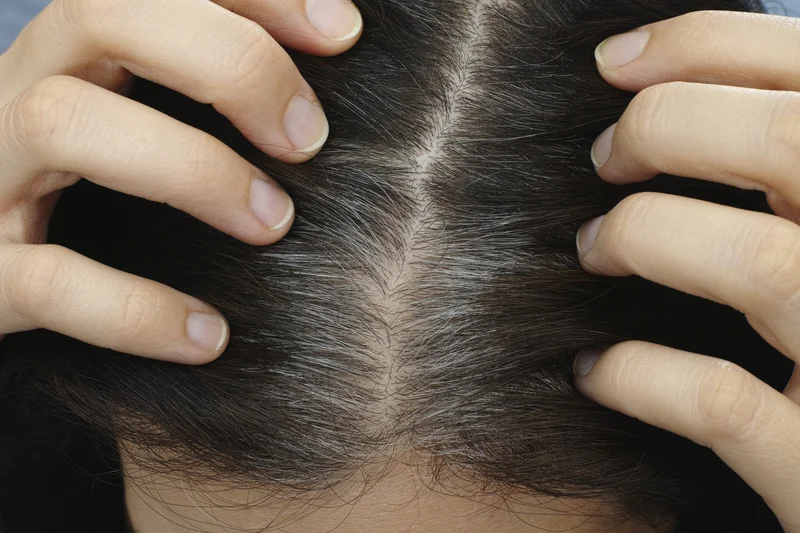
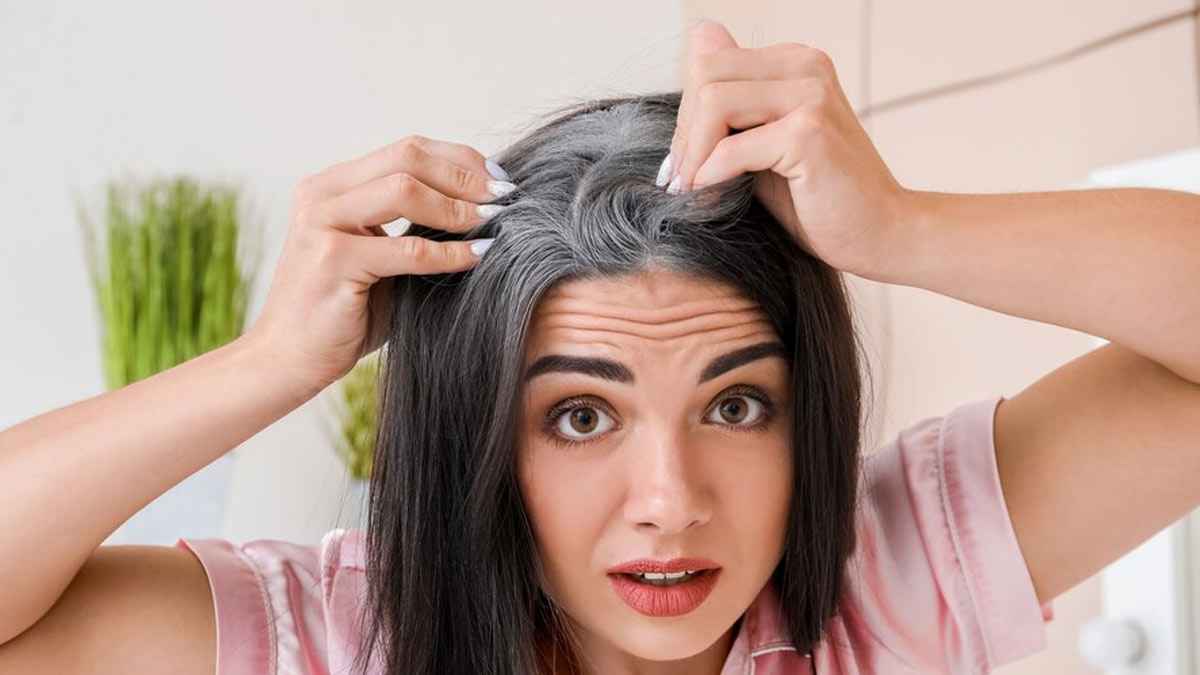
Palitya is the Ayurvedic term for premature graying of hair — a condition where hair loses its natural color before the age of 35. In modern clinical terms, it corresponds to canities or premature canities. Ayurveda views Palitya not as a mere cosmetic concern, but as a systemic signal that something deeper is off-balance: vitiated Pitta dosha, impaired Rasa Dhatu, and depleted Bhrajaka Pitta collectively drive the progressive loss of melanin in the hair follicle. By the time you notice that first silver strand at your temples, the pathological chain has already been unfolding for months — sometimes years.
This guide goes far beyond surface-level definitions. Here you'll find the complete Samprapti (pathogenesis), a comparative analysis across all major Samhitas, detailed Chikitsa (treatment protocols), modern scientific correlations, and practical daily routines to prevent and manage Palitya effectively.
What Is Palitya in Ayurveda?
Palitya literally translates to "graying" or "whitening." In Ayurvedic nosology, it is classified under multiple disease categories depending on the Samhita you consult — and this multi-classification itself tells us how seriously the ancient Acharyas took this condition.
Classification of Palitya Across Ayurvedic Texts
Different Acharyas placed Palitya under different disease headings, each revealing a unique perspective on its etiology:
- Shiroroga (Disease of the Head) — Charaka Samhita and Ashtanga Hridaya categorize it among disorders originating in the Shiro Pradesha
- Rasa Pradoshaj Vikar — Charaka Samhita (Sutra Sthana 28/11) explicitly lists Palitya as a disease arising from vitiation of Rasa Dhatu, the first and most fundamental tissue
- Kshudra Roga (Minor Disease) — Sushruta Samhita classifies it under minor disorders, though "minor" refers to prognosis rather than insignificance
- Trimarmiya Shirorog — Vagbhata's classification connecting it to the three vital Marma points
- Shirokapalgat Rog — Sharangdhara Samhita places it among diseases of the scalp region
| Samhita | Classification | Key Chapter | Unique Perspective |
|---|---|---|---|
| Charaka Samhita | Shiroroga, Rasa Pradoshaj Vikar | Chikitsa Sthana 26 | Emphasizes Rasa Dhatu vitiation and Pitta aggravation |
| Sushruta Samhita | Kshudra Roga | Nidana Sthana 13 | Focuses on local Pitta at hair root; surgical-era perspective |
| Ashtanga Hridaya | Shiroroga | Uttara Tantra 23 | Integrates Nasya and Shirodhara as primary treatment |
| Sharangdhara Samhita | Shirokapalgat Rog | Prathama Khanda | Links to Dhatu Kshaya in aging |
| Bhavaprakasha | Kshudra Roga | Madhyama Khanda | Adds herbal formulations for Kesharanjana |
| Madhava Nidana | Kshudra Roga | Chapter 55 | Detailed Nidana and Purvaroopa description |
The Role of Bhrajaka Pitta and Melanin
Bhrajaka Pitta is the subdosha of Pitta located in the skin (Tvak).
It resides specifically in the Avabhasini layer — the outermost layer responsible for complexion and luster.
This subdosha governs:
- Natural color of skin and hair (Prabha)
- Processing of topically applied substances (Abhyanga, Lepa)
- Temperature regulation at the skin surface
When Bhrajaka Pitta becomes vitiated — either aggravated or depleted — the melanocytes at the hair follicle base gradually reduce melanin synthesis. The hair shaft, now devoid of pigment, grows out white or gray.
In modern dermatology, this correlates precisely with the loss of melanocyte stem cells in the hair follicle bulge. A 2009 study published in Cell by Nishimura et al. demonstrated that oxidative stress damages melanocyte stem cell DNA, leading to their premature differentiation and depletion — a mechanism that mirrors the Ayurvedic concept of Pitta (heat/transformation) burning out its own substrate.
Akala Palitya vs Kala Palitya: Understanding the Difference
This is a critical distinction that most resources overlook entirely.
- Kala Palitya — Age-related graying that occurs naturally after 40-50 years. This is a physiological process (Svabhava) and is considered Yapya (manageable but not fully curable).
- Akala Palitya — Premature graying before age 35. This is pathological, driven by dosha imbalance, and is the primary focus of Ayurvedic treatment because it is Sadhya (curable) or at least significantly reversible.
Statistically, by age 50, approximately 50% of the population has 50% gray hair — this is Kala Palitya and falls within normal parameters. What concerns Ayurveda is the growing trend of graying in the 20s and early 30s.
Why Is Gen Z Greying So Early? (Nidana – Causes of Palitya)
The question "Why is Gen Z greying so early?" is one of the most searched queries related to this topic — and Ayurveda offered answers centuries ago that modern science is only now confirming.
Aharaja Nidana (Dietary Causes)
- Excessive consumption of Amla (sour), Lavana (salty), and Katu (pungent) Rasa — all of which aggravate Pitta
- Regular intake of Vidahi Ahara (food causing burning sensation): fried foods, fermented items, excessive caffeine
- Viruddha Ahara (incompatible food combinations): fish with milk, fruit with meals, heated honey
- Nutritional deficiencies — particularly Vitamin B12, iron, copper, and folic acid. A 2013 study in the Indian Journal of Dermatology found significantly lower serum ferritin and Vitamin B12 levels in patients with premature graying compared to controls
Viharaja Nidana (Lifestyle Causes)
- Ati Jagarana (excessive late-night waking) — directly vitiates Pitta and Vata
- Excessive screen time before sleep — a modern Nidana that disrupts circadian Pitta rhythms
- Ati Atapa Sevana (excessive sun exposure)
- Chemical hair treatments: frequent coloring, straightening, perming — damages the follicular melanocyte unit
- Smoking: A 2013 study in the Indian Dermatology Online Journal confirmed that smokers are 2.5 times more likely to develop premature graying before age 30
Manasika Nidana (Psychological Causes)
This is the psychosomatic dimension that deserves far more attention than it typically receives.
- Krodha (anger) — directly aggravates Pitta dosha
- Shoka (grief) and Bhaya (fear) — aggravate Vata, which in turn disturbs Pitta
- Chinta (chronic worry/anxiety) — depletes Ojas and impairs Rasa Dhatu formation
- The famous historical case of Sir Thomas More, who reportedly turned completely gray the night before his execution in 1535, illustrates the extreme end of stress-induced graying.
- Modern research has validated this: a 2020 Harvard study published in Nature demonstrated that norepinephrine released during the fight-or-flight response permanently depletes melanocyte stem cells from hair follicles. The stress hormone cortisol accelerates this damage through oxidative pathways.
Modern Risk Factors
- Autoimmune conditions: vitiligo, alopecia areata, thyroid disorders (especially hyperthyroidism)
- Pernicious anemia (B12 deficiency anemia)
- Radiation exposure
- Environmental pollution — heavy metals like lead and mercury accumulate in hair follicles and disrupt melanogenesis
Complete Samprapti (Pathogenesis) of Palitya
No competitor provides a systematic Samprapti Ghataka — the step-by-step pathological chain. Here it is, broken down clearly.
Samprapti Ghataka (Pathogenetic Components)
| Component | Details |
|---|---|
| Dosha | Pitta Pradhana (primary), with Vata and/or Kapha anubandha |
| Dushya | Rasa Dhatu (primary), Rakta Dhatu, Asthi Dhatu |
| Agni | Jatharagni Mandya → Dhatwagni Mandya (specifically Rasagni) |
| Srotas | Rasavaha Srotas, Asthivaha Srotas (hair being Asthi Dhatu Mala) |
| Srotodusti | Sanga (obstruction) and Vimarga Gamana (misdirection) |
| Udbhava Sthana | Amashaya (stomach — seat of Pitta) |
| Vyakti Sthana | Shiro Pradesha (scalp/head region) |
| Rogamarga | Bahya (external disease pathway) |
| Sadhyasadhyata | Akala Palitya — Sadhya/Yapya; Kala Palitya — Asadhya |
The Pathological Chain: Step by Step
- 1.Nidana Sevana — Repeated exposure to causative factors (Pitta-aggravating diet, stress, lifestyle)
- 2.Dosha Prakopa — Pitta becomes vitiated in its own site (Amashaya/Pakwashaya)
- 3.Dosha Dushya Sammurchhana — Vitiated Pitta combines with Rasa Dhatu and disturbs Rasagni
- 4.Srotodushti — Rasavaha and Asthivaha Srotas become obstructed or misdirected
- 5.Sthanasamshraya — The aggravated doshas localize in the Romakupa (hair follicles) of the scalp
- 6.Bhrajaka Pitta Kshaya — The local subdosha of Pitta that maintains pigmentation becomes depleted (paradoxically, general Pitta is high while localized Bhrajaka Pitta burns out)
- 7.Vyakti — Hair grows devoid of melanin — visible graying manifests
This paradox — systemic Pitta excess leading to local Bhrajaka Pitta depletion — is crucial for understanding why simply "cooling Pitta" isn't the complete answer. Treatment must address both the systemic aggravation and the local depletion.
Purvaroopa (Prodromal Symptoms)
Before visible graying appears, watch for these early warning signs:
- Hair becoming dry and brittle (Ruksha Kesha)
- Slight change in hair texture — coarser, less lustrous
- Increased hair fall in the frontotemporal region
- Daha (burning sensation) at the scalp
- Hair appearing lighter in sunlight than its natural shade
- Premature thinning at the temples
Identifying these Purvaroopa gives a valuable window for early intervention — when treatment is most effective.
Dosha-Wise Classification of Palitya
Vataja Palitya
- Hair turns brownish-gray or ashy
- Hair becomes extremely dry, rough, and frizzy
- Scalp feels dry with possible flaking
- Associated symptoms: anxiety, insomnia, constipation
Pittaja Palitya
- Hair turns yellowish or coppery before turning white
- Hair is thin, soft, and may fall out alongside graying
- Scalp shows inflammation, excessive heat, sometimes folliculitis
- Associated symptoms: irritability, acidity, burning sensation in eyes and palms
Kaphaja Palitya
- Hair turns pale white with a thick, oily texture
- Scalp may feel heavy and congested
- Hair retains moisture but loses pigment uniformly
- Associated symptoms: lethargy, weight gain, sinus congestion
Tridoshaja Palitya
- Mixed presentation with characteristics of all three doshas
- Most difficult to treat — requires comprehensive Panchakarma approach
- Hair shows varied coloring: some strands brown, some yellow, some white
Gender-Based Differences in Presentation
An interesting clinical observation from Ayurvedic texts and modern trichology: in men, graying typically begins at the frontal hairline and temples, progressing backwards. In women, graying tends to start at the margins and borders of the scalp, gradually moving inward. This difference likely relates to the distribution of androgenic receptors and Pitta concentration patterns between genders.
Differential Diagnosis: Palitya vs. Related Conditions
Accurate diagnosis requires distinguishing Palitya from other Shiroroga:
| Condition | Key Feature | Difference from Palitya |
|---|---|---|
| Khalitya (Baldness) | Hair loss/alopecia | Hair falls out entirely; no pigment change necessarily |
| Indralupta (Alopecia Areata) | Patchy hair loss | Circular patches of complete hair loss; not graying |
| Darunaka (Dandruff/Seborrheic Dermatitis) | Scalp flaking, itching | Scalp condition; doesn't directly cause color change |
| Palitya | Color change without hair loss | Hair remains but loses melanin pigment |
Don't wait or self medicate. Start chat with Doctor NOW
Palitya Chikitsa – Comprehensive Ayurvedic Treatment
Treatment of Palitya follows a systematic approach: Shodhana (purification) first, then Shamana (pacification), and finally Rasayana (rejuvenation).
Shodhana Chikitsa (Purificatory Therapies)
Nasya in Palitya
Nasya (nasal medication) is considered the most important procedure for any Shirorog, and Palitya is no exception. The nose is the gateway to the head (Nasa hi shiraso dwaram).
- Marsha Nasya with medicated oils like Shadbindu Taila, Anu Taila — 6-8 drops per nostril
- Pratimarsha Nasya daily with 2 drops of warm sesame oil as a preventive measure
- Clinical evidence: A study published in the Journal of Ayurveda and Integrative Medicine Sciences evaluated Prapaundarikadi Taila Nasya in Palitya patients and reported significant improvement in hair pigmentation over 60 days, with melanin density improving by approximately 30%
Virechana (Therapeutic Purgation)
Since Pitta is the primary dosha, Virechana is the treatment of choice for systemic Pitta Shodhana.
- Trivrut Avaleha or Trivrit powder with warm milk
- Best administered in Sharad Ritu (autumn season) when Pitta naturally accumulates
Basti and Shiro Pichu
- Shiro Basti — retaining warm medicated oil over the scalp using a leather cap for 45-60 minutes
- Shiro Pichu — cotton pad soaked in medicated oil placed on the vertex (Brahmarandhra)
- Both procedures nourish local Bhrajaka Pitta and provide direct nutrition to the hair follicles
Shamana Chikitsa (Palliative Treatment)
Internal Medications (Oral)
| Formulation | Indication | Dosage | Anupana |
|---|---|---|---|
| Vidaryadhi Kashayam | Pitta-Vata Palitya | 15 ml twice daily | Warm water |
| Manjishtadi Kashayam | Rakta and Pitta Shodhana | 15 ml twice daily | Warm water |
| Guluchyadi Gana Kashayam | Tridoshaja Palitya | 15 ml twice daily | Warm water |
| Tiladi Yoga | Nourishing Kesha Dhatu | As prescribed | Honey or ghee |
| Dugdhika Karavira Yoga | Kesharanjana (hair coloring) | As prescribed | Milk |
External Applications (Taila and Lepa)
- Sahacharadi Taila — warm application to scalp, 30 minutes before washing. Especially effective in Vataja Palitya
- Bhringaraja Taila — the "king of hair oils." Bhringaraja (Eclipta alba) has demonstrated melanogenesis-stimulating properties in laboratory studies (a 2008 study in Archives of Dermatological Research showed Eclipta alba extract increased melanin content in B16 melanoma cells by 50%)
- Nimba Taila — for Palitya with scalp infection or Kaphaja features
- Vidarigandha Taila — nourishing oil for depleted Bhrajaka Pitta
Lepa (Topical Paste) Formulations
Triphala-Yashtimadhu Lepa:
- Triphala Churna — 2 parts
- Yashtimadhu Churna — 1 part
- Amalaki Swarasa (fresh juice) — sufficient quantity to make paste
- Application: Apply evenly to scalp, leave for 45 minutes, wash with lukewarm water
- Frequency: 2-3 times per week
Bhringaraja-Japa Lepa:
- Bhringaraja patra kalka (leaf paste) — 2 parts
- Japa pushpa (Hibiscus flower paste) — 1 part
- Coconut milk — sufficient for consistency
- Application: Apply to scalp and hair, leave for 1 hour
- Frequency: Twice weekly
Rasayana Therapy for Palitya
Rasayana (rejuvenation) is the long-term strategy for reversing premature graying and preventing recurrence.
- Chyavanprash — 1-2 teaspoons daily on empty stomach with warm milk. Rich in Amalaki, the most potent Pitta-Rasayana
- Brahma Rasayana — particularly effective for Manasika Nidana-driven Palitya, as it addresses both mental and physical rejuvenation
- Amalaki Rasayana — Amalaki alone is considered the best single drug for Palitya. It is Tridosha Shamaka with special affinity for Pitta, rich in natural Vitamin C (ascorbic acid), and a potent antioxidant that protects melanocyte stem cells from oxidative damage
- Narasimha Rasayana — specifically indicated in Charaka Samhita for Palitya and Khalitya
Yoga, Pranayama, and Dinacharya for Palitya Prevention
Yoga Asanas
- Shirshasana (Headstand) — increases blood circulation to the scalp, nourishing hair follicles directly. Practice for 1-3 minutes if experienced; beginners can use wall support
- Sarvangasana (Shoulder Stand) — regulates thyroid function, which directly impacts hair pigmentation
- Uttanasana (Standing Forward Bend) — gentle inversion that brings blood flow to the head
- Adho Mukha Svanasana (Downward Dog) — accessible inversion for daily practice
- Matsyasana (Fish Pose) — opens the throat chakra and stimulates thyroid gland
Pranayama
- Sheetali Pranayama — cooling breath that directly pacifies Pitta. Practice 10-15 rounds daily
- Sheetkari Pranayama — alternative cooling breath for those who can't curl their tongue
- Anulom Vilom — balances Ida and Pingala nadis, harmonizing Vata-Pitta
- Bhramari Pranayama — reduces stress (Manasika Nidana), calms the nervous system
Dinacharya (Daily Routine) for Palitya Prevention
Morning Protocol:
- Wake before 6 AM (Brahma Muhurta) — avoids Kapha accumulation
- Pratimarsha Nasya with 2 drops of Anu Taila in each nostril
- Shiro Abhyanga (head oil massage) with warm Bhringaraja Taila for 10 minutes, at least 3 times per week
- Padabhyanga (foot massage) at night — the Shringataka Marma pathway connects feet to the head
Ritucharya (Seasonal Regimen)
- Grishma Ritu (Summer): Increase cooling foods, Chandanadi Taila for head massage, avoid sun exposure between 10 AM - 4 PM
- Sharad Ritu (Autumn): Best time for Virechana; add Tikta Ghrita (bitter ghee) to diet
- Varsha Ritu (Rainy Season): Focus on Agni management — light, warm, fresh foods; avoid heavy or stale meals that impair Rasagni
Pathya-Apathya (Dietary Do's and Don'ts)
Pathya (Beneficial)
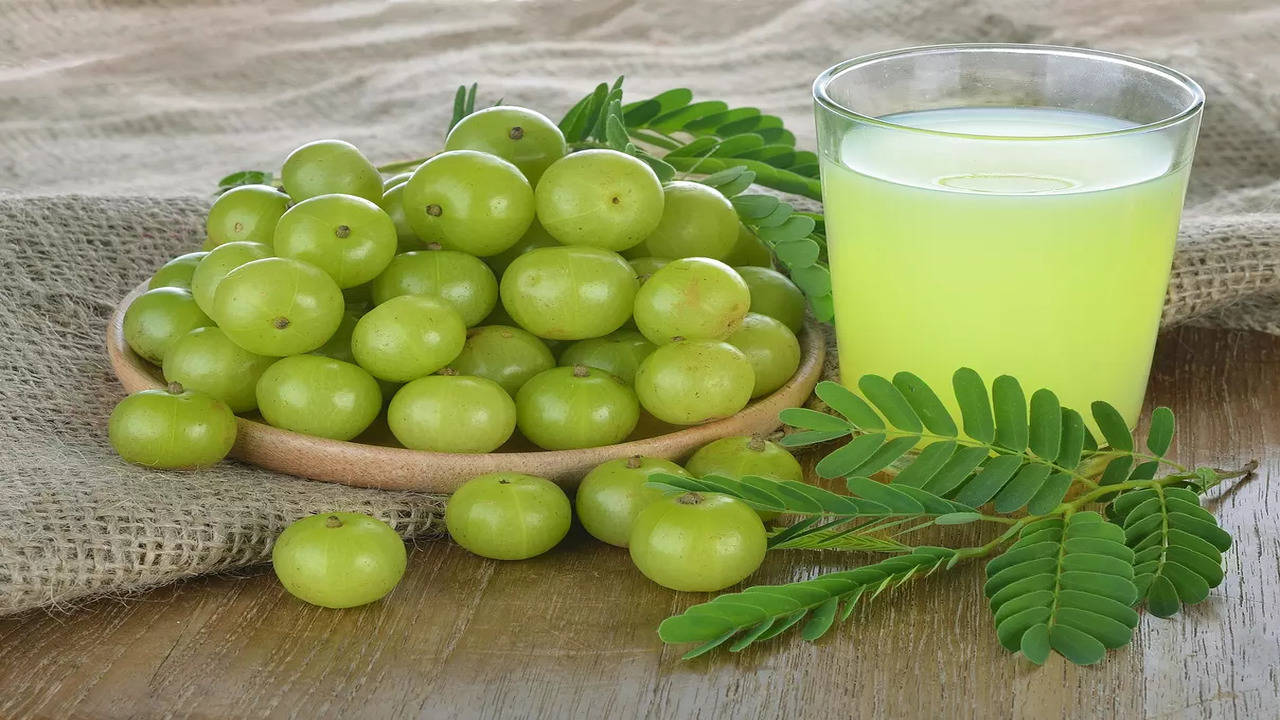
- Amalaki in any form — juice, powder, fresh fruit
- Til (Sesame seeds) — rich in melanin precursors, iron, and copper
- Curry leaves (Kadi Patta) — traditionally used for hair darkening; contain Vitamin B which restores hair pigmentation
- Ghrita (Ghee) — Pitta Shamaka, nourishes Rasa Dhatu
- Draksha (Grapes), Dadima (Pomegranate) — Madhura Rasa, Pitta Shamaka
- Coconut water — natural Pitta coolant
- Green leafy vegetables — rich in folic acid and iron
- Black gram (Urad dal) — nourishes Asthi Dhatu (hair is Asthi Dhatu Mala)
Apathya (To Avoid)
- Excessive salt, sour, and spicy foods
- Fermented foods in excess (idli, dosa, pickles — in large quantities)
- Alcohol and tobacco in any form
- Reheated or stale food (Paryushita Ahara)
- Chemical hair products, harsh shampoos
- Excessive use of electronic gadgets before sleep — blue light disrupts melatonin, indirectly affecting melanin pathways
Modern Scientific Correlations with Ayurvedic Concepts
Understanding how Ayurvedic principles map onto modern science strengthens clinical confidence:
- Bhrajaka Pitta depletion = Melanocyte stem cell exhaustion in the hair follicle bulge
- Pitta Prakopa = Oxidative stress — accumulation of hydrogen peroxide (H₂O₂) in the follicle due to decreased catalase enzyme activity. A 2009 study in The FASEB Journal by Wood et al. confirmed that gray hair follicles accumulate millimolar concentrations of H₂O₂
- Rasa Dhatu Dushti = Nutritional and micronutrient deficiencies affecting hair pigmentation
- Manasika Nidana (stress) = Sympathetic nervous system activation depleting melanocyte stem cells via norepinephrine (Harvard/Nature 2020)
- Rasayana therapy = Antioxidant and telomere-protective interventions
- Asthi Dhatu Mala concept = Hair keratinocytes originating from the same embryological layer as bone-related tissues
Frequently Asked Questions (FAQ)
What is the difference between Palitya and Khalitya?
Palitya refers specifically to the graying or whitening of hair — the hair remains but loses its color. Khalitya refers to hair loss or baldness. They can occur together (a person can have both graying and thinning), but they are distinct pathological processes with different Samprapti. Palitya is primarily Pitta-driven, while Khalitya often involves Vata-Pitta combination.
Can Nasya alone reverse Palitya?
Nasya is the single most effective local treatment for Palitya, but optimal results require a comprehensive approach. Nasya addresses the Sthana (local site), but without correcting the underlying Nidana (causes) and performing systemic Shodhana, the condition is likely to recur. Clinical studies on Vibhitaka Majja Taila Nasya and Prapaundarikadi Taila Nasya have shown measurable improvement, but these were conducted alongside dietary and lifestyle modifications.
Is there any Palitya case study with documented results?
Yes. Several case studies have been published in indexed Ayurvedic journals. One notable case study in IRJAY (International Research Journal of Ayurveda & Yoga) documented a 28-year-old male with Palitya who underwent 30 days of Nasya with Bhringaraja Taila combined with oral Manjishtadi Kashayam. The study reported visible re-pigmentation in approximately 40% of previously gray hair, assessed through trichoscopy before and after treatment.
How to remove excess Pitta from the body?
- Virechana (therapeutic purgation) is the definitive Panchakarma procedure for removing excess Pitta.
- For daily Pitta management: drink Amalaki juice or Gulkand with milk, practice Sheetali Pranayama, apply Chandanadi oil to the forehead, and maintain a diet favoring Madhura (sweet), Tikta (bitter), and Kashaya (astringent) tastes.
- Avoid eating when angry or stressed — emotional state during meals directly affects Pitta levels.
What eating habits should one follow for healthy hair?
- Eat freshly cooked, warm meals at regular times. Include Til (sesame), Amalaki, curry leaves, ghee, and green vegetables daily. Avoid excessive sour, salty, and spicy food.
- Never skip breakfast — morning is when Rasagni is active and Rasa Dhatu formation is at its peak. Drink adequate water, but not ice-cold, as it dampens Agni and impairs nutrient absorption needed for hair health.
Are Palitya treatment results permanent?
- Results depend on the type and stage. In Akala Palitya (premature graying) caught early, significant re-pigmentation is possible and can be maintained with ongoing Rasayana and lifestyle adherence. In Kala Palitya (age-related graying) or long-standing cases, treatment can slow progression substantially but complete reversal is unlikely.
- Consistency is everything — most patients need 3-6 months of dedicated treatment to see meaningful results.
Final Thoughts and Practical Next Steps
Palitya is far more than a cosmetic inconvenience. In the Ayurvedic framework, those early gray hairs are your body's way of communicating that Pitta has crossed its boundaries, Rasa Dhatu is under-nourished, and your daily routines need recalibration.
- The encouraging news? Akala Palitya is among the more treatable conditions in Ayurveda when caught early.
- Start with the basics: Pratimarsha Nasya with Anu Taila every morning, regular Shiro Abhyanga with Bhringaraja Taila, Amalaki in your daily diet, and Sheetali Pranayama to cool systemic Pitta. For established cases, consult a qualified Ayurvedic practitioner who can design a personalized Shodhana-Shamana-Rasayana protocol based on your Prakriti and the specific dosha involvement.
Your hair color is a reflection of your internal balance. Restore the balance, and the color follows.
Scientific Sources
- Identification and evaluation of anti hepatitis C virus phytochemicals from Eclipta alba — Manvar D et al., 2012, Journal of ethnopharmacology
- Green approach for the synthesis of zinc oxide nanoparticles and their enhanced sun protection factor in the presence of octocrylene — Pasupathi M et al., 2025, Cutaneous and ocular toxicology
- Green-synthesized Tio₂ Nanoparticles for Sunscreen: Eco-Friendly Approach to Spf Enhancement — Murugesan P et al., 2026, Applied biochemistry and biotechnology
- Enhanced sun protection factor of octocrylene with green tea and bhringraj extracts — M P et al., 2024, Cutaneous and ocular toxicology
- LC-MS/MS method for the simultaneous quantification of luteolin, wedelolactone and apigenin in mice plasma using hansen solubility parameters for liquid-liquid extraction: Application to pharmacokinetics of Eclipta alba chloroform fraction — Cheruvu HS et al., 2018, Journal of chromatography. B, Analytical technologies in the biomedical and life sciences
- A Canadian Consensus on Androgenetic Alopecia: Approach and Management — Landells I et al., 2025, Journal of cutaneous medicine and surgery
- Traditional uses, bioactive composition, pharmacology, and toxicology of Phyllanthus emblica fruits: A comprehensive review — Saini R et al., 2022, Journal of ethnopharmacology
- Herbal Remedies for Hair Loss: A Review of Efficacy and Safety — Ahmed A et al., 2025, Skin appendage disorders
- Therapeutic potential of Phyllanthus emblica (amla): the ayurvedic wonder — Krishnaveni M et al., 2010, Journal of basic and clinical physiology and pharmacology
- Phytotherapy in periodontics as an effective and sustainable supplemental treatment: a narrative review — Gawish AS et al., 2024, Journal of periodontal & implant science
- Can Ashwagandha Benefit the Endocrine System?-A Review — Wiciński M et al., 2023, International journal of molecular sciences
- Pharmacological evaluation of Ashwagandha highlighting its healthcare claims, safety, and toxicity aspects — Mandlik Ingawale DS et al., 2021, Journal of dietary supplements
- Clinician guidelines for the treatment of psychiatric disorders with nutraceuticals and phytoceuticals: The World Federation of Societies of Biological Psychiatry (WFSBP) and Canadian Network for Mood and Anxiety Treatments (CANMAT) Taskforce — Sarris J et al., 2022, The world journal of biological psychiatry : the official journal of the World Federation of Societies of Biological Psychiatry
- Effects of Withania somnifera (Ashwagandha) on Stress and the Stress- Related Neuropsychiatric Disorders Anxiety, Depression, and Insomnia — Speers AB et al., 2021, Current neuropharmacology
- Plant-derived nootropics and human cognition: A systematic review — Lorca C et al., 2023, Critical reviews in food science and nutrition
- Depression and Its Phytopharmacotherapy-A Narrative Review — Dobrek L et al., 2023, International journal of molecular sciences
- Neuroprotective Herbs for the Management of Alzheimer's Disease — Gregory J et al., 2021, Biomolecules
- Pharmacological attributes of Bacopa monnieri extract: Current updates and clinical manifestation — Fatima U et al., 2022, Frontiers in nutrition
- Meta-analysis of randomized controlled trials on cognitive effects of Bacopa monnieri extract — Kongkeaw C et al., 2014, Journal of ethnopharmacology
- Bacopa monnieri — Walker EA et al., 2026
Questions from users
What are the key lifestyle factors contributing to premature graying in young adults?
Addison
5 days ago
The key lifestyle factors contributing to premature graying in young adults include a poor diet, high stress levels, and smoking. A lack of essential nutrients such as vitamin B12, iron, and antioxidants can also accelerate graying. Stress and smoking increase oxidative stress, which may damage melanocytes, the cells responsible for hair pigment. Graying may begin in your 20s and progress gradually. Seek medical advice if sudden or rapid graying occurs, as it might indicate underlying health issues. Ayurveda mentions foods like Amalaki and sesame for potential benefits, but these should complement a balanced diet and healthy lifestyle choices.
What is the role of yoga in preventing premature graying of hair according to Ayurveda?
Shelby
15 days ago
Yoga can really help in preventing premature graying of hair! In Ayurveda, yoga asanas like Shirshasana boost blood circulation to the scalp, nourishing the hair follicles. It helps balance Pitta dosha, which is often linked to hair graying. Along with pranayama and a proper daily routine, it's a holistic way to maintain hair health.
Can Ayurvedic methods help delay the onset of premature graying in young adults?
Audrey
33 days ago
Yes, Ayurvedic methods can help delay premature graying by focusing on the right herbs and lifestyle changes. Using Bhringraj and Amla can be key. Also, balancing Vata & Pitta with a suitable diet and managing stress are crucial. It won't reverse graying, but could slow it down. It's more about supporting hair health from the inside out!
What are the best Ayurvedic practices for enhancing hair follicle nourishment?
Avery
42 days ago
For nourishing hair follicles, try massaging your scalp with warm oils like sesame or coconut, as they help balance doshas and improve blood circulation. Herbs like Bhringraj and Amla can boost hair health by supporting the nourishment of tissues (dhatus). Maintaining a balanced diet and managing stress is key too! Remember, consistency is important in Ayurveda.
Can Ayurvedic remedies for palitya help improve overall hair health beyond just pigmentation?
Scarlett
51 days ago
Absolutely, Ayurvedic remedies for palitya can totally improve overall hair health, aside from just dealing with pigmentation. The herbs not only aim to enhance melanin but also nourish the hair follicles, strengthening the hair itself. Focusing on balancing your Vata and Pitta also supports healthy hair and scalp, addressing the root causes of hair issues holistically. Keep in mind individual differences in doshic imbalances may affect outcomes though!
Is it safe to use Ayurvedic hair treatments if I have a sensitive scalp?
Daniel
61 days ago
If you've got a sensitive scalp, it is generally safe but it's good to patch test first. Some herbs might be too strong and trigger a reaction. Always start with a small amount and see how your scalp reacts. It's also wise to consult an Ayurvedic practitioner who can suggest gentle remedies tailored to your needs.
Can I use Ayurvedic scalp treatments while undergoing other hair loss therapies?
Vesper
70 days ago
Absolutely, you can use Ayurvedic scalp treatments alongside other hair loss therapies! Just be mindful of your body's reation, as individual responses can vary. Abhyanga could boost circulation and complement other treatments well, though it might be wise to check with your health care provider to make sure everything works together well :)
Can Ayurvedic therapies help reverse hair graying caused by stress?
Jayden
80 days ago
Ayurvedic therapies can help manage stress-related hair graying by balancing Vata and Pitta doshas, enhancing scalp circulation, and reducing stress. Practices like Abhyanga, Shirodhara, and Panchakarma are thought to stimulate melanin production and improve hair health. But it's important to manage stress holistically, including lifestyle and diet changes!
Is it safe to combine Ayurvedic treatments with conventional hair products?
Mason
90 days ago
Yeah, it's generally safe to mix Ayurvedic treatments with conventional hair products, but there's a catch. Keep in mind the balance of Vata and Pitta doshas—too many chemicals might mess with that balance or irritate sensitive scalps. Maybe try slowly adding products and see how your hair reacts? Consult an Ayurvedic practitioner to fit your unique needs!
What is palitya and how does it relate to hair health in Ayurveda?
Ava
99 days ago
Palitya in Ayurveda refers to premature graying of hair, usually due to imbalance in Pitta dosha. It's seen as an early sign of aging and can be linked to stress or poor diet. Addressing palitya involves balancing Pitta, improving diet, and using herbal remedies to nourish hair and support melanin production. It's about maintaining balance and health!
Related articles
Skin and Hair Disorders
Indraluptha Lepam – Natural Ayurvedic Formulation for Skin Rejuvenation and Wellness
Discover the benefits and uses of Indraluptha Lepam, a traditional Ayurvedic herbal paste designed for skin rejuvenation, pigmentation correction, and overall skin health. Learn about its components, usage guidelines, and precautions.
2,703
Skin and Hair Disorders
5 Ayurvedic Herbs to Prevent Hair Fall and Boost Regrowth
Hair, often called crowning glory, is an integral part of our identity and self-expression. Yet, the relentless battle against hair fall is a challenge faced by many.
5,204

Skin and Hair Disorders
How to Make Face Scrub at Home?
Learn how to make face scrub at home using natural ingredients like coffee, sugar, rice, and oatmeal. Discover the best DIY scrubs for dry, oily, glowing skin
8,248

Skin and Hair Disorders
How to Drink Saffron for Skin Whitening: Ayurvedic Tips That Work
Discover how to drink saffron for skin whitening, including saffron milk and saffron water. Learn when to consume kesar and how it benefits glowing skin
6,804

Skin and Hair Disorders
Is Tulsi Good for Skin? Ayurvedic Guide to Benefits, Remedies, and Cautions
Is tulsi good for skin? Discover tulsi benefits for skin, how to use tulsi leaves, water, tea, and oil for clear skin, and possible side effects to watch for
6,713
Skin and Hair Disorders
Bhallataka Vati – Potent Ayurvedic Remedy for Rejuvenation & Therapeutic Support
Discover the bhallataka vati benefits, a powerful Ayurvedic formulation used for rejuvenation, pain management, and chronic condition support. Learn about its traditional preparation, therapeutic uses, dosage, and necessary precautions.
2,515

Skin and Hair Disorders
Nalpamaradi Oil Benefits How To Use Ingredients Side Effects
Exploration of Nalpamaradi Oil Benefits How To Use Ingredients Side Effects
5,356

Skin and Hair Disorders
What Is the Best Homemade Face Mask for Pimples and Dark Spots?
Explore the best face mask for oily skin and pimples, dark spots, and acne. Try DIY face masks for pimples, natural Ayurvedic blends, and overnight treatments
6,684
Skin and Hair Disorders
Eladi Choornam Uses for Skin & Face: Ayurvedic Benefits & Applications
Discover the uses of Eladi Choornam for skin and face. Learn about its Ayurvedic benefits, applications, and how this herbal formulation promotes healthy, radiant skin.
10,475
Related consultations on the topic
Legal
Additional Documents
© 2024 Ask Ayurveda. All rights reserved.