Ask Ayurvedic doctor a question and get a consultation online on the problem of your concern in a free or paid mode. More than 2,000 experienced doctors work and wait for your questions on our site and help users to solve their health problems every day.
FREE! Ask Ayurvedic Doctors 24/7

 Fast responses
 1000+ verified doctors
Body DetoxEar, Nose, and Throat DisordersGeriatrics & RejuvenationImmunodeficiencyInfertility TreatmentNutritionOrthopedic DisordersPediatricsRespiratory DisordersSexually Transmitted Diseases (STDs)Surgery RecoveryUrological DisordersVascular DisordersDental DisordersEndocrinological DisordersGastrointestinal DisordersYoga TherapyGeneral MedicineAllergic DisordersCardio DisordersGynecology and ObstetricsCosmetologySkin and Hair DisordersEye DisordersInfectious DiseasesMental DisordersNeurological DisordersOncologyPanchakarmaSexual Health & DisordersSports Medicine
Published on 06/25/25
(Updated on 07/13/26)
6,685
What Is the Best Homemade Face Mask for Pimples and Dark Spots?

Struggling with stubborn pimples and dark spots that just won’t budge? You’re not alone. Whether it’s oily skin that shines too much by noon or breakouts popping up right before a big day, many of us are constantly hunting for what is the best homemade face mask for pimples. Not all skin woes are the same, and neither are the solutions. That’s why finding a natural face mask for pimples that suits your skin type can make a huge difference.
So if you’ve been asking yourself “which face mask is best for pimples?” or if you’re ready to mix up a DIY face mask for pimples right from your kitchen shelf—this guide’s for you. Let’s explore how ancient Ayurvedic wisdom meets modern skin struggles, and discover the best face mask for oily skin and pimples, as well as masks that target those annoying post-pimple marks (ugh, right?).
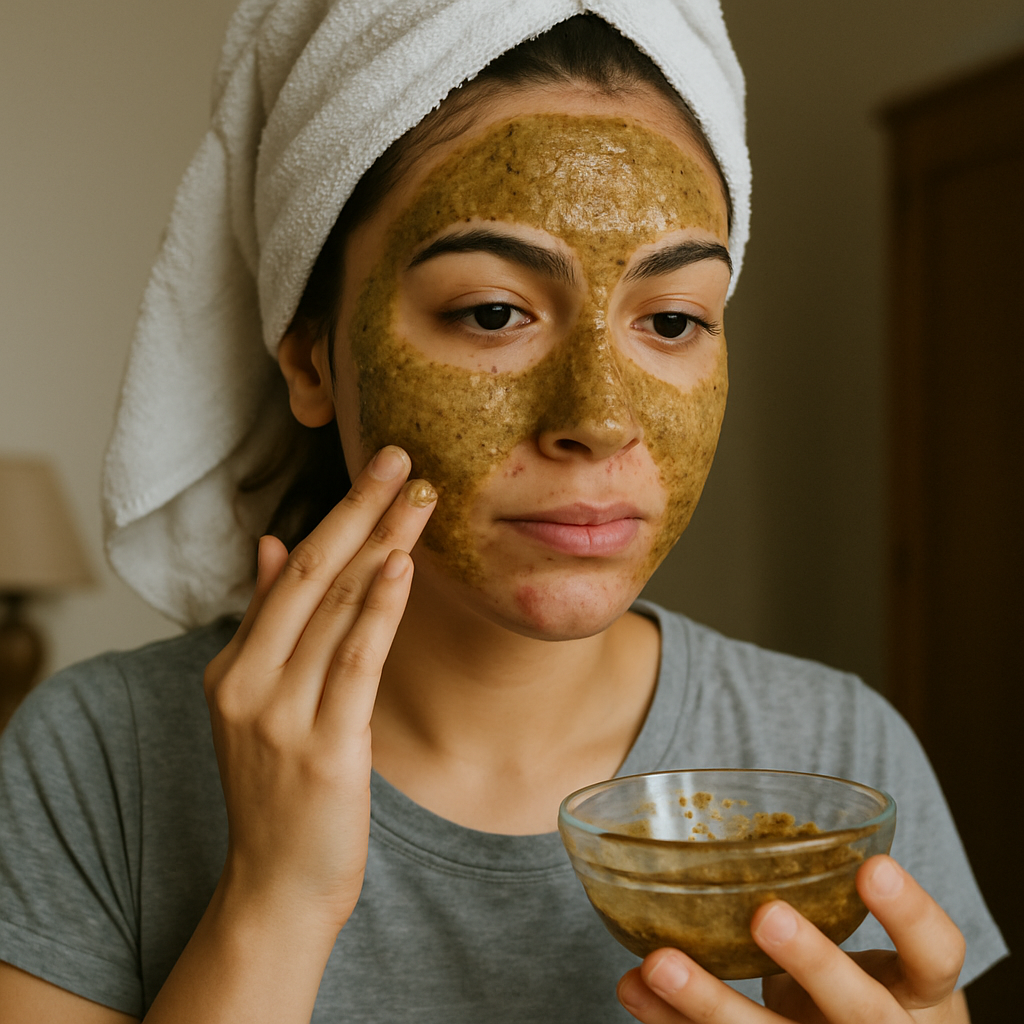
Pimples and Ayurvedic Skin Types
Understanding your skin is like decoding a secret language—it tells you what it needs, but only if you know how to listen. In Ayurveda, skin issues like acne are linked to imbalances in the body’s internal energies, known as doshas.
What Causes Pimples According to Ayurveda
In the Ayurvedic system, pimples—called Yuvan Pidika—are often caused by an imbalance in the Pitta dosha, which represents fire and heat in the body. When Pitta is aggravated, usually due to spicy food, stress, or excessive heat, it triggers inflammation and excessive oil production in the skin. This leads to clogged pores, redness, and—you guessed it—breakouts.
But it’s not just about the Pitta. Sometimes the Kapha dosha (linked to oil and water) can also get involved, making the skin greasy and sluggish in detoxing itself. So yeah, those late-night chips and missed workouts? They might be adding up on your face too.
Role of Pitta Dosha and Imbalanced Agni in Acne
Agni, or digestive fire, plays a huge role in skin health. If your digestion is off—like bloating, acid reflux, or sluggish metabolism—it can reflect in your skin through breakouts and dullness. Pitta-related skin issues, especially when Agni is low, can lead to the accumulation of toxins (ama) in the body. These toxins try to escape through the skin, and voila—pimples.
Ayurveda always brings it back to balance. When Agni is strong, toxins are burned off, and the skin becomes clearer, calmer, and more radiant. So managing internal balance is just as important as slapping on a face mask.
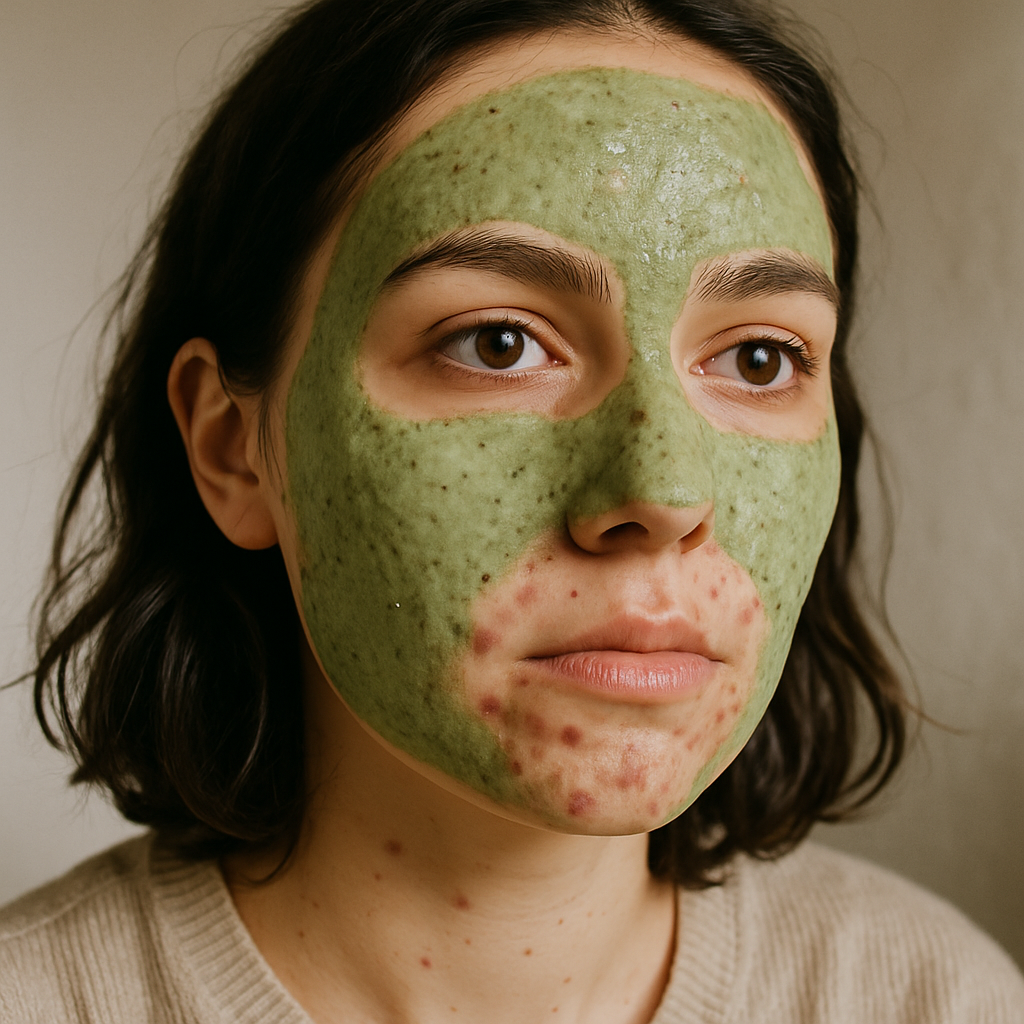
What Is the Best Homemade Face Mask for Pimples?
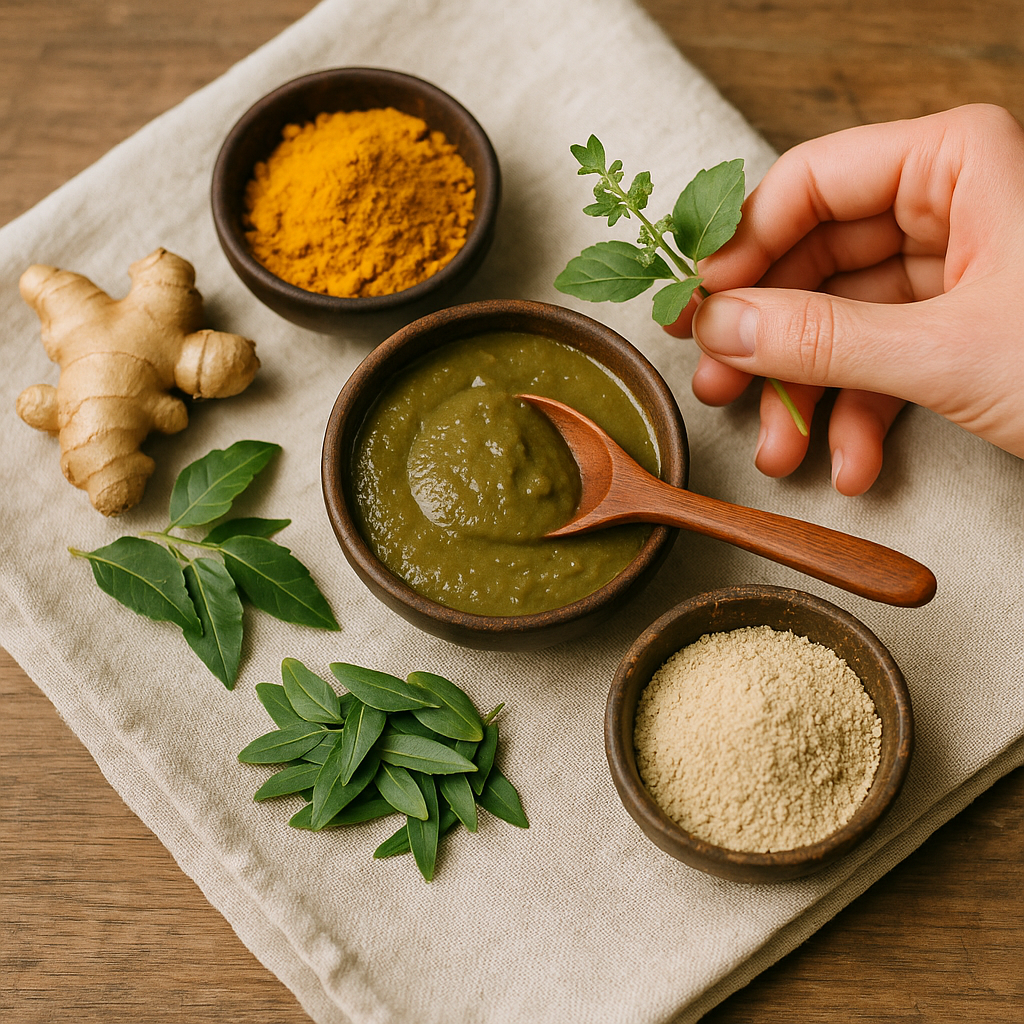
Let’s get to the good stuff: the masks. If you're wondering what is the best homemade face mask for pimples and dark spots, you're in luck. The following ingredients are loved in Ayurveda for their healing, anti-inflammatory, and purifying properties.
Best Ayurvedic Ingredients for Acne-Prone Skin (Neem, Turmeric, Sandalwood)
-
Neem: A powerhouse antibacterial and anti-inflammatory herb. It kills acne-causing bacteria and soothes irritated skin.
-
Turmeric: Helps fade dark spots, reduces inflammation, and gives skin a natural glow. Don’t worry about the yellow tinge—it fades!
-
Sandalwood: Calms the skin and controls oil production. It also helps even out tone and reduces scarring over time.
These ingredients, when used correctly, can seriously help you manage acne without slathering your face with harsh chemicals.
Top 3 DIY Face Mask Recipes for Pimples and Oily Skin
-
Neem + Turmeric + Rose Water Mask
-
Mix 1 tsp neem powder, ½ tsp turmeric, and rose water to form a paste.
-
Apply and leave for 15-20 mins. Rinse with cool water.
-
Great face mask for acne and pimples that calms redness fast.
-
-
Sandalwood + Milk + Honey Mask
-
Mix 1 tsp sandalwood powder, 1 tsp raw honey, and a few drops of milk.
-
Apply and relax for 20 mins. Wash with lukewarm water.
-
Hydrates while tackling pimples and dark spots—a nice 2-in-1!
-
-
Multani Mitti + Aloe Vera Gel + Lemon Juice
-
Mix 1 tbsp Multani Mitti (Fuller’s Earth), 1 tbsp aloe vera, and a few drops of lemon.
-
Leave on for 10-15 mins. Rinse before it dries fully.
-
A go-to mask for pimples and excessive oil. Works great for teen skin too!
-
(And yep—don’t freak out if your first try doesn’t look like a Pinterest picture. It’s fine.)
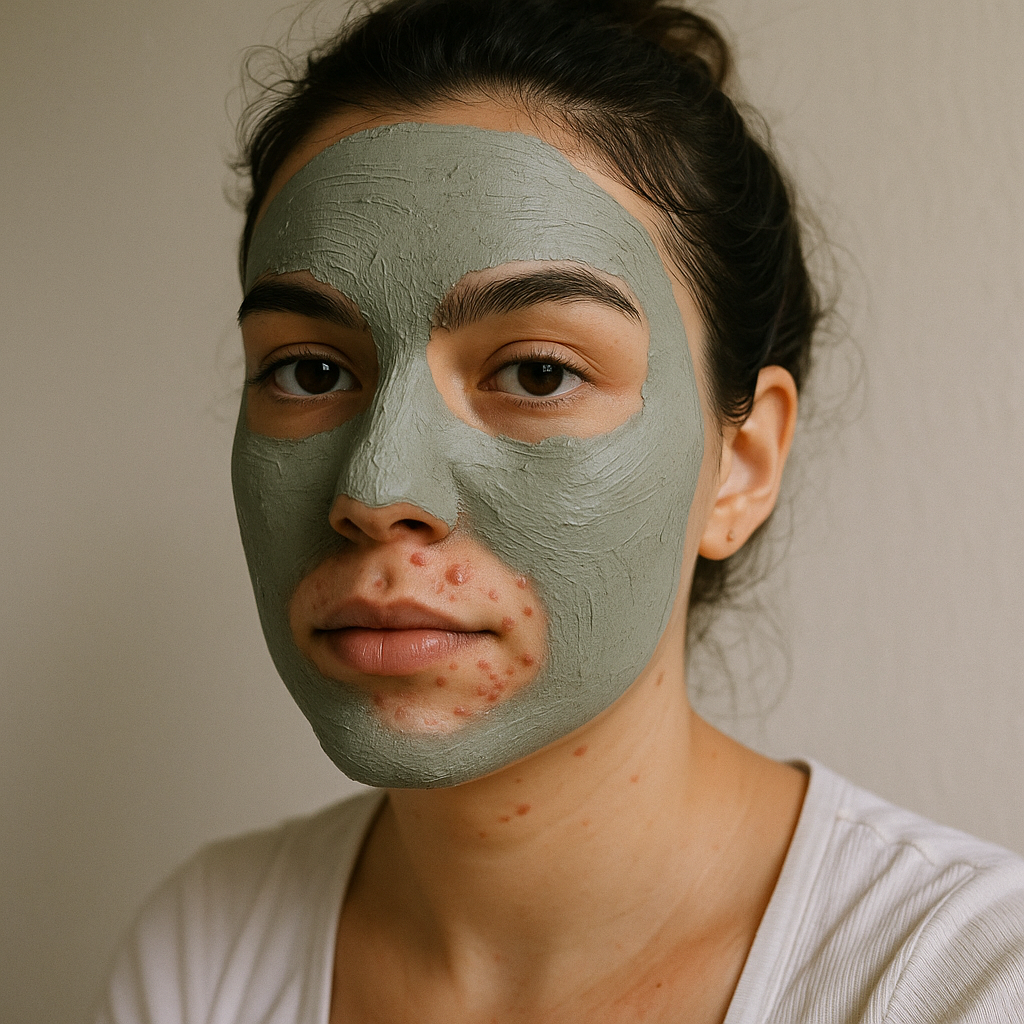
What Is the Best Homemade Face Mask for Pimples Overnight?
Now, let's talk about those “emergency breakout” situations—when you need to wake up with clearer skin tomorrow. You’ve probably googled what is the best homemade face mask for pimples overnight more times than you’d like to admit (same). The good news? You don’t need a miracle, just the right combo of calming, detoxifying, and healing ingredients that work their magic while you sleep.
Quick Recipe: Overnight Aloe + Tea Tree + Honey Spot Mask
-
Mix 1 tsp of pure aloe vera gel with 1 drop of tea tree oil and ½ tsp of raw honey.
-
Dab on pimples, let it dry, and leave overnight.
-
Rinse gently in the morning—hello smoother skin.
Why it works? Aloe cools inflammation, tea tree oil zaps bacteria, and honey heals and hydrates. Together, they’re like a night-shift skincare dream team. (Caution: Always patch test tea tree oil—some skin types might freak out a little.)
Another Option: Turmeric + Yogurt Paste
-
Tiny pinch of turmeric + 1 tsp thick yogurt.
-
Apply as a spot treatment only (unless you want a yellow face pillow).
-
Yogurt exfoliates and calms, turmeric fades dark marks. A win-win.
Remember: Even the best homemade face mask for pimples overnight isn’t a one-night cure-all. But used regularly, they can def speed things up without being too harsh.
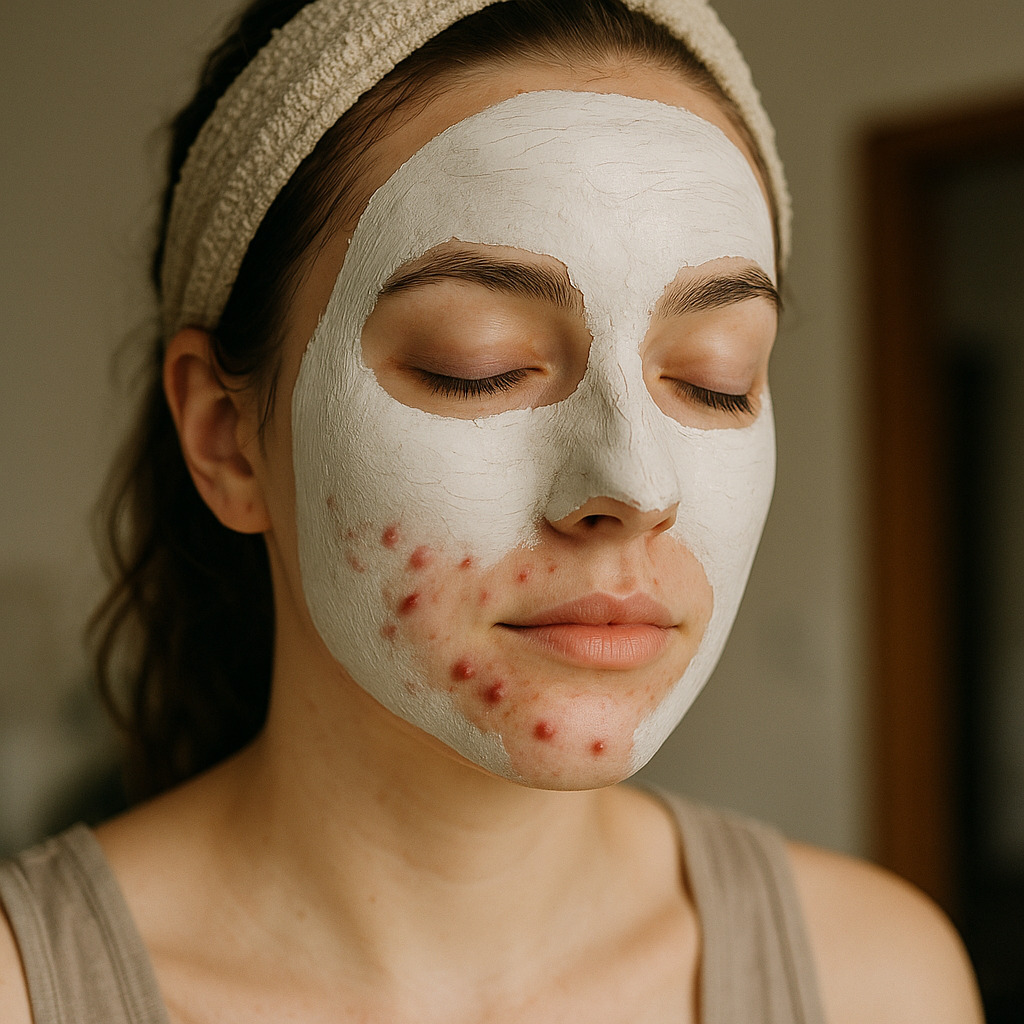
Which Face Mask Is Best for Your Skin Type?
Before you reach for just any mask, let’s pause. Your skin type matters—a lot. The best face mask for pimples and dark spots might not be the same for someone with dry or sensitive skin. Let’s break it down.
Face Mask for Oily Skin and Pimples
Oily skin often goes hand-in-hand with acne. You want masks that balance oil, detoxify pores, and calm inflammation.
Try this one:
-
Multani Mitti + Lemon + Rose Water
-
It draws out impurities, tightens pores, and leaves your skin feeling clean (but not like sandpaper, promise).
-
Use it 2–3 times a week. Overdoing it = flaky skin = nope.
-
And yes, this one fits the bill as one of the best face masks for oily skin and pimples.
Natural Face Mask for Sensitive or Combination Skin
Sensitive or combo skin needs a gentler approach.
Go for:
-
Cucumber Juice + Oatmeal + Honey
-
Oatmeal soothes, cucumber cools, and honey heals.
-
Great if your skin’s moody and reacts to everything.
-
Helps with both redness and those annoying tiny bumps.
-
It might not look glam, but it’s effective. Sometimes the weirdest textures help the most.
Dosha-Specific Face Mask Recommendations
Pitta (prone to breakouts, redness):
-
Sandalwood + Rose Water + Aloe – cools and pacifies the fire.
Kapha (oily, congested skin):
-
Neem + Tulsi + Clay – detoxifies and clears sluggish skin.
Vata (dry, flaky with occasional pimples):
-
Honey + Milk + Turmeric – nourishes while gently fighting bacteria.
Understanding your dosha can totally change how you care for your skin. It’s not woo-woo—it actually works when you stick with it.
Additional Ayurvedic Tips for Clearer Skin
Even the best face mask for pimples and dark spots won’t save your skin if the rest of your habits are throwing things off. Ayurveda doesn’t just treat symptoms—it goes for the root cause. So if you want lasting results, pairing your DIY face masks with a mindful daily routine is key.
Daily Skincare Routine and Diet Adjustments
Ayurveda loves simplicity. No need for 15-step routines. Here’s a basic framework that actually works:
Morning:
-
Wash your face with lukewarm water (avoid hot water—it aggravates Pitta).
-
Use a gentle herbal cleanser—try ones with neem or turmeric.
-
Apply a light, non-comedogenic oil if skin feels dry (jojoba is a good pick).
-
Finish with a natural rose water mist.
Diet Tips:
-
Avoid fried, spicy, and overly processed foods. They spike Pitta and increase breakouts.
-
Add cooling foods like cucumber, mint, and coconut water.
-
Sip warm water throughout the day to help flush out toxins.
-
Add a teaspoon of turmeric to warm milk before bed for healing from within (yep, grandma was right).
Herbs and Detox Practices to Prevent Pimples
Ayurvedic herbs can be real game-changers. Some MVPs:
-
Manjistha: Detoxifies blood and promotes glowing skin.
-
Neem: Helps kill acne-causing bacteria internally too.
-
Guduchi: Calms inflammation and boosts immunity.
-
Triphala: Gentle digestive detoxer that helps skin by improving gut health.
Detox doesn’t mean starving yourself. Try light kitchari cleanses, herbal teas, and abhyanga (oil massages) instead.
What to Avoid: Harsh Chemicals, Late Nights, Spicy Foods
Seriously, no mask will work if you’re using alcohol-based toners or going to bed at 2 a.m. every night. Some classic skin saboteurs to avoid:
-
Chemical-packed skincare loaded with parabens and sulfates.
-
Over-washing your face (twice a day is plenty).
-
Constant touching or picking (yep, we all do it).
-
Skipping sleep. Your skin does its repair work while you sleep—don’t shortchange it.
-
Overdoing spicy food, coffee, and alcohol, especially if you’re Pitta-dominant.
Stick to a gentle rhythm, and your skin will start thanking you.
Don't wait or self medicate. Start chat with Doctor NOW
Conclusion
So, what is the best homemade face mask for pimples? The answer isn’t one-size-fits-all. Whether you're battling oil slicks, sensitive flare-ups, or dark spots that won’t fade, Ayurveda offers targeted, natural solutions that really work—when you give them time.
From DIY face masks for pimples made with turmeric and neem, to personalized dosha-based routines and diet changes, your journey to clear skin can be both holistic and surprisingly simple. Just remember: be consistent, stay patient, and give your skin the love (and rest) it needs.
FAQs
Q: How long should I leave a DIY face mask on my skin?
A: Usually 10–20 minutes. If it starts to feel too tight or itchy, rinse off sooner. Never sleep in a drying mask (unless it's a gentle overnight one).
Q: Can I use turmeric every day for pimples?
A: In small amounts, yes! But avoid overuse or you might get yellow stains or irritation. Try every other day if you're unsure.
Q: Which mask is best for oily skin and dark spots?
A: A mix of Multani Mitti (Fuller’s Earth), turmeric, and rose water works wonders. It draws out excess oil while fading marks gradually.
Final Thoughts
If you found this guide helpful, share it with a friend who’s also battling breakouts! Or better—set up a DIY mask night and try one of the recipes together. Real skincare isn’t about perfection; it’s about progress, patience, and knowing what works for you.
Questions from users
How can I effectively reduce oily skin without harsh products?
Aaliyah
3 hours ago
To effectively reduce oily skin without harsh products, focus on a gentle skincare routine that includes a mild, pH-balanced facial cleanser and a lightweight, oil-free moisturizer. Using clay masks once a week can help absorb excess oil. Consistent hydration is key, so drink plenty of water and consume a balanced diet. Avoid alcohol-based toners and late nights, as both can exacerbate oiliness. If oily skin persists or is accompanied by severe acne, consult a dermatologist for guidance. While Ayurveda suggests approaches like abhyanga or herbal teas, sticking to evidence-based skincare ensures more predictable results.
How can I make a face mask at home using honey for acne treatment?
Peyton
9 days ago
You can easily make a face mask with honey by mixing 1 tablespoon of raw honey with a pinch of turmeric or a few drops of lemon juice. Just apply it to your face, and let it sit for about 15-20 mins. Honey is amazing at balancing Pitta dosha and reducing inflammation. Just be gentle and do it like 2-3 times a week!
Is it safe to use DIY masks with neem if I have sensitive skin?
Patrick
19 days ago
Using neem in DIY masks can be great for pimples and oily skin due to its antibacterial properties, but if you have sensitive skin, you should be a bit careful. Try a patch test first on a small area of your skin to see how it reacts. Sometimes combining neem with soothing ingredients like yogurt or aloe vera can help balance any irritation.
Is it safe to drink turmeric milk every night for skin benefits?
Miles
28 days ago
Drinking turmeric milk every night can be safe for many people and can provide skin benefits due to turmeric's anti-inflammatory properties. But, it's best to check your dosha balance. Turmeric's heating nature might increase Pitta for some, causing more issues if you're Pitta dominant. If concerned, consult with an ayurvedic doc or try it a few times to see how your skin and body respond.
What natural ingredients can help soothe Pitta-related skin irritations?
Robert
37 days ago
A few soothing natural ingredients you might try are sandalwood, jasmine, and turmeric. They can calm that fiery Pitta energy and reduce inflammation. Aloe vera’s great too for cooling and hydrating. Maybe blend them with rose water–that's often a nice base for balancing Pitha. Make sure it fits your skin type though!
Is it safe to mix Multani Mitti with lemon juice for oily skin?
Caleb
46 days ago
Mixing Multani Mitti with lemon juice is okay for oily skin, but be careful! Lemon juice can be a bit harsh due to its acidity. You might want to try it first on a small patch of skin. If it feels irritating, dilute the lemon juice with a little water. Balance is key! Remember, everyone's skin is a bit different.
Can I use Multani Mitti daily for my acne and dark spots, or will it irritate my skin?
Reid
56 days ago
Using Multani Mitti daily might be too much and could irritate your skin. It works best when you use it 2-3 times a week. This gives your skin time to breathe and heal. Everyone's skin is different, so start slow and see how your skin reacts. If any irritation occurs, reduce the use or stop if necessary!
What is the best way to treat dark spots using natural ingredients?
Teagan
66 days ago
For treating dark spots naturally, you might wanna try mixing Multani Mitti, turmeric, and rose water into a paste. Turmeric is great cuz it’s anti-inflammatory and helps lighten spots, but watch out - can stain skin if too much! Apply a few times a week n see how it works for you. Remember, everybody's skin is different, so you gotta be patient.
Can I leave the Multani Mitti mask on overnight for better results?
Owen
75 days ago
Leaving a Multani Mitti mask on overnight isn't a great idea. It can dry out your skin too much and be quite uncomfortable. The goal is to nourish, not strip it off all moisture! Rather, keep it to 10-15 mins as suggested. If you’re looking for deeper treatment, consider using a rich moisturizer or an overnight mask formulated for longer wear.
What is Agni and how does it affect my skin health?
Sutton
85 days ago
Agni is like your digestive fire in Ayurveda, and it’s super important for overall health, including your skin. When agni is strong, it processes food efficiently, reducing toxins that can lead to dull or breakout-prone skin. If it's weak, digestion's sluggish, toxins build up, and your skin can show that too with blemishes or dullness. Try to balance it with good diet and lifestyle habits!
Related articles

Skin and Hair Disorders
How to Make Your Nails Stronger: Home Remedies and Ayurvedic Tips
Learn how to make your nails stronger using home remedies. Discover Ayurvedic tips, foods, and natural ways to grow nails faster, thicker, and prevent breakage
5,258
Skin and Hair Disorders
Yashad Bhasma Uses for Skin – Ayurvedic Remedy for Skin Health and Rejuvenation
Discover the benefits and uses of Yashad Bhasma, an Ayurvedic zinc-based formulation, renowned for its ability to treat skin conditions like acne, pigmentation, and aging signs.
4,654

Skin and Hair Disorders
Discover Natural Solutions: Best Ayurvedic Treatment for Melasma on Face
xplore the top Ayurvedic treatments for melasma on the face, including herbs, remedies, and lifestyle tips to achieve clearer, radiant skin naturally.
5,883

Skin and Hair Disorders
Does Honey Make Hair White? Ayurvedic Truth and Misconceptions
Does honey make hair white or lighten it? Explore if applying honey to hair causes whitening, whether it’s safe, and how Ayurveda views honey for hair care
8,691
Skin and Hair Disorders
Nibhanjan Cream: Unlocking the Secrets to Healthy Skin
Nibhanjan Cream
3,711

Skin and Hair Disorders
How to Use Hibiscus Leaves for Hair Growth
Discover benefits of hibiscus leaves for hair growth. Learn how to use hibiscus leaves, apply paste or hair mask, and improve scalp health naturally
8,707

Skin and Hair Disorders
Which Dry Fruit Is Good for Skin and Hair: Ayurvedic Guide
Exploration of Unlock Radiant Skin and Lustrous Hair with Dry Fruits: A Comprehensive Guide
5,330

Skin and Hair Disorders
How to Remove Egg Smell from Hair
Discover how to remove egg smell from hair naturally and fast. Learn tips, rinses, and remedies to get rid of odor after washing and prevent it next time
8,064

Skin and Hair Disorders
How to Control Sweating: Natural Ways to Stay Fresh
Learn how to control excessive sweating naturally. Discover Ayurvedic tips for face, scalp, underarms, and palms. Stay fresh and confident in summer heat
3,869

Skin and Hair Disorders
Chandanadi Thailam: Benefits, How to Use, Ingredients, Side Effects
Exploration of Chandanadi Thailam: Benefits, How to Use, Ingredients, Side Effects
2,182
Related consultations on the topic
Legal
Additional Documents
© 2024 Ask Ayurveda. All rights reserved.