Ask Ayurvedic doctor a question and get a consultation online on the problem of your concern in a free or paid mode. More than 2,000 experienced doctors work and wait for your questions on our site and help users to solve their health problems every day.
FREE! Ask Ayurvedic Doctors 24/7

 Fast responses
 1000+ verified doctors
Body DetoxEar, Nose, and Throat DisordersGeriatrics & RejuvenationImmunodeficiencyInfertility TreatmentNutritionOrthopedic DisordersPediatricsRespiratory DisordersSexually Transmitted Diseases (STDs)Surgery RecoveryUrological DisordersVascular DisordersDental DisordersEndocrinological DisordersGastrointestinal DisordersYoga TherapyGeneral MedicineAllergic DisordersCardio DisordersGynecology and ObstetricsCosmetologySkin and Hair DisordersEye DisordersInfectious DiseasesMental DisordersNeurological DisordersOncologyPanchakarmaSexual Health & DisordersSports Medicine
Published on 02/05/25
(Updated on 07/10/26)
star_border 5
4,653
Yashad Bhasma Uses for Skin – Ayurvedic Remedy for Skin Health and Rejuvenation
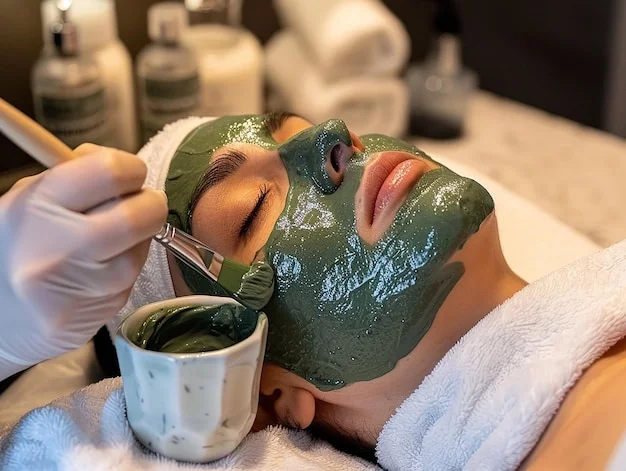
- Yashad Bhasma is a classical Ayurvedic formulation prepared from purified and incinerated zinc (Jasada or Yashad). In simple english, it is often called "calcined zinc" or "zinc calx." This bhasma has been used for centuries in Indian traditional medicine to treat skin disorders, diabetes, anemia, digestive problems, eye diseases, and reproductive health issues.
- Modern research — particularly a 2015 study published in the Journal of Evidence-Based Complementary & Alternative Medicine (PMC4381720) — has confirmed that Yashad Bhasma contains sub-micron and nano-sized particles of zinc oxide (ZnO), which may explain its remarkably high bioavailability compared to conventional zinc supplements.
If you're looking for a detailed, evidence-based guide covering everything from preparation methods and quality tests to exact dosages with specific anupana (carrier substances) for different diseases — you're in the right place. This article goes deeper than any other resource currently available online.
What Is Yashad Bhasma?
Yashad Bhasma (also spelled Jasada Bhasma or Yasada Bhasma) is a herbo-mineral Ayurvedic preparation where zinc metal undergoes rigorous purification (Shodhana) and calcination (Marana) processes. The end product is an ultra-fine, tasteless, odorless ash that is therapeutically active and safe for internal consumption when taken under medical supervision.
Other Names of Yashad Bhasma
| Language / System | Name |
|---|---|
| Sanskrit | Jasada Bhasma, Yasada Bhasma |
| Hindi | Yashad Bhasma, Jast Bhasma |
| English | Calcined Zinc, Zinc Calx, Zinc Ash |
| Latin (Pharmacological) | Zincum calcinatum |
| Ayurvedic Classification | Dhatu Bhasma (Metal-based Bhasma) |
Classical Textual References
Yashad Bhasma finds detailed mention in several foundational Rasa Shastra texts:
- Rasa Tarangini (Chapter 17, Taranga 17) — describes Shodhana and Marana methods for Jasada in detail, including the number of puta cycles.
- Rasa Ratna Samuchchaya (Chapter 5, Shloka 102–110) — lists therapeutic indications and formulation combinations.
- Ayurveda Prakasha (Chapter 4) — provides alternative Marana techniques using specific herbal juices.
These aren't obscure references. They are the primary sources that every Ayurvedic physician and pharmacist still consults today when manufacturing bhasma preparations.
Medicinal Properties (Karma) in Ayurvedic Terminology
Yashad Bhasma possesses a wide range of pharmacological actions described in classical texts:
| Sanskrit Term | English Equivalent |
|---|---|
| Deepana | Appetizer / Digestive stimulant |
| Pachana | Digestant |
| Rochana | Taste enhancer, relieves anorexia |
| Rasayani | Rejuvenative |
| Balya | Strength-promoting |
| Vajikaran | Aphrodisiac |
| Pramehaghna | Anti-diabetic |
| Pandughna | Anti-anemic |
| Kusthghna | Anti-dermatosis |
| Netryam | Beneficial for eyes |
| Amlapitta nashak | Antacid |
| Jvaraghna | Antipyretic |
| Shothaghna | Anti-inflammatory |
It primarily pacifies Pitta dosha and, to a lesser extent, Kapha dosha. Individuals with Vata aggravation can also benefit when it's combined with appropriate anupana like ghee or milk.
How Is Yashad Bhasma Prepared? (Shodhana & Marana)
This is where most online resources fall short — they mention the process vaguely without giving you the actual protocol. Let me break it down step by step.
Step 1: Shodhana (Purification of Zinc)
Raw zinc (Jasada) contains impurities that can be toxic. Shodhana removes these impurities and also changes the physical structure of the metal, making it more brittle and amenable to calcination.
Detailed Procedure:
- Take raw zinc sheets or pieces and heat them until red-hot in an iron ladle.
- Immediately quench (dip) the red-hot zinc into specific liquids — this is called Nirvapa (quenching).
- The quenching liquids are used sequentially, 7 times in each:
- Tila Taila (sesame oil) — 7 times
- Takra (buttermilk) — 7 times
- Gomutra (cow's urine) — 7 times
- Kanji (sour rice gruel) — 7 times
- Kumari Swarasa (Aloe vera juice) — 7 times
This results in a total of 35 quenching cycles. After this process, the zinc becomes highly brittle, porous, and significantly reduced in heavy metal impurities.
Step 2: Marana (Calcination / Incineration)
Marana is the core transformation process that converts purified zinc into bhasma.
Detailed Protocol:
- The purified, brittle zinc is ground into fine powder using a mortar and pestle.
- This powder is then levigated (triturated) with Kumari Swarasa (Aloe vera juice) or Bhringaraj Swarasa (Eclipta alba juice) for 6-8 hours to form a homogeneous paste.
- The paste is made into small, flat cakes called chakrikas (approximately 3–4 cm diameter, 0.5 cm thick).
- These chakrikas are dried in shade.
- Once dried, they are placed inside a sharava samputa (two earthen saucers sealed together with clay-smeared cloth).
- The sealed apparatus is placed inside a puta (specific heat arrangement using cow dung cakes):
- Gaja Puta: ~900–1000°C — typically used for Yashad Bhasma
- Number of cow dung cakes: approximately 800-1000 for Gaja Puta
- After self-cooling (Swangashita), the apparatus is opened, and the product is examined.
- The levigation with herbal juice and puta cycle is repeated 10–12 times until the bhasma passes all quality tests.
The choice of herbal media matters enormously. Kumari Swarasa (Aloe vera) is most commonly referenced in Rasa Tarangini, while some traditions prefer Bhringaraj Swarasa or even Chincha patra kwath (tamarind leaf decoction) for specific therapeutic outcomes.
Step 3: Bhasma Pariksha (Quality Tests)
This is critically important — and something no competitor has properly explained. A genuine, properly prepared Yashad Bhasma must pass ALL of the following tests:
| Test Name | What It Checks | How to Perform |
|---|---|---|
| Rekhapurna | Fineness of particles | Take a small amount between thumb and index finger; rub gently. It should enter the fingerprint lines (rekha) completely |
- | Varitara | Lightness / particle size | Sprinkle bhasma on still water surface.
- Genuine bhasma floats — it should not sink |
| Nischandratva | Absence of metallic lustre | Examine under sunlight. There should be absolutely no shiny metallic particles visible |
|---|---|---|
| Apunarbhava | Irreversibility | The bhasma cannot be converted back to its original metallic form by any means |
| Niruttha | Non-reducibility | When heated with silver, it should not re-form into metallic zinc |
| Nirdhuma | Smokelessness | When placed on fire, no smoke should emanate |
| Gatarasatva | Tastelessness | The bhasma should have no metallic taste |
If any of these tests fail, the bhasma requires additional puta cycles. This is why authentic Yashad Bhasma from reputable manufacturers undergoes 10–14 cycles, not the minimum 3–4 that some cheaper products claim.
Yashad Bhasma Benefits: Complete Health Benefits
Benefits for Skin Health
This is perhaps the most well-known application of Yashad Bhasma, and for good reason.
Acne and Pimples: Yashad Bhasma has potent astringent (Kashaya) properties that regulate sebum production. Excess sebum is a primary driver of acne, particularly in Pitta-predominant individuals. The zinc oxide nanoparticles also exhibit antimicrobial action against Propionibacterium acnes. Eczema and Psoriasis: The anti-inflammatory (Shothaghna) property helps reduce redness, itching, and flaking. When combined with Pravala Bhasma and coconut oil for topical application, results can be significant. Pigmentation and Dark Spots: Yashad Bhasma inhibits excess melanin production and promotes even skin tone. It's particularly effective for post-inflammatory hyperpigmentation. Collagen Synthesis and Anti-Aging: Zinc is essential for collagen synthesis. Regular internal use stimulates collagen production, improving skin elasticity and reducing fine lines. Think of it as Ayurveda's answer to collagen supplements.
Natural Sunscreen (SPF) Properties
Here's something most people don't know — Yashad Bhasma acts as a natural broad-spectrum UV filter. The zinc oxide particles provide physical (mineral) sun protection against both UVA and UVB rays. Unlike chemical sunscreens that absorb UV radiation and can cause hormonal disruption, Yashad Bhasma's zinc oxide works by reflecting and scattering UV rays off the skin surface. Several premium Ayurvedic skincare brands, including Forest Essentials, already incorporate Yashad Bhasma in their formulations for precisely this reason.
Benefits for Diabetes (Prameha)
The anti-diabetic potential of Yashad Bhasma is backed by both classical Ayurvedic literature and modern research. A detailed study published in PMC (2015) explained the mechanism: zinc plays a crucial role in insulin synthesis, storage, and secretion from pancreatic beta cells.
Specifically:
- Zinc ions are required for the formation of insulin hexamers (the storage form of insulin)
- Each insulin hexamer requires 2 zinc ions
- Zinc deficiency directly impairs insulin release
The nano-sized ZnO particles in Yashad Bhasma have significantly higher bioavailability than conventional zinc supplements, meaning they can deliver zinc to pancreatic cells more efficiently. In clinical practice, Yashad Bhasma is often prescribed alongside Shilajit, Gudmar (Gymnema sylvestre), and Trivang Bhasma for Type 2 diabetes management.
Benefits for Male Health (Vajikaran)
Yashad Bhasma is classified as a Vajikaran (aphrodisiac) dravya in Ayurveda. Zinc is directly involved in testosterone synthesis, spermatogenesis, and sperm motility. Deficiency of zinc is one of the most common nutritional causes of male infertility worldwide.
Specific benefits include:
- Improved sperm count and morphology
- Enhanced testosterone levels
- Better sexual stamina and libido
- Support for prostatic health
Benefits for Female Reproductive Health (PCOS and Anovulation)
This is a lesser-known but clinically important application.
Yashad Bhasma has been used by Ayurvedic gynecologists for:
- Anovulation: Stimulating ovulation in women with irregular cycles
- PCOS (Polycystic Ovarian Syndrome): Reducing ovarian cysts and regulating hormones
- Leucorrhea: When combined with Praval Pishti and Giloy Satva
The mechanism involves zinc's role in gonadotropin regulation and its anti-androgenic properties, which help reduce the elevated androgens seen in PCOS.
Benefits for Eyes (Netra Roga)
Classical texts specifically mention Yashad Bhasma as "Netryam" — beneficial for eyes.
Applications include:
- Night blindness (Nyctalopia): Zinc is essential for vitamin A metabolism and rhodopsin synthesis in retinal cells
- Age-related Macular Degeneration: The AREDS2 study (2013) confirmed zinc supplementation slows macular degeneration progression
- Cataracts: When combined with Triphala Ghrita and Saptamrit Lauha
Benefits for Anemia (Pandu Roga)
Yashad Bhasma addresses anemia through multiple pathways:
- Its Balya (strength-promoting) property combats fatigue and weakness
- It supports iron absorption in the gut
- Reduces Pitta-aggravated conditions that cause blood tissue (Rakta dhatu) depletion
- Commonly combined with Loha Bhasma and Mandur Bhasma for comprehensive anemia treatment
Benefits for Digestion and Acidity
As a Deepana-Pachana drug, Yashad Bhasma stimulates digestive fire (Agni) without aggrevating Pitta.
This makes it uniquely useful for:
- Hyperacidity (Amlapitta)
- Chronic gastritis
- Peptic ulcers
- Loss of appetite
- Malabsorption syndromes
Yashad Bhasma vs Modern Zinc Supplements: A Detailed Comparison
This comparison has never been properly presented anywhere else. Here's how Yashad Bhasma stacks up against commonly available zinc supplements:
| Parameter | Yashad Bhasma | Zinc Oxide (Modern) | Zinc Picolinate | Zinc Gluconate | Zinc Sulfate (ZnSO₄) |
|---|---|---|---|---|---|
| Particle Size | Sub-micron to nano (50–500 nm) | Micro (1–10 µm) | Molecular | Molecular | Molecular |
| Bioavailability | Very High (nano-enhanced) | Low (5–10%) | High (~20%) | Moderate (~14%) | Moderate (~12%) |
| Elemental Zinc Content | ~70–80% (as ZnO) | 80% | 21% | 14.3% | 23% |
| GI Side Effects | Minimal (due to herbal processing) | Moderate | Low | Low | High (nausea, cramping) |
| Additional Benefits | Herbal synergists from Marana process | None | None | None | None |
| Heavy Metal Safety | Safe if properly prepared (Bhasma Pariksha passed) | Depends on manufacturing | Generally safe | Generally safe | Risk of contamination |
| Typical Daily Dose | 125–250 mg | 40–80 mg | 15–30 mg | 30–50 mg | 15–30 mg |
| Cost (India, approx.) | ₹80–200 per 5g | ₹100–200 per 60 tablets | ₹400–800 per 60 capsules | ₹200–500 per 60 tablets | ₹50–150 per 60 tablets |
The key insight: Yashad Bhasma's nano-sized particles bypass many of the absorption limitations of conventional zinc supplements. The herbal media used during Marana (Aloe vera, Bhringaraj) also contribute additional therapeutic compounds that enhance zinc's clinical effects — something no modern supplement can replicate.
Dosage of Yashad Bhasma: Disease-Specific Guidelines
General therapeutic dose: 125 mg to 250 mg (approximately 1/8 to 1/4 teaspoon), taken twice daily.
Anupana (Carrier Substances) by Condition
This is the most critical and commonly overlooked aspect of Bhasma therapy. The anupana determines where the bhasma exerts its primary action.
| Condition | Dose | Anupana (Carrier) | Frequency | Duration |
|---|---|---|---|---|
| Acne / Skin diseases | 125 mg | Honey + Aloe vera juice | Twice daily | 1–3 months |
| Diabetes (Prameha) | 250 mg | Honey or Gudmar kwath | Twice daily | 3–6 months |
| Hyperacidity | 125 mg | Ghee + Milk | Twice daily | 1–2 months |
| Anemia | 125 mg | Honey + Loha Bhasma (65 mg) | Twice daily | 2–3 months |
| Male infertility | 250 mg | Milk + Ashwagandha churna (3g) | Twice daily | 3–6 months |
| PCOS / Anovulation | 125 mg | Kumari Asava (15 ml) | Twice daily | 3–6 months |
| Night blindness | 125 mg | Triphala Ghrita (5g) | Twice daily | 1–3 months |
| General rejuvenation | 125 mg | Ghee + Honey (unequal quantities) | Once daily | 1–2 months |
| Bone health | 250 mg | Praval Pishti (250 mg) + Milk | Twice daily | 2–4 months |
| Digestive weakness | 125 mg | Ginger juice + Honey | Twice daily | 1 month |
> Important Note: In Ayurveda, honey and ghee should never be mixed in equal quantities by weight — this combination is considered Viruddha Ahara (incompatible food). Always use unequal proportions.
Useful Combinations with Other Bhasma
| Combination | Primary Indication |
|---|---|
| Yashad Bhasma + Pravala Bhasma | Calcium-zinc synergy for bones, skin, and acidity |
| Yashad Bhasma + Godanti Bhasma | Chronic headaches, migraines, calcium deficiency |
| Yashad Bhasma + Trivang Bhasma | Diabetes (comprehensive mineral support) |
| Yashad Bhasma + Giloy Satva | Immune boosting, chronic fever, autoimmune conditions |
| Yashad Bhasma + Mukta Pishti | Anxiety, hyperacidity, Pitta-aggravated insomnia |
| Yashad Bhasma + Loha Bhasma + Mandur Bhasma | Severe anemia |
Side Effects and Contraindications of Yashad Bhasma
Yashad Bhasma is generally safe when properly prepared and taken in recommended doses.
However, the following precautions are essential:
Known Side Effects (Usually from Improper Use)
- Nausea and vomiting — typically from excessive dosage or improperly prepared bhasma
- Copper depletion — long-term zinc supplementation can interfere with copper absorption, leading to copper deficiency anemia
- Metallic taste — indicates improperly prepared bhasma that failed Gatarasatva test
- Gastrointestinal discomfort — rare with authentic bhasma, more common with substandard products
Specific Contraindications
| Contraindication | Reason |
|---|---|
| Pregnancy | Insufficient safety data; zinc excess can affect fetal development |
| Lactation | Zinc passes into breast milk; dose adjustment needed — consult physician |
| Children under 5 years | Use only under strict medical supervision with reduced doses (30–60 mg max) |
| Severe hepatic disease | Impaired zinc metabolism in liver disease can lead to toxicity |
| Hyperzincemia | Already elevated zinc levels — supplementation would be dangerous |
| Wilson's disease | Altered copper-zinc metabolism |
| Concurrent use with tetracycline or quinolone antibiotics | Zinc chelates these antibiotics, reducing their efficacy |
Always take Yashad Bhasma under the guidance of a qualified Ayurvedic physician. Self-medication with any bhasma preparation is strongly discouraged.
Don't wait or self medicate. Start chat with Doctor NOW
Modern Scientific Analysis of Yashad Bhasma
Physicochemical Characterization
Published research has subjected Yashad Bhasma to modern analytical techniques with revealing results:
- XRD (X-Ray Diffraction): Confirms the primary crystalline phase is ZnO (zincite) with hexagonal wurtzite structure
- SEM (Scanning Electron Microscopy): Shows particle sizes ranging from 50 nm to 500 nm — significantly smaller than commercial ZnO
- TEM (Transmission Electron Microscopy): Reveals individual nanoparticles of 20–80 nm embedded within larger agglomerates
- EDX (Energy Dispersive X-ray): Confirms primarily Zn and O, with trace amounts of carbon and other elements from herbal processing
- ICP-AES (Inductively Coupled Plasma): Heavy metal analysis shows lead, arsenic, mercury, and cadmium levels well below WHO permissible limits in properly prepared samples
The 2015 PMC study specifically noted: "The ancient preparation of Jasada bhasma can be considered as a nanomedicine of zinc." This is a remarkable validation — centuries of Ayurvedic methodology essentially produced nanoparticles long before modern nanotechnology existed.
How Manufacturer Quality Varies
Not all Yashad Bhasma products on the market are equal. The number of puta cycles, quality of herbal media, and adherence to Bhasma Pariksha standards varies significantly between manufacturers.
When purchasing, look for:
- 1.GMP-certified manufacturers — ensures standardized manufacturing
- 2.Bhasma test certification — ask for Varitara and Nischandratva test results
- 3.Batch-wise heavy metal testing — reputable companies like Baidyanath, Dhootapapeshwar, and SDM Pharmacy provide this
- 4.Proper packaging — bhasma should be in airtight, moisture-proof containers
- 5.Price as indicator — extremely cheap bhasma (below ₹50 for 5g) likely underwent fewer puta cycles
Frequently Asked Questions (FAQ)
What is Yashad Bhasma in English?
Yashad Bhasma translates to "Calcined Zinc" or "Zinc Calx" in English. It is an Ayurvedic preparation where zinc metal is purified through 35 quenching cycles and then incinerated through 10–12 heat cycles (puta) with herbal juices to produce a nano-sized zinc oxide ash.
Is Yashad Bhasma available in tablet or cream form?
Traditionally, Yashad Bhasma is available only as a fine powder (churna/bhasma). Some manufacturers now offer it in tablet or capsule form for convenience, often combined with other ingredients. Yashad Bhasma-based creams are also available from certain Ayurvedic skincare brands for topical application, primarily for skin conditions and sun protection. However, the classical powder form is considered most versatile since it can be combined with different anupana for different conditions.
How long does it take for Yashad Bhasma to show results?
This depends on the condition being treated:
- Acne/skin conditions: 2–4 weeks for initial improvement; 2–3 months for significant results
- Diabetes: 4–8 weeks for measurable blood sugar changes
- Anemia: 3–4 weeks for subjective improvement in energy; 6–8 weeks for hemoglobin changes
- Male fertility: 3 months minimum (one full spermatogenesis cycle is ~74 days)
What is the price of Yashad Bhasma in India?
Prices typically range from ₹80 to ₹250 for a 5-gram pack, depending on the manufacturer and number of puta cycles used in preparation. A 5-gram pack at standard dosing (250 mg twice daily) lasts approximately 10 days. Monthly cost works out to approximately ₹250–750, which is comparable to or less than most modern zinc supplements.
Can Yashad Bhasma be taken daily for general wellness?
Yes, at a reduced dose of 125 mg once daily with honey and ghee (in unequal proportions) for 1–2 months, followed by a break. However, continuous long-term use without medical supervision is not recommended due to the risk of copper depletion and zinc accumulation.
How to get rid of redness on the face naturally using Yashad Bhasma?
- Mix 125 mg of Yashad Bhasma with 1 teaspoon of pure Aloe vera gel and a pinch of Chandan (sandalwood) powder. Apply this paste on the affected area, leave for 15–20 minutes, and wash with lukewarm water. For internal support, take 125 mg orally with honey twice daily. The anti-inflammatory and astringent properties address redness from both inside and outside.
- Consistency is key — follow this regimen for atleast 4–6 weeks.
Conclusion: Is Yashad Bhasma Right for You?
Yashad Bhasma represents one of Ayurveda's most versatile mineral preparations — a nano-medicine that was developed centuries before the word "nanotechnology" was even coined. Whether you're dealing with stubborn skin problems, managing diabetes, struggling with infertility, or simply looking for a superior zinc supplement, this classical formulation offers a time-tested solution with growing scientific validation.
That said, bhasma preparations demand respect. The difference between a properly and improperly prepared bhasma can be the difference between medicine and poison. Always source your Yashad Bhasma from GMP-certified manufacturers, verify quality through Bhasma Pariksha standards, and most importantly — consult a qualified Ayurvedic physician before starting any bhasma therapy.
Your body is unique. Your dosha constitution is unique. The right dose, the right anupana, and the right combination for your specific condition can only be determined by someone who understands both you and the medicine. Don't self-medicate. Seek expert guidance and let this ancient wisdom work for you safely and effectively.
Scientific Sources
- Characterization and potential novel applications of zinc-based traditional medicine, Yashad Bhasma — Nille GC et al., 2025, Journal of Ayurveda and integrative medicine
Questions from users
What are the potential benefits of using Yashad Bhasma for sun protection?
Violet
2 days ago
The potential benefits of using Yashad Bhasma for sun protection primarily come from its content of zinc oxide, a mineral known for providing broad-spectrum protection against both UVA and UVB rays. When formulated correctly, it acts as a physical barrier on the skin, reflecting and scattering ultraviolet radiation. Yashad Bhasma is often found in Ayurvedic topical applications, providing additional skin benefits like reducing inflammation, which can be helpful for conditions such as eczema and psoriasis. However, it's crucial to ensure that you are using a properly prepared product. If you experience irritation or if existing skin conditions worsen, consult a healthcare professional. If Yashad Bhasma is used as an oral supplement, follow recommended doses and consult with an experienced practitioner.
Is it safe to use Yashad Bhasma during pregnancy or breastfeeding?
Dylan
12 days ago
Using Yashad Bhasma during pregnancy or breastfeeding isn't widely documented, so it's best to be cautious. Always consult with an Ayurvedic doctor for personalized advice. They can evaluate your unique dosha and needs. Better safe than sorry when it comes to such sensitive times!
Can Yashad Bhasma aid in managing diabetes, and how should it be used?
Waylon
21 days ago
Yashad Bhasma can indeed help in managing diabetes as it may improve insulin sensitivity. Usually, it's suggested at 250 mg twice daily, but always check with an Ayurvedic practitioner first since individual constitutions matter a lot. Sometimes the way it's prepared can really change its effects – safety first! 😊
What are the detoxifying benefits of Yashad Bhasma for skin health?
Nevaah
35 days ago
Yashad Bhasma helps detoxify the skin by balancing Pitta doshas. Its zinc content gives antibacterial and anti-inflammatory benefits, helping with redness, rashes, and inflammation. It flushes out skin toxins, promoting clear and healthy skin. Just careful with dosage – too much can disturb your balance!
What is the recommended dosage of Yashad Bhasma for improving skin health?
Levi
45 days ago
The dosage of Yashad Bhasma isn't one-size-fits-all, you know. It really depends on your unique constitution and any imbalances you might have, especially those connected to pitta dosha. Better to check with an Ayurvedic practitioner to get the right amount for your skin and overall health needs.
What skin issues can Yashad Bhasma help improve besides acne and pigmentation?
Vada
54 days ago
Yashad Bhasma can also help with eczema, aging signs, and help in wound healing by speeding up the process and reducing scars. It's great for balancing Pitta dosha, which calms heat & inflammation. Just remember, though, always best to consult an Ayurvedic expert for personal advice! Hope this helps!
Can Yashad Bhasma help with skin aging or is it more focused on acne and pigmentation?
James
64 days ago
Yashad Bhasma can definitely help with skin aging! It improves skin texture, making it smoother and softer. Though it's well-known for acne and pigmentation, it also benefits aging skin by regulating Pitta dosha, which can slow down signs of aging. Just remember, everyone's skin is different, so results may vary.
Is it safe to use Yashad Bhasma on acne-prone skin?
Mckenzie
73 days ago
Yes, Yashad Bhasma is generally safe for acne-prone skin! It’s known to help regulate oil production and fight inflammation, so it could be beneficial for acne. Just do a patch test first though, to make sure it doesn’t irritate your skin. If in doubt, maybe chat with a dermatologist or an ayurvedic practitioner. 😊
Can Yashad Bhasma help with hyperpigmentation on darker skin tones?
Julian
83 days ago
Yes, Yashad Bhasma can help with hyperpigmentation on darker skin tones. It's known to reduce dark spots by helping detoxify and regenerate skin. But, do a patch test first, especially with darker skin tones to make sure you don't react badly. Everyone's skin reacts differently, so patience and consistency is key!
Can I mix Yashad Bhasma with other ingredients for better effects on pigmentation?
Allison
93 days ago
Yes, you can mix Yashad Bhasma with ingredients like aloe vera gel or turmeric for pigmentation issues. Aloe vera is soothing, and turmeric has anti-inflammatory properties. Just ensure compatibility with your skin type. Avoid overdoing it, though. Stick to once or twice a week. Always do a patch test first to see how your skin reacts!
Related articles
Skin and Hair Disorders
Indraluptha Lepam – Natural Ayurvedic Formulation for Skin Rejuvenation and Wellness
Discover the benefits and uses of Indraluptha Lepam, a traditional Ayurvedic herbal paste designed for skin rejuvenation, pigmentation correction, and overall skin health. Learn about its components, usage guidelines, and precautions.
2,703

Skin and Hair Disorders
5 Ayurvedic Herbs to Prevent Hair Fall and Boost Regrowth
Hair, often called crowning glory, is an integral part of our identity and self-expression. Yet, the relentless battle against hair fall is a challenge faced by many.
5,204

Skin and Hair Disorders
How to Make Face Scrub at Home?
Learn how to make face scrub at home using natural ingredients like coffee, sugar, rice, and oatmeal. Discover the best DIY scrubs for dry, oily, glowing skin
8,248

Skin and Hair Disorders
How to Drink Saffron for Skin Whitening: Ayurvedic Tips That Work
Discover how to drink saffron for skin whitening, including saffron milk and saffron water. Learn when to consume kesar and how it benefits glowing skin
6,804

Skin and Hair Disorders
Is Tulsi Good for Skin? Ayurvedic Guide to Benefits, Remedies, and Cautions
Is tulsi good for skin? Discover tulsi benefits for skin, how to use tulsi leaves, water, tea, and oil for clear skin, and possible side effects to watch for
6,713
Skin and Hair Disorders
Bhallataka Vati – Potent Ayurvedic Remedy for Rejuvenation & Therapeutic Support
Discover the bhallataka vati benefits, a powerful Ayurvedic formulation used for rejuvenation, pain management, and chronic condition support. Learn about its traditional preparation, therapeutic uses, dosage, and necessary precautions.
2,515

Skin and Hair Disorders
Nalpamaradi Oil Benefits How To Use Ingredients Side Effects
Exploration of Nalpamaradi Oil Benefits How To Use Ingredients Side Effects
5,356

Skin and Hair Disorders
What Is the Best Homemade Face Mask for Pimples and Dark Spots?
Explore the best face mask for oily skin and pimples, dark spots, and acne. Try DIY face masks for pimples, natural Ayurvedic blends, and overnight treatments
6,684

Skin and Hair Disorders
Eladi Choornam Uses for Skin & Face: Ayurvedic Benefits & Applications
Discover the uses of Eladi Choornam for skin and face. Learn about its Ayurvedic benefits, applications, and how this herbal formulation promotes healthy, radiant skin.
10,475
Skin and Hair Disorders
Palitya – Ayurvedic Perspective on Premature Graying of Hair
Discover the Ayurvedic approach to treating Palitya, a condition referring to premature graying of hair before age 35. Learn how natural remedies restore melanin production and hair vitality.
3,134
Related consultations on the topic
Legal
Additional Documents
© 2024 Ask Ayurveda. All rights reserved.