Ask Ayurvedic doctor a question and get a consultation online on the problem of your concern in a free or paid mode. More than 2,000 experienced doctors work and wait for your questions on our site and help users to solve their health problems every day.
FREE! Ask Ayurvedic Doctors 24/7

 Fast responses
 1000+ verified doctors
Body DetoxEar, Nose, and Throat DisordersGeriatrics & RejuvenationImmunodeficiencyInfertility TreatmentNutritionOrthopedic DisordersPediatricsRespiratory DisordersSexually Transmitted Diseases (STDs)Surgery RecoveryUrological DisordersVascular DisordersDental DisordersEndocrinological DisordersGastrointestinal DisordersYoga TherapyGeneral MedicineAllergic DisordersCardio DisordersGynecology and ObstetricsCosmetologySkin and Hair DisordersEye DisordersInfectious DiseasesMental DisordersNeurological DisordersOncologyPanchakarmaSexual Health & DisordersSports Medicine
Published on 02/17/25
(Updated on 07/05/26)
4,169
Nimba Taila – Ayurvedic Neem Oil for Skin and Health
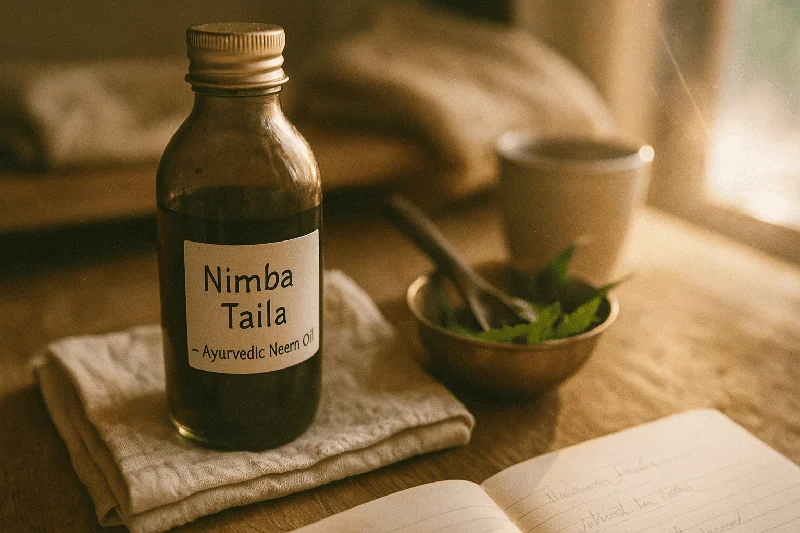
Nimba Taila is a classical Ayurvedic medicated oil prepared from various parts of the neem tree (Azadirachta indica) — primarily its leaves, bark, and seeds — processed in a sesame oil base according to traditional Taila Paka Vidhi. It is one of the most widely referenced formulations in Ayurveda for managing skin diseases (Kushtha), healing wounds (Vrana Ropana), and eliminating parasites (Krimighna). Unlike commercial cold-pressed neem oil you find on Amazon, Nimba Taila undergoes a specific classical preparation method that enhances its bioavailability and therapeutic potency.
If you're searching for a single oil that addresses everything from stubborn eczema to non-healing wounds to hair loss — this is the formulation that ancient Ayurvedic physicians relied on for thousands of years, and modern research is finally catching up to explain why.
What Is Nimba Taila?
Definition and Sanskrit Etymology
The word "Nimba" comes from the Sanskrit root nimba, referring to Azadirachta indica (the Indian neem tree). "Taila" literally means "oil" — derived from tila (sesame), since sesame oil is the traditional base for most Ayurvedic medicated oils. So Nimba Taila translates directly as "neem-medicated oil."
In classical texts, it is categorized under Bahya Parimarjana Chikitsa (external therapeutic applications), though certain formulations do permit internal administration in carefully controlled doses.
Nimba Taila vs. Nimbadi Thailam vs. Nimbapatradi Taila vs. Commercial Neem Oil
This is where most people get confused. And honestly, even some practitioners mix these up.
| Formulation | Key Ingredients | Primary Use | Classical Reference |
|---|---|---|---|
| Nimba Taila | Neem leaves/bark/seeds + sesame oil | Skin diseases, wounds, parasites | Charaka Samhita, Sushruta Samhita |
| Nimbadi Thailam | Neem + additional herbs (Haridra, Manjishtha, etc.) | Complex skin conditions, inflammatory dermatoses | Sahasrayogam |
| Nimbapatradi Taila | Specifically neem leaves (patra) + oil base | Scabies, fungal infections | Bhaishajya Ratnavali |
| Nimbamritadi Tailam | Neem + Guduchi (Amrita) + Patola + oil | Chronic skin diseases with Pitta aggravation | Sahasrayogam |
| Commercial Neem Oil | Cold-pressed neem seed oil (unprocessed) | General-purpose, cosmetic, agricultural | No classical reference |
- The critical difference: commercial neem oil is simply extracted mechanically.
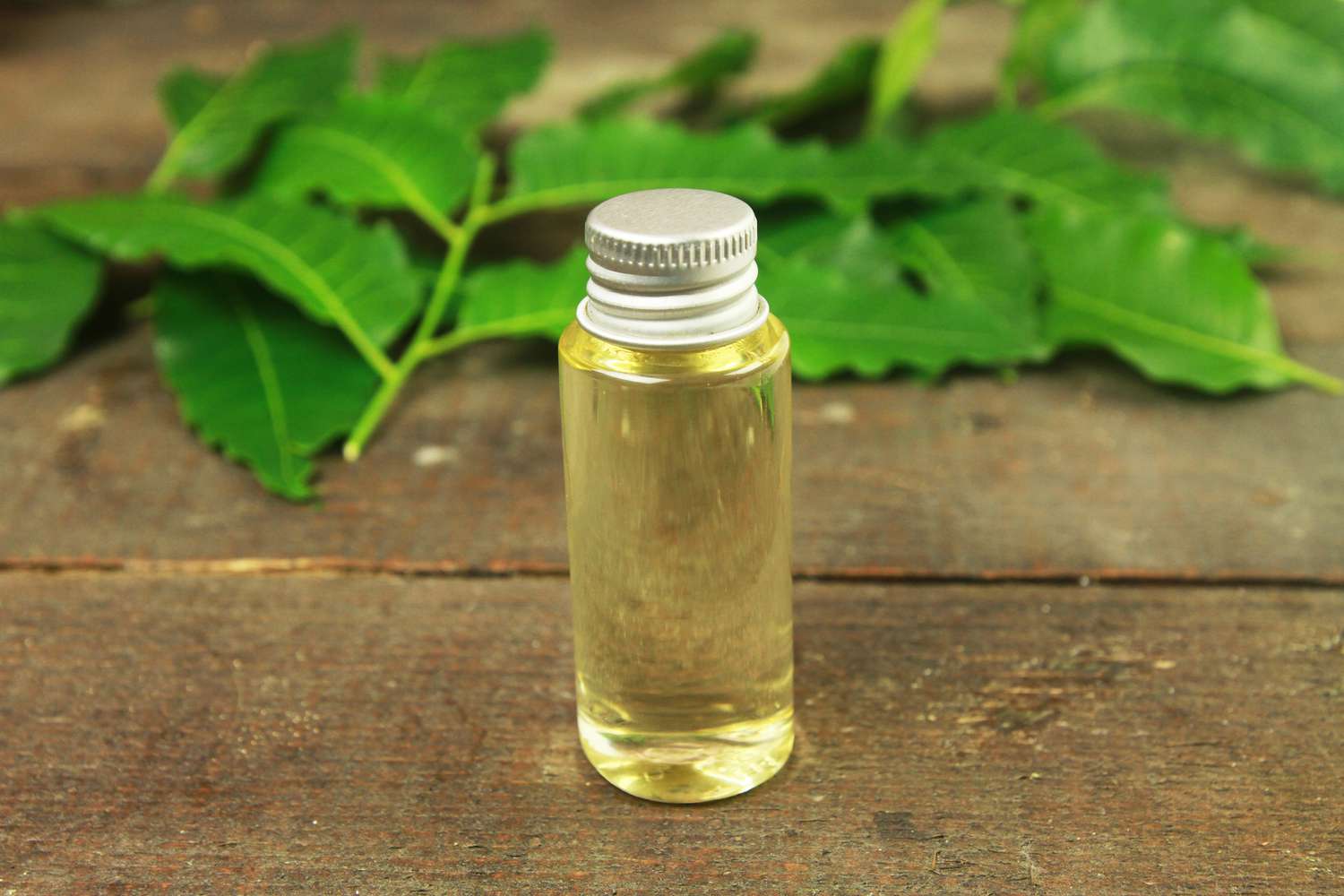
- Nimba Taila is a Siddha Taila — a medicated oil prepared through a multi-hour cooking process that extracts water-soluble and fat-soluble active compounds simultaneously. This is not a minor distinction; the preparation method fundamentally changes the oil's chemistry and therapeutic profile.
History and Significance in Ayurvedic Texts
References in Charaka Samhita, Sushruta Samhita, and Ashtanga Hridaya
Neem has been called Sarva Roga Nivarini — "the healer of all ailments" — in Ayurvedic literature. The earliest detailed references to Nimba appear in the Charaka Samhita (circa 300 BCE), where it is classified under Tikta Rasa Dravya (bitter-tasting substances) and recommended for Kushtha (skin diseases) and Prameha (urinary disorders/diabetes).
Sushruta Samhita — the foundational surgical text — specifically recommends neem-based preparations for wound management (Vrana Chikitsa). Sushruta identified neem's ability to prevent wound infection centuries before germ theory existed.
The Ashtanga Hridaya of Vagbhata further elaborates on neem's role in blood purification (Rakta Shodhana) and its specific action against Pitta-Kapha predominant disorders.
Reference in Arya Bhishak and Other Classical Sources
The Arya Bhishak, a well-known Ayurvedic compendium, provides a specific formulation of Nimba Taila with defined proportions of Kalka (paste), Kwatha (decoction), and Sneha Dravya (oil base). This text serves as a primary reference for many traditional manufacturers even today. The Bhaishajya Ratnavali and Sharangadhara Samhita also document multiple neem oil variants for different clinical indications.
Ayurvedic Pharmacology (Dravyaguna) of Nimba Taila
This is the section no competitor has covered comprehensively — the full classical pharmacological profile that any Ayurvedic practitioner would want to see.
Rasa, Guna, Virya, Vipaka, and Prabhava
| Parameter | Value | Clinical Significance |
|---|---|---|
| Rasa (Taste) | Tikta (Bitter), Kashaya (Astringent) | Reduces Pitta and Kapha; purifies blood |
| Guna (Quality) | Laghu (Light), Ruksha (Dry) | Counteracts Kapha-related heaviness and congestion |
| Virya (Potency) | Sheeta (Cold) | Calms inflammation, burning sensation, Pitta disorders |
| Vipaka (Post-digestive effect) | Katu (Pungent) | Stimulates metabolism, helps eliminate toxins |
| Prabhava (Special action) | Kushtaghna (destroys skin diseases) | Unique action beyond what Rasa-Virya-Vipaka would predict |
Action on Doshas: Kapha-Pitta Shamaka
Nimba Taila primarily pacifies Pitta and Kapha doshas. Its bitter taste and cooling potency directly counteract the heat, inflammation, and suppuration characteristic of Pitta vitiation. The light and dry qualities address the heaviness, oiliness, and congestion of Kapha imbalance.
However — and this is clinically important — Nimba Taila can aggravate Vata due to its Ruksha (dry) and Sheeta (cold) properties. This means individuals with Vata-predominant constitution, those experiencing emaciation, extreme dryness, or living in cold climates should use it cautiously, ideally blended with Vata-pacifying oils like sesame or Bala Taila.
Karma (Pharmacological Actions)
- Krimighna — Destroys parasites and pathogens (antimicrobial)
- Kushtaghna — Alleviates skin diseases
- Vranahara / Vrana Ropana — Heals wounds
- Kandughna — Relieves itching
- Jvaraghna — Reduces fever
- Rakta Shodhaka — Purifies blood
- Deepana — Kindles digestive fire (when used internally)
- Pramehaghna — Beneficial in diabetes-related conditions
Composition and Active Chemical Compounds
Plant Parts Used
Different parts of Azadirachta indica contribute different therapeutic properties to Nimba Taila:
- Leaves (Nimba Patra): Rich in quercetin and beta-sitosterol; primary source for anti-inflammatory and antimicrobial action
- Bark (Nimba Twak): Contains nimbin and nimbinin; used for antipyretic and anti-ulcer properties
- Seeds (Nimba Beeja): Highest concentration of azadirachtin; strongest insecticidal and antiparasitic activity
- Base oil: Traditionally Tila Taila (sesame oil), which itself possesses wound-healing and skin-nourishing properties
Key Chemical Compounds and Their Therapeutic Correlations
| Compound | Concentration Range | Primary Action |
|---|---|---|
| Azadirachtin | 0.2–0.6% in seed kernel | Antiparasitic, insecticidal, anti-feedant |
| Nimbin | Present in bark and leaves | Anti-inflammatory, antipyretic, antihistaminic |
| Nimbolide | 1.2–2.4% in fresh leaves | Anticancer potential, strong antimicrobial |
| Gedunin | Trace amounts | Antimalarial, antifungal |
| Oleic acid | ~42% of seed oil fatty acids | Skin penetration enhancer, emollient |
| Stearic acid | ~18% of seed oil fatty acids | Skin barrier support |
| Palmitic acid | ~16% of seed oil fatty acids | Moisturizing, structural integrity |
| Quercetin | Significant in leaves | Antioxidant, anti-inflammatory |
A 2017 study published in the Journal of Pharmacognosy and Phytochemistry confirmed that neem seed oil contains over 100 biologically active compounds, making it one of the most pharmacologically complex plant oils documented. Nimbolide, in particular, has shown cytotoxic effects against multiple cancer cell lines in vitro — though clinical human trials remain limited.
Method of Preparation (Taila Paka Vidhi)
This is one of the most important aspects of authentic Nimba Taila that no competitor has adequately described. The preparation follows Sneha Paka Vidhi as outlined in Sharangadhara Samhita.
Classical Proportions (Kalka, Kwatha, Sneha Dravya)
The standard ratio for medicated oil preparation according to Sharangadhara:
- Kalka (fine herbal paste): 1 part
- Kwatha/Drava Dravya (liquid/decoction): 4 parts
- Sneha Dravya (base oil — sesame): 4 parts
For Nimba Taila specifically, the Kalka is prepared from fresh neem leaves and bark ground to a fine paste. The Kwatha is a concentrated decoction of neem leaves, bark, and sometimes fruits boiled in water until reduced to one-quarter volume.
Three Stages of Cooking (Paka)
The cooking process proceeds through three distinct stages, each identified by specific physical signs:
1. Mridu Paka (Soft stage)
- Oil appears frothy and produces crackling sounds when water evaporates
- Kalka feels waxy between fingers and can be rolled into a soft wick
- Used for preparations meant for Nasya (nasal administration) and Basti (enema)
2. Madhyama Paka (Medium stage)
- Kalka becomes firm like wax, can be rolled into a tight wick
- No moisture remains; oil appears clear
- This is the stage for external application (Abhyanga) — the most common use of Nimba Taila
3. Khara Paka (Hard stage)
- Kalka becomes brittle and hard
- Oil may appear slightly darker
- Used for preparations intended for internal consumption (Pana)
The entire cooking process typically takes 6–12 hours depending on the quantity and heat source. Traditional preparation uses mild cow-dung fire; modern scaled-up production uses controlled gas burners.
> Why this matters: The cooking process transfers fat-soluble compounds from the herbal paste into the oil while simultaneously evaporating the water-based decoction. This creates a final product with a broader spectrum of active ingredients than simple cold-pressed neem oil could ever offer.
Don't wait or self medicate. Start chat with Doctor NOW
How Does Nimba Taila Benefit the Skin?
Application for Skin Diseases (Kushtha Roga)
Nimba Taila is arguably the single most important external formulation in Ayurveda for dermatological conditions.
Its applications include:
Eczema and Dermatitis: The anti-inflammatory and Pitta-pacifying properties reduce redness, swelling, and the characteristic burning-itching cycle. Apply a thin layer to affected areas twice daily after gentle cleansing. Psoriasis: While Ayurveda views psoriasis as a deep-seated Kushtha requiring internal treatment alongside external, Nimba Taila addresses the surface manifestations — scaling, dryness, and secondary infection. A 2019 pilot study at a Government Ayurvedic Hospital in Kerala found that topical neem oil application combined with Panchatikta Ghrita internal use showed improvement in PASI scores in 68% of participants (n=40) over 90 days. Fungal Infections: Nimbolide and azadirachtin demonstrate significant antifungal activity against Candida albicans, Trichophyton, and Microsporum species. For ringworm and athlete's foot, Nimba Taila can be applied 2-3 times daily.
- Acne and Pimples: The antibacterial action against Propionibacterium acnes combined with the oil's ability to regulate sebum production makes it effective for acne-prone skin.
- However — don't apply thick layers. Use 2-3 drops mixed with a lighter carrier if your skin is already oily.
How Often Should Nimba Taila Be Used for Skin Conditions?
For acute conditions (active infections, inflamed eczema): twice daily for 2-4 weeks.
For chronic maintenance: once daily or every other day.
For prevention: 2-3 times per week as part of your regular skincare routine.
Always perform a patch test on the inner forearm 24 hours before broad application. If redness, excessive itching or burning develops, discontinue and consult a practitioner.
Wound Healing (Vrana Ropana)
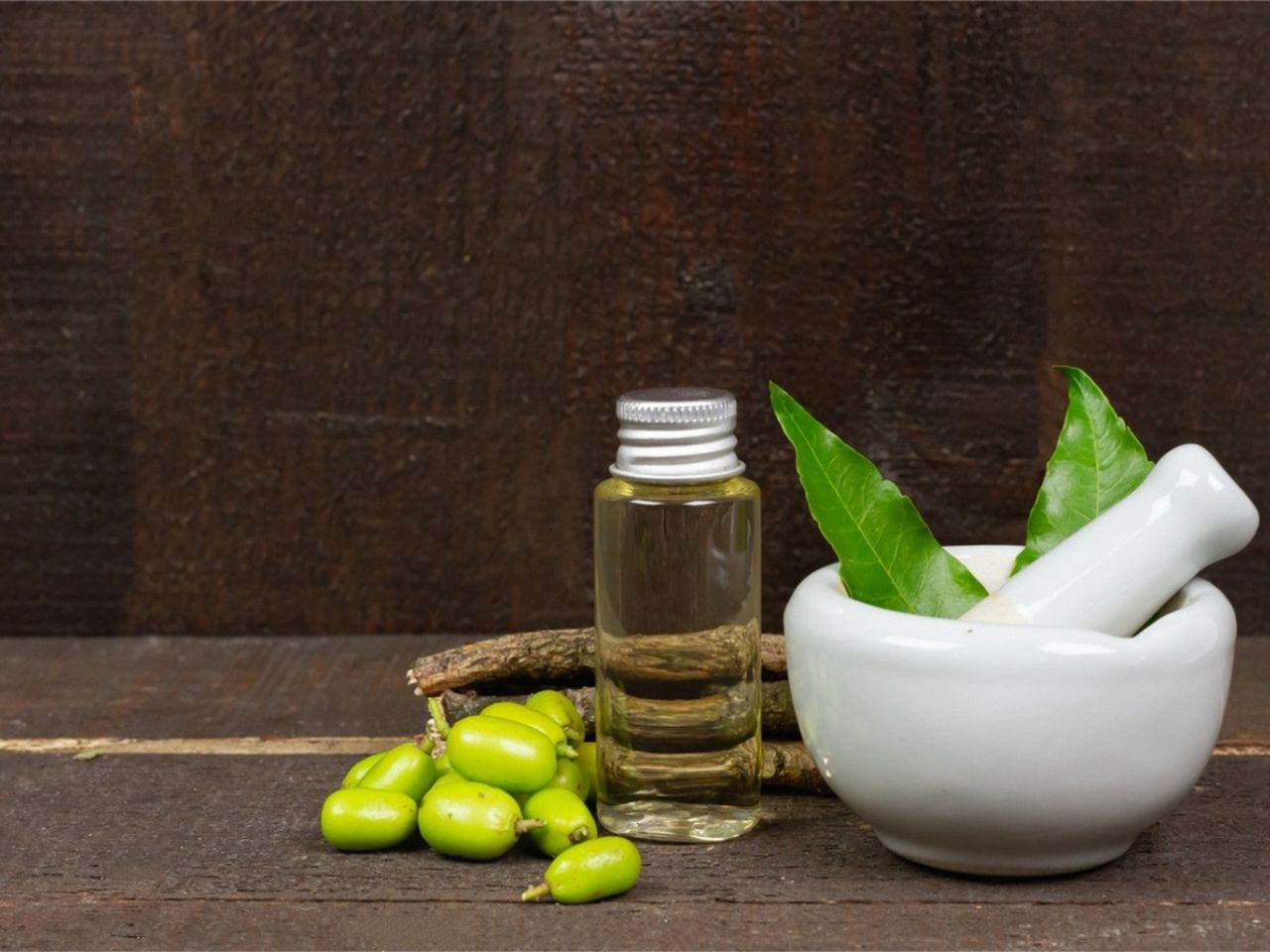
Sushruta's ancient recommendations have been validated by modern research. A clinical case study published in Quest Journals of Scientific Exploration and Study (2023) documented a patient with a non-healing wound of 3 months duration that showed significant granulation tissue formation and wound closure after 30 days of Nimba Taila dressing, where conventional treatment had failed.
The mechanism involves multiple pathways: antimicrobial action prevents secondary infection, anti-inflammatory compounds reduce local edema, and neem's documented ability to stimulate collagen synthesis promotes tissue regeneration.
Application for Non-Healing Wounds — Clinical Protocol
- Clean the wound with Triphala Kwatha (decoction) or sterile saline
- Apply Nimba Taila-soaked sterile gauze as a dressing
- Change dressing once or twice daily
- Monitor for healthy granulation tissue (pink-red, slightly bumpy surface)
Important: Non-healing wounds require professional medical evaluation to rule out underlying conditions like diabetes, vascular insufficiency, or malignancy.
Can Nimba Taila Be Used for Hair Care?
Yes, and this is one of its most popular traditional applications.
Dandruff and Scalp Infections
The antifungal properties make Nimba Taila highly effective against Malassezia furfur, the yeast responsible for dandruff. Warm a tablespoon of the oil slightly, massage into the scalp, leave for 30-60 minutes, and wash with a mild herbal shampoo. Repeat twice weekly.
Hair Loss and Khalitya (Alopecia)
- A review published in the Journal of Ayurveda and Integrated Medical Sciences (JAIMS, 2023) examined the role of Nimba Taila in Nasya therapy (nasal oil administration) for Khalitya (alopecia).
- The rationale: according to Ayurveda, the nose is the gateway to the head (Nasa hi shiraso dwaram). Nasya with medicated oils nourishes the scalp tissues from within.
The Nasya protocol involves instilling 4-6 drops of Nimba Taila (prepared to Mridu Paka stage) into each nostril in the morning on an empty stomach, followed by gentle facial steam. This is done for 7-14 days as a course under practitioner supervision.
Combining Nimba Taila with Other Oils for Hair Health
For hair applications, Nimba Taila alone can be too drying (remember, it's Ruksha by nature).
Effective combinations include:
- Nimba Taila + Bhringraj Taila (1:1) — for hair fall with dandruff
- Nimba Taila + Coconut oil (1:3) — for general scalp health in Pitta types
- Nimba Taila + Bala Taila (1:2) — for hair fall with Vata aggravation (dryness, brittleness)
Internal Use, Dosage, and Panchakarma Applications
Can Nimba Taila Be Taken Internally?
- This is a controversial point. Many modern sources flatly state that Nimba Taila should never be ingested.
- However, classical Ayurvedic texts do describe internal use — with very specific conditions and dosages.
According to Sharangadhara Samhita, medicated oils prepared to Khara Paka stage are suitable for internal administration.
The dose for Nimba Taila taken orally:
- Adults: 5–15 ml (1–3 teaspoons), mixed with warm water or milk
- Indications for internal use: Intestinal parasites (Krimi), certain types of Prameha (diabetes), Kushtha (deep-seated skin diseases), Jvara (fever)
This should ONLY be done under the direct supervision of a qualified Ayurvedic physician. Self-medication with oral neem oil can cause nausea, vomiting, hepatotoxicity, and metabolic acidosis — especially in children. Several case reports document serious adverse events from neem oil ingestion in pediatric patients.
Integration with Panchakarma Procedures
Nimba Taila finds application in multiple Panchakarma therapies:
- Abhyanga (full-body oil massage): Used specifically for Pitta-Kapha predominant skin diseases before Swedana (sudation)
- Nasya (nasal administration): For Khalitya (hair loss), chronic sinusitis with Pitta vitiation
- Vrana Basti (wound pooling): The oil is pooled over non-healing ulcers using a dough ring — a technique from Sushruta's surgical protocols
- Parisheka (oil stream therapy): Warm Nimba Taila is poured in a continuous stream over affected skin areas
Contraindications and Safety Precautions
Who Should Avoid Nimba Taila?
- Vata-Prakruti individuals (without blending with Vata-pacifying oils) — the Ruksha-Sheeta qualities can severely aggravate Vata
- Pregnant women — neem has documented abortifacient properties; avoid both internal and extensive external use
- Breastfeeding mothers — insufficient safety data
- Children under 5 years — internal use is strictly contraindicated; external use only under medical supervision
- Individuals with emaciation (Karshya) or extreme dryness (Rukshata)
- Cold climates or Shishira/Hemanta Ritu — unless combined with warming oils
Are There Any Side Effects?
External application is generally safe for most adults.
Possible side effects include:
- Contact dermatitis in sensitive individuals (rare but documented)
- Excessive dryness with prolonged use
- Temporary increase in itching during initial application (this can indicate a healing response, but should subside within 2-3 days)
- Strong odor that some people find unpleasant
For internal use, side effects can be serious: nausea, vomiting, drowsiness, metabolic acidosis, and hepatotoxicity. A 2004 review in Current Science documented cases of Reye's syndrome-like illness in children who ingested neem oil.
Shelf Life, Storage, and Signs of Spoilage
| Parameter | Details |
|---|---|
| Shelf life | 2-3 years if properly stored (some classical texts state medicated oils improve with age up to a point) |
| Storage | Cool, dark place; glass or food-grade HDPE container; avoid direct sunlight |
| Temperature | Room temperature (15-30°C); do not refrigerate as it may solidify |
| Signs of spoilage | Rancid smell (different from neem's natural bitterness), mold growth, change in viscosity, unusual color change |
Nimba Taila vs. Other Neem-Based Formulations
Understanding when to use what can make a real difference in clinical outcomes. Here's a comparative overview of different neem-based dosage forms:
| Formulation | Dosage Form | Best For | Route |
|---|---|---|---|
| Nimba Taila | Medicated oil | Chronic skin diseases, wounds, hair care | External (primarily), Nasya, limited internal |
| Nimba Churna | Powder | Blood purification, diabetes, intestinal parasites | Internal (1-3g with water/honey) |
| Nimba Kashaya | Decoction | Fever, acute infections, blood disorders | Internal (20-40ml) |
| Nimba Lepa | Paste | Acute inflammatory skin lesions, boils | External (direct application) |
| Nimba Swarasa | Fresh juice | Acute Pitta conditions, detox | Internal (10-20ml) |
For chronic, stubborn skin conditions, the Taila form is superior because oil-based preparations penetrate deeper into the skin layers (Twacha), remain active longer, and provide sustained release of active compounds.
Recipes: Combining Nimba Taila with Other Herbs and Oils
For Eczema and Psoriasis
- Nimba Taila: 20 ml
- Haridra (Turmeric) powder: ½ teaspoon
- Manjishtha powder: ½ teaspoon
- Mix into a paste. Apply to affected areas. Leave for 30 minutes. Wash with lukewarm water. Use daily for 3-4 weeks.
For Fungal Infections
- Nimba Taila: 15 ml
- Karanja (Pongamia) oil: 10 ml
- Tea tree essential oil: 3-4 drops
- Blend well. Apply twice daily to the infected area until 1 week after symptoms resolve.
For Scalp Health and Dandruff
- Nimba Taila: 10 ml
- Coconut oil: 30 ml
- Camphor (Karpura): small piece dissolved
- Warm gently. Massage into scalp. Leave overnight. Wash next morning. Use twice weekly.
Where Can You Find Authentic Nimba Taila?
Look for products manufactured by established Ayurvedic pharmacies that follow classical formulations:
- Kottakkal Arya Vaidya Sala — one of the most reputed manufacturers, based in Kerala
- Nagarjuna Ayurveda
- Dhootapapeshwar
- SNA Oushadhasala
When purchasing, check for:
- GMP certification
- Mention of classical reference on the label
- Complete ingredient list including base oil
- Manufacturing and expiry dates
- AYUSH license number
- Avoid products labeled simply as "neem oil" without specification of the Ayurvedic preparation method.
- These are likely just cold-pressed oils, which — while useful — are not the same as classically prepared Nimba Taila.
Veterinary and Agricultural Uses
This is a traditional application that most health-focused articles overlook, but it's deeply relevant to Nimba Taila's history.
In rural India, neem oil has been used for centuries to treat skin conditions in cattle, horses, and dogs. The antiparasitic action of azadirachtin is effective against ticks, fleas, and mange mites in animals.
In agriculture, neem-based preparations serve as natural pesticides. The compound azadirachtin disrupts insect growth hormones, preventing larvae from maturing. A diluted Nimba Taila spray (2-5% concentration) is used as an organic insecticide for crops — it's been approved for organic farming by multiple certification bodies worldwide.
Frequently Asked Questions (FAQ)
What is the use of Nimba?
- Nimba (neem) is one of the most versatile medicinal plants in Ayurveda. Its uses span skin disease management, wound healing, blood purification, fever reduction, diabetes support, parasite elimination, and dental health.
- Every part of the tree — leaves, bark, seeds, flowers, roots — has documented medicinal properties.
What is nimb taila?
- "Nimb Taila" is simply a Hindi transliteration of "Nimba Taila." It refers to the same classical Ayurvedic medicated neem oil.
- The spelling varies across regions — you may see Neem Taila, Nimba Tail, Nimb Tel, or Nimba Tailam (the Tamil/Malayalam form).
What is Nimbadi Tailam used for?
Nimbadi Tailam is a more complex formulation containing neem along with multiple additional herbs. It is primarily used for scabies (Pama), chronic dermatitis, fungal infections, and eczema. The "adi" suffix in Sanskrit means "and others," indicating a multi-herb preparation.
Is Nimba Taila suitable for all skin types?
It works best for Pitta and Kapha skin types — oily, acne-prone, inflamed, or congested skin. People with dry, Vata-type skin should blend it with a moisturizing oil like sesame or almond oil to prevent excessive dryness. A patch test is always recommended regardless of skin type.
What is the best way to apply Nimba Taila?
- For skin conditions: apply a thin layer directly to clean, slightly damp skin. For full-body massage, warm the oil slightly and massage in the direction of hair growth.
- For scalp: part the hair into sections and apply oil directly to the scalp, then massage gently. Leave for a minimum of 30 minutes before washing.
What is the use of Nimbamruthadi oil?
Nimbamritadi Tailam contains neem (Nimba), Guduchi (Amrita), and other herbs. It is specifically indicated for chronic, recurring skin conditions with Pitta predominance — especially conditions presenting with burning sensation, redness, and pus formation. It's different from plain Nimba Taila in its broader formulation and slightly different clinical indications.
Conclusion
Nimba Taila stands as one of the most well-documented, clinically validated, and practically versatile formulations in the entire Ayurvedic pharmacopoeia. From its detailed description in the Charaka Samhita thousands of years ago to modern clinical case studies documenting its efficacy in non-healing wounds — this is not just folklore. It's a living medical tradition backed by increasingly robust scientific evidence.
- Whether you're dealing with a persistent skin condition, looking for a natural scalp treatment, or exploring Ayurvedic wound care, Nimba Taila deserves a place in your wellness toolkit.
- Just remember: quality matters enormously. Choose classically prepared formulations from reputable manufacturers, respect the dosage guidelines, and consult a qualified Ayurvedic practitioner for any internal use or serious conditions.
Your skin is your largest organ. Treat it with something that has been perfected over millennia.
Scientific Sources
- Bangladeshi medicinal plant dataset — Borkatulla B et al., 2023, Data in brief
- Therapeutic Applications of Neem (Azadirachta indica): A Narrative Review — Mehnaz S et al., 2024, Advances in mind-body medicine
- The Antimicrobial Potential of the Neem Tree Azadirachta indica — Wylie MR et al., 2022, Frontiers in pharmacology
- Neem (Azadirachta indica): An indian traditional panacea with modern molecular basis — Gupta SC et al., 2017, Phytomedicine : international journal of phytotherapy and phytopharmacology
- Anti-COVID-19 potential of Azadirachta indica (Neem) leaf extract — Eze MO et al., 2022, Scientific African
Questions from users
What is the best way to prepare Nimba Taila for internal consumption?
Scarlett
8 days ago
The best way to prep Nimba Taila for internal use (pana) is to follow the Khara Paka method. Cook the kalka until it's brittle and hard — this can take 6–12 hours. It's important to maintain consistent heat. The oil should look slightly darker when done. Drink small amounts as recommended by an Ayurvedic practitioner. It's always best to check in with a qualified expert.
Is it effective to use Nimba Taila for treating athlete's foot and how should I apply it?
Xander
17 days ago
Yep, Nimba Taila can be effective for athlete's foot because of its antifungal properties. Just apply it 2-3 times daily on clean, dry skin, but like a thin layer, don't go too heavy with it. If you're dealing with sensitive skin or any allergies, maybe patch test first or ask an ayurvedic doc.
What is the best way to store Nimba Taila to maintain its quality and effectiveness?
Raven
34 days ago
Store Nimba Taila in a cool, dark place, like a cupboard, away from sunlight, to keep its potency intact. Make sure it's tightly sealed to prevent any contamination or moisture exposure. If it thickens in cold weather, just warm it gently. You know, as we say in Ayurveda, the environment affects everything!
What is the role of Nimba Taila in detoxifying the body according to Ayurveda?
Isabella
43 days ago
Nimba Taila, made from the neem tree, helps detoxify the body by purifying the blood, balancing doshas, and tackling toxins (or Ama). It's great for both skin health and overall wellness. Remember, it's best to chat with an Ayurvedic practitioner to see if it's right for your personal constitution! 🌿
What are the ways Nimba Taila can support wound healing in addition to treating skin issues?
Harper
53 days ago
Nimba Taila not only soothes skin issues but also aids wound healing through its antimicrobial and anti-inflammatory properties. It helps clean the wound site, reducing infection risk and calming inflammation, supporting a natural healing process. Plus, its cooling nature helps pacify the Pitta dosha, which can be key for great recovery.
Can Nimba Taila help with fungal skin infections, and how should I use it?
Vincent
62 days ago
Yeah, Nimba Taila can be helpful with fungal skin infections since it has strong antimicrobial properties. Try applying it on the affected area a couple times daily. Just remember to dilute it with a carrier oil first, especially if you've sensitive skin. Don't forget to patch test! For pregnant women, consulting a healthcare provider is important.
What is Nimba Taila and how does it help with blood purification in Ayurveda?
Patrick
72 days ago
Nimba Taila is neem oil, and it’s awesome in Ayurveda! It's known for purifying the blood by balancing doshas and removing ama (toxins). Its cool bioactive compounds help restore balance and health. You can use it in massages, in herbal mixes, or directly on skin irritations. Keep in mind that it's just one part of overall treatment!
Can I use Nimba Taila for scalp irritation and dandruff treatment?
Caleb
81 days ago
Yes absolutely, Nimba Taila can be great for scalp irritation and dandruff! It's cooling and anti-inflammatory properties soothe irritation while combating fungi that can cause dandruff. Just massage a little into your scalp and leave it for a bit before washing. But always test a small area first to ensure u don't have a reaction.
Is it safe to use Nimba Taila for children’s skin care?
Sandra
91 days ago
Yeah, Nimba Taila can be generally safe for kids' skin care if used properly, but do make a patch test first to check for any reactions. Also, it’s best to dilute it with a carrier oil since children's skin is more sensitive. If you have concerns, maybe check in with an Ayurvedic practitioner to make sure it's suitable for your child's skin type and condition!
What is the best way to source high-quality Nimba Taila for skincare use?
James
101 days ago
The best way to source high-quality Nimba Taila is to look for reputable Ayurvedic pharmacies or certified brands. You can also check trusted online stores focused on organic Ayurvedic products. Make sure it’s got proper certifications or purity seals if possible. Sometimes talking to an Ayurvedic practitioner can also help guide you to trustworthy sources.
Related articles
Skin and Hair Disorders
Indraluptha Lepam – Natural Ayurvedic Formulation for Skin Rejuvenation and Wellness
Discover the benefits and uses of Indraluptha Lepam, a traditional Ayurvedic herbal paste designed for skin rejuvenation, pigmentation correction, and overall skin health. Learn about its components, usage guidelines, and precautions.
2,703

Skin and Hair Disorders
5 Ayurvedic Herbs to Prevent Hair Fall and Boost Regrowth
Hair, often called crowning glory, is an integral part of our identity and self-expression. Yet, the relentless battle against hair fall is a challenge faced by many.
5,204

Skin and Hair Disorders
How to Make Face Scrub at Home?
Learn how to make face scrub at home using natural ingredients like coffee, sugar, rice, and oatmeal. Discover the best DIY scrubs for dry, oily, glowing skin
8,248

Skin and Hair Disorders
How to Drink Saffron for Skin Whitening: Ayurvedic Tips That Work
Discover how to drink saffron for skin whitening, including saffron milk and saffron water. Learn when to consume kesar and how it benefits glowing skin
6,804

Skin and Hair Disorders
Is Tulsi Good for Skin? Ayurvedic Guide to Benefits, Remedies, and Cautions
Is tulsi good for skin? Discover tulsi benefits for skin, how to use tulsi leaves, water, tea, and oil for clear skin, and possible side effects to watch for
6,713
Skin and Hair Disorders
Bhallataka Vati – Potent Ayurvedic Remedy for Rejuvenation & Therapeutic Support
Discover the bhallataka vati benefits, a powerful Ayurvedic formulation used for rejuvenation, pain management, and chronic condition support. Learn about its traditional preparation, therapeutic uses, dosage, and necessary precautions.
2,515

Skin and Hair Disorders
Nalpamaradi Oil Benefits How To Use Ingredients Side Effects
Exploration of Nalpamaradi Oil Benefits How To Use Ingredients Side Effects
5,356

Skin and Hair Disorders
What Is the Best Homemade Face Mask for Pimples and Dark Spots?
Explore the best face mask for oily skin and pimples, dark spots, and acne. Try DIY face masks for pimples, natural Ayurvedic blends, and overnight treatments
6,684

Skin and Hair Disorders
Eladi Choornam Uses for Skin & Face: Ayurvedic Benefits & Applications
Discover the uses of Eladi Choornam for skin and face. Learn about its Ayurvedic benefits, applications, and how this herbal formulation promotes healthy, radiant skin.
10,475
Skin and Hair Disorders
Palitya – Ayurvedic Perspective on Premature Graying of Hair
Discover the Ayurvedic approach to treating Palitya, a condition referring to premature graying of hair before age 35. Learn how natural remedies restore melanin production and hair vitality.
3,134
Related consultations on the topic
Legal
Additional Documents
© 2024 Ask Ayurveda. All rights reserved.