FREE! Ask Ayurvedic Doctors 24/7

 Fast responses
 1000+ verified doctors
How to Use Chirata for Skin: Ayurvedic Remedies and Benefits

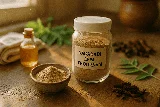
How to use chirata for skin is something many of us wonder about, and the chirata benefits for skin often get overlooked in modern beauty routines. Chirata for skin whitening DIY masks have been buzzing around forums, and chirata for skin allergy relief drinks are trending too. If you've searched for how to use chirata for skin more than once, or read about chirata benefits for skin on a blog, you might ask: is chirata good for skin? Does chirata for skin whitening really lighten your complexion? And can chirata for skin allergy soothe your irritation?
Chirata (Swertia chirata) is a bitter herb native to the Himalayas, prized in Ayurveda for centuries. While the name sounds exotic, it's pretty easy to find chirata extracts or dried herb online these days. In this section, we’ll dive into the age-old wisdom and modern finds—so you can decide if chirata is the next star in your skincare lineup or just another trend.
General Chirata Skin Benefits in Ayurveda
Ayurveda calls chirata a “Rasayana” – a rejuvenative tonic. Beyond the woo-woo, there’s science to back some of it up. Ancient texts praise its:
- Anti-inflammatory action: Chirata have anti-inflammatory properties that calm redness and swelling (helpful for sunburns, minor rashes).
- Antimicrobial effects: People in my village used chirata paste to disinfect minor cuts and insect bites. It’s said to combat bacteria & fungus.
- Blood detoxifying: Ayurveda believes purified blood reflects as clear skin. While “detox” is a bit vague, chirata’s bitter compounds may stimulate liver enzymes.
- Natural antioxidant: Free radicals? Chirata contains swertiamarin and amarogentin – antioxidants that scavenge them, helping delay early aging signs.
- Balances Pitta: For folks with Pitta-dominant skin (prone to heat rashes, redness), chirata is often recommended to restore calm.
Sure, this might sound like herbal hype, but if you’ve dabbled in ayurvedic routines or tried classic neem, senna, or turmeric, you know these bitter allies aren’t just folklore.
Chirata Uses for Skin in Daily Care
So you’re convinced chirata benefits for skin are legit. But how to use chirata for skin day-to-day? Here are some simple, down-to-earth ways:
- Face Packs: Mix 1 teaspoon chirata powder with yogurt (or raw milk) and a drop of honey. Apply as a 15-minute mask to help soothe irritation & impart a mild glow. I once tried this on a weekend trip to Goa—my friends noticed my skin looked less “tired.”
- Herbal Toner: Brew chirata tea (1 tsp in 200ml hot water), let it cool, strain and store in a spray bottle. Mist on your face after cleansing to tone pores and calm any minor itchiness.
- Spot Treatment: Make a paste with chirata powder and rose water. Dab on acne spots or insect bites overnight. The next morning you might see reduced redness.
- Body Scrub: Add chirata powder to gram flour and a bit of coconut oil for a gritty scrub that gently exfoliates and fights bacterial buildup—great for knees/elbows that need detox.
- Bath Infusion: Toss a handful of dried chirata into your bath. Let it steep like a tea bag. The warmth helps the herbs release, giving you a relaxing soak that’s gentle on sensitive, itchy skin.
Note: Always do a patch test first. I nearly skipped that once and ended up with some dryness on my cheek—nothing major but a reminder that even “natural” can irritate.
How to Use Chirata for Skin Whitening?
If you’ve been searching “chirata for skin whitening,” you’re probably after a brighter, more even tone. While chirata isn’t a bleach, its natural compounds can subtly help fade dark spots and promote a healthy glow over time. Let’s explore how.
Chirata Benefits for Skin Whitening and Glow
Here’s why chirata has become a go-to for many DIY whitening blends:
- Melanin Regulation: Some studies hint that amarogentin in chirata may inhibit tyrosinase, the enzyme responsible for melanin production (that’s the pigment that darkens spots).
- Light Exfoliation: Its bitter compounds gently slough off dead skin cells, revealing the fresher layer beneath.
- Anti-Pigmentation: Paired with ingredients like turmeric or licorice, chirata amplifies the anti-hyperpigmentation effect, helping fade sun spots or post-acne marks.
- Natural Glow: Improved circulation from gentle massage with a chirata paste can boost blood flow, giving that healthy rosy tint.
A caution: It’s a slow process. Don’t expect a bleach-white complexion overnight. But if you stay consistent, most folks notice slight brightening and a more uniform tone within a month or two.
How to Use Chirata for Skin Problems?
Everyone’s skin has its quirks—dry patches, allergic flare-ups, pesky acne. The good news is chirata isn’t just for whitening; it’s a multitasker in the herb cabinet. In this part, we’ll cover specific concerns.
Chirata for Skin Allergy Relief
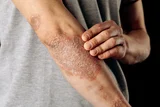
Dealing with hives, redness, itching? Chirata for skin allergy might come to your rescue:
- Topical Application: Blend chirata powder with aloe vera gel, apply to itchy spots. The cooling aloe plus anti-allergic bitterness can calm flares.
- Internal Herb Tea: Drinking a mild chirata decoction (1 tsp powder in hot water, steep 5 mins) may help reduce systemic allergic responses, thanks to its antihistamine-like action in traditional medicine.
- Compression Wrap: Soak a clean cloth in cool chirata tea, press gently on red patches for a few minutes to get quick soothing relief.
I heard from a friend with seasonal dermatitis that she switched her steroid creams for natural chirata compresses and noticed fewer breakouts over time—though she still keeps her doc’s prescription on standby.
Remedies with Chirata for Acne and Irritation
Acne-prone folks, this is for you. Chirata benefits for skin include tackling acne-causing bacteria and reducing oiliness.
- Acne Face Pack: Mix chirata powder with neem powder and a pinch of camphor. Add enough water to make a spreadable paste. Apply for 20 mins, rinse. Do this twice a week.
- Oil Control Serum: A few drops of chirata extract (available in bottles) mixed into your non-comedogenic moisturizer can help regulate sebum production without drying you out completely.
- Post-Irritation Soother: If you’ve popped a pimple (we’ve all been there), dab chirata-infused witch hazel on the spot before bed to reduce swelling and prevent scarring.
Side note: Sometimes the bitter taste makes me wince when I sip the tea—oddly, that reminds me it’s working.
What Is the Internal Use of Chirata for Skin Health?
External applications are cool but pairing them with internal use often gives the best results. Ayurveda emphasizes a combined approach—feed the body, treat the skin. So, what happens when you drink chirata water daily?
Benefits of Drinking Chirata Water for Skin
- Deep Detox: Chirata stimulates liver function, theoretically helping flush toxins that can cause dullness or acne. While “toxins” is industry lingo, improved liver enzymes have been observed in small studies.
- Hormonal Balance: For those whose acne is hormone-driven (PCOS, menstrual breakouts), chirata’s bitter principles may modulate hormonal pathways indirectly.
- Hydration + Nutrition: A warm cup of herb-infused water means better hydration—key for plump, elastic skin. And you get trace minerals from the plant.
- Immune Support: A stronger immune system means fewer skin infections and faster wound healing. Chirata has been traditionally used as an immune tonic too.
How to drink chirata water? Simmer 1 tsp of chirata powder or a small piece of the dried stem in 250ml of water for 5-7 minutes, let it cool slightly, strain into a cup. Sip it once or twice daily, ideally on an empty stomach in the morning and before bed. Some folks add a hint of ginger or lemon to cut the bitterness (I do that, it’s a game changer).
Overdoing it can lead to nausea or mild digestive upset, so stick to recommended doses on the package or consult your herbalist.
Conclusion
So, is chirata good for skin? Absolutely, if you use it wisely. Between its anti-inflammatory, antimicrobial, and antioxidant powers, plus the blood-purifying cred of Ayurveda, chirata offers a multi-front approach to clearer, brighter skin. From topical packs that tackle spots and redness to drinking chirata water for internal support, this bitter herb can be a hidden gem in your natural skincare arsenal.
Remember: results take time. Stay consistent, do patch tests, and pair chirata with gentle skincare staples—sun protection, a soft cleanser, and a balanced diet. Have fun experimenting with DIY recipes, and don’t expect miracles overnight. But with a bit of patience, you might just fall in love with the subtle, healthy glow chirata brings.
FAQs
How to drink chirata water?
Simmer 1 teaspoon of chirata powder or a piece of dried root in 250ml water for about 5–7 minutes. Strain, cool slightly, and sip. It’s best on an emptystomach in the morning, and again before bed if desired. You can add a slice of lemon or ginger to make it more palatable.
Is chirata good for skin allergy?
Yes, chirata for skin allergy can help soothe itching and redness thanks to its anti-inflammatory and antihistamine-like actions in traditional medicine. Use it topically as a paste or compress, and consider mild internal use under guidance.
Can chirata help with skin allergy and irritation?
Definitely! For mild allergies or irritations, apply a mix of chirata powder and aloe vera gel to the area. You can also drink a light chirata decoction to reduce systemic reactions. Always patch test first, and discontinue if you experience any discomfort.
Ask Ayurvedic doctor a question and get a consultation online on the problem of your concern in a free or paid mode.
More than 2,000 experienced doctors work and wait for your questions on our site and help users to solve their health problems every day.
Related articles