Ask Ayurvedic doctor a question and get a consultation online on the problem of your concern in a free or paid mode. More than 2,000 experienced doctors work and wait for your questions on our site and help users to solve their health problems every day.
FREE! Ask Ayurvedic Doctors 24/7

 Fast responses
 1000+ verified doctors
Body DetoxEar, Nose, and Throat DisordersGeriatrics & RejuvenationImmunodeficiencyInfertility TreatmentNutritionOrthopedic DisordersPediatricsRespiratory DisordersSexually Transmitted Diseases (STDs)Surgery RecoveryUrological DisordersVascular DisordersDental DisordersEndocrinological DisordersGastrointestinal DisordersYoga TherapyGeneral MedicineAllergic DisordersCardio DisordersGynecology and ObstetricsCosmetologySkin and Hair DisordersEye DisordersInfectious DiseasesMental DisordersNeurological DisordersOncologyPanchakarmaSexual Health & DisordersSports Medicine
Published on 09/04/25
(Updated on 07/07/26)
star_border 4.67
13,008
Which Type of Aloe Vera Is Good for Skin: Varieties and Benefits

When it comes to natural remedies for glowing, healthy skin, aloe vera is usually at the very top of the list. But here’s the thing—there are different types of aloe vera, and not every single one is equally beneficial for skin. People often ask: which type of aloe vera is good for skin? Or, how many types of aloe vera are there anyway? Understanding aloe vera plant types and their unique properties can help you pick the one that truly works for hydration, soothing, and healing. In this article, we’ll break down the different types of aloe vera, explain what they actually do for your skin, and help you figure out which variety might be the best fit for you.
Aloe Vera and Skin Health
What Aloe Vera Does to Skin
Aloe vera has been used for centuries as a skin healer. The gel inside its leaves contains vitamins (like A, C, E, and B12), minerals, antioxidants, and enzymes that work together to soothe irritation, boost moisture, and speed up wound healing. That’s why people use it for sunburns, acne scars, dryness, and even small cuts.
When you apply aloe, it creates a light protective layer while deeply hydrating your skin. Some users notice a cooling effect almost instantly. And unlike many commercial creams, pure aloe gel is lightweight and absorbs quickly, so it doesn’t leave your face feeling greasy.
Is Aloe Vera Good for All Skin Types?
Good question. In general, yes—aloe vera is good for all skin types because it’s non-comedogenic (meaning it won’t clog pores) and gentle. However, there are exceptions. If your skin is extremely sensitive, you might experience mild itching or redness. In that case, it’s smart to do a patch test before applying it widely.
Oily skin types may love aloe because it hydrates without adding extra oil. Dry skin types often find it relieves tightness. Even combination skin tends to benefit, making aloe a rare “one-size-fits-most” solution.
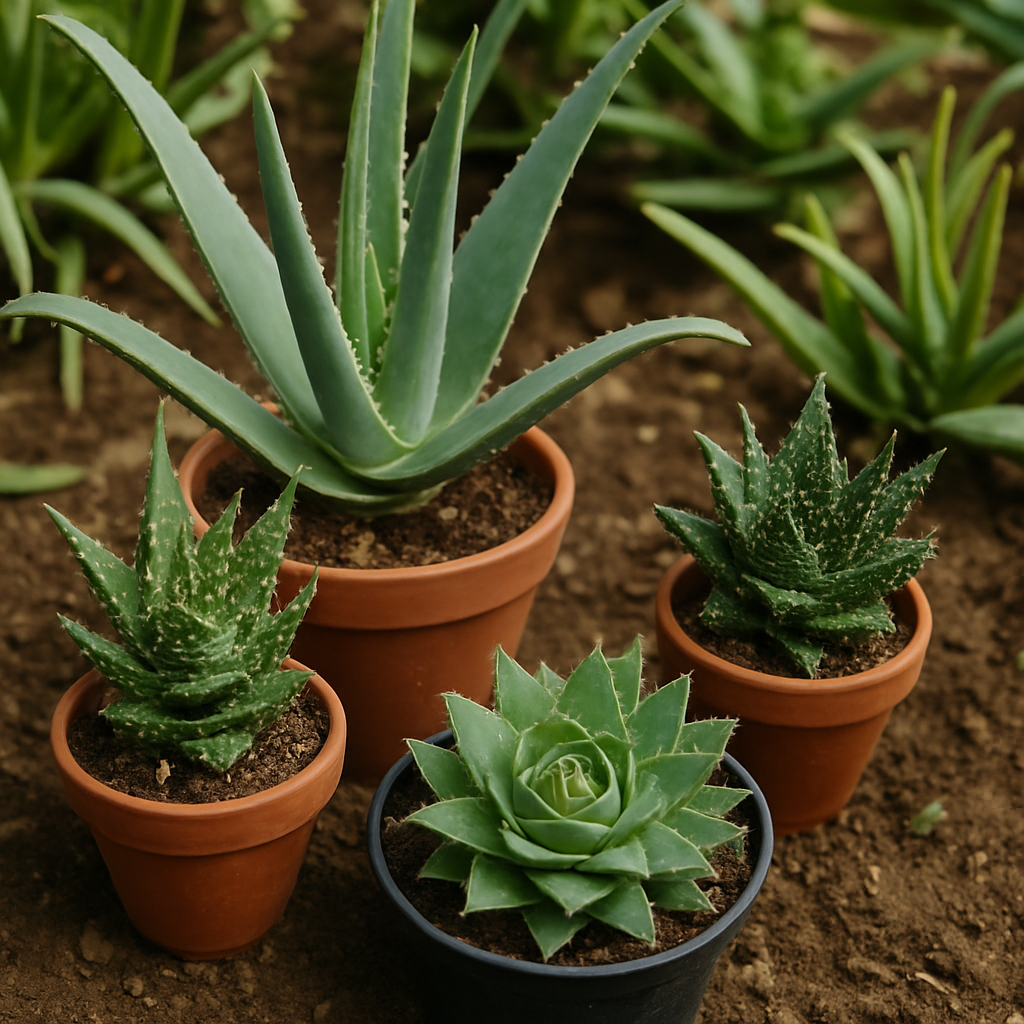
How Many Types of Aloe Vera Exist?
When people say “aloe vera,” they usually mean Aloe barbadensis miller, the most popular and widely used species. But here’s the surprise: there are actually over 400 different types of aloe vera plant known to science. Of those, only a handful are widely studied or used in skincare.
Different Types of Aloe Vera Plant
Not every species is suitable for skin care. Some different types of aloe vera are ornamental, grown mainly for looks rather than healing. Others contain compounds that may irritate instead of soothe. That’s why it’s important to know which type of aloe vera plant is good for skin before grabbing just any variety from your garden or local store.
Common Aloe Vera Plant Types
Among the hundreds, only a few are considered safe and beneficial for topical use. These include:
-
Aloe barbadensis miller – the most common, found in skincare gels and creams.
-
Aloe ferox – known for its strong bitter sap and medicinal properties.
-
Aloe perryi – often grown in the Arabian Peninsula, with gel similar to barbadensis.
-
Aloe arborescens – a bush-like type with strong soothing properties.
These are the primary aloe vera plant types that come up when we talk about skincare. Some are more potent than others, and in the next section, we’ll dive into which type of aloe vera is best for skin.
Which Type of Aloe Vera Is Good for Skin
So now we get to the big question: which type of aloe vera is good for skin? Out of the hundreds of varieties, Aloe barbadensis miller is generally recognized as the best for skincare. It’s the one most commonly used in beauty products, DIY remedies, and even in medical treatments. The gel inside its thick leaves is clear, soothing, and packed with nutrients that make it ideal for direct application.
That said, other types of aloe vera can also help, depending on your skin’s needs. Aloe ferox, for example, has a more bitter juice but is highly effective for detoxifying and regenerating skin tissue. Aloe arborescens, with its thinner leaves, is slightly less juicy but still provides strong soothing and anti-inflammatory effects.
If you’re asking, which type of aloe vera plant is good for skin, the short answer is: barbadensis miller is the safest and most versatile, but others like arborescens and ferox can offer additional benefits if used properly.
Best Aloe Vera Plant Types for Skin Benefits
Popular Varieties of Aloe Vera for Skin Health
Here’s a closer look at the top contenders:
-
Aloe barbadensis miller – The gold standard in skincare. Hydrates, heals burns, calms acne, and reduces redness. Almost every commercial aloe gel you buy uses this variety.
-
Aloe arborescens – Known as the “candelabra aloe,” this type is popular in Japan and parts of Europe for both skin and internal health. It’s slightly more bitter but praised for faster skin repair.
-
Aloe ferox – Native to South Africa, its gel is rich in antioxidants and has stronger anti-aging properties. Some skincare companies use it in premium formulations.
-
Aloe perryi – Less common globally but valued in traditional Arabian medicine for its cooling and anti-inflammatory properties.
Comparison of Types of Aloe Vera and Their Properties
-
Barbadensis miller: Best overall for general skin care; safe for most skin types.
-
Arborescens: More medicinal; useful for scars and burns.
-
Ferox: Potent antioxidants; good for mature or aging skin.
-
Perryi: Cooling, calming; often used for rashes or irritation.
While all four can be applied topically, barbadensis remains the most accessible and easiest to use for daily skin care routines. Others might require more knowledge or careful handling.
Using Aloe Vera for Skin Care
Aloe Vera Recipes for Hydration and Healing
Once you know which type of aloe vera is best for skin, the fun part is using it. Here are a few simple ways to add it to your routine:
-
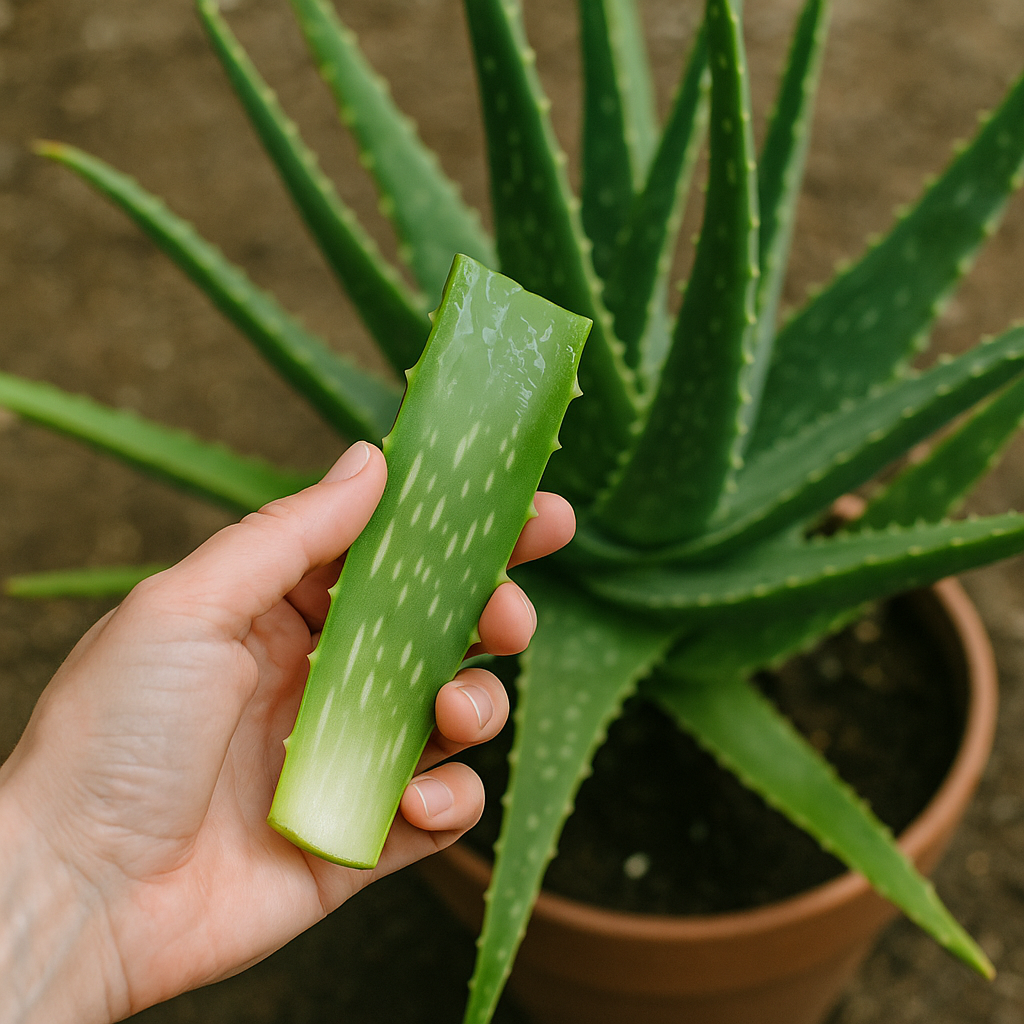
Pure Aloe Gel Mask: Slice open a fresh aloe leaf (preferably barbadensis), scoop out the clear gel, and apply directly to your face. Leave it on for 15–20 minutes, then rinse with lukewarm water. Great for hydration and calming redness.
-
Aloe + Honey Soother: Mix one tablespoon of aloe gel with one teaspoon of raw honey. This combo moisturizes deeply and has antibacterial properties, perfect for acne-prone skin.
-
Aloe Ice Cubes: Freeze aloe gel in an ice tray. Rub a cube on sunburnt or irritated skin for instant cooling relief.
-
Aloe Scrub: Combine aloe with a small amount of sugar or oatmeal to make a gentle exfoliator. Helps remove dead skin while keeping moisture locked in.
A small warning: don’t overuse raw aloe (especially varieties like ferox). A little goes a long way, and if your skin feels tight or itchy, it’s time to give it a break.
Don't wait or self medicate. Start chat with Doctor NOW
Conclusion
Aloe vera is more than just a trendy skincare ingredient—it’s a time-tested natural healer with real benefits. Still, the fact that there are different types of aloe vera means not all varieties work the same way. If you’ve ever wondered which type of aloe vera is good for skin, the safest answer is Aloe barbadensis miller. It’s hydrating, calming, and widely available. But that doesn’t mean the others are useless—Aloe arborescens, Aloe ferox, and Aloe perryi also offer unique properties that can help with specific concerns like aging, scars, or irritation.
The key is knowing which type of aloe vera plant is good for skin and making sure you’re using it in the right way. Always patch test first, especially if you have sensitive skin. And remember: even natural remedies can cause reactions in some people, so “natural” doesn’t always equal “risk-free.”
Whether you’re dealing with dryness, redness, or you just want that healthy glow, aloe vera can be a reliable addition to your skincare routine.
FAQs
1. Can all aloe plants be used on skin?
Not exactly. While there are over 400 types of aloe vera plant, only a small number are considered safe for skincare. Aloe barbadensis miller is the most recommended. Others like Aloe ferox and Aloe arborescens are also beneficial, but many ornamental varieties aren’t suitable and may even irritate your skin.
2. What form of aloe vera is best for skin?
Fresh gel straight from the leaf is ideal because it’s pure and free from preservatives. However, if you don’t have access to a plant, store-bought gels containing Aloe barbadensis miller can also be effective. Just check the ingredients list to make sure aloe is the main component (and not buried under fillers or alcohols).
3. Which type of aloe vera is not good for skin?
Some species contain higher levels of aloin, a compound that can be irritating. Ornamental varieties, often grown just for decoration, aren’t recommended for skin use. It’s better to stick to the well-known aloe vera plant types that have been studied for skincare, especially barbadensis miller.
Final Thoughts
So, now you know: there are many types of aloe vera, but only a handful are truly helpful for your skin. If you’re serious about natural skincare, start with Aloe barbadensis miller—it’s the one most trusted by dermatologists, herbalists, and everyday users around the world. Try experimenting with simple DIY recipes like aloe masks or aloe-honey blends, and see how your skin responds.
And hey—don’t just keep this knowledge to yourself! If you found this article helpful, share it with friends or family who also wonder about what aloe vera does to skin. Chances are, they’ll thank you for the tip.
Your skin deserves the best care, and sometimes the answer really does come from nature. Aloe vera just happens to be one of those gifts you can grow right on your windowsill.
Questions from users
What precautions should I take when using aloe vera for the first time?
Allison
5 hours ago
When using aloe vera for the first time, start by doing a patch test on a small area of skin to ensure there's no allergic reaction. Use Aloe barbadensis miller, the variety known for being gentle on the skin. Avoid overusing raw aloe vera, especially stronger varieties like aloe ferox, as they may irritate sensitive skin. Look for signs of redness or itching, which could indicate sensitivity. If you experience persistent irritation, discontinue use and consult a dermatologist for further guidance.
How to use aloe vera for soothing sunburned skin effectively?
Jackson
9 days ago
For soothing sunburn, just slice an aloe vera leaf and scoop the gel out, chill it if you like, then apply directly on the skin. The gel's cooling and healing properties help sooth the burn. Just remember to do a patch test first tho, especially if your skin is sensitive! If it feels itchy, better take a break from it.
What is Aloe arborescens and how does it differ from Aloe vera in terms of health benefits?
Vincent
19 days ago
Aloe arborescens, also called "candelabra aloe," is more popular in places like Japan and Europe. It's kind of similar to Aloe vera, and both are used for skin and health, but arborescens is said to have higher concentrations of some beneficial compounds, which might make it better for healing and boosting immunity. But honestly, they both have similar uses, like soothing burns and hydrating skin. If you're looking at them for health benefits, it might be good to try each and see how your body reacts. Hope that helps!
What is the difference between Aloe barbadensis miller and other aloe types for skincare?
Isabella
28 days ago
Aloe barbadensis miller is the star player in the aloe family for skincare. It's packed with nutrients and has a gel that's super soothing and hydrating. Other aloe types might not have the same potent properties or aren't as widely studied, so if you're in it for the skincare benefits, Aloe barbadensis miller is def the way to go!
Is aloe vera effective for reducing redness and inflammation on sensitive skin?
Christian
37 days ago
Yes, aloe vera can be effective for reducing redness and inflammation on sensitive skin. It's full of hydrating and soothing properties, making it great for calming irritated skin. Just make sure to do a patch test first to ensure it doesn't irritate your skin. If you don’t have an aloe plant, gels with Aloe barbadensis miller variety work well too.
What is the best way to store fresh aloe vera for maximum skin benefits?
Rory
46 days ago
To store fresh aloe vera to keep it great for your skin, it's best to cut the leaves, clean 'em up, and wrap them in plastic wrap. Pop them in the fridge and they can last up to a week! If you want even longer storage, dice and freeze the gel in ice cube trays. This way, you can easily grab a small amount when you need it. 🙌
How to make a homemade aloe vera gel for skin treatment?
Zoe
56 days ago
To make homemade aloe vera gel, grab an aloe leaf; slice it open. Scoop out the clear gel with a spoon. This gel you can apply straight to your skin for like 15-20 minutes, then rinse with lukewarm water. If you need extra cooling, pop the gel in the fridge for a bit before using!
How does aloe vera benefit combination skin specifically?
Lindsey
66 days ago
For combination skin, aloe vera does a great job! It's like balancing magic—it hydrates without making oily areas greasier and soothes dry patches too. It's cooling and helps calm any redness, which is a bonus. Just remember to patch test it, as skin can react differently, even to something gentle like aloe. 🙂
Can aloe vera be used to soothe irritated skin from insect bites?
William
75 days ago
Yep, Aloe vera is great for soothing skin irritations like insect bites! Look for Aloe barbadensis miller, it's safe and effective. Its gel has cooling and anti-inflammatory properties, offering relief for those pesky bites. Just make sure you're not allergic to it, test on a small area first ☝️
Is it safe to use aloe vera gel on broken skin or open wounds?
Allison
85 days ago
It's generally not recommended to use aloe vera gel on open wounds or broken skin. While it's soothing and has healing properties, applying it to broken skin can sometimes cause irritation or an adverse reaction. It's better to let the wound heal a bit or consult a healthcare provider before using it.
Related articles

Skin and Hair Disorders
Patanjali Tejus Tailum
Exploration of Patanjali Tejus Tailum
3,033

Skin and Hair Disorders
How to Apply Egg on Hair: Ayurvedic Guide to Benefits & Growth
How to apply egg on hair? Discover egg hair mask recipes, benefits of egg for hair growth, how to use egg white, and possible side effects of applying egg
17,133

Skin and Hair Disorders
Ayurvedic Treatment for Ichthyosis Vulgaris: Skin Healing Guide
Explore Ayurvedic approaches for ichthyosis vulgaris. Discover natural remedies, herbal treatments, and lifestyle tips to manage dry, scaly skin and promote healthy complexion.
3,921

Skin and Hair Disorders
Which Oil Is Best for Face Massage: Ayurvedic Guide by Skin Type
Discover which oil is best for face massage based on your skin type. Explore Ayurvedic benefits of almond, coconut, castor, and jojoba oils for healthy glow
20,942

Skin and Hair Disorders
Eladi Choornam Uses for Skin & Face: Ayurvedic Benefits & Applications
Discover the uses of Eladi Choornam for skin and face. Learn about its Ayurvedic benefits, applications, and how this herbal formulation promotes healthy, radiant skin.
10,380
Skin and Hair Disorders
Suvarna Bindu Drops: Benefits, Dosage & Ayurvedic Insights
Discover the benefits, proper dosage, uses, and Ayurvedic foundations of Suvarna Bindu Drops, a traditional herbal remedy for hair health and overall wellness.
2,544

Skin and Hair Disorders
Chandanadi Thailam: Benefits, How to Use, Ingredients, Side Effects
Exploration of Chandanadi Thailam: Benefits, How to Use, Ingredients, Side Effects
2,136

Skin and Hair Disorders
How to Cure White Hair at Young Age Naturally with Ayurveda
White hair at a young age solution: learn how to cure white hair naturally, stop premature greying, and explore Ayurvedic treatment for grey or white hair
4,897

Skin and Hair Disorders
Sidhma Kushta – Ayurvedic Approach to Treating Skin Disorders
Discover how Ayurveda addresses Sidhma Kushta, a challenging skin condition. Learn about its historical roots, therapeutic benefits, treatment protocols, and expert guidance to restore skin health naturally.
3,009

Skin and Hair Disorders
How to Prevent Hair Whitening?
Learn how to prevent hair whitening naturally with Ayurvedic tips. Discover causes, white hair treatments, and effective solutions for early greying problems
2,736
Related consultations on the topic
Legal
Additional Documents
© 2024 Ask Ayurveda. All rights reserved.