Ask Ayurvedic doctor a question and get a consultation online on the problem of your concern in a free or paid mode. More than 2,000 experienced doctors work and wait for your questions on our site and help users to solve their health problems every day.
FREE! Ask Ayurvedic Doctors 24/7

 Fast responses
 1000+ verified doctors
Body DetoxEar, Nose, and Throat DisordersGeriatrics & RejuvenationImmunodeficiencyInfertility TreatmentNutritionOrthopedic DisordersPediatricsRespiratory DisordersSexually Transmitted Diseases (STDs)Surgery RecoveryUrological DisordersVascular DisordersDental DisordersEndocrinological DisordersGastrointestinal DisordersYoga TherapyGeneral MedicineAllergic DisordersCardio DisordersGynecology and ObstetricsCosmetologySkin and Hair DisordersEye DisordersInfectious DiseasesMental DisordersNeurological DisordersOncologyPanchakarmaSexual Health & DisordersSports Medicine
Published on 07/14/25
(Updated on 06/29/26)
20,944
Which Oil Is Best for Face Massage: Ayurvedic Guide by Skin Type

When it comes to achieving radiant, youthful skin, the answer might be as simple as... oil. Yup, the good old-fashioned face massage oil is making a serious comeback—and for good reason. More people today are turning to natural skincare, asking questions like "which oil is best for face massage?" or "what's the best face massage oil for anti aging?" And if you’ve ever wondered the same, you’re not alone.
From glowing skin to stress relief, the ancient Ayurvedic tradition of oil massage for face care (known as mukh abhyanga) is gaining serious traction in modern skincare. But—real talk—not all oils are created equal. Your skin type, concerns, and even the time of year can all impact which oil is your skin’s new best friend.
So if you’re looking for the best oil for face massage or trying to choose between almond oil and jojoba oil, we’ve got you covered. Let’s dive into this oily (in the best way possible) journey.
Why Use Face Massage Oil: Ayurvedic and Skin Benefits
In Ayurveda, the skin isn’t just your body’s largest organ—it’s a mirror of your internal health. Applying oil for face massage isn’t just about moisturization; it's a therapeutic ritual meant to balance your doshas (body energies) and nourish the skin from the outside in.
From a skincare perspective, face massage oil delivers multiple benefits:
-
Improved blood circulation, which helps carry oxygen and nutrients to skin cells
-
Lymphatic drainage, reducing puffiness and inflammation
-
Better absorption of nutrients and hydration
-
Stress relief, which—believe it or not—directly affects your skin's appearance
Also, regular oil face massage benefits include softening fine lines, enhancing skin elasticity, and even reducing breakouts. It’s not magic, but honestly, it feels pretty close.
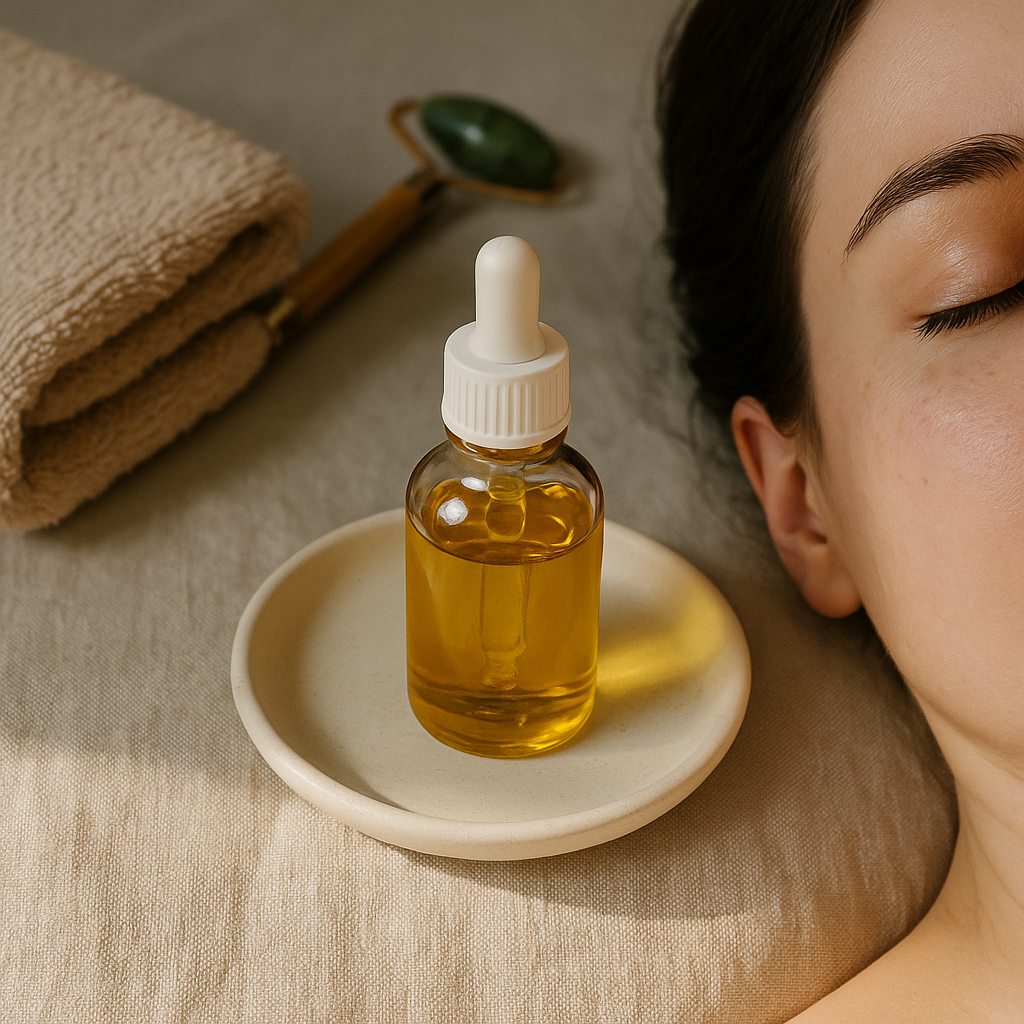
Which Oil Is Best for Face Massage Based on Skin Type
Choosing the best oil for your face isn't one-size-fits-all. Let’s break it down based on common skin types and needs.
Face Massage Oil for Oily, Dry, and Acne-Prone Skin
Got oily skin? You might think face oils are a big no-no, but hang tight. The right oils can actually balance sebum production and prevent breakouts.
-
For oily skin: Jojoba oil for face massage is a solid choice—it mimics natural sebum and helps regulate it.
-
For dry skin: Heavier oils like almond or olive oil work wonders. They penetrate deeply, leaving your skin feeling nourished (not greasy).
-
For acne-prone skin: This one’s tricky. Face massage oil for acne prone skin should be non-comedogenic. Try argan oil or jojoba again—both are lightweight, antimicrobial, and calming.
It’s super important not to overdo it though. More oil doesn’t mean better skin. Trust us on that.
Best Face Massage Oil for Glowing Skin and Anti-Aging
When the goal is glow, hydration is key. But so is choosing oils rich in antioxidants and essential fatty acids.
-
For glowing skin: Argan oil is high in vitamin E and makes your skin look chef’s kiss radiant.
-
For anti-aging: Look for face massage oils like almond, castor, or even a bit of rosehip oil (though we’ll dive deeper into specific ones next). These help reduce fine lines and support collagen production.
And if you're wondering whether oil massage for face can really make you look younger? Well—it won't replace Botox, but your skin will def thank you.
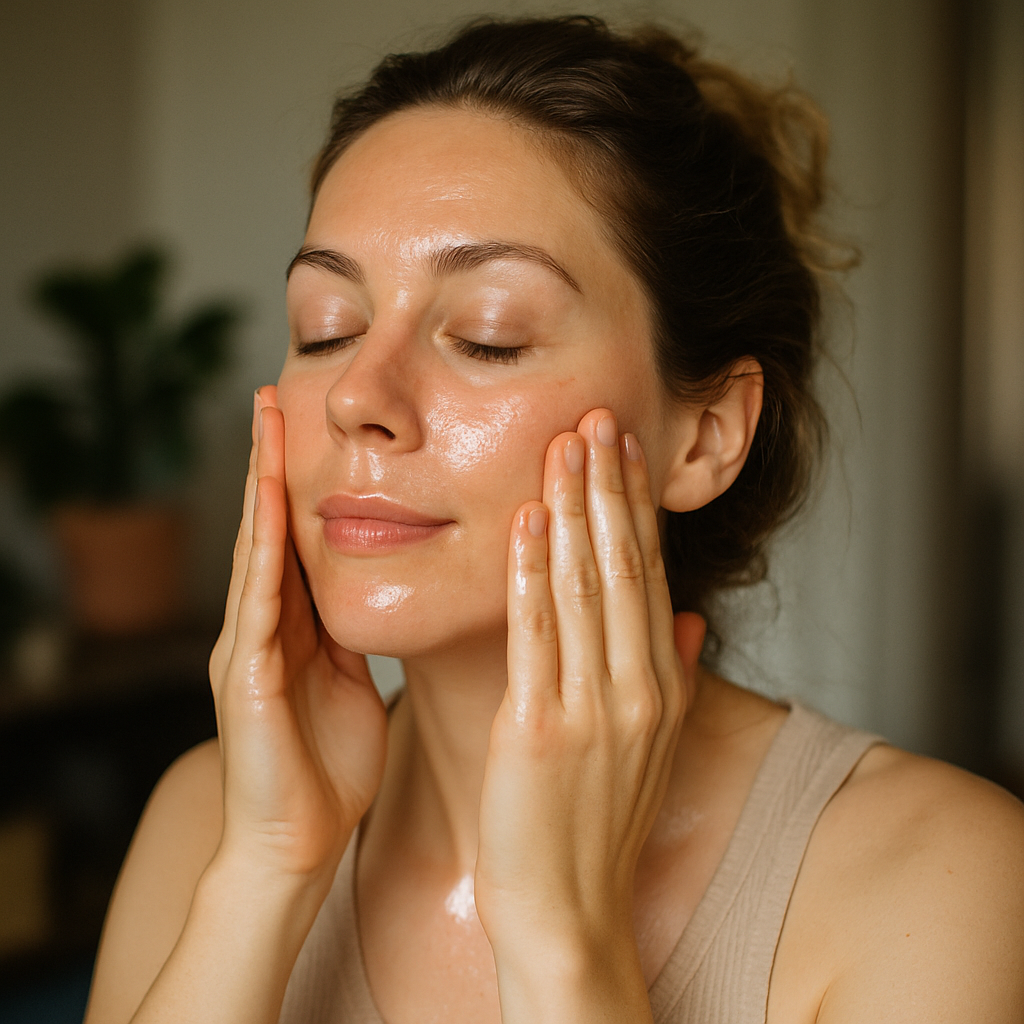
Most Popular Oils for Face Massage and Their Properties
Ready to meet the all-stars of the face massage oil world? Below, we’ll walk through the most popular oils used in Ayurvedic and modern skincare routines—each with its own unique set of benefits. If you’ve been wondering things like “is castor oil for face massage safe?” or “can I do a coconut oil massage on face daily?”—you’re in the right place.
Almond Oil for Face Massage
Sweet almond oil is kind of the unsung hero of skincare. Rich in vitamin E, zinc, and fatty acids, it’s incredibly nourishing and ideal for most skin types—especially dry or mature skin.
-
Skin Type Match: Dry, dull, or aging skin
-
Benefits: Boosts collagen production, evens skin tone, reduces puffiness
-
Texture: Light-to-medium, not too greasy
Plus, it has a natural soft scent that makes your face massage feel like a spa moment at home.
Coconut Oil Massage on Face
Ah yes, coconut oil—the kitchen and bathroom staple. But here’s the deal: it’s comedogenic (meaning it can clog pores), so it’s not the best face massage oil for acne prone skin or oily types.
-
Skin Type Match: Very dry or normal skin (avoid if acne-prone)
-
Benefits: Antibacterial, deeply moisturizing, helps with flakiness
-
Texture: Thick, solid at room temperature, melts on skin
Pro tip: Always use virgin or cold-pressed coconut oil for massage. The refined stuff? Meh.
Castor Oil for Face Massage
Castor oil is like that super-thick conditioner your hair loves—heavy but healing. It’s often used in oil cleansing blends and works well when combined with lighter oils.
-
Skin Type Match: Dry or aging skin
-
Benefits: Fades scars, promotes cell turnover, reduces wrinkles
-
Texture: Very thick, sticky—usually mixed with something like jojoba
Honestly, using castor oil alone on your face might feel weird (kinda like molasses), so blend it to make it easier to work with.
Jojoba Oil for Face Massage
Ask any skincare junkie: jojoba oil is a holy grail. Why? Because it mimics your skin’s natural oils. It’s ultra-light, non-comedogenic, and absorbs quickly.
-
Skin Type Match: Oily, acne-prone, or combination skin
-
Benefits: Balances sebum, calms inflammation, unclogs pores
-
Texture: Light, silky, non-greasy
It’s easily one of the best face massage oil options for oily skin, especially if you’re worried about breakouts.
Olive Oil for Face Massage
Olive oil isn’t just for salad dressing. This ancient beauty staple is loaded with antioxidants and hydrating fatty acids.
-
Skin Type Match: Dry, sensitive, or aging skin
-
Benefits: Deeply moisturizing, soothes irritation, slows signs of aging
-
Texture: Medium-thick, with a slightly tacky finish
Some folks find it a bit heavy or too greasy—if that’s you, try using it at night or mixing it with lighter oils like argan.
Argan Oil for Face Massage
If you had to pick just one face massage oil for glowing skin, argan might be the winner. It’s often called “liquid gold” for a reason.
-
Skin Type Match: All skin types, even sensitive
-
Benefits: Brightens skin, reduces fine lines, absorbs fast
-
Texture: Lightweight, non-greasy
Argan oil checks basically all the boxes: anti-aging, acne-friendly, fast-absorbing, and glow-boosting. What’s not to love??
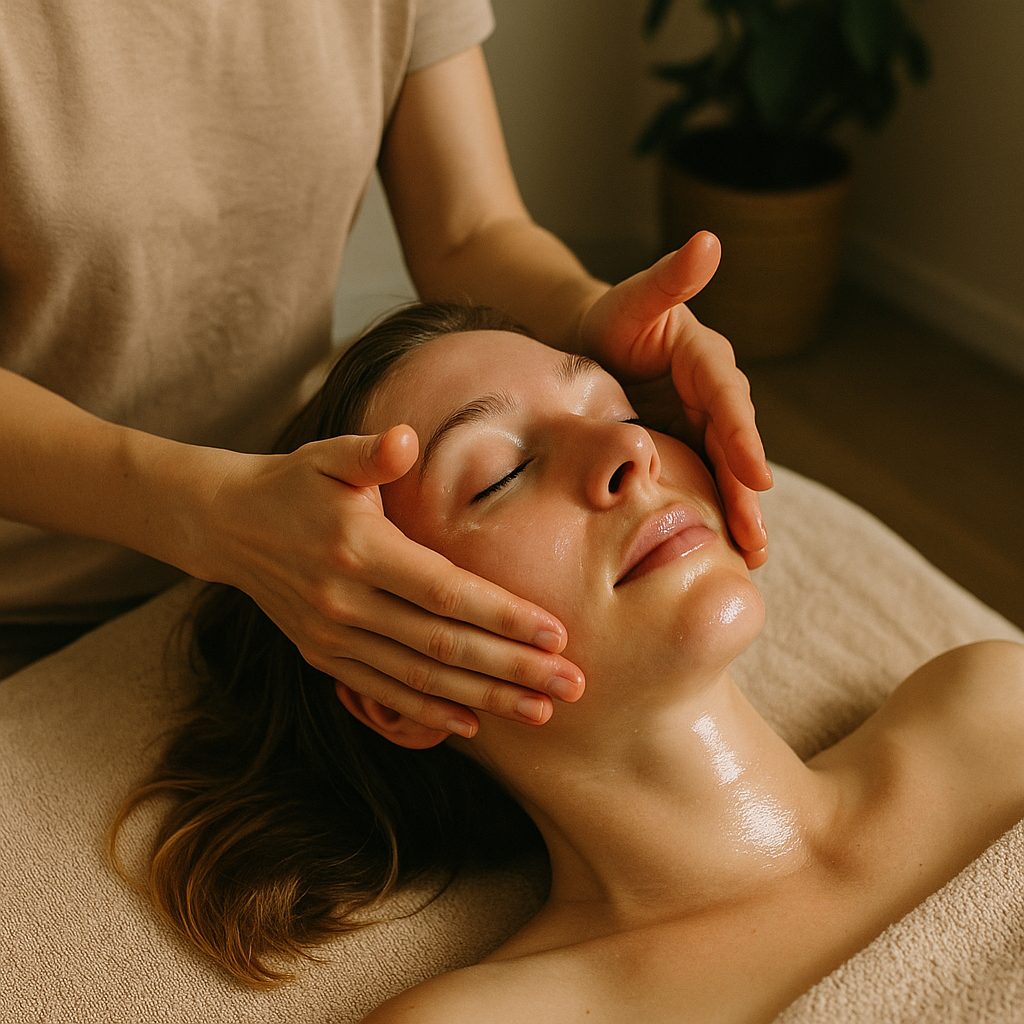
How to Use Oil for Face Massage Effectively
Okay, you’ve picked your oil. Now what? Using oil for face massage isn’t just slapping it on and rubbing in circles (though, hey, that’s better than nothing). There’s actually a method to get the most out of it—and your skin will thank you for it.
Step-by-Step Guide:
-
Cleanse your face
Always start with a clean face. Oil + dirt = clogged pores. Gently cleanse, pat dry, and make sure your hands are clean too. -
Warm the oil slightly
Rub a few drops between your palms, or warm it up slightly over a bowl of hot water. Warm oil penetrates better and feels sooo relaxing. -
Apply using upward strokes
Start at your chin and move upward toward your temples and cheeks. Use light pressure, and don’t drag your skin—especially around your eyes. -
Massage for 5–10 minutes
Focus on areas that feel tense or where you hold stress (jawline, temples, between the brows). A facial roller or gua sha tool can add a nice touch, but your hands are totally enough. -
Let the oil sit (or wipe off gently)
You can leave the oil on overnight if it suits your skin type. Otherwise, after 15–20 minutes, gently wipe off excess oil with a warm, damp cloth. No harsh scrubbing!
You can do an oil face massage 2–3 times a week—or daily if your skin loves it. But watch out: if your skin starts breaking out or feeling greasy, cut back a little.
Conclusion
So, which oil is best for face massage? Honestly, it depends on your skin type and goals—but now you’re armed with all the info to decide. Whether you’re reaching for the best face massage oil for anti aging or looking for face massage oil for oily skin, there's something out there with your name on it.
To recap:
-
Almond and olive oils are fab for dry or mature skin.
-
Jojoba and argan oils are perfect for acne-prone and oily skin.
-
Castor and coconut oil are more targeted—great for deep nourishment, but best used carefully.
With regular practice, oil massage for face care can lead to softer, brighter, healthier skin. And let's be honest, it’s kind of therapeutic, too. So why not make it part of your weekly self-care ritual?
If you found this guide helpful, share it with your friends or skincare group! You never know who’s also wondering which oil is best for face massage and could use a little glow-up.
Don't wait or self medicate. Start chat with Doctor NOW
FAQs
Which oil is healthiest for the face?
Argan oil and jojoba oil often top the list. They're lightweight, non-comedogenic, and packed with antioxidants. Almond oil is also very nourishing, especially for dry or aging skin.
What to use for face massage at home?
Use any cold-pressed, organic face massage oil that suits your skin type. Jojoba, almond, and argan oil are great starting points. You can also use tools like gua sha or facial rollers for added benefits, but your fingers work just fine too.
When not to use face oil?
Avoid face oils if your skin is severely acne-prone, irritated, or you’re having an active breakout—especially with thick oils like coconut or castor. Also skip it if you have any allergies to nuts or specific ingredients in the oil.
Questions from users
Can I use face oils for massage if I have rosacea or redness in my skin?
Zoey
8 days ago
You can use face oils, but it’s super important to choose the right ones, especially with rosacea or redness. Look for gentle oils like chamomile or rosehip that are calming and soothing. Patch test first, just to be safe! Avoid those with strong scents or irritation potential. Stay gentle wit the massage to not inflame your skin more.
Can I use almond oil for facial massage if I have dry skin?
Peyton
17 days ago
Absolutely, almond oil is great for dry skin! It's super nourishing. Just make sure to use a cold-pressed, organic version. Massage lightly without dragging your skin, especially around sensitive areas. Keep an eye on how your skin feels though, as everyone's skin can react differently. Happy massage!
Can facial oils help reduce the appearance of fine lines and support collagen production?
Ella
26 days ago
Facial oils can help reduce the appearance of fine lines and support collagen production by deeply nourishing the skin. Many oils, like rosehip or argan, have antioxidants and fatty acids that boost skin health. They won’t replace treatments like Botox, but they’re a natural way to support your skin. If your skin feels greasy, use a bit less!
Is it safe to use face massage oils if I have sensitive skin?
Nora
36 days ago
Absolutely, you can use face massage oils with sensitive skin, but pick wisely! Go for oils like jojoba or rosehip that are gentle and non-irritating. Test a small area first to be sure there's no reaction, though. And, always cleanse your face before applying any oil! Keep it simple and listen to your skin's response. 😊
How to choose the right face oil for acne-prone skin?
Millie
45 days ago
First, look for oils that are lightweight and non-comedogenic, like jojoba or squalane. These won’t clog pores and mimic skin's natural oils, which can be a huge help for acne-prone skin. It's important to test a small amount on your skin first to see if it agrees with you! Finally, use them on cleansed skin for best results.
What is the best technique for applying castor oil during a face massage?
Morgan
55 days ago
Start with a clean face, then warm a small amount of castor oil in your hands. Use your fingertips to gently massage the oil in circular upward motions, starting from the chin and moving towards the temples. Avoid applying too much pressure! Do this for about 5-10 minutes. Don’t forget to rinse your face afterward to avoid clogged pores.
Can I use face massage oils if I have combination skin?
Zara
64 days ago
You can definitely use face massage oils if you have combination skin! Just look for lightweight, non-comedogenic options. Jojoba oil's a great start—it balances out oily and dry areas. If you're feeling fancy, you could blend it with a little rosehip oil too. Just keep an eye on how your skin reacts, tweak as needed!
Can I use gua sha tools with face oils for better results?
Asher
74 days ago
Yeah, you can totally use gua sha with face oils for better results! Oils like almond or jojoba are great as they help the tool glide smoothly over your skin. Just avoid using them if your skin is super acne-prone or irritated, as oils can sometimes make it worse in those cases. Give it a try and see how your skin loves it!
Is it safe to use multiple oils for a face massage in my skincare routine?
Shelby
83 days ago
Mixing multiple oils for face massage can be totally safe, but it really depends on your skin type. If your skin's oily, stick to non-comedogenic ones like jojoba or grapeseed oil. Antioxidant-rich oils can give you extra benefits too! Just be cautious not to overdo it and test any new oils on a small patch of skin to avoid any reactions.
How to properly warm oil for a face massage before application?
Sydney
93 days ago
To warm the oil for a face massage, you can rub a few drops between your palms or place the bottle in a bowl of hot but not boiling!, water for a minute. This gently warms the oil without overheating it, which help to preserve its beneficial properties. Just don't make it too hot; you want a comfortable, soothing warmth. 😊
Related articles

Skin and Hair Disorders
Does Honey Make Hair White? Ayurvedic Truth and Misconceptions
Does honey make hair white or lighten it? Explore if applying honey to hair causes whitening, whether it’s safe, and how Ayurveda views honey for hair care
8,500

Skin and Hair Disorders
How to Remove Egg Smell from Hair
Discover how to remove egg smell from hair naturally and fast. Learn tips, rinses, and remedies to get rid of odor after washing and prevent it next time
7,904

Skin and Hair Disorders
Indralupta Mashi – Effective Ayurvedic Treatment for Hair Loss
Learn about Indralupta Mashi, a powerful Ayurvedic formulation for promoting hair growth, preventing hair loss, and rejuvenating the scalp naturally.
5,280

Skin and Hair Disorders
Eladi Gana Choornam – Traditional Ayurvedic Powder for Digestive & Respiratory Wellness
Discover Eladi Gana Choornam, a potent Ayurvedic polyherbal powder formulated to enhance digestion, relieve respiratory discomfort, and balance doshas naturally for holistic health.
3,243

Skin and Hair Disorders
Visarpa Chikitsa – Traditional Ayurvedic Approach for Spreading Skin Conditions
Discover the benefits and uses of visarpa chikitsa, a traditional Ayurvedic treatment designed to heal spreading skin conditions, balance doshas, detoxify the body, and promote overall skin health.
3,026

Skin and Hair Disorders
What Is the Best Homemade Face Mask for Pimples and Dark Spots?
Explore the best face mask for oily skin and pimples, dark spots, and acne. Try DIY face masks for pimples, natural Ayurvedic blends, and overnight treatments
6,620

Skin and Hair Disorders
What is Treatment of Warts in Ayurveda?
Warts are a prevalent skin condition that can affect people of all ages.
6,888
Skin and Hair Disorders
Dasang Lepa: Uses, Research, and Health Benefits
Discover the science, traditional uses, and safety of Dasang Lepa, an age-old herbal remedy. Learn its potential benefits, application, and current research.
2,846

Skin and Hair Disorders
Nimbadi Kashayam Benefits, Dose, Side Effects, And Ingredients
Exploration of Nimbadi Kashayam Benefits, Dose, Side Effects, And Ingredients
2,309
Skin and Hair Disorders
Palitya – Ayurvedic Perspective on Premature Graying of Hair
Discover the Ayurvedic approach to treating Palitya, a condition referring to premature graying of hair before age 35. Learn how natural remedies restore melanin production and hair vitality.
3,059
Related consultations on the topic
Legal
Additional Documents
© 2024 Ask Ayurveda. All rights reserved.