Ask Ayurvedic doctor a question and get a consultation online on the problem of your concern in a free or paid mode. More than 2,000 experienced doctors work and wait for your questions on our site and help users to solve their health problems every day.
FREE! Ask Ayurvedic Doctors 24/7

 Fast responses
 1000+ verified doctors
Body DetoxEar, Nose, and Throat DisordersGeriatrics & RejuvenationImmunodeficiencyInfertility TreatmentNutritionOrthopedic DisordersPediatricsRespiratory DisordersSexually Transmitted Diseases (STDs)Surgery RecoveryUrological DisordersVascular DisordersDental DisordersEndocrinological DisordersGastrointestinal DisordersYoga TherapyGeneral MedicineAllergic DisordersCardio DisordersGynecology and ObstetricsCosmetologySkin and Hair DisordersEye DisordersInfectious DiseasesMental DisordersNeurological DisordersOncologyPanchakarmaSexual Health & DisordersSports Medicine
Published on 03/05/25
(Updated on 06/18/26)
2,827
Visarpa Chikitsa – Traditional Ayurvedic Approach for Spreading Skin Conditions
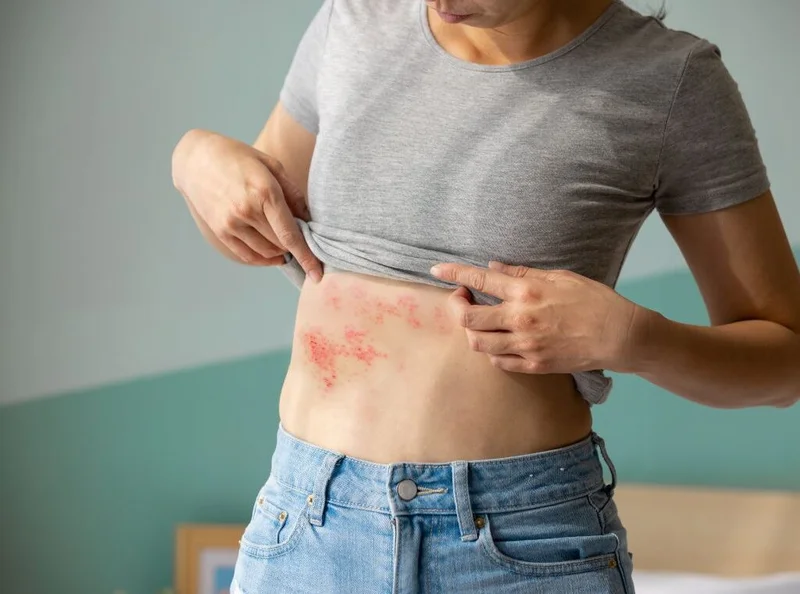
Visarpa Chikitsa is the systematic Ayurvedic therapeutic protocol for managing Visarpa — a group of rapidly spreading inflammatory skin conditions characterized by burning pain, discoloration, vesicular eruptions, and systemic toxicity. Described extensively in Charaka Samhita (Chikitsa Sthana Chapter 21), Sushruta Samhita, and Ashtanga Hridaya, this treatment combines Shodhana (purification), Shamana (pacification), Raktamokshana (bloodletting), and targeted external applications to halt the pathological spread and restore tissue integrity. In modern clinical correlation, Visarpa closely corresponds to Herpes zoster, Erysipelas, cellulitis, and other spreading dermatological infections — conditions with an incidence of 2–6 per 1,000 population in India, predominantly affecting the 20–50 age group.
This guide covers everything: from classical definitions and all seven (plus one) types of Visarpa, to a step-by-step clinical treatment algorithm, Dravyaguna analysis of key formulations, Pathya-Apathya guidelines, and Rasayana protocols for preventing recurrence. Whether you're a BAMS student preparing for exams or a practitioner seeking a consolidated clinical reference, this article fills gaps that no single competitor resource currently addresses.
What Is Visarpa in Ayurveda? Definition, Etymology, and Core Concept
- The term Visarpa derives from the Sanskrit roots Vi (in various directions) + Sarpa (to spread or creep).
- The name itself encodes the defining clinical feature: a pathological process that spreads relentlessly across tissues. The synonym Parisarpa (spreading all around) reinforces this characteristic.
- Acharya Charaka introduces Visarpa in the context of a profound dialogue between Agnivesha and Lord Atreya at Mount Kailasa.
- This literary framing — often overlooked — is significant because it places Visarpa among conditions requiring the highest level of clinical understanding and urgent intervention.
The 7 Pathogenic Factors (Sapta Dravya Sangraha)
Visarpa involves the vitiation of seven elements simultaneously:
| Factor | Role in Pathogenesis |
|---|---|
| Rakta (Blood) | Primary Dushya; carries vitiated Doshas to skin |
| Lasika (Lymph/Plasma) | Contributes to vesicle formation and oozing |
| Tvak (Skin) | Site of primary manifestation |
| Mamsa (Muscle tissue) | Deep tissue involvement in severe types |
| Vata | Drives spreading pattern and pain |
| Pitta | Causes burning, inflammation, discoloration |
| Kapha | Produces heaviness, induration, slimyness |
Visarpa vs. Kushtha – Why the Same 7 Dravyas Produce Different Diseases
- A frequently asked question — and an important differential diagnostic point. Both Visarpa and Kushtha (chronic skin diseases) share the same seven pathogenic factors.
- The critical difference lies in Samprapti (pathogenesis): in Kushtha, the Doshas become deeply seated (Gambhira) in Dhatus and produce chronic, localized lesions. In Visarpa, the Doshas are in an acute, mobile (Sara) state and spread rapidly through Rakta and Lasika channels. This is why Visarpa presents as an acute, spreading emergency while Kushtha follows a chronic, relatively stable course.
Connection to Suppressed Vomiting (Chhardi Vega Dharana)
Charaka specifically mentions that suppression of the urge to vomit (Chhardi Vega Dharana) causes Rakta Dushti, which can directly trigger Visarpa. This explains the sequential placement of the Visarpa chapter after the Chhardi Chikitsa chapter in Charaka Samhita — a purposeful arrangement reflecting cause-and-effect clinical logic.
Classification of Visarpa – All 7+1 Types Across Samhitas
Charaka Samhita classifies Visarpa into seven primary types based on Dosha predominance. Sushruta Samhita adds an important eighth type. No single competitor provides a comprehensive cross-Samhita comparison, so here it is:
| Type | Dosha | Charaka | Sushruta | Ashtanga Hridaya | Key Features |
|---|---|---|---|---|---|
| Vataja | Vata | ✅ | ✅ | ✅ | Blackish discoloration, severe pain, dryness, cracking |
| Pittaja (Paittika) | Pitta | ✅ | ✅ | ✅ | Red/yellow vesicles, intense burning, fever, suppuration |
| Kaphaja | Kapha | ✅ | ✅ | ✅ | White/pale lesions, itching, heaviness, mild pain, oozing |
| Sannipatika | Tridosha | ✅ | ✅ | ✅ | Mixed features of all three; most dangerous |
| Agni Visarpa | Vata-Pitta | ✅ | ✅ | ✅ | Fire-like burning, rapid spread, deep tissue destruction |
| Kardama Visarpa | Pitta-Kapha | ✅ | ✅ | ✅ | Muddy discharge, slimy vesicles, moderate burning |
| Granthi Visarpa | Kapha-Vata | ✅ | ✅ | ✅ | Nodular, hard swellings, cold to touch, chronic course |
| Kshataja Visarpa | Traumatic | ❌ | ✅ | Partial | Post-wound infection, secondary spread from injury site |
Classification by Localization and Prognosis
| Localization | Sanskrit Term | Clinical Picture | Prognosis |
|---|---|---|---|
| External (skin/muscle) | Bahih-shrita | Visible eruptions, accessible for treatment | Sadhya (Curable) |
| Internal (organs) | Antah-shrita | Systemic toxicity, visceral involvement | Asadhya (Incurable/Difficult) |
| Both | Ubhaya-samshrita | Combined features | Yapya (Manageable, not fully curable) |
This localization-based classification is clinically vital. An Ayurvedic practitioner must assess whether the Visarpa is predominantly external (favorable) or internal (requires aggressive intervention and often integrated care).
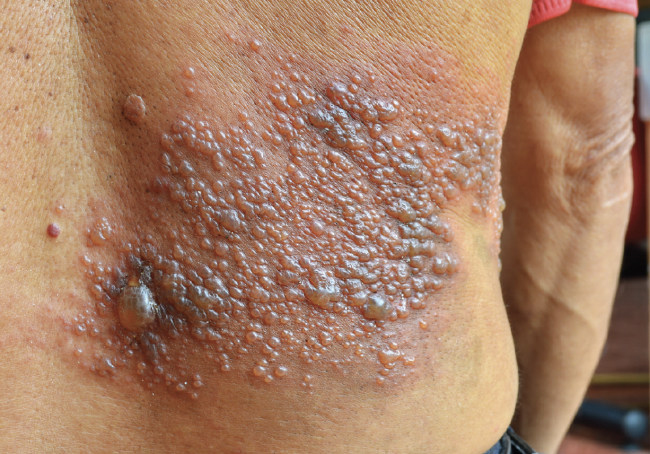
Nidana (Causes) and Samprapti (Pathogenesis) of Visarpa
Dietary Causes (Aharaja Nidana)
- Excessive intake of Katu (pungent), Amla (sour), and Lavana (salty) Rasa
- Vidahi Ahara (food causing burning sensation)
- Incompatible food combinations (Viruddha Ahara) — e.g., fish with milk
- Excessive consumption of Madya (alcohol)
- Intake of Kshara (alkaline substances) in excess
- Eating before previous meal is digested (Adhyashana)
Behavioral Causes (Viharaja Nidana)
- Suppression of natural urges, especially vomiting (Chhardi Vega Dharana)
- Excessive physical exertion in hot weather
- Prolonged sun exposure or fire exposure (Atapa/Agni Sevana)
- Application of irritant substances on skin
- Trauma and wound infection (especially for Kshataja type)
External Causes
- Insect bites and poisonous contact
- Improper wound management
- Exposure to contaminated environments
Samprapti (Pathogenesis) Flowchart
Nidana Sevana → Dosha Prakopa (especially Pitta and Rakta) → Dosha-Dushya Sammurchhana in Rakta, Lasika, Tvak, Mamsa → Sthana Samshraya in skin and subcutaneous tissues → Vyakti as rapidly spreading eruptions with burning, pain, vesicles → Bheda into specific types based on predominant Dosha
The speed of spread is what makes Visarpa clinically urgent. Unlike Kushtha where the pathology is relatively contained, Visarpa's hallmark is relentless, directionally variable extension.
How Do You Treat Visarpa? Complete Chikitsa Sutra (Line of Treatment)
The treatment of Visarpa follows a structured, phased approach. This is the clinical decision framework that no competitor has presented as a complete algorithm.
Phase 1: Emergency Stabilization (Atyayika Chikitsa)
Langhana (therapeutic fasting) is the first intervention in almost all types of Visarpa. This reduces Ama, lightens the body, and halts the fuel supply to the spreading pathology.
Sadyo Virechana (emergency purgation) is indicated when Pitta and Rakta vitiation is severe.
A clinically documented protocol from published case studies:
- Avipattikara Churna — 50 g
- Honey — 20 ml
- Triphala Kwatha — 50 ml
This combination is administered immediately to flush Pitta through Adhomarga (downward route).
Phase 2: Shodhana (Purification Therapy)
| Procedure | Indication | Dosha Target |
|---|---|---|
| Vamana (therapeutic emesis) | Kaphaja Visarpa, Kardama Visarpa | Kapha predominance |
| Virechana (purgation) | Pittaja Visarpa, Agni Visarpa | Pitta-Rakta predominance |
| Raktamokshana (bloodletting) | All types except Vataja (with caution) | Rakta Dushti |
| Basti (medicated enema) | Vataja Visarpa, Granthi Visarpa | Vata predominance |
Raktamokshana – The Key Procedure in Visarpa Chikitsa
Raktamokshana deserves special emphasis. Acharya Charaka explicitly identifies it as one of the most important interventions for Visarpa because the disease fundamentally involves Rakta Dushti.
Methods include:
- Jalaukavacharana (leech therapy) — preferred for Pitta-predominant types; leeches simultaneously extract vitiated blood and inject anti-inflammatory, anticoagulant substances
- Pracchana (scarification) — for localized, indurated lesions
- Siravyadha (venepuncture) — for systemic Rakta Dushti with widespread involvement
Phase 3: Shamana Aushadhi (Internal Medications)
Herbal Formulations with Dravyaguna Analysis
No competitor provides a detailed pharmacological breakdown of the key medicines used in Visarpa. Here is a Dravyaguna-informed analysis of the most important formulations:
| Formulation | Key Ingredients | Rasa/Guna/Virya/Vipaka | Mechanism in Visarpa |
|---|---|---|---|
| Mahatiktaka Ghrita | Nimba, Patola, Katuka, Guduchi | Tikta Rasa, Sheeta Virya | Pitta-Shamana, Rakta Prasadana, Tvak Doshahara |
| Kaishora Guggulu | Guduchi, Triphala, Guggulu | Tikta-Kashaya, Ushna Virya | Ama Pachana, Shotha-hara, Rakta Shodhana |
| Panchatiktaka Ghrita | Nimba, Guduchi, Vasa, Patola, Kantakari | Tikta Rasa, Sheeta Virya | Deep tissue Pitta-Shamana through Ghrita vehicle |
| Manjishtadi Kwatha | Manjishtha, Triphala, Musta | Tikta-Kashaya, Sheeta Virya | Rakta Shodhana, Kushthaghna |
| Guduchyadi Kwatha | Guduchi, Nimba, Dhanyaka | Tikta Rasa, Sheeta Virya | Jwaraghna, Dahaprashaman |
Rasaushadhi and Bhasma Preparations
This is a significant gap in competitor content. Mineral-based preparations play an important role, especially in severe or refractory Visarpa:
| Preparation | Dosage | Anupana | Indication |
|---|---|---|---|
| Kamadugha Rasa | 125–250 mg twice daily | Praval Pishti or milk | Pitta-predominant Visarpa with intense burning |
| Praval Pishti | 250–500 mg twice daily | Honey or Gulkand | Daha (burning), Raktapitta |
| Giloy Satva | 500 mg–1 g twice daily | Honey | Immunomodulation, Jwara, Daha |
| Gandhaka Rasayana | 250 mg twice daily | Milk | Tvak Vikara, antimicrobial action |
| Suvarna Sutshekhar Rasa | 125 mg once daily | Honey | Severe Pitta vitiation, systemic toxicity |
Note: Rasaushadhi should only be prescribed by qualified practitioners after proper assessment. Self-medication with Bhasma preparations carries risks of heavy metal toxicity.
Phase 4: External Applications (Bahya Chikitsa)
Three categories of external applications are described:
| Type | Characteristics | Indication |
|---|---|---|
| Pralepa | Thin paste, applied cold, removed when dry | Acute Pitta-predominant stages with burning |
| Pradeha | Thick paste, applied warm, left overnight | Kapha/Vata-predominant, chronic stages |
| Alepa | Medium consistency, room temperature | General application for moderate symptoms |
Key external formulations:
- Chandanadi Lepa — Chandana, Ushira, Madhuka in rose water — for Pitta Visarpa
- Dashanga Lepa — classical anti-inflammatory paste for all types
- Nimba Patra Lepa — fresh Neem leaf paste — broad-spectrum antimicrobial
- Shatadhuta Ghrita — ghee washed 100 times — exceptional for burn-like lesions and Agni Visarpa
Step-by-Step Clinical Decision Algorithm for Visarpa Treatment
This is the practical decision tree that practitioners need but no existing resource provides:
Step 1: Confirm Visarpa diagnosis (spreading pattern, burning, vesicles, pain) and rule out Kushtha (chronic, localized) Step 2: Classify the type based on Dosha Lakshana and determine localization (Bahih-shrita / Antah-shrita / Ubhaya) Step 3: Assess prognosis — If Antah-shrita Sannipatika with Upadravas → consider integrated care with modern medicine Step 4: Initiate Langhana immediately for all types Step 5: Based on type:
- Pittaja/Agni Visarpa → Sadyo Virechana → Raktamokshana (Jalauka) → Mahatiktaka Ghrita + Kamadugha Rasa internally → Chandanadi Pralepa externally
- Kaphaja/Kardama Visarpa → Vamana (if Bala permits) → Tikta-Katu Kashaya internally → Nimba/Dashanga Pradeha externally
- Vataja/Granthi Visarpa → Snehana (cautiously) → Basti → Guggulu preparations internally → Warm Pradeha externally
- Sannipatika Visarpa → Treat predominant Dosha first, then sequential management; consider all Shodhana procedures
Step 6: Continue Shamana Aushadhi for 4–8 weeks depending on severity Step 7: Transition to Rasayana phase for recurrence prevention
Don't wait or self medicate. Start chat with Doctor NOW
Pathya-Apathya: Diet and Lifestyle Guidelines for Each Type
Another major gap in existing literature.
Here are structured dietary recommendations:
Pathya (Recommended)
| Category | Specific Items | Rationale |
|---|---|---|
| Grains | Old rice (Purana Shali), barley (Yava), green gram (Mudga) | Light, easy to digest, Pitta-Shamaka |
| Vegetables | Patola (pointed gourd), Karavellaka (bitter gourd), Tanduliyaka (Amaranthus) | Tikta Rasa, Pitta-hara |
| Fruits | Amalaki, Dadima (pomegranate), Draksha (grapes) | Cooling, Rakta Prasadana |
| Liquids | Medicated water with Musta/Chandana, coconut water, Takra (buttermilk) | Hydrating, Sheeta, Deepana |
| Ghrita | Tikta Ghrita (bitter ghee preparations) | Vehicle for Pitta-Shamana drugs |
Apathya (Prohibited)
| Category | Specific Items | Reason |
|---|---|---|
| Tastes | Excessive sour, salty, pungent foods | Directly aggravate Pitta and Rakta |
| Foods | Sesame, Urad dal, curd (especially at night), fermented foods | Pitta and Kapha Vardhaka |
| Substances | Alcohol, tobacco, excessive spices | Raktadushti Kara |
| Activities | Sun exposure, vigorous exercise, hot baths, suppressing natural urges | Pitta Prakopa |
| Topical | Harsh soaps, chemical cosmetics, tight clothing on affected areas | Local irritation, impedes healing |
For Vataja Visarpa specifically, some modification is needed: warm, unctuous foods are acceptable, and cold foods should be avoided — the exact opposite of Pittaja recommendations. This type-specific dietary nuance is critical for clinical success.
Visarpa in Modern Clinical Correlation and Differential Diagnosis
Primary Modern Correlates
| Visarpa Type | Modern Condition | Key Overlapping Features |
|---|---|---|
| Pittaja Visarpa | Herpes Zoster (Shingles) | Vesicular eruptions along dermatomes, intense burning, neuralgia |
| Agni Visarpa | Erysipelas | Sharply demarcated, fiery red spreading inflammation |
| Kaphaja Visarpa | Cellulitis | Diffuse swelling, heaviness, mild pain, induration |
| Granthi Visarpa | Granulomatous infections | Nodular swellings, chronic course |
| Kshataja Visarpa | Post-traumatic wound infection | Secondary spread from wound site |
Extended Differential Diagnosis
No competitor addresses this comprehensively.
A practitioner must differentiate Visarpa from:
- Necrotizing fasciitis — Antah-shrita Sannipatika Visarpa most closely resembles this surgical emergency. If crepitus, rapid systemic deterioration, or blackish discoloration of deep tissues is present, immediate modern surgical intervention is mandatory.
- Contact dermatitis — Unlike Visarpa, contact dermatitis has a clear allergen exposure history and does not spread beyond the contact zone.
- Bullous impetigo — Superficial, non-spreading blisters primarily in children; responds to topical antibiotics.
- Herpes simplex — Recurrent, localized clusters; does not spread in the unidirectional "creeping" pattern of Visarpa.
Epidemiological Context
Herpes zoster, the closest modern correlate to Pittaja Visarpa, affects approximately 2–6 per 1,000 individuals annually in India. The condition shows peak incidence in the 20–50 age group and has a significant post-herpetic neuralgia complication rate of 10–18% in patients over 50. Ayurvedic intervention, particularly Raktamokshana and Tikta Ghrita preparations, has shown promising results in published case studies for both acute symptom management and prevention of post-herpetic neuralgia.
Upadrava (Complications), Prognosis, and Contraindications
Common Complications
- Jwara (fever) — systemic inflammatory response
- Atisara (diarrhea) — Pitta overflow into GI tract
- Aruchi (anorexia) — Agni Mandya from toxin load
- Trishna (excessive thirst) — Pitta-Rakta vitiation
- Chardi (vomiting) — especially in Antah-shrita Visarpa
- Moha/Murcha (confusion/fainting) — severe systemic toxicity
Prognosis Criteria
| Category | Features | Outcome |
|---|---|---|
| Sadhya (Curable) | Bahih-shrita, single Dosha, early stage, good Bala | Full recovery expected |
| Yapya (Manageable) | Ubhaya-samshrita, Dwandvaja, moderate Upadravas | Controllable with ongoing treatment |
| Asadhya (Incurable) | Antah-shrita, Sannipatika, multiple Upadravas, Alpa Bala | Poor prognosis; palliative care |
Contraindications in Visarpa Treatment
This is rarely compiled separately, but it's essential for safe practice:
- Snehana (oleation) is contraindicated in acute Pitta-predominant and Agni Visarpa — it can aggravate the condition dramatically
- Swedana (sudation) is generally contraindicated in Pittaja types
- Hot Lepa application is contraindicated in Pitta/Agni Visarpa
- Raktamokshana should be done with extreme caution in Vataja Visarpa and is contraindicated in patients with Pandu (anemia) or Alpa Rakta
- Vamana is contraindicated in debilitated patients and those with Antah-shrita Visarpa with active bleeding
Rasayana Therapy and Prevention of Recurrence
- This is perhaps the most important clinical gap that existing resources fail to address. Visarpa, especially when correlated with Herpes zoster, has a notorious tendency for recurrence.
- Post-acute Rasayana therapy serves dual purposes: immune reconstitution and tissue repair.
Recommended Rasayana Protocol (Post-Acute Phase)
| Stage | Duration | Intervention |
|---|---|---|
| Weeks 1–2 post-acute | Transition period | Guduchi Satva 500 mg BD + Amalaki Churna 3 g BD |
| Weeks 3–8 | Active Rasayana | Chyawanprash 10 g BD (if no Madhumeha) + Ashwagandha Churna 3 g HS with milk |
| Months 3–6 | Maintenance | Brahma Rasayana or Amalaki Rasayana seasonally |
Lifestyle Modifications for Long-Term Prevention
- Maintain regular Ritucharya (seasonal regimen) — especially during Sharad Ritu when Pitta naturally aggravates
- Practice Dinacharya — Abhyanga with cooling oils (Chandanadi Taila) during summer
- Avoid chronic stress — a well-documented trigger for Herpes zoster reactivation and, in Ayurvedic terms, a cause of Ojas Kshaya
- Annual Panchakarma — at minimum, Virechana during Sharad season for individuals with Pitta Prakriti or history of Visarpa
Frequently Asked Questions
What are the 10 Visha Gunas and how do they relate to Visarpa?
The 10 Visha (poison) Gunas described in Ayurveda are: Laghu, Ruksha, Ashukari, Vishada, Vyavayi, Tikshna, Vikasi, Sukshma, Ushna, and Anirdeshya Rasa. While Visarpa is not classified as a Visha condition per se, several of these Gunas — particularly Ashukari (fast-acting), Tikshna (penetrating), Vyavayi (pervading), and Ushna (hot) — mirror the clinical behavior of Visarpa's spreading pattern. This parallel helps explain why some Agada (toxicology) principles are applied in Agni Visarpa management.
What is Kayakalpa treatment and is it related to Visarpa Chikitsa?
Kayakalpa is a Rasayana-based rejuvenation therapy aimed at total body transformation. While not directly a Visarpa treatment, Kayakalpa principles apply in the post-recovery phase. After the acute Visarpa episode resolves, Kayakalpa-style Rasayana therapy (particularly Kutipraveshika method with Brahma Rasayana or Chyawanprash) can help restore Ojas, rebuild Dhatu integrity, and prevent recurrence.
How is Visarpa Chikitsa described in Ashtanga Hridaya?
Ashtanga Hridaya (Chikitsa Sthana Chapter 18) largely concurs with Charaka's classification of seven types but provides more concise treatment protocols. Vagbhata emphasizes Tikta Rasa Dravyas and gives particular importance to Ghrita preparations. The Ashtanga Hridaya description is more clinically structured and less elaborate on Nidana compared to Charaka Samhita.
What Visarpa Chikitsa Shlokas are most important for clinical reference?
- The foundational shloka is from Charaka Samhita, Chikitsa Sthana 21: "Visarpah Sarva Dosheshu Raktam Dushyam Pradhanyatah" — establishing Rakta as the primary Dushya.
- For treatment, the key principle: "Langhana Paachana Purva Shodhana Shamana Uttaram" — Langhana and Pachana first, then Shodhana, then Shamana. These two shlokas essentially encode the entire treatment strategy.
Can Visarpa be treated at home or does it require clinical supervision?
Mild Bahih-shrita Visarpa (single Dosha, small area, no systemic symptoms) can be managed with home remedies like Neem leaf paste application, Tikta Kwatha internally, and dietary modification. However, any Visarpa showing rapid spread, fever, severe pain, or vesicle formation requires immediate clinical supervision. Agni Visarpa and Sannipatika Visarpa are medical emergencies in the Ayurvedic context and must never be treated at home.
Conclusion: Integrating Classical Wisdom with Modern Practice
Visarpa Chikitsa represents one of Ayurveda's most sophisticated acute-care protocols — a systematic approach that addresses not just symptoms but the fundamental Dosha-Dushya imbalance driving the disease. The treatment hierarchy of Langhana → Shodhana → Shamana → Rasayana provides a logical, phased framework that modern practitioners can apply with confidence.
The key takeaway for clinical practice: classify accurately, act quickly, and don't skip the Rasayana phase. Most treatment failures in Visarpa management stem from either misclassification (applying Pitta treatment to Vataja Visarpa) or premature termination of therapy before tissue-level healing is complete.
If you're dealing with a spreading skin condition — whether as a patient seeking Ayurvedic care or a practitioner managing a complex case — the principles outlined here provide a comprehensive roadmap. Consult a qualified Ayurvedic physician for personalized assessment, and consider integrating modern diagnostic tools (especially to rule out necrotizing fasciitis and other surgical emergencies) alongside classical Ayurvedic management for the best patient outcomes.
Scientific Sources
- Can Guduchi (Tinospora cordifolia), a well-known ayurvedic hepato-protectant cause liver damage? — Panneer Selvam K et al., 2023, Journal of Ayurveda and integrative medicine
- Medicinal and Beneficial Health Applications of Tinospora cordifolia (Guduchi): A Miraculous Herb Countering Various Diseases/Disorders and its Immunomodulatory Effects — Dhama K et al., 2017, Recent patents on endocrine, metabolic & immune drug discovery
- Humoral immune and adjuvant responses of mucosally-administered Tinospora cordifolia immunomodulatory protein in BALB/c mice — Aranha I et al., 2020, Journal of Ayurveda and integrative medicine
- Indian Ayurvedic medicine: Overview and application to brain cancer — Newton HB, 2024, Journal of Ayurveda and integrative medicine
- Using Guduchi (Tinospora cordifolia) as an eco-friendly feed supplement in human and poultry nutrition — Saeed M et al., 2020, Poultry science
- Rosemary and neem: an insight into their combined anti-dandruff and anti-hair loss efficacy — Hashem MM et al., 2024, Scientific reports
- Bangladeshi medicinal plant dataset — Borkatulla B et al., 2023, Data in brief
- Phytotherapy in periodontics as an effective and sustainable supplemental treatment: a narrative review — Gawish AS et al., 2024, Journal of periodontal & implant science
- Formulation and Evaluation of Turmeric- and Neem-Based Topical Nanoemulgel against Microbial Infection — Giri S et al., 2024, Gels (Basel, Switzerland)
- Medicinal plants with traditional use: Ethnobotany in the Indian subcontinent — Rupani R et al., 2018, Clinics in dermatology
- Modulatory Effects of Triphala and Manjistha Dietary Supplementation on Human Gut Microbiota: A Double-Blind, Randomized, Placebo-Controlled Pilot Study — Peterson CT et al., 2020, Journal of alternative and complementary medicine (New York, N.Y.)
- Ameliorative effect of methanol extract of Rubia cordifolia in N-nitrosodiethylamine-induced hepatocellular carcinoma — Shilpa PN et al., 2012, Pharmaceutical biology
- Ulcerative colitis: molecular insights and intervention therapy — Liang Y et al., 2024, Molecular biomedicine
- Turmeric and Curcumin: From Traditional to Modern Medicine — Akaberi M et al., 2021, Advances in experimental medicine and biology
- Curcumin (Turmeric) and cancer — Unlu A et al., 2016, Journal of B.U.ON. : official journal of the Balkan Union of Oncology
- The Essential Medicinal Chemistry of Curcumin — Nelson KM et al., 2017, Journal of medicinal chemistry
- Neuroprotective Herbs for the Management of Alzheimer's Disease — Gregory J et al., 2021, Biomolecules
- Polycystic ovaries and herbal remedies: A systematic review — Manouchehri A et al., 2023, JBRA assisted reproduction
- Aloe Vera Gel and Rind-Derived Nanoparticles Mitigate Skin Photoaging via Activation of Nrf2/ARE Pathway — Sun Z et al., 2025, International journal of nanomedicine
- Aloe Vera — 2012
- Aloe-emodin: A review of its pharmacology, toxicity, and pharmacokinetics — Dong X et al., 2020, Phytotherapy research : PTR
- Is it safe to consume traditional medicinal plants during pregnancy? — Bernstein N et al., 2021, Phytotherapy research : PTR
Questions from users
What lifestyle changes can enhance the effectiveness of Visarpa Chikitsa for skin health?
Stella
5 days ago
To enhance Visarpa Chikitsa's effectiveness, try adopting a routine that supports your dosha balance, like going to bed and waking up early, staying hydrated, and managing stress with yoga or meditation. Avoid spicy and oily foods which may aggravate skin issues. Gentle exercise, like walking or yoga, can also aid the healing process!
What type of skin issues can Guduchi help with in Visarpa Chikitsa?
Presley
14 days ago
Guduchi, in the context of Visarpa Chikitsa, is fantastic for dealing with skin issues like eruptions, inflammation, and detoxifying the skin. It primarily helps balance aggravated Pitta and Kapha doshas, which are often at root of skin problems. Not only it boosts immunity, it also aids in detoxifying efforts, so skin heals better and quicker.
What is the best way to prepare for a consultation about Visarpa Chikitsa?
Anna
23 days ago
Before a Visarpa Chikitsa consultation, it's good to note down any symptoms you're experiencing and your dietary habits. Think about your lifestyle, stress levels, and any past treatments. Having this info will help the ayurvedic practitioner assess your dosha imbalances better and recommend the most personalized approach!
Can I continue my regular exercise routine while undergoing Visarpa Chikitsa treatments?
Presley
32 days ago
It's strongly recommended to avoid intense exercise during Visarpa Chikitsa. This treatment aims to balance your doshas and improve your body's healing capacity, so it's better to focus on gentle activities like yoga or walking for now. If you're uncertain about what you can do, consulting with your practitioner would be the best step.
Is it safe to use over-the-counter products while undergoing Visarpa Chikitsa treatments?
Oakley
42 days ago
Yeah, combining over-the-counter products during Visarpa Chikitsa can be tricky and might interfere with the detoxification process. The focus here is on balancing Pitta and Kapha doshas and clearing out ama (toxins). I'd recommend checking with an Ayurvedic practitioner who can consider your specific needs before adding anything to your treatment.
What is the history and origin of Visarpa Chikitsa in Ayurvedic medicine?
Xanthe
52 days ago
Visarpa Chikitsa has its roots in ancient Ayurvedic texts like Charaka Samhita and Sushruta Samhita, which date back over 2,000 years. It was developed to treat spreading skin conditions by balancing doshas and purifying the body. Ancient healers focused on restoring harmony in the body, using plants' potent healing properties. Fascinating, right?
Can I combine Visarpa Chikitsa with other treatments for my skin condition?
Madison
61 days ago
Definitely, you can combine Visarpa Chikitsa with other treatments, but it's important to be cautious! Work closely with a qualified Ayurvedic practitioner who understands both your specific condition and any other treatments you're considering. They can ensure the therapies complement each other and don't cause an imbalance in your doshas or agni.
What is the process of preparing herbal formulations for Visarpa Chikitsa at home?
Christian
71 days ago
Preparing herbal formulations for Visarpa Chikitsa at home is not straightforward, as each preparation must be personalized based on the individual's dosha balance, digestive fire, and the severity of symptoms. Generally, you'd begin by gathering the key herbs like Guduchi, Neem, Manjistha, Turmeric, and Aloe Vera. You can prepare decoctions or pastes - like boiling the herbs in water for the decoction, or grinding them into a paste with water or aloe gel. Just keep in mind, it's always good to consult a practitioner for guidance tailored to your specific needs.
What is the role of detoxification methods in Visarpa Chikitsa treatments?
Hailey
81 days ago
Detoxification methods in Visarpa Chikitsa are essential to cleanse the body and restore doshic balance, especially by purifying the blood. This helps to reduce systemic inflammation and clear skin issues. They focus on removing toxins, supporting the digestive fire (agni), and rejuvenating the body's tissues (dhatus). If you're thinking about this treatment, look for a certified Ayurvedic practitioner for personalized guidance.
What non-herbal lifestyle changes can support the effectiveness of Visarpa Chikitsa treatments?
Tanner
159 days ago
Balancing your daily routine, including better sleep and stress management, can support visarpa chikitsa's effects. Try eating meals at regular times to strengthen your agni (digestive fire) and maintain warm, cooked foods which are easier to digest. Avoiding cold drinks and processed foods can also help balance Pitta and Kapha. These small changes can go a long way.
Related articles
Skin and Hair Disorders
Corn Treatment in Ayurveda: Natural Remedies for Smooth and Healthy Skin
Learn about Ayurvedic treatments for corns, focusing on natural remedies to remove and prevent corns, soothe discomfort, and promote skin health.
5,929
Skin and Hair Disorders
Maha Manjishtadi Kashayam – Ayurvedic Decoction for Blood Purification & Skin Health
Discover Maha Manjishtadi Kashayam, an ancient Ayurvedic herbal decoction renowned for its blood purification, skin healing, and dosha balancing properties. Enhance overall wellness naturally.
2,544

Skin and Hair Disorders
How to Rejuvenate Skin Naturally: Ayurvedic Guide for a Healthy Glow
How to rejuvenate skin naturally? Discover Ayurvedic treatment for skin rejuvenation, how to rejuvenate skin overnight, at home, and restore glow on your face
2,159

Skin and Hair Disorders
How to Prevent Hair Whitening?
Learn how to prevent hair whitening naturally with Ayurvedic tips. Discover causes, white hair treatments, and effective solutions for early greying problems
2,642
Skin and Hair Disorders
Dushta Vrana – Ayurvedic Management of Chronic & Infected Wounds
Explore the benefits and uses of Dushta Vrana management in Ayurveda, a natural approach to healing chronic wounds, promoting detoxification, balancing doshas, and encouraging tissue regeneration.
2,807
Skin and Hair Disorders
Bhrajaka Pitta – Ayurvedic Insights on Skin Radiance and Health
Discover Bhrajaka Pitta, the Ayurvedic principle governing skin radiance, complexion, and hair. Learn how to balance Bhrajaka Pitta for healthy, glowing skin and overall well-being.
3,556

Skin and Hair Disorders
Gandhak Rasayan Tablet Uses: Benefits, Dosage, and Ingredients
Discover Gandhak Rasayan tablet uses, dosage, and ingredients. Learn how this Ayurvedic remedy supports skin health, detox, and immune balance
5,108

Skin and Hair Disorders
Patanjali Tejus Tailum
Exploration of Patanjali Tejus Tailum
2,860

Skin and Hair Disorders
How to Apply Aloe Vera on Hair: Ayurvedic Benefits, Methods, and Results
How to apply aloe vera on hair? Discover how to use aloe vera for dandruff, learn its overnight benefits, side effects, and how long to leave it on
14,697

Skin and Hair Disorders
Gandhak Malhar: Aromatic Ayurvedic Remedy for Balance and Clarity
Discover Gandhak Malhar, a time-tested Ayurvedic formula known for purifying the body and promoting mental clarity. Embrace the natural benefits of this aromatic remedy.
2,726
Related questions on the topic
Legal
Additional Documents
© 2024 Ask Ayurveda. All rights reserved.