Ask Ayurvedic doctor a question and get a consultation online on the problem of your concern in a free or paid mode. More than 2,000 experienced doctors work and wait for your questions on our site and help users to solve their health problems every day.
FREE! Ask Ayurvedic Doctors 24/7

 Fast responses
 1000+ verified doctors
Body DetoxEar, Nose, and Throat DisordersGeriatrics & RejuvenationImmunodeficiencyInfertility TreatmentNutritionOrthopedic DisordersPediatricsRespiratory DisordersSexually Transmitted Diseases (STDs)Surgery RecoveryUrological DisordersVascular DisordersDental DisordersEndocrinological DisordersGastrointestinal DisordersYoga TherapyGeneral MedicineAllergic DisordersCardio DisordersGynecology and ObstetricsCosmetologySkin and Hair DisordersEye DisordersInfectious DiseasesMental DisordersNeurological DisordersOncologyPanchakarmaSexual Health & DisordersSports Medicine
Published on 02/28/25
(Updated on 06/18/26)
3,560
Bhrajaka Pitta – Ayurvedic Insights on Skin Radiance and Health
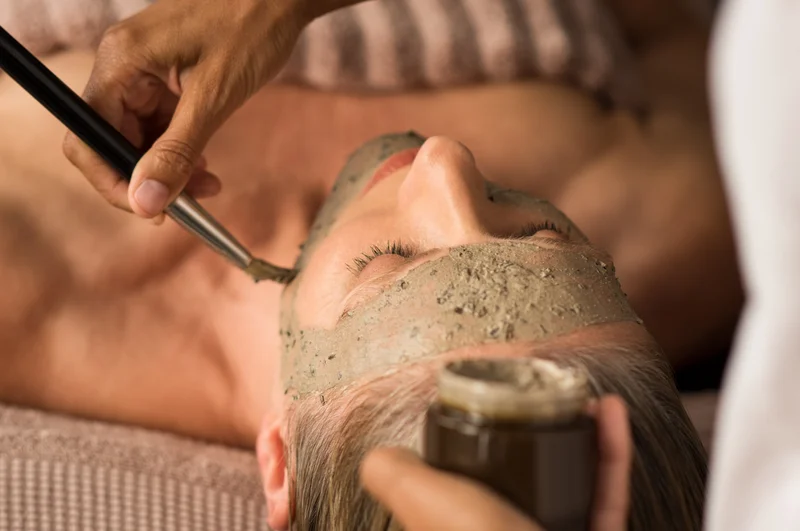
Bhrajaka Pitta is the subtype of Pitta dosha that resides in the skin and governs complexion, luster, temperature regulation, and the absorption of topically applied medicines. The word "Bhrajaka" derives from the Sanskrit root "Bhraj," meaning "to shine" or "to illuminate," which directly points to its primary function — making the skin radiant and vibrant. Among the five subtypes of Pitta described in classical Ayurvedic texts like Charaka Samhita and Ashtanga Hridaya, Bhrajaka Pitta holds a unique position because it is the only subtype that operates at the body's outermost boundary, serving as both a protective barrier and a gateway for transdermal therapy.
- Understanding Bhrajaka Pitta isn't just academic. Whether you're dealing with stubborn acne, unexplained skin dullness, psoriasis, or premature aging, an imbalance in this sub-dosha is often at the root.
- This guide covers everything — from its classical definition and Sanskrit shlokas to the seven layers of skin where it operates, its relationship with other Pitta subtypes, season-specific care routines, diagnostic methods, and clinically backed treatment strategies.
What Is Bhrajaka Pitta and How Does It Affect the Skin?
Bhrajaka Pitta is one of the five functional divisions of Pitta dosha in Ayurveda. While Pachaka Pitta governs digestion in the stomach, Ranjaka Pitta handles blood formation in the liver, Sadhaka Pitta manages emotions in the heart, and Alochaka Pitta controls vision in the eyes — Bhrajaka Pitta is specifically seated in the skin (Twak).
Bhrajaka Pitta Meaning and Etymology
- The term comes from the Sanskrit dhatu (root) "Bhraj," which translates to "to shine," "to glow," or "to make lustrous." Acharya Sushruta describes it as the Pitta that imparts Prabha (radiance) and Chaya (complexion/hue) to the skin.
- An important classical concept: Bhrajaka Pitta is sometimes interchangeably referred to as Bhrajaka Agni, since in Ayurveda, Pitta itself is considered a form of Agni (metabolic fire) operating within tissues.
Bhrajaka Pitta Shloka (Classical Reference)
The key reference from Ashtanga Hridaya (Sutrasthana 12/14-15) states:
> "Bhrajakam twagatam pittam, lepadi vyaktakarananam"
This shloka establishes that Bhrajaka Pitta, located in the skin, is responsible for manifesting the effects of external applications like Lepa (pastes), Abhyanga (oil massage), and Parisheka (liquid pouring therapies). It processes and transforms whatever is applied on the skin surface and carries its therapeutic properties into deeper tissues.
Bhrajaka Pitta Location
The primary seat is Twak (skin). But this isn't a vague assignment. Ayurveda describes seven distinct layers of skin, and Bhrajaka Pitta's dominance is most concentrated in specific layers, which we'll explore in detail below.
The Seven Layers of Skin (Saptaka Twak) and Bhrajaka Pitta's Domain
No competitor has adequately covered this crucial topic. Sushruta Samhita describes seven layers of skin, each with distinct characteristics and disease associations. Understanding where Bhrajaka Pitta predominantly functions helps explain why certain skin conditions arise and how topical treatments penetrate.
| Layer No. | Sanskrit Name | Approximate Correlation | Key Disease Association | Bhrajaka Pitta Relevance |
|---|---|---|---|---|
| 1 | Avabhasini | Epidermis (stratum corneum) | Sidma (pityriasis), Padmakantaka | Primary layer of Prabha (glow); first contact point for Bhrajaka Pitta |
| 2 | Lohita | Stratum lucidum | Tilakalaka (moles), Nyaccha | Manifests Varna (color); Bhrajaka Pitta governs pigmentation here |
| 3 | Shweta | Stratum granulosum | Charmadala, Ajagallika | Supports Bhrajaka Pitta's absorptive function |
| 4 | Tamra | Stratum spinosum/malpighii | Kilasa, Kushtha | Deep Bhrajaka Pitta imbalance causes Kushtha (skin diseases) |
| 5 | Vedini | Stratum basale | Kushtha, Visarpa (herpes) | Sensory regulation linked to Bhrajaka Pitta |
| 6 | Rohini | Dermis | Granthi (cysts), Arbuda (tumors) | Nutrient supply from Rasa-Rakta Dhatu to Bhrajaka Pitta |
| 7 | Mamsadhara | Subcutaneous tissue | Bhagandara (fistula), Vidradhi (abscess) | Deep-seated doshic pathology |
- Bhrajaka Pitta is most active in the first three layers (Avabhasini, Lohita, and Shweta), where it controls radiance, pigmentation, and initial absorption of external applications.
- When imbalance penetrates deeper — into Tamra and Vedini layers — chronic and complicated skin diseases like Kushtha manifest.
The 5 Types of Pitta Dosha: Where Bhrajaka Pitta Fits
To truly understand Bhrajaka Pitta, you need context.
Here's how all five subtypes compare:
| Subtype | Location | Primary Function | Key Pathology When Imbalanced |
|---|---|---|---|
| Pachaka Pitta | Stomach & small intestine | Digestion of food, separation of Sara (nutrients) from Kitta (waste) | Acid reflux, ulcers, indigestion |
| Ranjaka Pitta | Liver, spleen | Coloring of Rasa Dhatu into Rakta (blood formation) | Anemia, jaundice, hepatitis |
| Sadhaka Pitta | Heart (Hridaya) | Processing emotions, intelligence, memory | Depression, anxiety, emotional instability |
| Alochaka Pitta | Eyes | Visual perception, color recognition | Eye inflammation, vision problems |
| Bhrajaka Pitta | Skin (Twak) | Skin radiance, temperature regulation, transdermal absorption | Acne, psoriasis, eczema, pigmentation disorders |
How Bhrajaka Pitta Interacts With Other Pitta Subtypes
- This is a critical gap no competitor has addressed.
- The five Pitta subtypes don't operate in isolation — they form an interconnected network where imbalance in one inevitably affects others.
Pachaka Pitta → Bhrajaka Pitta chain: When digestive fire (Pachaka Pitta) is impaired, incomplete digestion produces Ama (metabolic toxins). This Ama enters Rasa Dhatu (nutrient plasma), contaminates Rakta Dhatu (blood), and eventually manifests on the skin through Bhrajaka Pitta. This is why Ayurveda insists that most chronic skin diseases originate in the gut. Ranjaka Pitta → Bhrajaka Pitta chain: Ranjaka Pitta forms quality blood. If Ranjaka Pitta is aggravated (excess bile, liver heat), the Rakta Dhatu becomes vitiated with excess Pitta qualities — heat, sharpness, liquidity. This overheated blood reaches the skin and aggravates Bhrajaka Pitta, causing inflammatory conditions like rosacea, urticaria, and Raktaja Kushtha. Sadhaka Pitta → Bhrajaka Pitta link: Emotional stress processed by Sadhaka Pitta directly impacts skin health. Chronic anger, frustration, or unresolved grief increases overall Pitta, and the skin — being the largest organ — becomes a target. This explains why stress-related breakouts are so common and why Ayurveda treats skin diseases with mental health interventions too.
How Can I Tell If My Bhrajaka Pitta Is Imbalanced?
Recognizing imbalance early prevents chronic skin conditions. There are two distinct levels of Bhrajaka Pitta aggravation, a nuance most resources miss entirely.
Simple (Linear) Aggravation — Kevala Bhrajaka Pitta Vriddhi
This is straightforward excess of Bhrajaka Pitta limited to the skin itself:
- Increased skin warmth to touch
- Mild redness or flushing
- Burning sensation (Daha)
- Excessive sweating
- Skin appears overly oily
- Minor acne or small rashes
- Increased sensitivity to sunlight and heat
Complicated Aggravation — Doshic and Dhatu Involvement
When simple aggravation is ignored, Bhrajaka Pitta imbalance deepens. It begins involving Rasa Dhatu, Rakta Dhatu, Mamsa Dhatu (muscle tissue), and even Meda Dhatu (fat tissue), while also getting associated with Vata or Kapha doshas:
- Bhrajaka Pitta + Vata: Dry, cracked, rough skin with burning; psoriasis-like presentation; Ekakushtha
- Bhrajaka Pitta + Kapha: Wet, oozing lesions; itchy, thick skin plaques; fungal infections; Pama, Vicharchika (eczema)
- Bhrajaka Pitta + Rakta Dhatu: Deep-seated pigmentation disorders, chronic urticaria, bleeding from skin lesions
- Bhrajaka Pitta + Mamsa/Meda Dhatu: Cystic acne, lipomas, deep abscesses
Diagnostic Methods (Pariksha) for Bhrajaka Pitta Assessment
Ayurvedic physicians use several specific examination methods:
- Sparsha Pariksha (Touch examination): Assess skin temperature (Ushna = Pitta aggravation), moisture level, texture (smooth vs. rough)
- Varna Pariksha (Color assessment): Reddish or coppery discoloration indicates Pitta excess; pale or whitish suggests Pitta depletion
- Twak Pariksha (Skin examination): Presence of Pidika (pustules), Mandala (circular patches), Srava (discharge), Kandu (itching) — each points to specific doshic involvement
- Nadi Pariksha (Pulse diagnosis): A sharp, jumping pulse with heat indicates systemic Pitta aggravation affecting Bhrajaka Pitta
- Mala Pariksha (Stool examination): Yellowish, loose, hot stools suggest systemic Pitta elevation reflecting on skin
Symptoms of Decreased (Kshaya) Bhrajaka Pitta
Not all imbalance means excess.
Reduced Bhrajaka Pitta presents as:
- Loss of natural skin glow (Prabha Kshaya)
- Cold, pale skin
- Reduced sweating
- Delayed wound healing
- Poor absorption of topically applied medications
- Skin appears lifeless, dull, and rough
How to Balance Bhrajaka Pitta: Treatment Approaches
Balancing Bhrajaka Pitta requires a multi-level approach — internal purification, external therapies, dietary changes, herbal remedies, and lifestyle modifications. Here's a comprehensive breakdown.
Panchakarma Therapies for Bhrajaka Pitta
Panchakarma offers the most effective detoxification for deeply seated Bhrajaka Pitta imbalance:
- Virechana (Therapeutic purgation): The gold-standard treatment for Pitta disorders. It eliminates excess Pitta from the liver and blood, directly benefiting skin. A 2018 clinical study published in the Journal of Ayurveda and Integrative Medicine demonstrated significant improvement in skin parameters after Virechana with Trivrit Lehya.
- Vamana (Therapeutic emesis): Particularly useful when Kapha is associated with Bhrajaka Pitta aggravation — as in oozing eczema or fungal infections.
- Raktamokshana (Bloodletting): Specifically indicated for Rakta-associated Bhrajaka Pitta disorders. Jalaukavacharana (leech therapy) is preferred for Pitta-predominant conditions.
External Therapies That Directly Target Bhrajaka Pitta
The unique absorptive function of Bhrajaka Pitta makes external therapies exceptionally effective. This sub-dosha transforms and transports topically applied substances into deeper tissues:
- Abhyanga (Oil massage): Cooling oils like Chandanadi Taila, Nalpamaradi Taila, and Kumkumadi Taila pacify aggravated Bhrajaka Pitta while nourishing the skin
- Parisheka (Pouring of medicated liquids): Ksheera Dhara (milk pouring) and Takra Dhara (buttermilk pouring) over affected areas
- Lepa (Medicated paste application): Sandalwood paste, Eladi Churna with rose water, or Dashanga Lepa applied locally
- Avagaha (Medicated bath): Immersion in water infused with Triphala, Neem, or Khadira decoctions
Which Herbal Remedies Are Best for Soothing Bhrajaka Pitta?
| Herb (Sanskrit) | Botanical Name | Action on Bhrajaka Pitta | Method of Use |
|---|---|---|---|
| Chandana (Sandalwood) | Santalum album | Cooling, anti-inflammatory, complexion enhancing | Paste externally; 3-6 g powder internally |
| Manjishta | Rubia cordifolia | Blood purifier, removes discoloration, anti-Pitta | 500 mg – 1 g powder twice daily |
| Sariva | Hemidesmus indicus | Rakta Shodhaka (blood purifier), skin cooling | Decoction 50 ml twice daily |
| Kumari (Aloe vera) | Aloe barbadensis | Moisturizing, cooling, wound healing | Gel externally; 10-20 ml juice internally |
| Nimba (Neem) | Azadirachta indica | Antimicrobial, anti-inflammatory, Kapha-Pitta Shamaka | Decoction, paste, or 500 mg capsules |
| Haridra (Turmeric) | Curcuma longa | Anti-inflammatory, antioxidant, Varnya (complexion enhancing) | 500 mg – 1 g with milk or honey |
| Ushira (Vetiver) | Vetiveria zizanioides | Cooling, anti-burning, Daha Shamaka | Decoction for washing or internal use |
| Yashtimadhu (Licorice) | Glycyrrhiza glabra | Anti-inflammatory, skin lightening, Pitta Shamaka | 3-6 g powder; Ghrita preparation |
Classical Ayurvedic Formulations (Yoga) for Bhrajaka Pitta Disorders
These are time-tested compound formulations from classical texts — something competitors have completely overlooked:
- - Mahatiktaka Ghrita: The premier formulation for chronic skin diseases. Contains 20+ bitter herbs in ghee base. Especially effective for Kushtha, psoriasis, and stubborn eczema.
- Dose: 10-15 ml with warm water before food.
- - Khadirarishta: Fermented preparation with Khadira (Acacia catechu) as the main ingredient. Excellent for Kushtha, Shvitra (vitiligo), and chronic skin infections.
- Dose: 15-20 ml with equal water after meals.
- - Manjisthadi Kashaya: Decoction with Manjishta, Musta, Guduchi. Powerful blood purifier that cools Bhrajaka Pitta from within.
- Dose: 15 ml with 45 ml warm water before meals.
- - Sarivadyasava: Fermented preparation with Sariva as the key ingredient. Especially useful for burning sensation, urticaria and blood-borne skin disorders.
- Dose: 15-20 ml with equal water after meals.
- - Kaishora Guggulu: Targets Vata-Pitta skin conditions with joint involvement.
- Dose: 2 tablets twice daily.
- - Arogyavardhini Vati: Liver-protective, Pitta-balancing, acts on the Ranjaka-Bhrajaka Pitta axis.
- Dose: 1-2 tablets twice daily.
Note: Always consult a qualified Ayurvedic physician before starting any formulation. Dosages mentioned are general adult guidelines and may vary based on individual Prakriti and disease severity.
What Dietary Changes Help Balance Bhrajaka Pitta?
Diet directly impacts Bhrajaka Pitta through the Pachaka Pitta → Rasa Dhatu → Rakta Dhatu → Skin pathway.
Foods to favor:
- Bitter vegetables: bitter gourd (Karela), drumstick leaves, fenugreek leaves
- Cooling fruits: pomegranate, sweet grapes, amla, watermelon, coconut
- Grains: old rice, barley, wheat
- Dairy: fresh cow's milk, ghee (especially medicated ghee), fresh buttermilk
- Spices: coriander, fennel, cumin (in moderation), turmeric, cardamom
Foods to avoid or reduce:
- Excess sour, salty, and pungent tastes
- Fermented foods (vinegar, pickles, alcohol, hard cheeses)
- Nightshades in excess (tomatoes, eggplant) — especially during flare-ups
- Deep-fried and excessively oily foods
- Red meat, seafood (especially shellfish)
- Incompatible food combinations (Viruddha Ahara): fish with milk, fruit with milk, honey with ghee in equal quantities
Don't wait or self medicate. Start chat with Doctor NOW
Ritucharya: Seasonal Care for Bhrajaka Pitta
Nobody in the current top results addresses this. Pitta dosha naturally accumulates during Grishma (summer), aggravates during Varsha (monsoon), and pacifies during Sharad (autumn). Your skincare and diet must adapt accordingly.
| Season (Ritu) | Pitta Status | Dietary Adjustments | External Skincare | Lifestyle Changes |
|---|---|---|---|---|
| Vasanta (Spring) | Kapha melting, Pitta beginning to rise | Light, bitter, astringent foods | Ubtan with Chandan, Lodhra | Moderate exercise; avoid daytime sleep |
| Grishma (Summer) | Pitta accumulates (Chaya) | Sweet, cold, liquid diet; Panaka (sweet drinks) | Chandanadi Taila application; cooling packs | Stay indoors midday; moonlight exposure |
| Varsha (Monsoon) | Pitta aggravates (Prakopa) | Sour, salty tastes to counter Vata; light meals; old grains | Avoid heavy oils; use light Lepas | Fumigation of living spaces; avoid river bathing |
| Sharad (Autumn) | Pitta naturally pacifies (Prashamana) | Bitter ghee therapy (Tikta Ghrita); sweet and bitter foods | Chandana and Kumkuma paste | Virechana is classically indicated in this season |
| Hemanta/Shishira (Winter) | Pitta minimal, Kapha rising | Nourishing, oily, warm foods | Oil massage with Bala Taila, sesame oil | Heavy exercise tolerated |
- Pro tip: Sharad Ritu (approximately October-November in the Indian subcontinent) is considered the ideal time for Virechana Panchakarma to clear accumulated Pitta.
- This is called "Pittasya Sharadah" — the classical Ayurvedic principle. Planning your annual Pitta detox during this window gives the best results for Bhrajaka Pitta balance throughout the year.
Prakriti-Specific Manifestations of Bhrajaka Pitta
How Bhrajaka Pitta manifests depends heavily on your individual constitution. This is another significant gap in existing content.
Vata-Pitta Prakriti
Skin tends to be thin, dry yet sensitive. When Bhrajaka Pitta aggravates, it manifests as dry eczema, burning with cracking, and premature wrinkling. Treatment emphasizes nourishing oils (Ashwagandha Taila, Bala Taila) with mild Pitta-pacifying herbs. Ghee-based formulations work exceptionally well.
Pitta-Kapha Prakriti
- Skin is oily, warm, and prone to inflammatory acne, cystic lesions, and fungal overgrowth.
- Treatment requires a combination approach — drying excess Kapha (Triphala, Neem washes) while cooling Pitta (Sariva, Chandana). Avoid heavy oil application; use light preparations instead.
Pitta-Dominant (Pitta Prakriti)
Most sensitive to Bhrajaka Pitta disturbances. Skin is warm, reddish, freckled, prone to sunburn. Even minor dietary indiscretions (spicy food, alcohol) trigger rapid flare-ups. These individuals benefit most from Tikta Rasa (bitter taste) dominant diets and regular Virechana.
Vata-Kapha Prakriti with Pitta Disturbance
Less common but when it occurs, skin shows confusing mixed signals — dry patches alongside oily zones, cold skin with localized hot spots. Requires careful individualized assessment by an experienced Vaidya.
Bhrajaka Pitta and Modern Physiological Correlations
Melanin Connection
A 2019 correlative study published in Ayurlog: National Journal of Research in Ayurved Science established parallels between Bhrajaka Pitta functions and melanin biosynthesis. The study concluded that Bhrajaka Pitta's role in imparting Varna (color) to the skin directly corresponds to melanocyte activity and melanin distribution in the epidermis. The enzymatic action of tyrosinase in melanin production mirrors the Agni-like transformative function of Bhrajaka Pitta.
Sebaceous and Sweat Gland Regulation
- Bhrajaka Pitta governs the functioning of sebaceous glands (Sneha production) and sweat glands (Sweda production).
- When Bhrajaka Pitta increases, sebum production rises — leading to oily skin and acne. When it decreases, skin becomes dry and sweating reduces. This maps neatly onto modern understanding of androgenic stimulation of sebaceous glands and sympathetic nervous system control of eccrine sweat glands.
Transdermal Drug Absorption
Modern pharmacology has validated what Ayurveda described thousands of years ago. Transdermal drug delivery systems (patches, gels, creams) work on the same principle Ayurveda attributed to Bhrajaka Pitta — the skin's ability to absorb substances and deliver them systemically. A 2017 study in the International Journal of Pharmaceutical Sciences and Research specifically noted parallels between Ayurvedic Abhyanga concepts and modern transdermal absorption pharmacokinetics.
Bhrajaka Pitta and Wound Healing (Vrana Ropana)
The regenerative aspect of Bhrajaka Pitta corresponds to the modern understanding of wound healing phases — inflammation, proliferation, and remodeling. When Bhrajaka Pitta is balanced, the inflammatory phase is regulated (not excessive), keratinocyte proliferation proceeds normally, and collagen remodeling produces minimal scarring. Impaired Bhrajaka Pitta leads to either delayed healing (in deficiency) or keloid/hypertrophic scarring (in excess).
Frequently Asked Questions (FAQ)
How to treat Bhrajaka Pitta?
Treatment involves a three-pronged approach: (1) Internal purification through Virechana or Tikta Ghrita consumption, (2) External therapies like Chandanadi oil massage and cooling Lepas, and (3) Dietary correction by favoring bitter, sweet, and astringent tastes while avoiding spicy, sour, and fermented foods. For chronic conditions, classical formulations like Mahatiktaka Ghrita (10-15 ml daily) and Manjisthadi Kashaya are highly effective.
What are the symptoms of high Pitta?
High Pitta manifests as excessive body heat, skin inflammation (redness, rashes, acne), burning sensation in the stomach or skin, acid reflux, loose/hot stools, irritability, anger, premature graying, and excessive sweating. On the skin specifically, high Bhrajaka Pitta shows as inflammatory acne, rosacea-like flushing, photosensitivity, and burning urticaria.
How can I reduce Pitta immediately?
For immediate Pitta relief: drink coconut water or cold milk with sugar candy (Sitopala), apply sandalwood paste on the forehead and chest, avoid direct sunlight, take Gulkand (rose petal preserve) — 1-2 teaspoons, and practice Sheetali or Sheetkari Pranayama (cooling breathing techniques). Avoid sour, salty, or spicy foods for the remainder of the day.
Can lifestyle changes influence Bhrajaka Pitta?
Absolutely. Sleeping before 10 PM (avoiding the Pitta kala from 10 PM – 2 AM), regular moderate exercise (not intense or overheating), managing stress through meditation, avoiding excessive sun exposure especially between 10 AM – 3 PM, wearing natural fabrics (cotton, silk), and practicing Abhyanga with cooling oils — all directly influence Bhrajaka Pitta balance.
Is it safe to use Ayurvedic treatments for Bhrajaka Pitta long-term?
Mild Shamana (palliative) therapies like dietary modifications, herbal teas with Sariva or coriander, and external oil application can be safely continued long-term. However, potent formulations like Arogyavardhini Vati or Mahatiktaka Ghrita should be used under physician supervision and typically for defined durations (3-6 months), with periodic liver and kidney function monitoring.
What is the connection between Ranjaka Pitta and Bhrajaka Pitta?
- Ranjaka Pitta in the liver creates quality Rakta Dhatu (blood). This blood nourishes the skin and supports Bhrajaka Pitta function.
- When Ranjaka Pitta is disturbed — due to liver disease, excess alcohol, hepatotoxic medications — the blood quality deteriorates, and Bhrajaka Pitta subsequently becomes imbalanced. This is why Ayurvedic skin treatments almost always include liver-supportive herbs like Bhumyamalaki, Katuki, and Kalmegh.
Where can I get authentic Ayurvedic products for Bhrajaka Pitta?
Look for GMP-certified Ayurvedic pharmacies and products carrying AYUSH Ministry certification. Established manufacturers with FSSAI licensing ensure quality and safety. For Panchakarma treatments, always visit registered Ayurvedic hospitals with qualified physicians (BAMS/MD Ayurveda). Avoid unbranded or uncertified products, especially those containing metals or minerals (Rasa Shastra formulations), without proper physician guidance.
Conclusion: Nurturing Your Skin Through Bhrajaka Pitta Balance
Bhrajaka Pitta is far more than just an Ayurvedic concept about skin glow — it's a sophisticated framework for understanding skin health that remarkably aligns with modern dermatological science. From its role in pigmentation (mirroring melanin biology) to transdermal absorption (validated by modern pharmacology) to wound healing and immune regulation, this sub-dosha encapsulates the skin's entire physiological repertoire.
The key takeaway is this: skin problems rarely originate at the skin alone. The Pachaka → Ranjaka → Bhrajaka Pitta axis means that true skin healing requires addressing digestion, liver function, blood quality, and emotional health simultaneously. This holistic approach is exactly why Ayurvedic treatments for chronic skin conditions often succeed where conventional topical-only approaches fall short.
Start with what's in your control — adjust your diet seasonally, practice cooling Pranayama, apply appropriate oils based on your Prakriti, and schedule annual Sharad Ritu Virechana if you're Pitta-predominant. For persistent or severe conditions, consult a qualified Ayurvedic physician who can design a personalized protocol combining Shodhana (purification) and Shamana (palliative) therapies targeting your specific pattern of Bhrajaka Pitta imbalance.
Scientific Sources
- Ayurveda for Animals — Dohmen L, 2025, The Veterinary clinics of North America. Small animal practice
- Botanical drugs in Ayurveda and Traditional Chinese Medicine — Jaiswal Y et al., 2016, Journal of ethnopharmacology
- Ayurvedic plumbism — Sadler M et al., 2017, Internal medicine journal
- Cancer--an ayurvedic perspective — Balachandran P et al., 2005, Pharmacological research
- Traditional Chinese Medicine and Traditional Indonesian Medicine: A Comparative Review of Herbal Medicines Restricted in Pregnancy — Jun P et al., 2021, Chinese journal of integrative medicine
Questions from users
What lifestyle habits can harm my Bhrajaka Pitta and impact my skin health?
Avery
12 days ago
Harmful lifestyle habits include excessive sun exposure, too much spicy or oily foods, stress, and irregular sleep patterns, all these can unbalance Bhrajaka Pitta. Focus on cooling foods, proper hydration, stress management, and a consistent sleep routine to support balance. If it feels off, tuning into these areas might help!
What is Bhrajaka Pitta and how does it affect my skin health?
Lillian
21 days ago
Bhrajaka Pitta is a sub-dosha that mainly governs skin functions. It affects your skin's complexion and luster and is linked to how your skin handles heat and absorbs creams or treatments. If Bhrajaka Pitta's balanced, you get a glowing, healthy look. But if it's off, problems like acne and dullness might show up. To balance it, try cooling foods, staying hydrated, and maybe using soothing oils—like coconut or sandalwood. Take care!
What is the role of hydration in balancing Bhrajaka Pitta and maintaining skin health?
Quinn
31 days ago
Hydration plays a crucial role in balancing Bhrajaka Pitta since it cools and soothes the skin, reducing inflammation and heat. Staying well-hydrated helps maintain the skin’s natural glow, keeping it supple. Consider drinking enough water and using hydrating herbs like aloe vera. Remember, hydration isn't just water intake. Juicy fruits and water-rich veggies are great, too!
What is the relationship between Bhrajaka Pitta and emotional well-being?
Harper
40 days ago
Bhrajaka Pitta isn't directly connected to emotions like Sadhaka Pitta is, but it indirectly influences emotional well-being. When your skin is healthy and glowing, you often feel more confident and content, right? Plus, the physical balance can contribute to overall mental harmony. If Bhrajaka Pitta's in balance, it helps in feeling good both inside & out.
Can I take supplements to support Bhrajaka Pitta for skin and hair health?
Rowan
50 days ago
Yes, you can take supplements! They can support Bhrajaka Pitta for skin and hair health, but it's important to choose ones that align with your unique dosha and constitution. Herbs like neem, turmeric, and brahmi are often recommended. Start slow and see how your body reacts, and maybe chat with an Ayurvedic practitioner for guidance.
What is the connection between Bhrajaka Pitta and skin aging?
Addison
60 days ago
Bhrajaka Pitta, the subdosha of Pitta, controls skin health and complexion. When in balance, it supports healthy melanin production and cell regeneration, keeping skin looking youthful. An imbalance can speeding up skin aging, leading to dullness or wrinkles. To maintain balance, focus on cooling foods, proper hydration, and avoiding excessive heat.
Is it safe to try herbal teas for balancing my Bhrajaka Pitta?
Liam
69 days ago
Trying herbal teas is generally safe to help balance your Bhrajaka Pitta, but start slowly to monitor any skin reactions. Teas like chamomile or fennel can be really soothing. Just remember, everyone's different, so if you notice any irritation or adverse effects, stop and consult with an Ayurvedic practitioner.
Can I use turmeric and neem topically to help with Bhrajaka Pitta skin conditions?
Walter
79 days ago
Yes, you can use turmeric and neem topically to help with Bhrajaka Pitta skin conditions. They have cooling, anti-inflammatory properties that supports skin health. Just check with an Ayurvedic practitioner to make sure it's right for your skin type and dosha balance. Mixing them with a carrier oil or water into paste can be a good way to apply them.
What lifestyle changes should I make to improve my overall Pitta dosha, not just Bhrajaka Pitta?
Wyatt
156 days ago
To balance your overall Pitta dosha, try cooling activities like swimming or yoga. Avoid spicy, hot foods, and favor cool, sweet, and bitter tastes instead. Add some coconut oil or ghee into your diet and stay hydrated. Meditation and soothing music can also help calm Pitta's fiery nature. Keep stress low as well, balance is key!
Can lifestyle factors like sleep and exercise influence Bhrajaka Pitta and skin health?
Quinn
162 days ago
Absolutely, lifestyle factors like sleep and exercise can totally influence Bhrajaka Pitta and skin health! Sleep helps balance because it restores and cools the body, naturally calming Pitta. Exercise, too, when not overdone, boosts circulation and helps maintain the dosha balance. So, good sleep and balanced activity are great for keeping your skin glowing!
Related articles

Skin and Hair Disorders
Nimbadi Kashayam Benefits, Dose, Side Effects, And Ingredients
Exploration of Nimbadi Kashayam Benefits, Dose, Side Effects, And Ingredients
2,107

Skin and Hair Disorders
Which Type of Aloe Vera Is Good for Skin: Varieties and Benefits
Which type of aloe vera is good for skin? Learn the best aloe vera plant types, their benefits, and how different types of aloe vera help nourish and heal skin
12,358

Skin and Hair Disorders
How to Prevent Hair Whitening?
Learn how to prevent hair whitening naturally with Ayurvedic tips. Discover causes, white hair treatments, and effective solutions for early greying problems
2,644

Skin and Hair Disorders
How to Use Nutmeg for Skin Pigmentation: Ayurvedic Remedies
How to use nutmeg for skin pigmentation? Learn the benefits of nutmeg powder for dark spots, how to apply it overnight, and why nutmeg is good for glowing skin
13,916

Skin and Hair Disorders
Will Aloe Vera Remove Tan? Ayurvedic Guide and Benefits
Will aloe vera remove tan? Learn how aloe vera helps with tan removal, face care, and skin brightening. Discover Ayurvedic methods to remove tan naturally
6,931
Skin and Hair Disorders
Bilwadi Taila: Traditional Uses and Benefits for Digestive Health
Discover the uses, benefits, proper dosage, and scientific research behind Bilwadi Taila, a potent Ayurvedic oil formulation for skin health and pain relief.
3,609

Skin and Hair Disorders
Unlocking Secrets of Ayurvedic Hair Care
Ayurveda offers a holistic and natural approach to hair care, emphasizing the importance of balance and natural ingredients.
3,087
Skin and Hair Disorders
SLE Treatment in Ayurveda – A Holistic Approach to Lupus Management
Discover Ayurvedic strategies for SLE treatment, focusing on natural herbal remedies, detoxification, dosha balancing, and lifestyle adjustments to manage Lupus holistically.
3,043

Skin and Hair Disorders
Garlic for Hair: Ayurvedic Uses, Growth & Cautions
Is garlic good for hair? Learn about garlic benefits for hair growth, how to use garlic oil and juice, and potential side effects in Ayurvedic hair care routine
11,652
Skin and Hair Disorders
Guggulu Tiktaka Kashayam – Ayurvedic Bitter Decoction for Detox & Healing
Discover the benefits and uses of Guggulu Tiktaka Kashayam, a traditional Ayurvedic bitter decoction renowned for detoxification, dosha balancing, and rejuvenation.
2,325
Related questions on the topic
Legal
Additional Documents
© 2024 Ask Ayurveda. All rights reserved.