Ask Ayurvedic doctor a question and get a consultation online on the problem of your concern in a free or paid mode. More than 2,000 experienced doctors work and wait for your questions on our site and help users to solve their health problems every day.
FREE! Ask Ayurvedic Doctors 24/7

 Fast responses
 1000+ verified doctors
Body DetoxEar, Nose, and Throat DisordersGeriatrics & RejuvenationImmunodeficiencyInfertility TreatmentNutritionOrthopedic DisordersPediatricsRespiratory DisordersSexually Transmitted Diseases (STDs)Surgery RecoveryUrological DisordersVascular DisordersDental DisordersEndocrinological DisordersGastrointestinal DisordersYoga TherapyGeneral MedicineAllergic DisordersCardio DisordersGynecology and ObstetricsCosmetologySkin and Hair DisordersEye DisordersInfectious DiseasesMental DisordersNeurological DisordersOncologyPanchakarmaSexual Health & DisordersSports Medicine
Published on 02/25/25
(Updated on 07/06/26)
3,259
SLE Treatment in Ayurveda – A Holistic Approach to Lupus Management
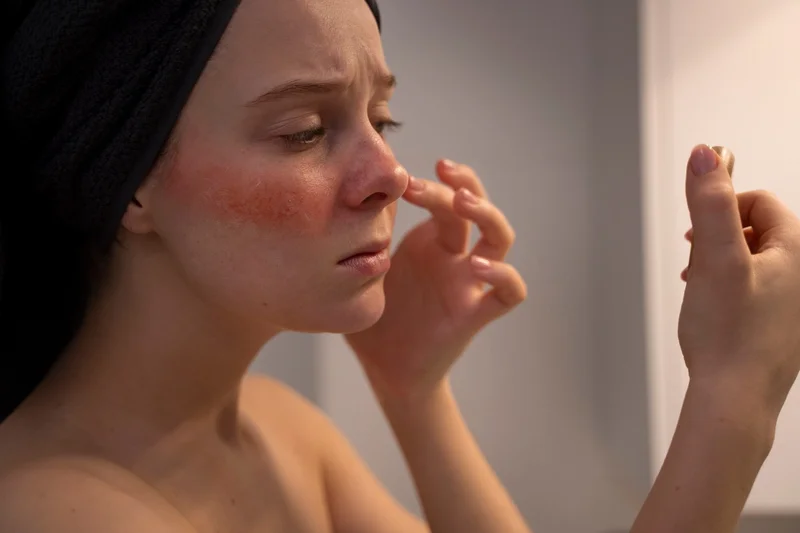
Systemic Lupus Erythematosus (SLE) is a chronic autoimmune disease where the immune system mistakenly attacks healthy tissues, causing widespread inflammation across multiple organ systems — joints, skin, kidneys, heart, lungs, and the brain. Conventional medicine relies heavily on corticosteroids, immunosuppressants, and antimalarials to manage flares, but these come with significant long-term side effects. SLE treatment in Ayurveda offers a fundamentally different strategy: instead of merely suppressing the immune response, it aims to correct the underlying imbalances (dosha vitiation, Ama accumulation, and depleted Ojas) that drive autoimmune aggression. Through a personalized combination of Panchakarma detoxification, herbal formulations like Guduchi and Ashwagandha, Rasayana (rejuvenation) therapy, and targeted diet and lifestyle protocols, Ayurveda provides a complementary — and in many documented cases, transformative — approach to managing lupus.
This is not about replacing your rheumatologist. It's about building a deeper, more sustainable foundation for healing.
What Is SLE and Why Is It So Difficult to Treat?
- Systemic Lupus Erythematosus is classified as a multisystem autoimmune disorder, meaning it can affect virtually any organ. The Lupus Foundation of America estimates that at least 5 million people worldwide live with some form of lupus, with SLE being the most common and severe type.
- It disproportionately affects women of childbearing age — roughly 9 out of 10 SLE patients are female.
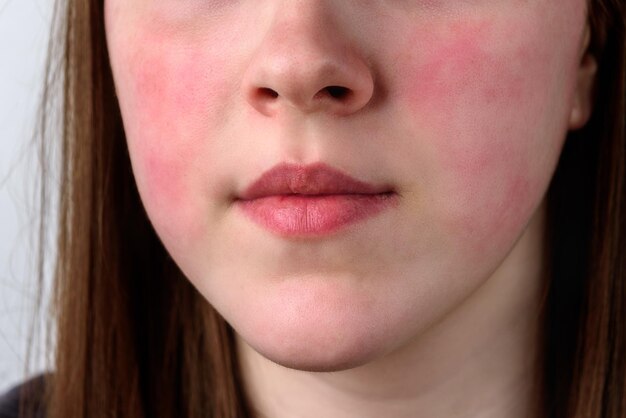
What makes SLE particularly challenging is its unpredictable nature. Patients cycle between flares (periods of active disease) and remissions, with symptoms ranging from mild joint pain and fatigue to life-threatening kidney failure (lupus nephritis) or neuropsychiatric complications. The "butterfly rash" (malar rash) across the cheeks and nose is the classic hallmark, but many patients never develop it.
What Causes SLE?
The exact cause remains unclear, but research points to a combination of factors:
- Genetic predisposition: Over 100 genetic loci have been associated with SLE susceptibility. Having a first-degree relative with lupus increases your risk significantly.
- Hormonal triggers: Estrogen appears to play a role, which explains the striking female predominance. Flares often correlate with menstrual cycles, pregnancy, or oral contraceptive use.
- Environmental triggers: UV radiation (sunlight), certain infections (especially Epstein-Barr virus), smoking, silica dust exposure, and specific medications can trigger disease onset in genetically predisposed individuals.
- Immune dysregulation: Defective clearance of apoptotic cells leads to the presentation of self-antigens, triggering autoantibody production (particularly ANA — antinuclear antibodies and anti-dsDNA antibodies).
Overlap Syndromes and Comorbidities
SLE rarely travels alone. Common overlap conditions include Sjögren's syndrome (dry eyes and mouth), Raynaud's phenomenon, rheumatoid arthritis, scleroderma, antiphospholipid syndrome (increased clotting risk), and vasculitis. A published case report in the Journal of Ayurveda and Integrative Medicine (PMC, 2019) documented a 39-year-old woman with SLE overlap vasculitis who developed gangrenous changes in her fingers — she was recommended amputation by conventional physicians but was successfully treated through Ayurvedic intervention, maintaining her limb with no recurrence over 1 year of follow-up.
How Ayurveda Understands SLE: The Dosha-Ama-Ojas Framework
Ayurveda does not have a single classical disease entity that maps perfectly onto SLE. However, experienced Ayurvedic physicians correlate it most closely with Vatarakta (a condition involving vitiated Vata and Rakta dhatu), Ama Vata (autoimmune joint disease driven by toxin accumulation), or Sannipataja Jwara (fever involving all three doshas).
The Role of Doshas in SLE
In the Ayurvedic framework, SLE represents a Sannipataja condition — a simultaneous derangement of all three doshas:
| Dosha | Manifestation in SLE |
|---|---|
| Vata | Joint pain, neurological symptoms, fatigue, dryness, irregular flares |
| Pitta | Skin rashes (butterfly rash), inflammation, fever, photosensitivity, mouth ulcers |
| Kapha | Swelling, fluid retention, kidney involvement (nephritis), lethargy, immune stagnation |
The specific dosha predominance varies from patient to patient, which is why Ayurvedic treatment for SLE is always individualized — there's no one-size-fits-all protocol.
Agni, Ama, and Ojas: The Three Critical Concepts
- Agni (digestive and metabolic fire) is considered the master regulator of health in Ayurveda.
- When Agni is weakened — by improper diet, stress, or genetic factors — food and metabolic waste are incompletely processed, generating Ama (a toxic, sticky substance that accumulates in channels and tissues).
In SLE, Ama is understood to enter the Rakta dhatu (blood tissue) and Asthi dhatu (bone/joint tissue), creating blockages in the Srotas (body channels) and triggering the immune system to attack its own tissues. This is remarkably parallel to the modern understanding of immune complex deposition in SLE.
Ojas is the refined essence of all seven dhatus — the Ayurvedic equivalent of immune resilience and vitality. In autoimmune conditions, Ojas is severely depleted. Restoring Ojas through Rasayana therapy is not just supportive care; it's considered essential for achieving lasting remission.
The Samprapti (Pathogenesis) of SLE in Ayurveda
Classical Ayurvedic pathogenesis follows a structured sequence:
- Nidana (causative factors) → improper diet, excessive sun exposure, emotional stress, suppression of natural urges
- Dosha Dushti (dosha vitiation) → Tridosha aggravation with Pitta and Vata predominance
- Dhatu involvement → Rasa, Rakta, Mamsa, Asthi dhatus affected sequentially
- Srotodushti (channel obstruction) → blockage by Ama in Rasavaha, Raktavaha, and Mamsavaha srotas
- Purvarupa (prodromal symptoms) → mild fatigue, intermittent joint stiffness, low-grade fever
- Rupa (manifest symptoms) → full clinical picture of SLE
- Upadrava (complications) → nephritis, vasculitis, neuropsychiatric manifestations
Panchakarma Therapy: The Cornerstone of Ayurvedic SLE Treatment
Panchakarma — the five-fold detoxification system — forms the backbone of Ayurvedic management for SLE. The goal is to eliminate accumulated Ama, pacify aggravated doshas, and restore Agni. It should always be performed under qualified supervision, ideally in an inpatient or residential Ayurvedic setting.
Key Panchakarma Procedures for SLE
Virechana (Therapeutic Purgation): This is often the primary Shodhana (purification) procedure for SLE due to Pitta predominance. Medicated purgatives like Trivrit lehya or Avipattikara churna are used after proper oleation (Snehapana) and sudation (Swedana). Virechana helps clear Pitta-dominant Ama from the blood and liver.
- Basti (Medicated Enema): Considered the most important Panchakarma for Vata disorders. In SLE, both Anuvasana Basti (oil enema using Guduchyadi taila or Dhanvantaram taila) and Niruha Basti (decoction enema with Dashamoola kwatha) are used in alternating cycles.
- Basti directly addresses the Vata component — joint pain, neurological symptoms, and fatigue.
Abhyanga and Swedana (Oil Massage and Steam Therapy): These are Purvakarma (preparatory procedures). Full-body massage with medicated oils like Ksheerabala taila or Dhanvantaram taila followed by herbal steam therapy helps loosen Ama from tissues and improve circulation. Patra Potli Pinda Sweda (bolus fomentation with medicinal leaves) and Shashti Shali Pinda Sweda (Navarakizhi — rice bolus massage) are particularly effective for joint inflammation and muscle wasting. Nasya (Nasal Administration): Anu taila or Shadbindu taila nasya helps address neurological and cognitive symptoms (brain fog, headaches) commonly seen in SLE by clearing the channels above the clavicle. Raktamokshana (Bloodletting): In cases with severe skin manifestations or vasculitis, Jalaukavacharana (leech therapy) can be applied locally. The 2019 PMC case report on SLE overlap vasculitis documented successful wound management using local leech application combined with Jatyadi taila dressing.
When Panchakarma May Not Be Appropriate
This is something no competitor has discussed, but it's critical. Panchakarma is contraindicated during acute SLE flares with high fever, severe anemia, active renal failure, or when the patient is extremely debilitated (Bala-hina). It's also not advisable to abruptly discontinue immunosuppressive medications to start Panchakarma — this should be a gradual, physician-supervised transition.
Ayurvedic Herbs and Formulations for SLE
Herbal medicine in Ayurveda targets multiple pathological pathways simultaneously — immunomodulation, anti-inflammation, Ama digestion, and Ojas restoration.
Primary Herbs with Research Support
| Herb | Ayurvedic Action | Modern Research |
|---|---|---|
| Guduchi (Tinospora cordifolia) | Rasayana, Amapachana, Tridosha-shamaka | A 2016 study in Journal of Ethnopharmacology demonstrated significant immunomodulatory activity, regulating both Th1 and Th2 responses |
| Ashwagandha (Withania somnifera) | Balya, Rasayana, Vata-shamaka | Shown to reduce CRP and modulate TNF-α in autoimmune models; a 2021 randomized trial showed stress and cortisol reduction |
| Turmeric/Curcumin (Curcuma longa) | Raktashodhaka, anti-inflammatory | Multiple studies confirm curcumin reduces proteinuria in lupus nephritis animal models; inhibits NF-κB pathway |
| Amla (Emblica officinalis) | Rasayana, Pitta-shamaka | Rich in vitamin C; a potent antioxidant that supports collagen repair and immune function |
| Guggulu (Commiphora mukul) | Medohara, anti-inflammatory | Guggulsterone has demonstrated anti-inflammatory properties comparable to NSAIDs in some studies |
| Manjishtha (Rubia cordifolia) | Raktashodhaka, Pitta-shamaka | Blood purifier; helpful in skin manifestations and vasculitis |
| Sariva (Hemidesmus indicus) | Raktaprasadana, cooling | Traditionally used for autoimmune skin conditions; anti-inflammatory and antioxidant properties confirmed in-vitro |
Is Ashwagandha Good for SLE?
This is one of the most frequently asked questions — and the answer requires nuance. Ashwagandha is classified as an adaptogen and immunomodulator, not a simple immunostimulant. Research suggests it helps regulate (rather than blindly boost) immune function, which is what SLE patients need. However, some practitioners express caution because certain in-vitro studies show it can enhance Th1 activity, which could theoretically worsen lupus in some patients. The clinical reality, according to experienced Ayurvedic physicians, is that Ashwagandha is generally safe and beneficial in SLE when used as part of a balanced formulation — not as a standalone supplement in high doses. Always consult a qualified practitioner.
Rasayana Therapy: Rebuilding Ojas
Rasayana (rejuvenation) therapy is perhaps the most underutilized yet most important component of Ayurvedic SLE management. After Shodhana (purification), the body needs rebuilding.
Key Rasayana approaches include:
- Chyawanprash — traditional Rasayana containing Amla as its base, with 40+ herbs
- Guduchi Satva — purified aqueous extract of Guduchi, taken with honey or ghee
- Ashwagandha Rasayana — Ashwagandha churna with milk and ghee
- Shatavari (Asparagus racemosus) — particularly important for female patients with hormonal involvement
The goal is to rebuild depleted Ojas, strengthen Agni, and create a state of sustained immune tolerance.
Stage-Specific Ayurvedic Protocols for SLE
No competitor has addressed this, yet it's arguably the most practically useful information for patients and practitioners. SLE management must be adapted to the disease stage.
| Stage | Conventional Approach | Ayurvedic Strategy |
|---|---|---|
| Mild SLE (skin, joints, fatigue) | NSAIDs, hydroxychloroquine | Shamana therapy (palliative herbs), mild Virechana, diet modification, Yoga |
| Moderate SLE (serositis, hematologic involvement) | Low-dose corticosteroids, antimalarials | Full Panchakarma course, stronger herbal protocols (Guduchi + Ashwagandha + Guggulu formulations), Basti cycles |
| Severe SLE (nephritis, cerebritis, vasculitis) | High-dose steroids, cyclophosphamide, biologics | Supportive Ayurvedic care alongside conventional treatment; Anuvasana Basti, Rasayana, dietary support; gradual integration as disease stabilizes |
| Remission maintenance | Low-dose maintenance therapy | Seasonal Panchakarma, daily Rasayana, strict Dinacharya (daily routine), Ritucharya (seasonal regimen) |
Critical point: In severe, organ-threatening SLE, Ayurvedic treatment should complement — not replace — conventional immunosuppressive therapy. The integration should be gradual and supervised by both an Ayurvedic physician and a rheumatologist.
Don't wait or self medicate. Start chat with Doctor NOW
Ayurvedic Approach to Lupus Nephritis (Kidney Involvement)
Lupus nephritis affects approximately 50% of SLE patients and is one of the most serious manifestations. In Ayurveda, it correlates with Mutravaha Sroto Dushti with involvement of Rakta and Medas dhatus.
The Ayurvedic strategy includes:
- Gokshuradi Guggulu — supports kidney function and reduces inflammation in the urinary tract
- Punarnavadi Kwatha — Punarnava (Boerhavia diffusa) is the premier Ayurvedic nephroprotective herb; a 2018 study in Indian Journal of Pharmacology confirmed its diuretic and anti-inflammatory renal effects
- Chandraprabha Vati — a classical formulation for urogenital disorders
- Dietary modifications — low-sodium, low-protein diet with emphasis on Barley (Yava) water, Moong dal, and cooling herbs
Basti therapy plays an indirect but important role — by pacifying Vata systemically, it reduces downstream inflammatory signaling that contributes to nephritis progression.
Ayurveda vs Conventional Medicine for SLE: A Comparative Overview
| Parameter | Conventional Medicine | Ayurvedic Medicine |
|---|---|---|
| Primary approach | Immunosuppression | Immunomodulation + detoxification |
| Speed of action | Rapid (days to weeks) | Gradual (weeks to months) |
| Side effects | Significant: infections, osteoporosis, diabetes, cataracts, organ toxicity | Minimal when properly administered; primarily GI discomfort during Panchakarma |
| Long-term sustainability | Requires ongoing medication; dose-dependent toxicity | Aims for self-sustained remission through lifestyle changes |
| Organ protection | Addresses damage after it occurs | Aims to prevent damage through early dosha correction |
| Personalization | Protocol-based (SLEDAI score-driven) | Highly individualized (Prakriti, Vikriti, Bala assessment) |
| Cost | High (biologics like belimumab cost ₹30,000–50,000/month) | Generally lower; herbs and Panchakarma are more affordable |
| Evidence base | Strong (multiple RCTs, guidelines) | Limited (mostly case reports, observational studies, classical texts) |
This table isn't about declaring a winner. Both systems have strengths. The most promising approach for many patients is thoughtful integration.
Diet and Lifestyle Recommendations for SLE Patients
What Foods Should SLE Patients Eat?
- Anti-inflammatory foods: Turmeric-spiced dishes, fresh ginger, green leafy vegetables (Pitta-pacifying ones like coriander and mint), bottle gourd, ash gourd
- Omega-3 rich foods: Flaxseeds, walnuts, and small amounts of fatty fish (if the patient is non-vegetarian)
- Whole grains: Barley (Yava) is particularly recommended — it is Lekhana (scraping) and helps eliminate Ama. Old rice (Purana Shali) is also beneficial
- Ghee: Clarified butter in moderate amounts (1-2 teaspoons daily) is a powerful Pitta-shamaka and supports Ojas
- Moong dal: The most easily digestible legume; ideal for maintaining Agni without creating Ama
What Foods Should SLE Patients Avoid?
- Deep-fried and heavily processed foods
- Excessive red meat and nightshade vegetables (tomatoes, eggplant, bell peppers) — some patients report flare triggers
- Refined sugar and maida (white flour)
- Excessive sour, salty, and pungent tastes (aggravate Pitta)
- Alcohol and caffeine
- Curd/yogurt at night (increases Kapha and channel blockage)
- Alfalfa sprouts — contain L-canavanine, which has been shown to trigger lupus flares in susceptible individuals
Lifestyle Modifications (Dinacharya and Ritucharya)
- Sun protection: SLE patients are photosensitive — avoid direct sun exposure, especially between 10 AM and 4 PM; wear protective clothing
- Stress management: Chronic psychological stress is a documented flare trigger. Daily practice of Pranayama (especially Nadi Shodhana and Bhramari) and meditation significantly reduces cortisol
- Yoga: Gentle asanas like Shavasana (corpse pose), Balasana (child's pose), and Bhujangasana (cobra pose) improve circulation and reduce joint stiffness without overtaxing the body
- Sleep hygiene: Aim for 7-8 hours; sleeping before 10 PM aligns with the Kapha period and promotes deeper rest
- Avoid suppression of natural urges (Vegadharana): Suppressing the urge to urinate, defecate, or sneeze aggravates Vata and can trigger flares
Home Remedies for Mild Symptom Relief
- Fresh Aloe vera gel applied topically can soothe skin rashes and mild butterfly rash
- Turmeric milk (Golden milk with ½ teaspoon turmeric, a pinch of black pepper, in warm milk) — daily anti-inflammatory support
- Adequate hydration with warm water throughout the day helps flush Ama from the system
- Triphala churna (½ teaspoon with warm water at bedtime) — gentle detoxification and Agni support
SLE in Men and Children: Often Overlooked
Almost all available content on SLE treatment — both conventional and Ayurvedic — focuses on women. This is a significant gap.
SLE in men tends to present with more severe organ involvement, particularly renal and hematological manifestations. Male SLE patients often have higher SLEDAI scores at diagnosis. Ayurvedic management follows the same principles, but with greater emphasis on Basti therapy (men generally have more pronounced Vata involvement) and stronger Rasayana protocols. Pediatric SLE presents unique challenges. Children with SLE have more aggressive disease compared to adult-onset SLE, with higher rates of lupus nephritis. Ayurvedic treatment in children requires careful dose adjustment — herbs like Guduchi and Amla are generally safe, but Panchakarma procedures should be modified or delayed until the child is old enough (typically after age 12 for full Panchakarma). Mild external therapies like Abhyanga with Bala taila and dietary modifications can be safely started earlier.
Safety, Contraindications, and Drug Interactions
This section is conspicuously absent from every competitor article — yet it's what patients need most.
When Ayurvedic Treatment May Be Contraindicated
- During acute, life-threatening flares (cerebral lupus, severe nephritis, pulmonary hemorrhage) — conventional emergency care takes priority
- In patients with severe hepatic or renal impairment — herbal metabolism may be compromised
- During pregnancy — many Ayurvedic herbs and all Panchakarma Shodhana procedures are contraindicated
Potential Interactions with Conventional SLE Medications
- Ashwagandha + Immunosuppressants: Ashwagandha's immunomodulatory effects could theoretically interfere with drugs like azathioprine or mycophenolate. Monitor closely.
- Turmeric/Curcumin + Anticoagulants: High-dose curcumin may enhance the anticoagulant effect of warfarin or aspirin — relevant for SLE patients with antiphospholipid syndrome.
- Guggulu + Thyroid medications: Guggulu may alter thyroid hormone levels; SLE patients on levothyroxine should be monitored.
- Triphala + Immunosuppressants: Triphala may affect drug absorption due to its effect on gut motility.
The practical advice: Never self-medicate. Always inform both your rheumatologist and Ayurvedic physician about all medications and supplements you are taking. Integrated care requires integrated communication.
ANA Positive Treatment in Ayurveda
A positive ANA (Antinuclear Antibody) test doesn't necessarily mean you have SLE — it can be found in healthy individuals and in other autoimmune conditions. However, when combined with clinical symptoms, it supports diagnosis.
Ayurveda doesn't treat lab values directly. Instead, the approach focuses on correcting the underlying dosha imbalance and Ama accumulation that drives autoantibody production. Clinically, many Ayurvedic practitioners report that after sustained treatment (6-12 months of Panchakarma cycles, herbal therapy, and lifestyle changes), patients show gradual reduction in ANA titers and anti-dsDNA levels — though rigorous clinical trial data on this remains limited.
A single case report published in the Journal of Ayurveda and Integrative Medical Sciences (2022) documented a patient whose ANA titers reduced from 1:320 to 1:80 after 8 months of Ayurvedic treatment, alongside significant clinical improvement. While encouraging, more large-scale studies are desperately needed.
Frequently Asked Questions
What Is the Best Treatment for SLE?
There is no single "best" treatment — it depends on disease severity, organ involvement, and individual patient factors. Conventional medicine excels at controlling acute flares and preventing organ damage. Ayurveda excels at long-term management, reducing flare frequency, and improving quality of life. For many patients, an integrated approach combining both systems yields the best outcomes.
What Is the Best Hospital for SLE Treatment in India?
Several Ayurvedic institutions in India have documented experience with SLE management, including centers in Kerala (which specialize in Panchakarma), as well as integrative medicine departments at major academic hospitals. Look for institutions with qualified Ayurvedic physicians (BAMS or MD Ayurveda) who have specific experience with autoimmune conditions and who are willing to coordinate care with your rheumatologist.
Is There Any Treatment of SLE in Homeopathy?
Homeopathy is a separate medical system from Ayurveda. Some homeopathic practitioners claim to manage SLE symptoms, but the evidence base is even more limited than for Ayurveda. This article focuses specifically on Ayurvedic management.
How Long Does Ayurvedic Treatment for SLE Take?
Most Ayurvedic physicians recommend a minimum of 6–12 months of consistent treatment to see meaningful clinical improvement. Panchakarma courses are typically repeated 2-3 times per year (often aligned with seasonal changes — Vasanta and Sharad Ritucharya). Long-term Rasayana and lifestyle modifications are meant to be lifelong.
Can Ayurveda Cure SLE Completely?
- Ayurveda does not claim to "cure" SLE in the conventional sense of eliminating the disease permanently.
- What it aims for — and often achieves — is sustained remission with minimal or no medication, reduced flare frequency and severity, improved energy and quality of life, and prevention of organ damage. Some patients achieve drug-free remission, but this should never be the expectation, and conventional medications should never be stopped abruptly.
Conclusion: A Path Forward for SLE Patients
SLE treatment in Ayurveda is not a quick fix, nor is it a replacement for emergency medical care. What it offers is something that conventional medicine often cannot — a systematic, root-cause approach to restoring immune balance, detoxifying accumulated metabolic waste, and rebuilding the body's innate resilience through Ojas restoration.
- The science is still catching up. We need larger clinical trials, standardized protocols, and better integration between conventional rheumatology and Ayurvedic medicine.
- But the clinical experience — accumulated over thousands of years and documented in increasing numbers of case reports — suggests that Ayurveda has a meaningful role to play in the lives of SLE patients.
If you or someone you know is living with lupus, consider consulting a qualified Ayurvedic physician who has experience with autoimmune conditions. Bring your medical records, your lab reports, and your questions. The best outcomes come from informed patients working with integrated care teams.
This article is for educational purposes only and should not replace professional medical advice. Always consult qualified healthcare practitioners before starting or modifying any treatment protocol.
Scientific Sources
- Can Ashwagandha Benefit the Endocrine System?-A Review — Wiciński M et al., 2023, International journal of molecular sciences
- Pharmacological evaluation of Ashwagandha highlighting its healthcare claims, safety, and toxicity aspects — Mandlik Ingawale DS et al., 2021, Journal of dietary supplements
- Clinician guidelines for the treatment of psychiatric disorders with nutraceuticals and phytoceuticals: The World Federation of Societies of Biological Psychiatry (WFSBP) and Canadian Network for Mood and Anxiety Treatments (CANMAT) Taskforce — Sarris J et al., 2022, The world journal of biological psychiatry : the official journal of the World Federation of Societies of Biological Psychiatry
- Effects of Withania somnifera (Ashwagandha) on Stress and the Stress- Related Neuropsychiatric Disorders Anxiety, Depression, and Insomnia — Speers AB et al., 2021, Current neuropharmacology
- Plant-derived nootropics and human cognition: A systematic review — Lorca C et al., 2023, Critical reviews in food science and nutrition
- Ulcerative colitis: molecular insights and intervention therapy — Liang Y et al., 2024, Molecular biomedicine
- Turmeric and Curcumin: From Traditional to Modern Medicine — Akaberi M et al., 2021, Advances in experimental medicine and biology
- Curcumin (Turmeric) and cancer — Unlu A et al., 2016, Journal of B.U.ON. : official journal of the Balkan Union of Oncology
- The Essential Medicinal Chemistry of Curcumin — Nelson KM et al., 2017, Journal of medicinal chemistry
- Neuroprotective Herbs for the Management of Alzheimer's Disease — Gregory J et al., 2021, Biomolecules
Questions from users
What is Abhyanga and how does it benefit someone with SLE?
Emily
7 days ago
Abhyanga is an Ayurvedic practice where warm oil is massaged into the skin. In SLE, it can help support the body by reducing inflammation, improving circulation, and calming the mind, which may bring relief from fatigue and stress. It's really soothing and works well with other treatments. Always good to check with a specialist to suit your needs!
What is Ksheerabala taila and how does it help with SLE symptoms?
Carter
16 days ago
Ksheerabala taila is an Ayurvedic oil made with a blend of herbs and milk, often used for massage (Abhyanga). It's quite soothing and nourishing. For SLE, it might help ease joint pain and stiffness by calming Vata, improving circulation, and possibly reducing inflammation. But, best to consult with Ayurvedic doctor or practitioner who can tailor it to your specific needs.
Is it safe to combine Ayurvedic treatments with conventional medicines for SLE?
Isabella
34 days ago
Combining Ayurvedic treatments with conventional medicine for SLE can be done but it's best to do it under guidance of qualified health proffesionals—like both an Ayurvedic practioner and your doc. They can help ensure there’s no interaction between the herbs and meds, especially since both approaches might affect your immune system in different ways.
What is the role of dietary adjustments in Ayurvedic treatment for autoimmune disorders?
Nova
44 days ago
Dietary adjustments in Ayurveda for autoimmune disorders are super important 'cause they help balance your doshas and strengthen your agni (digestive fire). It involves eating foods that are easy to digest and anti-inflammatory, like kitchari or warm soups. Avoiding processed foods, cold drinks, and anything that might disrupt digestion really helps. It's all about keeping the digestive system happy to support overall healing and vitality!
What is the process of Panchakarma and how does it help with autoimmune disorders?
Summer
53 days ago
Panchakarma is a detoxification process that balances the doshas and expels toxins from the body, which is essential for dealing with autoimmune disorders. It includes therapies like Virechana (purgation) and Basti (enema). These help by clearing ama (toxins), strengthening digestion, and promoting ojas (vital energy). It's tailored to your unique constitution, so consult an Ayurvedic practitioner for specific guidance.
How does Ayurveda address the emotional challenges of living with SLE?
Ryan
63 days ago
To tackle the emotional challenges of living with SLE, Ayurveda emphasizes balancing the mind and body through practices like yoga and meditation, which help calm the mind and reduce stress. Incorporating herbs like Brahmi or Ashwagandha may support mental clarity and emotional stability. Daily routine, diet adjustments, and Pranayama can also support mental wellness. It's about creating a balanced lifestyle for emotional health.
Can Ayurveda help with fatigue symptoms related to SLE, and what approaches are recommended?
Paul
72 days ago
Ayurveda can definitely help with fatigue from SLE! Starting with detoxification therapies like Virechana and Basti might be a good move. They support balancing doshas and reduce inflammation. You might also consider Rasayana herbs like Ashwagandha or Shatavari for rejuvenation. But, always best to work with an Ayurvedic practitioner to personalize the approach for you!
What is the role of turmeric in Ayurvedic treatment for Systemic Lupus Erythematosus?
Emma
82 days ago
Turmeric, especially with its active compound curcumin, has anti-inflammatory properties, which makes it helpful in managing SLE. In Ayurveda, it helps balance Pitta by reducing inflammation and supports Vata by stabilizing immune responses. Always good to check with a healthcare provider before starting any new treatment tho!
What is the role of Panchakarma therapies in Ayurvedic treatment for autoimmune disorders like SLE?
Wyatt
92 days ago
Panchakarma therapies like Virechana and Basti are really essential in treating autoimmune disorders like SLE in Ayurveda. They help detoxify the body, balance doshas, and improve immunity, but it might not cure SLE completely. The goal is to manage symptoms and boost natural healing. Results can vary, and some patience and consistency are key :)
What lifestyle habits can help maintain balance in Vata and Pitta for someone with SLE?
Virginia
101 days ago
For maintaining balance in Vata and Pitta, focus on routine: Regular meals and sleep are key. Keep warm with soothing foods like cooked grains, and root veggies. Try calming activities like meditation, and gentle yoga. Avoid too much spice, caffeine, and stressful environments. Staying hydrated also helps! But honestly, for SLE a personalized plan from an Ayurvedic practitioner is the best bet.
Related articles

Skin and Hair Disorders
How to Get Rid of Wrinkles on Forehead Naturally: Ayurvedic Remedies and Tips
How to get rid of wrinkles on forehead naturally? Discover natural remedies, Ayurvedic forehead wrinkles treatment, and ways to reduce facial lines at home
3,993

Skin and Hair Disorders
Manibhadra Guda Ayurvedic Remedy – Natural Treatment for Digestive Health and Detoxification
Explore the benefits of Manibhadra Guda in Ayurveda, a powerful herbal remedy known for promoting digestive health, detoxification, and overall well-being.
3,527

Skin and Hair Disorders
Jeevanthyadi Yamakam Ointment – Ayurvedic Ointment for Healing & Rejuvenation
Discover Jeevanthyadi Yamakam Ointment, a traditional Ayurvedic remedy formulated with potent herbs to promote wound healing, reduce inflammation, and rejuvenate skin health.
2,745
Skin and Hair Disorders
Nagaradi Lepa Choornam: An Ayurvedic Remedy for Skin Health
Nagaradi Lepa Choornam is a traditional Ayurvedic herbal powder used primarily as a topical application for skin ailments.
3,559

Skin and Hair Disorders
How to Make Almond Oil at Home for Hair, Face, and Skin
Learn how to make almond oil at home using simple tools and raw almonds. Perfect for hair, face, and skin care routines. Try this pure natural DIY method today
10,349
Skin and Hair Disorders
Kushta Chikitsa – Revitalizing Skin Health with Ayurveda
Discover Kushta Chikitsa, an age-old Ayurvedic approach to treating skin disorders. Learn how natural herbs, dietary modifications, and holistic therapies balance doshas and restore radiant skin.
2,706

Skin and Hair Disorders
Panchvalkal Kwath: A Comprehensive Exploration of Ayurveda’s Ancient Remedy
Discover Panchvalkal Kwath—its benefits, scientific insights, and usage. Learn how this Ayurvedic formulation supports holistic wellness and skin care.
2,657
Skin and Hair Disorders
What is Treatment of Warts in Ayurveda?
Warts are a prevalent skin condition that can affect people of all ages.
6,976

Skin and Hair Disorders
Indralupta Mashi – Effective Ayurvedic Treatment for Hair Loss
Learn about Indralupta Mashi, a powerful Ayurvedic formulation for promoting hair growth, preventing hair loss, and rejuvenating the scalp naturally.
5,418
Skin and Hair Disorders
Best Ayurvedic Medicines for Alopecia Areata – Natural Remedies for Hair Regrowth
Discover the best Ayurvedic medicines for Alopecia Areata, including herbal remedies, oils, and holistic treatments to promote hair regrowth and scalp health naturally.
5,321
Related consultations on the topic
Legal
Additional Documents
© 2024 Ask Ayurveda. All rights reserved.