Ask Ayurvedic doctor a question and get a consultation online on the problem of your concern in a free or paid mode. More than 2,000 experienced doctors work and wait for your questions on our site and help users to solve their health problems every day.
FREE! Ask Ayurvedic Doctors 24/7

 Fast responses
 1000+ verified doctors
Body DetoxEar, Nose, and Throat DisordersGeriatrics & RejuvenationImmunodeficiencyInfertility TreatmentNutritionOrthopedic DisordersPediatricsRespiratory DisordersSexually Transmitted Diseases (STDs)Surgery RecoveryUrological DisordersVascular DisordersDental DisordersEndocrinological DisordersGastrointestinal DisordersYoga TherapyGeneral MedicineAllergic DisordersCardio DisordersGynecology and ObstetricsCosmetologySkin and Hair DisordersEye DisordersInfectious DiseasesMental DisordersNeurological DisordersOncologyPanchakarmaSexual Health & DisordersSports Medicine
Published on 02/25/25
(Updated on 07/06/26)
3,088
Dushta Vrana – Ayurvedic Management of Chronic & Infected Wounds
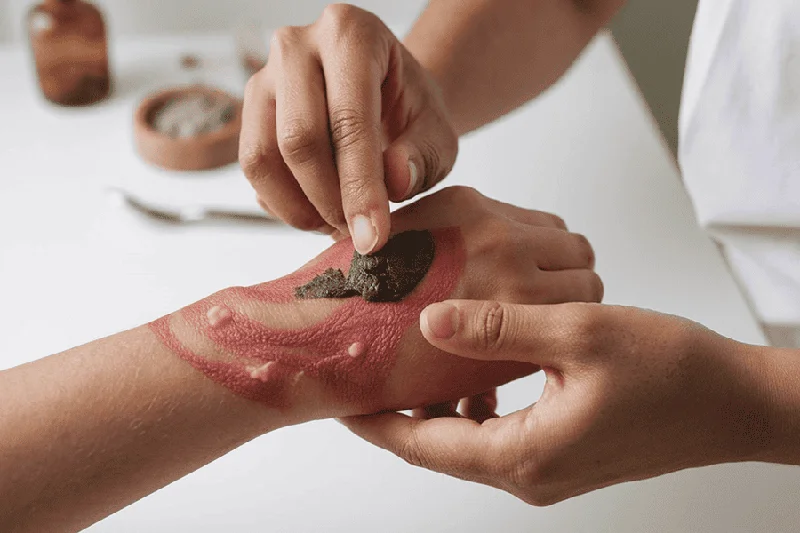
Dushta Vrana is a non-healing, chronic, or infected wound (Vrana) that has become vitiated by one or more doshas, leading to foul smell, abnormal discharge, intense pain, and delayed tissue repair. In modern clinical terms, it closely correlates with chronic venous ulcers, trophic ulcers, diabetic foot ulcers, and infected surgical wounds. Unlike Shuddha Vrana (a clean, properly healing wound), Dushta Vrana resists conventional wound care and demands a comprehensive Ayurvedic strategy that addresses both the local wound environment and the systemic dosha imbalance driving it.
Acharya Sushruta — widely regarded as the father of surgery — devoted extensive attention to Vrana management in the Sushruta Samhita, including his landmark Shashti Upakrama (60 therapeutic procedures). Yet despite centuries of accumulated wisdom, many practitioners and students still struggle to find a single, consolidated resource that covers everything from etiology and pathogenesis to differential diagnosis, Dosha-specific classification, diet, and evidence-based outcomes. This article aims to fill that gap.
What Is Dushta Vrana in Ayurveda?
- The word Vrana derives from the Sanskrit root "Vrana Gatravichurnane", meaning the destruction, tearing, or disintegration of body tissues.
- When a Vrana becomes contaminated — either through internal dosha vitiation or external factors like improper wound care — it transforms into a Dushta (impure/vitiated) Vrana.
Sushruta describes Dushta Vrana as a wound that exhibits one or more of these defining features:
- Putrid odor (Durgandha) — distinctly foul-smelling discharge
- Abnormal color — bluish, blackish, yellowish, or pale wound bed
- Excessive or abnormal discharge (Ati Srava) — pus, serous fluid, or bloody exudate
- Intense pain (Vedana) — disproportionate to the wound size
- Irregular shape (Vishamakriti) — uneven edges, undermined margins
- Slow or absent healing — no signs of granulation even after prolonged treatment
These are part of what classical texts call the Pancha Lakshana of Dushta Vrana: Vedana (pain), Akruti (shape), Gandha (smell), Vrana Srava (discharge), and Varna (color).
Dushta Vrana vs Shuddha Vrana — Key Differences
One of the most clinically important distinctions in Ayurvedic wound science is separating a contaminated wound from a clean, healing one. Surprisingly, no competitor resource provides a clear side-by-side comparison.
Here it is:
| Parameter | Shuddha Vrana (Clean Wound) | Dushta Vrana (Vitiated Wound) |
|---|---|---|
| Color | Healthy red/pinkish granulation | Bluish, blackish, yellowish, or pale |
| Odor | Minimal or no smell | Foul, putrid smell (Durgandha) |
| Discharge | Scanty, clear or mildly serous | Copious, purulent, bloody, or mixed |
| Pain | Mild, proportionate | Intense, disproportionate (Tivra Vedana) |
| Edges | Regular, well-defined, sloping | Irregular, raised, undermined, indurated |
| Healing tendency | Progressive granulation and epithelialization | Stagnant or worsening |
| Dosha status | Doshas pacified or minimal involvement | Active dosha vitiation (Vata, Pitta, Kapha or Sannipata) |
| Base/Floor | Clean, healthy granulation tissue | Slough, necrotic tissue, unhealthy tissue |
| Surrounding skin | Normal or mildly inflamed | Edematous, discolored, eczematous |
This table is critical for clinical decision-making: Shuddha Vrana requires Ropana (healing) therapy, while Dushta Vrana must first undergo Shodhana (cleansing) before Ropana can succeed.
Relevant Shlokas on Dushta Vrana
Acharya Sushruta in Sushruta Samhita, Sutra Sthana Chapter 22 describes the Lakshanas of Dushta Vrana comprehensively. The Ashtanga Hridaya and Hareetha Samhita also provide supplementary descriptions.
Key references include:
- Sushruta Samhita, Sutra Sthana 22/7 — enumerates the characteristics of Dushta and Shuddha Vrana
- Sushruta Samhita, Chikitsa Sthana 1 — details the Shashti Upakrama
- Ashtanga Hridaya, Uttara Tantra 25 — discusses wound classification and management
Nidana (Etiology): What Causes Dushta Vrana?
Understanding the root causes is essential for both prevention and treatment. Sushruta classifies Vrana into two broad etiological categories and then identifies the specific factors that turn any wound into a Dushta Vrana.
Nija vs Agantuja Vrana
Nija Vrana arises from internal causes — primarily dosha imbalance triggered by dietary indiscretions, metabolic disorders, or emotional disturbances. These wounds develop from within, often appearing as ulcers in individuals with systemic conditions. Agantuja Vrana results from external trauma — cuts, burns, surgical wounds, animal bites, or accidental injuries. While initially clean, these wounds can become Dushta through secondary contamination or improper management.
Specific Causative Factors
The classical texts and modern Ayurvedic literature identify several factors that convert a wound into Dushta Vrana:
- Dietary factors (Ahara) — consuming contaminated food (Dushta Ahara), incompatible food combinations (Viruddha Ahara), excessive salty, sour, or spicy foods that aggravate Pitta and Rakta
- Lifestyle factors (Vihara) — heavy physical exertion (Ati Vyayama), prolonged standing or sitting (relevant in venous ulcers), sleep deprivation
- Emotional factors (Manasika Nidana) — chronic anger (Krodha), fear (Bhaya), grief (Shoka) — these vitiate Vata and Pitta
- Defective wound management — Mithya Bandha (improper bandaging), Atisneha (excessive oleation of wound), Roukshya (excessive dryness), premature suturing, contaminated instruments
- Systemic diseases — Prameha (diabetes), Pandu (anemia), Kushtha (skin diseases) that compromise healing capacity
- Vascular compromise — venous insufficiency, peripheral vascular disease (PVD) with thrombophlebitis
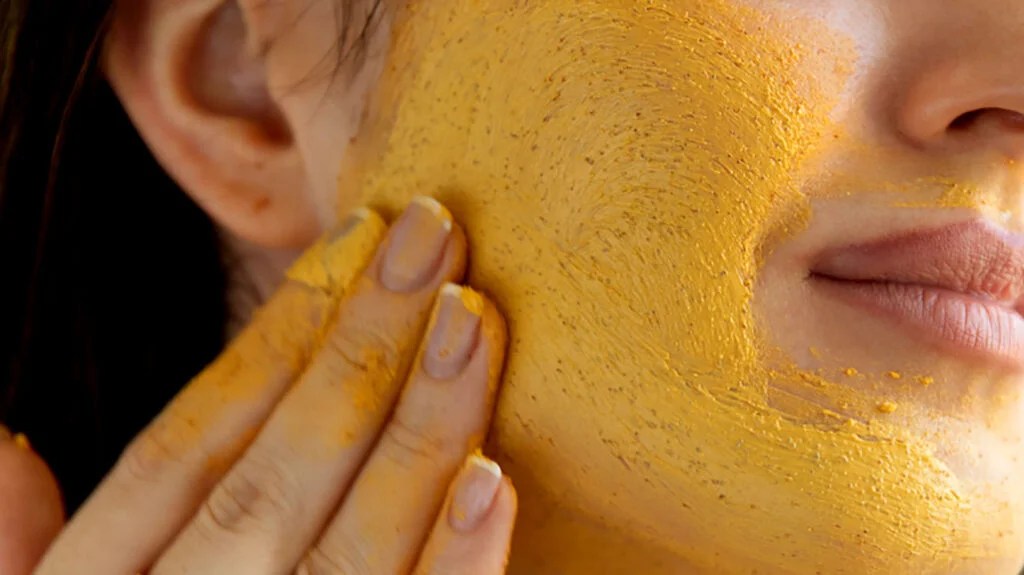
Samprapti (Pathogenesis): How Dushta Vrana Develops
The pathogenesis of Dushta Vrana involves a complex interplay of vitiated Doshas, Dhatus (tissues), Srotas (channels), and Agni (digestive fire).
Dosha Involvement
All three Doshas can be involved, either individually or in combination (Sannipata). The process typically begins with one or more Nidana factors vitiating specific Doshas:
- Aggravated Doshas circulate through Srotas and localize in the wound site
- Rakta Dhatu (blood tissue) becomes vitiated first → then Rasa Dhatu → Mamsa Dhatu → Meda Dhatu
- The vitiated Doshas corrupt the wound environment, preventing normal healing
Dushya (Tissues Involved)
- Twacha (skin) — the primary seat of the wound
- Mamsa (muscle tissue) — involved in deeper ulcers
- Sira (veins/blood vessels) — particularly relevant in venous ulcers
- Snayu (tendons/ligaments) — in chronic deep wounds
- Sandhi (joints) — when ulceration extends to joint regions
- Asthi (bone) — in severe cases like osteomyelitis-equivalent conditions
Srotas (Channels) Affected
Multiple Srotas are simultaneously involved:
- Annavaha Srotas — impaired digestion creates Ama
- Rasavaha Srotas — compromised nutrient supply to tissues
- Raktavaha Srotas — blood vitiation, central to wound pathology
- Mamsavaha Srotas — impaired muscle tissue regeneration
- Swedavaha Srotas — altered sweating and skin metabolism
Samprapti Ghataka Table
| Component | Detail |
|---|---|
| Dosha | Tridosha (Vata, Pitta, Kapha — individually or as Sannipata) |
| Dushya | Twacha, Mamsa, Rakta, Meda, Sira, Snayu, Asthi |
| Srotas | Rasavaha, Raktavaha, Mamsavaha, Annavaha, Swedavaha |
| Srotodushti | Sanga (obstruction), Vimargagamana (altered flow) |
| Agni | Jatharagni Mandya (diminished digestive fire) → Ama formation |
| Ama | Present — contributes to Srotosanga and tissue toxicity |
| Marga | Bahya (external pathway) |
| Udbhavasthana | Amashaya (Kaphaja), Pakvashaya (Vataja), Grahani (Pittaja) |
| Pratyatma Lakshana | Non-healing wound with Durgandha, Ati Srava, Tivra Vedana |
The critical pathogenetic targets for treatment are Ama Pachana (digestion of metabolic toxins) and Srotoshodhana (channel cleansing) — addressing these is what separates successful therapy from mere symptom management.
Classification of Dushta Vrana by Predominant Dosha
This is an area that classical texts describe but most modern resources overlook. Each Dosha-predominant type has distinctive clinical features and demands a tailored treatment approach.
Vataja Dushta Vrana
- Wound characteristics: Dry, rough, blackish or dark discoloration, thin scanty discharge, crackling sensation
- Pain: Intense, pricking, radiating (Toda, Bheda type pain)
- Edges: Irregular, thin, hard
- Associated symptoms: Constipation, insomnia, anxiety
- Treatment priority: Sneha (oleation) — Ghrita-based applications, Vata-pacifying internal medicines
Pittaja Dushta Vrana
- Wound characteristics: Yellowish or bluish discoloration, warm to touch, profuse yellowish or bloody discharge
- Pain: Burning sensation (Daha), throbbing
- Edges: Inflamed, reddish, spreading
- Associated symptoms: Fever, burning sensation elsewhere in body, irritability
- Treatment priority: Cooling therapies — Ghrita with Tikta (bitter) drugs, Pitta-pacifying measures
Kaphaja Dushta Vrana
- Wound characteristics: Pale, whitish, cold to touch, thick sticky discharge, excessive slough
- Pain: Dull, heavy sensation (Gaurava), itching (Kandu)
- Edges: Thick, raised, indurated
- Associated symptoms: Lethargy, loss of appetite, heaviness in body
- Treatment priority: Lekhana (scraping), Katu and Tikta drugs, drying therapies
Sannipataja Dushta Vrana
- Wound characteristics: Mixed features of all three Doshas — variable color, mixed discharge, unpredictable behavior
- Pain: Variable — multiple types simultaneously
- This is the most difficult type to manage and requires careful assessment to identify the predominant Dosha at any given stage
Dushta Vrana Chikitsa: Complete Treatment Approach
Ayurvedic management of Dushta Vrana follows a two-phase protocol: first Shodhana (purification/cleansing), then Ropana (healing/regeneration). Attempting Ropana without prior Shodhana is one of the most common treatment failures.
Shodhananga Chikitsa (Systemic Purification)
Before addressing the wound locally, systemic detoxification prepares the body for healing:
Virechana (Therapeutic Purgation):
Classical Panchakarma procedure to eliminate vitiated Pitta and Rakta from the body. Particularly indicated in Pittaja and Raktaja Dushta Vrana. Administered after proper Snehana and Swedana preparation.
Jalaukavacharana (Leech Therapy):
- A Shodhana procedure specifically recommended for Dushta Vrana in Sushruta Samhita.
- Medicinal leeches (Jalauka) are applied around the wound to:
- Remove vitiated blood (Dushta Rakta)
- Reduce local inflammation and edema
- Introduce bioactive compounds (hirudin, hyaluronidase) that improve microcirculation
- Provide analgesic effect
A clinical study published in the International Journal of Ayurveda and Pharma Research documented significant improvement in a 72-year-old patient with trophic ulcer secondary to PVD with thrombophlebitis using Jalaukavacharana as part of a comprehensive protocol.
Shashti Upakrama — Sushruta's 60 Wound Management Procedures
This is perhaps the most remarkable contribution of Ayurvedic surgery to wound care. Sushruta described 60 distinct procedures (Shashti Upakrama) in Chikitsa Sthana for comprehensive wound management. No single competing resource provides the full systematized list.
Here is the organized overview:
Cleansing & Debridement Procedures:
Apatarpana (fasting), Alepa (medicinal paste application), Parisheka (irrigation), Abhyanga (oil massage around wound), Sweda (fomentation), Vimlapana (gentle pressure), Upanaha (poultice), Visravana (blood-letting), Snehana (oleation), Vamana (emesis), Virechana (purgation), Pracchhana (scarification), Basti (enema)
Wound Protection & Support:
Patradana (leaf application), Vranadhoopana (fumigation), Utsadana (promoting granulation), Avasadana (flattening proud flesh), Kashaya Dhavana (decoction wash), Varti (medicated wick insertion), Kalka (paste application)
Healing & Regeneration:
Sarpi (ghee application), Taila (oil application), Rasakriya (concentrated decoction application), Avachurnana (dusting with medicated powders), Vranapurana (wound packing), Shodhana (cleansing), Ropana (healing), Savarneekarana (restoring natural skin color)
Supportive & Nutritional:
Dahan (cauterization), Kshara Karma (alkali application), Bandha (bandaging — 14 types described), Shamana (palliative measures), Brumhana (nourishing therapy), Ahara (dietary regulation)
The remaining procedures include specific variations and situational techniques that Sushruta adapted based on wound location, depth, and dosha predominance. The 60 procedures collectively represent a complete wound management system — from initial assessment to final cosmetic restoration.
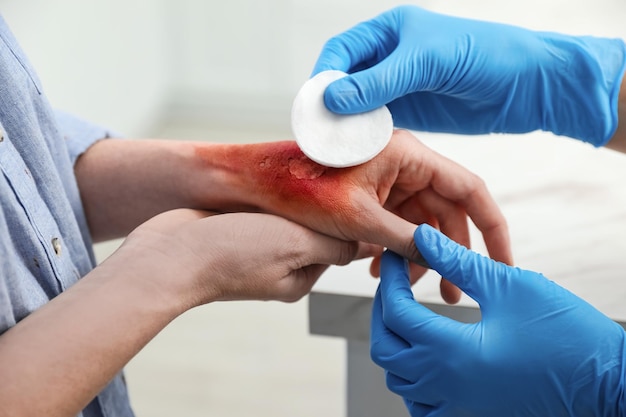
Sthanika Chikitsa (Local Wound Treatment)
Vrana Shodhana (Wound Cleansing):
| Preparation | Ingredients/Base | Action | Method of Application |
|---|---|---|---|
| Panchavalkala Kashaya | Bark decoctions of Vata, Udumbara, Ashwattha, Parisha, Plaksha | Kaphahara, Shothahara, Vranaropana | Parisheka (irrigation/wash) |
| Triphala Kashaya | Haritaki, Bibhitaki, Amalaki | Tridoshahara, Shodhana | Dhavana (wound wash) |
| Guduchyadi Kashaya | Guduchi-based decoction | Anti-inflammatory, immuno-modulatory | Dhara (streaming over wound) |
| Dhanyamla | Fermented grain liquid | Vata-Kapha Shamana, cleansing | Dhara |
Vrana Ropana (Wound Healing):
- Jatyadi Ghrita — the most widely used Vrana Ropana preparation, containing Jati (Jasminum), Neem (Nimba), Karanja, Tuttha (copper sulfate), among others. Its Tikta Rasa and Madhura Vipaka provide both Shodhana and Ropana actions. Applied directly to the cleaned wound bed.
- Apamarga Ghrita — less commonly discussed but clinically effective, particularly for Kaphaja wounds with excessive slough
- Shashtika Taila — used in the Ropana phase for promoting healthy granulation
- Paranthyadi Taila — applied via Dhara for combined Shodhana-Ropana effect
Additional External Procedures:
- Udwarthanam with Kolakulathadi Churnam — dry powder massage around the wound (not on the wound) to improve circulation and reduce edema, especially in venous ulcers
- Vranadhoopana — fumigation of the wound with medicated smoke for antiseptic effect
Shamanaushadi (Internal Medicines)
Internal medication addresses the systemic dosha imbalance that sustains the wound:
| Medicine | Dosha Target | Primary Action | Typical Dosage |
|---|---|---|---|
| Kaishora Guggulu | Pitta-Vata | Raktashodhaka, anti-inflammatory | 2 tablets twice daily |
| Triphala Guggulu | Tridosha | Shodhana, Deepana | 2 tablets twice daily |
| Gandhaka Rasayana | Pitta-Kapha | Kushtaghna, Rasayana, antiseptic | 2 tablets twice daily |
| Manjishtadi Kashaya | Pitta-Kapha | Raktaprasadana, blood purifier | 15 ml twice daily with equal water |
| Guggulutiktakam Kashayam | Vata-Pitta | Tikta Rasa dominant, deep tissue action | 15 ml twice daily |
| Guggulutiktaka Ghritam | Vata-Pitta-Kapha | Snehapana in chronic wounds, Asthi-Majja level action | As per Snehapana protocol |
Mechanism through Ayurvedic lens:
These medicines act as Tridosha Shamaka (dosha pacifiers), Vrana Shodhana (wound cleansers), Ropana (wound healers), Vedana Shamaka (pain relievers), Shothahara (anti-inflammatory), and Rasayana (rejuvenating). The Guggulu-based preparations are particularly valued because Guggulu possesses Yogavahi property — it enhances the bioavailability and tissue penetration of co-administered herbs.
Don't wait or self medicate. Start chat with Doctor NOW
Pathya-Apathya: Diet & Lifestyle for Dushta Vrana
This is a critical yet consistently overlooked area in wound management. Ayurveda places tremendous emphasis on Ahara (diet) and Vihara (lifestyle) as therapeutic tools.
Pathya (Recommended)
Diet:
- Tikta Rasa dominant foods — bitter gourd (Karavella), neem flowers, Patola (pointed gourd), fenugreek
- Light, easily digestible grains — old rice (Purana Shali), barley (Yava), green gram (Mudga)
- Ghrita (clarified butter) — enhances Agni without aggravating Pitta
- Adequate warm water intake
- Amalaki, Haritaki for Rasayana effect
- Vegetables like drumstick (Shigru), Punarnava for anti-inflammatory and diuretic action
Lifestyle:
- Regular Dinacharya — wake before sunrise, proper elimination timing
- Gentle exercise as tolerated — avoid excessive exertion
- Elevation of the affected limb (especially in venous ulcers)
- Clean wound care environment
- Adequate sleep — tissue repair is maximized during sleep
Apathya (To Be Avoided)
Diet:
- Viruddha Ahara (incompatible food combinations — eg, fish with milk)
- Excessive salt, sour, and spicy foods (Pitta-Rakta aggravators)
- Curd at night, heavy meats, fermented foods
- Junk food, processed food, excessive sugar (especially in Prameha patients)
- Alcohol — directly vitiates Rakta
Lifestyle:
- Prolonged standing or sitting (worsens venous stasis)
- Suppression of natural urges (Vegadharana)
- Excessive physical strain
- Day sleep (Divaswapna) — increases Kapha
- Exposure of wound to dust, contaminated water
Correlation with Modern Medicine and Clinical Evidence
Dushta Vrana in Modern Clinical Context
Dushta Vrana correlates with several chronic wound conditions seen in contemporary practice:
- Chronic venous ulcers — epidemiological data suggests prevalence of approximately 3 per 1,000 in the age group 61-70 years, rising to nearly 20 per 1,000 in those above 80 years. Pathomechanism involves valvular incompetence of perforant veins leading to venous hypertension, tissue hypoxia, and ulceration.
- Trophic ulcers secondary to peripheral vascular disease
- Diabetic foot ulcers — a growing concern in India given rising diabetes prevalence
- Infected surgical wounds and post-operative non-healing wounds
- Pressure ulcers in bedridden patients
Evidence from Clinical Studies
While large-scale randomized controlled trials (RCTs) on Ayurvedic wound management remain limited, several published case studies and clinical reports demonstrate promising results:
Case Study 1 (JAIMS, 2023): A patient with chronic venous ulcer (sapheno-femoral incompetence) treated with Jalaukavacharana, Panchavalkala Kashaya Parisheka, Jatyadi Ghrita application, and internal Kaishora Guggulu showed significant wound size reduction over 45 days, with complete healing achieved by 90 days. Case Study 2 (IJAPR): A 72-year-old male with trophic ulcer secondary to PVD with thrombophlebitis — non-healing for 1.5 years — treated with Guduchyadi Kashaya Dhara, Udwarthanam, Dhanyamla Dhara, Guggulutiktaka Ghritam (internal), and Apamarga Ghrita (local) demonstrated marked improvement in wound bed quality, discharge reduction, and pain relief within 60 days. Case Study 3 (IJAM): Chronic wound treated with Kantakramaka Lepa — an innovative external application — showing Vrana Shodhana followed by Ropana with documentation through serial photographs.
These studies consistently show that the combination of systemic purification (Shodhana) + internal medicines (Shamanaushadi) + local wound care (Sthanika Chikitsa) produces outcomes superior to any single modality alone.
Pharmacological Basis of Key Ayurvedic Wound Medicines
Modern pharmacological research provides some interesting validation:
- Jatyadi Ghrita — contains Tuttha (copper sulfate) with known antimicrobial properties, Nimba (neem) with demonstrated antibacterial and anti-inflammatory action, and Karanja with wound-healing phytochemicals
- Panchavalkala — the five tree barks contain tannins with astringent, antimicrobial, and hemostatic properties
- Gandhaka (sulphur) in Gandhaka Rasayana — antimicrobial, keratolytic, and tissue-regenerating properties
- Guggulu resin — anti-inflammatory (inhibits NF-κB pathway in some studies), lipid-modulating, and bioavailability-enhancing
Frequently Asked Questions
What is the difference between Dushta Vrana and a normal wound?
- A normal or clean wound (Shuddha Vrana) heals progressively through natural inflammatory and regenerative processes.
- Dushta Vrana, by contrast, is a wound vitiated by doshas — it exhibits foul smell, abnormal discharge, intense pain, abnormal color, and crucially, it fails to heal with routine care.
- The key distinction is dosha involvement: Dushta Vrana has active dosha vitiation that must be addressed systemically before local healing can occur.
What are the 7 types of Swapna mentioned in Ayurvedic texts?
While not directly related to Dushta Vrana, this question arises in Ayurvedic study contexts. The 7 types of Swapna (dreams) described in Charaka Samhita are: Drishta (seen), Shruta (heard), Anubhuta (experienced), Prarthita (desired), Kalpita (imagined), Bhavika (prophetic), and Doshaja (disease-related). Doshaja Swapna can sometimes indicate underlying conditions, though its direct relevance to wound healing is limited.
What is the rarest Dosha type?
In the context of Prakriti (constitution), a true Sama Prakriti (equal balance of all three Doshas) is considered the rarest. Most individuals have one or two dominant Doshas. For Dushta Vrana specifically, Sannipataja (involving all three Doshas simultaneously) is the rarest and most challenging subtype to treat.
Is Dushta Vrana treatment available in PPT or presentation format?
Yes, several academic institutions and researchers have created presentation slides on Dushta Vrana for educational purposes. The SlideShare platform hosts multiple presentations covering Dushta Vrana concepts. However, for comprehensive clinical understanding, detailed articles and classical text references provide far more depth than slide-based formats.
How long does Dushta Vrana treatment typically take?
Duration depends heavily on the wound's chronicity, size, depth, underlying cause, and Dosha predominance. Mild cases may show significant improvement within 30-45 days. Chronic venous ulcers or diabetic wounds may require 60-120 days or longer. Consistency in both internal medication and local wound care is essential — treatment abandonment is a common cause of relapse.
Can Dushta Vrana recur after successful treatment?
Yes, recurrence is possible if the underlying Nidana (causative factors) are not eliminated. This is precisely why Ayurveda emphasizes Nidana Parivarjana (avoidance of causative factors), Pathya Ahara-Vihara (proper diet and lifestyle), and Rasayana therapy even after wound closure. Patients with chronic venous insufficiency or diabetes require ongoing management of the underlying condition.
Conclusion: An Integrated Path to Healing
- Dushta Vrana represents one of Ayurveda's most sophisticated areas of clinical practice — one where the ancient science of Sushruta's surgical wisdom meets modern understanding of chronic wound pathology.
- The key takeaway is this: successful management requires a multi-layered approach that no single therapy can replicate.
Start with systemic purification. Address the wound locally with proper Shodhana before attempting Ropana. Support healing with appropriate internal medicines. And perhaps most importantly, maintain the right diet and lifestyle to prevent recurrence.
If you or someone you know is struggling with a chronic, non-healing wound that hasn't responded to conventional treatment, consider consulting a qualified Ayurvedic practitioner (preferably one with Shalya Tantra specialization) who can design a personalized Dushta Vrana management protocol. The classical wisdom is there. The clinical evidence is growing. And the healing potential is real.
This article is for educational purposes and should not replace professional medical advice. Always consult a certified Ayurvedic physician before beginning any treatment protocol for chronic or infected wounds.
Scientific Sources
- Ayurvedic management of venous ulcer - a case report — Shanti K et al., 2023, Journal of Ayurveda and integrative medicine
- Effectiveness of herbal drug Terminalia Arjuna in chronic venous insufficiency - A prospective observational study — Pratap Shankar KM et al., 2024, Journal of vascular nursing : official publication of the Society for Peripheral Vascular Nursing
- Katupila (Securinega leucopyrus) as a potential option for diabetic wound management — Ajmeer AS et al., 2014, Journal of Ayurveda and integrative medicine
- Effect of Neem oil and Haridra on non-healing wounds — Singh A et al., 2014, Ayu
- Healing with integrative management of Diabetic foot ulcer - A case report — Katkar R et al., 2025, Journal of Ayurveda and integrative medicine
- Effects of Apamarga Kshara Taila on diabetic pressure ulcer - A case report — Gopika G et al., 2025, Journal of Ayurveda and integrative medicine
- Integrative Ayurveda management of a chronic unilateral diabetic plantar lesion: A case report — Gajarmal A et al., 2026, Explore (New York, N.Y.)
- Topical application of Katupila (Securinega leucopyrus) in Dushta Vrana (chronic wound) showing excellent healing effect: A case study — Ajmeer AS et al., 2014, Ayu
- Role of honey (Madhu) in the management of wounds (Dushta Vrana) — Dudhamal TS et al., 2010, International journal of Ayurveda research
- A case study on the management of dry gangrene by Kaishore Guggulu, Sanjivani Vati and Dashanga Lepa — Bharati PL et al., 2019, Ayu
- Post-operative Ayurvedic management of non-healing idiopathic granulomatous mastitis - A case report — Balakrishnan M et al., 2021, Journal of Ayurveda and integrative medicine
- Ayurvedic management of a chronic venous ulcer using dusting of powdered botanicals - A Case Report — Sisodia AS et al., 2025, Journal of Ayurveda and integrative medicine
Questions from users
How does chronic venous insufficiency affect the healing of dushta vrana wounds?
Leslie
6 days ago
Chronic venous insufficiency can lead to dushta vrana, slowing down the healing process due to poor blood circulation and increased pressure in veins. This worsens the body's natural healing and may lead to more severe wounds. Management involves improving circulation, possibly with herbs or external treatments, and addressing the underlying issue to promote proper healing.
What is the healing role of Tikta Rasa in Ayurvedic wound care?
Titus
16 days ago
Tikta Rasa plays a healing role in Ayurvedic wound care by promoting both cleansing (Shodhana) and healing (Ropana). It is useful for treating conditions like chronic venous ulcers and infected wounds. The bitterness helps in detoxifying and reducing inflammation, which supports the healing of tissues. Try incorporating bitter herbs like neem or turmeric in care plans.
What is the connection between dosha imbalances and the healing process of chronic wounds?
Anna
32 days ago
Dosha imbalances, especially excess Pitta and Kapha, can lead to chronic wounds due to increased inflammation and stagnation. By rebalancing these doshas through diet, lifestyle changes, and herbal remedies, Ayurveda aims to reduce inflammation and enhance tissue regeneration, promoting healing of chronic wounds. It's a holistic approach!
What is the role of diet in the Ayurvedic treatment of dushta vrana?
Zachary
41 days ago
Diet plays a big role in treating dushta vrana in Ayurveda. It's all about balancing your doshas and boosting your agni, or digestive fire, to support healing. Eating easy-to-digest foods that are nourishing and avoiding heavy, spicy, or oily stuff can help. Fresh, warm, and sattvic foods are generally prefered. Always connect with a practitioner for a personalized plan!
What is the process of balancing Pitta and Kapha doshas for better wound healing?
Kiley
51 days ago
To balance Pitta and Kapha for wound healing, start by focusing on a Pitta-pacifying diet—avoid spicy, salty, or oily foods. For Kapha, reduce heavy, oily foods. Stay hydrated, but not too much for Kapha—watch for mucus accumulation. Gentle yoga & meditation are great for managing these doshas. Consider topical herbs like turmeric or neem, but always check with a practitioner first!
Can I use Ayurvedic oils for faster healing of chronic wounds?
Noah
61 days ago
Yes, you can use Ayurvedic oils for chronic wounds, they can help cleanse and reduce inflammation, while also promoting tissue repair. It's important, though, to consult with an Ayurvedic practitioner to find the right oil for your prakriti and dosha imbalances. They can guide you in using oils that balance Pitta and Kapha, aiding faster healing.
What is the importance of hygiene in the Ayurvedic treatment of dushta vrana?
Daniel
70 days ago
Hygiene is super important when treating dushta vrana, 'cause it helps prevent further infection and aids faster healing. In Ayurveda, keeping the wound clean aligns with maintaining proper dosha balance and boosting agni (digestive fire) to support body’s natural healing. So, regular cleaning with gentle Ayurvedic solutions is key.
What is the role of detoxification in Ayurvedic treatment for chronic wounds?
Jaxon
80 days ago
Detoxification in Ayurveda helps flush out toxins that may hinder wound healing. By clearing these toxins, the body's natural repair processes are boosted, aiding the healing of chronic wounds like dushta vrana. It's all about balancing your doshas and optimizing agni, or digestive fire. Always good to check with an ayurvedic doc to tailor things for you!
Is it safe to combine Ayurvedic remedies with conventional wound treatments?
John
89 days ago
Yes, often it's safe to combine Ayurvedic remedies with regular wound treatments, but it's crucial to do so under professional guidance. Both approaches can complement each other, but the risk of interactions needs to be checked by a healthcare provider, especially considering your unique health constitution and the doshas involved.
Can I use aloe vera from my garden for treating dushta vrana wounds?
Benjamin
99 days ago
Yeah, you can use aloe vera from your garden for dushta vrana, but keep a few things in mind! Aloe's great for soothing and healing, but make sure it’s clean and fresh. It's important to connect with an ayurvedic practitioner too, to ensure it fits your specific needs and constitution—dosha balance is key, you know! 🌿
Related articles
Skin and Hair Disorders
Discover the Amazing Health & Beauty Benefits of Chandanbala Lakshadi Oil
Discover the proven chandanbala lakshadi oil benefits, proper usage, side effects, and scientific research behind this powerful Ayurvedic remedy.
2,982

Skin and Hair Disorders
Ayurvedic Treatment for Ichthyosis Vulgaris: Skin Healing Guide
Explore Ayurvedic approaches for ichthyosis vulgaris. Discover natural remedies, herbal treatments, and lifestyle tips to manage dry, scaly skin and promote healthy complexion.
3,990

Skin and Hair Disorders
Dhurdhurapatradi Oil Uses: Benefits, Research, and Application
Explore Dhurdhurapatradi oil uses, potential benefits, and current research. Learn how this Ayurvedic remedy supports scalp health and hair care naturally.
4,403

Skin and Hair Disorders
Scalp Psoriasis Ayurveda Treatment: Herbal Remedies & Tips
Explore Ayurvedic solutions for scalp psoriasis. Discover natural remedies, herbal treatments, and lifestyle tips to manage symptoms, reduce inflammation, and promote scalp health.
2,986

Skin and Hair Disorders
Chicken Pox Treatment in Ayurveda: Natural Remedies for Relief
Discover effective chicken pox treatment in Ayurveda with herbal remedies, dietary tips, and lifestyle practices that soothe symptoms, boost immunity, and restore balance.
7,152

Skin and Hair Disorders
Sarivadyasava Benefits – Ayurvedic Tonic for Women's Health & Wellness
Discover the benefits of Sarivadyasava, an Ayurvedic fermented herbal tonic. Learn how it supports women's health, balances hormones, boosts immunity, and promotes overall well-being.
3,365

Skin and Hair Disorders
How to Prepare Rosemary Oil for Hair Growth: Recipes, Benefits, and Ayurvedic Uses
Exploration of Unlock the Benefits of Rosemary Oil for Hair Growth and Care
6,662

Skin and Hair Disorders
What Happens If You Use Anti-Aging Products at a Young Age?
Is it safe to use anti-aging products at a young age? Learn about side effects, ideal age to start, and Ayurvedic views on skin rejuvenation and prevention
2,962

Skin and Hair Disorders
Marichyadi Oil: Benefits, Uses & Science-Based Insights
Discover the benefits, uses, dosage, and scientific research behind Marichyadi Oil, an Ayurvedic remedy for skin health, inflammation, and more.
5,633

Skin and Hair Disorders
Kasisadi Taila – Ayurvedic Oil for Treating Piles, Corns, Warts & Skin Conditions
Kasisadi Taila offers a natural and effective solution for managing piles, corns, warts, and other skin conditions. Its unique blend of herbal extracts and nourishing base oil works synergistically to reduce inflammation
3,783
Related consultations on the topic
Legal
Additional Documents
© 2024 Ask Ayurveda. All rights reserved.