FREE! Ask Ayurvedic Doctors 24/7

 Fast responses
 1000+ verified doctors
Endometriosis and Ayurveda Insights
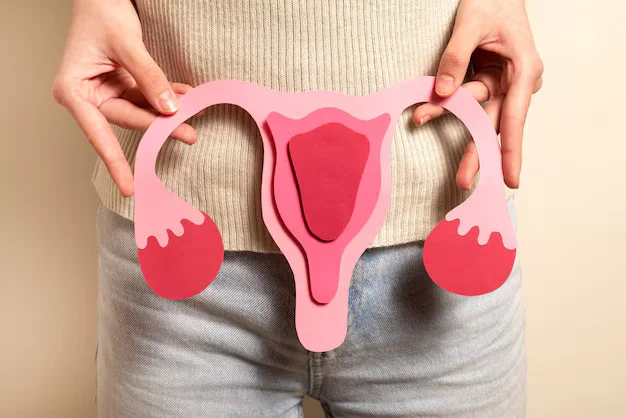
Endometriosis is a chronic inflammatory condition where tissue similar to the uterine lining grows outside the uterus — on the ovaries, fallopian tubes, bowel, and even the bladder. It affects roughly 10% of reproductive-age women globally, which translates to approximately 190 million women worldwide (WHO, 2023). In India alone, an estimated 25 million women live with this condition, and many go undiagnosed for 7–10 years. Ayurveda offers a time-tested, root-cause-oriented framework for understanding and managing endometriosis through dosha balancing, Panchakarma detoxification, herbal formulations, dietary therapy, and lifestyle corrections — without the side effects commonly associated with hormonal drugs or repeated surgeries.
This guide goes beyond surface-level advice. You'll find specific herbs with dosages, a step-by-step Panchakarma protocol, yoga recommendations, a stage-wise treatment approach, and a practical weekly meal plan — things no other resource brings together in one place.
What Is Endometriosis? Understanding the Condition
Endometriosis occurs when endometrial-like tissue implants and grows in ectopic locations. Each menstrual cycle, this displaced tissue responds to hormonal signals — it thickens, breaks down, and bleeds. But unlike the uterine lining, this blood has no way to exit the body. The result is chronic inflammation, adhesions, scar tissue, and often debilitating pain.
Stages of Endometriosis (rAFS Classification)
The revised American Fertility Society classifies endometriosis into four stages:
| Stage | Severity | Description |
|---|---|---|
| Stage I | Minimal | Small, superficial implants; few filmy adhesions |
| Stage II | Mild | More and deeper implants; some adhesions |
| Stage III | Moderate | Deep implants, small endometriomas on ovaries, significant adhesions |
| Stage IV | Severe | Large endometriomas, dense adhesions, significant organ distortion |
Understanding the stage matters because, as we'll see, Ayurveda tailors its treatment intensity accordingly.
Common Symptoms — The "6 D" Framework
A helpful mnemonic for recognizing endometriosis symptoms:
- 1.Dysmenorrhea — severe menstrual cramps
- 2.Deep pelvic pain — chronic, not limited to periods
- 3.Dyspareunia — pain during intercourse
- 4.Dyschezia — painful bowel movements during menstruation
- 5.Dysuria — painful urination, especially peri-menstrually
- 6.Disordered menstruation — heavy, irregular, or prolonged bleeding
Up to 30–50% of women with endometriosis experience infertility, making it one of the leading causes of difficulty conceiving.
Endometriosis Ayurveda Dosha: The Vedic Perspective
Ayurveda doesn't use the word "endometriosis" directly, but classical texts describe conditions with remarkably similar pathology. The primary correlations are Vataja Yoni Roga and Udavarta Yoni Vyapada — both involving vitiated Vata dosha disrupting the reproductive system.
The Central Role of Apana Vata
Apana Vata is the subdosha of Vata governing all downward movements in the body — menstrual flow, urination, defecation, childbirth, and ejaculation. When Apana Vata becomes vitiated and its natural downward movement reverses, menstrual blood can flow retrograde through the fallopian tubes and implant in ectopic sites. This is strikingly similar to Sampson's retrograde menstruation theory, the most widely accepted modern explanation.
How All Three Doshas Get Involved
While Vata initiates the pathology, endometriosis is ultimately a tridoshic condition:
- Vata (vitiated Apana Vata) → causes retrograde flow, pain, irregularity, and tissue displacement
- Pitta (Ranjaka and Pachaka Pitta) → drives inflammation, burning sensation, and hormonal excess
- Kapha (Avalambaka and Kledaka Kapha) → contributes to tissue growth, mass formation (endometriomas/cysts), and adhesions
The involvement of Ama (metabolic toxins) is also critical. Weak digestive fire (Mandagni) leads to Ama accumulation, which blocks the Artava Vaha Srotas (reproductive channels) — a concept described as Srotorodha. This blockage creates the perfect environment for ectopic tissue to establish and grow.
Ayurvedic Differential Diagnosis
| Ayurvedic Condition | Key Features | Modern Correlation |
|---|---|---|
| Udavarta Yoni Vyapada | Reversed Apana Vata, painful retrograde menstruation | Retrograde menstruation / endometriosis |
| Vatala Yonivyapada | Severe pain, dryness, irregular menses | Dysmenorrhea-dominant endometriosis |
| Artavavaha Srotodushti | Blockage in reproductive channels | Tubal endometriosis / adhesions |
| Shukravaha Srotodushti | Impaired reproductive tissue quality | Endometriosis-related infertility |
| Gulma / Granthi | Mass formation in abdomen / pelvis | Endometriomas (chocolate cysts) |
What Causes Endometriosis According to Ayurveda?
Ayurveda emphasizes Nidana Parivarjanam — identifying and removing the root cause — as the very first step in treatment. The causes of Vata vitiation and subsequent endometriosis include:
Suppression of Natural Urges (Vega Dharana)
Classical texts describe 13 natural urges that should never be suppressed. Repeatedly holding back these urges directly aggravates Apana Vata:
- Urge to urinate or defecate
- Flatulence
- Sneezing
- Hunger and thirst
- Tears and crying
- Yawning
- Vomiting reflex
- Sleep
- Breathing (after exertion)
Women who habitually suppress the urge to urinate during long work hours, or hold back tears due to social conditioning, are particularly vulnerable.
Lifestyle and Psycho-Emotional Factors
- Chronic stress — overwork, multitasking, excessive ambition without adequate rest
- Stress during menstruation — exercising heavily, working long hours, or travelling during periods
- Sedentary lifestyle — prolonged sitting slows Apana Vata's natural movement
- Late nights and irregular sleep — directly vitiates Vata
- Long-term use of oral contraceptives — some Ayurvedic practitioners consider prolonged OC use as a contributing factor, as it artificially overrides the natural hormonal rhythm and may disrupt Rtu Chakra (menstrual cycle physiology)
Dietary Causes
- Excessive cold, dry, raw, or leftover food
- Irregular meal times
- Overeating pungent, bitter, and astringent tastes
- Consuming incompatible food combinations (Viruddha Ahara)
Panchakarma Protocol for Endometriosis: A Step-by-Step Guide
Panchakarma is the gold standard of Ayurvedic detoxification and forms the backbone of clinical treatment for endometriosis. Here is a detailed protocol that no other resource has laid out completely.
Poorvakarma (Preparatory Phase) — Days 1–7
Snehana (Internal and External Oleation):
- Internal: Medicated ghee (e.g., Shatavari Ghrita or Phala Ghrita), starting from 30 ml and gradually increasing to 60–80 ml on empty stomach for 3–7 days
- External: Full-body Abhyanga with Bala Taila or Dhanwantharam Taila, focusing on the lower abdomen, sacral region, and inner thighs
Swedana (Sudation):
- Nadi Swedana (steam fomentation) directed at the pelvic area
- Patra Pottali Sweda using Nirgundi, Eranda, and Dashamoola leaves
- Duration: 15–20 minutes daily after Abhyanga
Pradhana Karma (Main Therapies) — Days 8–21
1.
- Virechana (Therapeutic Purgation):
- Indicated when Pitta involvement is significant (inflammation, heavy bleeding)
- Medicine: Trivrit Lehya or Eranda Taila with milk
- Typically performed once, on day 8, after adequate Snehana-Swedana
- Expected outcome: 15–25 bowel movements (Madhyama Shuddhi)
2.
- Yoga Basti (Medicated Enema Cycle) — 8 Days:
- This is the single most important treatment.
- A standard Yoga Basti cycle alternates:
| Day | Type | Medicine |
|---|---|---|
| 1 | Anuvasana (oil enema) | Dhanwantharam Taila – 60 ml |
| 2 | Niruha (decoction enema) | Dashamoola Kwatha + honey + Saindhava + Shatapushpa Churna |
| 3 | Anuvasana | Dhanwantharam Taila – 60 ml |
| 4 | Niruha | Dashamoola Kwatha combination |
| 5 | Anuvasana | Dhanwantharam Taila |
| 6 | Niruha | Dashamoola Kwatha combination |
| 7 | Anuvasana | Dhanwantharam Taila |
| 8 | Anuvasana | Dhanwantharam Taila |
3.
- Uttar Basti (Intrauterine/Intravaginal Medicated Therapy):
- Performed after the Basti cycle, during the proliferative phase (day 5–10 of menstrual cycle)
- Medicine: Phala Ghrita or Shatavari Taila — 5 ml administered intrauterine
- Requires trained Ayurvedic gynecologist and sterile setting
- Duration: 3–6 consecutive days per cycle; typically repeated for 3 cycles
Paschat Karma (Post-Treatment Phase) — Days 22–30+
- Samsarjana Krama: Gradual dietary reintroduction starting from thin rice gruel (Peya) to normal diet over 3–7 days
- Rasayana therapy: Rejuvenation medicines like Shatavari Kalpa, Ashwagandha, or Chyawanprash
- Follow-up Bastis: Monthly maintenance Basti for 3–6 months
Marma Therapy and Abhyanga
Specific Marma points relevant to endometriosis include:
- Guda Marma — at the anal region, directly influencing Apana Vata
- Basti Marma — over the bladder/lower abdomen, governs pelvic organ function
- Vitapa Marma — at the inguinal region, connected to reproductive channels
Gentle circular pressure on these points during Abhyanga can help restore normal Vata flow. Sessions of 30–45 minutes, 2–3 times per week, are typically recommended.
Best Ayurvedic Medicines for Endometriosis: Herbs and Formulations with Dosages
This is the section you won't find elsewhere with this level of detail. Always consult a qualified Ayurvedic practitioner before starting any formulation — dosages below are general clinical guidelines.
Key Single Herbs
| Herb | Action | Typical Dosage | How It Helps |
|---|---|---|---|
| Ashoka (Saraca asoca) | Uterine tonic, hemostatic | 3–6 g bark powder or 15–20 ml decoction, twice daily | Regulates menstrual flow, reduces pain |
| Shatavari (Asparagus racemosus) | Hormonal balancer, rejuvenative | 3–6 g powder with milk or ghee, twice daily | Supports estrogen metabolism, improves fertility |
| Lodhra (Symplocos racemosa) | Astringent, anti-inflammatory | 3–5 g powder, twice daily with honey | Reduces heavy bleeding, strengthens uterine tissue |
| Guduchi (Tinospora cordifolia) | Immunomodulator, detoxifier | 500 mg–1 g tablet or 15 ml juice, twice daily | Clears Ama, reduces inflammation |
| Turmeric (Curcuma longa) | Anti-inflammatory, anti-adhesion | 1–2 g with warm milk or as capsule, twice daily | A 2013 study in Molecular Nutrition & Food Research showed curcumin suppresses estradiol production and endometrial cell proliferation |
| Ashwagandha (Withania somnifera) | Adaptogen, Vata-pacifier | 3–5 g powder or 500 mg extract, twice daily | Reduces cortisol, manages stress-driven Vata aggravation |
| Guggulu (Commiphora mukul) | Anti-inflammatory, channel-clearing | 250–500 mg purified extract, twice daily | Breaks down adhesions, clears Srotorodha |
| Shatapushpa (Anethum sowa) | Vata-pacifying, carminative | 3–5 g powder with ghee | Specific for Apana Vata disorders |
Key Classical Formulations
| Formulation | Composition (Key Ingredients) | Dosage | Primary Indication |
|---|---|---|---|
| Kanchanar Guggulu | Kanchanar, Triphala, Trikatu, Guggulu | 2 tablets (500 mg each), twice daily, before meals | Granthi (cysts/masses), endometriomas |
| Dashamoola Kwatha | 10 roots including Bilva, Agnimantha, Shyonaka, Patala, Gambhari | 15–20 ml decoction, twice daily | Vata-pacifying, anti-inflammatory |
| Sukumara Kashayam | Dashamoola, Shatavari, Eranda, Guduchi | 15 ml with equal water, before food | Gynecological Vata disorders |
| Rajapravartini Vati | Kaseesa, Tankan, Aloe vera, Hing | 1–2 tablets, twice daily during menstruation | Painful, scanty, or obstructed menses |
| Kuberaksha Vati | Kuberaksha (Caesalpinia bonducella) | 2 tablets, twice daily | Cited in case study: reduced 6.9 cm endometrioma significantly |
| Phala Ghrita | Ghee medicated with Shatavari, Ashwagandha, Madhuka | 1–2 tsp, twice daily, or used for Uttar Basti | Infertility, uterine disorders |
| Chandraprabha Vati | Guggulu, Shilajit, Loha Bhasma + 23 other ingredients | 2 tablets, twice daily | Urogenital disorders, inflammation |
A Note on Patanjali and Kottakkal Products
Patanjali's Divya Stri Rasayan Vati and Kottakkal's Sukumaram Kashayam are popular branded options. While these can be supportive, endometriosis requires a personalized treatment protocol — not just over-the-counter products. Work with a qualified practitioner who can adjust formulations based on your prakriti and stage of disease.
Stage-Wise Ayurvedic Treatment Approach
- No other resource maps Ayurvedic treatment to the clinical stage of endometriosis.
- Here's a framework:
Stage I–II (Minimal to Mild)
- Primary focus: Vata Anulomana (restoring downward Vata flow)
- Treatment: Oral medicines (Dashamoola, Shatavari, Ashoka), dietary corrections, lifestyle changes
- Panchakarma: Yoga Basti for 1–2 cycles, Virechana once
- Duration: 3–6 months
- Prognosis: Excellent; many women achieve complete symptom relief and conceive naturally
Stage III (Moderate)
- Primary focus: Granthi Chikitsa (cyst/mass management) + Shophhar Chikitsa (anti-inflammatory)
- Treatment: Kanchanar Guggulu, Chandraprabha Vati, Guduchi + Yoga Basti + Uttar Basti
- Panchakarma: Full protocol including Virechana + Yoga Basti + Uttar Basti, repeated for 3–4 cycles
- Duration: 6–12 months
- Prognosis: Good; significant reduction in cyst size and pain. May require integration with conventional monitoring
Stage IV (Severe)
- Primary focus: Integrated approach — Ayurveda + conventional oversight
- Treatment: Intensive Panchakarma + oral formulations + Rasayana therapy
- Panchakarma: Monthly Basti cycles, Uttar Basti for 6+ cycles, periodic Virechana
- Duration: 12–18 months minimum
- Prognosis: Variable. Ayurveda can significantly reduce symptoms and improve quality of life. Large endometriomas (>5 cm) may still need surgical evaluation alongside Ayurvedic treatment
The Indian Diet for Endometriosis: What to Eat and What to Avoid
- Diet is not supplementary in Ayurveda — it's medicine.
- The principle is simple: favour Vata-pacifying, warm, nourishing, anti-inflammatory foods while avoiding anything that aggravates Vata or creates Ama.
Foods to Favour
- Grains: Freshly cooked rice, wheat, oats (warm)
- Lentils: Moong dal (easiest to digest), masoor dal, toor dal — well-cooked with ghee and turmeric
- Vegetables: Cooked leafy greens, sweet potato, pumpkin, bottle gourd, zucchini, beetroot, asparagus
- Spices: Cumin, fennel, ajwain, fresh ginger, cinnamon, turmeric, hing (asafoetida)
- Fats: Ghee (2–3 tsp daily), sesame oil, coconut oil
- Ojas-building foods: Dates, almonds (soaked and peeled), walnuts, sesame seeds, pumpkin seeds, saffron-infused milk, raw honey
Foods to Avoid
- Cold, raw salads and smoothies (especially during menstruation)
- Leftover, reheated, frozen, or processed foods
- Red meat, pork
- Excessive caffeine and alcohol
- Fermented foods in excess (vinegar, kimchi, hard cheese)
- Refined sugar, white flour, and trans fats
- Soy products (phytoestrogens may worsen estrogen-dominant conditions)
Sample 1-Day Vata-Pacifying Meal Plan
| Meal | Menu |
|---|---|
| Morning (6:30 AM) | Warm water with 1 tsp soaked fennel seeds. 10 soaked almonds (peeled) |
| Breakfast (8:00 AM) | Oats porridge cooked with milk, ghee, cinnamon, 2 chopped dates, and cardamom |
| Mid-Morning (10:30 AM) | Saffron milk with 1 tsp honey (add honey after cooling to lukewarm) |
| Lunch (12:30 PM) | Rice + moong dal with ghee + sautéed beetroot-carrot subzi with cumin + a small piece of jaggery |
| Afternoon (3:30 PM) | Ginger-tulsi tea + 2–3 pumpkin seed ladoos |
| Dinner (7:00 PM) | Chapati + bottle gourd (lauki) sabzi + warm turmeric milk before bed |
Yoga and Pranayama for Endometriosis Relief
- No discussion of Ayurvedic endometriosis management is complete without yoga.
- These aren't generic suggestions — they're specific to improving pelvic circulation, calming Apana Vata, and reducing stress-mediated inflammation.
Recommended Asanas
- Supta Baddha Konasana (Reclining Bound Angle Pose) — opens the pelvis, relieves congestion; hold 3–5 minutes
- Bhujangasana (Cobra Pose) — stimulates abdominal organs, reduces stiffness; 3 rounds of 30 seconds
- Janu Sirsasana (Head-to-Knee Forward Bend) — stretches pelvic floor, calms Vata; hold 1–2 minutes each side
- Malasana (Garland Pose/Deep Squat) — promotes Apana Vata downward movement; hold 1–2 minutes
- Viparita Karani (Legs Up the Wall) — reduces pelvic congestion; 5–10 minutes
- Savasana with bolster under knees — final relaxation; 10 minutes minimum
Pranayama Practices
- Nadi Shodhana (Alternate Nostril Breathing) — balances Vata-Pitta, calms the nervous system; 10 rounds
- Bhramari (Humming Bee Breath) — reduces anxiety and cortisol; 5–7 rounds
- Dirga Pranayama (Three-Part Breath) — engages the diaphragm, gently massages abdominal organs; 5 minutes
Important: Avoid vigorous practices like Kapalbhati, intense Surya Namaskar, or deep twists during menstruation. Gentle restorative yoga is best during the first 3 days of the cycle.
Dincharya and Ritucharya: Daily and Seasonal Routines
Daily Routine (Dincharya)
- Wake before 6 AM — Vata time begins at 2 AM, and rising in the late Vata period promotes elimination
- Oil pulling with sesame oil for 5–10 minutes
- Self-Abhyanga with warm sesame oil, focusing on lower abdomen and lower back (15 mins)
- Warm breakfast by 8 AM — never skip
- Largest meal at lunch when Agni is strongest
- Light dinner before 7 PM
- Sleep by 10 PM — late nights dramatically aggravate Vata
- Avoid screens 1 hour before bed — practice meditation or journaling instead
Seasonal Adjustments (Ritucharya)
- Shishira/Hemanta (winter): Increase ghee, sesame, warm soups. Panchakarma is ideal in this season.
- Vasanta (spring): Light detox, reduce Kapha-aggravating foods. Good time for Virechana.
- Grishma (summer): Stay cool but avoid iced drinks. Favor Shatavari milk and coconut water.
- Varsha (monsoon): Vata is naturally aggravated — be extra careful. This is prime time for Basti therapy.
What Does Modern Research Say?
While large-scale RCTs specifically on Ayurveda for endometriosis remain limited, emerging evidence is promising:
- A 2019 case study published in the Journal of Ayurveda and Integrative Medicine documented a 23-year-old woman with a 6.9 × 5 cm endometrioma. After Ayurvedic treatment including Kuberaksha Vati, Uttar Basti, and dietary modifications over 8 months, the cyst reduced significantly. She subsequently conceived naturally and delivered a healthy baby.
- A 2013 study in Molecular Nutrition & Food Research found that curcumin inhibited endometrial cell proliferation and reduced estradiol production in a dose-dependent manner.
- A 2020 review in Biomedicine & Pharmacotherapy highlighted Ashwagandha's anti-inflammatory and immunomodulatory properties, which are relevant to endometriosis pathophysiology.
- A 2017 systematic review in Evidence-Based Complementary and Alternative Medicine found Guggulu-based formulations demonstrated significant anti-inflammatory activity comparable to some NSAIDs.
More clinical trials are needed — and several are currently underway at Ayurvedic universities in Jamnagar, Pune, and Bangalore. But the classical evidence base, spanning thousands of years of documented clinical practice, shouldn't be dismissed.
Ayurveda vs Conventional Treatment: A Comparison
| Parameter | Ayurvedic Approach | Conventional Approach |
|---|---|---|
| Philosophy | Root-cause (Nidana Parivarjanam) | Symptom management / suppression |
| Primary treatments | Panchakarma, herbs, diet, yoga | Hormonal drugs (GnRH agonists, OCs, progestins), laparoscopic surgery |
| Side effects | Minimal when administered correctly | Weight gain, bone loss, mood changes, menopausal symptoms, surgical risks |
| Effect on fertility | Actively improves fertility (Uttar Basti, Rasayana) | Surgery may reduce ovarian reserve; hormones suppress ovulation |
| Recurrence rate | Lower with sustained lifestyle changes | 40–50% recurrence within 5 years post-surgery |
| Cost (India) | ₹3,000–15,000/month (including Panchakarma cycles) | ₹20,000–2,00,000+ (surgery + medications) |
| Time to results | 3–12 months for significant improvement | Faster symptom relief but often temporary |
| Best for | Stage I–III, fertility preservation, long-term management | Emergency situations, Stage IV with severe organ compromise, diagnostic laparoscopy |
The ideal approach for many women? Integrative. Use Ayurveda as the foundation for long-term healing while leveraging conventional medicine for diagnosis (ultrasound, laparoscopy) and acute management when needed.
Managing the Emotional and Psychological Impact
Living with endometriosis is not just a physical challenge — it's emotionally exhausting. Chronic pain, fertility concerns, and feeling misunderstood by doctors and family takes a real toll.
Ayurveda addresses this through the concept of Sattvic living:
- Meditation: Even 10–15 minutes of daily silent meditation or guided Yoga Nidra significantly reduces stress hormones
- Sattvic diet: Foods that are fresh, light, and naturally sweet promote mental clarity and emotional stability
- Rasayana for the mind: Brahmi (500 mg, twice daily) and Shankhpushpi support cognitive and emotional resilience
- Community and self-expression: Suppression of emotions (especially grief and anger) directly aggravates Vata. Journaling, creative expression, and support groups are therapeutic
- Reducing Rajas and Tamas: Limiting overstimulation (news, social media, arguments), reducing tamasic foods (stale, heavy, processed), and increasing time in nature
FAQ
How to flush out endometriosis naturally?
Ayurveda doesn't "flush out" endometriosis in one step, but Panchakarma — particularly Virechana (purgation) and Basti (medicated enema) — systematically detoxifies the body, clears Ama from reproductive channels, and restores normal Apana Vata flow. Combined with anti-inflammatory herbs like turmeric and Guduchi, this progressively reduces ectopic tissue and symptoms over 3–12 months.
Which Ayurvedic medicine reduces endometrial thickness?
Ashoka (Saraca asoca) and Lodhra (Symplocos racemosa) are the two most clinically used herbs for regulating endometrial thickness. Ashoka has documented uterine-toning and hemostatic properties. Kanchanar Guggulu is specifically used when there is excessive tissue growth or cyst formation. Dosages should be determined by your practitioner based on ultrasound findings.
Can Ayurveda cure endometriosis completely?
Ayurveda aims for Samprapti Vighatana — breaking the disease pathology at its root. In Stage I–II, complete resolution of symptoms and even disease is possible with disciplined treatment over 6–12 months. In Stage III–IV, significant improvement in quality of life, pain reduction, and fertility enhancement are realistic goals. "Cure" depends on the stage, individual constitution, and adherence to treatment.
Is there any clinical case study of Ayurveda treating endometriosis?
Yes. A notable case published in the Journal of Ayurveda and Integrative Medicine (2019) documented a 23-year-old with a 6.9 × 5 cm endometrioma who achieved significant cyst reduction and successful natural conception after Ayurvedic treatment including Kuberaksha Vati, Uttar Basti, and dietary modification over 8 months.
What role does stress play in endometriosis according to Ayurveda?
- Stress is one of the most potent Vata-aggravating factors. Chronic mental stress, overwork, multitasking, and ambition without adequate rest disturb Prana Vata (mind) which cascades into Apana Vata disturbance (pelvis).
- Ayurveda considers stress management — through meditation, pranayama, Brahmi, and Sattvic lifestyle — not optional but essential to treatment.
Take the First Step Toward Healing
Endometriosis is not a condition you have to simply "live with." Ayurveda offers a sophisticated, multi-layered approach that addresses the root cause — not just the symptoms. From Panchakarma detoxification to specific herbs, from diet to daily routines, from yoga to emotional healing, the tools are comprehensive and time-tested.
But this journey is deeply personal. Your prakriti, your stage of disease, your lifestyle, and your goals (pain relief, fertility, long-term wellness) all shape the right protocol for you.
Start by consulting a qualified Ayurvedic gynecologist who can assess your dosha imbalance, review your investigations, and design a personalized treatment plan. If you're unsure where to begin, our certified Ayurvedic doctors are available 24/7 to answer your questions and guide your next step.
Your body has an extraordinary capacity to heal. Ayurveda simply provides the roadmap.
Scientific Sources
- Ulcerative colitis: molecular insights and intervention therapy — Liang Y et al., 2024, Molecular biomedicine
- Turmeric and Curcumin: From Traditional to Modern Medicine — Akaberi M et al., 2021, Advances in experimental medicine and biology
- Curcumin (Turmeric) and cancer — Unlu A et al., 2016, Journal of B.U.ON. : official journal of the Balkan Union of Oncology
- The Essential Medicinal Chemistry of Curcumin — Nelson KM et al., 2017, Journal of medicinal chemistry
- Neuroprotective Herbs for the Management of Alzheimer's Disease — Gregory J et al., 2021, Biomolecules
- Pharmacological evaluation of Ashwagandha highlighting its healthcare claims, safety, and toxicity aspects — Mandlik Ingawale DS et al., 2021, Journal of dietary supplements
- Can Ashwagandha Benefit the Endocrine System?-A Review — Wiciński M et al., 2023, International journal of molecular sciences
- Clinician guidelines for the treatment of psychiatric disorders with nutraceuticals and phytoceuticals: The World Federation of Societies of Biological Psychiatry (WFSBP) and Canadian Network for Mood and Anxiety Treatments (CANMAT) Taskforce — Sarris J et al., 2022, The world journal of biological psychiatry : the official journal of the World Federation of Societies of Biological Psychiatry
- Effects of Withania somnifera (Ashwagandha) on Stress and the Stress- Related Neuropsychiatric Disorders Anxiety, Depression, and Insomnia — Speers AB et al., 2021, Current neuropharmacology
- Plant-derived nootropics and human cognition: A systematic review — Lorca C et al., 2023, Critical reviews in food science and nutrition
Ask Ayurvedic doctor a question and get a consultation online on the problem of your concern in a free or paid mode.
More than 2,000 experienced doctors work and wait for your questions on our site and help users to solve their health problems every day.
Related articles