
Ask Ayurvedic doctor a question and get a consultation online on the problem of your concern in a free or paid mode. More than 2,000 experienced doctors work and wait for your questions on our site and help users to solve their health problems every day.
FREE! Ask Ayurvedic Doctors 24/7

 Fast responses
 1000+ verified doctors
Body DetoxEar, Nose, and Throat DisordersGeriatrics & RejuvenationImmunodeficiencyInfertility TreatmentNutritionOrthopedic DisordersPediatricsRespiratory DisordersSexually Transmitted Diseases (STDs)Surgery RecoveryUrological DisordersVascular DisordersDental DisordersEndocrinological DisordersGastrointestinal DisordersYoga TherapyGeneral MedicineAllergic DisordersCardio DisordersGynecology and ObstetricsCosmetologySkin and Hair DisordersEye DisordersInfectious DiseasesMental DisordersNeurological DisordersOncologyPanchakarmaSexual Health & DisordersSports Medicine
Published on 03/04/25
(Updated on 07/07/26)
5,273
Ashokarishta for PCOS: Ayurvedic Solution for Hormonal Balance and Health
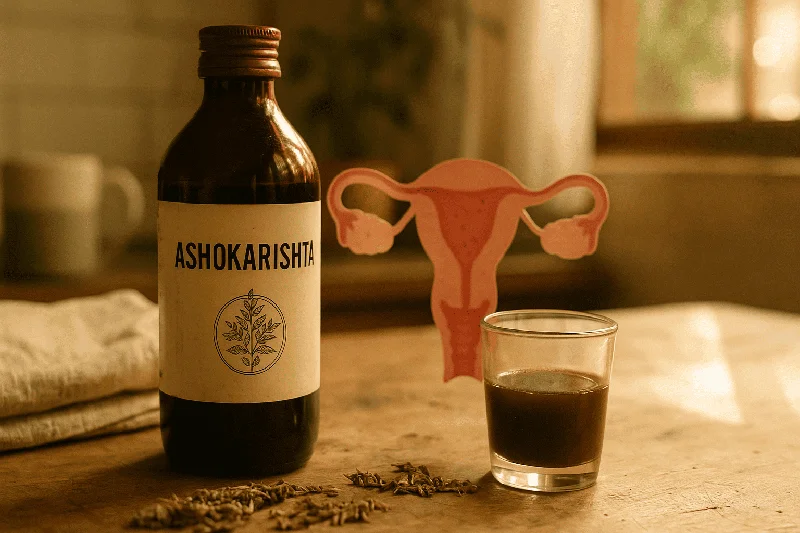
Polycystic Ovary Syndrome (PCOS) affects roughly 1 in 5 women of reproductive age in India, making it one of the most common endocrine disorders among young women. If you've been searching for a natural way to manage your symptoms, Ashokarishta for PCOS is one of the most time-tested Ayurvedic formulations that can genuinely help — when used correctly. This fermented herbal tonic, rooted in centuries of Ayurvedic practice, targets hormonal imbalance, irregular periods, and reproductive health issues that lie at the core of PCOS.
- But here's the thing: not every PCOS type responds the same way. And not every article online tells you how the bioactive compounds actually work, or when you should combine Ashokarishta with conventional medicine instead of replacing it.
- This guide covers everything — the science behind it, practical dosage protocols, what lab tests to track, and the gaps that no other resource has addressed.
What Is Ashokarishta?
Ashokarishta (also spelled Ashokarishta or Ashokaristam) is a classical Ayurvedic fermented liquid preparation — known as an Arishtam — with the bark of the Ashoka tree (Saraca asoca) as its primary ingredient. It has been described in ancient texts like the Bhaishajya Ratnavali and has been used for centuries to treat gynecological disorders, particularly menstrual irregularities, excessive uterine bleeding, and hormonal imbalances.
Unlike a simple herbal decoction, Ashokarishta undergoes a natural fermentation process. This is a critical distinction that most resources overlook entirely.
Key Ingredients and Their Roles
Ashokarishta is not a single-herb remedy. It's a carefully crafted polyherbal formulation. Here are the key ingredients and what each brings to the table:
| Ingredient | Sanskrit/Common Name | Primary Role in PCOS Management |
|---|---|---|
| Saraca asoca (Ashoka bark) | Ashoka | Regulates estrogen, reduces uterine bleeding, anti-androgenic activity |
| Woodfordia fruticosa | Dhataki | Fermentation initiator, anti-inflammatory, antioxidant |
| Cyperus rotundus | Musta (Nagarmotha) | Reduces menstrual pain, improves digestion, anti-androgenic properties |
| Terminalia chebula | Haritaki | Detoxification, improves gut health and nutrient absorption |
| Emblica officinalis | Amalaki (Amla) | Rich in Vitamin C, antioxidant, supports iron absorption |
| Zingiber officinale | Shunthi (Dry Ginger) | Anti-inflammatory, improves metabolism, aids digestion |
| Santalum album | Chandana (Sandalwood) | Cooling effect, reduces Pitta-related inflammation |
| Jaggery (Gur) | Guda | Acts as fermentation substrate, provides iron and minerals |
Each of these ingredients doesn't work in isolation. The synergistic effect of the combination is what makes Ashokarishta more effective than taking Ashoka bark alone.
How Fermentation (Arishtam) Enhances Potency and Bioavailability
This is something none of the top-ranking articles explain properly, and it's actually one of the most important aspects.
- When Ashokarishta undergoes its natural fermentation process (called sandhan prakriya), the jaggery and Dhataki flowers facilitate microbial fermentation that generates a self-produced alcohol content of approximately 5–10%.
- This isn't added alcohol — it's a natural byproduct of fermentation, similar to how kombucha or traditional wine is made.
Why does this matter for PCOS?
- 1.Enhanced bioavailability: The alcohol acts as a natural solvent, extracting fat-soluble bioactive compounds (flavonoids, saponins, tannins) from the herbs that water alone cannot extract effectively.
- 2.Better absorption: The fermented medium allows phytochemicals to cross the intestinal barrier more efficiently, reaching systemic circulation faster.
- 3.Longer shelf life without preservatives: The self-generated alcohol preserves the formulation naturally — no chemical preservatives needed.
- 4.Probiotic-like benefits: Fermentation produces beneficial metabolites that support gut health, which is increasingly linked to hormonal regulation.
A 2016 study published in the Journal of Ayurveda and Integrative Medicine confirmed that fermented Ayurvedic preparations like Arishtams show significantly higher antioxidant activity compared to their non-fermented counterparts. This means Ashokarishta in its traditional fermented form is substantially more potent than simply consuming Ashoka bark powder or a basic decoction.
How Does Ashokarishta Work for PCOS? The Science Behind It
Most articles list benefits without explaining the mechanism. Let's fix that.
PCOS is fundamentally a disorder of hormonal dysregulation involving elevated androgens, disrupted ovulation, and often insulin resistance. Ashokarishta addresses PCOS through multiple biochemical pathways:
Bioactive Compounds and Their Action on Hormones
The bark of Saraca asoca contains several classes of bioactive compounds that directly influence the hormonal landscape in PCOS:
- Flavonoids and isoflavonoids: These act as phytoestrogens — they bind to estrogen receptors and help modulate estrogen levels. In PCOS, where estrogen-progesterone balance is disrupted, this modulatory effect helps restore cyclical hormonal patterns.
- Saponins: Research published in the Indian Journal of Pharmacology (2013) has shown that saponins from Ashoka bark exhibit anti-androgenic activity.
- They can help reduce excess testosterone — the hormone responsible for acne, hirsutism (excess hair growth), and hair thinning in PCOS.
- Tannins (catechins and epicatechins): These compounds have demonstrated anti-inflammatory and antioxidant properties, helping reduce the chronic low-grade inflammation that is now understood to be a key driver of PCOS pathology.
- Ketosterol: A specific steroidal compound found in Ashoka bark that has shown uterotonic activity — it strengthens uterine musculature and helps regulate endometrial shedding, which is why it's so effective for irregular or heavy periods.
Impact on Insulin Resistance — The Missing Piece
Here's a gap that literally no other Ashokarishta article addresses: insulin resistance.
Up to 70% of women with PCOS have some degree of insulin resistance, regardless of their body weight. Insulin resistance drives the ovaries to produce excess androgens, worsening every PCOS symptom from irregular cycles to acne.
While Ashokarishta is not primarily an anti-diabetic formulation, several of its ingredients have demonstrated insulin-sensitizing properties:
- Musta (Cyperus rotundus): A 2017 study in Biomedicine & Pharmacotherapy found that Cyperus rotundus extract improved insulin sensitivity in animal models by upregulating GLUT-4 transporter expression.
- Amalaki (Emblica officinalis): Has been shown to reduce fasting blood glucose and improve insulin response in clinical trials.
- Haritaki (Terminalia chebula): Contains chebulic acid, which has demonstrated alpha-glucosidase inhibitory activity — similar mechanism to the drug acarbose.
This doesn't mean Ashokarishta can replace metformin for insulin resistance. But it does mean the formulation offers some degree of metabolic support that complements its hormonal effects, which is particlarly relevant for PCOS management.
Effect on Folliculogenesis and Ovulation
In PCOS, multiple follicles begin developing but fail to mature to ovulation — this is what creates the characteristic "polycystic" appearance on ultrasound. The anti-inflammatory and hormone-modulating properties of Ashoka bark's bioactive compounds may support healthier follicular development by:
- Reducing the inflammatory cytokines (TNF-α, IL-6) that impair follicular maturation
- Modulating FSH and LH ratios through phytoestrogenic activity
- Improving uterine blood flow, which supports endometrial health for potential implantation
A clinical observation study referenced in Ayurvedic literature reported that approximately 85% of women with menstrual irregularities showed normalization of their cycles within 3 months of Ayurvedic intervention that included Ashokarishta, and about 75% of those trying to conceive achieved pregnancy within 6 months.
Benefits of Ashokarishta for PCOS
Regulating Menstrual Cycles
This is the most well-documented benefit. Women with PCOS frequently experience oligomenorrhea (infrequent periods) or amenorrhea (absent periods). Ashokarishta's phytoestrogenic compounds help stimulate endometrial shedding in a more regular pattern, effectively nudging the body back toward a normal 28–35 day cycle.
Most women report noticeable improvement in cycle regularity within 4–6 weeks of consistent use. However, sustained results typically require 2–3 months of continuous use.
Reducing Menstrual Pain and Heavy Bleeding
For those PCOS patients who experience menorrhagia (heavy bleeding) when periods do arrive, Ashokarishta's uterotonic and hemostatic properties help reduce both the duration and volume of bleeding. The antispasmodic activity of ingredients like Musta and Shunthi helps ease cramping and pelvic discomfort.
Hormonal Balance — Estrogen, Progesterone, and Androgens
Ashokarishta works on multiple hormonal axes simultaneously.
It's not just about estrogen.
The formulation helps:
- Modulate estrogen to appropriate levels (neither too high nor too low)
- Support progesterone production by promoting more regular ovulation
- Reduce excess androgens through the anti-androgenic activity of saponins and flavonoids
This multi-target approach is why many Ayurvedic practitioners consider it a first-line formulation for PCOS.
Mental Health and Mood Stability
The hormonal rollercoaster of PCOS often brings anxiety, mood swings, irritability and sometimes depression. While Ashokarishta is not classified as a mood medication, many women report improved emotional stability after starting the formulation. This is likely a downstream effect of better hormonal balance, combined with the nervine and adaptogenic properties of ingredients like Sandalwood and Haritaki.
Skin Health — Acne and PCOS-Related Breakouts
Elevated androgens in PCOS directly stimulate sebum production, leading to persistent acne — especially along the jawline, chin, and lower face. By helping lower androgen levels and reducing systemic inflammation, Ashokarishta can contribute to clearer skin over a period of 2–3 months. Don't expect overnight results here though.
Can Ashokarishta Help in Conceiving?
Yes, it can support fertility — but with important caveats. By restoring regular ovulation and improving uterine health, Ashokarishta creates a more favorable environment for conception. However, if you have severe anovulation, tubal issues, or your partner has male factor infertility, Ashokarishta alone will not be sufficient. It works best as part of a comprehensive fertility plan.
Ashokarishta vs. Conventional PCOS Treatment
No other article on this topic provides a head-to-head comparison.
Here's an honest one:
| Parameter | Ashokarishta | Metformin | Combined Oral Contraceptives (COC) | Spironolactone |
|---|---|---|---|---|
| Primary action | Hormonal modulation, uterine tonic | Insulin sensitizer | Suppresses ovulation, regulates cycles | Anti-androgen |
| Cycle regulation | Yes (4–6 weeks) | Indirect (through insulin) | Yes (immediate) | No direct effect |
| Anti-androgen effect | Mild to moderate | Mild (indirect) | Moderate | Strong |
| Insulin resistance | Mild support | Strong | May worsen | No effect |
| Fertility support | Yes | Yes | No (prevents pregnancy) | No (teratogenic) |
| Side effects | Mild GI discomfort, contains ~5–10% alcohol | GI upset, B12 deficiency | Blood clot risk, mood changes | Hyperkalemia, dizziness |
| Long-term safety | Well-established over centuries | Good with monitoring | Concerns with prolonged use | Requires monitoring |
When Ashokarishta can complement conventional treatment: It works well alongside metformin for women with both hormonal irregularity and insulin resistance. Some practitioners combine it with letrozole during fertility treatment. When Ashokarishta should NOT replace conventional medicine: Severe insulin resistance requiring metformin, very high androgen levels needing spironolactone, or acute situations like ovarian hyperstimulation. Always consult your doctor before combining treatments.
Dosage, How to Use, and Duration
Standard Dosage Protocol
The standard recommended dosage for adult women:
- Amount: 15–25 mL (approximately 3–5 teaspoons)
- Frequency: Twice daily
- Dilution: Mix with an equal amount of lukewarm water
- Timing: After meals (post-lunch and post-dinner)
Can I Take Ashokarishta at Night?
Yes. The second dose is typically taken after dinner, which means you'll be taking it in the evening. The alcohol content is minimal and doesn't cause drowsiness or intoxication.
Can Ashokarishta Be Taken on an Empty Stomach?
It's generally not recommended. The fermented nature of the preparation can cause mild gastric irritation in some women when taken without food. Always take it after meals for better tolerance and absorption.
Can We Drink Ashokarishta Without Water?
Technically yes, but diluting with water is strongly recommended. The undiluted formulation can be quite strong-tasting and may cause mild throat or stomach irritation. Water dilution also aids in better absorption.
How Long Should You Take It?
This is another topic competitors completely ignore — the duration protocol:
| Phase | Duration | Expected Outcomes |
|---|---|---|
| Initial response | Weeks 1–4 | Reduced cramping, improved digestion, slight cycle changes |
| Cycle regulation | Weeks 4–8 | More predictable periods, reduced flow if previously heavy |
| Sustained results | Months 2–3 | Regular cycles, reduced acne, improved mood |
| Maintenance | Months 3–6 | Hormonal stability, potential fertility improvement |
Do you need breaks? Most Ayurvedic practitioners recommend taking Ashokarishta continuously for 3–6 months, then reassessing. Some suggest a 1-week break every 3 months, but this varies by practitioner. After 6 months, your doctor may advise tapering down based on your response. What happens after stopping? If the underlying PCOS triggers (stress, diet, lifestyle) haven't been addressed, symptoms may gradually return within 2–3 months of stopping. That's why lifestyle modification is crucial alongside Ashokarishta.
Ashokarishta for PCOS in Teenagers
PCOS is increasingly diagnosed in adolescents.
For girls aged 14–18:
- Dosage: Typically reduced to 10–15 mL twice daily
- Duration: Usually shorter initial courses (2–3 months) with reassessment
- Safety: Generally considered safe, but the alcohol content (though minimal) means parental and practitioner guidance is essential
- Caution: Ensure the diagnosis is confirmed — irregular periods in the first 2 years after menarche can be normal and may not indicate PCOS
Don't wait or self medicate. Start chat with Doctor NOW
Does Ashokarishta Work for All Types of PCOS?
This is a critical question that no competitor addresses.
PCOS is not a single condition — it presents in different types, and Ashokarishta's effectiveness varies:
Classic/Insulin-Resistant PCOS
The most common type, characterized by weight gain, elevated insulin, and high androgens. Ashokarishta provides moderate benefit here, but typically needs to be combined with insulin-sensitizing approaches (dietary changes, exercise, possibly metformin).
Lean PCOS
Women with normal BMI but still having hormonal imbalance. Ashokarishta tends to work particularly well here because the hormonal modulation is the primary issue, and there's less metabolic complexity to address.
Adrenal PCOS
Driven by elevated DHEA-S from the adrenal glands rather than ovarian androgens. Ashokarishta has limited direct action on adrenal androgens. Adaptogenic herbs like Ashwagandha may be more appropriate as primary treatment, with Ashokarishta as adjunct for cycle regulation.
Inflammatory PCOS
Triggered by chronic inflammation from gut issues, food sensitivities, or environmental toxins. Ashokarishta's anti-inflammatory ingredients (especially Haritaki and Amalaki) are beneficial here, but addressing the root cause of inflammation is equally important.
Combining Ashokarishta with Other Ayurvedic Formulations
For enhanced results, many Ayurvedic practitioners prescribe Ashokarishta in combination with other formulations:
- Shatavari (Asparagus racemosus): Excellent complement — Shatavari supports ovarian function and progesterone production. Together with Ashokarishta, it provides more comprehensive hormonal balancing.
- Chandraprabha Vati: Traditionally used for metabolic and urogenital disorders. It can help address insulin resistance and support detoxification alongside Ashokarishta.
- Punarnava (Boerhavia diffusa): Helps reduce water retention and supports kidney function. Useful when PCOS presents with bloating and edema.
- Kumaryasava: Another fermented preparation containing Aloe vera, often combined with Ashokarishta for severe menstrual irregularities.
Important: Don't self-prescribe combinations. Have a qualified Ayurvedic practitioner design a protocol specific to your constitution (Prakriti) and PCOS type.
Kapha-Balancing Diet and Lifestyle for PCOS
Ayurveda views PCOS primarily as a Kapha-dominant condition with Vata involvement. Ashokarishta alone, without dietary and lifestyle changes, will give limited results.
Dietary Recommendations
Include:
- Warm, freshly cooked meals (avoid cold and raw foods)
- Anti-inflammatory spices: turmeric, ginger, cinnamon, cumin, fenugreek
- Complex carbohydrates: millets (ragi, jowar, bajra), quinoa, whole oats
- Lean proteins and plenty of vegetables
- Warm water with lemon throughout the day
Avoid or minimize:
- Dairy products (especially milk and cheese — these can increase Kapha)
- Refined carbohydrates and sugar
- Deep-fried foods
- Processed and packaged foods
- Excessive soy products
Lifestyle Modifications
- Yoga: Specific asanas like Baddha Konasana, Supta Baddha Konasana, and Bharadvajasana support pelvic blood flow and hormonal health
- Pranayama: Kapalabhati and Nadi Shodhana help regulate the hypothalamic-pituitary-ovarian axis through stress reduction
- Exercise: A combination of moderate cardio (30 minutes, 4–5 times weekly) and strength training significantly improves insulin sensitivity
- Stress management: Chronic stress elevates cortisol, which worsens every aspect of PCOS. Meditation, adequate sleep (7–8 hours), and setting boundaries are non-negotiable
- Sleep hygiene: Go to bed by 10 PM — late-night waking aggravates Vata and disrupts hormonal rhythms
Side Effects, Precautions, and Drug Interactions
Common Side Effects
Ashokarishta is generally well-tolerated, but some women may experience:
- Mild gastric discomfort or bloating (usually resolves within a few days)
- Loose stools initially (due to the herbal combination's digestive-stimulating properties)
- Slight increase in menstrual flow in the first 1–2 cycles (this typically normalizes)
Who Should Avoid Ashokarishta?
- Pregnant women: Ashoka bark has uterotonic activity and could theoretically stimulate uterine contractions. Strictly avoid during pregnancy.
- Breastfeeding mothers: Limited safety data; consult your practitioner
- Women with estrogen-sensitive conditions: If you have a history of estrogen receptor-positive breast cancer or endometrial hyperplasia, the phytoestrogenic activity could be problematic
- Individuals with alcohol sensitivity or those in recovery: Even though the alcohol content is low (5–10%), it's present
Drug Interactions — What No One Tells You
This is another major gap in existing content.
Here are specific interactions to be aware of:
- Metformin: Generally safe to combine, but monitor blood sugar closely as the combined insulin-sensitizing effect may cause hypoglycemia in rare cases
- Oral contraceptive pills: Can be used together, but the hormonal effects may overlap — discuss with both your gynecologist and Ayurvedic practitioner
- Letrozole/Clomiphene: If you're undergoing ovulation induction, inform your fertility specialist that you're taking Ashokarishta, as the phytoestrogenic effects could theoretically interfere with the mechanism of these drugs
- Blood thinners (Warfarin, Aspirin): Ashoka bark has some platelet-modulating activity; combining with anticoagulants requires medical supervision
- Anti-diabetic medications: Monitor glucose levels more frequently
Lab Tests to Track Your Progress
Don't just take Ashokarishta and hope for the best.
Track objective markers:
Before starting (baseline) and after 3 months:
| Test | What It Tells You | Target Change |
|---|---|---|
| LH:FSH ratio | Pituitary hormone balance | Aim for ratio closer to 1:1 (PCOS often shows 2:1 or 3:1) |
| Total & Free Testosterone | Androgen levels | Reduction indicates anti-androgenic effect |
| DHEA-S | Adrenal androgen contribution | Helps identify PCOS type |
| Fasting Insulin & Glucose | Insulin resistance status | HOMA-IR improvement |
| AMH (Anti-Müllerian Hormone) | Ovarian reserve & follicle count | Very high AMH in PCOS; gradual reduction is positive |
| Pelvic Ultrasound | Ovarian morphology | Fewer peripheral follicles, reduced ovarian volume |
| Thyroid panel (TSH, T3, T4) | Rule out thyroid-related cycle issues | Should be normal |
This data-driven approach lets you and your practitioner make informed decisions about wether to continue, adjust dosage, or add complementary treatments.
Differences Between Ashokarishta Brands
Not all Ashokarishta products are identical.
Here's what to consider:
- Kottakkal Arya Vaidya Sala: Widely regarded as the gold standard — follows traditional Kerala Ayurvedic preparation methods, authentic ingredient sourcing
- Dabur: Widely available, consistent quality, slightly sweeter taste profile
- Baidyanath: One of the oldest brands, follows traditional UP/Bihar Ayurvedic tradition
- Patanjali: Most affordable, widely accessible, but some practitioners question the concentration of active ingredients
What to look for: Check the label for the complete ingredient list matching the classical formulation. Look for GMP certification. Avoid products with added preservatives or artificial colors.
Frequently Asked Questions
Can Ashokarishta Cause Weight Loss?
Ashokarishta is not a weight loss supplement per se. However, by improving hormonal balance and potentially enhancing metabolic function, it may indirectly support weight management efforts — especially when combined with proper diet and exercise. Don't rely on it as your primary weight loss strategy.
Is Ashokarishta Suitable for Early Periods?
- Yes. If you experience polymenorrhea (periods coming too frequently, say every 15–20 days), Ashokarishta can help regulate the cycle length.
- Its hormonal balancing effect works both ways — it can help lenghten short cycles and shorten excessively long ones.
What to Avoid While Taking Ashokarishta?
Avoid excessive consumption of sour foods, fermented foods (the combined fermentation load can cause GI issues), very spicy food, and alcohol. Also avoid cold beverages immediately after taking the dose. Maintaining a Kapha-pacifying diet enhances the formulation's effectiveness.
Can Ashokarishta Be Used for Endometriosis, Fibroids, or Leucorrhea?
Ashokarishta has traditional indications for all three conditions. For uterine fibroids and endometriosis, it may help manage symptoms (especially bleeding and pain) but is unlikely to shrink fibroids on its own. For leucorrhea (white vaginal discharge), it's often combined with Pushyanug Churna for better results.
How Long Before I See Results for PCOS?
Most women notice initial improvements in energy and period pain within 2–4 weeks. Cycle regulation typically becomes apparent by 4–6 weeks. For sustained hormonal balance, acne improvement, and fertility support, allow 2–3 months of consistent use.
Final Thoughts — Making Ashokarishta Work for Your PCOS
- Ashokarishta is not a magic potion, but it is one of the most well-validated Ayurvedic formulations for managing PCOS symptoms holistically.
- Its strength lies in its multi-target approach — addressing hormones, inflammation, uterine health, and to some extent metabolic function simultaneously.
For the best results:
- 1.Get properly diagnosed — confirm your PCOS type and severity with appropriate lab work and ultrasound
- 2.Consult a qualified practitioner — ideally both an Ayurvedic doctor and a gynecologist who are willing to collaborate
- 3.Commit to lifestyle changes — Ashokarishta amplifies the benefits of good diet, regular exercise, and stress management
- 4.Track your progress objectively — use lab tests, cycle tracking apps, and symptom journals
- 5.Be patient — hormonal rebalancing takes time; give it at least 2–3 months before evaluating effectiveness
If you're dealing with PCOS and considering Ashokarishta, take that first step — talk to a qualified Ayurvedic practitioner who can evaluate your specific constitution, symptoms, and health history. The right protocol, designed for your body, can make all the difference.
Disclaimer: This article is for informational purposes only and does not replace professional medical advice. Always consult a qualified healthcare provider before starting any new treatment for PCOS.
Scientific Sources
- From covalent bonds to eco-physiological pharmacology of secondary plant metabolites — Chatterjee SS, 2015, Biochemical pharmacology
- Management of threatened abortion through Ayurvedic intervention: A case report — Roy A et al., 2023, Journal of Ayurveda and integrative medicine
- Methodology for developing and evaluating diagnostic tools in Ayurveda - A review — Edavalath M et al., 2021, Journal of Ayurveda and integrative medicine
- Nano-Ayurvedic Medicine Approaches Using Ginkgo biloba-Phytochemicals Functionalized Gold Nanoparticles Against Breast Cancer — Thipe VC et al., 2024, Nanotechnology, science and applications
- Multimodal ayurvedic approach in the management of moderate SARS-COV2 infection with co-morbidities - A case report — Mythri HS et al., 2022, Journal of family medicine and primary care
- Curcumin and diabetes: a systematic review — Zhang DW et al., 2013, Evidence-based complementary and alternative medicine : eCAM
- Complementary and alternative medicine in the (symptomatic) treatment of acute tonsillitis in children: A systematic review — Büttner R et al., 2023, Complementary therapies in medicine
- Ayurveda Management of Allergic Rhinitis: Protocol for a Randomized Controlled Trial — Mata S et al., 2024, JMIR research protocols
- Evaluation of traditional ayurvedic Kadha for prevention and management of the novel Coronavirus (SARS-CoV-2) using in silico approach — Maurya DK et al., 2022, Journal of biomolecular structure & dynamics
- Ayurvedic and herbal plaque control agents in gingivitis: A systematic review and meta-analysis of randomized controlled trials — Javed D et al., 2023, Journal of education and health promotion
- The Ayurvedic Anger Assessment Scale: An integrative approach for measuring anger in adults — Roy A et al., 2026, Journal of Ayurveda and integrative medicine
- A comprehensive review on Phyto-MAP: A novel approach of drug discovery against Mycobacterium avium subspecies paratuberculosis using AYUSH heritage — Srivastava V et al., 2024, Journal of ethnopharmacology
- A pilot study on Ayurvedic management of oral submucous fibrosis — Patel KR et al., 2015, Ayu
- Ayurvedic management of idiopathic small fibre neuropathy- A case report — Surendran S et al., 2023, Journal of Ayurveda and integrative medicine
- Antioxidant approach to disease management and the role of 'Rasayana' herbs of Ayurveda — Govindarajan R et al., 2005, Journal of ethnopharmacology
- Brahmi (Bacopa monnieri): An ayurvedic herb against the Alzheimer's disease — Dubey T et al., 2019, Archives of biochemistry and biophysics
- Ayurvedic approach to treat Hridroga (valvular heart disease): A case report — Mithra MP, 2020, Journal of Ayurveda and integrative medicine
- Ayurvedic management of hydatid cyst of lungs: A case report — Yadav PK et al., 2024, Journal of Ayurveda and integrative medicine
- An Ayurvedic approach to sustaining and pampering the feet of healthcare workers — Schexnaildre D, 2022, Journal of interprofessional education & practice
- Mechanism of action of certain medicinal plants for the treatment of asthma — Usmani K et al., 2023, Journal of ethnopharmacology
Questions from users
Can Ashokarishta improve overall reproductive health in women?
Owen
6 days ago
Ashokarishta may help improve overall reproductive health in women by addressing hormonal imbalances and irregular periods, which are common issues in conditions like PCOS. It may support fertility, yet it is not a standalone treatment for severe reproductive issues, such as anovulation or tubal problems. Results can vary based on individual health conditions, and it is crucial to consider this herbal tonic as part of a larger treatment plan under professional guidance. For tailored advice, consult a healthcare provider.
What is the role of Ashokarishta in managing symptoms of uterine fibroids?
Shayla
15 days ago
Ashokarishta can be helpful in managing symptoms of uterine fibroids, especially with bleeding and pain, because it supports uterine health and hormonal balance. However, it's not likely to actually shrink the fibroids. You might find it supports your symptoms, but it should be part of a broader approach to managing fibroids.
Can Ashokarishta help with managing mood swings related to PCOS?
Vance
27 days ago
Ashokarishta could potentially help with mood swings related to PCOS since it balances Pitta dosha and helps regulate hormones. Balanced hormones might improve mood swings indirectly, but individual results can vary. It's a good idea to talk with an Ayurvedic practitioner to consider your specific dosha type and health needs.
Can Ashokarishta help improve ovulation in women with PCOS?
Millie
36 days ago
Yes, Ashokarishta might help with ovulation in women with PCOS. It can regulate menstrual cycles, which is key for ovulation. But remember, it's important to consult with an Ayurvedic professional to tailor the approach to your specific body type and needs, and maybe combine it with other remedies too.
What is the best time of day to take Ashokarishta for PCOS?
Lucy
45 days ago
It's generally best to take Ashokarishta after meals, twice a day. But the exact timing can vary according to individual constitution (prakriti) and when your body best absorbs it. Evening might be more suitable for some, while others find morning works better. Maybe chat with an Ayurvedic doc, they'll help you find the personal fit! 😊
Can Ashokarishta help reduce hair growth associated with PCOS?
Sage
55 days ago
Yes, Ashokarishta might help reduce hair growth due to PCOS by balancing hormones. It's not a cure but can manage symptoms like excess hair and irregular periods. Keep in mind everyone's body is different, so results can vary. It's good to chat with an Ayurvedic practitioner for advice tailored to your needs.
Can I take Ashokarishta for PCOS if I have allergies to herbal ingredients?
Seth
65 days ago
If you're allergic to herbal ingredients, it might be best to approach Ashokarishta with caution. It would be good to consult with an Ayurvedic practitioner or healthcare professional first! They can help evaluate what might be causing the allergy and offer guidance. If u do decide to try it, start with a very small dose and watch out for any reactions.
Is it safe to take Ashokarishta with other medications for PCOS?
Emma
74 days ago
Ashokarishta can be safely used alongside other meds for PCOS, but it's best to consult with a healthcare provider first. Every individual's body reacts differently, so it's important to ensure no potential interactions, considering your unique prakriti and any existing imbalances. Stay mindful of your body's signals!
What lifestyle changes can worsen PCOS symptoms despite using Ashokarishta?
Valerie
84 days ago
Ah, a question about lifestyle changes! Even while using Ashokarishta, certain habits can worsen PCOS. High-stress levels often exacerbate Vata dosha, as does irregular sleep. Overeating spicy foods can increase Pitta, too. Try maintaining a balanced diet and regular routine to support the treatment. What works can vary, so listen to your body!
What is Ashokarishta and how does it work for hormonal balance in women?
Noah
93 days ago
Ashokarishta is an herbal tonic used in Ayurveda to support women's health, especially for hormonal balance issues like PCOS. It's got Ashoka bark, which is thought to help regulate hormones and strengthen the uterus. It works by supporting the balance of female hormones and improving uterine health. Always best to check with an Ayurvedic practitioner for advice tailored to your needs!
Related articles

Gynecology and Obstetrics
How to Stop Brown Discharge After Period Naturally
How to stop brown discharge after period? Learn home remedies, how to reduce brown discharge, and Ayurvedic ways to deal with brown sticky or watery discharge
8,835

Gynecology and Obstetrics
Shatavari Gulam Uses Dose Ingredients And Side Effects
Exploration of Shatavari Gulam Uses Dose Ingredients And Side Effects
3,573

Gynecology and Obstetrics
Kaharva Pishti Uses – Natural Ayurvedic Remedy for Health Balance
Discover the diverse kaharva pishti uses in Ayurveda for enhancing digestive health, balancing doshas, and promoting overall wellness with this time-tested natural remedy.
2,452

Gynecology and Obstetrics
Sukumara Ghrita Benefits Dosage How To Use Side Effects Ingredients Reference
Exploration of Sukumara Ghrita Benefits Dosage How To Use Side Effects Ingredients Reference
3,462

Gynecology and Obstetrics
How to Get Pregnant Fast Naturally with Ayurveda and Lifestyle Support
Discover natural tips, yoga, foods, and ovulation guidance to support fertility. Learn what to do after sex and best positions to get pregnant fast
1,489

Gynecology and Obstetrics
Ayurvedic Contraceptive Pills: Natural Family Planning for a Holistic Lifestyle!
Explore natural family planning with Ayurvedic contraceptive pills. Learn how these herbal formulations balance hormones and support reproductive health.
5,091

Gynecology and Obstetrics
Kulathadi Kashayam: Traditional Remedy Meets Modern Science
Learn about Kulathadi Kashayam, its Ayurvedic roots, health benefits, scientific findings, and safe usage to support holistic wellness.
2,640

Gynecology and Obstetrics
Kanyalohadi Vati – Ayurvedic Herbal Remedy for Women's Health
Discover the benefits of Kanyalohadi Vati, a traditional Ayurvedic formulation designed to support female reproductive health, balance doshas, and promote overall well-being.
3,124

Gynecology and Obstetrics
Ayurvedic Medicine for Endometrial Thickness – Natural Remedies for Healthy Uterine Lining
Discover Ayurvedic solutions to improve endometrial thickness, using natural herbs and treatments to support uterine health, enhance fertility, and promote overall wellness.
4,415

Gynecology and Obstetrics
How to Increase Sperm Count by Food: Ayurvedic Nutrition and Fertility
Explore food to increase sperm count, improve motility, and boost male fertility with the best Ayurvedic nutrition, herbs, and lifestyle practices
3,670
Related consultations on the topic
Legal
Additional Documents
© 2024 Ask Ayurveda. All rights reserved.