Ask Ayurvedic doctor a question and get a consultation online on the problem of your concern in a free or paid mode. More than 2,000 experienced doctors work and wait for your questions on our site and help users to solve their health problems every day.
FREE! Ask Ayurvedic Doctors 24/7

 Fast responses
 1000+ verified doctors
Body DetoxEar, Nose, and Throat DisordersGeriatrics & RejuvenationImmunodeficiencyInfertility TreatmentNutritionOrthopedic DisordersPediatricsRespiratory DisordersSexually Transmitted Diseases (STDs)Surgery RecoveryUrological DisordersVascular DisordersDental DisordersEndocrinological DisordersGastrointestinal DisordersYoga TherapyGeneral MedicineAllergic DisordersCardio DisordersGynecology and ObstetricsCosmetologySkin and Hair DisordersEye DisordersInfectious DiseasesMental DisordersNeurological DisordersOncologyPanchakarmaSexual Health & DisordersSports Medicine
Published on 10/07/25
(Updated on 07/04/26)
star_border 4
12,043
Cystone Tablet

Introduction
Hey there! If you've ever grappled with those pesky kidney stones or been curious about an herbal sprinkle that might just help you out, you’re in the right place. Today we’re diving deep into the world of the Cystone Tablet that small but mighty pill touted by many as a go-to Ayurvedic hero for urinary tract troubles. Cystone Tablet has been around in the Ayurvedic space for ages, thanks largely to Himalaya Herbal Healthcare. But what exactly is it? How does it work? And more importantly, could it be the answer to your kidney stone woes? Stick around, because we’re about to unpack it all—ingredients, benefits, real-life stories.
By the end of this article, you’ll know why folks mention “stone dissolving,” “antiurolithic action,” or “diuretic effect” when talking about Cystone Tablet, plus how to use it safely. So, get comfy, grab a glass of water (it helps push those stones along!), and let’s go exploring the Cystone universe.
Why Cystone Tablet? A Quick Glimpse
In a nutshell, this is what makes Cystone Tablet stand out:
- Natural, Ayurvedic formula featuring plant extracts & minerals
- Targets kidney stones, urinary tract infections (UTIs), and helps maintain overall kidney health
- Diuretic effect—helps flush out the urinary tract
- Anti-inflammatory, antimicrobial properties
- Safe for long-term usage under professional guidance
What Is Cystone Tablet and How It Works
Let’s break it down: Cystone Tablet is an Ayurvedic proprietary medicine formulated primarily to combat kidney stones (urolithiasis) and related urinary tract disorders. Developed by the reputable Himalaya Drug Company, it’s a fine mix of 8 natural ingredients. Among them, Sapthaparna (Alstonia scholaris), Shilapushpa (Didymocarpus pedicellata), and Pashanbheda (Saxifraga ligulata) headline the list—each has a specific role, from stone dissolution to anti-microbial action.
But how does a tiny tablet pull off these big feats? It’s a combination of:
- Anti-urolithic activity: prevents new stone formation and helps break down existing stones, thanks to agent like Pashanbheda.
- Diuretic effect: boosts urine output so that small fragments get flushed out more easily.
- Anti-inflammatory & antimicrobial: soothes irritated urinary tract lining while keeping bacterial growth in check—hello UTIs!
- Alteration of urine chemistry: reduces urinary supersaturation of stone-forming salts like calcium oxalate, uric acid, and more.
On a cellular level, the tablet alters crystal aggregation and growth—little science-y stuff, but essentially it stops the stones from getting bigger, and dissolves them over time. Anecdotally, many users note they start feeling relief within a few weeks, though larger stones can take months. Just imagine having a tiny demolisher working 24/7 in your kidneys!
Real-Life Example: Jane’s Kidney Stone Journey
Okay, so my friend Jane (totally her real name, honest) was diagnosed with a 6 mm kidney stone last year. Painful as heck, right? After struggling with OTC painkillers and endless ultrasounds, she switched to Cystone Tablet on recommendation of her Ayurvedic doc. Within a month she noticed milder symptoms, and an ultrasound by month three showed the stone had reduced to half its size. Now her follow-ups are minimal, and she swears by 2 tablets, twice daily, with meals.
Common Questions on Mechanism
- Does it really dissolve stones? Many studies and user reports say yes, especially for small to medium stones.
- How long to see benefit? Anywhere from 4 weeks to 3 months, depending on size & dietary habits.
- Any age limits? Generally safe for adults; pediatric or geriatric use under specialist guidance.
Benefits and Potential Side Effects
Now, you might be thinking: “Cool, but is Cystone Tablet actually safe?” Let’s weigh pros and cons.
Top Benefits
- Stone dissolution & prevention – stops new stones from forming via antiurolithic activity.
- UTI relief – antimicrobial and soothing for bladder discomfort.
- Natural & herbal – fewer synthetic chemicals, appeals to holistic health fans.
- Improves urine output – the diuretic effect helps you flush toxins.
- Long-term kidney health – may support overall urinary tract lining and function.
Possible Side Effects
Though most folks tolerate it well, a few have reported:
- Mild gastrointestinal upset (nausea or stomach ache)
- Headache or dizziness
- Rare allergic reactions (rashes or itching)
Remember, herbal doesn’t always mean zero risks. If you’re pregnant, nursing, or on prescription meds (like blood thinners), chat with a doc first. Also, keep your fluid intake up—Cystone Tablet works best when you’re constantly flushing your system.
Expert Tip: Combining with Lifestyle Changes
There’s no magic bullet. To maximize benefits:
- Drink 2–3 liters of water daily.
- Reduce high-oxalate foods (spinach, nuts) if you’re prone to calcium oxalate stones.
- Limit salt and animal protein (research links high intake with stone risk).
- Stay active—simple walks, yoga poses like gentle twists help kidneys function.
Dosage, Usage, and Best Practices
Alright, so you’re sold on the concept of Cystone Tablet—now what? Here’s a practical guide on dosing, timing, and a few sneaky tips to get the most out of your regimen.
Recommended Dosage
- Adults: 2 tablets, twice daily, after meals (breakfast & dinner usually works best).
- Children (6–12 years): ½ tablet twice daily (only under pediatric guidance).
- Not recommended for children under 6 unless directed by a practitioner.
Remember: consistency is key. Missing doses could slow down stone dissolution or reduce effectiveness.
When to Expect Results
On average, users notice symptomatic relief (less pain, fewer UTIs) within 4–6 weeks. Complete stone resolution might take 2–6 months, depending on:
- Stone size & composition (uric acid stones dissolve faster than calcium oxalate stones)
- Fluid intake & diet
- Concurrent medical conditions (e.g., gout, diabetes)
One caveat: If you have large stones (>10 mm) or complete obstructions, medical interventions like lithotripsy or surgery could be necessary in tandem with Cystone Tablet.
Best Practices & Tips
- Hydration reminders: set phone alarms to sip water regularly.
- Combine with probiotics: gut health influences oxalate absorption; a healthy gut = fewer stones?
- Keep a symptom journal: track pain episodes, urinary changes, diet—super helpful for follow-up visits.
- Pair with mild physical activity: walking after meals can promote digestion & kidney function.
- Regular check-ups: follow up with ultrasounds every 2–3 months to monitor progress.
Interactions, Warnings, and Precautions
Herbal doesn’t always mean risk-free. Let me lay out interactions, warnings, and common-sense precautions you might overlook.
Drug Interactions
- Diuretics: could amplify fluid loss—monitor electrolytes (sodium, potassium).
- Blood thinners (warfarin, aspirin): some herbal extracts may affect clotting profiles—warn your doc.
- Antibiotics: the antimicrobial components might slightly alter gut flora, affecting absorption of certain meds.
If you’re on any long-term prescription, get professional advice before starting Cystone Tablet.
Health Warnings
- Pregnancy & breastfeeding: insufficient data—avoid unless absolutely needed and supervised.
- Kidney failure or severe renal impairment: you should seek specialist’s opinion; high diuretic action can be taxing.
- Hypersensitivity: past allergic history to herbal compounds? Start with a test dose of 1 tablet and watch for rashes.
Note: Always read the leaflet inside the pack. Sneaky crazy font and tiny text aside, it has critical safety info that you don’t wanna miss.
Overdose & What to Do
Overdosing on Cystone Tablet is rare but could lead to:
- Severe diarrhea or dehydration
- Electrolyte imbalance (muscle cramps, weakness)
- Headache, dizziness
If you suspect an overdose, call your local poison control center or head to the nearest emergency department. Better safe than sorry, don’t wait it out.
Don't wait or self medicate. Start chat with Doctor NOW
Comparisons and Alternatives
You might be wondering: “Are there other options aside from Cystone Tablet?” Of course! Let’s quickly compare Cystone with a few popular alternatives, so you get the full lay of the land.
Himalaya Cystone vs. Conventional Drugs
- Allopathy (e.g., thiazide diuretics): clinically proven but come with side effects like low potassium levels, muscle cramps.
- Himalaya Cystone: fewer synthetic chemicals, more gentle on the body, but slightly slower action.
- Cost factor: herbal formulas can be a bit pricier over long term, depending on the brand and region.
Other Herbal Options
- Chanca Piedra (Stone Breaker): South American herb, similar antiurolithic claims.
- Punarnava (Boerhavia diffusa): diuretic and anti-inflammatory, widely used in Ayurveda.
- Hydrangea root: Native American remedy, supports kidney function.
Mix and match? Some practitioners prescribe a combo of herbs (including Cystone); personal tolerance and individual response vary. It’s a bit of trial and observa-tion, so keep your doc in the loop.
Which One to Choose?
Depends on:
- Severity of your stones
- Your overall health & pre-existing conditions
- Budget and accessibility
- Your preference for natural vs. synthetic
Sometimes starting with an established Ayurvedic formula like Cystone Tablet is less overwhelming than DIY herbal blends. And it’s widely researched, with many clinical studies backing it up.
Conclusion
Alright, we’ve covered a lot: from the basic composition of Cystone Tablet to dosage tips, potential side effects, and even how it stacks up against alternatives. If you’re battling kidney stones or chronic UTIs, this Ayurvedic ally could be a game-changer—provided you pair it with proper hydration, mindful diet, and medical supervision. Remember, no single remedy works universally, but Cystone’s blend of antiurolithic, diuretic, and antimicrobial herbs has earned its spot among the most talked-about stone dissolvers out there.
So, what’s next? If you’re intrigued, chat with your healthcare professional, pick up a pack from a reputable source, and give it a solid 2–3 months. Track your progress with ultrasounds, tweak your lifestyle, and stay patient. Good things often take time to kick in, especially in the world of herbal medicine. And hey, why not share this article with a friend who’s struggling with stones? You never know who needs that little nugget of hope.
FAQs
1. What is Cystone Tablet used for?
Cystone Tablet is an Ayurvedic formulation primarily used to treat kidney stones (urolithiasis), prevent recurrent stones, and manage urinary tract infections. It works by dissolving stones, increasing urine flow, and providing anti-inflammatory effects.
2. How long does it take for Cystone Tablet to work?
Most people notice symptomatic relief (less pain, fewer UTIs) within 4–6 weeks. Complete dissolution of small to medium stones (up to 6–8 mm) can take 2–4 months. Larger stones may need longer or combined treatment.
3. Are there any side effects of Cystone Tablet?
Generally well-tolerated. Possible side effects include mild gastrointestinal upset, headache, dizziness, or rare allergic reactions. Consult your doctor if side effects persist or worsen.
4. Can Cystone Tablet be taken long-term?
Yes, under medical supervision. Long-term use may help prevent recurrent stones. Regular check-ups and monitoring of kidney function and electrolytes are recommended.
5. Is it safe during pregnancy?
There’s not enough clinical data to ensure safety in pregnancy or breastfeeding. Avoid unless prescribed by a qualified healthcare professional.
6. How should I store Cystone Tablet?
Keep in a cool, dry place away from direct sunlight. Store at room temperature (15–30°C) in an airtight container. Keep out of reach of children.
7. Can I use Cystone Tablet along with other medications?
Potential interactions exist with diuretics, blood thinners, and certain antibiotics. Always inform your healthcare provider about all supplements and prescriptions you’re taking.
Questions from users
What ingredients are in Cystone Tablet and how do they help with kidney stones?
Wade
8 days ago
Cystone Tablet, from Himalaya Herbals, includes ingredients like shilapushpa (Didymocarpus pedicellata), Pasanabheda (Saxifraga ligulata), and others that help manage kidney stones. These herbs work to help break down stones, reduce their formation, and soothe urinary tract irritation. It's great for several urinary probs but individual reactions might vary.
What should I tell my doctor before starting Cystone Tablet?
Peyton
17 days ago
Before starting Cystone Tablet, definitely mention any meds you're currently taking—diuretics, blood thinners, and antibiotics especially. Also, talk about any kidney issues, if you're pregnant or breastfeeding, or if you've had allergic reactions to herbal stuff before. Your doctor needs to weigh all that to see if it’s a good fit!
How does hydration affect the effectiveness of Cystone Tablet for kidney stones?
Raven
26 days ago
Hydration plays a crucial role in the effectiveness of Cystone for kidney stones. Drinking plenty of water helps the body flush out substances that form stones and aids Cystone’s stone-dissolving properties. But don't overdo it; stick to what feels balanced for your body. Kind of like Goldilocks, you need just the right amount!
Can I take Cystone Tablet during pregnancy or while breastfeeding?
River
36 days ago
It's best to consult with a healthcare provider before taking Cystone during pregnancy or breastfeeding. Some ingredients in Ayurvedic formulations can be pretty potent, and while they might be okay for others, pregnancy and nursing situations can be more complex. Your doctor can give you advice tailored to your specific situation!
How do I know if I'm taking the right dosage of Cystone Tablet for my kidney stones?
Grace
45 days ago
To know if you're taking the right dosage of Cystone for kidney stones, follow the standard recommendation: 2 tablets twice daily after meals for adults. Keep consistent, and track your progress with ultrasounds to see how the stones are responding. It's always a good idea to discuss with your doctor if you're unsure or have specific concerns!
Is it safe to take Cystone Tablet with other herbal supplements?
Maya
54 days ago
Taking Cystone Tablet with other herbal supplements is generally safe, but it's always a good idea to check with an Ayurvedic doctor before mixing stuff up. Some herbs might interact or affect your doshas in unexpected ways. They can help make sure there's no conflict with your agni or current conditions. 🙂
Is Cystone effective for preventing kidney stones from forming again?
River
64 days ago
Yes, Cystone may be quite effective in preventing kidney stones from forming again. It's made from a blend of herbs with properties that help prevent stone formation and support urinary health. But results can vary for each person, so it's good to monitor your progress and maybe combine it with other lifestyle tweaks like diet and hydration.
What is the recommended timing for taking Cystone Tablets for best results?
Meredith
74 days ago
For best results, take Cystone Tablets twice daily after meals, like after breakfast and dinner. This way, it aligns with your digestive fire, or agni, and ensures better absorption and efficacy. Make sure you're consistent with it and listen to your body! If anything feels off, check in with a health practitioner.
What is Cystone Tablet and how does it work for kidney stones?
Jack
83 days ago
Cystone Tablet is a popular herbal formula by Himalaya Herbal Healthcare that's been used for ages in Ayurveda to manage kidney stones. It works by - reducing stone-forming substances, promoting urination, also easing the discomfort that stones can cause. Be sure to chat with a healthcare professional though! Also remember proper storage is key, like keeping it cool and away from sunlight.
Is it safe to take Cystone Tablet if I have a history of kidney problems?
Wade
93 days ago
It's always smart to be cautious with any supplement if you have a history of kidney problems. Cystone is generally considered safe for many people, but it's crucial to consult with your doctor first. They can consider your unique needs and history, helping avoid any potential complications. Remember, everyone’s body responds differently!
Related articles

Urological Disorders
Chandraprabha Vati – Benefits, Dosage, Ingredients, Side Effects
Exploration of Chandraprabha Vati – Benefits, Dosage, Ingredients, Side Effects
8,905

Urological Disorders
Ashmarihar Kwath: Benefits, Dosage & Science-Backed Insights
Explore the benefits, proper dosage, and scientific insights behind Ashmarihar Kwath, an Ayurvedic formulation for managing urinary health and discomfort.
5,462
Urological Disorders
Urinary system
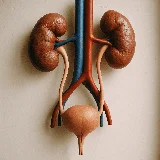
The urinary system – consists of the kidneys, the urethra (the tubes that connect the kidneys and the bladder), the bladder, and the urethra (the tube that connects the bladder to the outside of the body). ).
3,288

Urological Disorders
Patanjali Divya Vrikkdoshhar Kwath Powder
Exploration of Patanjali Divya Vrikkdoshhar Kwath Powder
2,833

Urological Disorders
Cystone Syrup
Exploration of Cystone Syrup
7,645

Urological Disorders
Neeri Syrup Uses, Ingredients, Dose, Side Effects
Exploration of Neeri Syrup Uses, Ingredients, Dose, Side Effects
5,791

Urological Disorders
Hydrocele Treatment in Ayurveda: A Scientific Exploration
Explore how Ayurveda addresses hydrocele management with herbal therapies, dietary guidelines, and scientific evidence for holistic male reproductive health.
4,823
Urological Disorders
Nyagrodhadi Churna: An Ayurvedic Blend for Holistic Wellness
Discover Nyagrodhadi Churna, its Ayurvedic roots, potential health benefits, current research, and usage tips. Learn how science supports this herbal blend.
2,431

Urological Disorders
Stonvil Capsule
Exploration of Stonvil Capsule
3,121

Urological Disorders
Ural BPH Capsule
Exploration of Ural BPH Capsule
2,669
Related consultations on the topic
Legal
Additional Documents
© 2024 Ask Ayurveda. All rights reserved.