Ask Ayurvedic doctor a question and get a consultation online on the problem of your concern in a free or paid mode. More than 2,000 experienced doctors work and wait for your questions on our site and help users to solve their health problems every day.
FREE! Ask Ayurvedic Doctors 24/7

 Fast responses
 1000+ verified doctors
Body DetoxEar, Nose, and Throat DisordersGeriatrics & RejuvenationImmunodeficiencyInfertility TreatmentNutritionOrthopedic DisordersPediatricsRespiratory DisordersSexually Transmitted Diseases (STDs)Surgery RecoveryUrological DisordersVascular DisordersDental DisordersEndocrinological DisordersGastrointestinal DisordersYoga TherapyGeneral MedicineAllergic DisordersCardio DisordersGynecology and ObstetricsCosmetologySkin and Hair DisordersEye DisordersInfectious DiseasesMental DisordersNeurological DisordersOncologyPanchakarmaSexual Health & DisordersSports Medicine
Published on 01/10/25
(Updated on 07/05/26)
5,461
Ashmarihar Kwath: Benefits, Dosage & Science-Backed Insights
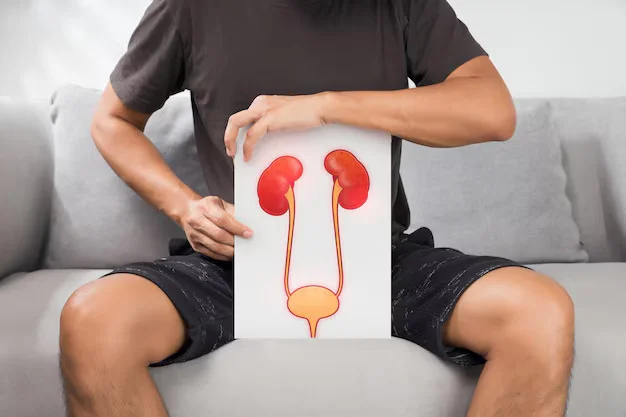
Ashmarihar Kwath is a classical Ayurvedic herbal decoction (kwath) specifically formulated to dissolve urinary stones, support kidney health, and promote overall urinary tract wellness. Referenced in the ancient text Siddha Yoga Sangraha, this time-tested polyherbal formula combines six powerful herbs — Gokhru, Kulathi, Varun, Punarnava, Pashanbhed, and Methi — that work synergistically to provide diuretic, lithotriptic (stone-dissolving), and anti-inflammatory benefits. If you're dealing with kidney stones, recurrent urinary infections, or simply want to maintain healthy urinary function, this guide covers everything you need to know — from the science behind each ingredient to practical dosage instructions and dietary recommendations that no other resource fully addresses.
What Is Ashmarihar Kwath?
The name itself tells the story. In Sanskrit, Ashmari means "stone" and Har means "destroyer." Kwath refers to a decoction — a concentrated herbal preparation made by boiling raw herbs in water until a potent extract remains. So Ashmarihar Kwath literally translates to "stone-destroying decoction."
This formulation belongs to the Mutravirechaniya (diuretic) and Ashmarighna (lithotriptic) categories in Ayurvedic pharmacology. It is primarily classified under medicines that act on Mutravahasrotas — the urinary channel system in Ayurveda.
Historical Origins & Reference in Siddha Yoga Sangraha
Ashmarihar Kwath finds its roots in the Siddha Yoga Sangraha, a respected classical Ayurvedic compendium that documents time-tested formulations for various diseases. This text, compiled from centuries of clinical practice by Ayurvedic physicians, categorizes Ashmarihar Kwath under Mutrakrichra (painful urination) and Ashmari (urinary calculi) management protocols.
The formulation has been in continuous use for over several hundred years across the Indian subcontinent, particularly in the traditions of North Indian Ayurvedic practice. Unlike many modern supplements that lack historical validation, Ashmarihar Kwath carries the weight of generations of documented clinical observation.
How Kwath (Decoction) Differs from Churna (Powder)
Many people confuse kwath with churna, but the distinction is clinically significant:
| Feature | Kwath (Decoction) | Churna (Powder) |
|---|---|---|
| Preparation | Herbs boiled in water, reduced to 1/4th volume | Dried herbs ground into fine powder |
| Bioavailability | Higher — active compounds already extracted into water | Lower — body must extract compounds during digestion |
| Speed of Action | Faster absorption through GI tract | Slower, depends on digestive fire (Agni) |
| Shelf Life | Fresh decoction should be consumed same day; raw kwath powder lasts 1-2 years | Longer shelf life (1-2 years) |
| Taste | Bitter, strong — some patients find it unpleasant | Can be mixed with honey, easier to consume |
| Potency (Virya) | More potent per dose due to concentration | Milder per dose |
The kwath form is specifically preferred for urinary conditions because the water-based extraction maximizes the release of saponins, flavonoids, and alkaloids — the very compounds responsible for stone-dissolving and diuretic activity. When you boil Ashmarihar Kwath herbs in water, you're essentially doing the extraction process before it enters your body, which means your digestive system doesn't have to work as hard to absorb the active ingredients.
This is why Ayurvedic texts recommend kwath over churna for acute urinary complaints.
Key Ingredients and Their Individual Roles
Most resources simply list the ingredients of Ashmarihar Kwath without explaining what each herb actually does at a pharmacological level. Here's a detailed breakdown of every component, including its Ayurvedic properties (Rasa, Guna, Virya, Vipaka) and scientifically studied active compounds.
Gokhru (Tribulus terrestris) — The Primary Lithotriptic
Gokhru is arguably the most important herb in this formulation. Known as Gokshura in Sanskrit, it has been studied extensively for its effect on urinary stones.
- Ayurvedic Properties: Sweet (Madhura) taste, heavy and unctuous qualities, cooling potency (Sheeta Virya). Balances Vata and Pitta doshas.
- Active Compounds: Furostanol saponins (protodioscin, terrestrosin), flavonoids (kaempferol, quercetin), alkaloids
- Mechanism: A 2016 study published in Pharmacognosy Reviews demonstrated that Tribulus terrestris exhibits significant diuretic and anti-urolithiatic (anti-stone) activity. The saponins increase urine output and reduce the supersaturation of stone-forming salts like calcium oxalate. An in-vitro study by Aggarwal et al. (2010) in the Indian Journal of Pharmaceutical Sciences showed that Gokshura extracts reduced calcium oxalate crystal nucleation by up to 68%.
- Role in Formula: Primary stone-dissolving and diuretic agent
Kulathi / Kulath Daal (Macrotyloma uniflorum) — The Anti-Calculi Legume
Kulathi is unique — it's one of the few legumes used as medicine in Ayurveda rather than just food. Horse gram, as it's commonly known, has remarkable anti-lithiatic properties.
- Ayurvedic Properties: Astringent (Kashaya) taste, light and dry qualities, hot potency (Ushna Virya). Pacifies Kapha and Vata, may increase Pitta in excess.
- Active Compounds: Phytic acid, polyphenols (gallic acid, catechin), dietary fiber, iron, calcium
- Mechanism: A study by Surya Prabha et al. (2015) in the International Journal of Research in Ayurveda and Pharmacy found that Macrotyloma uniflorum extracts significantly inhibited calcium oxalate crystal growth in vitro. The phytic acid in Kulathi chelates calcium ions, preventing them from binding with oxalate to form stones. Additionally, its high antioxidant content reduces oxidative stress on kidney tissue — a factor now recognized as central to stone formation.
- Role in Formula: Anti-calculi and nutritive support
Varun (Crataeva nurvala) — The Bark That Protects Kidneys
Varun, or three-leaved caper, is considered one of the most important kidney herbs in Ayurveda. It's the bark that is used medicinally.
- - Ayurvedic Properties: Astringent and bitter taste, light and dry qualities, hot potency.
- Tridoshahara — balances all three doshas.
- Active Compounds: Lupeol, β-sitosterol, ceryl alcohol, friedelin, betulinic acid
- Mechanism: Lupeol, the primary active compound, has been the subject of significant research. A landmark study by Varalakshmi et al. (1990) published in the Journal of Ethnopharmacology demonstrated that Crataeva nurvala bark reduced bladder stone recurrence by normalizing urinary glycosaminoglycans — molecules that, when depleted, allow crystals to adhere to the urinary tract lining. Lupeol also showed dose-dependent inhibition of the enzyme phospholipase A2, reducing kidney tissue inflammation.
- Role in Formula: Anti-inflammatory, stone-recurrence prevention, bladder tonic
Punarnava (Boerhavia diffusa) — The Rejuvenator
The name Punarnava means "that which renews the body" — and research is increasingly validating this traditional claim.
- Ayurvedic Properties: Bitter and sweet taste, light and dry qualities, hot potency. Primarily pacifies Kapha.
- Active Compounds: Punarnavoside (a unique anti-inflammatory rotenoid), boeravinones, liriodendrin, ursolic acid
- Mechanism: Punarnava is a potent natural diuretic. A study by Hiruma-Lima et al. (2000) demonstrated significant diuretic activity without potassium depletion — a critical advantage over pharmaceutical diuretics like furosemide which cause potassium loss. The boeravinones exhibit strong anti-inflammatory and hepatoprotective effects, and punarnavoside has shown specific nephroprotective (kidney-protective) activity in animal models.
- Role in Formula: Diuretic, anti-inflammatory, kidney tissue rejuvenation
Pashanbhed (Bergenia ligulata) — The Stone Breaker
Pashanbhed literally means "stone breaker" in Sanskrit, and this herb has perhaps the most direct anti-lithiatic action of any plant in the Ayurvedic pharmacopoeia.
- Ayurvedic Properties: Astringent and bitter taste, light qualities, cooling potency. Balances Pitta and Kapha.
- Active Compounds: Bergenin, arbutin, gallic acid, β-sitosterol, catechin, tannic acid
- Mechanism: A pivotal 2003 study by Bashir and Gilani in Phytotherapy Research showed that Bergenia ligulata rhizome extract inhibited calcium oxalate crystal aggregation in vitro and reduced stone deposition in rat kidney models. Bergenin, the signature compound, was found to act as both a crystal growth inhibitor and a smooth muscle relaxant — meaning it helps stones pass more easily through the ureters. A more recent investigation (Saha & Verma, 2013) in the Asian Pacific Journal of Tropical Biomedicine confirmed dose-dependent lithotriptic activity.
- Role in Formula: Direct stone-dissolving action, ureteral relaxation
Methi (Trigonella foenum-graecum) — The Supportive Healer
Fenugreek might seem like an unusual addition to a kidney stone formula, but its inclusion is deliberate and strategic.
- Ayurvedic Properties: Bitter taste, light and unctuous qualities, hot potency. Balances Vata and Kapha.
- Active Compounds: Diosgenin, trigonelline, 4-hydroxyisoleucine, galactomannan fiber, flavonoids
- Mechanism: Methi provides antioxidant protection to the renal tissue. A 2014 study in Food and Chemical Toxicology demonstrated that fenugreek seed extract reduced oxidative stress markers in kidney tissue exposed to nephrotoxic agents. The galactomannan fiber also acts as a demulcent, soothing inflamed urinary tract mucosa. Furthermore, its anti-hyperglycemic properties (via 4-hydroxyisoleucine) are relevant because diabetic patients have a significantly higher risk of kidney stones.
- Role in Formula: Antioxidant protection, mucosal soothing, metabolic support
How Ashmarihar Kwath Benefits Urinary Health
The benefits of Ashmarihar Kwath extend beyond simply dissolving stones. Here's what this formulation can actually do, based on both traditional indications and modern understanding:
- 1.Lithotriptic Action (Stone Dissolution): The combined effect of Gokhru, Pashanbhed, and Kulathi creates a multi-pronged attack on urinary calculi. These herbs inhibit crystal nucleation, slow crystal growth, and break down the matrix that holds stone fragments together.
- 2.Diuretic Effect: Gokhru and Punarnava increase urine volume naturally, which dilutes stone-forming salts and helps flush out small crystals before they can aggregate into problematic stones.
- 3.Anti-inflammatory & Antimicrobial Action: Varun and Punarnava reduce inflammation in the kidneys, ureters, and bladder. This is particularly important because stones often cause secondary infections and tissue damage.
- 4.Prevention of Recurrence: Perhaps the most underappreciated benefit. Varun's lupeol normalizes glycosaminoglycan levels in the bladder, making the environment less conducive to stone re-formation. Studies show kidney stone recurrence rates can be as high as 50% within 5 years without preventive measures.
- 5.Smooth Muscle Relaxation: Pashanbhed's bergenin relaxes ureteral smooth muscle, which can facilitate the natural passage of smaller stones and reduce the excruciating pain (renal colic) associated with stone movement.
Ayurvedic Mechanism Through Doshas
From an Ayurvedic perspective, urinary stones (Ashmari) are primarily a disorder of Kapha dosha — the dosha governing structure and cohesion in the body. When Kapha becomes aggravated in Mutravahasrotas (the urinary channel), it causes the coagulation and solidification of minerals in the urine.
However, all three doshas play a role:
- Vata governs movement. When Vata is vitiated, the normal flow of urine is disturbed, allowing minerals to settle and crystallize
- Pitta governs metabolism and the chemical composition of urine. Excess Pitta creates an acidic or alkaline imbalance conducive to specific stone types
- Kapha provides the binding matrix. Aggravated Kapha literally "glues" mineral crystals together into stones
Ashmarihar Kwath addresses all three: Gokhru and Punarnava pacify Vata and restore urine flow; Varun and Pashanbhed manage Pitta-related inflammation; and Kulathi and Methi's hot potency counteract excess Kapha's cohesive force.
Effectiveness Across Different Types of Kidney Stones
Not all kidney stones are the same, and this is something no competitor resource addresses adequately.
Here's how Ashmarihar Kwath relates to different stone types:
| Stone Type | Prevalence | Ashmarihar Kwath Effectiveness | Notes |
|---|---|---|---|
| Calcium Oxalate | ~75% of all stones | High — Gokhru and Pashanbhed have strongest evidence against this type | Most common; formulation was traditionally designed for these |
| Calcium Phosphate | ~15% | Moderate to High — Kulathi's phytic acid chelates calcium effectively | Often occurs with oxalate stones |
| Uric Acid | ~8% | Moderate — Punarnava's diuretic action helps; less direct evidence | Better combined with alkalizing diet |
| Struvite | ~2-3% | Low to Moderate — antimicrobial properties may help prevent infection-related stones | These require antibiotics; kwath as adjunct only |
| Cystine | ~1% | Low — genetic condition, requires specific medical management | Not traditionally indicated |
Important: Ashmarihar Kwath shows strongest evidence for calcium oxalate stones, which fortunately are the most common type. For uric acid stones, combining the kwath with dietary modifications (reducing purine-rich foods) enhances efficacy significantly.
Dosage, Preparation & Direction for Use
Getting the preparation right is crucial — an improperly made decoction loses much of its potency.
Standard Preparation Method (Step-by-Step)
- Take 5–10 grams of Ashmarihar Kwath coarse powder
- Add it to 400 ml (about 2 cups) of water in a wide-mouthed, preferably earthen or steel vessel. Avoid aluminium.
- Bring to a boil on medium heat
- Reduce the flame and let it simmer until the water reduces to approximately 100 ml (1/4th of original volume)
- Strain through a clean cotton cloth or fine steel strainer
- Allow the decoction to cool to a drinkable lukewarm temperature
- Consume on an empty stomach, preferably in the morning
The entire boiling process typically takes 20-30 minutes. The resulting liquid will be brownish-yellow with a distinctly bitter, astringent taste.
Dosage Guidelines for Different Groups
| Patient Group | Dosage | Frequency | Duration |
|---|---|---|---|
| Adults (general) | 5-10 g powder / 40-60 ml prepared decoction | Twice daily (morning & evening), empty stomach | 4-8 weeks as initial course |
| Elderly (65+) | 3-5 g powder | Once or twice daily | Start with shorter course; monitor kidney function |
| Children (12-18 years) | 2-3 g powder | Once daily | Only under physician guidance |
| Children (under 12) | Not recommended without direct Ayurvedic physician supervision | — | — |
| Diabetic patients | 5-10 g standard dose; monitor blood sugar | Twice daily | Methi component may lower blood glucose |
How Long Does It Take to See Results?
This is one of the most frequently asked questions about Ashmarihar Kwath, and honestly the answer depends on several factors:
- For small stones (< 5mm): Many practitioners report noticeable improvement within 2-4 weeks. Increased urine flow and reduced discomfort are usually the first signs.
- For medium stones (5-10mm): A full 6-8 week course is typically recommended, sometimes extended to 12 weeks. Ultrasound monitoring every 4-6 weeks is advisable.
- For large stones (> 10mm): Ayurvedic decoctions alone may not be sufficient. The kwath can be used as adjunct therapy alongside medical or surgical intervention.
- For prevention of recurrence: A maintenance dose of 3-5 g once daily for 2-3 months after stone clearance is often recommended by Ayurvedic physicians.
Pro tip: Schedule an ultrasound (USG KUB) before starting the kwath and again at 4-6 weeks. This gives you objective evidence of progress, not just subjective symptom improvement.
Diet and Lifestyle Recommendations During Treatment
This is a critical piece that nobody else covers, and it can make or break your results with Ashmarihar Kwath.
Foods That Enhance the Kwath's Effectiveness
- Water intake: Aim for 2.5-3 liters per day. This is non-negotiable. The diuretic herbs in the formula need adequate water to work properly
- Barley water (Yava): Classically recommended alongside Ashmarihar Kwath in Ayurvedic texts. Barley is itself mildly diuretic and alkalizing
- Coconut water: Natural source of citrate, which inhibits calcium oxalate crystallization
- Cucumber, watermelon, bottle gourd (lauki): High water content, cooling, and supportive of kidney function
- Banana stem juice: Traditional Indian remedy that enhances lithotriptic action
Foods to Avoid (Stone Promoters)
- Spinach, beetroot, rhubarb, chocolate: Very high in oxalates — directly contributes to calcium oxalate stone formation
- Excessive salt: Increases calcium excretion in urine
- Animal protein in excess: Increases uric acid and decreases urinary citrate
- Processed sugars and sodas: Cola beverages contain phosphoric acid, linked to stone risk
- Tomatoes (in large quantities): Moderate oxalate content; small amounts are fine but avoid daily heavy consumption
- Excess dairy without adequate hydration: Calcium itself isn't the enemy, but concentrated calcium without sufficient water can contribute to stones
Lifestyle Modifications
- Avoid holding urine — this is a major Vata-aggravating habit that promotes crystal deposition
- Moderate exercise — 30 minutes of walking daily helps maintain kidney blood flow
- Avoid excessive heat exposure — dehydration from heat is a leading cause of stone formation, especially in Indian summers
- Yoga asanas: Pawanmuktasana, Bhujangasana, and Dhanurasana are traditionally recommended for urinary tract health
Don't wait or self medicate. Start chat with Doctor NOW
Ashmarihar Kwath Compared to Other Urinary Formulations
Understanding how this formula compares to alternatives helps you make better decisions with your practitioner.
| Parameter | Ashmarihar Kwath | Chandraprabha Vati | Cystone (Himalaya) | Vrikkdoshhar Kwath |
|---|---|---|---|---|
| Form | Decoction (kwath) | Tablet (vati) | Tablet | Decoction (kwath) |
| Primary Action | Lithotriptic + Diuretic | Urinary tonic + Anti-inflammatory | Lithotriptic + Antimicrobial | Kidney & urinary detox |
| Best For | Active kidney/urinary stones | UTIs, burning urination, general urinary wellness | Stone prevention, mild UTIs | General kidney health, mild stones |
| Speed of Action | Faster (decoction form) | Moderate | Moderate | Moderate-Fast |
| Convenience | Low — requires daily preparation | High — just swallow tablets | High — tablets | Low — requires preparation |
| Classical Reference | Siddha Yoga Sangraha | Sharangdhara Samhita | Proprietary (modern) | Siddha Yoga Sangraha |
| Cost (approx.) | ₹40-130 per 100g | ₹80-150 per bottle | ₹200-350 per bottle | ₹50-100 per 100g |
Key takeaway: Ashmarihar Kwath is the more aggressive, fast-acting option — best suited for active stone management. Cystone and Chandraprabha Vati are more convenient for long-term maintenance and prevention. Many experienced Ayurvedic physicians actually prescribe Ashmarihar Kwath for the initial 4-8 weeks of active treatment, then switch to Chandraprabha Vati or Cystone for long-term prevention.
Side Effects, Precautions & Contraindications
Ashmarihar Kwath is generally well-tolerated when taken in recommended doses, but it's not without potential concerns.
Potential Side Effects
- Gastrointestinal discomfort: Some users experience mild nausea, bloating, or loose stools during the first few days. This usually resolves as the body adjusts. Taking the decoction with a small amount of honey can help.
- Excessive urination: This is actually the intended mechanism, but it can be inconvenient. Avoid taking the evening dose too close to bedtime.
- Mild hypoglycemia: The Methi (fenugreek) component can lower blood sugar. Diabetic patients on medication should monitor levels carefully.
- Allergic reactions: Rare, but possible — particularly in individuals with legume allergies (due to Kulathi). Watch for skin rash, itching, or swelling.
Contraindications — Who Should NOT Take It
- Pregnant women: Several ingredients (particularly Methi and herbs with Ushna Virya) have uterine-stimulating properties. Strictly avoid during pregnancy.
- Lactating mothers: Insufficient safety data; avoid unless specifically prescribed by a qualified Ayurvedic physician.
- Severe renal failure (eGFR < 15): The diuretic load can worsen kidney function in advanced kidney disease. This formulation is for functional kidneys with stones, not for failing kidneys.
- Hypercalcemia: If you have abnormally high blood calcium levels, the increased urinary calcium excretion from diuretics could worsen calcium-based stone formation paradoxically.
- Children under 12: Safety not established for young children
Can Ashmarihar Kwath Be Used with Conventional Medications?
This is where caution is essential:
- Diuretics (furosemide, hydrochlorothiazide): Additive diuretic effect could cause dehydration and electrolyte imbalance. Use only under medical supervision.
- Antihypertensives: Punarnava has mild blood pressure-lowering properties; combining with BP medications could cause excessive hypotension.
- Diabetes medications (metformin, glipizide): Fenugreek can enhance hypoglycemic effect. Monitor blood glucose and adjust doses if needed.
- Anticoagulants (warfarin): Some herbs in the formula contain coumarins; theoretical risk of enhanced anticoagulation. Inform your doctor.
- Antibiotics for UTI: Generally safe to use alongside, and may actually enhance efficacy. But inform your prescribing doctor.
Is Ashmarihar Kwath Safe for Long-Term Use?
For stone prevention, moderate long-term use (3-5g once daily) for up to 3 months is generally considered safe based on traditional practice. However, courses longer than 12 weeks should include periodic monitoring of kidney function (serum creatinine, BUN) and electrolytes. Taking a 2-4 week break between courses is a good practice.
How to Choose Quality Ashmarihar Kwath
Not all products on the market are equal.
Here's what to look for:
- GMP Certification: Ensure the manufacturer follows Good Manufacturing Practices. ISO certification is an additional quality signal.
- Classical formulation adherence: Check that the ingredient list matches the Siddha Yoga Sangraha composition. Some manufacturers add or substitute herbs.
- Reputable manufacturers: Divya Pharmacy (Haridwar), Shree Shanker Ayurvedic Pharmacy, and other established Ayurvedic pharmacies with documented quality control.
- Packaging sizes: Available commonly in 100g (₹40-130 depending on brand), 200g, and 400g options. Larger packs offer better value for longer courses.
- Batch number and expiry date: Always check. Kwath powder typically has a shelf life of 18-24 months.
- Consult an Ayurvedic physician: A qualified practitioner can verify the product's authenticity and appropriateness for your specific condition.
Ashmarihar Kwath vs Ashmarihar Ras — What's the Difference?
- This confusion comes up frequently.
- Ashmarihar Ras is a different formulation entirely — it's a mineral-based Ayurvedic preparation (Ras Aushadhi) that contains processed metals and minerals (Bhasma), whereas Ashmarihar Kwath is purely herbal. Ashmarihar Ras impacts kidney health through the action of mineral Bhasmas and typically requires stricter medical supervision due to the presence of processed metals. The two are sometimes used together by Ayurvedic physicians for comprehensive stone management, but they are not interchangeable.
Frequently Asked Questions
Q: What is the use of Ashmarihar Kwath?
Ashmarihar Kwath is primarily used for dissolving urinary stones (kidney stones, bladder stones, ureteral stones), relieving burning urination, managing urinary tract infections, and preventing stone recurrence. It acts as a natural diuretic and lithotriptic.
Q: Can I take Ashmarihar Kwath as a syrup instead of decoction?
Some manufacturers offer syrup or liquid formulations for convenience. While these are easier to take, traditional kwath prepared fresh daily is considered more potent. If you opt for a ready-made syrup, ensure it's from a GMP-certified manufacturer and follow the dosage on the label.
Q: Want to share Ashmarihar Kwath information with my doctor — what should I mention?
Share the complete ingredient list (with Latin names), your current dosage, duration of use, and any other medications you're taking. This helps your doctor assess potential interactions.
Q: Can I take Ashmarihar Kwath preventively even if I don't currently have stones?
Yes, individuals with a history of kidney stones or those at high risk (family history, living in hot climates, low fluid intake) can take a reduced preventive dose of 3-5g once daily for 4-6 weeks, repeated 2-3 times per year. Always consult a practitioner first.
Q: How does Ashmarihar Kwath affect blood pressure or heart health?
Punarnava in the formula has mild antihypertensive properties. While this can be beneficial for those with borderline high BP, individuals already on antihypertensive medication should use the kwath under medical supervision to avoid excessive blood pressure reduction.
Q: Is there a specific time of day that's best for taking Ashmarihar Kwath?
Early morning on an empty stomach is optimal for maximum absorption. If taking twice daily, the second dose should be in the evening, at least 1 hour before dinner. Avoid taking it immediately after meals, as food can reduce the absorption of active compounds.
Final Thoughts and Recommendations
Ashmarihar Kwath remains one of the most effective classical Ayurvedic formulations for urinary stone management — a claim supported by both centuries of traditional use and an increasingly robust body of modern pharmacological research on its individual ingredients. Its polyherbal design addresses stone formation at multiple levels: preventing crystal nucleation, dissolving existing stones, reducing inflammation, increasing urine flow, and protecting kidney tissue.
However, it's not a magic bullet. The best outcomes come from combining Ashmarihar Kwath with proper hydration (minimum 2.5-3 liters daily), dietary modifications (low oxalate, moderate protein), and regular monitoring through ultrasound imaging.
If you're considering Ashmarihar Kwath, consult a qualified Ayurvedic physician (BAMS/MD Ayurveda) who can evaluate your specific stone type, size, kidney function, and overall constitution (Prakriti) before prescribing a personalized regimen. Self-medication is acceptable for general urinary wellness at lower doses, but active stone management should always be supervised.
Start with a baseline ultrasound, follow the preparation instructions precisely, stay hydrated — and give the formulation at least 4-6 weeks to demonstrate its effects.
Disclaimer: This article is for educational purposes only and does not constitute medical advice. Always consult a qualified healthcare practitioner before starting any herbal supplement, especially if you have pre-existing medical conditions or are taking prescription medications.
Scientific Sources
- Management of herpes zoster in Ayurveda through medicinal leeches and other composite Ayurveda Treatment — Nakanekar A et al., 2020, Journal of Ayurveda and integrative medicine
- Confessions of an Ayurveda professor — Patwardhan K, 2023, Indian journal of medical ethics
- Scientific validation of the antidiabetic effects of Syzygium jambolanum DC (black plum), a traditional medicinal plant of India — Baliga MS et al., 2013, Journal of alternative and complementary medicine (New York, N.Y.)
- Traumatic Optic Neuropathy (TON) and Ayurveda - A case report — Bhat PM, 2022, Journal of Ayurveda and integrative medicine
- Understanding hypertension in the light of Ayurveda — Menon M et al., 2018, Journal of Ayurveda and integrative medicine
- A critical review of concept of aging in Ayurveda — Devi D et al., 2010, Ayu
- A glimpse of Ayurveda - The forgotten history and principles of Indian traditional medicine — Jaiswal YS et al., 2017, Journal of traditional and complementary medicine
- Neuroprotection with Bacopa monnieri-A review of experimental evidence — Shalini VT et al., 2021, Molecular biology reports
- Ayurveda management of a patient having bronchial asthma and hemorrhoids- A case report — Khobarkar P et al., 2024, Journal of Ayurveda and integrative medicine
- Asparagus racemosus--ethnopharmacological evaluation and conservation needs — Bopana N et al., 2007, Journal of ethnopharmacology
- Curcumin as "Curecumin": from kitchen to clinic — Goel A et al., 2008, Biochemical pharmacology
- Fundamental principles of ayurveda - part iv — Pandya VN, 1983, Ancient science of life
- An 'Ayurveda-Biology' platform for integrative diabetes management — Thottapillil A et al., 2021, Journal of ethnopharmacology
- The principles of health, illness and treatment - The key concepts from "The Yellow Emperor's Classic of Internal Medicine" — Ke SX, 2023, Journal of Ayurveda and integrative medicine
- The relevance of herbal treatments for psychiatric practice — Walter G et al., 1999, The Australian and New Zealand journal of psychiatry
- Maternal health, supraja (eugenics) and ayurveda — Nanal VV et al., 2008, Ancient science of life
- A Review: Prevention, Treatment and Management of Tuberculosis through Combinational Approaches of Different Indian Systems of Medicine — Sharma P et al., 2020, Drug research
- Interconnecting surgical science, art, philosophy and technology for holistic health — Deshpande SH, 2025, Journal of Ayurveda and integrative medicine
- Acute exacerbation of bronchial asthma with infective focus treated with holistic Ayurveda approach: A case report — Khobarkar P et al., 2024, Journal of Ayurveda and integrative medicine
- Quackery: a national scandal — Jarvis WT, 1992, Clinical chemistry
Questions from users
Can I take Ashmarihar Kwath with food, or should it be taken on an empty stomach?
Joshua
7 days ago
For Ashmarihar Kwath, it's best taken on an empty stomach for better absorption, especially in the early morning. If you take it twice a day, try the second dose in the evening, like an hour before dinner. But hey, always check in with an Ayurvedic doctor for your personal needs too! 😊
What is the role of Punarnava in Ashmarihar Kwath for kidney health?
River
17 days ago
Punarnava, found in Ashmarihar Kwath, helps in kidney health by acting as a diuretic, which promotes effective urinary output. It also supports reducing swelling and maintains fluid balance. It balances Vata and Pitta, helping to revive kidney function gently. If you wanna explore further, think about its role as nurturing kidney tissue!
Can Ashmarihar Kwath help in the recovery from kidney stone surgery?
Yolanda
26 days ago
Yes, Ashmarihar Kwath may support recovery after kidney stone surgery by helping prevent new stones and improving urinary health. It's known for its cooling properties, which can ease discomfort. But always check with your doctor first to make sure it’s safe for you, especially after surgery!
Can Ashmarihar Kwath improve kidney function for people with chronic kidney disease?
Shelby
40 days ago
Ashmarihar Kwath may help support kidney function and promote urinary health, but chronic kidney disease is a complex condition. It's really important to consult an Ayurvedic practitioner or a healthcare professional before starting it, to make sure it's suitable for your specific condition and dosha balance. Keep monitoring changes too!
Can I use Ashmarihar Kwath for general wellness beyond urinary health?
Landon
50 days ago
Ashmarihar Kwath is primarily for urinary health, but using it for general wellness? That's kind of tricky. It's not typically recommended for that purpose. However, it can support body balance by aiding detox. But do chat with an ayurvedic expert, they'll know what works for your unique constitution!
Can Ashmarihar Kwath help reduce urinary pain and discomfort?
Brooklyn
60 days ago
Yes, Ashmarihar Kwath can help with urinary pain and discomfort. It promotes diuresis to flush out toxins and reduces inflammation, which can alleviate pain. It also inhibits microbial growth, potentially helping with infections. Just remember, everyone's body is different, so it's good to consult with a healthcare provider for personal guidance!
What is the recommended dosage of Ashmarihar Kwath for urinary health?
Teagan
69 days ago
When it comes to Ashmarihar Kwath, it's generally about 15-30ml twice a day, before meals, mixed with an equal amount of water. But these things can vary based on your unique body type and doshas, so chatting with an Ayurvedic doc might be the best bet to nail down the right dose for you. Take care!
Can Ashmarihar Kwath be taken long-term for urinary health benefits?
Wallace
79 days ago
It can be taken long-term, but important to keep some things in mind. Ashmarihar Kwath aims to support urinary health but your body can react differently over time, so it's good to have periodic check-ins with a healthcare provider. Make sure it aligns with your dosha and ayurvedic constitution, a professional can guide you on that!
Is it safe to use Ashmarihar Kwath while pregnant or breastfeeding?
Nadine
88 days ago
It's best to be cautious with Ashmarihar Kwath during pregnancy or breastfeeding because its effects haven't been thoroughly studied in these conditions. I recommend consulting with an Ayurvedic practitioner or healthcare provider for advice specific to your needs and situation. Always better to be safe when it comes to herbal remedies and your baby!
Is Ashmarihar Kwath effective for preventing urinary tract infections?
Vesper
98 days ago
Ashmarihar Kwath may help support urinary health thanks to its diuretic, anti-inflammatory, and antimicrobial herbs. While it's not a direct prevention for UTIs, it can assist in flushing impurities, which might help indirectly. It's always good to consult an ayurvedic practitioner for personalized advice that fits your unique prakriti.
Related articles

Urological Disorders
Uterine Prolapse Treatment in Ayurveda – Natural Remedies for Strengthening and Rejuvenating the Uterus
Explore Ayurvedic treatments for uterine prolapse, focusing on natural remedies, herbal solutions, lifestyle changes, and exercises to strengthen the pelvic muscles and restore uterine health.
4,567

Urological Disorders
How to Stop Burning Sensation After Urinating: Home Remedies
Discover how to stop burning sensation after urinating with effective home remedies. Learn Ayurvedic solutions and natural treatments for UTI relief
6,976

Urological Disorders
Prostina Capsule
Exploration of Prostina Capsule
2,905
Urological Disorders
Brihatyadi Kashayam Uses: A Science-Backed Ayurvedic Remedy
Explore Brihatyadi Kashayam uses, an Ayurvedic herbal decoction known for supporting respiratory, urinary, and digestive health with scientific insights.
3,181

Urological Disorders
Ayurvedic Medicine for Prostatitis – Natural Prostate Health & Relief
Discover Ayurvedic medicine for prostatitis and learn how natural herbal remedies, detoxification therapies, and lifestyle modifications can promote prostate health, reduce inflammation, and improve urinary function.
4,047

Urological Disorders
Chandraprabha Vati – Benefits, Dosage, Ingredients, Side Effects
Exploration of Chandraprabha Vati – Benefits, Dosage, Ingredients, Side Effects
8,905

Urological Disorders
Cystone Syrup
Exploration of Cystone Syrup
7,645

Urological Disorders
Stonvil Capsule
Exploration of Stonvil Capsule
3,121
Urological Disorders
Varicocele in Ayurveda – Natural Treatments for Relief and Healing
Explore Ayurvedic treatments for varicocele, a condition characterized by enlarged veins in the scrotum. Learn how Ayurvedic remedies can help alleviate symptoms and support reproductive health.
6,946
Urological Disorders
Kidney Treatment in Ayurveda: Ancient Wisdom, Modern Relevance
Look, I know — when people hear "Ayurveda," they sometimes imagine incense sticks, turmeric lattes, and some vague idea of holistic healing. But here's the thing: when it comes to kidney treatment in Ayurveda, we’re talking about something way deeper than
2,654
Related consultations on the topic
Legal
Additional Documents
© 2024 Ask Ayurveda. All rights reserved.