FREE! Ask Ayurvedic Doctors 24/7

 Fast responses
 1000+ verified doctors
Uterine Prolapse Treatment in Ayurveda – Natural Remedies for Strengthening and Rejuvenating the Uterus
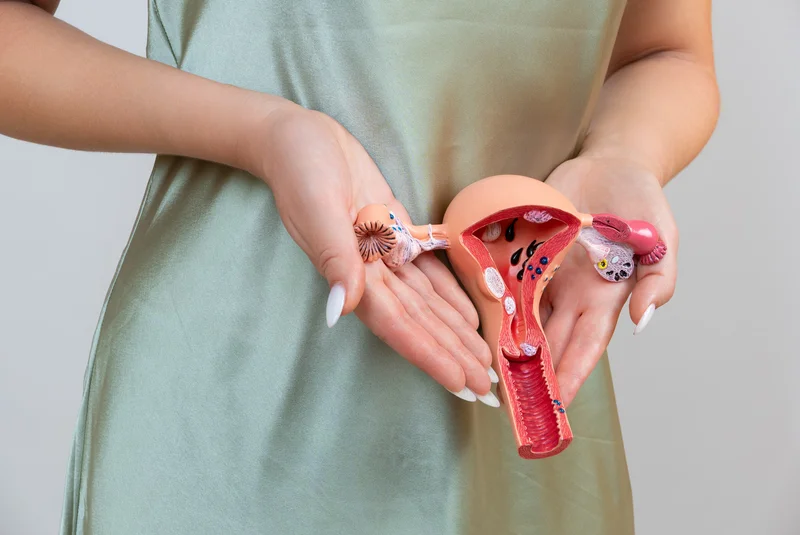
- Uterine prolapse happens when the muscles and ligaments of the pelvic floor become too weak to hold the uterus in place, causing it to slip down into — or even protrude out of — the vaginal canal. It affects up to 40% of postmenopausal women to some degree, according to data from the Women's Health Initiative (WHI), and roughly 14% have clinically significant prolapse. Despite being incredibly common, it remains undertreated and rarely talked about openly, which leaves many women suffering in silence for years.
- This comprehensive guide covers everything you need to know — from stages and symptoms to conservative, surgical, and even Ayurvedic approaches — so you can make informed decisions about your care.
What Is Uterine Prolapse?
The uterus is held in position inside the pelvis by a network of muscles, ligaments, and connective tissue collectively known as the pelvic floor. When these support structures weaken or stretch, the uterus can descend from its anatomical position. In mild cases the descent is barely noticeable. In severe cases, the uterus can protrude completley outside the vaginal opening — a condition called procidentia.
Uterine prolapse rarely occurs in isolation. It frequently coexists with prolapse of other pelvic organs, including the bladder (cystocele), rectum (rectocele), or small intestine (enterocele). The umbrella term for all of these conditions is pelvic organ prolapse (POP).
How Common Is Uterine Prolapse?
Far more common than most people realize. The landmark WHI study examined 27,342 women and found that approximately 40% had some degree of pelvic organ prolapse, with 14% meeting the criteria for uterine prolapse specifically. Lifetime risk of undergoing surgery for prolapse is estimated at 11–19%.
It predominantly affects women who have given birth vaginally and those who are postmenopausal, but it can — and does — occur in younger and even nulliparous women in rare circumstances.
Anatomy of Pelvic Floor Support: DeLancey's Three Levels
Understanding why prolapse happens requires a basic grasp of the anatomy. Gynecologist John DeLancey described three levels of pelvic support:
| Level | Structure | What It Supports | Prolapse Type When It Fails |
|---|---|---|---|
| Level I | Cardinal and uterosacral ligaments | Upper vagina and cervix/uterus | Uterine prolapse, vaginal vault prolapse |
| Level II | Arcus tendineus fasciae pelvis, pubocervical and rectovaginal fascia | Midvagina | Cystocele (anterior), rectocele (posterior) |
| Level III | Perineal body, urogenital diaphragm | Lower vagina | Perineal descent, urethral hypermobility |
Damage at Level I is the primary mechanism behind uterine prolapse. Childbirth, chronic straining, and age-related tissue degeneration are the most common culprits.
What Are the Stages of Uterine Prolapse?
Doctors grade uterine prolapse according to how far the uterus has descended. The most widely used clinical system recognizes four stages, while the more precise Pelvic Organ Prolapse Quantification (POP-Q) system uses five stages (0–IV) with specific anatomical measurements. Here's the simplified four-stage classification used in everyday clinical practice:
Stage I — Mild Descent
The uterus drops into the upper portion of the vaginal canal but remains well above the vaginal opening. Many women at this stage have no symptoms at all, and the prolapse is often discovered incidentally during a routine pelvic exam.
- Key fact: Research published in the American Journal of Obstetrics and Gynecology has shown that Stage I prolapse can spontaneously regress, with regression rates as high as 48 per 100 women-years.
- So not all prolapse is progressive — a reassuring finding.
Stage II — Moderate Prolapse
- The uterus descends to or near the level of the vaginal opening (the hymen).
- Women typically begin noticing symptoms at this stage — a sensation of heaviness, pressure or "something falling out."
Stage III — Advanced Prolapse
The uterus protrudes partially beyond the vaginal opening. Symptoms become more pronounced, including visible tissue, difficulty with urination or bowel movements, and significant discomfort during standing or walking.
Stage IV — Complete Prolapse (Procidentia)
The entire uterus protrudes outside the vaginal canal. This is a medical situation that requires prompt attention, as the exposed tissue can become ulcerated, infected, or bleed.
What Does a Prolapsed Uterus Feel Like? Symptoms to Watch For
Symptoms vary enormously depending on the stage of prolapse. Some women with mild prolapse have zero complaints. Others with moderate prolapse find it profoundly impacts their quality of life.
Common Symptoms
- A feeling of heaviness, fullness, or pressure in the pelvis — often described as "sitting on a ball"
- A visible or palpable bulge at or beyond the vaginal opening
- Pulling or aching sensation in the lower back or pelvis
- Urinary symptoms: frequency, urgency, incontinence, or difficulty starting urination
- Bowel symptoms: constipation, incomplete emptying, need to digitally splint (press on the vaginal wall) to have a bowel movement
- Discomfort during sexual intercourse or avoidance of intimacy altogether
- Symptoms that worsen with prolonged standing, coughing, or heavy lifting and improve when lying down
When to See a Doctor — Red Flags
Not every symptom can wait for a scheduled appointment.
Seek urgent medical care if you experience:
- Bleeding from exposed or ulcerated tissue
- Inability to urinate (urinary retention) — this is an emergency
- Signs of infection: foul-smelling discharge, fever, increasing pain
- Tissue that cannot be pushed back inside (incarceration)
- Sudden worsening of symptoms
What Causes Uterine Prolapse and Who Is at Risk?
Proven Risk Factors
Vaginal childbirth is the single most significant risk factor. The Oxford Family Planning Association Study found that women with just two vaginal deliveries had an 8.4-fold increase in risk compared to women who had never given birth. Each additional vaginal birth further compounds the risk. Menopause and estrogen decline — loss of estrogen weakens pelvic connective tissue, which is why prolapse most commonly presents after menopause. Advancing age — the prevalence increases steadily with each decade of life. Obesity — excess body weight places chronic increased pressure on the pelvic floor. Chronic straining — from persistent constipation, chronic cough (COPD, asthma, smoking), or heavy lifting occupations. Family history — a first-degree relative with prolapse significanly increases your risk, suggesting a genetic component related to connective tissue quality.
Debated Risk Factors
Some obstetric factors have been proposed but remain unproven as independent risk factors:
- Fetal macrosomia (large baby)
- Prolonged second stage of labor
- Episiotomy
- Epidural analgesia
A 2004 analysis from the NIH noted that while these are biologically plausible, the evidence is inconsistent.
Uterine Prolapse in Young or Nulliparous Women
Though rare, prolapse can affect women who have never given birth. This is usually linked to genetic connective tissue disorders such as Ehlers-Danlos syndrome or Marfan syndrome, where the collagen supporting pelvic structures is inherently weaker. If you're young and experiencing prolapse symptoms, bring up the possibility of a connective tissue evaluation with your doctor.
How Is Uterine Prolapse Diagnosed?
Diagnosis is primarily clinical — no fancy imaging needed in most cases.
Pelvic Examination
Your gynecologist will perform a speculum and bimanual exam, often asking you to bear down (Valsalva maneuver) or cough while examining you. This provokes the prolapse and allows the doctor to assess its extent. You may be examined both lying down and standing, since prolapse is often more pronounced in the upright position.
POP-Q Assessment
For precise staging, the POP-Q (Pelvic Organ Prolapse Quantification) system measures the descent of specific vaginal landmarks in centimeters relative to the hymen. It's highly reproducible and is the gold standard for research and surgical planning.
Additional Tests
- Urodynamic studies — if urinary symptoms are prominent
- MRI of the pelvis — in complex or recurrent cases, or when planning surgery
- Renal ultrasound — to rule out hydronephrosis in severe prolapse that may obstruct the ureters
Treatment of Uterine Prolapse: Conservative vs. Surgical Options
Treatment depends on the stage, symptom severity, desire for future pregnancies, general health, and patient preference.
Here's a practical side-by-side comparison:
| Factor | Pelvic Floor Therapy | Vaginal Pessary | Surgical Repair |
|---|---|---|---|
| Best for | Stage I–II, prevention | Stage I–III, patients unfit or unwilling for surgery | Stage II–IV with significant symptoms |
| Effectiveness | Modest improvement in 50–70% | Symptom relief in 70–90% | Success rate 80–95% depending on technique |
| Recovery time | None | None (fitted in office) | 4–8 weeks |
| Risks | Minimal | Vaginal discharge, erosion, need for regular removal/cleaning | Surgical risks, mesh complications, recurrence (10–30%) |
| Recurrence | Common if exercises stopped | Symptoms return if removed | 10–30% long-term recurrence |
| Cost | Low | Low–moderate | High |
Conservative Treatment
Pelvic Floor Exercises (Kegel Exercises) — Step-by-Step
Kegels are the foundation of conservative prolapse management. Done correctly, they can meaningfully improve mild to moderate prolapse and prevent progression.
How to do them properly:
- 1.Identify the right muscles — imagine you're trying to stop the flow of urine midstream, or trying to prevent passing gas. The muscles you squeeze are your pelvic floor muscles.
- 2.Contract and hold for 5 seconds, then relax for 5 seconds. That's one rep.
- 3.Build up gradually to 10-second holds.
- 4.Aim for 3 sets of 10–15 repetitions daily.
- 5.Breathe normally throughout — do not hold your breath.
Common mistakes:
- Bearing down instead of lifting up — this actually worsens prolapse
- Squeezing the buttocks, thighs, or abdominals instead of the pelvic floor
- Doing too many too soon, causing muscle fatigue
- Forgetting the relaxation phase (reverse Kegels matter too — the muscle needs to release fully to function properly)
Pro tip: Biofeedback devices and pelvic floor physiotherapy can dramatically improve your technique and results. A 2019 Cochrane review confirmed that supervised pelvic floor muscle training is more effective than unsupervised exercises.
Vaginal Pessaries — Types and Selection
A pessary is a removable device inserted into the vagina to mechanically support the prolapsed organs. It's a highly effective non-surgical option.
| Pessary Type | Shape | Best For | Notes |
|---|---|---|---|
| Ring pessary | Circular ring (with or without support membrane) | Stage I–II, first-line choice | Easiest to self-manage |
| Gellhorn pessary | Disc with a stem | Stage II–III, larger prolapse | More supportive but harder to insert/remove |
| Cube pessary | Cube with suction cups | Stage III–IV, failed other types | Strong hold, must be removed nightly |
| Donut pessary | Thick ring | Stage II–III with wide vaginal caliber | Good for larger vaginal vaults |
| Hodge pessary | Rectangular with curves | Retroversion of uterus, mild prolapse | Least commonly used for prolapse |
Pessaries require regular follow-up — typically every 3–6 months — for cleaning and vaginal inspection. Topical estrogen cream is often prescribed alongside to reduce the risk of vaginal erosion.
Lifestyle Modifications
- Maintain a healthy weight — even a 5–10% weight loss can reduce symptoms
- Treat chronic constipation — high-fiber diet, adequate hydration, and avoiding straining
- Quit smoking — reduces chronic cough and improves tissue healing
- Avoid heavy lifting — or learn proper biomechanics (lift with legs, engage pelvic floor before exerting effort)
Surgical Treatment
Surgery is generally considered when conservative measures have failed or when prolapse is Stage III–IV with bothersome symptoms.
Types of Surgical Procedures
Uterine-preserving procedures (preferred for women who wish to retain their uterus or desire future pregnancies):
- Sacrohysteropexy — the uterus is suspended to the sacrum using mesh or sutures, often performed laparoscopically or with robotic assistance
- Manchester repair — cervical amputation with shortening of the cardinal ligaments
- Sacrospinous hysteropexy — fixation to the sacrospinous ligament via vaginal approach
Hysterectomy-based procedures:
- Vaginal hysterectomy with vault suspension — the uterus is removed vaginally, and the vaginal vault is attached to strong ligaments
- Laparoscopic sacrocolpopexy — after hysterectomy, mesh is used to suspend the vaginal cuff to the sacrum; considered the gold-standard for vault prolapse
The Mesh Controversy
- Surgical mesh for prolapse repair has been a contentious topic. In 2019, the FDA ordered manufacturers to stop selling and distributing mesh for transvaginal POP repair due to complications including chronic pain, mesh erosion, infection, and dyspareunia. However, mesh used abdominally (sacrocolpopexy) was NOT included in this ban and remains widely used with good outcomes.
- It's an important distinction — don't let mesh fears prevent you from considering abdominal mesh procedures if recommended.
Post-Surgical Recovery: Week-by-Week Timeline
| Week | What to Expect | Activity Level |
|---|---|---|
| 1–2 | Pain, swelling, vaginal discharge; fatigue is normal | Bed rest with gentle walking; no lifting >2 kg |
| 3–4 | Pain decreasing, energy improving | Light daily activities; short walks; no driving until off pain medications |
| 5–6 | Most women feeling significantly better | Can resume driving, light work; no heavy lifting >5 kg |
| 7–8 | Near-normal activity for most | Gradual return to full activity; may resume sexual intercourse (with doctor approval) |
| 3–6 months | Full tissue healing | Return to exercise including gentle core/pelvic floor work; avoid high-impact activity until cleared |
Recurrence after surgery is not uncommon — reported at 10–30% depending on the technique and follow-up duration. This is why lifelong pelvic floor maintenance (Kegels, weight management) is essential even after surgery.
Biofeedback and Electrical Stimulation
For women who struggle to correctly activate their pelvic floor muscles, biofeedback therapy uses sensors to provide real-time visual or auditory feedback during Kegel exercises. Pelvic floor electrical stimulation (PFES) uses a gentle electrical current via a vaginal probe to passively contract the muscles, essentially "teaching" them to activate. Both have evidence supporting their use as adjuncts to pelvic floor therapy, particularly in women with very weak or atrophied muscles.
The Psychological Impact of Uterine Prolapse
This is something the medical literature often overlooks, but the emotional toll of prolapse is real and significant. Studies have shown that women with symptomatic prolapse have higher rates of:
- Anxiety and depression
- Negative body image
- Sexual avoidance and decreased libido
- Social isolation — avoiding activities due to fear of symptoms worsening or embarrassment
- A 2015 study in the International Urogynecology Journal found that nearly 1 in 3 women with symptomatic pelvic organ prolapse reported clinically significant psychological distress.
- Many women describe feeling "broken" or ashamed — feelings compounded by the taboo around discussing pelvic health.
If prolapse is affecting your mental health, please know that this is a normal response to a disruptive condition, and you deserve support. Speak to your healthcare provider about counseling options, and consider joining a support group — there are several active online communities where women share experiences and encouragement.
Uterine Prolapse and Pregnancy
Can you get pregnant with uterine prolapse? Yes, pregnancy is possible, though prolapse can complicate both conception and carrying to term.
During pregnancy, the growing uterus may actually temporarily improve mild prolapse as it rises out of the pelvis in the second trimester. However, the weight of pregnancy can also worsen symptoms, particularly in the third trimester.
Management during pregnancy:
- Pelvic floor exercises throughout pregnancy
- A pessary may be used for symptom relief
- Bed rest or activity limitation in severe cases
- Delivery planning: Cesarean section may be recommended for significant prolapse, though vaginal delivery is not absolutely contraindicated — this should be an individualized decision
Definitive surgical repair is typically deferred until childbearing is complete.
Ayurvedic Perspective on Uterine Prolapse
In Ayurveda, uterine prolapse is understood through the lens of Vata dosha aggravation — specifically Apana Vata, the downward-moving energy responsible for elimination and reproductive functions. When Apana Vata becomes imbalanced, it can lead to weakness and downward displacement of pelvic organs.
Ayurvedic Treatment Approaches
- Herbal formulations: Ashoka (Saraca asoca), Lodhra (Symplocos racemosa), and Shatavari (Asparagus racemosus) are traditionally used to tone the uterine muscles and balance hormones
- Panchakarma therapies: Uttar Basti (medicated oil or ghee instilled into the uterus) is considered a key procedure for strengthening pelvic organs
- Yoga and pranayama: Specific asanas like Mula Bandha (root lock), Ashwini Mudra, and supported bridge pose target the pelvic floor
- Dietary recommendations: Warm, nourishing, Vata-pacifying foods; avoidance of cold, dry, and raw foods
While Ayurvedic approaches can complement conventional treatment — especially for mild prolapse and overall pelvic floor wellness — there is limited high-quality clinical trial data supporting Ayurveda as a standalone treatment for moderate to severe prolapse. It's best used as part of an integrative approach rather than a replacement for evidence-based medical care.
Living with Uterine Prolapse: Practical Daily Tips
Beyond medical treatment, here are practical strategies that can make a real difference in day-to-day comfort:
Safe exercises:
- Walking, swimming, cycling
- Pilates (modified — avoid heavy core loading)
- Yoga (avoid deep squats, heavy inversions if symptomatic)
- Pelvic floor–focused physiotherapy programs
Exercises to approach with caution or avoid:
- Heavy weightlifting, especially squats and deadlifts
- High-impact activities: running, jumping, trampolining
- Intense core exercises: sit-ups, crunches, double leg lifts
Everyday habits:
- Engage your pelvic floor before coughing, sneezing, or lifting ("the knack")
- Avoid prolonged standing when possible
- Use a small footstool when on the toilet to optimize positioning and reduce straining
- Wear supportive undergarments if they help with comfort
Frequently Asked Questions
Can I push my prolapsed uterus back up?
- In some cases of mild to moderate prolapse, you can gently push the tissue back inside while lying down with your knees bent.
- However, this is a temporary measure — the uterus will typically descend again when you stand up. It's important to see a doctor for proper evaluation and management rather than relying on self-reduction.
Is uterine prolapse dangerous?
Uterine prolapse itself is generally not life-threatening, but it can significantly impact quality of life. If left untreated, severe prolapse can lead to complications like urinary retention, kidney damage (from ureteral obstruction), vaginal ulceration, and infection. Stage III–IV prolapse should always be medically managed.
What happens if uterine prolapse is not treated?
Prolapse does not always get worse — some cases remain stable for years, and Stage I prolapse can even improve spontaneously. However, without treatment, there's a risk of progression to higher stages, development of urinary and bowel complications, sexual dysfunction, and deterioration of tissue integrity.
Can uterine prolapse cause back pain?
Yes. Many women with uterine prolapse report lower back pain and a dragging sensation in the pelvis. This is due to the strain on the uterosacral ligaments and altered pelvic mechanics. The pain typically worsens with prolonged standing and improves with rest.
What is the ICD-10 code for uterine prolapse?
The ICD-10 code is N81.4 for uterovaginal prolapse, unspecified. More specific codes include N81.2 (incomplete uterovaginal prolapse) and N81.3 (complete uterovaginal prolapse).
Can uterine prolapse be treated without surgery?
Absolutely. Many women manage prolapse effectively with pelvic floor exercises, pessaries, and lifestyle changes. Surgery is typically reserved for cases where conservative treatment hasn't provided adequate relief or for advanced-stage prolapse.
What conditions are associated with uterine prolapse?
Uterine prolapse commonly coexists with cystocele (bladder prolapse), rectocele (rectal prolapse), enterocele (small bowel prolapse), stress urinary incontinence, and fecal incontinence. It is also associated with conditions that increase intra-abdominal pressure, such as chronic obstructive pulmonary disease and obesity.
Does estrogen therapy help with uterine prolapse?
Interestingly, a study of 270 women from the WHI found no significant association between estrogen status and prolapse severity. However, topical vaginal estrogen is widely used to improve tissue quality, reduce vaginal atrophy, and support pessary use — even if it doesn't reverse prolapse itself.
Take the Next Step
- Uterine prolapse is common, treatable, and nothing to be embarrassed about. Whether you're noticing early symptoms or managing advanced prolapse, the right combination of lifestyle changes, pelvic floor strengthening, pessary use or surgery can dramatically improve your quality of life.
- Don't wait — early intervention leads to better outcomes. Talk to a gynecologist or urogynecologist to discuss which approach is best for your specific situation, and remember that asking for help is the first and most important step toward feeling like yourself again.
Scientific Sources
- Procidentia(Archived) — Doo J et al., 2026
- Fortifying the foundation: assessing the role of uterine ligament integrity in uterine prolapse and beyond — Pecorella G et al., 2024, Archives of gynecology and obstetrics
- Mexican traditional medicines for women's reproductive health — Cabada-Aguirre P et al., 2023, Scientific reports
- Traditional uses, phytochemistry, pharmacology, quality control and clinical studies of Cimicifugae Rhizoma: a comprehensive review — Zhang Q et al., 2024, Chinese medicine
- Traditional uses, phytochemistry, pharmacology and toxicology of the genus Cimicifuga: A review — Guo Y et al., 2017, Journal of ethnopharmacology
- Ayurveda management of cystocele, uterine prolapse and weak pelvic floor strength-A case report — Muraleedharan KL et al., 2023, Journal of Ayurveda and integrative medicine
- Galla Chinensis, a Traditional Chinese Medicine: Comprehensive review of botany, traditional uses, chemical composition, pharmacology and toxicology — Ren YY et al., 2021, Journal of ethnopharmacology
- The genus Balanophora J. R. Forst. & G. Forst. - Its use in traditional medicine, phytochemistry, and pharmacology: A review — Mutinda ES et al., 2024, Journal of ethnopharmacology
- Botany, traditional uses, phytochemistry, analytical methods, processing, pharmacology and pharmacokinetics of Bupleuri Radix: A systematic review — Jiang H et al., 2020, Biomedicine & pharmacotherapy = Biomedecine & pharmacotherapie
- The influence of neonatal birth weight on postpartum pelvic floor function in primiparas — Zhou Y et al., 2026, Medicine
- Juglans mandshurica Maxim.: A Review of Its Traditional Usages, Phytochemical Constituents, and Pharmacological Properties — Luan F et al., 2020, Frontiers in pharmacology
- A Comprehensive Quality Evaluation of Cimicifugae Rhizoma Using UPLC-Q-Orbitrap-MS/MS Coupled with Multivariate Chemometric Methods — Ma ZC et al., 2023, Journal of AOAC International
- Medicinal plants for women's healthcare in southeast Asia: a meta-analysis of their traditional use, chemical constituents, and pharmacology — de Boer HJ et al., 2014, Journal of ethnopharmacology
- Preserving Essential Skills: The Future of Vaginal Hysterectomy Training in Urogynaecology — Rotem R et al., 2025, BJOG : an international journal of obstetrics and gynaecology
- The first national general investigation and treatment of uterine prolapse: 1959-1966(https://pubmed.ncbi.nlm.nih.gov/28104003/) — Li J, 2016, Zhonghua yi shi za zhi (Beijing, China : 1980)
- [[An introduction of the treatment of uterine prolapse and urinary fistula from 1966 to 1976]](https://pubmed.ncbi.nlm.nih.gov/28468112/) — Li J, 2017, Zhonghua yi shi za zhi (Beijing, China : 1980)
- Lajjalu treatment of uterine prolapse — Shivanandaiah TM et al., 2010, Journal of Ayurveda and integrative medicine
- Effectiveness of training parturition and dystocia management on days open of dairy cows in traditional farming systems: a field trial — Keshipour H et al., 2024, Veterinary research forum : an international quarterly journal
- Analysis of the restorative effect of Bu-zhong-yi-qi-tang in the spleen-qi deficiency rat model using (1)H-NMR-based metabonomics — Zheng XF et al., 2014, Journal of ethnopharmacology
- Analysis on Effects of Laparoscopic Total Hysterectomy Combined with High Hysterosacral Ligament Suspension in the Treatment for Uterine Prolapse — Qiu B et al., 2022, Evidence-based complementary and alternative medicine : eCAM
Ask Ayurvedic doctor a question and get a consultation online on the problem of your concern in a free or paid mode.
More than 2,000 experienced doctors work and wait for your questions on our site and help users to solve their health problems every day.
Related articles