Ask Ayurvedic doctor a question and get a consultation online on the problem of your concern in a free or paid mode. More than 2,000 experienced doctors work and wait for your questions on our site and help users to solve their health problems every day.
FREE! Ask Ayurvedic Doctors 24/7

 Fast responses
 1000+ verified doctors
Body DetoxEar, Nose, and Throat DisordersGeriatrics & RejuvenationImmunodeficiencyInfertility TreatmentNutritionOrthopedic DisordersPediatricsRespiratory DisordersSexually Transmitted Diseases (STDs)Surgery RecoveryUrological DisordersVascular DisordersDental DisordersEndocrinological DisordersGastrointestinal DisordersYoga TherapyGeneral MedicineAllergic DisordersCardio DisordersGynecology and ObstetricsCosmetologySkin and Hair DisordersEye DisordersInfectious DiseasesMental DisordersNeurological DisordersOncologyPanchakarmaSexual Health & DisordersSports Medicine
Published on 12/11/24
(Updated on 07/04/26)
3,388
Ayurvedic Medicine for Amenorrhea: A Natural Approach to Restoring Menstrual Health
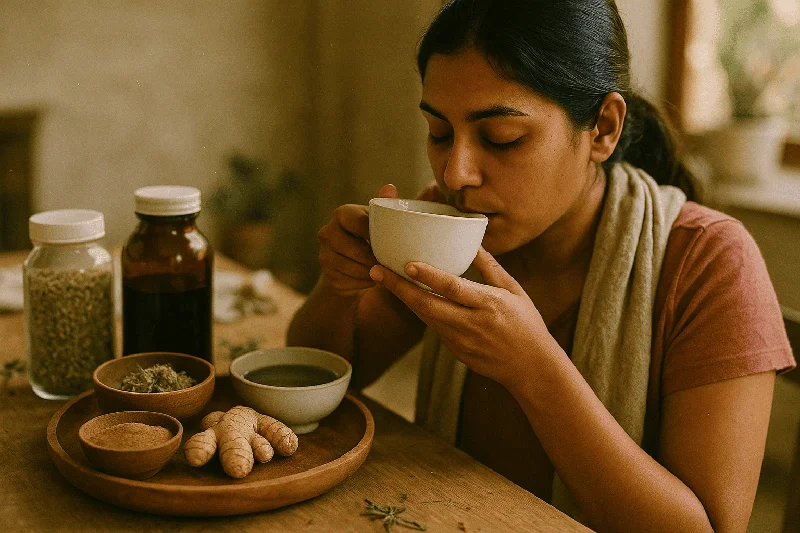
Amenorrhea — the absence of menstrual periods — affects approximately 3–4% of women of reproductive age worldwide, and for many, it's a source of deep anxiety. If you're searching for ayurvedic medicine for amenorrhea, here's what you need to know upfront: Ayurveda treats amenorrhea (called Anartava or Nashtartava in classical texts) by addressing the root cause through a systematic protocol of detoxification, herbal medicines, dietary correction, and lifestyle changes. Key herbs like Ashoka (Saraca indica), Shatavari (Asparagus racemosus), and Kumari (Aloe vera), along with Panchakarma therapies such as Uttar Basti and Virechana, have been used for centuries — and modern research is beginning to validate their efficacy.
This article goes far beyond what other guides offer. You'll find a detailed treatment protocol with stages, specific dosages, a comparison between Ayurvedic and conventional approaches, evidence from clinical studies, red flags that require urgent medical attention, and contraindications that most resources simply ignore.
What Is Amenorrhea in Ayurveda?
- Amenorrhea is the medical term for the absence of menstruation. In Ayurveda, it falls under the broader category of Artava Vyapad (menstrual disorders).
- The classical texts — Charaka Samhita, Sushruta Samhita, and Ashtanga Hridaya — describe this condition primarily as Anartava (absence of menstruation) and Nashtartava (loss of menstruation).
Primary vs. Secondary Amenorrhea
Modern medicine classifies amenorrhea into two types:
| Feature | Primary Amenorrhea | Secondary Amenorrhea |
|---|---|---|
| Definition | Menstruation has never occurred by age 15 (with secondary sexual characteristics) or by age 13 (without them) | Absence of periods for 3+ consecutive months in a woman who previously had regular cycles, or 6+ months in a woman with irregular cycles |
| Common Causes | Chromosomal abnormalities (Turner syndrome), anatomical defects (imperforate hymen, Müllerian agenesis), hypothalamic-pituitary dysfunction | PCOS, stress, excessive exercise, thyroid disorders, hyperprolactinemia, premature ovarian insufficiency |
| Ayurvedic Correlation | Often linked to Beeja Dosha (genetic/constitutional defects) affecting Shukra/Artava Dhatu formation | Primarily attributed to Vata and Kapha vitiation, Dhatukshaya (tissue depletion), or Avarana (obstruction) |
| Prevalence | Relatively rare | Much more common |
The Role of Doshas and Apana Vata
In Ayurvedic pathophysiology, menstruation is governed by Apana Vata — a subdosha of Vata responsible for all downward movements in the body, including menstrual flow, urination, and childbirth. When Apana Vata becomes vitiated (disturbed), the natural downward flow of Artava (menstrual blood) is disrupted.
Two primary mechanisms lead to amenorrhea in Ayurveda:
- 1.Dhatukshaya (Tissue Depletion): When Rasa Dhatu (the first tissue formed from digested food) is depleted due to poor nutrition, excessive fasting, chronic illness, or emotional stress, downstream tissues — including Artava Dhatu (reproductive tissue) — become starved. No formation means no menstruation.
- 2.Avarana (Obstruction): When Kapha or Meda Dhatu (fat tissue) accumulates excessively, it can physically or functionally obstruct the channels (Artavavaha Srotas) through which menstrual blood flows. This is commonly seen in PCOS-related amenorrhea.
The role of Agni (digestive fire) is critical yet often overlooked. Mandagni (weak digestive fire) leads to Ama (toxin) formation, which clogs the micro-channels and further disrupts Dhatu nourishment. This is why Ayurvedic treatment almost always begins with restoring Agni.
Can Ayurveda Cure Amenorrhea?
The honest answer: it depends on the cause. For secondary amenorrhea caused by stress, PCOS, weight fluctuations, hormonal imbalances, or lifestyle factors, Ayurveda has a strong track record — both anecdotally and in emerging clinical research. A published case report in the Kerala Journal of Ayurveda documented a 24-year-old woman with PCOS-related secondary amenorrhea who had failed to respond to allopathic treatment (hormonal pills for over a year). After Ayurvedic intervention including Panchakarma and herbal formulations, her menstrual cycle was restored within 35–37 days, and subsequent ultrasound confirmed reduced ovarian cysts.
For primary amenorrhea caused by chromosomal abnormalities or significant anatomical defects, Ayurveda alone may not be sufficient, and an integrated approach with modern medicine is advisable.
What Does the Research Say?
While large-scale randomized controlled trials (RCTs) on Ayurvedic treatment for amenorrhea are still limited, several smaller studies provide encouraging evidence:
- A 2017 study published in the Journal of Ayurveda and Integrative Medicine found that Shatavari demonstrated significant estrogenic activity in animal models, supporting its traditional use in menstrual disorders.
- Research published in AYU (An International Quarterly Journal of Research in Ayurveda) showed that Ashokarishta — a classical Ayurvedic formulation — significantly improved menstrual regularity in women with oligomenorrhea and amenorrhea over a 3-month treatment period.
- A 2019 clinical study on Uttar Basti (intra-uterine Ayurvedic treatment) with medicated oils showed restoration of menses in 68% of participants with secondary amenorrhea within two treatment cycles.
- A review published in the Journal of Drug Delivery and Therapeutics (2022) documented successful Ayurvedic management of chronic secondary amenorrhea using a combination of Panchakarma and Shamana (palliative) therapy.
- These studies are promising, but it's important to note that more rigorous, larger-scale research is needed.
- Ayurveda should be viewed as a complementary approach — not a replacement for proper medical evaluation.
Ayurvedic Diagnosis: How Does a Vaidya Assess Amenorrhea?
This is something most online resources completely skip. Before any treatment begins, a qualified Ayurvedic practitioner conducts a thorough assessment using traditional diagnostic methods:
Nadi Pariksha (Pulse Diagnosis)
The practitioner reads the pulse at the radial artery to assess the state of Vata, Pitta, and Kapha. In amenorrhea, specific pulse patterns indicate whether the condition stems from Vata aggravation (thin, erratic pulse), Kapha obstruction (slow, heavy pulse), or a mixed Dosha imbalance.
Prakriti and Vikriti Analysis
Understanding the patient's constitutional type (Prakriti) and current imbalance (Vikriti) is essential. A Vata-Prakriti woman who develops amenorrhea from stress and weight loss requires a fundamentally different treatment approach than a Kapha-Prakriti woman whose amenorrhea is linked to PCOS and weight gain.
Ashtavidha Pariksha (Eightfold Examination)
This includes assessment of pulse (Nadi), urine (Mutra), stool (Mala), tongue (Jihva), voice (Shabda), touch/skin (Sparsha), eyes (Drik), and general appearance (Akruti). Together, these give the Vaidya a comprehensive picture of the patient's internal state.
Additional Modern Investigations
A responsible Ayurvedic practitioner will also recommend or review modern diagnostic tests — hormonal panels (FSH, LH, TSH, Prolactin, Estradiol), pelvic ultrasound, and in some cases, MRI of the pituitary — to rule out serious underlying pathology before initiating Ayurvedic treatment.
The Complete Ayurvedic Treatment Protocol for Amenorrhea
One of the most clinically valuable frameworks in Ayurveda is the staged treatment protocol. Rather than just prescribing a single herb, authentic Ayurvedic treatment follows a logical sequence:
Stage 1: Deepana–Pachana (Digestive Correction)
Duration: 5–10 days
- Before any major treatment, Agni must be corrected and Ama must be cleared.
- Common medicines used:
- Chitrakadi Vati: 1–2 tablets twice daily before meals
- Hingvashtaka Churna: ½ teaspoon with warm water before meals
- Trikatu Churna: ¼ teaspoon with honey (especially in Kapha-predominant cases)
This stage is crucial. Skipping it reduces the efficacy of everything that follows.
Stage 2: Shodhana (Purification/Panchakarma)
Duration: 7–21 days depending on the patient's strength and condition
Panchakarma therapies form the backbone of Ayurvedic treatment for amenorrhea:
Abhyanga and Swedana (Oil Massage and Steam Therapy)
Full-body massage with medicated oils like Dhanwantharam Taila or Bala Taila, followed by steam therapy. This loosens toxins, calms Vata, and prepares the body for deeper cleansing.
Virechana (Therapeutic Purgation)
Particularly effective when Pitta or Kapha is involved. Medicated purgation clears toxins from the liver and reproductive system. Trivrit Lehya or Eranda Taila (castor oil) is commonly used.
Vasti / Basti (Medicated Enema)
- The most important Panchakarma for Vata disorders.
- Two types are used:
- Niruha Basti: Decoction-based enema using Dashamoola Kwatha
- Anuvasana Basti: Oil-based enema using Shatapushpa Taila or Phala Ghrta
Uttar Basti (Intra-uterine Administration)
This specialized procedure involves administering medicated oil or ghee directly into the uterus. It's considered one of the most effective Panchakarma interventions for gynecological disorders. Shatapushpa Taila and Phala Ghrta are commonly used.
> Important: Uttar Basti should ONLY be performed by a qualified Ayurvedic gynecologist (Stree Roga specialist) in a clinical setting. Never attempt this at home.
Vamana (Therapeutic Emesis)
Used specifically in Kapha-predominant amenorrhea with associated obesity or PCOS. This clears Kapha obstruction from the upper body and indirectly improves the function of Artavavaha Srotas.
Stage 3: Shamana (Palliative Herbal Treatment)
Duration: 2–6 months (varies significantly by case)
After purification, the body is primed to respond to herbal medicines. This is the stage where specific Ayurvedic medicines for amenorrhea are administered.
Stage 4: Rasayana (Rejuvenation)
Duration: 1–3 months
After the main treatment, Rasayana therapy rebuilds depleted tissues and sustains the results. Common Rasayanas include Shatavari Ghrta, Phala Ghrta, and Chyawanprash.
Best Ayurvedic Medicines and Herbs for Amenorrhea
Here's a detailed breakdown of the most effective Ayurvedic formulations, including what most resources won't tell you — dosages and duration.
Classical Herbal Medicines
| Medicine | Key Ingredients | Typical Dosage | Duration | Best For |
|---|---|---|---|---|
| Ashokarishta | Ashoka bark, Dhataki, Musta, Haritaki | 15–20 ml twice daily with equal water, after meals | 2–3 months | General amenorrhea, uterine tonification |
| Kumaryasavam | Aloe vera, Loha Bhasma, Dhataki | 15–20 ml twice daily with equal water, after meals | 2–3 months | Amenorrhea with liver involvement, anemia |
| Rajahpravartini Vati | Kaseesa (iron compound), Tankana, Aloe vera, Hingu | 1–2 tablets twice daily with warm water | 1–2 months | Directly stimulates menstrual flow |
| Pushyanuga Churna | 30+ herbs including Pashanbheda, Ashoka, Musta | 3–5 gm twice daily with rice wash water or honey | 2–3 months | Broad-spectrum uterine and menstrual support |
| Phala Ghrta | Shatavari, Ashwagandha, Madhuka in ghee base | 1–2 teaspoons twice daily with warm milk | 2–3 months | Amenorrhea with Dhatukshaya (depletion) and infertility |
| Brhat Shatavari Ghrta | Shatavari, Dashamoola, Bala, cow's ghee | 1–2 teaspoons twice daily | 2–3 months | Vata-type amenorrhea, debility |
Single Herbs with Proven Benefits
- Ashoka (Saraca indica): The premier Ayurvedic herb for uterine health. Its bark contains phytoestrogens that help regulate menstrual cycles. A study published in the Journal of Ethnopharmacology confirmed its estrogenic and oxytocic properties.
- Dosage: 3–6 gm bark decoction or 500 mg standardized extract twice daily.
- Shatavari (Asparagus racemosus): Nourishes Rasa and Artava Dhatu, balances hormones, and supports ovarian function. Research in Biomedicine & Pharmacotherapy (2018) showed it modulates follicle-stimulating hormone levels.
- Dosage: 3–6 gm powder with milk or 500 mg extract twice daily.
- Kumari (Aloe vera): Particularly effective for Pitta-type amenorrhea. The pulp stimulates uterine contractions and supports menstrual flow.
- Dosage: 10–20 ml fresh juice on empty stomach.
- Lodhra (Symplocos racemosa): Regulates ovarian hormones.
- A 2016 study in Ancient Science of Life found it reduced LH:FSH ratio in women with PCOS.
- Dosage: 3–5 gm powder twice daily.
- Nagakesara (Mesua ferrea): Used specifically when amenorrhea is accompanied by leucorrhoea or pelvic inflammation.
- Dosage: 1–3 gm powder with honey.
Home Remedies
- Black Sesame (Kaala Til) with Jaggery: Soak 1 tablespoon of black sesame seeds overnight. Grind with a small piece of jaggery next morning. Take on empty stomach for 15 days before the expected period date. This is a well known folk remedy referenced in traditional practice.
- Warm Milk with Shatavari and Turmeric: 1 teaspoon Shatavari powder + ¼ teaspoon turmeric in warm milk before bed.
- Aloe Vera Pulp with Honey: 2 tablespoons fresh aloe pulp + 1 teaspoon honey daily on an empty stomach.
> Disclaimer: These dosages are general guidelines from classical Ayurvedic texts. Individual dosages may vary significantly based on your Prakriti, severity, and other health conditions. Always consult a qualified Ayurvedic practitioner before starting any treatment.
- Ayurveda vs Modern Medicine for Amenorrhea: A Detailed Comparison
No other resource provides this comparison in a structured format, so here it is:
| Parameter | Ayurvedic Approach | Conventional Medicine |
|---|---|---|
| Philosophy | Treats root cause by restoring Dosha balance, Agni, and Dhatu nourishment | Targets specific hormonal deficiency or pathology |
| Primary Treatments | Panchakarma, herbal medicines, diet, yoga | Hormone Replacement Therapy (HRT), oral contraceptives, Clomiphene, Metformin |
| Time to Results | 1–3 months (sometimes longer for chronic cases) | 1–3 cycles typically (but symptoms may return when medication stops) |
| Side Effects | Minimal when prescribed correctly; some herbs may cause gastric discomfort | Spotting, nausea, headache, weight gain, mood swings, increased risk of thrombosis (with HRT) |
| Sustainability | Aims for long-term correction; lower relapse rates when protocol is followed | Periods may stop again once medication is discontinued in many cases |
| Cost | Generally lower, especially for herbal medicines | Can be expensive (especially fertility treatments) |
| Best For | Functional amenorrhea, stress-related, PCOS, mild hormonal imbalance | Structural abnormalities, chromosomal issues, severe endocrine disorders, urgency situations |
| Limitations | Slower onset; not suitable as sole treatment for anatomical/genetic causes | Does not address root cause in many functional cases; potential side effects with long-term use |
The ideal approach for many women? Integration. Use modern diagnostics to rule out serious pathology, then consider Ayurvedic treatment for functional causes, with periodic monitoring through modern investigations.
Don't wait or self medicate. Start chat with Doctor NOW
Diet and Lifestyle Recommendations (Ahara and Vihara)
Dietary Guidelines for Restoring Menstruation
Foods to Include:
- Warm, cooked, and unctuous (slightly oily) foods — essential for pacifying Vata
- Ghee (clarified butter) — 1–2 teaspoons daily; nourishes Rasa and Artava Dhatu
- Sesame seeds and sesame oil — traditionally considered Artava-promoting
- Iron-rich foods: dates, pomegranate, beetroot, green leafy vegetables, jaggery
- Spices that support Agni: cumin, fennel, asafoetida (hing), ginger, turmeric
- Healthy fats: almonds, walnuts, coconut
- Warm milk with Shatavari or Ashwagandha at bedtime
Foods to Avoid:
- Cold, raw, and dry foods in excess (aggravates Vata)
- Excessive caffeine and carbonated drinks
- Processed and junk food
- Very spicy or very sour foods (aggravates Pitta unnecessarily)
- Excessive fasting or crash diets — a major trigger for amenorrhea
Yoga Asanas for Amenorrhea
Specific yoga poses stimulate the pelvic region, improve blood flow to reproductive organs, and balance the nervous system:
- Dhanurasana (Bow Pose): Stimulates reproductive organs, reduces abdominal fat
- Matsyasana (Fish Pose): Opens the pelvic area, stimulates the thyroid
- Adho Mukha Svanasana (Downward Dog): Improves blood circulation to the pelvis
- Malasana (Garland Pose/Deep Squat): Directly opens the hips and pelvic floor
- Ustrasana (Camel Pose): Stretches the abdomen and stimulates pelvic organs
- Supta Baddha Konasana (Reclining Butterfly): Deeply relaxing for the pelvic region
Practice these for 20–30 minutes daily. Combine with Pranayama (especially Nadi Shodhana and Bhramari) for stress reduction — remember, stress is one of the most common triggers for secondary amenorrhea.
Manasika Bhava: The Psychological Aspect
- Ayurveda recognizes that mental health directly impacts menstrual health. The classical texts describe Shoka (grief), Krodha (anger), Bhaya (fear), and Chinta (excessive worry) as causes of Artava Kshaya.
- Modern science confirms this — chronic stress elevates cortisol, which suppresses GnRH from the hypothalamus, leading to what we now call "hypothalamic amenorrhea."
Ayurvedic stress management includes:
- Daily Abhyanga (self-oil massage) with warm sesame oil
- Shirodhara therapy (continuous flow of warm oil on forehead) if accessible
- Meditation and mindfulness practice
- Adequate sleep (before 10 PM ideally)
- Maintaining a menstrual calendar to track patterns and identify triggers
Amenorrhea and PCOS: The Ayurvedic Connection
PCOS (Polycystic Ovary Syndrome) is one of the most common causes of secondary amenorrhea, affecting up to 10% of women of reproductive age. In Ayurveda, PCOS-related amenorrhea is understood as a Kapha-Vata disorder with Avarana (obstruction) of Artavavaha Srotas by Meda Dhatu (fat tissue) and Kapha.
The treatment approach differs from pure Vata-type amenorrhea:
- Emphasis on Kapha-reducing therapies: Vamana, Udwarthana (herbal powder massage), and Lekhana (scraping/reducing) medicines
- Herbs that address insulin resistance: Guduchi (Tinospora cordifolia), Triphala, Methika (Fenugreek)
- Weight management is critical — even a 5–10% reduction in body weight can restore ovulation in many women with PCOS
- Specific formulations: Varunadi Kashayam, Triphala Guggulu, and Kanchanara Guggulu are commonly prescribed alongside the standard amenorrhea treatments
The case report mentioned earlier — where a 24-year-old with PCOS-associated amenorrhea recovered her cycle in 35–37 days — used a combination of Virechana, Uttar Basti with Shatapushpa Taila, and oral Shamana medicines. Her previous 14 months of hormonal treatment had been unsuccessful.
When to See a Doctor: Red Flags You Should Not Ignore
- This is absolutely critical information that most Ayurvedic resources fail to mention.
- Seek immediate medical evaluation if you experience:
- Severe or sudden headaches with vision changes — could indicate a pituitary tumor (prolactinoma)
- Milky discharge from nipples (galactorrhea) without pregnancy — suggestive of hyperprolactinemia
- Complete absence of breast development by age 13 — may indicate Turner syndrome or other chromosomal abnormalities
- Cyclic pelvic pain without menstruation — could suggest anatomical obstruction (imperforate hymen, transverse vaginal septum)
- Symptoms of androgen excess (rapid onset of severe acne, voice deepening, clitoral enlargement) — may indicate an androgen-secreting tumor
- Amenorrhea lasting more than 6 months without identified cause — needs thorough investigation
- Signs of eating disorder (extreme weight loss, distorted body image, excessive exercise)
Ayurveda works best when serious pathology has been ruled out first. A responsible Vaidya will always refer you for modern investigations when needed.
Contraindications: Who Should NOT Use Certain Ayurvedic Treatments?
- Another critical gap in existing online resources.
- Not all Ayurvedic treatments are suitable for everyone:
| Treatment/Herb | Contraindicated In |
|---|---|
| Panchakarma (Vamana, Virechana) | Pregnancy, extreme debility, very young or elderly patients, active infections, cardiac conditions |
| Uttar Basti | Pregnancy, active pelvic infection, uterine fibroids >5 cm, cervical stenosis |
| Rajahpravartini Vati | Pregnancy (contains emmenagogue ingredients), heavy menstrual bleeding conditions |
| Aloe vera (internal use) | Pregnancy, inflammatory bowel disease, kidney disorders |
| Ashoka | Known hypersensitivity; use with caution in hypothyroidism (some studies suggest thyroid-suppressive effects at high doses) |
| Guggulu-based formulations | Pregnancy, thyroid medication users (may alter thyroid hormone levels), active liver disease |
General rule: Avoid self-medication. Even "natural" medicines can have interactions and side effects. Always consult a qualified Ayurvedic practitioner, especially for conditions involving the reproductive system.
Complications of Untreated Amenorrhea
- Ignoring amenorrhea isn't just about missing periods.
- Long-term consequences can be serious:
- Infertility: No ovulation means no conception
- Osteoporosis: Low estrogen leads to bone density loss. Women with amenorrhea lasting more than 6 months should get a DEXA scan
- Cardiovascular risk: Estrogen is cardio-protective; its prolonged absence increases heart disease risk
- Endometrial hyperplasia: In PCOS-related amenorrhea, unopposed estrogen (without progesterone from ovulation) can thicken the uterine lining, increasing cancer risk
- Psychological impact: Anxiety, depression, feelings of inadequacy — the emotional toll is real and significant
Early intervention — whether Ayurvedic, conventional, or integrated — is always better than waiting.
Frequently Asked Questions
Which medicine is best for amenorrhea?
In Ayurveda, Ashokarishta and Rajahpravartini Vati are among the most widely prescribed medicines for amenorrhea. However, the "best" medicine depends entirely on the underlying cause and your Dosha imbalance. For Vata-type amenorrhea (from stress or depletion), Phala Ghrta and Shatavari are preferred. For Kapha-type (PCOS-related), Varunadi Kashayam and Kanchanara Guggulu may be more effective.
How to heal amenorrhea naturally?
Natural healing of amenorrhea requires a multi-pronged approach: restore adequate nutrition (especially healthy fats and iron), manage stress through yoga and meditation, maintain a healthy body weight (neither too low nor too high), follow a Vata-pacifying diet, and consider Ayurvedic herbal support under professional guidance. Most cases of functional amenorrhea respond well to these changes within 2–4 months.
How to increase blood flow in Ayurveda?
Ayurveda improves pelvic blood flow through Abhyanga with warm sesame or Dhanwantharam oil, Swedana (herbal steam therapy), specific yoga asanas like Malasana and Baddha Konasana, and herbs like Ashoka, Shatavari, and Guggulu. The spices turmeric, ginger, and cinnamon are also considered Raktavardhaka (blood-promoting) and circulatory stimulants.
Is Ayurvedic treatment for primary amenorrhea effective?
Primary amenorrhea caused by functional or hormonal factors can respond to Ayurvedic treatment. However, if the cause is structural (such as absent uterus or vaginal agenesis) or chromosomal (Turner syndrome), Ayurveda cannot correct the underlying anatomy. In such cases, an integrated approach is necessary. Always get a proper diagnosis first.
How long does Ayurvedic treatment for amenorrhea take?
For most cases of secondary amenorrhea, initial results (return of menstruation) can be expected within 1–3 months of a properly followed protocol. However, stabilizing the cycle to be regular typically takes 3–6 months. Chronic cases or those with underlying PCOS may require longer treatment — sometimes up to 9–12 months for sustained regularity.
What is the connection between Anartava in Ayurveda treatment and modern diagnosis?
Anartava in Ayurveda encompasses both primary and secondary amenorrhea. The classical concept of Dhatukshaya-janya Anartava (from tissue depletion) closely mirrors hypothalamic amenorrhea in modern medicine. Avarana-janya Anartava (from obstruction) aligns with PCOS and other obstructive causes. This conceptual overlap allows Ayurvedic practitioners to integrate modern diagnostics while applying traditional treatment principles.
Conclusion: A Path Forward for Menstrual Health
Amenorrhea is not just a missing period — it's your body signaling that something needs attention. Ayurvedic medicine for amenorrhea offers a systematic, time-tested, and increasingly research-backed approach to restoring menstrual health by addressing the root cause rather than simply inducing a withdrawal bleed.
The key takeaway? Don't delay seeking help. Whether you choose Ayurveda, conventional medicine, or an integrated approach, early intervention gives you the best outcomes. Start with a proper diagnosis, rule out serious conditions, and then work with a qualified practitioner to develop a personalized treatment plan.
- If you're experiencing amenorrhea and considering Ayurvedic treatment, consult with a certified Ayurvedic doctor who can assess your Prakriti, identify your specific imbalance, and guide you through the appropriate treatment protocol.
- Your menstrual health — and your overall well-being — deserves that level of personalized care.
Scientific Sources
- Ayurvedic Herbal Medicines: A Literature Review of Their Applications in Female Reproductive Health — Patibandla S et al., 2024, Cureus
- Efficacy and Safety of Shatavari Root Extract for the Management of Menopausal Symptoms: A Double-Blind, Multicenter, Randomized Controlled Trial — Gudise VS et al., 2024, Cureus
- Shatavari (Asparagus racemosus Willd) root extract for postpartum lactation: A randomised, double-blind, placebo-controlled study — Ajgaonkar A et al., 2025, Journal of obstetrics and gynaecology : the journal of the Institute of Obstetrics and Gynaecology
- Impact of stress on female reproductive health disorders: Possible beneficial effects of shatavari (Asparagus racemosus) — Pandey AK et al., 2018, Biomedicine & pharmacotherapy = Biomedecine & pharmacotherapie
- Efficacy and safety of Shatavari root extract (Asparagus racemosus) for menopausal symptoms: a randomized, double-blind, three-arm, placebo-controlled study — Ademola J et al., 2025, Frontiers in reproductive health
Questions from users
Can I use Trivrit Lehya for digestive issues along with amenorrhea treatment?
Olivia
8 days ago
You can use Trivrit Lehya for digestive issues, but for amenorrhea, it's important to look at the underlying causes. Trivrit primarily helps with bowel cleansing and laxative purposes. Support your hormones too with herbs like Shatavari. Consult a local Ayurvedic practitioner to tailor it to your prakriti and imbalances!
What is Nadi Pariksha and how does it help in diagnosing amenorrhea?
Zoey
18 days ago
Nadi Pariksha, or pulse diagnosis, is like an Ayurvedic detective tool! By feeling your pulse, an Ayurvedic practitioner gauges the balance of doshas (Vata, Pitta, Kapha). In amenorrhea, it helps identify imbalances possibly causing the issue, maybe like PCOS, and guides towards personalized treatment. So it's a pretty key step!
Can I safely combine Ayurvedic treatments with allopathic medications for PCOS-related amenorrhea?
Oakley
27 days ago
You can combine Ayurvedic treatments with allopathic meds for PCOS-related amenorrhea, but do it carefully! Always check with your allopathic doc and an Ayurvedic practitioner to ensure they won't interfere. Herbs like Shatavari may actually complement your regimen, but personalized guidance is key! Be mindful of both treatments' effects on your body.
How does Panchakarma therapy specifically help in treating amenorrhea?
Seth
36 days ago
Panchakarma therapy is wonderful for treating amenorrhea because it helps balance the doshas and cleanse the body. Abhyanga and Swedana boost circulation and modulate hormones like FSH. It addresses root causes like stress, poor diet, or lifestyle affecting your cycle. Make sure to also focus on nourishing foods and staying hydrated. You might need a tailored approach depending on your dosha and overall health.
Is it safe to start exercising again if I have amenorrhea, and how should I go about it?
Tiffany
53 days ago
Ah, tricky one! If you've had amenorrhea, it's super important to ease back into exercise gently. Start slow, focusing on things that balance your body and mind like yoga or walking. Pay attention to your body's signals and consult an Ayurvedic doctor or healthcare professional. They can help tailor recommendations to balance your doshas and ensure you're on track to reclaiming your menstrual health.
Can I improve my chances of regular periods with dietary changes alone?
Sofia
62 days ago
Diet alone might not do the trick fully, but it can definetly help! Focus on a balanced diet rich in whole grains, fruits, veggies, and healthy fats. Include foods like sesame seeds and figs, which support hormonal balance. Try to couple this with lifestyle changes, like stress reduction and moderate exercise, for the best results. But remember, individual cases differ so it might be a good idea to consult with a healthcare professional too :)
Is it normal to experience emotional stress due to amenorrhea and how can I cope with it?
Logan
72 days ago
Yeah, experiencing emotional stress with amenorrhea is totally common. When hormones are out of whack, emotions can easily follow. To cope, try Yoga or meditation for stress relief, and focus on a nourishing diet that balances your doshas. Adding herbs like Ashwagandha or Shatavari might help too. It's always good to consult with an Ayurvedic professional for tailored advice, though!
What causes amenorrhea and how can I identify the underlying issues?
Kennedy
82 days ago
Amenorrhea has a bunch of potential causes but stress and hormonal imbalances are big culprits. Also maybe think about excessive exercise or a jump in weight. To pinpoint the cause, it's great to check with a healthcare pro. In Ayurveda, balancing your doshas and supporting your agni (digestive fire) can help too! Maybe try some ashwagandha or shatavari.
Is it safe to use herbal remedies for amenorrhea if I have underlying health issues?
Emma
91 days ago
Using herbal remedies for amenorrhea can be helpful, but with underlying health issues, it's crucial to be cautious. Ayurveda looks at the whole person, so it's best to consult an Ayurvedic practitioner who can assess your unique condition. Some herbs might interact with other treatments, so professional guidance is super important!
Can I use Ayurvedic medicine alongside conventional treatments for amenorrhea?
Gabriella
101 days ago
Yes, you can often use Ayurvedic medicine alongside conventional treatments for amenorrhea, but it's best to consult both your doctor and an Ayurvedic practitioner. They can help ensure that these treatments work well together and adress the root causes like hormonal imbalances or stress. Be sure to keep them both informed about any changes or reactions you experience.
Related articles

Gynecology and Obstetrics
Phala Ghrita in Pregnancy: Ayurvedic Insights & Modern Evidence
Discover how Phala Ghrita in pregnancy may support maternal health from an Ayurvedic and scientific standpoint. Learn its benefits, risks, and research.
4,885

Gynecology and Obstetrics
Raja Pravartini Vati Benefits, Dosage, Ingredients and Side Effects
Exploration of Raja Pravartini Vati Benefits, Dosage, Ingredients and Side Effects
4,878
Gynecology and Obstetrics
Ayurvedic Medicine for Breast Lump – Natural Approaches for Support & Healing
Discover Ayurvedic medicine for breast lump management, featuring holistic herbal remedies, detoxification, and lifestyle strategies to support natural healing and overall breast health.
4,144

Gynecology and Obstetrics
Femiplex Tablet
Exploration of Femiplex Tablet
2,711

Gynecology and Obstetrics
Chandrakala Vati Benefits, Dosage, Side Effects, Ingredients
Exploration of Chandrakala Vati Benefits, Dosage, Side Effects, Ingredients
2,770

Gynecology and Obstetrics
Bartholin Cyst Ayurvedic Treatment – Natural Remedies & Holistic Healing
Discover effective Ayurvedic treatments for Bartholin cysts, utilizing natural herbs and holistic practices to alleviate symptoms, reduce cyst size, and promote vaginal health naturally.
6,765

Gynecology and Obstetrics
Rajah Pravartini Vati Uses – Natural Ayurvedic Remedy for Women’s Health
Explore the powerful uses of Rajah Pravartini Vati, an Ayurvedic remedy designed to balance menstrual health, regulate hormones, and promote overall well-being in women.
3,890

Gynecology and Obstetrics
Ayurvedic Medicine for Fertility: The Role of Punsavan Capsule
Explore how the Punsavan Capsule promotes fertility, increases the chances of pregnancy, and normalizes the menstrual cycle through traditional Ayurvedic wisdom.
3,186

Gynecology and Obstetrics
Menosan Tablet
Exploration of Menosan Tablet
2,857

Gynecology and Obstetrics
Ayurvedic Contraceptive Pills: Natural Family Planning for a Holistic Lifestyle!
Explore natural family planning with Ayurvedic contraceptive pills. Learn how these herbal formulations balance hormones and support reproductive health.
5,089
Related consultations on the topic
Legal
Additional Documents
© 2024 Ask Ayurveda. All rights reserved.