FREE! Ask Ayurvedic Doctors 24/7

 Fast responses
 1000+ verified doctors
Kumkumadi Lepam

Introduction
Hey there! If you've been cruising the internet lately looking for that glow-up secret, you might have bumped into Kumkumadi Lepam. Actually, you’ve probably read about Kumkumadi Lepam in forums, Pinterest posts, or maybe from your aunt’s favorite Ayurvedic guide. This study-worthy, ancient recipe has been around for centuries in South Asia, promising to give you skin that looks dewy, clear, and well, just super radiant. Kumkumadi Lepam is not just any face pack or oil blend; it’s like the Rolls Royce of Ayurvedic skincare, made with saffron, sandalwood, and a host of other herbs.
Whether you’re dealing with acne scars, dark spots, or just want an all-around luminous complexion, this little gem has got your back. In less than a century some modern brands have even hopped on the Kumkumadi oil bandwagon, but do they really compare to the OG lepam? We’ll see. Later, we’ll dive into how to make your own, ingredients list, benefits, potential side-effects, and share a few real-life tips. Ready to glow? Let’s begin!
Why You Should Care
Before you scroll away thinking "another skincare fad", pause for a sec. Kumkumadi Lepam has a long history of being used by queens (and regular folks) to get that enviable glow. It’s natural, often organic, and when done right, pretty darn effective. You might find lesser versions branded as Kumkumadi oil, Kumkumadi tailam, or even saffron face oil, but we’ll focus on the traditional lepam variant in this article.
What’s Coming Up
Here’s a quick roadmap:
- History & Origins: Where did this magical paste come from?
- Ingredients & Preparation: Step-by-step DIY (ish).
- Benefits & Uses: Why it works, backed by Ayurveda and some modern research.
- Application & Precautions: How to apply, how often, what to watch out for.
- FAQs & Conclusion:
History & Origins of Kumkumadi Lepam
Let’s take a little trip back in time, shall we? Kumkumadi Lepam hails from the dusty scrolls of classical Ayurvedic texts, notably the “Kumkumadi Kavacha”. It has been whispered through generations, passed along by Ayurvedic masters and local beauty savants. The word “kumkuma” refers to saffron, a spice so precious it once fueled wars and became a status symbol among royals. Lepam simply means “paste” in Sanskrit. Hence, saffron paste but trust me, it’s way more than just saffron and water mixed together.
Back in the day, this paste was typically prepared in small batches, often in temples or family households in Kerala or Tamil Nadu. Women used it before festive occasions, weddings, religious ceremonies you name it. The belief was that it not only enhanced beauty but also balanced Vata, Pitta, and Kapha doshas, the three energies that govern our physical and mental health in Ayurveda.
The Royal Connection
Picture this: a young princess in a Kerala palace, shy and nervous before her wedding, is given Kumkumadi Lepam by the palace physician. They rub it under her chin, cheeks, forehead everywhere. And guess what? She glows under those sandalwood pillars and brass lamps. Her in-laws are impressed, the groom’s relatives nod approvingly. And that’s the kind of narrative that spread the fame of this formula far and wide.
Adaptation Over Time
Fast-forward a few centuries, and villagers, urbanites, and even dandies in British colonial clubs experiment with versions of Kumkumadi Lepam. Some chiefs of industry in Madras (now Chennai) had chemists tweak it with preservatives for a longer shelf-life. That’s why making it at home (with pure ingredients) can be more rewarding than grabbing a random bottle off the shelf.
Ingredients & Preparation of Kumkumadi Lepam
Okay, let’s get to the fun part: what goes inside this lepam and how to stir it up. Now, depending on tradition or family recipe, proportions vary, but here’s a classic version you can try:
Core Ingredients
- Kumkuma (Saffron) – roughly a pinch or 10-15 strands. Must be pure (not dyed!).
- Sandalwood powder – 1 tablespoon, for cooling & even tone.
- Turmeric powder – 1 teaspoon (antiseptic, brightening).
- Angelica root (Kushta) powder – ½ teaspoon (optional but traditional).
- Milk or rose water – enough to make a smooth paste.
- Honey – 1 teaspoon (moisturizing). some folk add ghee for extra nourishment.
Step-by-Step Preparation
- Crush saffron strands slightly between your palms or with a mortar & pestle to release those healing oils.
- In a small bowl, combine sandalwood, turmeric, and kushta powders.
- Add milk/rose water drop by drop, stirring until it’s a workable paste (not too runny!).
- Stir in honey or ghee—this helps bind the paste and gives it a silky texture.
- Let it sit for 10-15 minutes. This resting period lets the ingredients marry a lil’ bit.
- Use fresh. Don’t let it sit on your counter for days—use within 2 days max, refrigerating if needed.
tip: If you have acne-prone skin, swap milk with aloe vera juice. The texture changes, it’s worth it.
Benefits & Uses of Kumkumadi Lepam
Alrighty, let’s talk perks. Kumkumadi Lepam isn’t just a pretty face mask. Traditional Ayurvedic texts list a swath of benefits. Plus, modern enthusiasts swear by its ability to tackle everything from acne scars to hyperpigmentation. Real-life stories? My friend Sara used it weekly for two months and noticed her blemish marks fade significantly kind of amazing, I must say.
Key Skin Benefits
- Brightens complexion – thanks to saffron’s natural pigments.
- Reduces dark spots & acne scars – turmeric and kushta help lighten marks.
- Anti-inflammatory – sandalwood calms redness, pimples.
- Hydrating & Nourishing – honey and ghee infuse moisture.
- Antioxidant-rich – fights free radicals, delays aging.
Secondary or Holistic Benefits
- Balances doshas – especially Pitta (the fiery one) so your skin doesn’t get too oily or red.
- Improves micro-circulation – gentle massage increases blood flow, giving you that healthy glow.
- Mental uplift – the aroma of sandalwood & saffron can be super soothing; think of it as a mini aromatherapy session.
Side note: I once tried a store-bought version that added essential oils like lavender & tea tree. Nice, but I prefer the minimalist, traditional blend. Less is more, sometimes.
How to Apply Kumkumadi Lepam & Precautions
Okay, so you’ve made your lepam (or bought a decent brand), now what? Let’s get into the nitty-gritty of application, frequency, and stuff to watch out for especially if you’ve got super-sensitive skin or allergies.
Application Guide
- Cleanse your face thoroughly – remove makeup, dirt, oil.
- Pat dry gently.
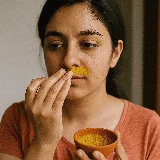
- Using clean fingertips or a small spatula, apply a thin, even layer of kumkumadi lepam.
- Massage in circular strokes for 1-2 minutes – stimulates blood flow.
- Leave it on for 15–20 minutes (max 30). No Netflix binge during?
- Rinse off with lukewarm water; finish with a splash of cold water to close pores.
- Follow with your regular moisturizer or Ayurvedic face oil if needed.
Precautions & Side Effects
- Patch test! Always apply a tiny blob on your wrist 24h before full-face use.
- Avoid using if you’re allergic to any ingredient (saffron, sandalwood, etc).
- Don’t overdo it: 1–2 times per week is plenty. Overuse might cause dryness or irritation.
- Store in a cool, dark place or fridge. Direct sunlight=bad news for freshness.
Small mishap I had: left the lepam on for 45 mins and woke up to a slightly red patch the next day. Totally my fault, lesson learned!
Real-Life Tips and Tricks
Now for some bonus goodies I've talked to a handful of Ayurveda practitioners, beauty bloggers, and my nonna to collect these nuggets. Enjoy.
Mix & Match
- For oily skin, add a teaspoon of Fuller’s earth (multani mitti).
- If you want extra glow, a drop of rosehip oil blends well post-rinse.
- Got patches? Apply a thicker dollop only on problem areas (kind of like spot-treatment).
Lifestyle Considerations
Remember, Ayurveda is holistic. You won’t achieve true Kumkumadi Lepam magic if you’re chugging soda all day, sleeping 3 hours, and stressing about emails nonstop. Hydrate, get adequate sleep, and maybe practice a bit of pranayama (breathing exercises).
Conclusion
So, that’s the lowdown on Kumkumadi Lepam a traditional Ayurvedic superstar for radiant, clear, and happy skin. We’ve walked through its history, core ingredients, DIY preparation, benefits, application methods, and some real-life hacks. Sure, it takes a bit of patience: sourcing pure ingredients, mixing a fresh batch, and waiting 20 minutes for it to work miracles. But when you see that bright, healthy glow staring back at you in the mirror? Totally worth the effort.
Give your skin a lovingly crafted face-paste, rooted in centuries of herbal wisdom. And, if you try it, share your before-and-after shots (or at least tell your friends). The more we spread the word about Ayurvedic skincare and especially Kumkumadi Lepam the more folks can benefit naturally.
FAQs
- Q: How often should I use Kumkumadi Lepam?
A: Ideally 1–2 times per week. Overuse can lead to dryness or sensitivity. - Q: Can I leave it overnight?
A: No—max 30 minutes. Leaving it on overnight may clog pores or irritate skin. - Q: Is it safe for acne-prone skin?
A: Yes, but swap milk with aloe vera juice or rose water to avoid extra oils. - Q: Can men use Kumkumadi Lepam?
A: Absolutely! Skincare is universal, gender-neutral, so gents, go ahead and glow. - Q: Where can I buy authentic Kumkumadi Lepam?
A: Look for trusted Ayurvedic brands or herbs stores. Check reviews, ingredient list, and opt for organic saffron. - Q: What’s the difference between Kumkumadi oil and lepam?
A: Oil is typically a blend of oils and herbs; lepam is a powdered paste mixed fresh. Both have benefits, but lepam is more traditional. - Q: Can I add essential oils to the lepam?
A: You can, but do so sparingly—lavender or tea tree at 1–2 drops max, and patch-test first. - Q: Does it help with wrinkles?
A: The antioxidant properties can improve skin elasticity over time, but it’s not a miracle wrinkle eraser. Use with consistent skincare, sunscreen, healthy lifestyle.
Ask Ayurvedic doctor a question and get a consultation online on the problem of your concern in a free or paid mode.
More than 2,000 experienced doctors work and wait for your questions on our site and help users to solve their health problems every day.
Related articles