Ask Ayurvedic doctor a question and get a consultation online on the problem of your concern in a free or paid mode. More than 2,000 experienced doctors work and wait for your questions on our site and help users to solve their health problems every day.
FREE! Ask Ayurvedic Doctors 24/7

 Fast responses
 1000+ verified doctors
Body DetoxEar, Nose, and Throat DisordersGeriatrics & RejuvenationImmunodeficiencyInfertility TreatmentNutritionOrthopedic DisordersPediatricsRespiratory DisordersSexually Transmitted Diseases (STDs)Surgery RecoveryUrological DisordersVascular DisordersDental DisordersEndocrinological DisordersGastrointestinal DisordersYoga TherapyGeneral MedicineAllergic DisordersCardio DisordersGynecology and ObstetricsCosmetologySkin and Hair DisordersEye DisordersInfectious DiseasesMental DisordersNeurological DisordersOncologyPanchakarmaSexual Health & DisordersSports Medicine
Published on 01/06/25
(Updated on 07/12/26)
star_border 5
4,049
Ayurveda
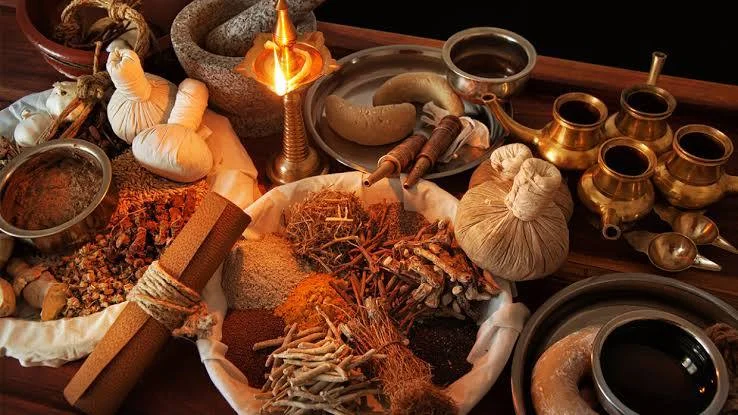
- Ayurveda is a comprehensive, holistic healing system that originated in India more than 5,000 years ago, making it one of the oldest medical traditions in human history.
- The word itself comes from two Sanskrit roots — Ayu (life) and Veda (knowledge or science) — so Ayurveda literally translates to "the Science of Life." But it is far more than just a medical system. Ayurveda is a complete philosophy of living that addresses the body, mind, and spirit as an interconnected whole, aiming not merely to cure disease but to prevent it and promote longevity through natural, personalized approaches.
In a world increasingly drawn to integrative and natural medicine, Ayurveda has experienced a massive global resurgence. The Indian government recognizes it under the Ministry of AYUSH (Ayurveda, Yoga & Naturopathy, Unani, Siddha, and Homeopathy), and institutions like the All India Institute of Ayurveda (AIIA) in New Delhi are actively advancing research and clinical practice. Whether you're completely new to Ayurveda or looking to deepen your understanding, this guide covers everything — from its ancient origins and core principles to practical dietary advice, modern scientific evidence, and how to find a qualified practitioner.
What Do You Mean by Ayurveda? Definition, Etymology, and Core Philosophy
At its core, Ayurveda is a system of natural medicine that views health as a dynamic balance between the individual, their environment, and the cosmos. It's not just about taking herbal remedies when you're sick. It's a way of life.
The Vedic Origins and Sacred Texts
Ayurveda's roots trace back to the Vedic period, specifically to the Atharva Veda, one of the four ancient Vedas. Traditionally, Ayurveda is classified as an Upaveda (subsidiary knowledge) of the Atharva Veda, though references to medicinal plants and healing also appear in the Rig Veda. According to tradition, the knowledge of Ayurveda was divinely revealed by Lord Brahma, who transmitted it to Daksha Prajapati, then to the Ashwini Kumaras (the divine physicians), and eventually to Indra. From Indra, mortal sages like Bharadvaja, Atreya and Dhanvantari received this wisdom and systematized it for human use.
The Three Great Classics (Brhat Trayi)
The foundational literature of Ayurveda rests on three monumental texts, collectively known as the Brhat Trayi (Great Triad):
| Text | Author | Primary Focus | Estimated Period |
|---|---|---|---|
| Charaka Samhita | Agnivesha (compiled by Charaka) | Internal medicine, diagnostics, therapeutics | ~2nd century BCE |
| Sushruta Samhita | Sushruta | Surgery, surgical instruments, anatomy | ~3rd century BCE |
| Ashtanga Hridaya | Vagbhata | Comprehensive synthesis of both traditions | ~7th century CE |
Beyond these, the Laghu Trayi (Lesser Triad) — comprising Madhava Nidana (pathology and diagnostics), Sharangdhara Samhita (pharmacology and formulations), and Bhavaprakasha Nighantu (materia medica with 100+ herbs) — provides additional depth. The Sharangdhara Samhita, for instance, introduced detailed pharmaceutical procedures including Bhaishajya Kalpana (drug formulation science), while the Bhavaprakasha Nighantu catalogued newly introduced herbs including those that arrived in India through trade with the New World.
Philosophical Foundations
What sets Ayurveda apart from many other ancient healing traditions is its rigorous philosophical underpinning.
It draws from several Indian philosophical schools:
- Samkhya — provides the cosmological framework (Purusha and Prakriti, the 24 elements of creation)
- Vaisheshika — contributes the atomic theory and the concept of Padarthas (categories of existence)
- Nyaya — offers the logical framework for clinical reasoning and diagnosis
This isn't just academic trivia. These philosophical systems give Ayurvedic practitioners a structured method for understanding causation, making diagnoses, and selecting treatments. The integration of logic (Nyaya) with cosmology (Samkhya) makes Ayurveda uniquely systematic among traditional medicines.
The Basic Principles of Ayurveda: Pancha Mahabhoota and Tridosha
Understanding Ayurveda starts with two fundamental concepts: the five elements and the three doshas. Everything in Ayurvedic theory flows from these.
Pancha Mahabhoota (Five Great Elements)
Ayurveda holds that all matter — including the human body — is composed of five fundamental elements:
- 1.Prithvi (Earth) — provides structure and stability
- 2.Jala (Water) — governs fluidity and cohesion
- 3.Agni (Fire) — controls transformation and metabolism
- 4.Vayu (Air) — drives movement and circulation
- 5.Akasha (Ether/Space) — provides the space in which everything exists
These elements combine in pairs to form the three doshas, which are the central organizing principle of Ayurvedic physiology.
Tridosha: Vata, Pitta, and Kapha
The three doshas are bio-energetic forces that govern all physiological and psychological functions:
| Dosha | Elements | Primary Functions | When Balanced | When Imbalanced |
|---|---|---|---|---|
| Vata | Air + Ether | Movement, breathing, nerve impulses, elimination | Creative, energetic, flexible | Anxiety, insomnia, dry skin, constipation |
| Pitta | Fire + Water | Digestion, metabolism, body temperature, intellect | Focused, courageous, warm | Inflammation, acidity, anger, skin rashes |
| Kapha | Earth + Water | Structure, lubrication, immunity, stability | Calm, loyal, strong | Weight gain, lethargy, congestion, depression |
Every person has a unique combination of these three doshas, determined at conception. This is your Prakriti (constitutional type). Understanding your Prakriti is absolutley the first step in any Ayurvedic approach to health.
How to Determine Your Prakriti (Constitutional Type)
This is something no competitor covers well, and its one of the most common things people search for when they look up Ayurveda.
Here's a simplified framework:
Vata-dominant individuals tend to have a thin frame, dry skin, irregular appetite, light sleep, and a quick but sometimes scattered mind. They are often creative and enthusiastic but prone to worry. Pitta-dominant individuals typically have a medium build, warm body temperature, strong appetite, sharp intellect, and a driven personality. They can be natural leaders but prone to irritability and competitiveness. Kapha-dominant individuals usually have a larger frame, smooth and oily skin, steady energy, deep sleep, and a calm demeanor. They are naturally nurturing and patient but can become complacent or possessive.
Most people are dual-dosha types (e.g., Vata-Pitta or Pitta-Kapha), and very rarely someone may have all three doshas in nearly equal proportion (Tridoshic). A qualified Ayurvedic physician determines Prakriti through detailed pulse diagnosis (Nadi Pariksha), physical examination, and comprehensive lifestyle assessment.
What Are the 4 Pillars of Ayurveda?
While much attention goes to doshas and herbs, Ayurveda identifies four fundamental pillars (Stambhas) that support health and longevity:
- 1.Ahara (Diet/Food) — Considered the most important medicine. Ayurveda teaches that proper digestion (Agni) is the foundation of health, and food should be matched to one's Prakriti, the season, and one's current state of balance.
- 2.Vihara (Lifestyle/Daily Routine) — Known as Dinacharya (daily routine) and Ritucharya (seasonal routine), this pillar covers sleep patterns, exercise, hygiene practices, and daily rituals like oil pulling and self-massage (Abhyanga).
- 3.Nidra (Sleep) — Quality sleep is not an afterthought in Ayurveda — it's classified as one of the Trayopastambha (three sub-pillars of life). Proper sleep rejuvenates tissues, supports immunity, and maintains mental health.
- 4.Brahmacharya (Balanced Use of Energy) — Often misunderstood as simply celibacy, Brahmacharya in the Ayurvedic context refers to the wise management of one's vital energy (Ojas), including sexual energy, mental focus, and creative output.
When all four pillars are strong and balanced, the body naturally maintains health. When any pillar weakens, disease eventually follows.
Ashtanga Ayurveda: The Eight Branches of Ayurvedic Medicine
One of the most remarkable aspects of Ayurveda is its highly organized structure. Even thousands of years ago, Ayurvedic scholars divided medical knowledge into eight specialized branches — the Ashtanga Ayurveda:
The Eight Specialized Branches
- 1.Kayachikitsa (Internal Medicine) — The broadest branch, dealing with general diseases, digestive disorders, metabolic conditions, and overall systemic health.
- 2.Shalya Tantra (Surgery) — Sushruta, often called the "Father of Surgery," described over 300 surgical procedures and 120 surgical instruments. This is perhaps Ayurveda's most astonishing contribution to world medicine.
- 3.Shalakya Tantra (ENT & Ophthalmology) — Diseases of the ear, nose, throat, eyes, and head.
- 4.Kaumarabhritya (Pediatrics) — Child health, including prenatal care, neonatal care, childhood diseases, and developmental milestones.
- 5.Agada Tantra (Toxicology) — Deals with poisons (animal, plant, mineral), their effects, and antidotes.
- 6.Bhuta Vidya (Psychiatry/Psychotherapy) — Mental health, including what we now call anxiety, depression, psychosis, and conditions attributed to supernatural causes in ancient texts.
- 7.Rasayana (Rejuvenation/Geriatrics) — Therapies aimed at anti-aging, tissue regeneration, and longevity enhancement.
- 8.Vajikarana (Reproductive Medicine/Aphrodisiacs) — Fertility, sexual health, and reproductive vitality.
The fact that Ayurveda had formal specializations comparable to modern medical departments — literally millennia before Western medicine developed them — speaks volumes about the sophistication of this system.
Ayurveda Treatment: Diagnosis, Panchakarma, and Therapeutic Approaches
Diagnostic Methods in Ayurveda
Ayurvedic diagnosis is primarily clinical and observational. The classical approach involves Ashtavidha Pariksha (eight-fold examination):
- Nadi (Pulse) — the most refined diagnostic tool
- Mutra (Urine)
- Mala (Stool)
- Jihva (Tongue)
- Shabda (Voice/Speech)
- Sparsha (Touch/Skin)
- Drik (Eyes)
- Akriti (General appearance/build)
Additionally, Dashavidha Pariksha (ten-fold examination) considers factors like body constitution, mental state, digestive capacity, age, strength, and adaptability.
Panchakarma: The Gold Standard of Ayurvedic Detoxification
Panchakarma (literally "five actions") is Ayurveda's signature detoxification and rejuvenation protocol. It is perhaps the single most sought-after Ayurvedic treatment globally.
The five procedures are:
- 1.Vamana (Therapeutic emesis) — for Kapha disorders
- 2.Virechana (Therapeutic purgation) — for Pitta disorders
- 3.Basti (Medicated enema) — for Vata disorders; considered the most important of all five
- 4.Nasya (Nasal administration of medicines) — for head and neck disorders
- 5.Raktamokshana (Bloodletting) — for blood-borne and skin diseases
Panchakarma is not a casual weekend detox. A proper Panchakarma protocol takes 7 to 21 days (sometimes longer) and includes preparatory procedures (Purvakarma) like Snehana (oleation therapy) and Swedana (sudation/steam therapy), followed by the main procedures and then Paschatkarma (post-therapy dietary and lifestyle protocols).
A 2017 study published in the Journal of Alternative and Complementary Medicine found that a 6-day Panchakarma intervention significantly reduced levels of lipid-soluble toxicants (PCBs and pesticides) in participants — providing preliminary modern evidence for what Ayurveda has claimed for centuries.
Don't wait or self medicate. Start chat with Doctor NOW
Ayurveda Diet: Eating According to Your Dosha
- Diet is arguably the most practical and accessible aspect of Ayurveda.
- The principle is simple: food is medicine when it's right for your constitution, and poison when it's not.
General Dietary Guidelines by Dosha
Vata-Balancing Diet
Favor warm, moist, grounding foods. Cooked grains (rice, wheat), warm soups, healthy fats (ghee, sesame oil), sweet fruits (bananas, mangoes), and root vegetables. Avoid raw salads, cold drinks, dried fruits in excess, and beans that cause gas.
Pitta-Balancing Diet
Favor cool, refreshing, mildly spiced foods. Sweet fruits (melons, grapes), leafy greens, cucumber, coconut, milk, and grains like basmati rice and oats. Avoid spicy foods, fermented foods, alcohol, red meat, and excessive sour or salty tastes.
Kapha-Balancing Diet
Favor light, warm, stimulating foods. Legumes, leafy vegetables, spicy foods (ginger, black pepper, turmeric), light grains (millet, barley), and honey. Avoid heavy, oily, cold, and sweet foods. Dairy should be minimized.
The Six Tastes (Shad Rasa)
Ayurveda classifies all food into six tastes, and a balanced meal ideally includes all six:
| Taste (Rasa) | Examples | Increases | Decreases |
|---|---|---|---|
| Sweet (Madhura) | Rice, milk, dates | Kapha | Vata, Pitta |
| Sour (Amla) | Lemon, yogurt, tamarind | Pitta, Kapha | Vata |
| Salty (Lavana) | Sea salt, seaweed | Pitta, Kapha | Vata |
| Pungent (Katu) | Ginger, chili, black pepper | Vata, Pitta | Kapha |
| Bitter (Tikta) | Turmeric, neem, bitter gourd | Vata | Pitta, Kapha |
| Astringent (Kashaya) | Pomegranate, green tea, legumes | Vata | Pitta, Kapha |
Top Ayurvedic Herbs and Their Scientific Evidence
This is where ancient wisdom meets modern science. Here are some of the most important Ayurvedic herbs and what the research actually shows:
Ashwagandha (Withania somnifera)
Known as the "Indian Ginseng," Ashwagandha is a Rasayana (rejuvenative) herb. A 2019 randomized controlled trial published in Cureus found that 600 mg daily of Ashwagandha root extract significantly reduced stress and anxiety (measured by Hamilton Anxiety Scale) compared to placebo. Another 2015 study in the Journal of the International Society of Sports Nutrition showed improvements in muscle strength and recovery.
Turmeric/Curcumin (Curcuma longa)
- Perhaps the most researched Ayurvedic substance globally. A 2016 systematic review in the Journal of Medicinal Food analyzed 8 randomized controlled trials and confirmed curcumin's significant anti-inflammatory effects, comparable to ibuprofen in some osteoarthritis studies.
- Bioavailability remains the main challenge — traditional Ayurveda solved this by combining turmeric with black pepper (Trikatu), which modern science confirmed increases curcumin absorption by up to 2,000% (Shoba et al., 1998, Planta Medica).
Triphala
A classic formulation of three fruits — Amalaki (Emblica officinalis), Bibhitaki (Terminalia bellirica), and Haritaki (Terminalia chebula). A 2017 review in the Journal of Alternative and Complementary Medicine documented its antioxidant, anti-inflammatory, antibacterial, and mild laxative properties. Triphala is one of the most commonly used Ayurvedic formulations for digestive health and gentle detoxification.
Brahmi (Bacopa monnieri)
Used traditionally for cognitive enhancement. A 2014 meta-analysis in the Journal of Ethnopharmacology reviewed 9 studies (437 subjects) and found significant improvements in attention, cognitive processing, and working memory with Bacopa supplementation.
Tulsi (Ocimum sanctum)
The "Queen of Herbs" in Ayurveda. A 2017 systematic review in Evidence-Based Complementary and Alternative Medicine analyzed 24 studies and found Tulsi effective in managing metabolic stress, normalizing blood glucose and lipid profiles, and supporting psychological well-being.
Benefits of Ayurveda and How It Compares to Modern Medicine
Key Benefits of Ayurveda
- Personalized approach — Treatment is tailored to your unique constitution, not a one-size-fits-all model
- Root cause focus — Addresses the underlying imbalance, not just symptoms
- Preventive emphasis — Daily and seasonal routines designed to prevent disease before it manifests
- Minimal side effects — When practiced correctly under qualified guidance, Ayurvedic therapies are generally gentle
- Mental health integration — Mind-body connection is foundational, not an afterthought
- Longevity and quality of life — Rasayana therapies specifically target aging and vitality
Ayurveda vs Modern Medicine: A Practical Comparison
| Aspect | Ayurveda | Modern (Allopathic) Medicine |
|---|---|---|
| Approach | Holistic, individualized | Standardized, disease-focused |
| Diagnosis | Clinical observation, pulse, constitution | Lab tests, imaging, biomarkers |
| Treatment | Herbs, diet, lifestyle, Panchakarma, yoga | Pharmaceuticals, surgery, radiation |
| Strength | Chronic diseases, prevention, wellness | Acute conditions, emergencies, surgery |
| Timeline | Often gradual; requires patience | Often rapid symptomatic relief |
| Side effects | Generally mild (when properly administered) | Can be significant |
| Evidence base | Growing; ancient clinical observation + emerging RCTs | Extensive randomized controlled trials |
Important: Ayurveda and modern medicine are not enemies. The best outcomes often come from integrative approaches. For acute emergencies, trauma, or conditions requiring surgery, modern medicine is typically essential. For chronic conditions, preventive care, stress management, and lifestyle diseases, Ayurveda often offers advantages that conventional medicine struggles to match.
Ayurveda and Mental Health: An Ancient Approach to Modern Problems
Despite Bhuta Vidya (psychiatry) being one of the eight branches of Ayurveda, this area is severely underrepresented in online resources. Ayurveda's approach to mental health is deeply relevant today.
The Ayurvedic Framework for Mental Health
Ayurveda classifies the mind through three Gunas (mental qualities): Sattva (clarity, balance), Rajas (activity, agitation), and Tamas (inertia, darkness). Mental disorders arise from an excess of Rajas or Tamas, combined with doshic imbalances.
- Vata-type mental imbalance: Anxiety, fear, insomnia, racing thoughts, ADHD-like symptoms
- Pitta-type mental imbalance: Anger, jealousy, obsessive-compulsive tendencies, burnout
- Kapha-type mental imbalance: Depression, lethargy, emotional withdrawal, excessive attachment
Therapeutic Approaches
Ayurveda uses a multi-layered approach to mental health: Satvavajaya (psychotherapy/behavioral counseling), Daivavyapashraya (spiritual therapy including mantras and rituals), and Yuktivyapashraya (rational therapy including herbs, diet, and Panchakarma). Herbs like Brahmi, Ashwagandha, Jatamansi (Nardostachys jatamansi), and Shankhpushpi (Convolvulus pluricaulis) have long been used for neuropsychiatric conditions, and modern research is increasingly validating their anxiolytic and antidepressant properties.
Safety, Side Effects, and How to Choose an Ayurvedic Doctor
Safety Considerations
Ayurveda is generally safe when practiced by qualified professionals, but there are legitimate safety concerns to be aware of:
- Heavy metals: Some traditional Rasa Shastra (mineral-based) formulations contain processed mercury, lead, or arsenic. A 2008 study in JAMA found that 21% of Ayurvedic products purchased online from U.S. and Indian manufacturers contained detectable levels of heavy metals.
- This does NOT mean all Ayurvedic medicine is unsafe — it means you should buy from reputable, GMP-certified manufacturers and consult qualified practitioners.
- Herb-drug interactions: St. John's Wort, Guggulu, and certain other herbs can interact with pharmaceutical drugs. Always inform both your Ayurvedic and allopathic doctors about all medications and supplements you're taking.
- Self-medication risks: Ayurvedic formulations are powerful. Self-prescribing Panchakarma procedures or strong herbal formulations without proper guidance can be harmful.
How to Find a Qualified Ayurvedic Practitioner
This is crictical information that almost no online resource provides:
- 1.Check qualifications: In India, look for practitioners with a BAMS (Bachelor of Ayurvedic Medicine and Surgery) degree — this is a 5.5-year program including one year of internship. For postgraduate specialization, look for MD (Ayurveda) or MS (Ayurveda).
- 2.Verify registration: All Ayurvedic doctors in India must be registered with their State Medical Board under the National Commission for Indian System of Medicine (NCISM), formerly CCIM.
- 3.Institutional credibility: Practitioners affiliated with recognized institutions like AIIA (New Delhi), Gujarat Ayurved University, Banaras Hindu University (Ayurveda faculty), or NIA Jaipur generally maintain higher standards.
- 4.Red flags: Be cautious of practitioners who guarantee miraculous cures, dismiss modern medicine entirely, refuse to disclose ingredient lists, or prescribe without proper examination.
Current Status of Ayurveda: India and Beyond
Ayurveda is formally recognized and regulated in India by the Ministry of AYUSH. There are currently over 400,000 registered Ayurvedic practitioners in India, more than 2,500 hospitals, and approximately 30,000 dispensaries. Multiple central and state government institutions support education, research and clinical practice.
Globally, Ayurveda is gaining recognition. The WHO has included benchmark documents for training in Ayurveda. Countries like Nepal, Sri Lanka, and Bangladesh formally recognize Ayurvedic practice. In the EU, US, and Australia, Ayurvedic products are usually regulated as dietary supplements or complementary medicines (specific legal status varies by country).
India has also been pushing for integration of traditional medicine systems. The convergence of Ayurveda with Unani, Siddha, and modern pharmacology — particularly in the area of herbal drug discovery — represents a promising frontier. Organizations like CSIR and ICMR are actively conducting clinical trials on Ayurvedic formulations for conditions ranging from diabetes to COVID-19 management.
Frequently Asked Questions About Ayurveda
Is Ayurveda Legal in Australia?
Ayurveda is not formally recognized as a registered health profession in Australia. However, Ayurvedic products can be sold as complementary medicines under the Therapeutic Goods Administration (TGA) regulations, and practitioners can operate under general complementary medicine frameworks. There are no restrictions on consulting an Ayurvedic practitioner, but they cannot call themselves "doctors" unless they hold an Australian-recognized medical qualification.
What Are the Best Ayurveda Books for Beginners?
For beginners, Prakriti: Your Ayurvedic Constitution by Dr. Robert Svoboda is widely recommended. The Complete Book of Ayurvedic Home Remedies by Dr. Vasant Lad provides practical guidance. For those wanting deeper knowledge, translations of the Charaka Samhita and Ashtanga Hridaya by Chowkhamba publishers are considered authoritive. Dr. David Frawley's Ayurvedic Healing is another excellent resource.
Can Ayurveda Medicines Be Taken Alongside Allopathic Medicines?
In many cases, yes — but always under professional supervision. Some Ayurvedic formulations may interact with pharmaceutical drugs. For example, Guggulu can affect thyroid medication absorption, and certain hepatoprotective herbs may alter drug metabolism. Inform both your Ayurvedic and allopathic doctors about everything you are taking.
Where Can I Find Ayurveda PDFs and Reliable Resources?
The Ministry of AYUSH website (ayush.gov.in) offers free downloadable resources. The Digital Library of India and the National Institute of Indian Medical Heritage (Hyderabad) maintain digitized versions of classical texts. PubMed and Google Scholar are the best sources for peer-reviewed Ayurveda research.
What Is the Best Treatment for Liver Cirrhosis in Ayurveda?
Ayurveda describes liver disease under Yakrit Vikara and treats it through hepatoprotective herbs like Kutki (Picrorhiza kurroa), Bhumyamalaki (Phyllanthus niruri), Kalmegh (Andrographis paniculata), and formulations like Arogyavardhini Vati and Kumaryasava. A 2010 study in Phytomedicine showed Phyllanthus niruri had significant hepatoprotective effects. However, advanced liver cirrhosis requires integrated management — Ayurveda can play a supportive role alongside hepatological care, but should not replace it in severe cases.
Final Thoughts: Why Ayurveda Matters More Than Ever
In an era of lifestyle diseases, chronic stress, antibiotic resistance, and growing disillusionment with purely symptomatic treatments, Ayurveda offers something profoundly valuable — a complete system for understanding human health that is simultaneously ancient and remarkably relevant. It's not a replacement for modern medicine. It's a complement, a preventive framework, and for millions of people, a way of life that works.
The key is approaching Ayurveda with both respect and discernment. Seek qualified practitioners. Ask questions. Look for evidence. And remember that the ultimate goal of Ayurveda is not just the absence of disease — it's the presence of vitality, clarity, and joy in everyday life.
If you found this guide helpful, consider consulting a qualified BAMS practitioner to understand your unique Prakriti and receive personalized dietary, lifestyle, and therapeutic recommendations tailored specifically to you.
Scientific Sources
- Ayurveda and Epigenetics — Sharma H et al., 2020, Medicina (Kaunas, Lithuania)
- A Systematic Review and Meta-Analysis of Ayurvedic Herbal Preparations for Hypercholesterolemia — Gyawali D et al., 2021, Medicina (Kaunas, Lithuania)
- Catharanthus roseus (L.) G.Don: A review of its ethnobotany, phytochemistry, ethnopharmacology and toxicities — Kumar S et al., 2022, Journal of ethnopharmacology
- Ayurveda for Animals — Dohmen L, 2025, The Veterinary clinics of North America. Small animal practice
- Botanical drugs in Ayurveda and Traditional Chinese Medicine — Jaiswal Y et al., 2016, Journal of ethnopharmacology
- Ayurvedic plumbism — Sadler M et al., 2017, Internal medicine journal
- Cancer--an ayurvedic perspective — Balachandran P et al., 2005, Pharmacological research
- Dentistry and ayurveda--1 — Amrutesh S, 2003, Indian journal of dental research : official publication of Indian Society for Dental Research
- Ayurgenomics and Modern Medicine — Wallace RK, 2020, Medicina (Kaunas, Lithuania)
- Dementia in Ayurveda — Manyam BV, 1999, Journal of alternative and complementary medicine (New York, N.Y.)
- Rational use of Ashwagandha in Ayurveda (Traditional Indian Medicine) for health and healing — Joshi VK et al., 2021, Journal of ethnopharmacology
- Ayurveda and in silico Approach: A Challenging Proficient Confluence for Better Development of Effective Traditional Medicine Spotlighting Network Pharmacology — Sahu R et al., 2023, Chinese journal of integrative medicine
- Personalized medicine: a confluence of traditional and contemporary medicine — Jafari S et al., 2014, Alternative therapies in health and medicine
- Ayurvedic medicine and arthritis — Chopra A, 2000, Rheumatic diseases clinics of North America
- Traditional Ayurvedic and herbal remedies for Alzheimer's disease: from bench to bedside — Sharma R et al., 2019, Expert review of neurotherapeutics
- Integrative Skin Care: Dermatology and Traditional and Complementary Medicine — Bodeker G et al., 2017, Journal of alternative and complementary medicine (New York, N.Y.)
- Herbal and Holistic Solutions for Neurodegenerative and Depressive Disorders: Leads from Ayurveda — Sharma R et al., 2018, Current pharmaceutical design
- Diabetes mellitus, Ayurveda, and yoga — Manyam BV, 2004, Journal of alternative and complementary medicine (New York, N.Y.)
- Ayurvedic and Chinese Herbs against Coronaviruses — Gasmi A et al., 2024, Current pharmaceutical design
- Ayurveda and COVID-19: Where psychoneuroimmunology and the meaning response meet — Rajkumar RP, 2020, Brain, behavior, and immunity
Questions from users
How do Ayurvedic herbs support mental health and emotional well-being?
Mia
1 day ago
Ayurvedic herbs like Ashwagandha, Brahmi, and Shankhapushpi are believed to support mental health by potentially reducing stress and enhancing cognitive function. Specifically, Ashwagandha is promoted for its adaptogenic properties that may help manage stress levels, while Brahmi is said to improve memory and attention. It is important to note that while these herbs can complement mental health approaches, they may interact with other medications and are not substitutes for professional medical advice. Consult with a healthcare professional, especially if symptoms persist or worsen.
What is the connection between Ayurveda and mindfulness practices for overall health?
Daniel
10 days ago
Ayurveda and mindfulness go hand-in-hand by emphasizing balance and awareness. Ayurveda looks at your overall constitution (like doshas and agni) to create harmony, while mindfulness keeps you present, reducing stress and aligning mind and body. Both aim for holistic wellness by nurturing mind, body and spirit! They different but they complement in beautiful way.
What are some foods to avoid for a Kapha-balancing diet?
Leslie
20 days ago
Avoid heavy, oily, and cold foods for a Kapha-balancing diet. Things like dairy, fried foods, sweets, and too much wheat can increase Kapha. Go for light, dry foods and spices like ginger and black pepper. And try not to eat too much at one sitting, small meals are better for Kapha balance!
What is Phyllanthus niruri used for in Ayurvedic medicine?
Addison
29 days ago
Phyllanthus niruri is mainly used in Ayurveda for liver support and promoting kidney health. It's known for its detoxifying properties and can help in cleansing the liver, managing urinary tract infections, and supporting the digestive system. Remember, always best to consult with a practitioner for personalized advice!
Can I use Ayurveda for weight loss and what practices are recommended?
Reid
40 days ago
Yes, Ayurveda can definitely help with weight loss. It's about balancing your doshas and firing up that agni, or digestive fire. Try eating according to your dosha—like, kapha types might benefit from spicy, warming foods. Regular exercise, yoga, pranayama, and mindful eating also play a big role. For specific routines or advice, chat with an Ayurvedic practitioner!
What is the importance of spiritual practices in Ayurveda for overall well-being?
Isaac
49 days ago
Spiritual practices in Ayurveda are big deal because they help balance mind, body and spirit. Things like meditation and yoga can calm your mind, reduce stress, and boost mental clarity. Finding peace through these practices helps nurture your inner balance (like aligning doshas) and can lead to overall better health and happiness. 🧘♀️ Just a way of keeping everything in sync.
What is the role of Tulsi in Ayurveda and what health benefits does it provide?
Jaxon
59 days ago
Tulsi, or Holy Basil, is revered in Ayurveda as a powerful herb for balancing Kapha and Vata doshas. It helps boost immunity, supports respiratory health, and can relieve stress. Tulsi is known for its anti-inflammatory and antioxidant properties too. Great for promoting a healthy digestion and calming the mind.
What is the significance of Panchakarma in Ayurveda and how does it support overall health?
Zayden
69 days ago
Panchakarma is like a full-body cleanse in Ayurveda, it's super important for detoxing and balancing our doshas. It clears out toxins, strengthens agni (digestive fire), and helps rejuvenate our body and mind. By doing Panchakarma, you're getting a deep reset that supports your overall health and well-being. It's like giving your system a fresh start!
What are the key differences between Ayurveda and conventional medicine in treating health issues?
Emma
79 days ago
Ayurveda looks at health from a holistic view, taking into account your mind, body, and spirit connection and balancing the doshas (energies). It's also personalized, focusing on your unique constitution. Conventional medicine is more about targeting specific symptoms or diseases often with medication or surgery. Both can be helpful in diff situations!
Is it safe to use Ayurvedic herbs with prescription medications?
Logan
88 days ago
It's great you're considering safety! Mixing Ayurvedic herbs with prescription meds can sometimes be tricky, as herbs might interact with some meds. Always check with your doctor or a qualified Ayurvedic practitioner who knows your health background before combining. They'll give the best guidance specific to you!
Related articles

General Medicine
Nishamalaki Benefits, Dosage, Ingredients
Exploration of Nishamalaki Benefits, Dosage, Ingredients
2,682

General Medicine
Rakta Pachak Vati Uses: Detoxify, Purify Blood & Boost Metabolism Holistically!
Learn how Rakta Pachak Vati, an Ayurvedic remedy, helps detoxify the blood, improve skin health, and promote overall wellness.
5,619

General Medicine
Chandan Bala Lakshadi Tel
Exploration of Chandan Bala Lakshadi Tel
1,468

General Medicine
Akik Pishti: Benefits, Dosage, Ingredients, Side Effects
Exploration of Akik Pishti: Benefits, Dosage, Ingredients, Side Effects
2,992

General Medicine
Boost Your Energy with Ashwagandhadi Yamakam: An Ayurvedic Solution
Discover Ashwagandhadi Yamakam, its benefits, proper dosage, side effects, and the scientific research supporting its use as an effective Ayurvedic detoxification and wellness formulation.
2,652
General Medicine
Hastidanta Masi: Benefits, Preparation & Scientific Insights
Discover the benefits, uses, preparation methods, and scientific research behind Hastidanta Masi, a potent Ayurvedic remedy for holistic health.
4,362

General Medicine
Murivenna Oil Uses How To Use Side Effects Ingredients Reference
Exploration of Murivenna Oil Uses How To Use Side Effects Ingredients Reference
2,833

General Medicine
Laghu Soota Mishran
Laghu Soota Mishrana is an Ayurvedic preparation made from a combination of natural ingredients, including herbs and purified sulfur (Soota). It is designed to balance the three doshas—Vata, Pitta, and Kapha—and support overall health.
2,697

General Medicine
Peedanil Gold: How to Use It for Pain Relief and Joint Support
Learn how to use Peedanil Gold, its key benefits for joint pain, dosage instructions, and possible side effects. Discover Ayurvedic insights here
3,572
General Medicine
Anandayya Medicine: What’s Really Behind This Ayurvedic Buzz?
To give you a quick primer: Anandayya medicine isn’t some mysterious powder sold under candlelight in the back of an ashram. It’s actually a formulation that sparked major attention during the COVID-19 pandemic in India — and not just within wellness circ
3,786
Related consultations on the topic
Legal
Additional Documents
© 2024 Ask Ayurveda. All rights reserved.