FREE! Ask Ayurvedic Doctors 24/7

 Fast responses
 1000+ verified doctors
Spirulina Ayurveda: The Ultimate Guide to Benefits
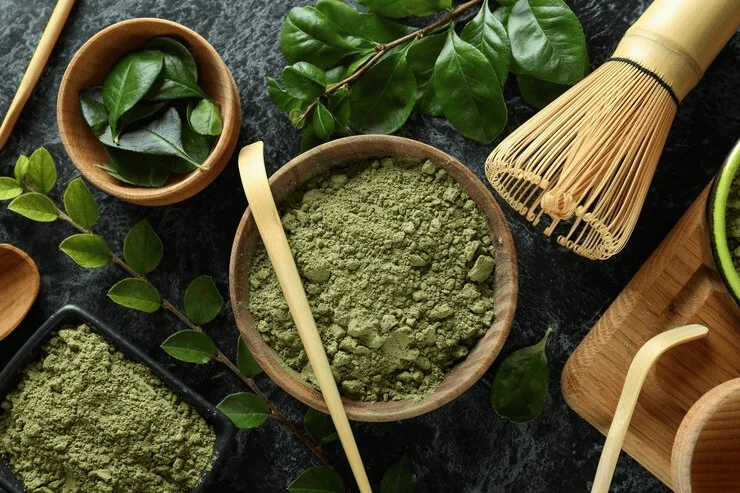
Spirulina is a blue-green cyanobacterium (Arthrospira platensis) that thrives in tropical and subtropical alkaline lakes. In Ayurvedic practice, it is classified as a modern rasayana (rejuvenative) superfood — one that balances all three doshas when used correctly, detoxifies the body, and supplies an extraordinary density of bioavailable nutrients. While spirulina does not appear in classical Ayurvedic texts like the Charaka Samhita or Sushruta Samhita, contemporary Ayurvedic physicians have integrated it into clinical practice based on its pharmacological properties, which align remarkably well with Dravyaguna Shastra (Ayurvedic pharmacology) principles.
This guide covers everything you need to know: spirulina's Ayurvedic classification by Rasa, Virya, and Vipaka, how it interacts with each dosha, its proven health benefits, proper anupanas (carrier substances), dosage guidelines, and safety precautions — information that no other guide brings together in one place.
What Is Spirulina and Why Is It Called a Superfood?
Spirulina is a microscopic, spiral-shaped cyanobacterium that has existed on Earth for over 3.5 billion years. It grows naturally in high-pH, mineral-rich freshwater bodies across Africa, Central America, and parts of South Asia. Today it is commercially cultivated worldwide.
The term "superfood" became associated with spirulina after the 1974 World Food Conference, where the United Nations declared it "the best food for the future." In 1988, NASA selected spirulina as a primary nutritional supplement for astronauts on long-duration space missions, citing its unmatched nutrient-to-weight ratio.
What Does Spirulina Contain?
Spirulina packs an almost implausible amount of nutrition into a tiny serving. Here is a breakdown of its macro and micronutrient profile per 10 g (approximately 1 tablespoon of powder):
| Nutrient | Amount per 10 g | Key Role |
|---|---|---|
| Protein | 5.7–7.0 g (57–70%) | Complete protein with all essential amino acids |
| Phycocyanin | ~1.5 g | Primary antioxidant and anti-inflammatory pigment |
| Iron | 2.8 mg (~15% RDI) | Highly bioavailable, ideal for vegetarians |
| Vitamin B12 | 3.5 µg | Supports nerve function (bioavailability debated) |
| Vitamin B1 (Thiamine) | 0.24 mg | Energy metabolism |
| Vitamin B2 (Riboflavin) | 0.34 mg | Cellular function, antioxidant support |
| Vitamin B3 (Niacin) | 1.3 mg | Cholesterol regulation |
| Beta-carotene (Provitamin A) | 3,400 IU | Vision, skin health, immunity |
| Gamma-linolenic acid (GLA) | 100 mg | Anti-inflammatory omega-6 fatty acid |
| Chlorophyll | ~1.1 g | Detoxification, blood purification |
| Minerals | Mg, K, Zn, Cu, Se, Mn, Cr | Enzymatic and metabolic cofactors |
Spirulina also contains vitamins D, E, K, and C in smaller but meaningful amounts. Its protein content (65–70% by dry weight) surpasses that of meat, eggs, and soybeans — making it one of the most concentrated protein sources on the planet.
What Does Ayurveda Say About Spirulina?
This is the question most people searching "spirulina ayurveda" actually want answered, and it's the question most articles fail to address in any depth.
Spirulina's Ayurvedic Name and Classification
Spirulina does not have a traditional Sanskrit name because it is not mentioned in classical Ayurvedic pharmacopeias. However, modern Ayurvedic practitioners sometimes refer to it as Nīla-Harita Śaivāla (नील-हरित शैवाल), meaning "blue-green aquatic plant matter." In commercial Ayurvedic products, the powdered form is marketed as Spirulina Churna following the traditional naming convention for powdered formulations.
Within the framework of Dravyaguna Shastra (Ayurvedic pharmacology), spirulina can be characterised as follows:
| Ayurvedic Parameter | Classification | Explanation |
|---|---|---|
| Rasa (Taste) | Tikta (Bitter), Kashaya (Astringent), slight Madhura (Sweet) | The dominant bitter taste reflects its detoxifying and blood-purifying action |
| Guna (Qualities) | Laghu (Light), Ruksha (Dry), Snigdha (slightly Unctuous due to GLA) | Easy to digest, does not create heaviness |
| Virya (Potency) | Sheeta (Cooling) | Pacifies Pitta and heat-related conditions |
| Vipaka (Post-digestive effect) | Katu (Pungent) | Supports metabolism and digestive fire without aggravating Pitta long-term |
| Prabhava (Special action) | Rasayana (Rejuvenative), Vishaghna (Anti-toxic) | Unique detoxifying and revitalizing potency |
This classification is not found in ancient texts — it is a contemporary extrapolation based on spirulina's observed pharmacological effects, taste profile, and physiological impact. But that doesn't make it less valid. Ayurveda is a living science, and qualified vaidyas have always incorporated new substances into its framework based on empirical evidence.
Is Spirulina Mentioned in Classical Ayurvedic Texts?
No. The Charaka Samhita, Sushruta Samhita, and Ashtanga Hridayam do not reference spirulina directly. These texts were compiled between 1500 BCE and 600 CE, long before microscopic organisms were identified.
However, classical Ayurveda does acknowledge the medicinal value of aquatic plant matter. The category Shaivala (aquatic mosses and algae) is mentioned in texts discussing jala dravya (water-born substances) used for blood purification, cooling therapies, and nutritive support. Spirulina's integration into modern Ayurvedic practice represents a natural extension of this tradition — applying classical evaluative criteria to a newly available substance.
How Spirulina Affects the Three Doshas (Vata, Pitta, Kapha)
Understanding spirulina's doshic impact is essential for safe, personalised use — and this is the single biggest gap in every competing guide online.
Pitta Dosha
Spirulina is most beneficial for Pitta-dominant individuals. Its cooling Virya (Sheeta) directly pacifies excess Pitta. The bitter and astringent tastes reduce internal heat, support liver function, and purify the blood (Rakta Dhatu). If you run hot, experience skin inflammations, acidity, or irritability, spirulina is particularly well-suited for you.
Recommended anupana: Take with room-temperature water or coconut water to amplify the cooling effect.
Kapha Dosha
- Spirulina's light (Laghu) and dry (Ruksha) qualities help counteract Kapha's heavy, moist nature. Its pungent Vipaka stimulates Agni (digestive fire), which tends to be sluggish in Kapha types.
- Spirulina also supports weight management — a common Kapha concern — by promoting satiety and boosting metabolism.
Recommended anupana: Take with warm water and a half teaspoon of raw honey (as per Ayurvedic tradition, honey should never be heated).
Vata Dosha
Here, caution is needed. Spirulina's dry and light qualities can aggravate Vata if taken in excess or without a balancing carrier. Vata-dominant individuals should always take spirulina with an unctuous (Snigdha) anupana to counteract its Ruksha guna.
Recommended anupana: Mix spirulina churna with warm milk and a teaspoon of ghee, or take capsules with warm milk. This combination grounds Vata while still delivering spirulina's nutritional benefits.
Quick Dosha Reference
| Dosha | Compatibility | Best Anupana | Caution |
|---|---|---|---|
| Pitta | Excellent — directly pacifies | Coconut water, room-temp water | None in normal doses |
| Kapha | Very good — lightens and energizes | Warm water with honey | Avoid if severe congestion with cold qualities |
| Vata | Moderate — beneficial with proper carrier | Warm milk with ghee | Can aggravate dryness if taken without fat/oil |
Proven Health Benefits of Spirulina in Ayurvedic Practice
Immune System Support
Spirulina is one of the most well-documented natural immunomodulators. A 2005 study published in the Journal of Medicinal Food found that spirulina supplementation increased the production of interleukin-2 (IL-2) and enhanced natural killer cell activity. Its unique polysaccharide compound, Immulina, has been shown to activate macrophages, T-cells, and B-cells.
From an Ayurvedic perspective, this immune-boosting action corresponds to strengthening Ojas — the subtle essence of vitality and disease resistance. Spirulina's Rasayana (rejuvenative) Prabhava directly supports Ojas formation.
Cardiovascular Health
Multiple clinical studies confirm spirulina's heart-protective effects:
- A 2013 meta-analysis in the Journal of the Science of Food and Agriculture found that spirulina significantly reduces LDL ("bad") cholesterol and triglycerides while raising HDL ("good") cholesterol
- A 2016 randomized controlled trial showed that 1 g/day of spirulina reduced systolic blood pressure by an average of 4.5 mmHg over 12 weeks
- The antioxidant phycocyanin prevents LDL oxidation, a key driver of atherosclerosis
In Ayurvedic terms, spirulina purifies Rasa Dhatu (plasma/lymph) and Rakta Dhatu (blood), supporting healthy circulation — what Ayurveda calls proper Rasa-Rakta Samvahana.
Does Spirulina Lower Triglycerides?
Yes. A 2018 systematic review and meta-analysis published in Clinical Nutrition analyzed 12 randomized controlled trials and concluded that spirulina supplementation significantly reduced triglyceride levels by an average of 44.23 mg/dL. The effect was most pronounced at doses of 2 g/day or higher, taken consistently for 8+ weeks.
Does Spirulina Lower CRP?
C-reactive protein (CRP) is a key marker of systemic inflammation. A 2020 study in Complementary Therapies in Medicine found that spirulina supplementation at 1–8 g/day significantly reduced CRP levels. The primary mechanism involves phycocyanin's inhibition of the NF-κB inflammatory pathway — the same pathway targeted by many pharmaceutical anti-inflammatory drugs, but without the side effects.
Detoxification and Digestive Health
- Spirulina's chlorophyll content makes it a potent natural detoxifier.
- It binds to heavy metals — particularly arsenic, lead, and cadmium — facilitating their excretion through the digestive tract. A landmark 2006 study in Clinical Toxicology showed that spirulina (250 mg) combined with zinc (2 mg) reduced arsenic levels in the blood by 47% among participants exposed to chronic arsenic contamination through drinking water — a significant public health issue across parts of India and Bangladesh.
For gut health, spirulina acts as a prebiotic, promoting beneficial Lactobacillus and Bifidobacterium populations while supporting the integrity of the intestinal mucosa. In Ayurvedic practice, this corresponds to strengthening Agni (digestive fire) and clearing Ama (metabolic toxins).
Is Spirulina Good for Gastritis?
Spirulina may help manage gastritis symptoms, though it should not be considered a standalone treatment. Its cooling Virya helps reduce Pitta-aggravated gastric inflammation, and its chlorophyll and phycocyanin support mucosal healing. A 2009 animal study published in BMC Gastroenterology showed that spirulina extract reduced gastric acid secretion and protected against ethanol-induced gastric lesions. However, individuals with severe gastritis should consult an Ayurvedic practitioner before use — in some cases, its astringent taste can initially cause mild digestive discomfort.
Weight Management and Natural Energy
Spirulina contains the amino acid phenylalanine, which stimulates cholecystokinin (CCK) release — a hormone that signals satiety to the brain. This natural appetite-suppressing effect, combined with its high protein content (which requires more energy to digest) and metabolism-boosting B-vitamins, makes spirulina a valuable tool for weight management.
A 2016 study in Nutrition Research and Practice found that obese participants taking 2 g spirulina daily for 12 weeks showed significant reductions in body weight, BMI, and waist circumference compared to the placebo group.
In Ayurveda, this aligns with spirulina's ability to reduce excess Kapha (which manifests as weight gain and lethargy) and kindle Agni.
Rich Iron Source for Vegetarians and Vegans
India has one of the highest rates of iron-deficiency anemia in the world, particularly among women and children. Spirulina offers 2.8 mg of highly bioavailable iron per 10 g serving — comparable to liver in absorption efficiency, but entirely plant-based. Its vitamin C and chlorophyll content further enhance iron absorption, making it significantly more effective than many iron supplements that cause constipation.
For Ayurvedic practitioners, spirulina addresses Pandu Roga (anemia) by nourishing Rakta Dhatu directly.
Anti-Cancer Potential
Emerging research suggests spirulina has anti-cancer properties. A 1995 study in Nutrition and Cancer found that spirulina extract inhibited oral cancer progression in 45% of pre-cancerous leukoplakia patients who consumed 1 g/day for 12 months. Phycocyanin has also shown anti-proliferative effects against leukemia cells in laboratory studies. While these results are promising, spirulina should be considered a supportive supplement — not a replacement for medical oncology treatment.
Allergy Relief and PMS Balance
A 2008 study in European Archives of Oto-Rhino-Laryngology found that 2 g/day of spirulina significantly reduced symptoms of allergic rhinitis — including nasal congestion, sneezing, and itching — compared to placebo. For women, spirulina's GLA content and iron bioavailability help balance hormonal fluctuations during PMS, reducing fatigue, bloating, and mood changes.
Benefits for Hair and Skin
- Spirulina's rich amino acid profile, iron, and B-vitamin content support hair follicle health and may help prevent premature greying. Some Ayurvedic practitioners recommend topical spirulina hair masks (spirulina churna mixed with coconut oil and amla powder) to thicken hair and add shine.
- For skin, its antioxidants combat oxidative damage — the primary driver of premature aging.
How to Take Spirulina: Ayurvedic Anupanas and Methods
In Ayurveda, the effectiveness of any substance depends not only on the substance itself but also on the anupana (vehicle or carrier) used during administration. The right anupana enhances bioavailability, directs the herb to specific tissues, and prevents adverse doshic reactions.
Spirulina Churna (Powder)
Powdered spirulina (churna) is considered the most authentic Ayurvedic form because it allows direct contact with taste receptors — activating the Rasa (taste) response, which initiates the digestive process according to Ayurvedic physiology.
General method: Mix 1–2 teaspoons (3–5 g) in liquid of choice. Stir well and consume on an empty stomach, 30 minutes before meals.
Spirulina Capsules and Tablets
For those who find the taste too strong (and it is genuinely intense), capsules and tablets offer a convenient alternative. Standard dosing is 500 mg capsules, taken 2–4 times daily. While capsules bypass the Rasa response, they still deliver full nutritional and therapeutic benefits.
Anupana Selection by Dosha and Goal
| Goal | Best Anupana | Dosha Targeted | Traditional Basis |
|---|---|---|---|
| General immunity & rejuvenation | Warm water + ½ tsp honey | Kapha, Pitta | Honey is a Yogavahi (catalytic carrier) in Ayurveda |
| Vata pacification & grounding | Warm milk + 1 tsp ghee | Vata | Ghee is the supreme Vata-balancing anupana |
| Pitta cooling & liver support | Coconut water or room-temp water | Pitta | Cooling vehicle amplifies cooling Virya |
| Iron absorption & anemia | Spirulina + Amla churna (500 mg) + warm water | All doshas | Amla's Vitamin C dramatically enhances non-heme iron uptake |
| Detoxification | Warm water + lemon juice | Kapha, Pitta | Lemon stimulates Agni and liver detox pathways |
Ayurvedic Formulas and Synergistic Combinations with Spirulina
Spirulina + Ashwagandha
- This is perhaps the most powerful Ayurvedic superfood combination. Ashwagandha (Withania somnifera) is a warming adaptogen that balances Vata and Kapha, while spirulina's cooling nature balances Pitta. Together, they address all three doshas simultaneously. Ashwagandha builds Ojas and supports the nervous system, while spirulina provides raw nutritional density.
- Recommended ratio: 1:1 (e.g., 2 g spirulina + 2 g ashwagandha churna) taken with warm milk.
Spirulina + Amla
Amla (Emblica officinalis) is one of the richest natural sources of Vitamin C and a Tridoshic Rasayana in classical Ayurveda. Combining spirulina with amla enhances iron absorption by up to 6-fold while providing synergistic antioxidant protection. This combination is specifically recommended for women with heavy menstrual cycles and individuals with chronic fatigue.
Spirulina + Triphala
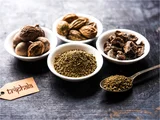
For deep detoxification and digestive reset, spirulina churna combined with Triphala churna (1:1 ratio) taken with warm water at bedtime supports thorough toxin elimination while replenishing nutrients. This combination simultaneously clears Ama and nourishes all seven Dhatus.
Contraindications and Side Effects: An Ayurvedic Perspective
No responsible guide should ignore safety.
Here are the key contraindications:
Who Should Avoid Spirulina?
- Autoimmune conditions (lupus, rheumatoid arthritis, multiple sclerosis): Spirulina stimulates immune activity, which can worsen autoimmune flare-ups
- Phenylketonuria (PKU): Spirulina contains phenylalanine, which individuals with PKU cannot metabolize
- Anticoagulant users: Spirulina has mild blood-thinning properties that may interact with warfarin, aspirin, and other blood thinners
- Pregnancy and breastfeeding: Insufficient safety data; most Ayurvedic practitioners advise caution
- Severe Vata imbalance with dryness: Spirulina's Ruksha guna can worsen constipation, dry skin, and anxiety in severely Vata-aggravated individuals unless taken with proper Snigdha anupana
Potential Side Effects
- Mild digestive discomfort (nausea, bloating) when starting — usually resolves within 3–5 days
- Headache and mild fever-like symptoms in the first few days (attributed to detoxification response)
- Green discoloration of stool (harmless — caused by chlorophyll)
Interactions with Ayurvedic Preparations
Spirulina can generally be combined with most Ayurvedic formulations. However, avoid combining spirulina with strongly heating (Ushna Virya) formulations in Pitta-dominant individuals, as the nutritional load combined with intense heat can aggravate Pitta. Specific caution applies when combining with Chitrakadi Vati, Trikatu, or high-dose Shilajit.
Blood Sugar Regulation and Diabetes Support
Spirulina shows promising results for glycemic control. A 2017 randomized controlled trial published in the Journal of Diabetes and Metabolic Disorders found that type 2 diabetes patients taking 2 g/day of spirulina for 2 months experienced significant reductions in fasting blood glucose, HbA1c, and post-prandial glucose levels.
In Ayurvedic terms, spirulina's bitter taste (Tikta Rasa) is specifically indicated for Prameha (diabetes/urinary disorders). Tikta Rasa scrapes excess Kapha and Meda Dhatu (fat tissue), both of which accumulate in the pathogenesis of Madhumeha (diabetes mellitus). Spirulina can complement, but should not replace, established Ayurvedic anti-diabetic formulations like Nishamalaki or Chandraprabha Vati.
Frequently Asked Questions
What is the Ayurvedic name for spirulina?
Spirulina does not have a classical Sanskrit name since it is not mentioned in ancient texts. Modern Ayurvedic practitioners sometimes refer to it as Nīla-Harita Śaivāla (blue-green aquatic plant) or simply market it as "Spirulina Churna" in powdered form. It is classified as a modern Rasayana dravya within contemporary Ayurvedic practice.
How much spirulina should I take daily?
The standard Ayurvedic recommendation is 3–5 g per day (approximately 1–2 teaspoons of churna, or 6–10 capsules of 500 mg). Begin with 1 g/day for the first week to assess tolerance, then gradually increase. For therapeutic purposes (anemia, diabetes support, detoxification), some practitioners prescribe up to 8 g/day under supervision.
Can I take spirulina with other Ayurvedic supplements?
Yes, spirulina combines safely with most Ayurvedic supplements. The most synergistic combinations include spirulina + ashwagandha for energy and adaptogenic support, spirulina + amla for iron absorption and immunity, and spirulina + triphala for detoxification. Avoid combining with strongly Ushna (heating) formulations if you have a Pitta constitution.
Is spirulina a natural energy booster?
Absolutely. Spirulina's complete amino acid profile, B-vitamins, and bioavailable iron directly support cellular energy production. Unlike caffeine, spirulina provides sustained energy without crashes. Many Ayurvedic practitioners recommend it as a morning Rasayana tonic for individuals experiencing chronic fatigue or post-illness debility.
When is the best time to take spirulina?
In Ayurvedic practice, the ideal time is early morning on an empty stomach (Pratah Kala), 30 minutes before breakfast. This maximises absorption and aligns with the body's natural detox window. A second dose can be taken in the early afternoon (before lunch) for sustained energy. Avoid taking spirulina late at night as its energizing properties may interfere with sleep in some individuals.
Is spirulina safe for children?
Spirulina is generally safe for children above age 5 at reduced doses (500 mg–1 g/day). It is particularly useful for addressing nutritional deficiencies, poor appetite, and frequent infections in children. Always consult a qualified Ayurvedic pediatrician (Kaumarabhritya specialist) before starting any supplement for children.
Final Thoughts: Integrating Spirulina into Your Ayurvedic Lifestyle
Spirulina represents one of the most successful marriages between modern nutritional science and Ayurvedic philosophy. While it is not a classical Ayurvedic herb, its pharmacological properties — cooling Virya, bitter-astringent Rasa, Rasayana Prabhava — slot naturally into the Ayurvedic framework. When taken with the correct anupana for your dosha, at the right dosage, and with awareness of contraindications, spirulina becomes far more than just another supplement. It becomes a personalised tool for building Ojas, clearing Ama, and strengthening the body's innate intelligence.
Start with 1 g per day. Listen to your body. Adjust your anupana based on your constitution. And if you're managing a specific health condition, consult a qualified Ayurvedic practitioner who can integrate spirulina into a comprehensive treatment protocol tailored to your unique Prakriti.
Your health is not a trend — it is a practice. Begin today.
Scientific Sources
- Spirulina — 2012
- Microalgae-Derived Extracellular Vesicles Synergize with Herbal Hydrogel for Energy Homeostasis in Osteoarthritis Treatment — Liang F et al., 2025, ACS nano
- An Overview of Pharmacological and Clinical Aspects of Spirulina — Ansari R et al., 2023, Current drug discovery technologies
- The Role of Nutrition in the Pathogenesis and Treatment of Autoimmune Bullous Diseases-A Narrative Review — Kajdas AA et al., 2024, Nutrients
- Recent Patents of Complementary and Alternative Medicine for Allergic Rhinitis — Hon KL et al., 2015, Recent patents on inflammation & allergy drug discovery
- Therapeutic effect of phycocyanin on chronic obstructive pulmonary disease in mice — Li W et al., 2024, Journal of advanced research
- Anti-ageing active ingredients from herbs and nutraceuticals used in traditional Chinese medicine: pharmacological mechanisms and implications for drug discovery — Shen CY et al., 2017, British journal of pharmacology
- C-Phycocyanin and Lycium barbarum Polysaccharides Protect against Aspirin-Induced Inflammation and Apoptosis in Gastric RGM-1 Cells — Liu YC et al., 2022, Nutrients
- Carboxylated chitosan improved the stability of phycocyanin under acidified conditions — Zhuxin L et al., 2023, International journal of biological macromolecules
- Moringa oleifera: a food plant with multiple medicinal uses — Anwar F et al., 2007, Phytotherapy research : PTR
- Interventions for treating oral leukoplakia to prevent oral cancer — Lodi G et al., 2016, The Cochrane database of systematic reviews
- Extraction and Synthesis of Typical Carotenoids: Lycopene, β-Carotene, and Astaxanthin — Jiang Y et al., 2024, Molecules (Basel, Switzerland)
- Genetic prediction of micronutrient levels and the risk of colorectal polyps: A mendelian randomization study — Lv S et al., 2024, Clinical nutrition (Edinburgh, Scotland)
- The effects of β-carotene on osteoporosis: a systematic review and meta-analysis of observational studies — Gao SS et al., 2023, Osteoporosis international: a journal established as result of cooperation between the European Foundation for Osteoporosis and the National Osteoporosis Foundation of the USA
Ask Ayurvedic doctor a question and get a consultation online on the problem of your concern in a free or paid mode.
More than 2,000 experienced doctors work and wait for your questions on our site and help users to solve their health problems every day.
Related articles