Ask Ayurvedic doctor a question and get a consultation online on the problem of your concern in a free or paid mode. More than 2,000 experienced doctors work and wait for your questions on our site and help users to solve their health problems every day.
FREE! Ask Ayurvedic Doctors 24/7

 Fast responses
 1000+ verified doctors
Body DetoxEar, Nose, and Throat DisordersGeriatrics & RejuvenationImmunodeficiencyInfertility TreatmentNutritionOrthopedic DisordersPediatricsRespiratory DisordersSexually Transmitted Diseases (STDs)Surgery RecoveryUrological DisordersVascular DisordersDental DisordersEndocrinological DisordersGastrointestinal DisordersYoga TherapyGeneral MedicineAllergic DisordersCardio DisordersGynecology and ObstetricsCosmetologySkin and Hair DisordersEye DisordersInfectious DiseasesMental DisordersNeurological DisordersOncologyPanchakarmaSexual Health & DisordersSports Medicine
Published on 01/15/25
(Updated on 07/06/26)
2,880
Karnapooranam – Natural Ayurvedic Relief for Ear Health
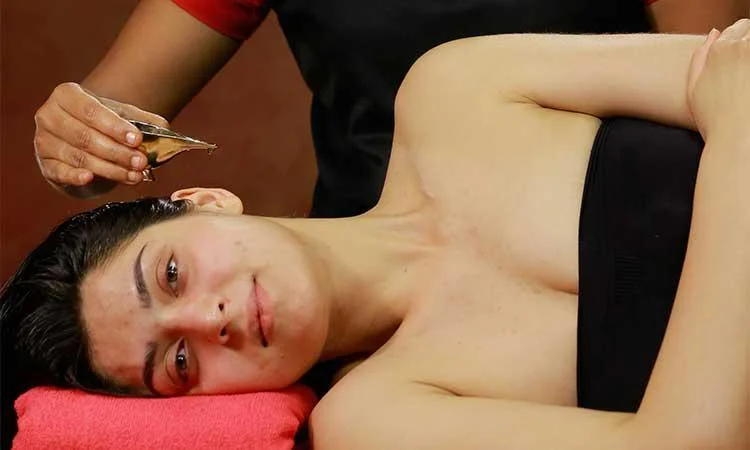
- Karnapooranam is an ancient Ayurvedic therapeutic procedure in which warm medicated oil (or herbal liquid) is gently poured into the ear canal, held for a specific duration, and then drained out.
- The word comes from Sanskrit — Karna meaning "ear" and Pooranam meaning "filling" — so it literally translates to "filling the ear." This deceptively simple therapy addresses a wide range of conditions: tinnitus, hearing loss, ear pain, jaw stiffness, vertigo, and even anxiety rooted in Vata imbalance. In an age where earbuds, noise pollution, and constant screen time are degrading our auditory health faster than ever, Karnapooranam offers a time-tested, non-invasive solution grounded in thousands of years of clinical observation.
- But here's the thing most articles won't tell you — Karnapooranam isn't just a "spa treatment." It's a structured medical procedure described in classical Ayurvedic texts with specific indications, contraindications, oil formulations, and seasonal guidelines.
- This guide covers everything: from what the ancient texts actually say, to how the procedure works step-by-step, to what modern science is beginning to confirm about its mechanisms.
What Is Karnapooranam in Ayurveda?
Karnapooranam belongs to the broader category of Karnakriya (ear procedures) in Ayurvedic medicine. It is classified as both a therapeutic intervention (Shamana) and a daily health practice (Dinacharya). When performed as part of a detoxification program, it falls under the supportive therapies of Panchakarma. When done regularly at home with simple sesame oil, it becomes a preventive self-care ritual.
The therapy works on a straightforward principle: the ear canal and surrounding structures are governed by Vata dosha — the bio-energy responsible for movement, sensation, and nervous system function. When Vata becomes aggravated (due to cold weather, stress, excessive noise, irregular routines, or aging), the ear structures dry out. This dryness leads to impaired hearing, ringing sensations, pain, and sometimes even neurological symptoms like anxiety and insomnia.
Warm oil, being inherently Snigdha (unctuous) and Ushna (warm), directly counteracts Vata's cold and dry qualities. It lubricates the ear canal, nourishes the tympanic membrane, relaxes surrounding muscles, and — according to modern understanding — stimulates the auricular branch of the vagus nerve, activating the parasympathetic nervous system.
Etymology — Meaning of "Karna" and "Pooranam"
- Karna (कर्ण): Ear — one of the five Jnanendriyas (sensory organs) in Ayurveda
- Pooranam (पूरणम्): Filling, completing, making full
The compound term Karnapooranam thus means "the act of filling the ear" — specifically with a therapeutic substance. Some texts also use the terms Karna Purana, Karnapurana, or Karnapoorana interchangeably. All refer to the same procedure, though regional spellings differ across Kerala, Karnataka, and North Indian traditions.
References in Classical Ayurvedic Texts
This is where most online resources fall short — they mention that Karnapooranam is "ancient" but never cite actual sources.
Here are the specific classical references:
- Ashtanga Hridayam (Sutrasthana, Chapter 2, Verse 24): Vagbhata describes the practice of instilling oil in the ears as part of Dinacharya (daily routine), stating that regular Karna Purana prevents diseases caused by Vata in the ear region, including Manya Stambha (neck stiffness) and Hanustambha (lockjaw).
- Charaka Samhita (Sutrasthana, Chapter 5, Verse 56-57): Charaka mentions that the practice of oiling the ears daily prevents Karnanada (tinnitus), Karnashula (ear pain), Badhirya (deafness), and Karna Kshweda (abnormal ear sounds).
- Sushruta Samhita (Chikitsasthana, Chapter 20): Sushruta provides detailed descriptions of ear diseases (Karnaroga) and their treatment, including Karnapooranam with specific medicated oils for different conditions. He categorizes 28 types of ear diseases and prescribes oil instillation for a majority of them.
- Ashtanga Sangraha (Sutrasthana, Chapter 3): Provides additional elaboration on the daily practice, emphasizing that ears left "unfilled" are vulnerable to Vata vitiation.
These aren't vague references. They're specific prescriptions from physicians who documented their clinical observations over centuries.
Connection to Vata Dosha and Sensory Health
In Ayurvedic physiology, each sense organ has a governing dosha. The ear is the seat of Shabda Tanmatra (the subtle element of sound) and is primarily governed by Akasha Mahabhuta (space element) and Vayu (air element) — both constituents of Vata dosha.
When Vata is balanced, hearing is sharp, the mind is calm, and the nervous system functions smoothly.
When Vata is aggravated:
| Vata Imbalance | Ear Symptom | Associated Condition |
|---|---|---|
| Dryness (Ruksha) | Dry, itchy ear canal | Earwax hardening, mild hearing loss |
| Cold (Sheeta) | Sharp ear pain | Karnashula (otalgia) |
| Mobility (Chala) | Ringing, buzzing sounds | Karnanada (tinnitus) |
| Subtlety (Sukshma) | Nerve sensitivity | Hyperacusis, anxiety |
| Roughness (Khara) | Cracking jaw, stiff neck | Manyastambha, TMJ issues |
Karnapooranam directly addresses each of these qualities by introducing warm, smooth, heavy, and unctuous oil — the exact opposite qualities needed to restore balance.
What Does the Karnapooranam Procedure Involve?
The complete Karnapooranam procedure follows the classical three-phase Ayurvedic treatment framework: Poorvakarma (preparation), Pradhanakarma (main procedure), and Paschatkarma (post-procedure care). Most clinics and articles only describe the middle part. Here's the full protocol.
Poorvakarma (Preparation)
- 1.Patient assessment: The practitioner evaluates the patient's Prakriti (constitution), current doshic imbalance, and specific ear complaints. This determines which oil will be used.
- 2.Gentle facial and head massage (Abhyanga): Using warm sesame or medicated oil, the therapist massages the head, neck, jaw, and the area around both ears for 10–15 minutes. This relaxes the muscles, improves local circulation, and prepares the ear structures for oil application.
- 3.Steam application (Swedana): Mild steam may be applied around the ear area using a warm towel or herbal steam to open the channels and soften any hardened earwax.
- 4.Oil preparation: The selected medicated oil is warmed to body temperature (approximately 37–40°C). Too hot risks burning delicate ear structures; too cold defeats the purpose. Testing on the inner wrist is standard practice.
Pradhanakarma (Main Procedure)
- The patient lies down on one side (lateral position) with the affected ear facing upward.
- The pinna (outer ear) is gently pulled upward and backward to straighten the ear canal.
- Warm medicated oil is slowly poured into the ear canal using a dropper, small spoon, or cotton wick — typically 4 to 10 drops, enough to fill the canal without overflow.
- The patient is asked to remain still for 5 to 15 minutes (duration varies by condition and practitioner protocol). During this time, the therapist may gently massage the tragus (the small cartilage flap in front of the ear) in a pumping motion to help the oil penetrate deeper.
- The patient then turns to the other side, allowing the oil to drain onto a clean cloth or cotton pad.
- The procedure is repeated on the opposite ear.
One complete session takes approximately 30 to 45 minutes, including preparation and both ears.
Paschatkarma (Post-Procedure Care)
This is the phase almost no competitor discusses — but it's critical:
- Rest period: The patient should rest for 15–20 minutes after the procedure, avoiding cold wind, loud noise, or sudden head movements.
- Dietary guidelines: Light, warm, easily digestible food is recommended. Avoid cold drinks, yogurt, and heavy foods for at least 2–3 hours.
- Activity restrictions: No swimming, diving, or use of earphones for 24 hours. Avoid exposure to cold air or air conditioning directly on the ears.
- Follow-up: For therapeutic purposes, Karnapooranam is typically prescribed in courses of 5, 7, or 14 consecutive days. The practitioner reassesses after each course.
Karnapooranam Benefits: What This Therapy Actually Does
The benefits of Karnapooranam extend far beyond just "ear health." Because the ear is neurologically connected to the brain, jaw, neck, and autonomic nervous system, the effects of this therapy are systemic.
Ear-Specific Benefits
- Removes impacted earwax (Cerumen): Warm oil softens and loosens hardened wax, allowing natural expulsion. A pilot study published in The Journal of Laryngology & Otology (2003) found that oil-based cerumenolytics were effective in softening earwax prior to clinical removal.
- Relieves ear pain (Karnashula): The warmth and anti-inflammatory properties of medicated oils reduce pain and swelling in the external and middle ear.
- Improves hearing: By clearing obstructions and nourishing the ear structures, patients frequently report improved auditory clarity after a course of treatment.
- Prevents recurrent ear infections: Regular oiling creates a protective barrier and maintains healthy pH in the ear canal.
Karnapooranam for Tinnitus (Karnanada)
- Tinnitus — that persistent ringing, buzzing, or hissing in the ears — is one of the primary indications for Karnapooranam.
- Ayurveda considers tinnitus a classic Vata disorder: the excess movement and dryness of Vata creates abnormal vibrations perceived as sound.
A clinical study published in AYU (An International Quarterly Journal of Research in Ayurveda), 2013, evaluated the effect of Bilva Taila Karnapoorana on 30 patients with tinnitus. The results showed statistically significant improvement in both the intensity and frequency of tinnitus symptoms after 7 days of treatment (p < 0.05). While this is a small study, it provides preliminary evidence supporting what practitioners have observed for centuries.
Modern audiology also recognizes that increased blood flow and muscle relaxation around the ear can reduce tinnitus perception — which is exactly what warm oil application achieves.
Neurological and Mental Health Benefits
- Stimulates the vagus nerve: The auricular branch of the vagus nerve (Arnold's nerve) runs through the ear canal. Warm oil stimulation of this nerve activates the parasympathetic nervous system, reducing heart rate, lowering cortisol, and promoting deep relaxation.
- Improves sleep quality: Many patients report significantly better sleep during and after a course of Karnapooranam. This is likely related to vagal stimulation and Vata pacification.
- Enhances mental clarity and focus: By calming Vata — the dosha responsible for scattered thoughts, anxiety, and mental restlessness — the therapy helps improve concentration and cognitive function.
- Reduces anxiety and stress: The deep relaxation response triggered by the procedure can be profound. Some patients describe it as similar to a meditative state.
Musculoskeletal Benefits
- Relieves TMJ (temporomandibular joint) stiffness: The jaw joint sits immediately in front of the ear. Oil and warmth relax the muscles and ligaments around this joint.
- Reduces neck stiffness (Manyastambha): Vagbhata specifically mentions this benefit — the warming effect travels through fascial connections to the cervical region.
- Eases lockjaw (Hanustambha): Particularly relevant for people who clench their teeth during sleep or have chronic jaw tension.
What Oils Are Used in Karnapooranam?
The choice of oil depends entirely on the patient's condition, constitution, and the specific disease being treated. This is not a one-size-fits-all therapy.
Detailed Oil Formulations and Their Indications
| Oil / Formulation | Key Ingredients | Primary Indication | Classical Reference |
|---|---|---|---|
| Plain Sesame Oil (Tila Taila) | Cold-pressed sesame seeds | General ear health, daily Dinacharya, Vata pacification | Charaka Samhita, Sutrasthana 5 |
| Bilva Taila | Bilva (Aegle marmelos), sesame oil base | Tinnitus, Vata-related ear disorders | Bhaishajya Ratnavali |
| Kshara Taila | Alkaline herbal preparations, sesame oil | Fungal ear infections, chronic discharge | Sushruta Samhita, Chikitsasthana |
| Nirgundi Taila | Vitex negundo leaves, sesame oil | Ear pain, inflammation, headache | Sharangadhara Samhita |
| Sarshapa Taila (Mustard Oil) | Cold-pressed mustard seeds | Kapha-related ear congestion, heavy wax | Traditional North Indian practice |
| Dashamoola Taila | Ten medicinal roots, sesame oil base | Severe Vata disorders, nerve-related deafness | Ashtanga Hridayam |
| Apamarga Kshara Taila | Apamarga (Achyranthes aspera), sesame oil | Chronic ear discharge, foul-smelling wax | Chakradatta |
Alternative Substances
Besides oils, classical texts also mention:
- Swarasa (fresh herbal juice): Freshly extracted juice of herbs like Tulasi (Holy basil) or Nirgundi can be used in specific inflammatory conditions. This is less common today but documented in Sushruta Samhita.
- Karnadhoopanam (medicated smoke): In some cases, particularly fungal infections or Kapha-dominant conditions, the fumes of burning medicinal herbs are directed into the ear canal instead of oil. This is a separate but related procedure.
Karnapooranam vs. Other Ayurvedic Ear Therapies
One area where existing resources completely fail readers is differentiating between various Ayurvedic ear procedures.
Here's a clear comparison:
| Feature | Karnapooranam (Ear Filling) | Karnadhoopanam (Ear Fumigation) | Karnaprakshalanam (Ear Washing) |
|---|---|---|---|
| Substance Used | Warm medicated oil or herbal juice | Medicated herbal smoke/fumes | Warm herbal decoctions (kashayam) |
| Primary Action | Lubrication, nourishment, Vata pacification | Drying, disinfection, Kapha reduction | Cleansing, removing discharge/pus |
| Best For | Tinnitus, dryness, pain, hearing loss, prevention | Fungal infections, chronic congestion | Active infections with discharge |
| Dosha Focus | Vata (primarily), Vata-Pitta | Kapha, Kapha-Vata | Pitta-Kapha |
| Frequency | Daily (preventive) or 7–14 day courses (therapeutic) | As needed, typically 3–5 sessions | As needed until discharge resolves |
| Contraindicated When | Active infection with pus, perforated eardrum | Pitta conditions, acute inflammation | Dry ear conditions, Vata disorders |
Understanding these distinctions helps patients and practitioners choose the right therapy — rather than defaulting to Karnapooranam for every ear condition.
Don't wait or self medicate. Start chat with Doctor NOW
Seasonality and Ritucharya: When Is Karnapooranam Most Effective?
This is a topic no competitor has touched, yet it's fundamental to Ayurvedic practice.
According to the principle of Ritucharya (seasonal regimen), Vata dosha naturally accumulates during Greeshma Ritu (summer) and aggravates during Varsha Ritu (monsoon/rainy season).
This means:
- Best time for therapeutic Karnapooranam: During and immediately before the monsoon season (July–September in India), when Vata is at its peak aggravation. Performing a 7–14 day course during this period provides maximum therapeutic benefit.
- Best time for preventive Karnapooranam: Year-round as part of Dinacharya, but especially important during autumn (Sharad Ritu) and winter (Hemanta and Shishira Ritu) when cold and dry weather further aggravates Vata.
- Caution during Kapha season: During spring (Vasanta Ritu), when Kapha is dominant, heavy oil application may aggravate Kapha. Lighter oils or reduced frequency may be advisable, particularly for Kapha-constitution individuals.
The time of day also matters. Classical texts recommend performing Karnapooranam in the morning, after bathing, as part of the daily routine. For therapeutic sessions, practitioners typically schedule them mid-morning when the body's channels are most open.
Can Karnapooranam Be Done at Home?
Yes — with important caveats. The preventive, daily practice form of Karnapooranam can safely be performed at home. The therapeutic form for specific conditions should be done under professional guidance.
Step-by-Step Home Practice
- Choose your oil: Plain cold-pressed sesame oil is safest for general use.
- Warm it gently to body temperature (test on inner wrist — it should feel warm, not hot).
- Lie on your side on a comfortable surface with a towel under your head.
- Instill 4–5 drops of warm oil into the upward-facing ear using a clean dropper.
- Gently press the tragus (the small flap in front of the ear canal) 5–10 times in a pumping motion.
- Remain still for 5–10 minutes. You may hear gurgling or feel warmth spreading — this is normal.
- Turn over and let the oil drain onto the towel. Place a small cotton ball loosely in the ear to catch residual oil.
- Repeat on the other side.
Precautions for Home Practice
- Never use oil if you have an active ear infection, pus discharge, or suspect a perforated eardrum. See a doctor first.
- Never use essential oils directly — they can burn the delicate ear canal lining. Always use carrier oils.
- Temperature matters: Oil that is too hot can cause burns; oil that is too cold can aggravate Vata and cause vertigo.
- Stop immediately if you experience increased pain, dizziness, or any unusual sensation.
- For children under 5 and elderly patients with fragile skin, use even gentler oil (like coconut oil) and reduce the quantity to 2–3 drops.
Contraindications: Who Should Avoid Karnapooranam?
Not everyone is a candidate for this therapy.
Specific contraindications include:
- Perforated tympanic membrane (eardrum): Oil entering the middle ear through a perforation can cause serious infection.
- Active ear infections with discharge (Karnasrava): Adding oil to an infected, discharging ear can trap bacteria and worsen the condition.
- Recent ear surgery: Wait until the surgeon confirms complete healing before attempting any ear therapy.
- Severe ear pain of unknown origin: Undiagnosed ear pain could indicate conditions requiring urgent medical intervention.
- Foreign body in the ear canal: Oil can push the object deeper. Professional removal is needed first.
- Known allergy to the oil being used (rare but possible, particularly with nut-based oils).
Possible Side Effects of Improper Procedure
When done incorrectly, Karnapooranam can cause:
- Temporary increase in tinnitus (if oil temperature is wrong)
- Dizziness or vertigo (from caloric stimulation if oil is too cold)
- Ear canal irritation or allergic reaction
- Trapped moisture leading to otitis externa ("swimmer's ear")
- In extreme cases of negligence — thermal burns from overheated oil
These risks are minimal when the procedure is performed correctly, but they underscore why professional guidance matters for therapeutic applications.
Expected Results: What Happens Day by Day?
For a standard 7-day therapeutic course:
| Day | Common Patient Experience |
|---|---|
| Day 1 | Mild warmth and heaviness in the ear. Some patients feel immediate relaxation. Softening of earwax begins. |
| Day 2–3 | Possible temporary increase in ear "fullness" as wax softens and shifts. Sleep quality often begins improving. |
| Day 4–5 | Noticeable reduction in tinnitus intensity for most patients. Jaw and neck feel looser. Hearing clarity begins improving. |
| Day 6–7 | Significant improvement in overall ear comfort. Many patients report feeling calmer, sleeping deeper, and having less anxiety. |
| Day 10–14 (if extended) | Consolidated results. Practitioners assess whether additional courses are needed. |
Individual results vary based on the severity and chronicity of the condition. Chronic tinnitus of 5+ years may require multiple courses over several months. Acute earwax impaction might resolve in a single session.
Cost of Karnapooranam Treatment in India
| Location | Single Session Cost (INR) | 7-Day Course (INR) | Notes |
|---|---|---|---|
| Kerala (Authentic Ayurvedic Centers) | ₹400–₹800 | ₹2,500–₹5,000 | Often included in Panchakarma packages |
| Metro Cities (Delhi, Mumbai, Bangalore, Hyderabad) | ₹600–₹1,500 | ₹4,000–₹8,000 | Higher overhead, premium pricing |
| Tier-2 Cities | ₹300–₹600 | ₹1,800–₹3,500 | Good value, varies by clinic reputation |
| International (US, UK, Australia) | $40–$80 | $250–$500 | Often part of broader Ayurvedic consultation |
These are approximate figures as of 2024-2025. Prices vary significantly based on the type of oil used (basic sesame vs. specialized medicinal formulations) and the reputation of the center.
Karnapooranam for Specific Age Groups
For Children (Ages 5–12)
Karnapooranam can be safely performed on children with appropriate modifications. Use mild oils (plain sesame or coconut), reduce quantity to 2–3 drops, and limit retention time to 3–5 minutes. It's particularly helpful for children who experience recurrent ear pain during winter or those with excess earwax buildup. Always consult a pediatric Ayurvedic practitioner first.
For Elderly Patients (65+)
Elderly individuals are naturally more Vata-dominant, making them ideal candidates for regular Karnapooranam. Age-related hearing loss (Presbycusis), tinnitus, and dry ear canals respond well to this therapy. Use slightly warmer oil (within safe limits) as elderly patients' reduced circulation means they benefit from more warmth. Be extra gentle with the ear canal as the skin becomes thinner with age.
Frequently Asked Questions (FAQ)
What are the main Karnapooranam benefits?
The primary benefits include removal of earwax, relief from tinnitus (ear ringing), reduced ear pain, improved hearing clarity, relaxation of jaw and neck muscles, better sleep quality, reduced anxiety through vagus nerve stimulation, and overall Vata dosha balance. Regular practice also helps prevent age-related hearing deterioration.
What oil is used in Karnapooranam?
The most common base oil is cold-pressed sesame oil (Tila Taila). For therapeutic purposes, medicated oils like Bilva Taila (for tinnitus), Nirgundi Taila (for pain and inflammation), Dashamoola Taila (for severe Vata disorders), or Kshara Taila (for infections) are used. The choice depends on the patient's condition, constitution, and the treating practitioner's assessment.
How often should Karnapooranam be done?
- For preventive health maintenance (Dinacharya), 2–3 times per week is sufficient.
- For therapeutic purposes — treating specific conditions like tinnitus, hearing loss, or chronic ear pain — daily sessions for 7 to 14 consecutive days constitute one course. Multiple courses may be needed for chronic conditions, typically with 1–2 week gaps between courses.
How long does one session take?
A complete session, including preparation (head/neck massage), the main procedure on both ears, and resting period, takes approximately 30 to 45 minutes. The oil retention time in each ear is typically 5 to 15 minutes depending on the condition being treated.
Is Karnapooranam safe for everyone?
No. It is contraindicated in cases of perforated eardrum, active ear infection with pus discharge, recent ear surgery, foreign body in the ear canal, and severe undiagnosed ear pain. Pregnant women should consult their Ayurvedic practitioner before undergoing the treatment. Children under 5 require special precautions and should only receive treatment from an experienced practitioner.
What is the difference between Karna Purana and Karnapooranam?
They are the same procedure. Karna Purana and Karnapooranam are alternate spellings/transliterations of the same Sanskrit term. Karna Purana follows Hindi/North Indian transliteration conventions, while Karnapooranam follows the South Indian (particularly Malayalam/Tamil) convention. The procedure, technique, and benefits are identical regardless of spelling.
How much does a 21-day Panchakarma cost that includes Karnapooranam?
A comprehensive 21-day Panchakarma program in Kerala that includes Karnapooranam along with other therapies typically costs ₹50,000–₹2,00,000 depending on the center, accommodation type, and specific treatment plan. Budget-friendly authentic centers in Palakkad, Thrissur, and Kottayam offer the lower range, while premium resorts in Kovalam or Kumarakom charge premium prices.
Final Thoughts: Why Karnapooranam Deserves Your Attention
In a world where we casually stuff earbuds into our ears for hours, expose ourselves to urban noise levels exceeding 85 decibels daily, and rarely think about ear health until something goes wrong — Karnapooranam stands as a remarkably practical intervention. It's gentle, affordable, backed by millennia of clinical observation, and increasingly supported by modern understanding of vagal nerve physiology.
Whether you're dealing with stubborn tinnitus, age-related hearing changes, chronic jaw tension, or simply want to invest in preventive ear care, Karnapooranam offers a path worth exploring.
- Start simple. Try warm sesame oil, 4–5 drops, twice a week.
- Pay attention to how your ears — and your entire nervous system — respond. And for any chronic or acute ear conditions, seek out a qualified Ayurvedic practitioner who can customize the oil formulation and treatment protocol to your specific needs.
Your ears have been listening to the world for you your entire life. Maybe it's time to give them something back.
Scientific Sources
- Properties of macerated herbal oil — Kantawong F et al., 2017, BioImpacts : BI
- Kampo herbal ointments for skin wound healing — Paul-Traversaz M et al., 2023, Frontiers in pharmacology
- Daily intranasal sesame oil instillation to improve nasal barrier function and mucosal immunity for respiratory health: A pilot randomized trial in healthy adults — Chaturvedi S et al., 2025, Complementary therapies in medicine
- Role of natural products in alleviation of rheumatoid arthritis-A review — Sharma D et al., 2021, Journal of food biochemistry
- Oil pulling for maintaining oral hygiene - A review — Shanbhag VK, 2017, Journal of traditional and complementary medicine
- Rosemary and neem: an insight into their combined anti-dandruff and anti-hair loss efficacy — Hashem MM et al., 2024, Scientific reports
- Bangladeshi medicinal plant dataset — Borkatulla B et al., 2023, Data in brief
- Phytotherapy in periodontics as an effective and sustainable supplemental treatment: a narrative review — Gawish AS et al., 2024, Journal of periodontal & implant science
- Traditional Oral Hygiene Practices and Their Effectiveness: A Systematic Review of the Evidence — Shahzad M et al., 2026, Oral health & preventive dentistry
- Formulation and Evaluation of Turmeric- and Neem-Based Topical Nanoemulgel against Microbial Infection — Giri S et al., 2024, Gels (Basel, Switzerland)
- Ayurvedic Herbal Medicines: A Literature Review of Their Applications in Female Reproductive Health — Patibandla S et al., 2024, Cureus
- Iranian Traditional Medicine (ITM) and Natural Remedies for Treatment of the Common Cold and Flu — Shahrajabian MH et al., 2024, Reviews on recent clinical trials
- Ocimum sanctum L (Holy Basil or Tulsi) and its phytochemicals in the prevention and treatment of cancer — Baliga MS et al., 2013, Nutrition and cancer
- Harnessing the Antibacterial, Anti-Diabetic and Anti-Carcinogenic Properties of Ocimum sanctum Linn (Tulsi) — Arya R et al., 2024, Plants (Basel, Switzerland)
- Depression and Its Phytopharmacotherapy-A Narrative Review — Dobrek L et al., 2023, International journal of molecular sciences
- Neuroprotective Herbs for the Management of Alzheimer's Disease — Gregory J et al., 2021, Biomolecules
- Pharmacological attributes of Bacopa monnieri extract: Current updates and clinical manifestation — Fatima U et al., 2022, Frontiers in nutrition
- Meta-analysis of randomized controlled trials on cognitive effects of Bacopa monnieri extract — Kongkeaw C et al., 2014, Journal of ethnopharmacology
- Bacopa monnieri — Walker EA et al., 2026
Questions from users
How to choose the right type of oil for Karnapooranam treatments?
Zuri
7 days ago
Choosing the right oil for Karnapooranam depends on your personal dosha balance, the specific issue you're targeting (like tinnitus or hearing changes), and your overall prakriti. Sesame oil is commonly used, but for Vata imbalance, warm oils like sesame or almond are recommended, while for Pitta, cooling oils like coconut might be better. For Kapha, a lighter oil like mustard could work. It’s best to consult with an Ayurvedic practitioner to find the right oil for you specific needs.
What is the best way to apply medicated oils during Karnapooranam for optimal results?
Zachary
16 days ago
For applying medicated oils in Karnapooranam, gently warm the oil so it feels soothing, but not too hot. Lie on your side, add 4–5 drops into the ear using a dropper. Let it stay for a few minutes, then drain. Relax and notice how it affects your body. Monitor how you feel and adjust as needed. A little experimenting with frequency is okay, just listen too how your body responds!
Can Karnapooranam help reduce anxiety and improve sleep quality?
Savannah
25 days ago
Yes, karnapooranam might help in reducing anxiety and improving sleep. It involves applying warm herbal oil to the ears, which can soothe the nervous system, promoting calmness. Though, if you've a specific dosha imbalance, it’s best to consult with a practitioner to personalize the treatment.
Is it safe to combine Karnapooranam with conventional ear medications?
Zayden
41 days ago
Combining Karnapooranam with conventional ear meds? Interesting question! Its best to be cautious—I'd recommend consulting with your Ayurvedic doc and your regular doctor. They can help ensure there's no interaction and advise on balancing both treatments. Both approaches aim for healing, but working together with the pros is key.
What are the benefits of using anti-inflammatory oils for ear congestion relief?
Quinn
50 days ago
Using anti-inflammatory oils for ear congestion can really help in many ways! They can reduce inflammation and soothe irritation, making it easier to clear out blockages. Plus, if there's an infection, these oils might cut down on bacteria too. They also just feel soothing, kinda like giving your ears a gentle hug. Try using it warm, coz warmth itself can be calming and help in relieving congestion too. Just ensure you don’t have an allergy or perforated eardrum before using any oil in your ears.
Can I use ear massage techniques at home to relieve pain and congestion?
Ryan
60 days ago
Yep, you can totally try ear massage at home to help with pain and congestion! Just make sure to use warm, medicated oils and be gentle. It's best to test for allergies first. Maybe avoid loud noises and try meditation to keep stress low as well. Be cautious though, misuse can irritate the ear, so gentle is the key!
What is the role of herbs like Neem and Tulsi in Karnapooranam for ear health?
Makayla
69 days ago
Neem and Tulsi in Karnapooranam have awesome roles. Neem is known for its antibacterial and anti-inflammatory properties, making it great for preventing infections and reducing any inflammation. Tulsi, on the other hand, provides soothing effects and helps to clear congestion. Together, they help promote ear health, but it should always be used with caution, ya know.
What is the best way to prepare for a Karnapooranam session at home?
Grayson
79 days ago
For preparing a Karnapooranam session at home, make sure you have a quiet, comfortable space. Use warm, herbal-infused oils like Neem or Brahmi. Test oil temperature before applying! Relaxation is key, so take deep breaths and maybe play soothing music. If you're unsure, consult an Ayurvedic practitioner for personalized advice. Keep it simple and safe!
What is the purpose of using sesame oil in herbal treatments for ear care?
Nova
89 days ago
Sesame oil is like a superstar in Ayurvedic treatments because it's warming and nourishing. In ear care, it helps balance vata dosha, which can really affect the ears. Plus, it's good at soothing nerves and reducing dryness—so it helps keeping things moist and healthy. You know, it kinda acts like a supportive base for the herbs to work better!
Is it safe to use Karnapooranam if I have an existing ear condition?
Tiffany
98 days ago
It's best to consult with an Ayurvedic practitioner first if you have an existing ear condition. They can provide personalized guidance based on your unique situation and balance of doshas. While Karnapooranam can help with many issues, an expert will ensure it's suitable for your specific condition, to avoid any complications.
Related articles
Ear, Nose, and Throat Disorders
Ayurvedic Tips To Improve Hearing
In contemporary times, hearing loss has become increasingly prevalent, often attributed to factors like loud noise exposure, medications, infections, or the natural aging process.
4,971

Ear, Nose, and Throat Disorders
Swasahara Leham – Natural Ayurvedic Syrup for Respiratory Wellness
Discover Swasahara Leham, a traditional Ayurvedic syrup formulated to support respiratory health. Learn about its benefits, ingredients, usage, and how it promotes holistic wellness naturally.
2,411

Ear, Nose, and Throat Disorders
Kasa in Ayurveda – Understanding Its Role, Causes, and Remedies
Explore the significance of Kasa in Ayurveda, its causes, symptoms, and Ayurvedic remedies. Learn how this ancient approach can help alleviate cough-related issues effectively.
4,131

Ear, Nose, and Throat Disorders
Tundikeri: A Comprehensive Guide to Its Medicinal Uses
Explore Tundikeri’s origins, health benefits, scientific research, and practical uses. Learn how this herbal remedy supports well-being and cautious usage.
2,198
Ear, Nose, and Throat Disorders
Karpuradi Vati Revealed: Detox & Rejuvenate with Ancient Ayurvedic Wisdom!
Unlock the secrets of Karpuradi Vati for detoxification and rejuvenation. Discover how this ancient Ayurvedic tablet can transform your wellness journey.
2,261

Ear, Nose, and Throat Disorders
How to Get Rid of Dust Allergy Naturally and Effectively
Discover how to get rid of dust allergy with Ayurvedic remedies, prevention tips, and dust mite allergy treatment at home for lasting relief
5,101

Ear, Nose, and Throat Disorders
What Causes Tinnitus: Common Causes and Ayurvedic Understanding
What causes tinnitus? Discover common causes of ringing in the ears, including drug-related factors, and explore how Ayurveda addresses tinnitus naturally
2,585

Ear, Nose, and Throat Disorders
Vasarista: Understanding the Ayurvedic Herbal Tonic
Discover the science, benefits, and uses of vasarista, an Ayurvedic herbal tonic. Learn about current research, best practices, and safety considerations.
2,472

Ear, Nose, and Throat Disorders
Sinus Problems: Ayurveda's Insights
Understanding sinus problems involves recognizing common causes, symptoms, and triggers that can disrupt daily life.
2,247

Ear, Nose, and Throat Disorders
How to Get Rid of Ear Pain: Effective Home Remedies and Natural Treatments
Discover how to get rid of ear pain using home remedies. Learn about ayurvedic ear pain treatment at home, natural cures, and ways to stop ear pain quickly
5,937
Related consultations on the topic
Legal
Additional Documents
© 2024 Ask Ayurveda. All rights reserved.