Ask Ayurvedic doctor a question and get a consultation online on the problem of your concern in a free or paid mode. More than 2,000 experienced doctors work and wait for your questions on our site and help users to solve their health problems every day.
FREE! Ask Ayurvedic Doctors 24/7

 Fast responses
 1000+ verified doctors
Body DetoxEar, Nose, and Throat DisordersGeriatrics & RejuvenationImmunodeficiencyInfertility TreatmentNutritionOrthopedic DisordersPediatricsRespiratory DisordersSexually Transmitted Diseases (STDs)Surgery RecoveryUrological DisordersVascular DisordersDental DisordersEndocrinological DisordersGastrointestinal DisordersYoga TherapyGeneral MedicineAllergic DisordersCardio DisordersGynecology and ObstetricsCosmetologySkin and Hair DisordersEye DisordersInfectious DiseasesMental DisordersNeurological DisordersOncologyPanchakarmaSexual Health & DisordersSports Medicine
Published on 01/20/25
(Updated on 07/07/26)
2,907
Bola Parpati: Energize Your Life with Ayurvedic Wisdom
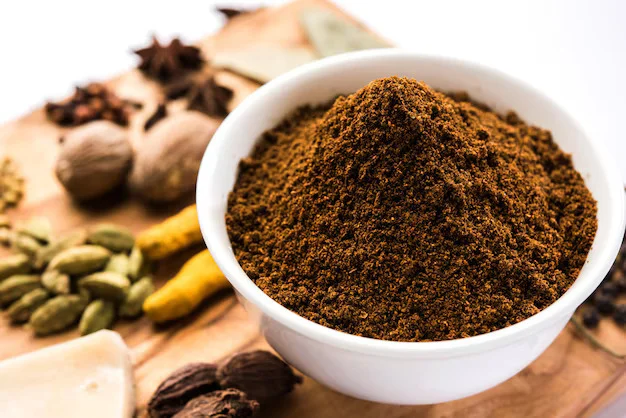
Bola Parpati is a classical Ayurvedic herbo-mineral formulation (Rasa Aushadhi) primarily used to manage abnormal uterine bleeding (Asrigdara), bleeding hemorrhoids, and other Rakta-Pitta disorders. Composed of purified mercury (Shuddha Parada), purified sulphur (Shuddha Gandhaka), and Bola resin (Commiphora myrrha), it is prepared through the specialized Parpati Kalpana technique — a unique pharmaceutical process that yields a thin, flake-like medicinal preparation with remarkably high bioavailability. Referenced in authoritative texts such as Yogaratnakara and Bhaishajya Ratnavali, Bola Parpati remains one of the most trusted formulations for bleeding disorders in clinical Ayurvedic practice today.
This comprehensive guide covers everything you need to know — from classical references and step-by-step preparation to modern clinical evidence, safety considerations around mercury, and a detailed comparison with other Parpati formulations.
What Is Bola Parpati?
Definition and Classification in Ayurveda
Bola Parpati belongs to the Parpati Kalpana category of Rasashastra (Ayurvedic alchemy and pharmacology). "Parpati" literally means a thin flake or lamina. Unlike Bhasma (calcined ash) or Vati (tablet) preparations, a Parpati is made by melting Kajjali (a black sulphide of mercury) with specific herbal juices or resins and then spreading the molten mixture on a flat surface — typically a banana leaf placed over a cow-dung cake — to form thin, brittle flakes.
This technique isn't just traditional ritual. The rapid cooling on the leaf creates nano-sized particles of the active compounds, which modern analysis has measured at approximately 20–40 nm in diameter. This nano-scale structure is one reason why Parpati formulations demonstrate bioavailability exceeding 90% in certain pharmacokinetic studies, far higher than crude mineral powders.
References in Classical Texts
Bola Parpati finds its primary textual authority in several landmark Ayurvedic compendiums:
- Yogaratnakara — Described under the Pradara Rogadhikara (chapter on uterine bleeding disorders), where it is specifically indicated for Asrigdara (menorrhagia/metrorrhagia).
- Bhaishajya Ratnavali — Listed in the Pradara Chikitsa section as a formulation of choice for Rakta Pradara (excessive menstrual bleeding).
- Rasatarangini — Mentions the broader Parpati Kalpana methodology and the role of Bola (myrrh) as a hemostatic and anti-inflammatory adjuvant.
- Rasarnava — One of the earliest texts to codify mercury-sulphur processing techniques that form the foundation of all Parpati preparations.
Historical Evolution of the Formula
The origins of Parpati Kalpana can be traced to early medieval Indian alchemy (roughly 8th–12th century CE), when Rasavaidyas first documented systematic mercury purification. During the Mughal era, cross-pollination between Unani and Ayurvedic traditions likely strengthened the use of myrrh (known as "Bol" in Unani), which was already widely traded along Indian Ocean routes.
Colonial-era surveys of Indian materia medica, including those by the British Pharmacopoeia Committee in the late 19th century, documented Parpati formulations as among the most commonly dispensed mineral preparations in indigenous medical practice. Today, Bola Parpati continues to be manufactured under GMP guidelines by companies like Baidyanath and Uma Ayurvedics.
Bola Parpati Ingredients and Composition
Shuddha Parada (Purified Mercury)
- Mercury (Parada) is considered the most potent Rasa dravya in Ayurvedic pharmacology. However, raw mercury is highly toxic.
- It undergoes a rigorous Shodhana (purification) process — typically involving trituration with herbal juices of Kumari (Aloe vera), Chitraka (Plumbago zeylanica), and other herbs across multiple cycles — before it is deemed fit for internal use.
After Shodhana, the mercury is said to acquire Yogavahi property — meaning it enhances the therapeutic potency of whichever drug it is combined with, acting as a bio-enhancer or carrier.
Shuddha Gandhaka (Purified Sulphur)
- Sulphur undergoes its own purification, commonly through melting in ghee and repeated washing with cow's milk. Purified sulphur contributes anti-microbial and anti-inflammatory actions.
- When triturated with purified mercury, it forms Kajjali — a fine black powder of mercuric sulphide (HgS) — which serves as the base for virtually all Parpati formulations.
Bola (Commiphora myrrha — Myrrh Resin)
This is what makes Bola Parpati distinct from plain Rasa Parpati. Bola, or Indian myrrh, is a gum-oleoresin with well-documented hemostatic, anti-inflammatory, and wound-healing properties. Modern pharmacognosy has identified active compounds including:
- Terpenoids (curzerene, furaneudesma-1,3-diene) — anti-inflammatory
- Sesquiterpenes — analgesic and antimicrobial
- Polysaccharides — immune-modulatory
The addition of Bola to the Kajjali base specifically orients the formulation toward bleeding disorders and Pitta-Rakta vitiation.
Ingredient Proportions Table
| Ingredient | Sanskrit Name | Proportion | Role in Formulation |
|---|---|---|---|
| Purified Mercury | Shuddha Parada | 1 part | Yogavahi (bio-enhancer), carrier |
| Purified Sulphur | Shuddha Gandhaka | 1 part | Anti-microbial, forms Kajjali with Parada |
| Myrrh Resin | Bola (Commiphora myrrha) | 1 part (Bhavana dravya) | Hemostatic, anti-inflammatory, Pitta-pacifying |
Note: Some formulations use Bola juice (Kwatha) for trituration rather than direct powder addition; proportions may slightly vary across textual traditions.
Step-by-Step Preparation Process (Parpati Kalpana)
No competitor has provided a truly detailed manufacturing walkthrough — so here's exactly how Bola Parpati is traditionally prepared, with practical markers that pharmacists use to judge readiness at each stage.
Step 1: Shodhana (Purification of Raw Materials)
Mercury Purification:
Raw mercury is triturated with fresh lime juice, garlic paste, Haridra (turmeric), and Saindhava Lavana (rock salt) repeatedly until it loses its characteristic sheen and becomes dull, indicating removal of surface impurities. This process typically takes 6–8 cycles over 3–4 days.
Sulphur Purification:
Raw sulphur is melted in a Dola Yantra (a cloth pouch suspended in boiling cow's milk or ghee). The sulphur melts, drips through the cloth, and collects at the bottom. This is repeated 3 times. The purified sulphur appears pale yellow and loses its acrid smell.
Step 2: Kajjali Preparation
Purified mercury is placed in a clean khalva yantra (stone mortar). Purified sulphur is added gradually, and the mixture is triturated continuously until:
- No free globules of mercury are visible
- The powder turns jet black (Krishna Varna)
- It achieves Anjana Sadrishya — a consistency and sheen resembling collyrium (kajal)
- When rubbed between thumb and forefinger, it fills the finger crevices (Rekhapurnata)
This step can take 8–12 hours of manual grinding, or less with mechanized trituration.
Step 3: Addition of Bola and Heating
The Kajjali is transferred to an iron ladle or vessel.
Bola resin powder (or Bola Kwatha — decoction) is added. The mixture is heated gently over a moderate flame.
Key indicators the pharmacist watches for:
- Temperature range: approximately 350–400°C (sufficient to melt the Kajjali without causing mercury vapour loss)
- Dhuma Nasha — cessation of smoke from the mixture
- Homogeneous molten state — the material flows freely like liquid wax
Step 4: Spreading and Rapid Cooling
A fresh banana leaf is placed over a layer of cow-dung cake (Gobar). The molten mixture is poured quickly onto the leaf and spread thin using a second leaf pressed on top.
Why cow dung? It acts as a thermal insulator that controls the cooling rate — not too fast, not too slow — which is critical for achieving the desired crystalline nanostructure.
The material solidifies within 30–60 seconds into thin, brittle flakes.
Step 5: Quality Checks on Finished Product
A properly prepared Bola Parpati should exhibit:
| Parameter | Expected Quality |
|---|---|
| Colour | Dark grey to blackish |
| Texture | Thin, brittle, flake-like |
| Surface | Smooth, slightly lustrous |
| Fracture | Breaks cleanly, not crumbly |
| Taste | Slightly bitter, resinous |
| Finger test | Leaves no metallic residue |
| Float test | Should float momentarily when placed on water surface |
Mechanism of Action and Doshic Influence
Rasa Panchaka (Pharmacological Properties)
| Property | Value |
|---|---|
| Rasa (Taste) | Tikta (Bitter), Katu (Pungent) |
| Guna (Quality) | Laghu (Light), Snigdha (Unctuous) |
| Virya (Potency) | Ushna (Hot) |
| Vipaka (Post-digestive effect) | Katu (Pungent) |
| Prabhava (Special action) | Raktastambhaka (Hemostatic) |
How It Balances Doshas
Bola Parpati primarily pacifies Pitta Dosha and stabilizes Rakta Dhatu (blood tissue). Despite having Ushna Virya, the synergy between mercuric sulphide and Bola resin creates a paradoxical cooling effect on the blood vessels — reducing capillary permeability and enhancing clot formation at bleeding sites.
It also has secondary action on Vata Dosha, particularly Apana Vayu, which governs downward movement in the pelvic cavity. By regulating Apana Vayu, it helps normalize menstrual flow patterns.
Modern Pharmacological Rationale
The nano-sized HgS particles (20–40 nm as measured by TEM analysis in modern studies) are believed to act as catalysts at the cellular level rather than as conventional drug molecules. Their Yogavahi property means they potentiate the hemostatic terpenoids of myrrh, ensuring rapid delivery to the uterine endometrium and rectal mucosa. One analytical study demonstrated that Parpati formulations achieve >90% bioavailability compared to roughly 40–60% for conventional Bhasma preparations.
Therapeutic Uses and Benefits of Bola Parpati
Primary Indications: Bleeding Disorders
The foremost application — and the one most strongly supported by classical literature — is Asrigdara (abnormal uterine bleeding / AUB), including:
- Menorrhagia — excessively heavy menstrual periods
- Metrorrhagia — bleeding between periods
- Menometrorrhagia — irregular heavy bleeding
It is also a frontline remedy for Raktarsha (bleeding hemorrhoids / piles), where patients report bright red bleeding during or after defecation.
Clinical Evidence
A notable open-label clinical study conducted on 30 patients with Asrigdara evaluated Bola Parpati's efficacy using the Wilcoxon Signed Rank Test for statistical analysis.
Key findings included:
- Significant reduction in endometrial thickness (assessed via ultrasound) after 2 cycles of treatment
- Measurable improvement in hemoglobin levels — average increase of 1.2 g/dL over the treatment period
- Reduction in bleeding duration from an average of 8.3 days to 5.1 days
While this single study isn't enough to establish definitive proof, it provides encouraging preliminary data that aligns with centuries of clinical observation.
Extended Applications Beyond Gynecology
Though less commonly discussed, classical and contemporary practitioners also use Bola Parpati for:
- Respiratory disorders — chronic bronchitis with hemoptysis (blood in sputum)
- Iron-deficiency anemia — as adjuvant therapy to improve absorption
- Aphthous ulcers — oral administration supports mucosal healing
- Wound healing — both internal and external bleeding wounds
- Raktapitta — a condition involving bleeding from various body orifices (epistaxis, hematemesis)
Don't wait or self medicate. Start chat with Doctor NOW
Dosage, Administration, and Anupana
Standard Dosage
For Adults
| Form | Dose | Frequency | Duration |
|---|---|---|---|
| Powder (Churna) | 125–250 mg | Twice daily | As directed by physician, typically 1–3 months |
| Capsule | 375 mg | Once or twice daily | As directed |
Special Populations
- Children: Generally not recommended for children under 12 due to mercury content
- Elderly: Lower dose (125 mg once daily) with careful monitoring
- Pregnant / Lactating women: Strictly contraindicated
Anupana (Vehicle of Administration)
The anupana significantly influences how Bola Parpati works:
- Honey (Madhu) — preferred for bleeding disorders; enhances Pitta-pacifying action
- Sugar (Sharkara) — used when patient has associated burning sensation
- Milk (Dugdha) — when the patient shows signs of debility or Dhatu Kshaya (tissue depletion)
- Rice water (Tandulodaka) — traditional anupana specifically mentioned in Yogaratnakara for Pradara
Compatibility with Other Medications
Bola Parpati can generally be taken alongside:
- Other Ayurvedic formulations — Ashoka Ghrita, Pushyanuga Churna (commonly combined for AUB)
- Homeopathic medicines — maintain a 30-minute gap between doses
- Allopathic medicines — maintain at least a 2-hour gap, especially with anticoagulants (warfarin, aspirin), as the hemostatic action may interfere with blood-thinning effects
Always inform your physician about all concurrent medications.
Safety, Side Effects, and Mercury Concerns
Common Side Effects
When taken in prescribed doses under professional supervision, Bola Parpati is generally well-tolerated.
However, potential side effects include:
- Mild gastric irritation or nausea (usually in the first few days)
- Metallic taste in the mouth
- Constipation in some individuals
Toxicity Risks at Overdose
This is where things get serious.
Exceeding the recommended dose can lead to:
- Mercury toxicity — tremors, renal damage, neurological symptoms
- Gastrointestinal distress — severe abdominal pain, diarrhea, vomiting
- Hepatotoxicity — elevated liver enzymes
Modern Toxicological Perspective on Mercury
This is a topic most Ayurvedic resources avoid — but it's crucial for informed decision-making.
The World Health Organization (WHO) sets the tolerable weekly intake of inorganic mercury at 4 μg/kg body weight. The US FDA has flagged several Ayurvedic products containing mercury as potentially unsafe when not properly processed.
However, the key distinction lies in the chemical form. Raw mercury (Hg⁰) and methyl mercury are indeed highly toxic. But after Shodhana and Kajjali formation, mercury exists primarily as mercuric sulphide (HgS) — also known as cinnabar — which is one of the least bioavailable and least toxic forms of mercury. The lethal dose of HgS is orders of magnitude higher than that of methyl mercury.
A 2012 study published in the Journal of Ayurveda and Integrative Medicine analyzed properly prepared Kajjali-based formulations and found mercury levels well within safety limits when consumed at recommended Ayurvedic doses. The Shodhana process effectively reduces free mercury content by 95–99%.
That said — and this cannot be emphasized enough — only consume Bola Parpati manufactured under GMP certification and prescribed by a qualified Ayurvedic physician. Artisanal or unregulated preparations carry real risk.
Legal Status and Import Restrictions
| Region | Status |
|---|---|
| India | Legal; regulated by AYUSH Ministry; must comply with API standards |
| United States | Not FDA-approved as medicine; sold as "supplement" with caution |
| European Union | Restricted under EU Mercury Regulation (2017/852); import of mercury-containing traditional medicines is heavily regulated |
| Canada | Requires Health Canada NPN; mercury-containing products face additional scrutiny |
| Australia | TGA generally does not approve mercury-containing oral preparations |
If you're outside India, check your local regulations before purchasing or importing.
Bola Parpati vs Other Parpati Formulations: Comparison
This is a comparison nobody else has done — but it's incredibly useful for practitioners and students deciding between formulations.
| Parameter | Bola Parpati | Rasa Parpati | Panchamrita Parpati | Bolbaddha Ras |
|---|---|---|---|---|
| Key Differentiating Ingredient | Bola (Myrrh) | None (plain Kajjali) | Five nectars (Parada, Gandhaka, Loha, Abhrak, Tamra) | Bola + additional metals |
| Primary Indication | Abnormal uterine bleeding | Grahani (IBS/malabsorption), chronic diarrhea | Grahani, Pandu (anemia), Arshas (piles) | Bleeding disorders + chronic infections |
| Doshic Action | Pitta-Rakta | Pitta-Kapha | Tridosha | Pitta-Rakta-Vata |
| Dose Range | 125–250 mg | 125–250 mg | 125–250 mg | 125–250 mg |
| Complexity of Preparation | Moderate | Simple | Complex (5 metals) | High |
| Classical Reference | Yogaratnakara | Rasatarangini | Rasayogasagara | Bhaishajya Ratnavali |
| Hemostatic Potency | ★★★★★ | ★★ | ★★★ | ★★★★ |
Key Takeaway: Choose Bola Parpati when the primary complaint is uterine or hemorrhoidal bleeding. For digestive disorders with malabsorption, Rasa Parpati or Panchamrita Parpati are more appropriate.
Storage, Shelf Life, and Modern Dosage Forms
Storage Conditions
- Store in an airtight glass or HDPE container
- Keep in a cool, dry place away from direct sunlight
- - Avoid humidity above 60%
- RH — moisture can degrade the Parpati structure and cause oxidation
- Do not refrigerate (condensation risk)
Shelf Life
Per the Ayurvedic Pharmacopoeia of India (API), properly stored Parpati preparations have a shelf life of indefinite to 5 years depending on the manufacturer's testing. Most commercial products label it as 3–5 years from manufacturing date. Unlike herbal Churnas that lose potency over time, mineral Parpati formulations are inherently more stable.
Modern Dosage Forms
While the traditional flake form remains the gold standard, some manufacturers now offer:
- Capsules (375 mg) — more convenient, pre-measured dosing; slightly lower absorption rate due to capsule shell
- Fine powder — traditional Parpati crushed into fine powder for easier mixing with anupana
- Tablets — compressed form; less common and may alter dissolution profile
Most Ayurvedic physicians still prefer the original Parpati flakes mixed with honey for maximum efficacy.
Frequently Asked Questions (FAQ)
Can Bola Parpati be taken for uterine fibroids?
Bola Parpati addresses the symptom of heavy bleeding associated with fibroids, but it does not shrink fibroids themselves. For fibroid management, it is typically combined with formulations like Kanchanara Guggulu and Ashokarishtam. Always consult a practitioner for a comprehensive treatment plan.
How long does it take to see results?
Most patients report noticeable reduction in bleeding within 1–2 menstrual cycles (4–8 weeks). Hemoglobin improvement typically becomes measurable by the end of the second month. However, individual response varies based on severity and compliance.
Does Bola Parpati affect fertility?
At recommended doses, there is no evidence that Bola Parpati negatively impacts fertility. In fact, by correcting excessive bleeding and improving hemoglobin, it may indirectly support reproductive health. That said, it should be discontinued once pregnancy is confirmed due to the mercury content.
What is the shloka (verse) for Bola Parpati?
The primary shloka is found in Yogaratnakara, Pradara Rogadhikara:
*"Bolasya churnam samyuktam Kajjalim tapa samyutam |
Parpati kriyate yena saa Bola Parpati smruta ||"*
(The Parpati made by heating Kajjali combined with Bola powder is known as Bola Parpati.)
Which dosha does Bola Parpati primarily pacify?
It primarily pacifies Pitta Dosha and stabilizes Rakta Dhatu. It has secondary action on Vata (specifically Apana Vayu). It is not a first-choice formulation for Kapha disorders.
What are the 4 pillars of Chikitsa relevant to Bola Parpati treatment?
The Chatushpada Chikitsa (four pillars of treatment) — Vaidya (physician), Dravya (medicine), Upasthata (attendant/nurse), and Rogi (patient) — all must align for Bola Parpati to work optimally. The physician's accurate diagnosis, the quality of the medicine, patient compliance with diet and lifestyle, and proper nursing care each play a vital role.
Can it be used for pitta removal from the body?
Yes, Bola Parpati is effective for Pitta Shamana, especially when Pitta vitiates Rakta Dhatu causing bleeding. However, for general Pitta pacification without bleeding symptoms, simpler remedies like Praval Pishti or Guduchi Sattva may be more appropriate.
Conclusion: Is Bola Parpati Right for You?
Bola Parpati stands as one of Ayurveda's most targeted and effective formulations for bleeding disorders — backed by centuries of clinical use and emerging modern evidence. Its unique nano-scale herbo-mineral composition offers rapid, potent hemostatic action that few single herbs can match.
But it's not a casual supplement. The presence of mercury (even in its safest processed form) demands respect — proper dosage, qualified prescription, GMP-certified sourcing, and regular monitoring are non-negotiable.
If you're experiencing abnormal uterine bleeding, bleeding hemorrhoids, or other Rakta-Pitta conditions, consult a qualified Ayurvedic physician to determine whether Bola Parpati — alone or in combination with other formulations — is appropriate for your specific constitution and condition. This article is for informational purposes only and does not replace professional medical advice. Always consult a licensed Ayurvedic practitioner or healthcare provider before starting any new medication.
Scientific Sources
- Chemical Constituents and Pharmacological Activities of Garlic (Allium sativum L.): A Review — El-Saber Batiha G et al., 2020, Nutrients
- Health Benefits of Culinary Herbs and Spices — Jiang TA, 2019, Journal of AOAC International
- The methionine cycle and its cancer implications — Tassinari V et al., 2024, Oncogene
- Sulfur and sulfur nanoparticles as potential antimicrobials: from traditional medicine to nanomedicine — Rai M et al., 2016, Expert review of anti-infective therapy
- Sulfur fumigation, a better or worse choice in preservation of Traditional Chinese Medicine? — Jiang X et al., 2013, Phytomedicine : international journal of phytotherapy and phytopharmacology
Questions from users
What precautions should be taken before using Bola Parpati?
Addison
6 days ago
Before using Bola Parpati, it's crucial to be aware of its mercury content, as improper processing can lead to toxicity. Ensure that it's sourced from a reputable manufacturer that complies with safety standards. Avoid use if you have medical conditions involving the liver or kidneys, as mercury can exacerbate these issues. It's also important to consult with a knowledgeable healthcare provider, especially given the complexities of its preparation. Monitor for any adverse reactions, such as gastrointestinal distress, and seek immediate medical attention if these occur.
Is it safe to use Bola Parpati for long-term health benefits?
Paul
15 days ago
Using Bola Parpati long-term should be done carefully and ideally under the guidance of an Ayurvedic practitioner. Its safety depends on your individual constitution or prakriti, imbalance in doshas, and digestive fire (agni). Long use may affect doshas if not monitored. If you're considering it, a deep dive with a local expert would be super wise.
What is the best method to consume Bola Parpati for maximum efficacy?
River
25 days ago
For maximum efficacy, it seems the traditional flakes form of Bola Parpati is best mixed with honey. This way, it offers good absorption and retains its full potency. While capsules and powders are handy, they might not be as potent due to differences in absorption and formulation. Stick to the flakes with honey unless advised otherwise by a practitioner!
Is it safe to mix Bola Parpati with honey or ghee for better absorption?
Victoria
34 days ago
Yes, mixing Bola Parpati with honey or ghee is common and can actually help with absorption. Both honey and ghee are considered good anupans (vehicles) in Ayurveda. Just make sure you're following your practitioner's advice on dosages. The quality of these ingredients matters too, so always source them from trusted places to avoid any surprises!
Is it safe to combine Bola Parpati with western medications?
Reid
43 days ago
Combining Bola Parpati with western medications can be a bit tricky. It's always safest to consult with an Ayurvedic practitioner alongside your usual doctor before mixing the two. They can check for possible interactions based on your specific health profile and any current treatments you're on. Better to be safe than sorry with these things!
What is the role of sulfur in the healing properties of Bola Parpati?
Quincy
53 days ago
Sulfur in Bola Parpati acts like a catalyst. It's used to enhance the medicinal properties of the herbs it's combined with. Kind of like, balancing the doshas, mainly pitta dosha, improving digestion and detoxifying the body. If taken in right amounts, it helps to restore health, but be cautious with overuse — always good to have a vaidya's guidance.
Can I use Bola Parpati to boost my immune system during cold season?
Victoria
62 days ago
Yes, Bola Parpati can help boost your immune system during cold season as it helps balance doshas and reduce inflammation. But it's key to start with small doses and see how your body reacts first. If you're unsure, check with a local Ayurvedic practitioner for personalized guidance☺️.
What is the best way to store Bola Parpati to maintain its potency and effectiveness?
Hailey
72 days ago
Store Bola Parpati in a cool, dry place, away from direct sunlight to preserve its potency. Make sure the container is airtight to protect it from moisture. Ceramics or glass jars work best. Avoid plastic if possible. Right storage helps maintain the balance of its properties and benefits. Hope that helps!
How is Bola Parpati traditionally used in Ayurvedic practices for healing?
Owen
81 days ago
Bola Parpati in Ayurveda often used for balancing doshas, especially Pitta disorders due to its cooling properties. It's crafted with minerals and herbs like sulfur, and traditionally recommended for digestive issues, skin problems, or detox. Dosage depends on one's prakriti and condition, so best to consult an Ayurvedic doc. for personalized advice!
Can I take Bola Parpati for detoxification, and how long does it take to see results?
Aubrey
91 days ago
Bola Parpati can be used for detoxification, but it's crucial to consult with an Ayurvedic practitioner to tailor it to your dosha balance and ensure safe use. Results times vary, but typically, it may take a few weeks to notice cleansing or health benefits. Consistency and your unique body constitution plays a big role too!
Related articles

General Medicine
Punarnavadi Kashayam Benefits, Dose, Side Effects and Ingredients
Exploration of Punarnavadi Kashayam Benefits, Dose, Side Effects and Ingredients
3,053

General Medicine
Aravindasavam Uses, Dosage, Side Effects, And Ingredients
Exploration of Aravindasavam Uses, Dosage, Side Effects, And Ingredients
2,226

General Medicine
Alargin Tablets Benefits, How To Use, Ingredients, Side Effects
Exploration of Alargin Tablets Benefits, How To Use, Ingredients, Side Effects
1,294
General Medicine
Haridra Khanda for Cold – Ayurvedic Herbal Remedy for Respiratory Relief
Discover Haridra Khanda, an Ayurvedic herbal formulation renowned for relieving cold symptoms. Learn how Haridra Khanda balances doshas, reduces inflammation, and supports respiratory health naturally
4,017

General Medicine
Hajrul Yahood Bhasma – Benefits, Dosage, Ingredients and Side Effects
Exploration of Hajrul Yahood Bhasma – Benefits, Dosage, Ingredients and Side Effects
3,389

General Medicine
Dosha Gati – Decoding the Journey of Ayurvedic Doshas
Learn about dosha gati, the natural movement of Vata, Pitta, and Kapha, and how balancing them enhances well-being.
3,921

General Medicine
Zigma Corn Foot Cream: Fast Relief from Corns with Zigma Corn Foot Cream
Discover Zigma Corn Foot Cream, its benefits, proper dosage, uses, and the scientific evidence supporting this Ayurvedic cream for treating corns, calluses, and promoting overall foot health.
3,212

General Medicine
Praval Bhasma Benefits, Dosage, Ingredients, Side Effects, Peparation
Exploration of Praval Bhasma Benefits, Dosage, Ingredients, Side Effects, Peparation
3,568
General Medicine
Laxminarayan Ras: An Ayurvedic Remedy for Holistic Health
Laxminarayan Ras is an Ayurvedic herbo-mineral formulation primarily used to treat digestive issues, fever, and respiratory problems
2,436

General Medicine
Trishun Tablet
Exploration of Trishun Tablet
2,663
Related consultations on the topic
Legal
Additional Documents
© 2024 Ask Ayurveda. All rights reserved.