Ask Ayurvedic doctor a question and get a consultation online on the problem of your concern in a free or paid mode. More than 2,000 experienced doctors work and wait for your questions on our site and help users to solve their health problems every day.
FREE! Ask Ayurvedic Doctors 24/7

 Fast responses
 1000+ verified doctors
Body DetoxEar, Nose, and Throat DisordersGeriatrics & RejuvenationImmunodeficiencyInfertility TreatmentNutritionOrthopedic DisordersPediatricsRespiratory DisordersSexually Transmitted Diseases (STDs)Surgery RecoveryUrological DisordersVascular DisordersDental DisordersEndocrinological DisordersGastrointestinal DisordersYoga TherapyGeneral MedicineAllergic DisordersCardio DisordersGynecology and ObstetricsCosmetologySkin and Hair DisordersEye DisordersInfectious DiseasesMental DisordersNeurological DisordersOncologyPanchakarmaSexual Health & DisordersSports Medicine
Published on 01/21/25
(Updated on 06/27/26)
3,452
Snehapana Treatment: Ayurvedic Oleation Therapy for Internal Detox
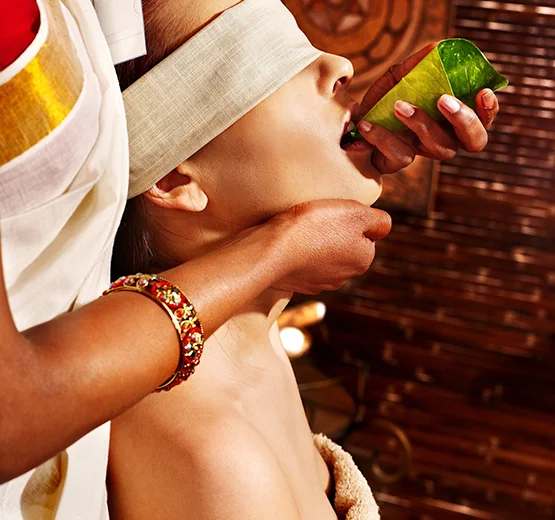
- Snehapana (Sanskrit: स्नेहपान) is the Ayurvedic practice of drinking measured doses of medicated ghee or oil on an empty stomach to loosen deep-seated toxins, lubricate internal channels, and prepare the body for Panchakarma detoxification.
- The term comes from two Sanskrit words — Sneha (fat, oil, or love/affection) and Pana (to drink). Considered the most critical Purvakarma (preparatory procedure) in Ayurveda, Snehapana systematically saturates your tissues with lipophilic (fat-soluble) medicinal compounds, drawing accumulated Ama (metabolic waste) out of cells and into the gastrointestinal tract for elimination.
- Unlike external oleation therapies such as Abhyanga (oil massage) or Nasya (nasal administration), Snehapana works from the inside out.
- It's a process that typically spans 3 to 7 days — sometimes up to 12 — with progressively increasing doses of medicated ghee. And while the idea of drinking pure ghee might sound unusual, classical Ayurvedic texts and emerging modern research both support its therapeutic value when performed under qualified supervision.
What Is Snehapana in Ayurveda? Definition, Etymology, and Purpose
The Classical Definition from Ancient Texts
Snehapana finds its earliest and most detailed descriptions in the Charaka Samhita (Sutrasthana, Chapter 13 — Snehadhyaya), where Acharya Charaka outlines the principles of internal oleation as an indispensable prerequisite for bio-purification. Sushruta Samhita (Chikitsasthana, Chapter 31) further elaborates on the types of fats suitable for internal use, while Ashtanga Hridaya (Sutrasthana, Chapter 16) by Vagbhata provides a consolidated protocol including dosage guidelines, signs of proper oleation, and contraindications.
The classical verse from Charaka Samhita (Su. 13/15) states:
> Sneho mridukararanaam snehanam snehavit charet
> (One who understands oleation should administer Sneha to make the body soft and supple.)
This softening is not merely physical. It refers to the loosening of Doshas from their lodged sites in the Dhatus (tissues), making them available for expulsion through subsequent Panchakarma procedures.
How Snehapana Differs from External Oleation (Abhyanga and Nasya)
It's important to understand that Ayurveda recognises two broad categories of Snehana:
| Feature | Snehapana (Internal Oleation) | Abhyanga (External Oleation) | Nasya (Nasal Oleation) |
|---|---|---|---|
| Route | Oral ingestion | Skin application (massage) | Nasal instillation |
| Primary action | Saturates Dhatus, loosens deep toxins | Relaxes muscles, improves circulation | Clears supra-clavicular channels |
| Depth of penetration | Reaches all 7 Dhatus including Majja (bone marrow) | Primarily Rasa and Mamsa Dhatus | Primarily affects head and sinuses |
| Typical duration | 3–7 days (escalating doses) | 15–45 minutes per session | 7–14 days |
| Role in Panchakarma | Mandatory Purvakarma for Vamana/Virechana | Supportive adjunct | Independent or adjunct therapy |
Snehapana is the only method that can achieve Sarvanga Snehana — complete internal saturation of all seven tissue layers.
Types of Snehapana: Which One Is Right for You?
Not all Snehapana procedures are identical. Classical texts classify them based on purpose, method of administration, and the type of fat used.
Classification by Purpose
- Shodhananga Snehapana — Administered as a preparatory step before Shodhana (purification) therapies like Vamana or Virechana. This is the most common form. The ghee is given in increasing doses until Samyak Snigdha Lakshanas (signs of adequate oleation) appear.
- Shamananga Snehapana — Given in smaller, therapeutic doses to pacify aggravated Doshas without necessarily leading to a purification procedure. Used in chronic conditions where full Panchakarma may not be indicated.
- Brimhananga Snehapana — Administered for nourishment and weight gain in emaciated or debilitated patients.
Classification by Method
- Accha Sneha — Pure medicated ghee or oil consumed in its unadulterated form, without mixing with food. This is the standard method for Shodhananga Snehapana and considered most potent.
- Vicharana Sneha — Medicated fat mixed with food items (like rice or soups). Used when the patient cannot tolerate pure ghee, or when Shamananga effect is desired.
Comparison of Sneha Types: Ghrita vs Taila vs Vasa vs Majja
Ayurveda recognizes four primary fats for internal oleation, each with distinct properties:
| Sneha Type | Source | Best Suited For | Dosha Affinity | Classical Reference |
|---|---|---|---|---|
| Ghrita (Ghee) | Cow's milk butter | Most conditions; first choice for Pitta disorders, mental health, skin diseases | Tridoshahara (balances all three), especially Pitta and Vata | Charaka Su. 13/14 |
| Taila (Sesame Oil) | Sesame seeds | Vata disorders, neurological conditions, joint diseases | Primarily Vata | Charaka Su. 13/15 |
| Vasa (Muscle Fat) | Animal muscle tissue | Severe Vata conditions, fractures, emaciation | Vata | Sushruta Chi. 31 |
| Majja (Bone Marrow) | Animal bones | Deep tissue disorders, Majja Dhatu pathologies | Vata | Sushruta Chi. 31 |
Ghrita is considered Shreshtham (the best) among all Snehas due to its unique capacity to assimilate the properties of herbs processed in it (Sanskarasya Anuvartanat) without losing its own inherent qualities (Charaka Su. 13/14). This is why medicated ghee is the default choice in clinical practice.
The Snehapana Procedure: A Day-by-Day Protocol
Pre-Procedure Preparation (Pachana Phase)
Before Snehapana begins, the patient undergoes Deepana-Pachana — a digestive preparation phase lasting 3 to 7 days. This ensures that the Agni (digestive fire) is strong enough to metabolize the large quantities of ghee that follow.
A common protocol, as documented in clinical studies, involves administering Shunthi (dried ginger) powder — 1 gram, three times daily for approximately 7 days before the first dose of ghee. This step is often overlooked in popular descriptions of Snehapana but is critical for safety and efficacy.
Day-by-Day Dosage Escalation (Vardhamana Snehapana)
The hallmark of Shodhananga Snehapana is the Vardhamana (escalating) method, where the dose of medicated ghee increases daily based on the patient's digestive capacity and response.
Here's a typical protocol for a patient with moderate Agni and Madhyama Koshtha (medium bowel habit):
| Day | Approximate Ghee Dose | Expected Digestion Time | Key Observations |
|---|---|---|---|
| Day 1 | 30 mL (2 tablespoons) | 3–4 hours | Baseline assessment; ghee should digest by noon |
| Day 2 | 60 mL | 5–6 hours | Mild oleation signs may begin |
| Day 3 | 90–120 mL | 6–8 hours | Patient may report oily skin, mild nausea |
| Day 4 | 150–180 mL | 8–10 hours | Oleation signs becoming prominent |
| Day 5 | 200–240 mL | 10–12 hours | Many patients achieve Samyak Snigdha by this day |
| Day 6–7 | Up to 300 mL (if needed) | 12+ hours | Reserved for patients with Krura Koshtha (hard bowel) |
> Important note: These dosages are indicative. Actual amounts vary enormously based on individual Prakriti (constitution), Agni (digestive strength), Koshtha (bowel type), age, and the specific condition being treated. Some patients reach adequate oleation on Day 3; others may require up to Day 12. This is never a self-administered procedure.
Recognizing Samyak Snigdha Lakshanas (Signs of Adequate Oleation)
The practitioner monitors the patient daily for specific signs that indicate oleation is complete. These classical markers, described in Charaka Samhita (Su. 13/57-58) and Ashtanga Hridaya (Su. 16/19-20), include:
- 1.Vatanulomana — Proper downward movement of Vata; reduced bloating and normalized flatus
- 2.Deeptagni — Paradoxical improvement in appetite despite consuming large amounts of fat
- 3.Snigdha Varchas — Oily, shiny appearance of stools
- 4.Asamhata Varchas — Loose, unformed stools (not diarrhoea, but softened)
- 5.Twak Snigdhata — Visible oiliness and lustre of the skin
- 6.Klama — A sense of exhaustion or fatigue without exertion
- 7.Angasada — Heaviness in the limbs
- 8.Snehodvega — Aversion to ghee/fat; the body signals it has had enough
- 9.Snigdha Udgara — Oily, unctuous belching
When 3 or more of these signs manifest prominently, the physician stops Snehapana and transitions the patient to Swedana (sudation therapy), followed by the main Panchakarma procedure.
Snehapana Benefits: Why This Ancient Therapy Matters Today
Detoxification at the Cellular Level
The primary benefit of Snehapana is its ability to mobilize fat-soluble toxins that water-based detox methods simply cannot reach. From a modern pharmacological perspective, medicated ghee acts as a lipophilic carrier — it penetrates cell membranes (which are lipid bilayers) and dissolves fat-soluble metabolic waste products. These toxins are then transported back to the GI tract via enterohepatic circulation for elimination during Virechana.
A clinical study published in the Journal of Ayurveda and Integrative Medicine (2019) examined 29 healthy volunteers who underwent Vardhamana Snehapana. The results showed that despite consuming up to 240 mL of ghee daily, participants did not experience adverse changes in harmful lipid levels. In fact, the study documented a statistically significant decrease in triglycerides and VLDL cholesterol post-procedure. This challenges the common misconception that drinking ghee is inherently harmful to cardiovascular health.
Digestive System Restoration
Snehapana lubricates the entire GI tract, reduces inflammation in the mucosal lining, and helps restore normal peristalsis. Ghee specifically contains butyric acid (butyrate), a short-chain fatty acid that serves as the primary energy source for colonocytes (colon cells). This makes Snehapana particularly relevant for conditions like Irritable Bowel Syndrome (IBS), chronic constipation, and inflammatory bowel conditions.
Joint and Musculoskeletal Health
Internal oleation directly nourishes Asthi Dhatu (bone tissue) and Sandhi (joints). Patients with osteoarthritis, rheumatoid arthritis, and degenerative joint diseases often report improved mobility and reduced stiffness after completing Snehapana as part of a full Panchakarma course.
Mental Health and Neurological Benefits
Ghee is considered Medhya (intellect-promoting) in Ayurveda. Medicated ghee preparations like Kalyanaka Ghrita and Brahmi Ghrita are specifically indicated for anxiety, depression, insomnia, and cognitive decline. The fat-soluble herbal compounds cross the blood-brain barrier efficiently, which partly explains the reported neurological benefits.
Skin Health and Hormonal Balance
By nourishing Rasa and Rakta Dhatus, Snehapana improves skin lustre, reduces dryness, and supports hormonal regulation. Specific medicated ghee formulations have shown clinical relevance in managing psoriasis, eczema, and PCOS (polycystic ovarian syndrome).
Specific Medicated Ghee Formulations and Their Clinical Applications
One of the gaps in most online resources is the lack of information about which medicated ghee is used for which condition. Here are the major formulations used in Snehapana, based on classical references:
| Medicated Ghee | Key Herbs | Primary Indications | Classical Source |
|---|---|---|---|
| Mahatiktaka Ghrita | Nimba, Patola, Guduchi, Triphala | Chronic skin diseases (psoriasis, eczema), Pitta disorders | Ashtanga Hridaya Chi. 19 |
| Panchatikta Ghrita Guggulu | Neem, Vasa, Patola, Guduchi, Kantakari + Guggulu | Bone & joint disorders, non-healing wounds, fistula | Bhaishajya Ratnavali |
| Kalyanaka Ghrita | Haritaki, Triphala, Daru Haridra, multiple herbs (30+) | Psychiatric disorders, epilepsy, infertility, unmada | Ashtanga Hridaya Ut. 6 |
| Panchagavya Ghrita | Five cow products (milk, curd, ghee, urine, dung) | Psychiatric conditions, severe Vata disorders, epilepsy | Charaka Chi. 10 |
| Brahmi Ghrita | Brahmi, Vacha, Shankhapushpi, Kushtha | Memory disorders, anxiety, ADHD in children, speech delay | Charaka Chi. 10 |
| Guggulutiktaka Ghrita | Guggulu, Tiktaka group herbs | Osteoporosis, avascular necrosis, deep bone pathologies | Ashtanga Hridaya Chi. 21 |
| Sukumara Ghrita | Dashamoola, Eranda, multiple herbs | Gynecological disorders, PCOS, menstrual irregularities | Ashtanga Hridaya Chi. 15 |
| Indukanta Ghrita | Dashamoola, Bala, Guduchi | Malabsorption syndromes, chronic fever, immunodeficiency | Ashtanga Hridaya Chi. 12 |
The selection depends entirely on the patient's condition, Dosha imbalance, and the intended Panchakarma procedure. A Vaidya (Ayurvedic physician) may also combine formulations or customize preparations based on individual assessment.
Don't wait or self medicate. Start chat with Doctor NOW
Snehapana for Specific Conditions: Clinical Protocols
Psoriasis and Chronic Skin Diseases
Preferred Sneha: Mahatiktaka Ghrita or Panchatiktaka Ghrita Typical Duration: 5–7 days Follow-up: Virechana (therapeutic purgation)
Patients with chronic psoriasis often undergo 2-3 cycles of Snehapana-Virechana over several months. The ghee helps extract Pitta-vitiated toxins from Rakta (blood) and Mamsa (muscle) Dhatus.
Rheumatoid Arthritis and Joint Disorders
Preferred Sneha: Guggulutiktaka Ghrita or Panchatikta Ghrita Guggulu Typical Duration: 5–7 days Follow-up: Virechana, followed by Basti (medicated enema)
The anti-inflammatory herbs processed in the ghee reach the Asthi and Majja Dhatus, where Ama accumulation is most stubborn.
IBS and Digestive Disorders
Preferred Sneha: Plain medicated ghee or Indukanta Ghrita Typical Duration: 3–5 days (shorter, as digestive tract is already compromised) Follow-up: Mild Virechana with Trivrit Lehyam or Gandharvahastadi Kashayam
Migraine and Neurological Conditions
Preferred Sneha: Kalyanaka Ghrita or Brahmi Ghrita Typical Duration: 5–7 days Follow-up: Virechana, followed by Nasya therapy
PCOS and Female Reproductive Disorders
Preferred Sneha: Sukumara Ghrita or Phala Ghrita Typical Duration: 5–7 days Follow-up: Virechana, with subsequent Basti if Vata involvement is significant
What Should You Avoid During Snehapana? Diet and Lifestyle Rules
Dietary Recommendations During Treatment
The diet during Snehapana is extremely restrictive — and for good reason. The entire therapy depends on ghee being digested completely before the next dose.
Permitted foods:
- Light rice gruel (Peya) or thin rice porridge
- Mung dal soup (without oil or spices)
- Lightly steamed vegetables
- Warm water throughout the day
Strictly prohibited:
- Heavy, fried, or oily foods (the only fat should be the medicated ghee)
- Cold foods and beverages
- Fermented foods, curd, pickles
- Non-vegetarian food
- Sweets, bakery items, processed food
- Excessive salt or spice
When to Take Bath During Snehapana?
This is a surprisingly common question — and yes, there are specific guidelines. Classical texts advise that patients undergoing Snehapana should:
- Use only warm water for bathing (never cold)
- Avoid head bath on the day of ghee administration until the ghee is fully digested
- Bathe gently without vigorous scrubbing, as the skin becomes increasingly oily
- Some physicians recommend bathing only after the ghee dose has been digested, which may mean an afternoon or evening bath instead of morning
Lifestyle Restrictions
- Avoid day-time sleep (Divaswapna)
- Avoid excessive physical exertion, sexual activity, and emotional stress
- Avoid exposure to wind, cold, and direct sunlight
- Maintain silence or speak minimally to conserve energy
- Avoid suppressing natural urges (sneezing, urination, defecation, flatus)
Side Effects of Snehapana and How to Manage Them
Does Snehapana Cause Loose Motions?
Yes, and this is actually expected. Softened, oily stools are a positive sign (Snigdha Varchas) indicating that oleation is progressing correctly. However, there's a difference between therapeutic loose stools and problematic diarrhea:
- Normal: 2–3 soft, oily stools per day, no cramping
- Concerning: Watery diarrhea with cramping, more than 5 episodes, dehydration signs
Common Side Effects and Their Management
| Side Effect | Why It Happens | How to Manage |
|---|---|---|
| Nausea/vomiting | Natural detox reaction; Kapha aggravation | Sip warm water with lemon; small piece of ginger; inform physician |
| Aversion to ghee (Snehodvega) | Body signals saturation — may indicate oleation is complete | Physician evaluates other Samyak Snigdha Lakshanas; may stop Snehapana |
| Heaviness/fatigue (Klama) | Expected sign of oleation | Rest; no cause for alarm |
| Headache | Toxin mobilization, Vata movement | Warm compress on forehead; adequate hydration |
| Mild skin eruptions | Toxins being pushed from Dhatus to surface | Usually self-resolving; topical application of coconut oil |
| Belching with ghee taste | Normal during fat metabolism | Chew a small piece of dried ginger |
When to Stop Snehapana
The physician will stop Snehapana if:
- Samyak Snigdha Lakshanas appear (normal completion)
- Severe vomiting that doesn't resolve with simple measures
- Ghee doesn't digest within the expected timeframe (>14 hours)
- Patient develops fever, acute abdominal pain, or other alarming symptoms
- Beyond Day 7 without adequate oleation signs — reassessment is required
Modern Pharmacological Basis: How Does Snehapana Actually Work?
While Ayurveda explains Snehapana through the framework of Doshas, Dhatus, and Malas, modern pharmacology offers complementary explanations:
- 1.Lipophilic transport mechanism: Ghee is a lipid matrix that can dissolve and carry fat-soluble herbal compounds across the intestinal mucosa and into systemic circulation — bypassing first-pass metabolism more efficiently than water-based preparations.
- 2.Enterohepatic recirculation: The large fat load stimulates bile secretion. Fat-soluble toxins stored in adipose tissue and liver are mobilized into bile, reach the intestine, and can be eliminated during Virechana rather than being reabsorbed.
- 3.Butyric acid content: Ghee contains approximately 3-4% butyric acid, which has documented anti-inflammatory, immunomodulatory, and gut-healing properties. Research published in Alimentary Pharmacology & Therapeutics has shown butyrate's role in maintaining colonic mucosal integrity.
- 4.Cell membrane penetration: The fatty acid profile of ghee (rich in short and medium-chain fatty acids) allows medicated compounds to penetrate lipid bilayer cell membranes efficiently, reaching intracellular spaces where toxins may be sequestered.
- 5.Cholesterol paradox: The 2019 clinical study on Vardhamana Snehapana showed decreased triglycerides and VLDL despite massive ghee consumption. One proposed mechanism is that the forced fat load temporarily upregulates hepatic lipid metabolism and LDL receptor expression, actually improving lipid clearance.
Post-Procedure Care: Sansarjana Karma (Graduated Diet Protocol)
After Snehapana (and the subsequent Vamana or Virechana), the patient doesn't simply return to normal eating. Sansarjana Karma is a carefully graduated dietary regimen lasting 3 to 7 days that prevents Agni (digestive fire) from being overwhelmed.
The progression typically follows:
- 1.Peya (thin rice water) — first 1-2 meals
- 2.Vilepi (thick rice gruel) — next 1-2 meals
- 3.Akrita Yusha (plain mung dal soup without fat) — next 1-2 meals
- 4.Krita Yusha (mung dal soup with minimal ghee and salt) — next 1-2 meals
- 5.Akrita Mamsa Rasa (plain meat broth) or Khichdi — for non-vegetarians/vegetarians respectively
- 6.Normal diet — gradually reintroduced
Skipping or rushing Sansarjana Karma is one of the most common mistakes patients make, and it can lead to serious digestive complications.
Snehapana Contraindications: Who Should NOT Undergo This Therapy?
Snehapana is contraindicated in the following conditions:
- Mandagni (extremely weak digestive fire)
- Acute fever or active infections
- Pregnancy and lactation
- Acute pancreatitis or hepatitis
- Severe liver disease or cirrhosis
- Ajeerna (existing indigestion or Ama accumulation without prior Pachana)
- Obesity with Kapha predominance (relative contraindication — modified protocols exist)
- Very young children and very elderly patients (relative contraindication)
- Immediately after Vamana, Virechana, or Basti (the body needs recovery)
Always undergo Snehapana under the direct supervision of a qualified Ayurvedic physician. Self-administration based on internet protocols can be genuinely dangerous.
Frequently Asked Questions About Snehapana
How many days does Snehapana take?
Standard Shodhananga Snehapana takes 3 to 7 days, though some patients with Krura Koshtha (hard bowel) or deep-seated pathologies may require up to 12 days. The duration depends entirely on when Samyak Snigdha Lakshanas (adequate oleation signs) appear — it's never a fixed, predetermined number.
What is the typical Snehapana dosage?
The starting dose is usually 30 mL of medicated ghee, increasing daily in increments of 30–60 mL. Maximum doses can reach 240–300 mL per day. Your physician calculates the exact escalation based on your Agni, Koshtha, Prakriti, and how quickly the previous day's dose was digested.
Can I do Snehapana at home?
Strictly speaking, no. Shodhananga Snehapana requires daily monitoring by a qualified Vaidya who assesses digestion time, oleation signs, and potential complications. Shamananga Snehapana with very small doses (5-10 mL) of plain ghee is sometimes recommended for home use, but this is a different therapeutic context entirely.
Is Snehapana safe for heart patients?
The 2019 clinical study on 29 volunteers showed no adverse lipid changes and actually demonstrated decreased triglycerides and VLDL. However, patients with active cardiovascular disease, uncontrolled hypertension, or history of cardiac events should undergo thorough evaluation before Snehapana. The decision must be made by a physician, ideally with input from both Ayurvedic and allopathic doctors.
What is the Snehapana experience like?
Most patients describe Day 1 as easy — the dose is small. By Day 3-4, consuming large quantities of warm ghee on an empty stomach becomes challenging. Many experience nausea, aversion, and a heavy feeling. By the final day, most patients feel oily skin, fatigue, and strong reluctance to consume more ghee. These are actually positive signs. Patients consistently report feeling significantly lighter and clearer after the complete Panchakarma cycle is finished.
How much does Snehapana cost in India?
Costs vary significantly by city and facility. As a general guide, the Snehapana component alone (excluding subsequent Panchakarma) typically ranges from ₹3,000 to ₹10,000 depending on the type of medicated ghee used and the duration. A full Panchakarma package inclusive of Snehapana ranges from ₹15,000 to ₹50,000+ at established Ayurvedic hospitals in cities like Bangalore, Kochi, Jaipur, and Pune.
Final Thoughts: Is Snehapana Right for You?
Snehapana is not a wellness trend — it's a serious medical procedure with thousands of years of documented clinical use and growing modern scientific validation. When performed correctly as part of a complete Panchakarma protocol, it offers a depth of detoxification and tissue nourishment that few other therapeutic systems can match.
The key is qualified supervision. Find a reputable Ayurvedic hospital or physician with specific experience in Panchakarma, discuss your complete medical history including any allopathic medications, and commit to following the full protocol — including the dietary restrictions and post-procedure Sansarjana Karma that many patients are tempted to skip.
Your body's capacity for self-healing is remarkable. Snehapana simply removes the obstacles standing in its way.
Scientific Sources
- Short term escalating administration of large amount of sneha does not increase blood lipids — Mulay MS, 2021, Journal of Ayurveda and integrative medicine
- Ayurvedic management of Ulcerative Keratitis - A case report — Mitra Das M et al., 2019, Journal of Ayurveda and integrative medicine
- Ayurvedic management of female infertility due to tubal blockage — Otta SP et al., 2021, Journal of complementary & integrative medicine
- Management of psoriasis with Ayurveda Panchakarma and Manibhadragula as Shodhana Rasayana - a case report — Sambhu COP et al., 2022, Journal of complementary & integrative medicine
- Comparative study of Anuvasana Basti with constant and escalating dose as an alternative to Snehapana in Purvakarma of Vamana and Virechana — Kadus PA et al., 2017, Journal of Ayurveda and integrative medicine
- A Critical Review on the Concept of Avapeedaka Snehapana, a Special Mode of Lipid Administration — Kadambari PB et al., 2018, Journal of evidence-based integrative medicine
- Anuvasan Basti in escalating dose is an alternative for Snehapana before Vamana and Virechana: Trends from a pilot study — Kadus PA et al., 2014, Journal of Ayurveda and integrative medicine
- An open clinical trial to analyze Samyak Snigdha Lakshana of Shodhananga Snehapana with Mahatikthakam Ghritam in Psoriasis — Ramteke R et al., 2011, Ayu
- Ayurveda management of Major Depressive Disorder: A case study — Tubaki BR et al., 2021, Journal of Ayurveda and integrative medicine
- Ayurvedic management of cirrhotic ascites — Aswathy G et al., 2016, Ancient science of life
- Effect of snehapana (internal oleation ) on lipids: a critical review — Patil V et al., 2009, Ancient science of life
- Management of Amavata (rheumatoid arthritis) with diet and Virechanakarma — Gupta SK et al., 2015, Ayu
- Ayurveda panchakarma treatment success in a case of chronic spontaneous urticaria non-responding to conventional medicine-A case study — S KR et al., 2022, Journal of Ayurveda and integrative medicine
- Effect of anuvasana basti with ksheerabala taila in sandhigata vata (osteoarthritis) — Grampurohit PL et al., 2014, Ayu
- A study on Vasantika Vamana (therapeutic emesis in spring season) - A preventive measure for diseases of Kapha origin — Bhatted S et al., 2011, Ayu
- A study on Apabahuka (frozen shoulder) and its management by Laghumasha taila nasya — Das B et al., 2010, Ayu
Questions from users
What are the signs that indicate the need for Snehapana in your health routine?
Rachael
12 hours ago
If you're noticing dry skin, stiffness in your body or joints, or even some constipation, it might be time for Snehapana. It's all about balancing Vata dosha. It can also be helpful if digestion feels sluggish or there's an emotional imbalance like anxiety. But it's good to consult with a qualified Ayurvedic practitioner to make sure it's the right fit for you.
What is Panchatikta Ghrita Guggulu used for in Ayurvedic medicine?
James
9 days ago
Panchatikta Ghrita Guggulu is used for treating bone & joint disorders, like osteoarthritis and rheumatoid arthritis, as well as non-healing wounds and fistulas. It's a classic Ayurvedic formulation made with herbs like Neem and Vasa combined with Guggulu, aiming to balance Vata and detoxify tissues.
What is the relationship between Snehapana and stress relief in Ayurvedic practices?
Quinn
20 days ago
Snehapana can help with stress relief by nourishing the tissues (dhatus) and balancing the doshas. When your doshas are balanced, this can create a calming effect on the mind, easing stress. Plus, it supports agni, your digestive fire, which is linked to mental clarity. But, it's important to personalize the treatment; what works depends on your individual prakriti and imbalances!
What is Panchakarma and how does it relate to Ayurvedic detoxification methods?
Elijah
29 days ago
Panchakarma is like a deep cleansing retreat for your body according to Ayurveda. It's a series of treatments like massages with special oils and herbal enemas that aim to balance your doshas and kind of reboot your whole system by removing toxins. It's an intense way of Ayurvedic detoxification. It's good cuz it addresses not just physical but also mental toxins, giving you a fresh start. Remember, it's best done under the guidance of a skilled Ayurvedic practitioner!
What is the process of Snehapana and how does it aim to balance the doshas?
Dylan
39 days ago
Snehapana is a process in Ayurveda where you consume medicated ghee or oil to prepare the body for detoxification. It's all about oeleation inside, softening the tissues and loosening toxins. By enhancing the digestive fire (agni) and balancing vata, pitta, and kapha doshas, it helps clear imbalances and boosts overall health.
Can Snehapana help with improving digestion and how does it work?
Wesley
48 days ago
Yes, Snehapana can help improve digestion by nourishing the tissues and balancing Vata and Kapha doshas. The medicated ghee or oils aid in enhancing your digestive fire, or agni, helping you absorb nutrients better. But, it's best to do it under professional guidance to tailor it to your dosha balance. If you're experiencing specific digestion issues, it's always a good idea to consult with an Ayurvedic practitioner for personal recommendations!
Can I combine Snehapana with other detox methods for better results?
Shayla
58 days ago
Yup, you can combine Snehapana with other detox methods, but it's super important to consult an Ayurvedic practitioner. They can ensure that different treatments don't conflict and are suited to your particular body constitution or doshas. Balancing factors like your agni (digestive fire) and avoiding overlap is key!
What is the role of medicated ghee in Snehapana and how does it enhance detoxification?
Zoey
68 days ago
Medicated ghee in Snehapana is like a detox champion! It targets deeply held toxins by penetrating tissues, allowing them to be flushed out effectively during Panchakarma. It also balances Vata and Kapha doshas, harmonizing your system. Synergistic herbal compounds boost its efficacy, making detox smoother and more holistic.
Is it safe to do Snehapana while taking other medications?
Hailey
77 days ago
Doing Snehapana while on other medications can be tricky. It's best to consult with an Ayurvedic practitioner and your regular healthcare provider to make sure there's no conflict. The herbal ghee or oil could affect how the meds work. They need to tailor it to your dosha and specific health needs, taking other treatments in account.
What is the best way to prepare for a Snehapana session?
Lily
87 days ago
To prep for a Snehapana session, stick to a simple, light diet a few days before, avoiding heavy or greasy foods. Practicing gentle yoga or meditation can help balance the mind. Staying hydrated is key, but don't overdo it. Snehapana might be tailored differently for each person, so checking in with a practitioner is always a safe move.
Related articles

Panchakarma
Guggulutiktakam Ghritam (Gulguluthikthaka Ghritham)
Exploration of Guggulutiktakam Ghritam (Gulguluthikthaka Ghritham)
1,905
Panchakarma
Uttarbasti Procedure in Female: A Comprehensive, Research-Based Overview
Discover the benefits, scientific backing, and practical steps of the Uttarbasti procedure in female care. Explore its role in modern gynecological health.
2,872

Panchakarma
Mahanarayan Oil
Exploration of Mahanarayan Oil
4,305

Panchakarma
Panchamrut Loha Guggul Benefits, Dosage, Ingredients, Side Effects
Exploration of Panchamrut Loha Guggul Benefits, Dosage, Ingredients, Side Effects
3,645

Panchakarma
Maha Manjishtadi Kashayam Benefits, Dose, Side Effects, Ingredients, Reference
Exploration of Maha Manjishtadi Kashayam Benefits, Dose, Side Effects, Ingredients, Reference
2,617

Panchakarma
Panchakarma: Stress Relief Unveiled
Panchakarma offers a holistic approach to stress relief, rooted in Ayurvedic medicine, making it a popular natural remedy for managing stress.
1,932

Panchakarma
Ayurvedic Lifestyle: Creating Balance and Harmony
In today’s fast-paced world, finding balance and harmony seems like an elusive dream.
2,560

Panchakarma
Panchagavya Ghrita Benefits, Dosage, How To Use, Side Effects, Ingredients, Reference
Exploration of Panchagavya Ghrita Benefits, Dosage, How To Use, Side Effects, Ingredients, Reference
3,465
Panchakarma
Mustadi Yapana Basti Ingredients – Rejuvenating Ayurvedic Enema for Holistic Wellness
Discover the essential ingredients of Mustadi Yapana Basti, a potent Ayurvedic enema formulation designed for rejuvenation, nourishment, and overall well-being.
3,274

Panchakarma
Ksheera Basti – Traditional Ayurvedic Milk Enema for Detox and Rejuvenation
Discover the benefits and uses of Ksheera Basti, a traditional Ayurvedic milk enema therapy known for detoxification, dosha balancing, and rejuvenation, harnessing ancient healing wisdom.
3,660
Related questions on the topic
Can I resume oil treatments after my period ends if I started virechana and got my period after 3 days of oiling?
11 days ago
How much can Panchakarma treatment improve quality of life for a 92-year-old with atypical Parkinson's and diabetes?
11 days ago
Can I undergo Panchakarma therapy with silent gallbladder stones and diverticulum in the large intestine?
14 days ago
Legal
Additional Documents
© 2024 Ask Ayurveda. All rights reserved.