Ask Ayurvedic doctor a question and get a consultation online on the problem of your concern in a free or paid mode. More than 2,000 experienced doctors work and wait for your questions on our site and help users to solve their health problems every day.
FREE! Ask Ayurvedic Doctors 24/7

 Fast responses
 1000+ verified doctors
Body DetoxEar, Nose, and Throat DisordersGeriatrics & RejuvenationImmunodeficiencyInfertility TreatmentNutritionOrthopedic DisordersPediatricsRespiratory DisordersSexually Transmitted Diseases (STDs)Surgery RecoveryUrological DisordersVascular DisordersDental DisordersEndocrinological DisordersGastrointestinal DisordersYoga TherapyGeneral MedicineAllergic DisordersCardio DisordersGynecology and ObstetricsCosmetologySkin and Hair DisordersEye DisordersInfectious DiseasesMental DisordersNeurological DisordersOncologyPanchakarmaSexual Health & DisordersSports Medicine
Published on 01/22/25
(Updated on 07/07/26)
2,972
Changeri Ghrita Uses: Ayurvedic Ghee for Gut and Digestive Health
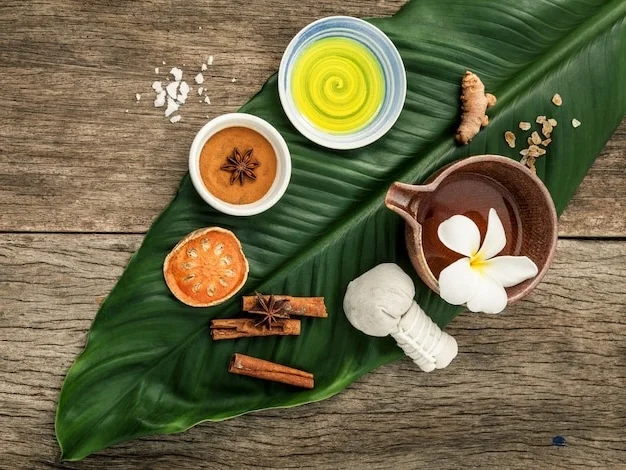
Changeri Ghrita is a classical Ayurvedic medicated ghee (ghrita) formulated primarily with the herb Changeri (Oxalis corniculata), cow's ghee, and curd (dadhi). It is one of the most trusted Ayurvedic preparations for digestive disorders — particularly chronic diarrhea, malabsorption syndrome (Grahani), piles (Arsha), and dysuria. Referenced in the authoritative text Bhaishajya Ratnavali (Grahani Chikitsa chapter), this formulation works by pacifying Vata and Kapha doshas while strengthening the digestive fire (Agni) and restoring integrity to the gut lining. If you're looking for a time-tested, ghee-based remedy for stubborn gut issues that modern medicine often struggles with, Changeri Ghrita deserves your attention.
What Is Changeri Ghrita?
Changeri Ghrita belongs to the category of Sneha Kalpana — medicated lipid preparations in Ayurveda. The word "Changeri" refers to the plant Oxalis corniculata (Indian Sorrel), and "Ghrita" means clarified butter or ghee. When the two are combined through a specific cooking process with additional herbs and curd, the result is a medicated ghee that carries the therapeutic properties of its ingredients deep into the body's tissues (dhatus).
Definition and Classical Reference (Bhaishajya Ratnavali)
- The primary classical reference for Changeri Ghrita is found in Bhaishajya Ratnavali, specifically in the Grahani Chikitsa Prakarana (the chapter on treatment of malabsorption syndrome). Some scholars also trace mentions of similar formulations in Charaka Samhita and Chakradatta.
- The formula is categorized under Sneha Kalpana — one of the five fundamental pharmaceutical preparations in Ayurveda — and is designed to be taken internally (orally).
The original Sanskrit shloka describes the preparation method and ingredients, establishing it as a formulation primarly for Grahani Roga, Atisara (diarrhea), and Arsha (hemorrhoids).
The Role of Changeri (Oxalis corniculata) — The Namesake Herb
This is one aspect that most resources overlook entirely, despite the fact that Changeri is the key ingredient that gives this formulation its name.
Botanical profile: Oxalis corniculata L. (Family: Oxalidaceae) is a small, creeping herb found across tropical and subtropical India. It's commonly known as Indian Sorrel, Creeping Woodsorrel, or "Amrul" in Hindi. Chemical constituents: Research published in the Journal of Ethnopharmacology (2020) and other pharmacognosy studies have identified the following active compounds in Changeri:
- Oxalic acid — in moderate, therapeutically relevant amounts
- Flavonoids (vitexin, isovitexin) — responsible for anti-inflammatory and antioxidant activity
- Tannins — contribute to the astringent, anti-diarrheal action
- Ascorbic acid (Vitamin C) — supports immune function
- Tartaric acid and malic acid — aid digestion
Ayurvedic pharmacology of Changeri:
| Property | Value |
|---|---|
| Rasa (Taste) | Amla (Sour), Kashaya (Astringent) |
| Guna (Quality) | Laghu (Light), Ruksha (Dry) |
| Virya (Potency) | Ushna (Hot) |
| Vipaka (Post-digestive effect) | Amla (Sour) |
| Dosha Karma | Pacifies Kapha and Vata; may mildly increase Pitta |
The sour taste and hot potency of Changeri directly stimulate Agni (digestive fire), making it especially effective for conditions where digestion has become sluggish or erratic. Its astringent property helps bind loose stools and tone the intestinal mucosa.
A 2018 study in the Indian Journal of Pharmaceutical Sciences demonstrated that Oxalis corniculata extract showed significant anti-diarrheal activity in animal models — reducing intestinal motility and fluid accumulation by 40-55% compared to controls. This provides a modern evidence base for what Ayurvedic practitioners have observed clinically for centuries.
Historical Context and Origin
Mention in Classical Ayurvedic Texts
While Bhaishajya Ratnavali (compiled by Govinda Dasji in the 18th century) is the most frequently cited source, the principles behind Changeri Ghrita trace back much further. The concept of using sour herbs with ghee for Grahani treatment appears in Charaka Samhita's Grahani Chikitsa chapter, where Acharya Charaka emphasizes the role of Agni-deepana (kindling digestive fire) and Grahi (absorbent) dravyas. Changeri perfectly fits this therapeutic framework.
Traditional Use in South Indian Ayurveda
In Kerala's Ayurvedic tradition, Changeri Ghrita holds a particularly revered position. Some scholars associate its development or refinement with the Kerala Ashtavaidya lineage — traditional physician families who maintained their own pharmacopoeias. Historical accounts suggest that a Vaidya Changeri Namboothiri, a Brahmin physician from Kerala, may have popularized or systematized this formulation, though this attribution remains debated among scholars.
What's not debated is the formulation's consistent presence in the Kerala Siddha Pharmacopoeia and its continued use by traditional practitioners across South India for managing chronic bowel diseases, especially in patients who haven't responded well to other treatments.
Ingredients of Changeri Ghrita
Complete Ingredient List with Latin Names
| # | Sanskrit Name | Botanical/Common Name | Part Used | Role in Formula |
|---|---|---|---|---|
| 1 | Changeri | Oxalis corniculata L. (Indian Sorrel) | Whole plant / Swarasa (juice) | Primary herb — Agni-deepana, Grahi |
| 2 | Go-Ghrita | Cow's clarified butter (Ghee) | — | Base / Yogavahi (bioenhancer) |
| 3 | Dadhi | Curd / Yogurt | — | Grahi, Agni-deepana |
| 4 | Shunthi | Zingiber officinale (Dry Ginger) | Rhizome | Deepana-Pachana, anti-inflammatory |
| 5 | Pippali | Piper longum (Long Pepper) | Fruit | Bioenhancer, Vata-Kapha shamaka |
| 6 | Maricha | Piper nigrum (Black Pepper) | Fruit | Kapha-nashaka, Agni stimulant |
| 7 | Jeeraka | Cuminum cyminum (Cumin) | Seeds | Carminative, anti-spasmodic |
| 8 | Saindhava Lavana | Rock Salt | — | Deepana, improves taste and absorption |
| 9 | Haritaki | Terminalia chebula (Chebulic Myrobalan) | Fruit | Anulomana, mild laxative and tonic |
| 10 | Matulunga | Citrus medica (Citron) | Fruit juice | Agni-deepana, appetizer |
Note: Some textual variations exist. Certain editions of Bhaishajya Ratnavali include or exclude specific herbs. Always check the specific formulation used by your manufacturer.
The Unique Role of Dadhi (Curd) in the Formula
Here's something fascinating that nobody seems to talk about. Dadhi (curd/yogurt) is an unusual ingredient in a ghrita preparation. Most medicated ghees use water-based decoctions (kashaya) or fresh juice (swarasa) as the liquid medium.
Including curd is distinctive for several reasons:
- 1.Grahi property — Curd is inherently absorbent and binding, making it synergistic with Changeri for treating diarrhea
- 2.Agni enhancement — The lactic acid bacteria and sour taste of dadhi further stimulate digestive fire
- 3.Textural alchemy — During the cooking process, curd's proteins and fats interact with ghee to create a unique lipid matrix that likely improves the bioavailability of herbal actives
- 4.Probiotic precursor — While the cooking process destroys live bacteria, the metabolites and organic acids from curd fermentation remain, potentially supporting gut ecology
This combination of ghee + curd + sour herb is specifically engineered for Grahani — it's not accidental. Acharya designed this formula to address every aspect of the malabsorption pathology simultaneously.
Pharmacological Properties (Rasa, Virya, Vipaka) of the Complete Formula
The overall formulation profile:
- Predominant Rasa: Amla (Sour), followed by Katu (Pungent)
- Virya: Ushna (Hot)
- Vipaka: Madhura (Sweet) — due to the ghee base
- Primary Karma: Deepana (appetizer), Pachana (digestant), Grahi (absorbent), Vatanulomana (corrects Vata direction)
Active Compounds and Mechanism of Action
Synergy of Key Herbs
The genius of Changeri Ghrita lies in its multi-target approach.
Let me break down how different ingredients work together:
- Layer 1 — Digestive Fire (Agni Deepana): Trikatu (Shunthi + Pippali + Maricha) along with Jeeraka and Saindhava Lavana directly stimulate gastric secretions and enzyme activity.
- This addresses the root cause of Grahani — mandagni (weak digestive fire).
Layer 2 — Absorption Enhancement (Grahi): Changeri's astringent tannins plus Dadhi's binding properties reduce excessive intestinal motility and fluid secretion, allowing nutrients to be properly absorbed. Layer 3 — Tissue Nourishment (Dhatu Poshana): Cow's ghee acts as a vehicle that carries herbal actives across cell membranes and nourishes depleted tissues — particularly Rasa and Rakta dhatus that are most affected in chronic malabsorption. Layer 4 — Waste Elimination (Mala Shodhana): Haritaki gently regulates bowel function without causing purgation, ensuring that metabolic waste (Mala) is expelled normally.
How Ghee Acts as a Bioenhancer (Yogavahi)
Ghee is described in Ayurveda as Yogavahi — a substance that enhances the properties of whatever it is combined with, without losing its own qualities.
Modern pharmacology explains this through several mechanisms:
- Lipophilic carrier: Ghee's fatty acid profile (rich in butyric acid, conjugated linoleic acid) facilitates absorption of fat-soluble phytochemicals across the intestinal epithelium
- Butyrate source: Short-chain fatty acids from ghee directly nourish colonocytes (colon lining cells), which is particularly relevant for Grahani patients with compromised gut barriers
- First-pass metabolism bypass: Lipid-based formulations can partially bypass hepatic first-pass metabolism, increasing the systemic bioavailability of herbs
A study in the Journal of Ayurveda and Integrative Medicine (2014) confirmed that ghee-based herbal formulations showed 2-3x higher bioavailability of key phytoconstituents compared to water-based decoctions of the same herbs.
Method of Preparation (Sneha Kalpana)
Step-by-Step Traditional Process
The preparation of Changeri Ghrita follows the classical Sneha Paka Vidhi outlined in Ayurvedic pharmaceutical texts. Here's the detailed process that most resources fail to describe properly:
Step 1 — Kalka Preparation (Herbal Paste)
Shunthi, Pippali, Maricha, Jeeraka, Saindhava, and Haritaki are finely ground into a smooth paste (kalka) using a mortar and pestle or wet grinder. The ratio is typically 1/4th the quantity of ghee.
Step 2 — Drava Dravya Preparation (Liquid Component)
Fresh Changeri swarasa (juice) is extracted by crushing the whole plant and filtering it. Dadhi (fresh curd) and Matulunga swarasa are measured separately. Combined liquid = 4x the quantity of ghee.
Step 3 — Sneha Paka (Cooking Process)
- Take the prescribed quantity of cow's ghee in a heavy-bottomed vessel (ideally brass or stainless steel)
- Heat on mild flame until the ghee melts completely
- Add the herbal paste (kalka) and stir continuously for 5-10 minutes
- Slowly add the liquid components (Changeri juice, curd, citron juice)
- Maintain a low, steady heat — this is critical. The temperature should stay between 80-100°C
- Stir intermittently throughout the cooking process, which typically takes 3 to 5 days on traditional low flame, or 6-8 hours on controlled modern heat
Step 4 — Monitoring and Testing
The mixture progresses through three stages: Mridu Paka (soft), Madhyama Paka (medium), and Khara Paka (hard). For internal consumption, Madhyama Paka is ideal.
Step 5 — Filtration and Storage
Once ready, the ghrita is filtered through a clean muslin cloth while still warm. Store in a glass or food-grade container.
Signs of Proper Preparation (Sneha Siddhi Lakshana)
This is something no other online resource describes adequatley, yet it's essential for quality:
- 1.Shabda Hina (No sound): When a drop of the ghrita is placed on fire, it should burn silently without crackling — indicating all moisture has evaporated
- 2.Varti Vat Kalka: The herbal paste (kalka) should roll into a wick-like shape without sticking — confirming proper moisture elimination
- 3.Characteristic aroma: A pleasant, herb-infused fragrance without any burnt smell
- 4.Color: Golden-yellow to light greenish-yellow, clear and translucent
- 5.Gandha (Smell test): No raw or uncooked smell of herbs remaining
If you see foam formation, hear crackling, or detect a raw herbal smell — the preparation needs more cooking time.
Don't wait or self medicate. Start chat with Doctor NOW
Health Benefits and Indications
Digestive Disorders (Grahani, Bloating, Malabsorption)
The primary indication. Grahani Roga in Ayurveda closely corresponds to Irritable Bowel Syndrome (IBS), malabsorption syndrome, and chronic gastritis in modern terms.
Changeri Ghrita addresses this by:
- Restoring Agni at the Jatharagni (stomach) and Dhatvagni (tissue) levels
- Reducing Ama (metabolic toxins) through its Pachana action
- Healing the duodenal and jejunal mucosa — the "seat of Grahani"
Patients with alternating diarrhea and constipation, undigested food particles in stool, and persistent abdominal discomfort have traditionally shown excellent response to this formulation.
Diarrhea and Dysentery (Atisara)
The Grahi (absorbent) properties of Changeri and Dadhi, combined with the astringent action of Haritaki and tannins from Oxalis corniculata, make this formulation highly effective for both acute and chronic diarrhea. It works by reducing intestinal hypermotility and excessive fluid secretion — the same mechanisms confirmed by the 2018 pharmacological study mentioned earlier.
Piles (Arsha)
- Changeri Ghrita helps in non-bleeding and dry piles (Shushka Arsha) where Vata and Kapha are predominant.
- It addresses the root cause — disturbed Agni leading to constipation and straining — rather than just the symptoms.
Dysuria and Urinary Issues (Mutrakricchra)
The diuretic and anti-inflammatory properties of Oxalis corniculata contribute to this benefit. It helps in painful or burning urination, especially when associated with Vata vitiation. Some traditional practitioners also recommend it for mild urinary tract discomfort.
Joint Health and Vata Disorders
While not its primary indication, the Vata-pacifying nature of ghee combined with Ushna Virya herbs provides secondary benefits for joint stiffness, cracking sounds, and general Vata-type body pain. Long-term use helps lubricate joints from within.
Menstrual Cramps and Women's Health
A lesser-known but clinically observed benefit. Traditional Vaidyas in Kerala have used Changeri Ghrita for dysmenorrhea (painful periods) associated with Vata aggravation. The antispasmodic action of Changeri and the smooth muscle relaxant effect of Pippali contribute to this application.
Applications in Pediatrics (Bala Roga)
Children frequently suffer from digestive complaints — loose stools, poor appetite, malabsorption leading to failure to thrive. Changeri Ghrita, in reduced doses and under strict medical supervision, has been traditionally used in pediatric practice. Its ghee base makes it palatable for children and easy to administer mixed with warm rice or milk. Dosage adjustments for children are discussed in the dosage section below.
Doshic Suitability
Vata and Kapha Pacification
Changeri Ghrita's Ushna Virya and Amla-Katu Rasa profile makes it primarily a Vata-Kapha Shamaka.
It addresses:
- Vata disorders: By providing unctuousness (Snigdha guna of ghee), warmth (Ushna virya), and grounding heaviness
- Kapha disorders: Through Ushna and Tikshna properties of Trikatu that cut through Kapha accumulation in the GI tract
It also influences specific Srotas (channels) and Dhatus:
| Srotas | Effect |
|---|---|
| Annavaha (GI tract) | Primary target — Deepana, Pachana, Grahi |
| Purishavaha (Excretory) | Normalizes stool consistency and frequency |
| Mutravaha (Urinary) | Mildly diuretic, reduces burning |
| Rasavaha (Lymphatic/Plasma) | Nourishes Rasa dhatu through improved absorption |
Precautions for Pitta Prakriti
Because of its Ushna Virya and Amla dominant taste, Changeri Ghrita can potentially increase Pitta in individuals with predominant Pitta constitution or those already experiencing Pitta-type symptoms (hyperacidity, gastric burning, bleeding disorders). Such individuals should use it only under medical guidance, often with a cooling Anupana like milk or in modified doses.
Dosage and Administration
Recommended Dosage for Adults
| Patient Type | Dosage | Frequency | Anupana (Vehicle) |
|---|---|---|---|
| Adult (general) | 5-10 ml (1-2 teaspoons) | Twice daily, before meals | Warm water or buttermilk |
| Adult (severe Grahani) | 10-15 ml | Twice daily, before meals | Warm rice gruel (Peya) |
| Elderly | 5 ml | Once or twice daily | Warm milk or water |
Dosage for Children
| Age Group | Dosage | Notes |
|---|---|---|
| 2-5 years | 1-2 ml (¼ teaspoon) | Mixed with warm milk or rice |
| 5-12 years | 2-5 ml (½-1 teaspoon) | Before meals with warm water |
Always consult a qualified Ayurvedic physician before administering to children.
Best Time, Seasonality, and Anupana Recommendations
Timing: Best taken on an empty stomach, 30 minutes before meals. Morning and evening doses are ideal. Seasonality: Most beneficial during Varsha Ritu (monsoon season, July-September) and Shishira Ritu (late winter, January-February) — periods when Vata aggravation and digestive disturbances are naturally more prevalent. Use with caution in Grishma Ritu (summer) when Pitta tends to be elevated. Anupana options by condition:
- Grahani → Takra (buttermilk) or warm water
- Arsha → Warm water with a pinch of Haritaki powder
- Dysuria → Coconut water or cooled boiled water
- General wellness → Warm milk
Changeri Ghrita vs Other Medicated Ghees — When to Choose What
This is a question many patients and practitioners face.
Here's a practical comparison:
| Parameter | Changeri Ghrita | Panchatikta Ghrita | Shatavari Ghrita | Triphala Ghrita |
|---|---|---|---|---|
| Primary Focus | Grahani, diarrhea, piles | Skin diseases, Pitta disorders | Female reproductive health, lactation | Eye health, general detox |
| Dosha Action | Vata-Kapha ↓ | Pitta ↓ | Vata-Pitta ↓ | Tridosha balancing |
| Virya | Ushna (Hot) | Sheeta (Cool) | Sheeta (Cool) | Sheeta (Cool) |
| Best For | Chronic digestive issues | Chronic skin conditions, inflammatory arthritis | Menopausal symptoms, infertility | Eye disorders, constipation |
| Contains Curd? | Yes (unique) | No | No | No |
| Pitta Safe? | Caution needed | Very safe for Pitta | Safe for Pitta | Generally safe |
Bottom line: Choose Changeri Ghrita when the primary complaint is digestive — especially Grahani, chronic diarrhea, or piles with Vata-Kapha dominance. For Pitta-type digestive issues (hyperacidity, ulcers), Panchatikta Ghrita or Shatavari Ghrita may be more appropriate.
Interaction with Modern Medicines
This is a critical gap in existing literature. While no formal drug-interaction studies exist specifically for Changeri Ghrita, the following precautions are warranted based on the pharmacology of its ingredients:
- Anti-diabetic drugs: Pippali and Maricha may potentiate hypoglycemic effects. Monitor blood sugar closely
- Anticoagulants (Warfarin, Aspirin): Pippali is known to enhance bioavailability of co-administered drugs through its effect on CYP450 enzymes. This could theoretically amplify anticoagulant effects
- Antacids and PPIs: The Ushna Virya and Agni-stimulating action may partially counteract the acid-suppressing mechanism of these drugs
- Iron supplements: Oxalic acid from Changeri may reduce iron absorption. Separate intake by at least 2 hours
General rule: Maintain a gap of at least 1-2 hours between Changeri Ghrita and any modern medication. Always inform both your Ayurvedic and allopathic doctors about concurrent treatments.
Diet and Lifestyle During Treatment (Pathya-Apathya)
Pathya (Favorable)
- Foods: Old rice (Purana Shali), moong dal, buttermilk, pomegranate, lightly cooked vegetables, warm soups
- Lifestyle: Regular meal times, adequate sleep, gentle walking after meals, stress management through Pranayama
- Spices: Cumin, coriander, fennel, turmeric, ginger — in moderate amounts
Apathya (To Avoid)
- Foods: Heavy, oily, fried foods; raw salads; cold drinks; excessive dairy (except curd in moderation); junk food; leftover or stale food
- Substances: Alcohol, smoking, excessive caffeine
- Behaviors: Irregular eating patterns, sleeping during daytime, suppressing natural urges (especially defecation and urination), excessive fasting
Storage, Shelf Life, and Signs of Spoilage
Another area that no competitor covers — and it matters, because improperly stored ghrita can lose potency or become harmful.
| Parameter | Recommendation |
|---|---|
| Container | Glass jar with airtight lid (avoid plastic) |
| Temperature | Cool, dry place away from direct sunlight; room temperature (20-30°C) is fine |
| Shelf Life | Generally 2-3 years if stored properly; some texts claim ghee becomes more potent with age (Purana Ghrita) |
| Hygiene | Always use a dry, clean spoon. Never introduce moisture into the container |
Signs of spoilage:
- Rancid or sour smell (different from the natural herb-infused aroma)
- Mold growth on the surface
- Change in color to dark brown or grey
- Bitter taste that wasn't present initially
Discard immediately if any of these signs are observed.
Side Effects and Contraindications
Changeri Ghrita is generally considered safe when taken in recommended doses under medical guidance.
However:
Possible side effects:
- Mild gastric warmth or acidity in Pitta-predominant individuals
- Loose stools initially in some patients (usually self-limiting)
- Nausea if taken in excessive doses
Contraindications:
- Acute fever (Jwara) — ghee should not be taken during fever
- Hyperlipidemia or high cholesterol — ghee-based formulations need caution
- Obesity (Sthaulya) — unless specifically recommended by a physician
- Acute hepatitis or jaundice — impaired fat metabolism
- Pregnancy — not recommended unless specifically prescribed by an experienced Vaidya
- Kapha-dominant conditions with Ama (toxin accumulation) — the ghee may worsen Ama before Agni is restored
Important: Do not self-medicate. The dosage, duration, and suitability need to be assessed by a qualified Ayurvedic practitioner based on your individual Prakriti, Vikriti, and current state of Agni.
Quality, Sourcing, and Choosing a Manufacturer
When purchasing Changeri Ghrita, consider:
- 1.GMP Certification: Look for products manufactured in GMP-certified facilities as per AYUSH Ministry guidelines
- 2.Classical reference mentioned: Reputable products mention the source text (Bhaishajya Ratnavali) on the label
- 3.Ingredient transparency: Full ingredient list with proportions should be visible
- 4.Ghee source: Products made from pure cow's ghee (A2 preferred) are superior to those using buffalo ghee or mixed fats
- 5.Manufacturing date and expiry: Should be clearly printed
- 6.Reputable brands: Choose established Ayurvedic pharmacies with a track record — Arya Vaidya Sala (Kottakkal), Nagarjuna, SDM Ayurveda, or SNA Oushadhasala for traditional Kerala preparations
Myths and Realities
Myth 1: "Changeri Ghrita cures IBS permanently." Reality: It manages symptoms effectively and can bring about long-lasting remission, but lifestyle and dietary factors must be addressed simultaneously. There's no permanent "cure" without sustained discipline. Myth 2: "It's just ghee with herbs — any ghee will do the same." Reality: The Sneha Paka process chemically transforms the preparation. Plain ghee mixed with herbal powder is not equivalent to properly prepared Changeri Ghrita. The cooking process extracts lipid-soluble compounds that wouldn't be available otherwise. Myth 3: "It can be taken by anyone, anytime." Reality: As discussed, Pitta-dominant individuals, pregnant women, and those with certain conditions must exercise caution. Timing, season and individual constitution all matter.
Frequently Asked Questions (FAQ)
What is the common name for Changeri?
Changeri (Oxalis corniculata) is commonly known as Indian Sorrel or Creeping Wood Sorrel in English. In Hindi, it's called Amrul or Tinpatiya (three-leaved). In Tamil, it's Puliyarai; in Malayalam, Puliyarila. The plant is easily recognizable by its small trifoliate (three-part) leaves that resemble tiny clovers and fold down at night.
What is ghrita used for in Ayurveda?
Ghrita (medicated ghee) is one of the most versatile dosage forms in Ayurveda. It's used for improving digestion, nourishing tissues, enhancing memory and intellect, treating skin diseases, supporting reproductive health, and as a vehicle (Anupana) to carry herbs deep into tissues. Different ghrita formulations serve different therapeutic purposes — Changeri Ghrita for digestion, Brahmi Ghrita for cognition, Phala Ghrita for fertility, and so on.
How to remove Ama from the body before starting Changeri Ghrita?
Before initiating Changeri Ghrita, it's often advisable to clear Ama (metabolic toxins) through: (1) Deepana-Pachana with herbs like Chitrakadi Vati or Trikatu Churna for 3-5 days, (2) light fasting or eating only Khichdi/Peya for 1-2 days, (3) drinking warm water with ginger throughout the day. Signs that Ama has cleared include return of appetite, clear tongue coating, proper bowel movements and a feeling of lightness. Only then should Sneha (ghee therapy) be initiated for maximum benefit.
Can Changeri Ghrita be prepared at home?
Yes, if you can source authentic ingredients and follow the Sneha Paka method precisely. However, achieving proper Sneha Siddhi Lakshana (signs of correct preparation) requires experience. For most people, purchasing from a reputable GMP-certified manufacturer is safer and more practical. Incorrect preparation can result in either an under-cooked product (retaining moisture and becoming a bacterial medium) or an over-cooked one (destroying active compounds).
How long does it take for Changeri Ghrita to show results?
Most patients report improvement in digestive symptoms within 2-4 weeks of regular use. Chronic Grahani conditions may require 2-3 months of consistent treatment along with dietary modifications. The duration depends heavily on the severity and chronicity of the condition, patient compliance with Pathya-Apathya, and the strength of the individual's Agni.
Is Changeri Ghrita available online, and what is its approximate price?
Yes, it's available from major Ayurvedic brands online. Typical pricing ranges from ₹150-350 for a 100 ml bottle, depending on the manufacturer and purity of ingredients. Always verify authenticity and check manufacturing dates when buying online.
Conclusion
Changeri Ghrita is a remarkably well-designed classical formulation that addresses digestive disorders at their root — weakened Agni and vitiated Vata-Kapha. Its unique combination of Changeri, Trikatu, curd, and cow's ghee creates a synergistic preparation that modern gastroenterology is only beginning to understand through the lens of gut barrier integrity, microbiome support, and bioavailability enhancement.
Whether you're dealing with chronic Grahani, recurring diarrhea, or persistent digestive discomfort that hasn't responded to conventional treatment, Changeri Ghrita offers a time-tested, evidence-informed option worth exploring — but always under the guidance of a qualified Ayurvedic physician who can assess your individual constitution and tailor the treatment accordingly.
Consult an experienced Ayurvedic doctor to determine if Changeri Ghrita is right for your specific condition, get personalized dosage recommendations, and create a comprehensive treatment plan that includes dietary and lifestyle modifications for lasting results.
*Disclaimer: This article
Scientific Sources
- Health benefits of ghee: Review of Ayurveda and modern science perspectives — Kataria D et al., 2024, Journal of Ayurveda and integrative medicine
- From tradition to science: Possible mechanisms of ghee in supporting bone and joint health — Falahatzadeh M et al., 2024, Prostaglandins & other lipid mediators
- Panchgavya: A precious gift to humankind — Bajaj KK et al., 2022, Journal of Ayurveda and integrative medicine
- Preparation and physicochemical characterization of ghee and mūrcchita ghŗ̥ta — Lamsal B et al., 2020, Journal of Ayurveda and integrative medicine
- Further observations on ghee as a risk factor for neonatal tetanus — Bennett J et al., 1995, International journal of epidemiology
Questions from users
Can Changeri Ghrita be used for inflammation relief?
Zachary
6 days ago
Changeri Ghrita may offer inflammation relief primarily due to its anti-inflammatory properties, although it is traditionally utilized for specific conditions such as piles and urinary issues. It contains Oxalis corniculata, which has been known to provide diuretic and anti-inflammatory effects. While it could potentially help with inflammation, its primary indications focus on digestive and urinary disorders. Always consult a healthcare provider for persistent inflammation, as this could be an indication of an underlying condition that requires medical attention.
How do I prepare my body for using Changeri Ghrita effectively?
Chloe
15 days ago
To get your body ready for Changeri Ghrita, it's key to remove those pesky metabolic toxins, known as Ama. Try starting with Deepana-Pachana using herbs like Trikatu Churna for 3-5 days. Maybe do some light fasting or stick to eating Khichdi. Warm water with ginger is your buddy too. Cleansing helps the ghrita work more effectively. Hope this helps!
What herbs are used in the preparation of Changeri Ghrita and what are their benefits?
Carter
24 days ago
Changeri Ghrita typically includes herbs like Shunthi (ginger), Pippali (long pepper), Maricha (black pepper), Jeeraka (cumin), Saindhava (rock salt), and Haritaki (Terminalia chebula). These herbs support digestion, increase agni (digestive fire), balance doshas, and help with gut health. It's great for supporting overall digestive harmony.
What is the best time of day to take Changeri Ghrita for effective results?
Makayla
34 days ago
For taking Changeri Ghrita, early morning is usually best, on an empty stomach. This aligns with Agni's natural rhythm, giving it a good start for digestion and absorption. But always check with a practitioner, cuz it might differ based on your dosha or specific health needs. So, what works best might vary person to person!
How often should I apply Changeri Ghrita for best results?
Samantha
43 days ago
It's tough to give a one-size-fits-all answer because it depends on your specific issue. Generally, start applying it once or twice a day and see how your body responds. If you're unsure or have unique health concerns, it’s best to consult with an Ayurvedic practitioner. Just keep an eye on how your body feels and adjust as needed!
Can I use Changeri Ghrita for hair health and growth?
Samuel
53 days ago
You can use Changeri Ghrita for hair health, but it's more known for internal benefits like joint health and digestion. For hair, it's always better to use oils specifically recommended for hair health, like bhringraj or coconut oil. Topically, some people do try ghrita, but results can vary. If you're intrigued, patch test first!
Is it safe to use Changeri Ghrita during pregnancy?
Xanthe
62 days ago
Using Changeri Ghrita during pregnancy can be safe but it’s super important to talk to an Ayurvedic practitioner or healthcare professional first. They’ll consider your unique body constitution and any dosha imbalances. Always start small and watch for any reactions. Each person’s experience can be different, so personal guidance is key here.
What is the role of doshas in determining the effectiveness of Changeri Ghrita?
Jack
72 days ago
Doshas play a big role in Changeri Ghrita's effectiveness! This ghee mainly helps balance Vata and Pitta doshas by soothing digestion and inflammation. If your body's dosha is imbalanced, it affects how well the formula works. Make sure to match it with your personal dosha, or talk to an Ayurvedic expert for the best results!
What is the best way to store Changeri Ghrita to maintain its effectiveness?
Quincy
81 days ago
To keep your Changeri Ghrita effective, store it in a cool, dry place away from direct sunlight. Since ghee can be sensitive to heat, ensure it's in an airtight jar to maintain its essence. You might wanna avoid frequent opening to minimize exposure to air and moisture too.. Just keep it as natural and protected as possible! 😊
Can Changeri Ghrita help with skin healing and improving skin conditions?
John
91 days ago
Yes, Changeri Ghrita can help with skin healing thanks to its nourishing properties! By massaging warm Changeri Ghrita onto affected areas, it can soothe inflammation and nourish the skin. Just make sure to follow any specific guidance from your practitioner and watch for any adverse reactions. Always a good idea to start with small amounts.
Related articles

General Medicine
Nishamalaki Benefits, Dosage, Ingredients
Exploration of Nishamalaki Benefits, Dosage, Ingredients
2,682
General Medicine
Rakta Pachak Vati Uses: Detoxify, Purify Blood & Boost Metabolism Holistically!
Learn how Rakta Pachak Vati, an Ayurvedic remedy, helps detoxify the blood, improve skin health, and promote overall wellness.
5,619

General Medicine
Chandan Bala Lakshadi Tel
Exploration of Chandan Bala Lakshadi Tel
1,468

General Medicine
Akik Pishti: Benefits, Dosage, Ingredients, Side Effects
Exploration of Akik Pishti: Benefits, Dosage, Ingredients, Side Effects
2,992

General Medicine
Boost Your Energy with Ashwagandhadi Yamakam: An Ayurvedic Solution
Discover Ashwagandhadi Yamakam, its benefits, proper dosage, side effects, and the scientific research supporting its use as an effective Ayurvedic detoxification and wellness formulation.
2,652
General Medicine
Hastidanta Masi: Benefits, Preparation & Scientific Insights
Discover the benefits, uses, preparation methods, and scientific research behind Hastidanta Masi, a potent Ayurvedic remedy for holistic health.
4,362

General Medicine
Murivenna Oil Uses How To Use Side Effects Ingredients Reference
Exploration of Murivenna Oil Uses How To Use Side Effects Ingredients Reference
2,833

General Medicine
Laghu Soota Mishran
Laghu Soota Mishrana is an Ayurvedic preparation made from a combination of natural ingredients, including herbs and purified sulfur (Soota). It is designed to balance the three doshas—Vata, Pitta, and Kapha—and support overall health.
2,697

General Medicine
Peedanil Gold: How to Use It for Pain Relief and Joint Support
Learn how to use Peedanil Gold, its key benefits for joint pain, dosage instructions, and possible side effects. Discover Ayurvedic insights here
3,572
General Medicine
Anandayya Medicine: What’s Really Behind This Ayurvedic Buzz?
To give you a quick primer: Anandayya medicine isn’t some mysterious powder sold under candlelight in the back of an ashram. It’s actually a formulation that sparked major attention during the COVID-19 pandemic in India — and not just within wellness circ
3,786
Related consultations on the topic
Legal
Additional Documents
© 2024 Ask Ayurveda. All rights reserved.