FREE! Ask Ayurvedic Doctors 24/7

 Fast responses
 1000+ verified doctors
Chandan Bala Lakshadi Tel: Benefits and Uses of This Traditional Ayurvedic Oil

Chandan Bala Lakshadi Tel is a classical Ayurvedic medicated oil formulated primarily with sandalwood (Chandan), Bala (Sida cordifolia), and Laksha (lac resin) — processed in sesame oil and cow's milk. It is used externally for cooling the body, relieving burning sensations, reducing inflammation, soothing skin conditions, and strengthening bones and muscles. Referenced in the Ayurvedic text Ayurved Saar Sangrah, this oil holds a prominent place in traditional Indian medicine for both adults and children, particularly for Pitta-Vata imbalances.
If you've been searching for a single, comprehensive resource on this oil — what it contains, how it works, who should use it, and what the science says about its ingredients — you're in the right place. This guide covers everything competitors miss.
What Is Chandan Bala Lakshadi Tel?
- Chandan Bala Lakshadi Tel (also spelled Chandanbala Lakshadi Taila or Thailam) is a polyherbal medicated oil belonging to the Taila Prakarana (oil preparations) category in Ayurvedic pharmacology.
- The name itself reveals the three hero ingredients: Chandan (sandalwood), Bala (country mallow), and Laksha (lac). These are cooked together with a base of sesame oil (Tila Taila) and cow's milk (Go Ksheera) following a specific process called Sneha Paka Vidhi, where the oil absorbs the therapeutic qualities of each herb through prolonged heating.
The oil is exclusively meant for external application — primarily massage (Abhyanga). It is not an oral supplement.
Historical Background & Classical References
The formulation finds its reference in Ayurved Saar Sangrah, a respected compendium of Ayurvedic formulations widely used by practitioners and pharmaceutical companies across India. Unlike some modern proprietary formulations, Chandan Bala Lakshadi Tel has roots stretching back centuries in the classical Ayurvedic tradition.
The original Sanskrit shloka describes the oil as beneficial for daha (burning sensation), shoola (pain), twak vikar (skin disorders), and kshaya (emaciation or tissue depletion). Some traditional texts also reference it under formulations for Balrog Chikitsa (pediatric care), specifically for conditions like rickets and general weakness in children — a use that remains clinically relevant today.
Ayurvedic Significance & Dosha Balancing
From the Ayurvedic perspective, this oil primarily pacifies Pitta dosha due to the cooling nature of sandalwood, and secondarily calms Vata dosha through the nourishing, strengthening properties of Bala and sesame oil. This dual-dosha action makes it versatile.
However — and this is something no competitor mentions — individuals with a predominant Kapha constitution should use it with caution. The oil is heavy (guru) and unctuous (snigdha), which are qualities that can aggravate Kapha if used excessively, especially in cold, damp weather or during the Vasanta (spring) season. The ideal seasons for application are Grishma (summer) and Sharad (autumn), when Pitta tends to be naturally elevated.
Key Ingredients & Their Therapeutic Properties
Understanding the ingredients is crucial because the oil's effectiveness comes from the synergistic action of multiple herbs. Below is a detailed breakdown.
Sandalwood (Chandan) — Santalum album
Sandalwood is the primary cooling agent in this formulation. Its active compound, α-santalol, has been studied for anti-inflammatory and antimicrobial activity. A 2017 study published in Planta Medica demonstrated that sandalwood oil exhibits significant anti-inflammatory effects through suppression of COX-2 enzyme activity. In Ayurveda, Chandan is classified as sheetal virya (cold potency) and is considered one of the best herbs for pacifying Pitta and treating skin conditions.
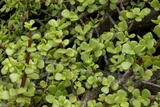
Bala — Sida cordifolia
Bala literally means "strength" in Sanskrit, and this herb lives up to its name. It is a potent Balya (strengthening) and Brimhana (nourishing) herb. Pharmacological research published in the Journal of Ethnopharmacology (2011) confirmed that Sida cordifolia contains ephedrine alkaloids and possesses analgesic, anti-inflammatory, and cardioprotective properties. In this oil, Bala contributes to muscle and bone strengthening, making it particularly useful for musculoskeletal complaints and pediatric weakness.
Laksha — Laccifer lacca (Lac Resin)
Laksha is the resinous secretion of the lac insect. This might sound unusual, but it's been a staple in Ayurvedic bone-healing formulations for centuries. Laksha is rich in natural compounds that promote Asthi Sandhankar (bone union) activity. Modern pharmacological studies, including one published in BMC Complementary Medicine and Therapies (2020), showed that lac-based formulations can stimulate osteoblast activity — the cells responsible for bone formation. This makes the oil especially relevant for rickets in children and fracture recovery.
Other Important Herbs in the Formulation
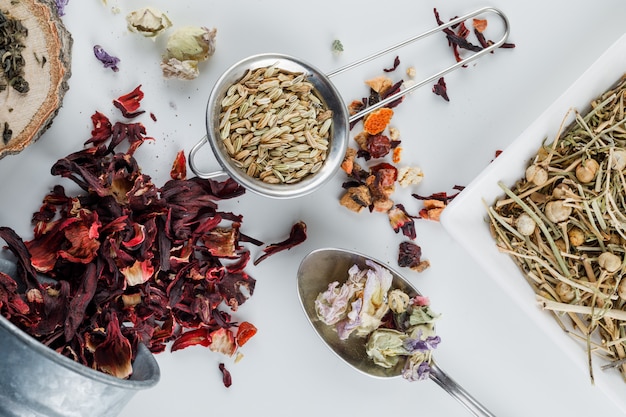
The complete formulation includes several additional herbs, each contributing specific therapeutic actions:
| Ingredient | Latin/Scientific Name | Key Ayurvedic Action |
|---|---|---|
| Kutki | Picrorhiza kurroa | Liver protectant, Pitta-pacifying, antipyretic |
| Manjistha | Rubia cordifolia | Blood purifier, improves skin complexion |
| Ashwagandha | Withania somnifera | Adaptogenic, strengthens muscles and nerves |
| Turmeric (Haridra) | Curcuma longa | Anti-inflammatory, wound healing |
| Devadaru | Cedrus deodara | Analgesic, anti-inflammatory, Vata-pacifying |
| Nagkeshar | Mesua ferrea | Hemostatic, skin-soothing |
| Dalchini (Cinnamon) | Cinnamomum zeylanicum | Improves circulation, warming carminative |
| Padmaka | Prunus cerasoides | Skin complexion enhancer, cooling |
| Musta (Nagarmotha) | Cyperus rotundus | Digestive, anti-inflammatory |
| Yashtimadhu (Licorice) | Glycyrrhiza glabra | Skin rejuvenation, anti-inflammatory |
Base Oil & Processing — Sesame Oil and Cow Milk
The base oil is Tila Taila (sesame oil), chosen deliberately for its ability to penetrate deep into skin tissues (Sukshma property). According to Ayurvedic pharmacology, sesame oil is the best medium for medicated oil preparations because it can absorb and carry the therapeutic properties of herbs into the dhatus (body tissues).
Cow's milk (Go Ksheera) serves as a secondary liquid medium during the cooking process. It enhances the cooling and nourishing qualities of the final product while ensuring smooth extraction of water-soluble active compounds from the herbs — compounds that sesame oil alone cannot extract. This dual-medium processing is what makes classical Ayurvedic oils distinctly more effective than simple herbal infusions.
Benefits & Indications: What Is Chandan Bala Lakshadi Tel Used For?
This oil has a remarkably broad therapeutic profile. Here are the primary indications, organized by category.
Skin Health & Rejuvenation
The oil is perhaps most widely used for skin-related complaints.
Its cooling nature makes it effective for:
- Burning sensation (Daha) — whether caused by sunburn, chemical irritation, or Pitta aggravation
- Eczema and dermatitis — the anti-inflammatory action of sandalwood and turmeric reduces itching and redness
- Acne and blemishes — Manjistha and Padmaka improve skin complexion and reduce hyperpigmentation
- Dry, rough skin — sesame oil base deeply moisturizes and nourishes
A practical tip: for skin conditions, apply a thin layer to the affected area and gently massage for 5-10 minutes. Do not apply to broken skin or open wounds.
How Does Chandan Bala Lakshadi Tel Help with Joint Pain?
The combination of Ashwagandha, Bala, and Devadaru creates a potent anti-inflammatory and analgesic action.
The oil works by:
- Penetrating through the skin into deeper tissue layers (Mamsa and Asthi dhatus)
- Reducing local inflammation by modulating inflammatory mediators
- Improving blood circulation to the affected joint, promoting nutrient delivery and waste removal
- Pacifying Vata dosha, which is the primary driver of pain in Ayurvedic pathology
This makes it useful for arthritis, myalgia, stiffness, and general musculoskeletal pain. For joint pain specifically, warm the oil slightly before application and massage in circular motions around the joint for 15-20 minutes.
Respiratory Conditions — Cough, Asthma & Pulmonary Issues
- While it may seem counterintuitive for a topical oil to help with respiratory issues, Ayurveda has long recognized the value of chest and back massage (Uras Abhyanga) for cough and breathing difficulties.
- The oil's ingredients — particularly Devadaru, Dalchini, and Yashtimadhu — have bronchodilatory and mucolytic properties when absorbed through the skin. Apply to the chest and upper back before bedtime for best results.
Pediatric Use — Rickets, Sukha Rog & General Weakness in Children
This is one of the most important traditional applications that deserves more attention than it typically receives. In Ayurveda, Sukha Rog refers to a condition in children characterized by emaciation, weakness, poor bone development, and failure to thrive — symptoms that overlap significantly with modern diagnoses of rickets and malnutrition.
Pediatric Application Protocol
No competitor provides a specific protocol, so here's a practical guide based on traditional practice:
| Age Group | Amount of Oil | Frequency | Duration |
|---|---|---|---|
| 6 months – 1 year | 5-10 ml (1-2 tsp) | Once daily | 30-45 days |
| 1 – 3 years | 10-15 ml | Once daily | 30-60 days |
| 3 – 7 years | 15-20 ml | Once or twice daily | 45-90 days |
| 7 – 12 years | 20-30 ml | Once or twice daily | As directed |
- Important: Always perform a patch test on a small area of the child's skin before full-body application.
- Massage gently — children's skin is delicate and doesn't require firm pressure.
Chronic Fever & General Debility
The oil is indicated in cases of Jwara (fever) — not as a replacement for anti-fever medication, but as a supportive therapy during recovery. After the acute fever phase has passed, gentle massage with this oil helps restore strength, reduce residual body aches, and nourish depleted tissues.
How to Apply Chandan Bala Lakshadi Tel — Step-by-Step Abhyanga Guide
Most resources simply say "massage on the affected area." That's not very helpful. Here's a proper step-by-step guide.
Preparation
- 1.Warm the oil slightly — place the bottle in a bowl of warm water for 5-7 minutes. The oil should be comfortably warm, not hot. Never microwave Ayurvedic oils.
- 2.Choose the right time — morning before bath (for daily wellness) or evening before bed (for pain/skin conditions).
- 3.Ensure the room is warm and free of drafts.
Application Technique
- Take the appropriate amount (15-30 ml for adults) in your palm
- Begin with the scalp (if doing full-body Abhyanga) — apply oil and massage with fingertips in circular motions
- Move to the face and ears — gentle, upward strokes
- Neck and shoulders — use long strokes along the muscles
- Arms — long strokes on the long bones, circular motions on joints (elbows, wrists)
- Chest and abdomen — broad, clockwise circular movements on the abdomen
- Back — if possible, use long downward strokes; ask someone to help
- Legs — same principle: long strokes on long bones, circular on knees and ankles
- Feet — spend extra time here; the soles have important marma points.
- Caution: feet will be slippery after oiling — use care when walking or wear cotton socks
- Leave the oil on for 20-30 minutes, then bathe with lukewarm water and a mild cleanser
Compatibility with Steam Therapy
If you're combining oil massage with Swedana (steam therapy), apply the oil before the steam session, not after. The heat from steam opens skin pores and enhances absorption of the medicated oil. Apply oil → rest for 10 minutes → take steam for 10-15 minutes → rest → bathe.
Comparison with Similar Ayurvedic Oils
This is something no other resource provides, and it's genuinely useful for anyone trying to choose the right oil.
| Feature | Chandan Bala Lakshadi Tel | Bala Tailam | Chandanadi Tailam | Lakshadi Tailam |
|---|---|---|---|---|
| Primary Dosha | Pitta-Vata | Vata | Pitta | Vata-Pitta |
| Cooling Effect | Strong | Mild | Strong | Moderate |
| Bone Strengthening | Yes (Laksha) | Mild | No | Yes (Laksha) |
| Skin Conditions | Excellent | Moderate | Excellent | Moderate |
| Joint Pain | Good | Excellent | Moderate | Good |
| Pediatric Use | Traditional | Common | Uncommon | Traditional |
| Key Differentiator | Triple-action: cooling + strengthening + skin | Pure Vata focus | Pure cooling | Bone-focused |
| Best Season | Summer/Autumn | Winter/Monsoon | Summer | All seasons |
Bottom line: If you need a single oil that cools the body, strengthens bones, and addresses skin issues, Chandan Bala Lakshadi Tel is the most versatile option. If your primary concern is purely Vata-related pain without Pitta involvement, Bala Tailam might be more appropriate.
Side Effects, Precautions & Contraindications
Are There Known Side Effects?
No significant side effects have been reported when used externally as directed. The oil is generally well-tolerated by most individuals.
However, it's important to note:
- Allergic reactions are rare but possible — always do a patch test, especially if you have sensitive skin or known allergies to sesame
- Not for internal consumption — this is strictly an external application oil
- Staining — the oil may stain light-colored clothing due to turmeric and Manjistha content
Specific Contraindications (What Competitors Miss)
No competitor website provides a clear list of contraindications.
Here it is:
- Open wounds or cuts — do not apply to broken skin
- Active skin infections with pus or oozing — wait until the acute infection is controlled
- Fungal infections — the oily medium can worsen certain fungal conditions
- Immediately before sun exposure — some ingredients may increase photosensitivity
- High Kapha conditions — excessive congestion, edema, or obesity may be worsened by heavy oil application
Pregnancy and Lactation
The oil can generally be used during pregnancy for general massage, but with important caveats:
- Avoid application on the abdominal area during the first trimester
- Use under the guidance of a qualified Ayurvedic practitioner
- During lactation, the oil is considered safe for both mother and baby massage, but avoid applying near the breast area before feeding
Storage and Shelf Life
- Shelf life: 3 years from the date of manufacture (when stored properly)
- Store in a cool, dry place away from direct sunlight
- Keep the cap tightly closed after each use
- Do not refrigerate — it may alter the oil's consistency
Dietary Recommendations During Treatment (Pathya-Apathya)
This is an area completely ignored by every competitor, yet it's fundamental to Ayurvedic treatment. When using Chandan Bala Lakshadi Tel regularly, following appropriate diet guidelines enhances results.
Foods to Favor (Pathya)
- Cooling foods: cucumber, coconut water, coriander, fennel, mint
- Sweet and bitter taste foods: rice, ghee, milk, green leafy vegetables
- Adequate hydration — warm water throughout the day
Foods to Avoid (Apathya)
- Excessive spicy, sour, and salty foods (aggravate Pitta)
- Fermented foods in excess — pickles, vinegar-based items
- Alcohol and caffeine — these create heat in the body and counteract the oil's cooling effect
- Deep-fried and processed foods
How to Identify Authentic Chandan Bala Lakshadi Tel
With the growing popularity of Ayurvedic products, counterfeit or sub-standard oils are an unfortunate reality.
Here's how to verify authenticity:
- 1.Check the manufacturer — reputable companies include Baidyanath, Kottakkal Arya Vaidya Sala, Nagarjuna, and Sitaram Ayurveda. Look for GMP certification on the label.
- 2.Smell test — genuine oil should have a distinct sandalwood aroma, not an artificial fragrance. If it smells overly sweet or chemical, question it.
- 3.Color — typically a light to medium golden-brown. Very pale or very dark oil may indicate improper preparation.
- 4.Consistency — should be smooth and non-gritty. Any sediment or graininess suggests poor filtration.
- 5.Label information — must include batch number, manufacturing date, expiry date, complete ingredient list, and manufacturer's address. In India, the product should carry an Ayush license number.
- 6.Available volumes — typically sold in 50 ml, 100 ml, 200 ml, 500 ml, and 1000 ml packaging depending on the manufacturer
Combining with Other Ayurvedic Treatments
Compatible Internal Medicines
When treating complex conditions, Ayurvedic practitioners often prescribe Chandan Bala Lakshadi Tel alongside internal formulations:
- For bone weakness/rickets: Combine with Lakshadi Guggulu (internal) and calcium-rich Praval Pishti
- For skin conditions: Pair with Mahamanjisthadi Kashayam (internal blood purifier)
- For joint pain: Use alongside Rasnadi Kashayam or Maharasnadi Kashayam
- For general debility: Combine with Ashwagandhadi Lehyam or Chyawanprash
Note: Always consult a qualified Ayurvedic doctor before combining treatments. Self-medication with multiple formulations can lead to imbalances.
Compatible External Therapies
- Swedana (steam therapy) — as described above
- Patra Pinda Sweda (herbal bolus massage) — the oil can be used as the base before applying herbal boluses
- Shirodhara — while traditionally Shirodhara uses specific oils, some practitioners use Chandan Bala Lakshadi Tel for its cooling properties in Pitta-predominant conditions
Scientific Evidence for Key Ingredients
While there are no published clinical trials specifically on Chandan Bala Lakshadi Tel as a complete formulation (a gap in research that applies to many classical Ayurvedic preparations), individual ingredients have substantial scientific backing:
- Sandalwood oil: A 2014 randomized controlled trial in the Archives of Dermatological Research showed α-santalol reduced inflammatory acne lesions by 89% over 8 weeks
- Withania somnifera (Ashwagandha): A 2019 systematic review in Journal of Clinical Medicine confirmed its anti-inflammatory and analgesic properties in musculoskeletal conditions
- Curcuma longa (Turmeric): Perhaps the most studied Ayurvedic herb — a 2016 meta-analysis in Journal of Medicinal Food confirmed curcumin's efficacy in reducing markers of inflammation (IL-6, CRP)
- Sida cordifolia (Bala): Studies in Phytotherapy Research (2012) demonstrated analgesic effects comparable to standard NSAIDs in animal models
- Sesame oil: A 2018 study in Indian Journal of Dental Research showed that sesame oil application significantly reduced skin dryness and improved barrier function
The absence of whole-formulation studies doesn't diminish the oil's value — it reflects the broader challenge of researching polyherbal formulations rather than any deficiency in the product itself.
Frequently Asked Questions (FAQ)
What is the difference between Chandanbala Lakshadi Tel and Lakshadi Oil?
Chandanbala Lakshadi Tel is a more complex formulation that includes sandalwood, Bala, and numerous other herbs alongside Laksha. Plain Lakshadi Oil primarily focuses on Laksha with fewer supporting ingredients. Chandan Bala Lakshadi Tel offers broader therapeutic coverage — particularly for skin and Pitta-related conditions — while Lakshadi Oil is more narrowly focused on bone strengthening.
Is Chandan Bala Lakshadi Tel suitable for all skin types?
Yes, it is generally suitable for all skin types, but it works best for Pitta and Vata skin types (sensitive, inflamed, dry, or rough skin). People with very oily or Kapha-type skin may find it too heavy for daily use. In such cases, use it 2-3 times per week rather than daily, and use less quantity.
Can Chandan Bala Lakshadi Tel be used for baby massage?
Yes, this oil has a traditional indication for infant and child massage. It is especially recommended for babies who appear thin, weak, or have poor bone development. Start with a small quantity (5 ml), warm it gently, and use very light pressure. Always perform a patch test 24 hours before first full application. Discontinue if any redness or rash appears.
How long does it take to see results?
- For skin conditions like burning sensation or mild eczema, many users report noticeable relief within 1-2 weeks of daily application. For deeper issues like joint pain or bone weakness, expect 4-8 weeks of consistent use.
- Ayurvedic oils work progressively — they aren't instant fixes, but the results tend to be more sustainable.
Can I use this oil on my hair and scalp?
While it's primarily formulated for body massage, some practitioners recommend it for scalp application when there's excessive heat, burning sensation in the scalp, or Pitta-related hair fall. The cooling properties of sandalwood can be very soothing. However, for dedicated hair care, specialized hair oils may be more appropriate.
What is the reference text for this formulation?
The primary classical reference is Ayurved Saar Sangrah, a compilation of Ayurvedic formulations. Some manufacturers also cite Bhaishajya Ratnavali and Sharangdhara Samhita for similar formulations with slight variations.
Final Thoughts & Recommendation
- Chandan Bala Lakshadi Tel remains one of the most versatile medicated oils in the Ayurvedic pharmacopoeia.
- Its triple action — cooling Pitta, strengthening tissues, and nourishing skin — makes it relevant for conditions ranging from simple skin irritation to complex pediatric weakness. The fact that this formulation has survived centuries of clinical use in traditional practice speaks volumes about its efficacy.
If you're considering adding this oil to your wellness routine, start with a clear intention. Know what you're treating. Use it consistently for at least 4-6 weeks. Follow the dietary recommendations. And most importantly, consult a qualified Ayurvedic practitioner if you're dealing with a specific medical condition — self-treatment is fine for general wellness, but clinical conditions deserve professional guidance.
Whether you purchase from Baidyanath, Kottakkal, Nagarjuna, Sitaram, or any other reputed manufacturer, ensure the product is authentic and properly stored. Your body deserves genuine medicine, not compromised imitations.
This article is for informational purposes only and should not replace professional medical advice. Always consult a qualified Ayurvedic practitioner or healthcare provider before beginning any new treatment.
Scientific Sources
- Modulatory Effects of Triphala and Manjistha Dietary Supplementation on Human Gut Microbiota: A Double-Blind, Randomized, Placebo-Controlled Pilot Study — Peterson CT et al., 2020, Journal of alternative and complementary medicine (New York, N.Y.)
- Ameliorative effect of methanol extract of Rubia cordifolia in N-nitrosodiethylamine-induced hepatocellular carcinoma — Shilpa PN et al., 2012, Pharmaceutical biology
- Ulcerative colitis: molecular insights and intervention therapy — Liang Y et al., 2024, Molecular biomedicine
- Turmeric and Curcumin: From Traditional to Modern Medicine — Akaberi M et al., 2021, Advances in experimental medicine and biology
- Curcumin (Turmeric) and cancer — Unlu A et al., 2016, Journal of B.U.ON. : official journal of the Balkan Union of Oncology
- The Essential Medicinal Chemistry of Curcumin — Nelson KM et al., 2017, Journal of medicinal chemistry
- Neuroprotective Herbs for the Management of Alzheimer's Disease — Gregory J et al., 2021, Biomolecules
Ask Ayurvedic doctor a question and get a consultation online on the problem of your concern in a free or paid mode.
More than 2,000 experienced doctors work and wait for your questions on our site and help users to solve their health problems every day.
Related articles