FREE! Ask Ayurvedic Doctors 24/7

 Fast responses
 1000+ verified doctors
Balanitis Ayurvedic Treatment – Natural Remedies & Holistic Healing

Balanitis is an inflammation of the glans (head) of the penis that affects roughly 3–11% of males at some point in their lives. It accounts for up to 11% of all visits to genitourinary medicine clinics, and it's significantly more common in uncircumcised men and boys. The good news? Balanitis is almost always treatable, and in many cases it clears up within a few days of proper care.
In this evidence-based guide we cover everything you need to know — from the root causes and symptoms to detailed treatment protocols, home remedies, and prevention strategies. Whether you're dealing with a first episode or frustrating recurrences, this article will give you a clear action plan.
What Is Balanitis?
Balanitis refers specifically to inflammation of the glans penis — the rounded tip. It can occur at any age, but it's most frequently seen in uncircumcised males, boys under the age of 5 whose foreskin is still physiologically tight, and men over 40 with underlying health conditions like diabetes.
The condition is not a sexually transmitted infection (STI) in itself, although some organisms that cause it (like Candida or certain bacteria) can be exchanged between sexual partners. This distinction matters because it affects both treatment and the conversation you have with a partner.
Balanitis vs. Balanoposthitis vs. Posthitis
These three terms are often confused, but the difference is simple:
| Condition | Area Affected |
|---|---|
| Balanitis | Glans (head) of the penis only |
| Posthitis | Foreskin (prepuce) only |
| Balanoposthitis | Both the glans and the foreskin |
In clinical practice, balanitis and balanoposthitis frequently overlap because inflammation of the glans tends to spread to the inner foreskin and vice versa. Circumcised men can only develop balanitis, since there is no foreskin to involve.
Types of Balanitis
Not all balanitis looks the same.
Recognising the type helps guide treatment:
- Zoon's Balanitis (Plasma Cell Balanitis) — Shiny, reddish-orange patches on the glans, most common in middle-aged to older uncircumcised men. Chronic but benign.
- Circinate Balanitis — Shallow, well-defined erosions or plaques, often associated with reactive arthritis (formerly Reiter's syndrome).
- Pseudoepitheliomatous Keratotic and Micaceous Balanitis (PKMB) — Thick, scaly, wart-like growths on the glans. Rare, but requires biopsy to rule out malignancy.
- Fixed Drug Eruption Balanitis — A localized allergic reaction on the glans triggered by a specific medication (e.g., tetracyclines, sulfonamides, NSAIDs).
- Lichen Planus / Lichen Sclerosus Balanitis — White, atrophic patches that can cause scarring and phimosis over time.
What Is the Main Cause of Balanitis?
- The single most common cause is a Candida albicans (yeast) infection, accounting for a significant proportion of cases, especially in men with diabetes.
- However, balanitis is rarely caused by just one factor — it usually results from a combination of poor hygiene, moisture retention under the foreskin, and an opportunistic organism.
Infectious Causes
- Fungal — Candida albicans (most frequent), other Candida species
- Bacterial — Streptococcus, Staphylococcus, Gardnerella vaginalis, anaerobes
- Sexually transmitted organisms — Treponema pallidum (syphilis), Herpes simplex virus, Human papillomavirus, Trichomonas vaginalis
- Other — Mycobacterium species (rare, seen in immunocompromised patients)
Non-Infectious Causes
- Irritant/allergic contact dermatitis — harsh soaps, bubble baths, latex condoms, spermicides, laundry detergent residue
- Skin conditions — psoriasis, eczema, lichen sclerosus, lichen planus, seborrheic dermatitis
- Medications — fixed drug eruptions from antibiotics, painkillers
- Trauma — vigorous sexual activity, catheter use, zipper injuries
Risk Factors That Make Balanitis More Likely
- Being uncircumcised (foreskin traps moisture and organisms)
- Poor genital hygiene — or paradoxically, excessive washing with harsh soaps
- Uncontrolled diabetes mellitus (glucose-rich urine feeds Candida)
- Obesity
- Phimosis (tight foreskin that cannot be fully retracted)
- Immunosuppression — HIV/AIDS, chemotherapy, long-term corticosteroid use
- Urinary incontinence or catheter use (particularly in elderly men)
A 2008 study published in the International Journal of STD & AIDS found that men with diabetes were significantly more likely to develop recurrent candidal balanitis, and recurrent balanitis in an otherwise healthy young man should prompt a screening fasting blood glucose test.
Balanitis Symptoms — How to Recognise It
Symptoms can develop over hours or build gradually over days.
Here's what to look for:
- Redness and swelling of the glans — on darker skin tones this may appear as a darker patch or a purplish hue rather than bright red
- Itching or burning sensation on the head of the penis
- Pain or tenderness, especially when touched or during urination
- White, lumpy or yellowish discharge under the foreskin
- Unpleasant smell — often described as yeasty or fishy
- Difficulty retracting the foreskin (secondary phimosis from swelling)
- Small sores, cracks, or erosions on the glans
- Pain during sexual intercourse
- Dysuria — stinging or burning during urination
Balanitis vs STI — How to Tell the Difference
One of the most common worries is confusing balanitis with a sexually transmitted infection. This table helps with initial self-assessment, though it is not a substitute for professional diagnosis:
| Feature | Balanitis | Genital Herpes | Gonorrhoea/Chlamydia |
|---|---|---|---|
| Primary location | Glans / foreskin | Shaft, glans, perianal | Urethral (inside) |
| Discharge | Under foreskin, white/yellow | Clear fluid from blisters | From urethral opening, often purulent |
| Pain type | Soreness, burning on surface | Tingling, then sharp blister pain | Deep urethral burning |
| Ulcers/blisters | Rare; shallow erosions possible | Grouped vesicles → ulcers | Uncommon |
| Fever/systemic symptoms | No | Possible in primary outbreak | Rare |
| Responds to antifungal cream | Usually yes (if candidal) | No | No |
If you're unsure, get tested. It's the only way to be certain.
How Do You Get Rid of Balanitis? — Treatment Options
Treatment depends on the underlying cause. In most cases, balanitis resolves within 3–7 days of starting appropriate therapy.
Antifungal Treatment (Most Common)
For candidal balanitis — the most frequent type — the first-line treatment is a topical antifungal:
| Medication | Dosage | Duration |
|---|---|---|
| Clotrimazole 1% cream | Apply to affected area twice daily | 7–14 days |
| Miconazole 2% cream | Apply twice daily | 7–14 days |
| Fluconazole 150 mg (oral) | Single oral dose | One-off (for moderate-severe cases) |
- Most of these are available over the counter (OTC).
- If symptoms don't improve within 7 days, see a doctor — the cause may not be fungal.
Antibiotics
When bacterial infection is confirmed or suspected:
- Metronidazole — for anaerobic infections and Gardnerella
- Erythromycin or cephalexin — for streptococcal or staphylococcal infections
- Specific STI treatment — doxycycline, azithromycin, or ceftriaxone depending on the organism
Antibiotics should be prescribed after culture/sensitivity testing whenever possible.
Steroid Creams
- For non-infectious balanitis caused by skin conditions (eczema, lichen sclerosus, psoriasis, contact dermatitis), a mild-to-moderate topical corticosteroid such as hydrocortisone 1% cream applied once or twice daily for 1–2 weeks can reduce inflammation.
- Never use steroids if a fungal infection is suspected — they will make it significantly worse.
Surgical Options
For men with recurrent balanitis — typically defined as 3 or more episodes per year — circumcision is often recommended as a definitive solution. It removes the subpreputial space where organisms thrive.
An alternative for men who prefer to preserve some foreskin is the dorsal slit procedure, where a longitudinal cut is made on the upper surface of the foreskin to widen it without full removal.
Does Balanitis Go Away by Itself?
- Mild irritant balanitis can sometimes resolve on its own if you remove the offending trigger (e.g., switch soaps, improve hygiene).
- However, infectious balanitis — particularly candidal or bacterial — generally requires treatment. Waiting and hoping rarely works, and delaying treatment risks complications like phimosis.
Home Remedies and Self-Care for Balanitis
Many people search for home remedies, and while some have merit, others lack evidence. Here's an honest breakdown.
Evidence-Supported Home Care
- Saline (salt water) soaks — Dissolve ½ teaspoon of table salt in a cup of warm water. Soak the affected area for 10 minutes, 2–3 times daily. Saline has mild antimicrobial properties and reduces irritation.
- Proper hygiene technique — Gently retract the foreskin (if possible), wash with warm water only (no soap on the glans), rinse thoroughly, and pat dry completely.
- If you cannot retract the foreskin, do not force it — just wash what's accessible.
- Avoid irritants — Switch to fragrance-free soap, skip fabric softeners, use non-latex condoms if latex causes reactions
- Ice pack wrapped in cloth — 10 minutes on, 10 minutes off — can help with acute swelling and discomfort
- OTC pain relief — Paracetamol or ibuprofen for pain management
Popular But Unproven Remedies
| Remedy | Claim | Evidence |
|---|---|---|
| Coconut oil | Antifungal properties against Candida | Some in vitro studies show activity; no clinical trials for balanitis specifically. May help as a moisturiser, unlikely to harm. |
| Tea tree oil (diluted) | Antimicrobial, antifungal | In vitro activity confirmed, but can cause contact dermatitis on sensitive genital skin. Use with extreme caution if at all. |
| Plain yogurt (topical) | Probiotic Lactobacillus fights Candida | Anecdotal only; no clinical studies support topical application for balanitis |
| Apple cider vinegar soak | Antifungal, pH balancing | May cause stinging and chemical irritation on inflamed tissue. Not recommended. |
| Turmeric paste | Anti-inflammatory | Traditional use in Ayurvedic medicine; no controlled studies for genital application. Will stain skin and clothing. |
Bottom line: Salt water soaks and good hygiene are safe and helpful. For anything beyond mild irritation, use proven medical treatment.
Ayurvedic Perspective
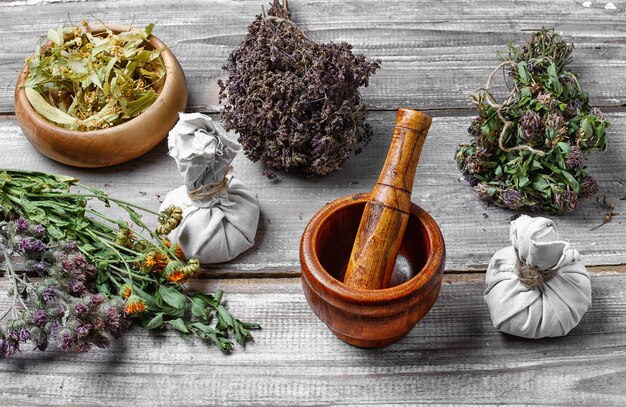
In Ayurveda, balanitis is understood as a Pitta-Kapha imbalance — excess heat (Pitta) combined with moisture and congestion (Kapha) in the genital area. Traditional approaches include neem (Azadirachta indica) wash for its antimicrobial properties, turmeric for inflammation, and Triphala decoction for cleansing. While these herbs do have documented antimicrobial activity in laboratory studies, they should be considered complementary to, not replacements for, clinically proven treatments — especially when infection is present.
Complications of Untreated Balanitis
Ignoring balanitis doesn't just mean prolonged discomfort.
Serious complications can develop:
- Phimosis — Chronic inflammation causes scarring that makes the foreskin too tight to retract. This in turn traps more debris, creating a vicious cycle.
- Paraphimosis — The foreskin gets stuck behind the glans in a retracted position, cutting off blood supply. This is a medical emergency.
- Urethral stricture — Chronic inflammation can narrow the urethral opening (meatal stenosis), making urination difficult.
- Penile cancer risk — A study published in the Journal of Clinical Oncology found that men with a history of balanitis had approximately 3.8 times the risk of developing penile cancer. Up to 45% of patients diagnosed with penile squamous cell carcinoma had a documented history of balanitis or other chronic inflammatory penile conditions.
This last point is not meant to cause panic — penile cancer is rare. But it underscores why chronic or recurrent balanitis shouldn't be dismissed as merely annoying.
Balanitis in Special Populations
Balanitis in Children and Toddlers
Balanitis is common in boys under 5, largely because the foreskin is normally non-retractable at this age and smegma can accumulate.
Management differs from adults:
- Do: Wash the penis with warm water during bath time, gently clean what's accessible
- Don't: Force the foreskin back — this causes micro-tears and worsens inflammation
- Treatment: Mild cases resolve with improved hygiene. If infection is present, a doctor may prescribe age-appropriate antifungal or antibiotic cream.
- See a doctor if: The child has pain when urinating, a swollen foreskin that looks like a balloon during urination, or pus-like discharge
Balanitis in Older Men
Elderly men face unique risk factors: urinary incontinence (prolonged moisture exposure), catheter use (mechanical irritation), reduced mobility making hygiene harder, and higher rates of diabetes. Caregivers should ensure regular gentle cleaning and thorough drying of the genital area.
Balanitis in Immunocompromised Men
Men with HIV/AIDS, those on chemotherapy, or long-term immunosuppressive therapy experience more severe and treatment-resistant balanitis. Candida species other than albicans (such as C. glabrata) become more common and may not respond to standard azole antifungals.
These patients often require:
- Fungal cultures with sensitivity testing
- Extended or higher-dose antifungal courses
- Specialist input from infectious disease physicians
Balanitis After Sex, After Antibiotics & Partner Treatment
Balanitis After Sexual Intercourse
Post-coital balanitis is frequently reported. Possible triggers include friction irritation, contact allergy to condom latex or lubricant, or transmission of Candida from a partner with vaginal candidiasis. Using adequate lubrication and non-irritating condoms can help.
Balanitis After Antibiotics
Antibiotics kill protective bacteria on the skin, allowing Candida to overgrow — a common mechanism for post-antibiotic balanitis. If you're prescribed a course of antibiotics and you have a history of balanitis, ask your doctor about prophylactic fluconazole.
Does Your Partner Need Treatment?
This is a question most sources overlook. For candidal balanitis, there is a real risk of "ping-pong" reinfection between partners. If your partner has symptoms of vaginal candidiasis (thrush), they should be treated simultaneously. Even if asymptomatic, partner treatment should be considered when balanitis keeps coming back after adequate therapy.
What About Fertility?
Balanitis itself does not directly damage sperm production or the testicles, since inflammation is localised to the glans.
However, it can indirectly affect fertility by:
- Making intercourse painful, reducing frequency
- Causing urethral stricture in chronic cases, potentially impeding ejaculation
- In rare cases, secondary infections ascending to the prostate or epididymis
There is no evidence that a single episode of balanitis impacts long-term fertility.
Preventing Balanitis — Practical Steps
Prevention is genuinely straightforward:
- 1.Daily hygiene — Retract the foreskin, wash with warm water (skip the soap on the glans), rinse, and dry thoroughly
- 2.Avoid irritants — Fragrance-free products only. No bubble baths or scented body washes on the genital area
- 3.Manage diabetes — Keep blood sugar well controlled; HbA1c below 7% significantly reduces candidal risk
- 4.Dry properly — Moisture is the enemy. Pat (don't rub) the area dry after washing and after urination
- 5.Cotton underwear — Allows breathability; avoid tight synthetic fabrics
- 6.Change wet clothing promptly — Don't sit in sweaty gym clothes or wet swimwear
- 7.Condom hygiene — Wash the penis after removing a condom; consider non-latex alternatives if you suspect latex allergy
- 8.Consider circumcision — For men with truly recurrent episodes that don't respond to other measures
When Should You See a Doctor?
Don't wait too long.
See a healthcare provider if:
- Symptoms don't improve after 7 days of OTC antifungal treatment
- You experience severe swelling, pain, or inability to retract the foreskin
- There is pus-like, bloody, or foul-smelling discharge
- You develop fever or feel generally unwell
- This is your first episode and you're unsure of the cause
- You have diabetes or an immunocompromising condition
- Symptoms keep recurring despite treatment
Questions to Ask Your Doctor
Going prepared makes the appointment more productive:
- Could this be caused by an underlying condition like diabetes?
- Do I need a swab or culture?
- Should my partner also be tested or treated?
- Is circumcision something I should consider?
- What should I do if this keeps coming back?
Frequently Asked Questions (FAQ)
Is Balanitis 100% Curable?
- Yes, in the vast majority of cases. Acute balanitis caused by infection or irritation responds well to appropriate treatment and typically resolves completely within 3–7 days.
- However, some underlying conditions — like lichen sclerosus — are chronic and require ongoing management rather than a one-time cure.
What Is the Best Medicine for Balanitis?
For the most common form (candidal balanitis), clotrimazole 1% cream applied twice daily for 7–14 days is the gold-standard first-line treatment. For more severe cases, a single 150 mg dose of oral fluconazole can be added. If the cause is bacterial, your doctor will prescribe a targeted antibiotic based on culture results.
Can I Have Sex If I Have Balanitis?
- It's best to avoid sexual activity until the inflammation has fully resolved. Sex can worsen irritation, delay healing, and potentially transmit the causative organism to your partner (especially Candida).
- If you do have sex, use a condom — though even this may cause discomfort on inflamed tissue.
Will Balanitis Go Away by Itself?
Mild cases caused by irritants (soap, detergent) may resolve once the irritant is removed. Infectious balanitis rarely clears without treatment and can progress to complications. Don't gamble with it.
Can Women Get Balanitis?
Technically no — balanitis is defined as inflammation of the glans penis. However, the female anatomical equivalent is vulvitis (inflammation of the vulva), which can be caused by many of the same organisms and irritants. Partners of men with candidal balanitis may have vulvovaginal candidiasis, and simultaneous treatment is often wise.
How Long Does Balanitis Take to Heal?
With appropriate treatment, most cases improve noticeably within 3–5 days and resolve fully within 1–2 weeks. Zoon's balanitis and lichen sclerosus may take longer and require ongoing maintenance therapy.
What Cream Should I Buy Over the Counter?
For suspected yeast infection: clotrimazole 1% cream (widely available as Canesten or generic equivalents) or miconazole 2% cream. Avoid combination creams containing steroids unless a doctor has confirmed the diagnosis isn't infectious.
Final Thoughts — Take Action Early
- Balanitis is common, treatable, and — with the right habits — largely preventable.
- The key is acting quickly: identify the cause, use the appropriate treatment, and address any underlying factors like poor hygiene or uncontrolled diabetes. If symptoms recur more than two or three times, have an honest conversation with your doctor about long-term solutions, including the possibility of circumcision.
Don't let embarrassment stop you from seeking help. Urologists and dermatologists see this condition every single day. The sooner you address it, the sooner it's behind you.
This article is for informational purposes and does not replace professional medical advice. Always consult a qualified healthcare provider for diagnosis and treatment tailored to your individual situation.
Scientific Sources
- A systematic review of the efficacy and safety of topical cyclosporine in dermatology — Sadeghi S et al., 2022, Dermatologic therapy
- Effect of the traditional medicinal plants Rhazya stricta, Balanitis aegyptiaca and Haplophylum tuberculatum on paracetamol-induced hepatotoxicity in mice — Ali BH et al., 2001, Phytotherapy research : PTR
- Balanitis Xerotica Obliterans-Related Panurethral Stricture Managed with Ayurvedic Uttar Basti therapy: A Case Report and Mini Literature Review — Javed D et al., 2024, Alternative therapies in health and medicine
- The EMazing Race: A Novel Gamified Board and Clinical Practice Review for Emergency Medicine Residents — Freeman B et al., 2025, Journal of education & teaching in emergency medicine
- Septic arthritis of the pubic symphysis from Pseudomonas aeruginosa: reconsidering traditional risk factors and symptoms in the elderly patient — To F et al., 2012, BMJ case reports
- Pseudoepitheliomatous Keratotic and Micaceous Balanitis — Chen Y et al., 2025, Journal of cutaneous medicine and surgery
Ask Ayurvedic doctor a question and get a consultation online on the problem of your concern in a free or paid mode.
More than 2,000 experienced doctors work and wait for your questions on our site and help users to solve their health problems every day.
Related articles