Ask Ayurvedic doctor a question and get a consultation online on the problem of your concern in a free or paid mode. More than 2,000 experienced doctors work and wait for your questions on our site and help users to solve their health problems every day.
FREE! Ask Ayurvedic Doctors 24/7

 Fast responses
 1000+ verified doctors
Body DetoxEar, Nose, and Throat DisordersGeriatrics & RejuvenationImmunodeficiencyInfertility TreatmentNutritionOrthopedic DisordersPediatricsRespiratory DisordersSexually Transmitted Diseases (STDs)Surgery RecoveryUrological DisordersVascular DisordersDental DisordersEndocrinological DisordersGastrointestinal DisordersYoga TherapyGeneral MedicineAllergic DisordersCardio DisordersGynecology and ObstetricsCosmetologySkin and Hair DisordersEye DisordersInfectious DiseasesMental DisordersNeurological DisordersOncologyPanchakarmaSexual Health & DisordersSports Medicine
Published on 02/04/25
(Updated on 07/10/26)
4,223
Ayurvedic Medicine for Leukemia – Natural Healing Approaches for Blood Cancer
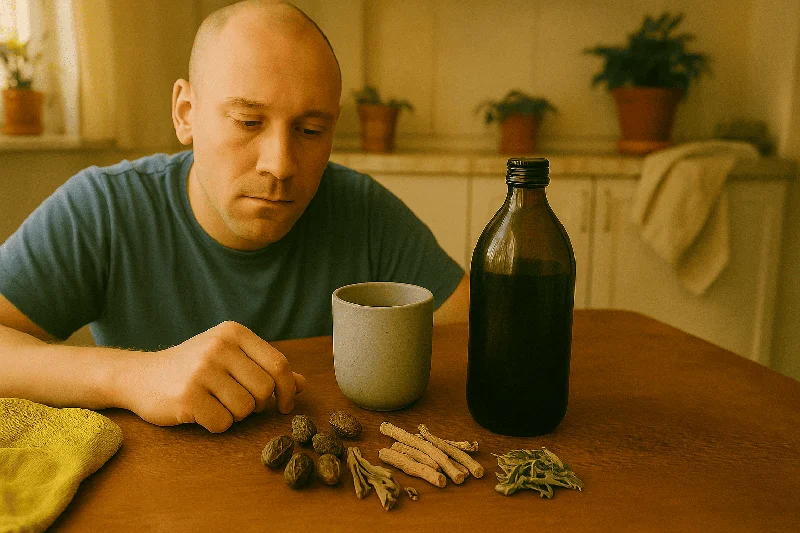
Ayurvedic medicine for leukemia works as a complementary therapy that targets dosha imbalances, strengthens Majja Dhatu (bone marrow tissue), boosts immunity, and helps manage the debilitating side effects of chemotherapy and radiation. While Ayurveda alone cannot replace conventional oncology treatment, a growing body of research — including in vitro studies on curcumin, Withaferin A, and andrographolide — shows that specific Ayurvedic herbs and formulations can induce apoptosis in leukemic cells, modulate the immune system, and significantly improve quality of life when used alongside standard care.
If you or someone you love is navigating a leukemia diagnosis, understanding how Ayurveda fits into the treatment landscape can be genuinely empowering. This article covers everything from the Ayurvedic pathogenesis of leukemia to specific herbs, Panchakarma procedures, dietary recommendations, yoga protocols, and critical safety information that no other resource brings together in one place.
What Is Leukemia? Understanding the Disease Before Treating It
Leukemia is a cancer of the blood-forming tissues, primarily the bone marrow and lymphatic system. It causes the body to produce abnormal white blood cells that crowd out healthy cells, leading to impaired immunity, anemia, and bleeding disorders.
Types of Leukemia
There are four major types, and the distinction matters because treatment — both conventional and Ayurvedic — varies significantly:
| Type | Full Name | Who It Affects | Progression |
|---|---|---|---|
| ALL | Acute Lymphoblastic Leukemia | Most common childhood leukemia (peak age 2–5) | Rapid |
| AML | Acute Myeloid Leukemia | Primarily adults (median age ~68) | Rapid |
| CLL | Chronic Lymphocytic Leukemia | Adults over 55 | Slow |
| CML | Chronic Myeloid Leukemia | Adults; linked to Philadelphia chromosome (BCR::ABL1 gene fusion) | Slow initially, can progress to blast crisis |
CML deserves special mention: approximately 95% of CML cases involve the Philadelphia chromosome, a translocation between chromosomes 9 and 22 that produces the BCR::ABL1 tyrosine kinase. Understanding this molecular mechanism is important because some Ayurvedic compounds are now being studied for their ability to inhibit similar kinase pathways.
Common Symptoms to Watch For
- Persistent fatigue and weakness
- Unexplained fever or night sweats
- Unintentional weight loss
- Enlarged spleen or liver (feeling of fullness below the ribs)
- Easy bruising or bleeding, frequent nosebleeds
- Bone or joint pain, especially in the sternum
- Frequent infections that don't resolve easily
- Petechiae (tiny red spots under the skin)
Without treatment, acute leukemia can be fatal within weeks to months. However, survival rates have improved dramatically over the past four decades — the 5-year survival rate for ALL in children now exceeds 90% with modern protocols.
Risk Factors
These include prior radiation exposure, certain genetic conditions (Down syndrome increases ALL risk by 10–20 fold), benzene exposure, previous chemotherapy, smoking (linked to AML), and family history — though most leukemia cases have no identifiable genetic predisposition.
Ayurvedic Understanding of Leukemia: The Samprapti (Pathogenesis)
This is where Ayurveda offers a genuinely unique lens. While modern medicine describes leukemia at the cellular and molecular level, Ayurveda maps it through the language of Dhatus, Doshas, and Srotas.
Majja Dhatu and Raktavaha Srotas
The concept most directly relevant to leukemia is Majja Dhatu — the tissue layer corresponding to bone marrow in Ayurvedic anatomy. The Charaka Samhita (Vimanasthana 5/25) describes conditions arising from vitiation of Majja Dhatu that closely parallel modern descriptions of bone marrow cancers.
The complete Samprapti (pathogenesis) of leukemia in Ayurvedic terms follows this chain:
Nidana (Causative Factors) → prolonged exposure to toxins, Viruddha Ahara (incompatible diet), suppression of natural urges, chronic stress Dosha Dushti → primarily Pitta and Kapha vitiation, with Vata acting as the carrier (Vata pushes the aggravated doshas into deeper tissues) Dushya (Affected Tissues) → Rakta Dhatu (blood tissue) and Majja Dhatu (bone marrow) Srotas (Channels Affected) → Raktavaha Srotas (channels carrying blood), Asthivaha Srotas (channels nourishing bone), and Majjavaha Srotas Agni Mandya → diminished Dhatvagni at the level of Rakta and Majja leads to improper tissue formation — in modern terms, this parallels the uncontrolled proliferation of immature white blood cells Upadrava (Complications) → Pandu (anemia), Shotha (swelling), Jwara (fever), Raktapitta (bleeding disorders)
This framework isn't just academic. It directly informs which herbs, Panchakarma procedures, and dietary interventions are selected for each patient.
The Tridosha Profile in Leukemia
- Pitta Dominance: Manifests as fever, bleeding tendencies, skin rashes, and inflammation
- Kapha Dominance: Manifests as fatigue, lymph node enlargement, weight gain or fluid retention, and tumor formation
- Vata Involvement: Manifests as bone pain, weight loss, anxiety, and irregular blood counts
An experienced Ayurvedic oncologist will assess the individual's Prakriti (constitution) and Vikriti (current imbalance) to customize the protocol.
Can Ayurvedic Medicine Help With Cancer? The Evidence Base
Let's be honest — the evidence base for Ayurveda in leukemia is still developing. There are no large-scale randomized controlled trials (RCTs) equivalent to those supporting chemotherapy regimens. But dismissing the evidence entirely would be inaccurate.
In Vitro and In Vivo Studies
Several Ayurvedic compounds have demonstrated significant anti-leukemic activity in laboratory settings:
- Curcumin (from Curcuma longa / Turmeric): A 2016 study published in Cancer Letters demonstrated that curcumin induces apoptosis in CML cells by downregulating BCR::ABL1 expression. A separate 2019 study in Phytomedicine showed curcumin sensitizes drug-resistant leukemia cells to imatinib, potentially overcoming treatment resistance.
- The challenge remains bioavailability — raw turmeric delivers very little curcumin to the bloodstream, which is why formulations with Piperine (from black pepper) or liposomal delivery are being investigated.
Withaferin A (from Withania somnifera / Ashwagandha): Research published in Molecular Cancer Therapeutics (2010) showed Withaferin A induces apoptosis in AML cells through mitochondrial pathway activation and inhibition of NF-κB signaling. Doses used in vitro don't directly translate to oral consumption, but the mechanism is promising. Andrographolide (from Andrographis paniculata / Kalmegh): A 2017 study in Oncotarget demonstrated that andrographolide induces cell cycle arrest and apoptosis in T-cell acute lymphoblastic leukemia cells. Guduchi / Tinospora cordifolia: Studies published in Journal of Ethnopharmacology (2018) showed immunomodulatory and anti-proliferative effects against multiple leukemia cell lines including HL-60 and K562.
Clinical Case Reports
Published case reports from PubMed and ScienceDirect document individual patients with leukemia who experienced significant improvements — including normalized blood counts and reduced blast percentages — when Ayurvedic treatment was added to conventional protocols. While case reports sit lower on the evidence hierarchy than RCTs, they provide real-world signals that warrant further investigation.
As Supportive Therapy: Stronger Evidence
The strongest evidence for Ayurveda in leukemia is actually in supportive care: managing chemotherapy side effects, reducing treatment-related fatigue, improving appetite and digestion, enhancing immune recovery between cycles, and improving overall quality of life. Multiple observational studies from Indian oncology centers have documented these benefits.
Best Ayurvedic Herbs and Formulations for Leukemia
Here is a detailed look at specific herbs and classical formulations, including their mechanisms of action — something competitors consistently fail to provide.
Rasayana (Rejuvenative) Herbs
| Herb | Latin Name | Key Active Compounds | Mechanism in Leukemia | Traditional Dosage Range* |
|---|---|---|---|---|
| Ashwagandha | Withania somnifera | Withaferin A, Withanolides | Induces apoptosis via mitochondrial pathway; inhibits NF-κB; reduces fatigue | 300–600 mg standardized extract, twice daily |
| Guduchi | Tinospora cordifolia | Berberine, Tinosporin | Immunomodulatory; anti-proliferative against HL-60 cells; enhances WBC function | 500 mg powder or 2–3 tablespoons fresh juice, twice daily |
| Amalaki | Emblica officinalis | Gallic acid, Ellagic acid, Vitamin C | Antioxidant; protects healthy cells from chemo-induced oxidative damage | 500–1000 mg powder, twice daily |
| Tulsi | Ocimum sanctum | Eugenol, Rosmarinic acid, Apigenin | Anti-inflammatory; radioprotective; supports bone marrow recovery | 300–600 mg extract or fresh leaves daily |
| Shatavari | Asparagus racemosus | Shatavarins, Saponins | Immunomodulatory; improves appetite and digestion during chemo | 500 mg powder, twice daily |
\Dosages are general ranges from classical texts and modern practice. Individual dosing must be determined by a qualified Ayurvedic practitioner based on patient's Prakriti, disease stage, and concurrent medications.*
Classical Formulations
Vranapahari Rasa: A classical Rasa preparation with Shodhita Parada (purified mercury) and Gandhaka (sulfur), traditionally used for deep tissue healing. It demonstrates anti-proliferative and Rasayana karma as described in classical texts. This must only be administered under strict medical supervision. Asthi-Majja Pachak Vati: Specifically targets Asthi and Majja Dhatu metabolism. Contains a combination of herbs that improve Dhatvagni at the bone marrow level. Maha-Manjisthadi Kwath (Decoction): Manjistha (Rubia cordifolia) is the primary blood-purifying herb in Ayurveda. This classical decoction combines it with over 40 other herbs for comprehensive Rakta Shodhana (blood purification). Arogyavardhini Vati: A well-known hepatoprotective formulation that supports liver function — crucial since both leukemia and chemotherapy heavily burden the liver.
Bhasma Preparations (Mineral Medicines)
These are unique to Ayurveda and require extreme care:
- Abhrak Bhasma (calcined mica): Used in Majja Dhatu disorders, immunomodulatory
- Heerak Bhasma (diamond ash): Considered the most potent Rasayana; traditionally reserved for cancer and other life-threatening conditions
- Suvarna Bhasma (gold ash): Immunomodulatory and rejuvenative; studies show anti-cancer properties
- Swarna Makshik Bhasma (copper-iron pyrite ash): Used for blood disorders and to improve hemoglobin
> Critical Warning: Bhasma preparations contain heavy metals that have been processed through specific Shodhana (purification) procedures. They must ONLY be obtained from reputable manufacturers following classical preparation methods, and should ONLY be prescribed by experienced Ayurvedic physicians. Improperly prepared Bhasmas can cause heavy metal toxicity.
Panchakarma for Leukemia: Specific Detox Procedures
Panchakarma forms the Shodhana (purification) arm of Ayurvedic treatment. Not all Panchakarma procedures are appropriate for leukemia patients, and timing matters enormously.
Recommended Procedures
Virechana (Therapeutic Purgation): Primarily targets Pitta dosha. Helps eliminate toxins (Ama) accumulated in Rakta Dhatu and the GI tract. Usually performed after adequate Snehana (oleation) and Swedana (sudation). Generally considered safe between chemotherapy cycles when blood counts are stable. Basti (Medicated Enema): Considered the king of Panchakarma for Vata disorders. Anuvasana Basti (oil enema) with Majja-nourishing oils can help support bone marrow function. Niruha Basti with Dashamoola kwath addresses deep fatigue and bone pain. Raktamokshana (Bloodletting): Traditionally indicated for Rakta Dhatu disorders. However, in leukemia this is contraindicated in most cases due to thrombocytopenia (low platelets) and bleeding risk. It may be considered in very specific situations under expert guidance when platelet counts are adequate.
Procedures to Approach With Caution
Vamana (Therapeutic Emesis): Very demanding on the body. Generally not recommended during active leukemia treatment due to the physical stress involved and risk of electrolyte imbalance in already compromised patients.
When Is Panchakarma NOT Recommended?
- During active chemotherapy cycles (perform only in rest periods)
- When platelet count is below 50,000/µL
- During febrile neutropenia or active infections
- In patients with severe cachexia (extreme wasting)
- During blast crisis in CML
Don't wait or self medicate. Start chat with Doctor NOW
Ayurvedic Diet for Leukemia: Specific Recommendations
Every competitor mentions "customized diet" but none actually tell you what to eat. Here are concrete, actionable recommendations based on Ayurvedic principles for leukemia.
Foods to Include
Blood-Building Foods (Rakta Vardhak):
- Beetroot juice — 100ml fresh, mixed with pomegranate juice, daily on empty stomach
- Dark leafy greens — spinach, moringa leaves, amaranth
- Pomegranate — whole fruit or fresh juice, rich in ellagic acid with demonstrated anti-leukemic properties
- Dates and figs — natural iron sources, easy to digest
- Cooked lentils (Moong Dal) — light, high in protein, Pitta-pacifying
Immune-Boosting Foods:
- Fresh ginger and turmeric tea — 1 inch fresh ginger + ½ tsp turmeric + pinch of black pepper, boiled in 2 cups water
- Ghee (clarified butter) — 1–2 tsp daily; carrier for fat-soluble medicinal compounds; nourishes Majja Dhatu
- Almonds (soaked overnight, peeled) — 5–7 daily
- Khichdi (rice + moong dal) — the gold standard recovery food in Ayurveda; light on Agni, nutritionally complete
Specific Recipe — Majja Dhatu Nourishing Milk:
Warm 1 cup organic cow's milk with ¼ tsp Ashwagandha powder, ¼ tsp Shatavari powder, a pinch of turmeric, and 1 tsp ghee. Take at bedtime. This is a classical Rasayana preparation adapted for cancer patients.
Foods to Avoid
- Processed and packaged foods (high in preservatives that increase Ama)
- Excessive red meat (increases Pitta, burdens digestion)
- Refined sugar — leukemic cells have increased glucose uptake; a 2013 study in Cancer Research showed high glucose environments promote leukemia cell proliferation
- Leftover or reheated food — considered Tamasic and Ama-producing
- Incompatible food combinations (Viruddha Ahara): fish with milk, fruit with meals, honey heated above 40°C
- Excessive raw food during chemotherapy — when Agni is weakened, raw foods are difficult to digest
- Alcohol — hepatotoxic, immunosuppressive, and directly interacts with most chemotherapy drugs
Yoga and Pranayama for Leukemia Patients: Specific Techniques
Recommended Asanas
These should be gentle and restorative. Leukemia patients are often fatigued and may have low platelet counts, so vigorous practice is inappropriate.
- Shavasana (Corpse Pose) — 10–15 minutes, promotes deep relaxation and parasympathetic activation
- Viparita Karani (Legs Up the Wall) — improves venous return without exertion; helps with swollen legs
- Supta Baddha Konasana (Reclined Bound Angle) — opens the chest, reduces anxiety
- Marjaryasana-Bitilakasana (Cat-Cow) — gentle spinal mobilization; stimulates bone marrow through rhythmic movement
- Balasana (Child's Pose) — calming, reduces cortisol
Pranayama Techniques
- Nadi Shodhana (Alternate Nostril Breathing) — 5–10 minutes daily; balances autonomic nervous system, reduces anxiety. A 2018 study in International Journal of Yoga showed significant reduction in chemotherapy-induced nausea with regular practice
- Bhramari (Humming Bee Breath) — shown to increase nitric oxide production, which has immunomodulatory effects
- Ujjayi (Ocean Breath) — gentle, warming; improves oxygenation without strain
Avoid: Kapalabhati and Bhastrika (forceful breathing) during active treatment — these can increase intra-abdominal pressure and are too stimulating for weakened patients.
The Role of Mental Health
Leukemia diagnosis causes profound psychological distress — anxiety, depression, fear of death, and social isolation are extremely common. Ayurveda recognizes this through the concept of Satvavajaya Chikitsa (psycho-spiritual therapy).
Practical approaches include:
- Daily meditation, even 10 minutes, has been shown to reduce inflammatory markers (IL-6, TNF-α) in cancer patients
- Mantra chanting — the vibration of specific Sanskrit mantras like the Maha Mrityunjaya Mantra is traditionally prescribed for serious illness
- Counseling and support groups
- Spending time in nature (Vriksha Chikitsa)
Ayurvedic Treatment: Children vs. Adults
Leukemia is the most common childhood cancer, accounting for roughly 30% of all pediatric cancers. Yet no Ayurvedic resource adequately addresses how the approach differs for children.
Key Differences in Pediatric Ayurvedic Approach
Dosage: Children's doses are calculated differently — the classical Ayurvedic formula uses age-based fractions (e.g., a 5-year-old receives approximately 1/4 to 1/3 of the adult dose, depending on the formulation). Herbs: Gentle herbs like Guduchi, Amalaki, and Yashtimadhu (Licorice) are preferred. Potent Rasa preparations and Bhasmas are used much more cautiously in children. Panchakarma: Generally limited to mild procedures — Basti is considered safest for children. Virechana and Vamana are typically avoided under age 10. Diet: Focus on easily digestible, nourishing foods. Ghee-based preparations, warm milk with mild herbs, and Khichdi are staples. Psychological support: Children need age-appropriate explanations. Storytelling, play therapy, and involving them in preparing simple herbal teas can help with compliance and reduce fear.
When Ayurveda Should NOT Be Used in Pediatric Leukemia
ALL in children has a cure rate exceeding 90% with modern chemotherapy protocols. Delaying or substituting conventional treatment with Ayurveda alone in pediatric ALL is dangerous and potentially fatal. Ayurveda should only be used as supportive therapy in consultation with the treating pediatric oncologist.
Safety, Contraindications, and Herb-Drug Interactions
This is perhaps the most critical section — and one that no competitor addresses adequately.
Potential Interactions With Chemotherapy Drugs
| Ayurvedic Substance | Chemotherapy Drug | Interaction Concern |
|---|---|---|
| Turmeric / Curcumin | Cyclophosphamide, Doxorubicin | May inhibit CYP3A4 and CYP2C9 enzymes, altering drug metabolism; potential for increased toxicity |
| Ashwagandha | Immunosuppressants | Immunostimulatory effects may theoretically counteract immunosuppressive therapy |
| Guduchi | Methotrexate | Both are hepatically processed; combined use may increase liver burden |
| Piperine (Black Pepper) | Multiple drugs | Potent CYP3A4 inhibitor; can significantly increase blood levels of many chemotherapy drugs |
| St. John's Wort* | Imatinib (Gleevec) | Strong CYP3A4 inducer; can reduce imatinib levels by up to 50% |
\While not traditionally Ayurvedic, it is sometimes included in integrative protocols.*
When Ayurveda Is NOT Indicated as Primary Treatment
- Acute leukemia (ALL, AML) requiring immediate induction chemotherapy
- Blast crisis in CML
- Any emergency situation (severe anemia, DIC, tumor lysis syndrome)
- When patient has been advised for bone marrow transplant — Ayurvedic herbs that modulate immunity must be stopped well before transplant
General Safety Guidelines
- Always inform your oncologist about any Ayurvedic medicines you're taking
- Stop all Ayurvedic supplements at least 2 weeks before any surgery or bone marrow transplant
- Purchase medicines only from GMP-certified manufacturers
- Avoid self-prescribing Bhasma or Rasa preparations — ever
- Monitor liver and kidney function regularly when combining therapies
- Keep a written log of all supplements, doses, and timing to share with your medical team
Ayurvedic vs Conventional Treatment: A Clear Comparison
| Parameter | Conventional Treatment | Ayurvedic Treatment |
|---|---|---|
| Primary Goal | Eliminate cancer cells, achieve remission | Balance doshas, strengthen dhatus, improve quality of life |
| Speed of Action | Rapid (weeks to months) | Gradual (months to years) |
| Evidence Level | Strong (RCTs, meta-analyses) | Emerging (in vitro, case reports, observational studies) |
| Side Effects | Significant (nausea, immunosuppression, organ damage) | Generally mild when properly prescribed |
| Best Used For | Primary treatment of leukemia | Supportive care, side effect management, long-term wellness |
| Cost | High (chemotherapy, hospitalizations) | Relatively lower |
| Cure Potential | Yes, especially in ALL (children) and CML | Not established as standalone cure |
| Personalization | Protocol-based with some personalization | Highly individualized (Prakriti-based) |
The takeaway is clear: these approaches are not competing — they are complementary. The best outcomes likely come from integrating both under proper medical supervision.
Frequently Asked Questions
How to cure leukemia permanently?
Permanent cure depends on the type. Childhood ALL has cure rates above 90% with chemotherapy. CML can be managed long-term with tyrosine kinase inhibitors like imatinib, with some patients achieving treatment-free remission. Ayurveda aims to support these outcomes by strengthening the body's innate healing mechanisms, but it should not be relied upon as a sole curative approach for any type of leukemia.
What is the miracle cure for leukemia?
There is no single "miracle cure." Bone marrow transplantation offers the best chance of cure for high-risk cases. CAR-T cell therapy is showing remarkable results in relapsed ALL. In Ayurveda, the combination of Rasayana therapy, Panchakarma, and Shamana medicines can produce significant improvements, but calling any single approach a miracle cure is misleading and potentially dangerous.
Can Ayurvedic medicine be taken alongside chemotherapy?
Yes, but with important caveats. Certain herbs must be avoided during specific chemotherapy regimens due to CYP450 enzyme interactions. Always consult both your oncologist and a qualified Ayurvedic physician. Time Ayurvedic medicines at least 2–3 hours apart from chemotherapy drugs. Some herbs like Guduchi and Amalaki are generally considered safe supportive agents during chemo.
How long does Ayurvedic treatment for leukemia take?
Ayurvedic protocols for leukemia are typically long-term — expect a minimum of 6–12 months of consistent treatment to see meaningful results. Rasayana therapy is often continued for years. The duration depends on the type of leukemia, stage, patient's constitution, and whether the patient is also receiving conventional treatment.
Which medicine is best for leukemia?
From a conventional standpoint, the "best" medicine depends on the type — ALL responds to multi-agent chemotherapy; CML responds to imatinib; AML may require intensive chemo and transplant. From an Ayurvedic perspective, a personalized combination of Ashwagandha, Guduchi, Manjistha-based formulations, and appropriate Bhasmas has shown the most promising results, but no single herb is universally "best."
Is Ayurvedic treatment safe for children with leukemia?
Gentle Ayurvedic herbs like Guduchi, Amalaki, and Yashtimadhu can be safe for children when prescribed by a qualified pediatric Ayurvedic practitioner at appropriate doses. However, never delay or replace proven chemotherapy protocols for childhood ALL — the cure rate is too high to risk. Use Ayurveda only as supportive therapy in pediatric cases.
Conclusion: An Integrative Path Forward
Ayurvedic medicine for leukemia is not about choosing between ancient wisdom and modern science. It's about intelligently combining both.
The evidence is clear that specific Ayurvedic herbs — Ashwagandha, Guduchi, Curcumin, and classical formulations — possess genuine anti-leukemic properties at the molecular level. Panchakarma can aid detoxification between treatment cycles. Ayurvedic diet and lifestyle modifications meaningfully improve quality of life. And the holistic approach to mental health, which Ayurveda has practiced for thousands of years, is something modern oncology is only now beginning to embrace.
But the evidence is equally clear that acute leukemia requires immediate conventional treatment. Delaying chemotherapy for any alternative therapy can be fatal.
The wisest path? Work with both an oncologist and a qualified Ayurvedic physician who can communicate with each other. Start Ayurvedic supportive care early. Be transparent about every supplement you take. And remember that healing is not just about eliminating cancer cells — it's about nourishing the entire human being.
If you're considering Ayurvedic treatment for leukemia, consult with an experienced Ayurvedic oncologist who can create a personalized protocol based on your specific diagnosis, Prakriti, and current treatment plan. Early integrative support can make a meaningful difference in your treatment journey.
Scientific Sources
- Can Ashwagandha Benefit the Endocrine System?-A Review — Wiciński M et al., 2023, International journal of molecular sciences
- Pharmacological evaluation of Ashwagandha highlighting its healthcare claims, safety, and toxicity aspects — Mandlik Ingawale DS et al., 2021, Journal of dietary supplements
- Clinician guidelines for the treatment of psychiatric disorders with nutraceuticals and phytoceuticals: The World Federation of Societies of Biological Psychiatry (WFSBP) and Canadian Network for Mood and Anxiety Treatments (CANMAT) Taskforce — Sarris J et al., 2022, The world journal of biological psychiatry : the official journal of the World Federation of Societies of Biological Psychiatry
- Effects of Withania somnifera (Ashwagandha) on Stress and the Stress- Related Neuropsychiatric Disorders Anxiety, Depression, and Insomnia — Speers AB et al., 2021, Current neuropharmacology
- Plant-derived nootropics and human cognition: A systematic review — Lorca C et al., 2023, Critical reviews in food science and nutrition
Questions from users
How long should leukemia patients practice gentle yoga for relaxation?
Sutton
2 days ago
Leukemia patients should practice gentle yoga for relaxation based on their comfort, typically starting with 20-30 minutes per session. Poses such as Shavasana and Viparita Karani can promote relaxation and improve circulation with minimal effort. Aim for 10-15 minutes of Shavasana for deep relaxation; others like Legs Up the Wall or Cat-Cow can be adapted to personal tolerance levels. Those practicing should monitor fatigue levels and avoid strain. Consult your healthcare provider before starting yoga to ensure it complements your overall care plan.
What is Arogyavardhini Vati and how does it support liver function during cancer treatment?
Noah
12 days ago
Arogyavardhini Vati is a classical Ayurvedic herbal formulation known for supporting liver function, especially important during cancer treatments like chemotherapy that stress the liver. It combines herbs like Kutki and Triphala, which help detoxify and protect the liver, enhancing its resilience. However, it's crucial to consult with an Ayurvedic practitioner or healthcare professional before using it, as the balance of doshas and your individual constitution need consideration, especially with cancer. Let me know if you've more questions!
Is it safe to use Maha-Manjisthadi Kwath during leukemia treatment?
Kennedy
21 days ago
Generally, Maha-Manjisthadi Kwath might not be safe during leukemia treatment, especially with thrombocytopenia (low platelet counts) due to bleeding risks. Always consult your healthcare team before mixing anything with your current treatment. Since every situation is unique, it's best to have a personalized plan from both your oncologist and an Ayurvedic practitioner.
What is the best way to use neem for immune support during cancer treatment?
Daniel
39 days ago
Using neem for immune support during cancer treatment is tricky; you'd wanna be cautious and consult with your doctor. That said, neem can be taken as a powder or tea, but start with small amounts to see how your body reacts. It's great for detoxifying and enhancing digestion, which is crucial during such treatments. Always best to keep balance with neem, see how it affects doshas and agni, ya know?
What is the best way to use turmeric for its antioxidant benefits during cancer treatment?
James
48 days ago
To tap into turmeric's antioxidant power during cancer treatment, it's often recommended to take it with black pepper, as it boosts absorption. However, everyone's situation is unique, so best to check with your healthcare provider. Some folks use it as a tea or mix it into warm milk–pick what suits you best!
What is the role of detoxification in supporting recovery during leukemia treatment?
Robert
58 days ago
Detoxification plays a key role in supporting recovery during leukemia treatment by helping to remove waste and toxins that build up, especially from chemo or radiation therapy. Ayurvedic detox can reduce the toxic load, improve overall health, and aid digestion. But check with a good Ayurvedic practitioner for a plan that’s really works for you.
Can Ayurvedic remedies help improve my energy levels during leukemia treatment?
Millie
68 days ago
Ayurvedic remedies can definitely help boost your energy during leukemia treatment. Think about using herbs like Ashwagandha or Guduchi, which are known to support immunity and vitality. Just make sure you talk to your doctor before starting anything new. Also, focus on nourishing your agni (digestive fire) to keep your energy up!
What is the best way to use Triphala for boosting immunity?
Ruby
77 days ago
The best way to use Triphala for boosting immunity is to take it consistently, usually in powder or capsule form. For powders, you can mix about 1/2 to 1 teaspoon in warm water and take it at night before bed. It's important to balance your dosha too, so maybe keep an eye on how your body reacts and consider consulting an Ayurvedic practitioner if unsure. Also, maintaining a balanced diet and a healthy lifestyle can help maximizes its effects!
What is the role of neem in boosting immunity during leukemia treatment?
Walker
87 days ago
Neem is pretty awesome for immunity, especially during leukemia treatment. It helps boost the immune system and keeps infections at bay – which are a common issue with chemotherapy. Plus, neem purifies the blood and supports liver health, both important when treatments strain the body. You might wanna talk with an Ayurvedic practitioner for a plan that suits your uniqueness.
Is it safe to combine Ayurvedic remedies with conventional cancer treatments like chemotherapy?
Kiley
96 days ago
Combining Ayurvedic remedies with conventional treatments like chemotherapy can be tricky. It's super important to talk with an experienced Ayurvedic practitioner along with your oncologist. They can work together to make sure nothing interferes and everything supports your well-being. Ayurveda helps detox and support body, but it’s gotta be done right, y'know?
Related articles

Oncology
Ayurvedic Medicine for Multiple Myeloma – Holistic Support Options
Explore Ayurvedic approaches for multiple myeloma. Discover holistic support strategies, complementary treatments, and traditional wisdom for enhancing quality of life alongside conventional care.
3,283
Oncology
Top Ayurvedic Medicines for Tremors: Safe & Effective Natural Remedies
Discover how Ayurvedic medicine addresses tremors with proven herbs, proper dosage, side effects, and scientific research-backed insights for better neurological health.
4,528
Oncology
Ayurveda for Cancer
According to Ayurveda, cancer originates due to deranged metabolism and imbalance of body constituents causing faulty division of cells and improper growth.
2,651
Related consultations on the topic
Legal
Additional Documents
© 2024 Ask Ayurveda. All rights reserved.