
Ask Ayurvedic doctor a question and get a consultation online on the problem of your concern in a free or paid mode. More than 2,000 experienced doctors work and wait for your questions on our site and help users to solve their health problems every day.
FREE! Ask Ayurvedic Doctors 24/7

 Fast responses
 1000+ verified doctors
Body DetoxEar, Nose, and Throat DisordersGeriatrics & RejuvenationImmunodeficiencyInfertility TreatmentNutritionOrthopedic DisordersPediatricsRespiratory DisordersSexually Transmitted Diseases (STDs)Surgery RecoveryUrological DisordersVascular DisordersDental DisordersEndocrinological DisordersGastrointestinal DisordersYoga TherapyGeneral MedicineAllergic DisordersCardio DisordersGynecology and ObstetricsCosmetologySkin and Hair DisordersEye DisordersInfectious DiseasesMental DisordersNeurological DisordersOncologyPanchakarmaSexual Health & DisordersSports Medicine
Published on 10/11/24
(Updated on 07/09/26)
2,650
Ayurveda for Cancer
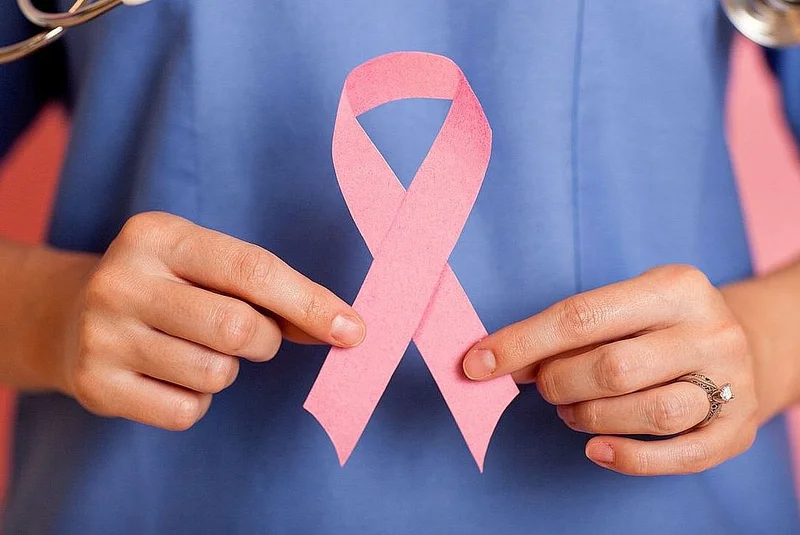
- Cancer is one of the most feared diagnoses worldwide, and in India alone, over 14 lakh new cases are reported annually (ICMR, 2022). Ayurveda for cancer offers a holistic, time-tested framework that works alongside modern oncology — not as a replacement, but as a powerful complement. Rooted in the ancient texts of Charaka Samhita and Sushruta Samhita, Ayurvedic oncology focuses on restoring doshic balance, detoxifying the body through Panchakarma, strengthening immunity with Rasayana therapy, and using specific herbs with scientifically validated anti-cancer properties.
- This guide covers everything — from the Ayurvedic concept of cancer and evidence-based herbs to safety concerns, herb-drug interactions, dietary protocols by dosha, and a step-by-step algorithm for integrating Ayurveda into your conventional cancer treatment plan.
What Is the Ayurvedic Concept of Cancer?
Ayurveda does not use the word "cancer" directly. Instead, the ancient texts describe abnormal growths using two primary terms: Granthi (minor neoplasm or benign tumour) and Arbuda (major neoplasm or malignant tumour). Sushruta Samhita, written around 600 BCE, provides remarkably detailed descriptions of tumour classification, staging, and surgical intervention that parallel modern oncological understanding in many ways.
Tridosha Theory and Cancer Formation
At the heart of Ayurvedic pathology lies the Tridosha framework — Vata, Pitta, and Kapha. Cancer, according to Ayurveda, arises when one or more doshas become severely deranged (vitiated), leading to:
- Faulty Agni (digestive/metabolic fire) — impaired cellular metabolism results in accumulation of Ama (toxins)
- Impaired Dhatu (tissue) formation — abnormal cell division and tissue growth
- Depletion of Ojas — loss of vital energy and immune resilience
Each dosha contributes differently to cancer pathogenesis. Vata-dominant cancers tend to spread rapidly and cause pain. Pitta-dominant cancers are inflammatory, ulcerative, and often present with bleeding. Kapha-dominant cancers grow slowly, form dense masses, and are often detected late due to their gradual progression.
Which Dosha Causes Cancer?
The honest answer: any dosha can, but most classical texts describe cancer as a Tridoshic disorder — meaning all three doshas are involved, with one typically dominant. Charaka Samhita specifically classifies Arbuda into Vataja, Pittaja, Kaphaja, Raktaja (blood-related), Mamsaja (muscle tissue), and Medaja (fat tissue) types. This classification bears a striking resemblence to modern categories like carcinoma, sarcoma, leukemia, and lymphoma.
Charaka Samhita and Sushruta Samhita on Cancer
Both foundational texts describe a four-stage progression of tumour development:
- 1.Stage 1 — Localized swelling with doshic accumulation
- 2.Stage 2 — Growth with tissue invasion
- 3.Stage 3 — Ulceration and secondary complications
- 4.Stage 4 — Metastasis (Dwirarbuda — secondary tumour formation)
Sushruta recommended surgical excision (Shastra Karma) for accessible tumours, followed by cauterization (Agni Karma) and herbal paste application — a protocol that conceptually mirrors modern surgery followed by adjuvant therapy.
Ayurvedic Herbs with Anti-Cancer Properties
Perhaps the most scientifically compelling aspect of Ayurveda for cancer is its pharmacopoeia. Several Ayurvedic herbs have yielded compounds now used in mainstream oncology. Vinblastine and vincristine (from Vinca rosea/Sadabahar), taxol (from Taxus baccata/Himalayan Yew), etoposide, camptothecin, and topotecan — all originate from plants documented in traditional medical systems including Ayurveda.
Top Herbs Used in Ayurvedic Cancer Care
| Herb (Sanskrit / Common) | Key Active Compound | Mechanism of Action | Research Status |
|---|---|---|---|
| Ashwagandha (Withania somnifera) | Withaferin A | Induces apoptosis, inhibits angiogenesis | Multiple in-vitro and animal studies; Phase II trials ongoing |
| Turmeric (Curcuma longa) | Curcumin | Anti-inflammatory, inhibits NF-κB pathway | 200+ published studies; limited bioavailability a known challenge |
| Guduchi (Tinospora cordifolia) | Berberine, Palmatine | Immunomodulation, anti-proliferative | Promising in-vitro data; clinical trials needed |
| Tulsi (Ocimum sanctum) | Eugenol, Rosmarinic acid | Radioprotective, anti-oxidant | Animal studies show tumor size reduction |
| Kalonji (Nigella sativa) | Thymoquinone | Induces apoptosis in multiple cancer cell lines | Over 400 studies; Phase I trials completed |
| Vinca rosea (Catharanthus roseus) | Vincristine, Vinblastine | Microtubule disruption | FDA-approved drugs already in clinical use |
| Neem (Azadirachta indica) | Nimbolide | Apoptosis induction, anti-angiogenic | Pre-clinical evidence strong |
Dosages and Protocols for Common Ayurvedic Herbs
One of the biggest gaps in existing resources is the absence of concrete dosage information. While individual dosages must be personalized by a qualified Ayurvedic practitioner (Vaidya), here are general therapeutic ranges referenced in classical texts and modern Ayurvedic pharmacopeias:
- Ashwagandha churna: 3–6 grams/day in divided doses, with warm milk or ghee
- Turmeric/Curcumin: 500mg–2g curcumin extract daily (with piperine for bioavailability); as haldi in cooking — 1–2 tsp daily
- Guduchi satva: 500mg–1g twice daily with water
- Tulsi: 3–5 fresh leaves daily or 300–600mg extract
- Kalonji oil: 2.5ml twice daily with honey
> Critical Note: These dosages are for general supportive care. Cancer patients on chemotherapy or targeted therapy must consult both their oncologist and a qualified Ayurvedic doctor before starting any herbal protocol. Dosages may need significant adjustment based on drug interactions.
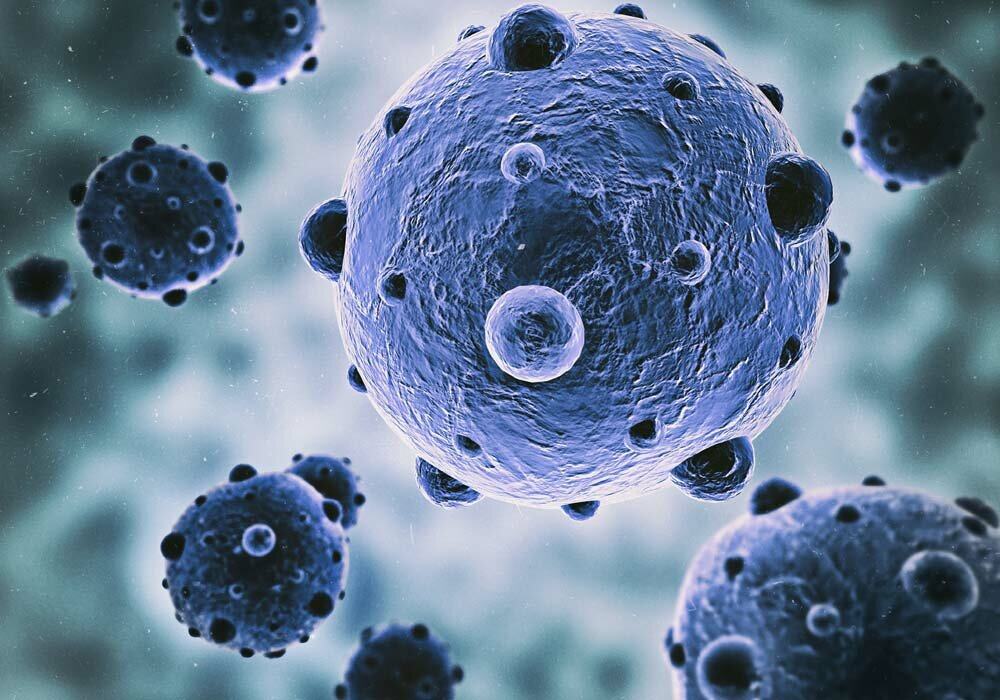
Panchakarma for Cancer Detoxification
Panchakarma, Ayurveda's flagship purification system, plays a central role in cancer management. It comprises five therapeutic procedures designed to eliminate vitiated doshas and accumulated toxins (Ama) from the body.
The Five Procedures Explained
- 1.Vamana (Therapeutic Emesis) — Indicated primarily for Kapha-type cancers; removes upper body toxins
- 2.Virechana (Purgation therapy) — Targets Pitta vitiation; cleanses liver, gallbladder, and GI tract
- 3.Basti (Medicated Enema) — The most important procedure for Vata regulation; uses herbal decoctions and medicated oils
- 4.Nasya (Nasal Administration) — For head and neck cancers; delivers medicinal formulations directly to the CNS
- 5.Raktamokshana (Bloodletting) — Historically used for blood-related cancers and localized tumours; now rarely practiced in its traditional form
When to Use Panchakarma in Cancer Treatment
- Timing matters enormously.
- Panchakarma is generally recommended:
- Before conventional treatment — to prepare the body and optimize tissue receptivity
- Between chemotherapy cycles — to reduce toxin accumulation and side effects (nausea, fatigue, mucositis)
- After completing treatment — for deep tissue rejuvenation and prevention of recurrence
However, Panchakarma is contraindicated during active chemotherapy infusion, in severely debilitated patients, during acute infection, and in late-stage cachexia. A qualified Panchakarma specialist must assess the patient's Bala (strength) before prescribing any procedure.
Rasayana Therapy: Immune Restoration and Rejuvenation After Cancer Treatment
- Rasayana is Ayurveda's approach to immunomodulation and tissue rejuvenation.
- For cancer patients, its role is threefold: restoring immunity depleted by chemotherapy and radiation, preventing recurrence, and improving overall quality of life.
How Rasayana Supports Immunotherapy Naturally
- The concept of immunotherapy in Ayurveda predates modern immunology by millennia.
- Rasayana herbs work by:
- Enhancing Ojas — the vital essence governing immunity, tissue integrity, and mental clarity
- Modulating cytokine activity — a 2017 study in the Journal of Ethnopharmacology showed Ashwagandha increased NK cell activity by 40% in murine models
- Supporting bone marrow recovery — Guduchi and Amalaki have shown haematopoietic (blood cell production) support in post-chemotherapy patients
The Four Categories of Ayurvedic Cancer Therapy
The PMC/NIH literature describes a sophisticated four-level framework:
- 1.Prakritisthapani Chikitsa — Health maintenance; for cancer prevention and early-stage support
- 2.Rasayana Chikitsa — Rejuvenation; restoring tissue health during and after treatment
- 3.Roganashani Chikitsa — Disease-specific treatment; targeted herbal and procedural protocols for specific cancer types
- 4.Naishthiki Chikitsa — Spiritual therapy; meditation, mantra, and psychological healing for terminal or advanced cases
Ayurvedic Medicine After Chemotherapy
- Post-chemotherapy recovery is where Ayurveda arguably shines brightest.
- Common protocols include:
- Chyawanprash (10–20g daily) — classical Rasayana for immune rebuilding
- Ashwagandha + Shatavari combination — for energy restoration and hormonal rebalancing
- Triphala (5g at bedtime) — for gut microbiome restoration after antibiotic and chemotherapy assault
- Abhyanga (oil massage) with Bala Taila — for peripheral neuropathy, a common chemo side effect
- Shirodhara — for chemo-brain, anxiety, and insomnia

Don't wait or self medicate. Start chat with Doctor NOW
Integrating Ayurveda with Conventional Cancer Treatment: A Step-by-Step Algorithm
This is the practical section no competitor provides. Here's a phase-wise protocol for integrating Ayurvedic care with standard oncological treatment.
Phase 1: Pre-Treatment Preparation (2–4 Weeks Before Surgery/Chemo)
- Prakriti (constitution) assessment by Ayurvedic doctor
- Mild Panchakarma: Snehana (oleation) and Swedana (sudation) only
- Start Ashwagandha and Guduchi for immune priming
- Anti-inflammatory diet initiation (see section below)
- Discontinue any blood-thinning herbs 2 weeks before surgery
Phase 2: During Active Conventional Treatment
- Do: Continue mild Rasayana herbs (Guduchi, Amalaki) — cleared by oncologist
- Do: Pranayama and gentle yoga (see section below)
- Don't: Heavy Panchakarma procedures
- Don't: St. John's Wort, high-dose Turmeric, Kalonji (potential CYP450 interactions with chemo drugs)
- Monitor: Liver function, platelet counts, kidney markers
Phase 3: Recovery and Rehabilitation (Post-Treatment)
- Full Panchakarma after physician clearance (typically 6–8 weeks post last chemo cycle)
- Rasayana protocol: Chyawanprash + Ashwagandha + Shatavari for 3–6 months
- Agni restoration diet
- Mind-body therapy: meditation, counselling, Shirodhara
Phase 4: Long-Term Prevention of Recurrence
- Seasonal Panchakarma (Ritucharya-based detox, 2x per year)
- Continued dietary discipline
- Yoga and Pranayama practice
- Annual Prakriti reassessment
Safety, Herb-Drug Interactions, and Contraindications
This is the section everyone avoids. But it's critical for patient safety and for building trust.
Known Herb-Drug Interactions in Cancer Care
| Ayurvedic Herb | Interacting Drug | Risk | Severity |
|---|---|---|---|
| Turmeric (high-dose curcumin) | Cyclophosphamide, Doxorubicin | May alter drug metabolism via CYP3A4 inhibition | Moderate |
| Ashwagandha | Immunosuppressants | May counteract immunosuppression | Moderate |
| Kalonji (Nigella sativa) | Anticoagulants (Warfarin) | Increased bleeding risk | High |
| Guduchi | Anti-diabetic drugs | Additive hypoglycemia | Low-Moderate |
| Triphala | Iron supplements, Statins | Altered absorption | Low |
Heavy Metal Contamination: The Elephant in the Room
- A 2008 study published in JAMA found that 20.7% of Ayurvedic medicines purchased via the internet contained detectable levels of lead, mercury, or arsenic.
- This doesn't mean Ayurveda is unsafe — it means sourcing matters enormously. Only purchase from GMP-certified manufacturers, look for heavy metal testing certificates, and avoid Rasa Shastra (mercurial) preparations unless prescribed by an extremely experienced practitioner with proper quality controls.
When Ayurveda Should NOT Be Used Alone for Cancer
- Let's be direct about this.
- Ayurveda should not be the sole treatment for:
- Any cancer with curative intent where surgery/chemo/radiation has proven efficacy
- Hematological emergencies (tumor lysis syndrome, DIC)
- Spinal cord compression or brain metastases
- Any case where delayed conventional treatment could reduce survival
Ayurveda's greatest stregnth in cancer care is as an adjunct — reducing side effects, improving quality of life, supporting immunity, and potentially enhancing the efficacy of conventional treatments.

Ayurvedic Diet and Nutrition for Cancer: Dosha-Specific Guidelines
Diet is medicine in Ayurveda — and this is one area where conventional oncology often falls short. Here are dosha-specific dietary recommendations for cancer patients.
Vata-Type Cancer Diet
- Favour: Warm, cooked, moist foods; soups, stews, ghee, sesame oil
- Avoid: Raw foods, cold beverages, dry crackers, excessive fasting
- Key foods: Moong dal, cooked beets, sweet potatoes, warm milk with Ashwagandha
Pitta-Type Cancer Diet
- Favour: Cooling, bitter, astringent foods; coconut water, cucumber, coriander
- Avoid: Spicy, fermented, fried foods; alcohol, vinegar, excessive tomatoes
- Key foods: Bitter gourd, pomegranate, amla, coconut oil, aloe vera juice
Kapha-Type Cancer Diet
- Favour: Light, warm, pungent foods; ginger tea, honey (unheated), millet
- Avoid: Dairy, wheat, sugar, oily and heavy foods
- Key foods: Barley, turmeric-ginger tea, steamed cruciferous vegetables, light soups
The Top 5 Cancer-Fighting Foods in Ayurveda
- 1.Turmeric — NF-κB pathway inhibition, anti-angiogenic
- 2.Amla (Indian Gooseberry) — richest natural source of Vitamin C, powerful antioxidant
- 3.Garlic (Lahsuna) — allicin has demonstrated anti-cancer properties in gastric and colorectal models
- 4.Green Tea — EGCG polyphenols; mentioned in integrative Ayurvedic protocols
- 5.Pomegranate — ellagic acid, anti-proliferative in breast and prostate cancer cell lines
Yoga, Pranayama, and Mind-Body Therapy for Cancer Patients
A 2019 systematic review in the Journal of Clinical Oncology found that yoga reduced cancer-related fatigue by 30–40% and significantly improved sleep quality, anxiety, and overall quality of life in breast cancer survivors.
Recommended Yoga Practices
- Gentle Asanas: Sukhasana, Shavasana, Viparita Karani (legs-up-the-wall), Balasana
- Pranayama: Nadi Shodhana (alternate nostril breathing), Bhramari (humming bee breath) — both reduce cortisol and activate parasympathetic tone
- Meditation: Yoga Nidra for deep relaxation; Mindfulness-Based Stress Reduction (MBSR) has the strongest evidence base
Counselling and Psycho-Spiritual Support
Sri Sri Cancer Care has highlighted the role of the mind as "a laser instrument of healing." This isn't just philosophy — psycho-neuro-immunology research confirms that chronic stress suppresses NK cell activity and promotes tumour-favorable inflammatory pathways. Meditation, group therapy, and spiritual counselling (Naishthiki Chikitsa) deserve a place in every cancer care plan.
Ayurveda in Palliative Care and Quality of Life Improvement
For advanced-stage and terminal cancer, where cure is no longer the goal, Ayurveda offers remarkably compassionate tools:
- Pain management: Dashamoola Kwatha, Nirgundi oil for localised pain, Bala-Ashwagandha Taila for nerve pain
- Appetite restoration: Trikatu churna, ginger-lemon preparation before meals
- Emotional support: Brahmi and Shankhapushpi for anxiety and cognitive decline
- Digestive care: Hingvasthaka churna for bloating and constipation in bedridden patients
- Sleep support: Jatamansi and warm milk with nutmeg
The goal in palliative Ayurveda is preserving Ojas — maintaining dignity, comfort, and mental peace for as long as possible. This is an area where Ayurveda can do what modern medicine sometimes cannot.
Ayurveda for Cancer: Comparison with Conventional Oncology
| Parameter | Conventional Oncology | Ayurvedic Approach |
|---|---|---|
| Primary Goal | Tumour elimination / remission | Doshic balance + immune restoration |
| Mechanism | Cytotoxic, surgical, radiation | Detoxification, immunomodulation, Rasayana |
| Side Effects | Significant (nausea, hair loss, neuropathy, immunosuppression) | Minimal when properly administered |
| Evidence Level | RCTs, Phase III trials, meta-analyses | Mostly pre-clinical, some Phase I/II; strong observational tradition |
| Cost | High (₹5–50 lakhs for full treatment in India) | Low to moderate (₹5,000–₹50,000/month) |
| Duration | Defined protocol (months) | Often ongoing, lifestyle-based |
| Best For | Curative intent, acute intervention | Adjunctive support, prevention, palliative care, quality of life |
| Regulatory Status | FDA/CDSCO approved protocols | AYUSH regulated; limited standardisation |
Frequently Asked Questions (FAQ)
Can Ayurvedic medicine be taken along with chemotherapy?
Yes, but with caution and proper medical supervision. Certain herbs like Guduchi and Amalaki are generally considered safe during chemotherapy and may help reduce side effects like fatigue and nausea. However, herbs like high-dose Curcumin and Kalonji can interact with chemotherapy drugs through CYP450 enzyme modulation. Always inform both your oncologist and Ayurvedic doctor about all medications and supplements you're taking.
What is Arbuda treatment in Ayurveda?
Arbuda (malignant tumour) treatment in Ayurveda follows a multi-pronged approach: Shodhana (purification through Panchakarma), Shamana (palliative herbal therapy), Rasayana (immune rebuilding), and in some cases, Shastra Karma (surgical excision) as described by Sushruta. The specific protocol depends on the Arbuda's doshic classification — Vataja, Pittaja, Kaphaja, or Raktaja.
What are the disadvantages of Ayurvedic medicine for cancer?
The main concerns include: lack of large-scale RCTs for most formulations, risk of heavy metal contamination in poorly sourced products, potential herb-drug interactions with chemotherapy, and the danger of delayed conventional treatment if Ayurveda is used as the sole therapy. Choose GMP-certified products and always work with qualified practitioners.
Is Ayurvedic cancer care effective for all types of cancer?
Ayurveda offers supportive care protocols for virtually all cancer types, but its effectivness varies. It shows the most promise as adjunctive care in breast cancer, colorectal cancer, and head-neck cancers, particularly for managing treatment side effects and improving quality of life. For aggressive cancers like pancreatic or late-stage lung cancer, Ayurveda's role is primarily palliative and supportive rather than curative.
What is the Ayurvedic treatment for cancer in Kerala?
Kerala has a strong tradition of Ayurvedic oncology, with specialized centres offering integrated protocols combining Panchakarma, herbal medicine, yoga therapy, and dietary management. The Kerala approach often emphasizes Dhara therapies (Shirodhara, Takradhara), specialized Basti protocols, and unique regional formulations. Treatment typically spans 21–90 days depending on the cancer type and stage.
How to beat stage 4 cancer?
- No honest practitioner — Ayurvedic or allopathic — can promise a cure for stage 4 cancer.
- What Ayurveda can genuinely offer at this stage is: improved quality of life, better pain management, reduced treatment side effects, emotional and spiritual support, and in some cases, extended survival through immune support. Focus on integrated care that combines the best of both systems.
Conclusion: Making Informed Choices About Ayurveda for Cancer
Ayurveda for cancer is neither a miracle cure nor a pseudoscientific relic. It is a sophisticated, evolving system of medicine with genuine therapeutic tools — from Ashwagandha's apoptosis-inducing Withaferin A to Panchakarma's detoxification protocols to Rasayana's immune-rebuilding capacity. The key is integration, not isolation.
If you or a loved one is navigating a cancer diagnosis, here is what we recommend:
- Do not delay or refuse proven conventional treatment
- Find a qualified Ayurvedic oncology practitioner (BAMS/MD Ayurveda with oncology experience)
- Inform all your doctors about every supplement, herb, and therapy you're using
- Source your medicines only from GMP-certified, heavy-metal-tested manufacturers
- Use Ayurveda strategically — for preparation, side-effect management, recovery, and long-term prevention
The best cancer care is not Ayurveda or modern medicine. It's Ayurveda and modern medicine, working together with full transparency.
Have questions about Ayurvedic cancer care specific to your situation? Our verified Ayurvedic doctors are available 24/7 to guide you through personalized recommendations.
Scientific Sources
- A scoping review on 'Maharishi Amrit Kalash', an ayurveda formulation for cancer prevention and management — Vohra R et al., 2024, Journal of Ayurveda and integrative medicine
- Report on the VI International Conference 2022 on 'Ayurveda for cancer' held at Wagholi, Pune — Vasant Deshmukh V, 2024, Journal of Ayurveda and integrative medicine
Questions from users
How long should I take Ayurvedic herbs for cancer support?
Samantha
3 days ago
The duration for taking Ayurvedic herbs for cancer support is not fixed and varies depending on individual circumstances, so it's essential to consult both with your oncologist and a qualified Ayurvedic practitioner. While specific herbs like ashwagandha or turmeric can offer supportive care during cancer treatment, they should be personalized to fit your unique health needs. Typical timelines can range from weeks to several months, depending on response and tolerance. Always watch for potential interactions with conventional cancer treatments. If you notice any adverse effects, contact your healthcare providers immediately.
What is the timeline for starting Ayurvedic treatment after a cancer diagnosis?
Sydney
13 days ago
Start considering Ayurvedic treatment after a cancer diagnosis as soon as you and your medical team find it appropriate. It's important to have both modern and Ayurvedic practitioners involved, ensuring treatments complement each other. Timing can vary, but early integration, like within the first few weeks, can allow for managing side effects and boosting overall wellness. Would def check with your oncologist first, tho!
How to prepare mentally for combining Ayurvedic care with cancer treatment?
Xander
22 days ago
Combining Ayurveda with cancer treatment can be challenging mentally. Stay open and flexible. Trust both doctors. Create a routine that includes meditation and journaling to express feelings. Stay informed but also give yourself space to process everything. Prioritize balance. Remember, mental peace supports healing. Take deep breaths, be patient with yourself and lean on support from loved ones.
What is the significance of Panchakarma in Ayurvedic cancer treatment?
Makayla
31 days ago
Panchakarma is crucial in Ayurvedic cancer treatment because it helps in Shodhana—purifying the body. It aims to detoxify the system, balance doshas, and enhance overall healing and strength. Think of it as a way to prepare the body to better respond to other therapies like herbal treatments or immune support with Rasayana. It’s about balancing and cleansing.
What is the role of Ashwagandha in supporting cancer treatment according to Ayurveda?
Charles
40 days ago
Ashwagandha plays a supportive role in cancer treatment in Ayurveda by helping induce apoptosis (that's cell death for cancer cells) due to a compound called Withaferin A. It's not a standalone treatment, but it is part of integrative care, helping manage treatment side effects and improving overall well-being. Always worth a discussion with a healthcare pro for personalized advice, though!
What is the role of detoxification in Ayurvedic cancer treatment?
Kiley
55 days ago
Detoxification in Ayurvedic cancer treatment helps remove toxins, or Ama, which can interfere with the body's natural healing process. It's about boosting Agni (digestive fire) so the body can better process nutrients and fight illness. This might be done using certain herbs or diet changes to kinda reset the body's balance.
Is it safe to follow an Ayurvedic diet while undergoing radiation therapy?
Rachael
65 days ago
Ayurvedic diets can be safe during radiation therapy, but it's essential to work with healthcare professionals who understand both Ayurveda and conventional medicine. The focus might be on balancing nutrition (Pathya) and supporting digestion (Agni). Discuss any diet changes with your oncologist just to make sure that everthing's harmonized!
Can I use Ayurvedic massage therapy to improve my overall energy during cancer treatment?
Zuri
75 days ago
Yes, Ayurvedic massage therapy can help improve overall energy during cancer treatment by balancing doshas and increasing ojas (vitality). It's all about personalizing it to your prakriti and needs. Definitely talk to your Ayurvedic practitioner to make sure it's safely integrated with your conventional treatment!
Can I use Ayurvedic herbs for external application on tumors?
Serenity
84 days ago
Yes, you can use Ayurvedic herbs for external application on tumors, but it's important to consult with a qualified Ayurvedic practitioner first. Different herbs suit different body types and imbalances, so a personalized approach is crucial. They can guide you on what's best for your prakriti and the specific condition.
Is it safe to combine Ayurveda with chemotherapy for cancer treatment?
Sage
94 days ago
Combining Ayurveda with chemotherapy can be helpful, but it's super important to chat with both your oncologist and an Ayurvedic practitioner. They could help you find a balance that's safe and supports your treatment. Ayurveda can focus on nutrition, managing emotions, and boosting energy (ojas), but do it alongside docs to avoid clashes.
Related articles

Oncology
Ayurvedic Medicine for Multiple Myeloma – Holistic Support Options
Explore Ayurvedic approaches for multiple myeloma. Discover holistic support strategies, complementary treatments, and traditional wisdom for enhancing quality of life alongside conventional care.
3,283

Oncology
Top Ayurvedic Medicines for Tremors: Safe & Effective Natural Remedies
Discover how Ayurvedic medicine addresses tremors with proven herbs, proper dosage, side effects, and scientific research-backed insights for better neurological health.
4,528

Oncology
Ayurvedic Medicine for Leukemia – Natural Healing Approaches for Blood Cancer
Learn about Ayurvedic treatments and herbs used for managing leukemia, supporting immune function, and improving overall well-being during cancer treatment.
4,223
Related consultations on the topic
Legal
Additional Documents
© 2024 Ask Ayurveda. All rights reserved.