Ask Ayurvedic doctor a question and get a consultation online on the problem of your concern in a free or paid mode. More than 2,000 experienced doctors work and wait for your questions on our site and help users to solve their health problems every day.
FREE! Ask Ayurvedic Doctors 24/7

 Fast responses
 1000+ verified doctors
Body DetoxEar, Nose, and Throat DisordersGeriatrics & RejuvenationImmunodeficiencyInfertility TreatmentNutritionOrthopedic DisordersPediatricsRespiratory DisordersSexually Transmitted Diseases (STDs)Surgery RecoveryUrological DisordersVascular DisordersDental DisordersEndocrinological DisordersGastrointestinal DisordersYoga TherapyGeneral MedicineAllergic DisordersCardio DisordersGynecology and ObstetricsCosmetologySkin and Hair DisordersEye DisordersInfectious DiseasesMental DisordersNeurological DisordersOncologyPanchakarmaSexual Health & DisordersSports Medicine
Published on 02/04/25
(Updated on 07/10/26)
3,632
Laksha Rasa – Ayurvedic Remedy for Strengthening Immunity and Treating Joint Disorders
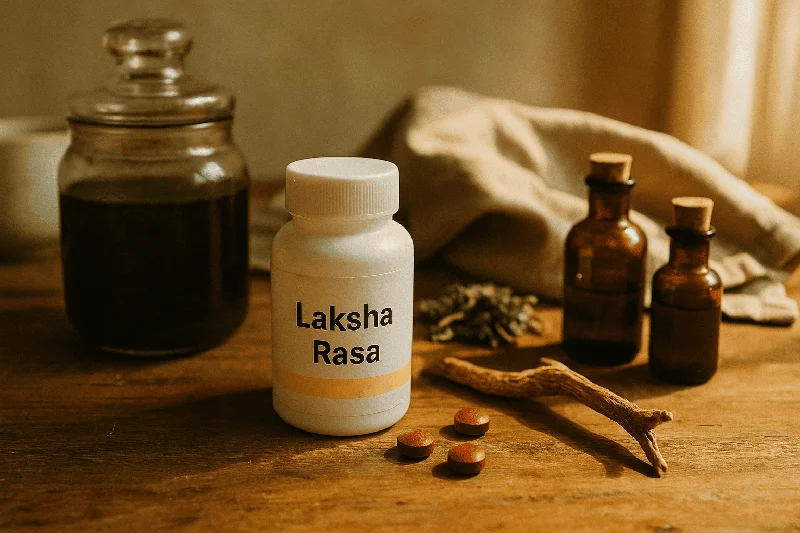
Laksha Rasa is an Ayurvedic liquid formulation (Rasa Kalpana) prepared from Laksha — the natural resinous secretion of the lac insect (Kerria lacca). Classified as an Upakalpana (sub-type) of Kwatha Kalpana in Sharangdhara Samhita, Laksha Rasa is specifically designed to extract and concentrate the bioactive compounds of lac resin into a water-based decoction. It is traditionally used to strengthen bones, heal fractures, reduce joint inflammation, treat bleeding disorders, and boost immunity. Unlike raw Laksha powder (Churna) or compound tablets like Lakshadi Guggulu, Laksha Rasa delivers the therapeutic properties of lac in a bioavailable liquid form that the body can absorb more efficiently.
This comprehensive guide covers everything you need to know — from classical references and step-by-step preparation to modern pharmacological insights, dosage, side effects, and quality control parameters that no other resource has fully addressed.
What Is Laksha Rasa?
Definition and Pharmaceutical Classification
Laksha Rasa is not simply lac dissolved in water. In Ayurvedic pharmaceutical science (Bhaishajya Kalpana), it is classified as an Upakalpana of Kwatha Kalpana — a specialized sub-preparation within the decoction category. The term "Rasa" here refers to the extracted juice or essence, not to mercurial preparations (Rasa Shastra).
- Sharangdhara Samhita (Madhyama Khanda, Chapter 2) describes the methodology for preparing Rasa from substances that cannot be boiled directly like herbs.
- Since Laksha is a resinous material — not a plant part — it requires a unique extraction technique involving the Dolayantra method (suspension in a cloth pouch within heated water), which allows gentle dissolution of water-soluble active compounds without degrading heat-sensitive constituents.
The result is a reddish-brown liquid concentrate, reduced to one-quarter of its original volume, that carries the therapeutic essence of lac resin in a form ready for internal administration.
How Is Laksha Rasa Different from Laksha Churna and Lakshadi Guggulu?
One of the most common confusions among practitioners and patients alike is choosing between different Laksha-based preparations.
Here's a clear comparison:
| Parameter | Laksha Rasa (Liquid) | Laksha Churna (Powder) | Lakshadi Guggulu (Tablet) |
|---|---|---|---|
| Form | Decoction / liquid extract | Fine powder | Compound tablet with Guggulu base |
| Preparation | Dolayantra extraction + reduction | Simple grinding and sieving | Multiple herbs processed with Guggulu |
| Bioavailability | High — pre-extracted actives | Moderate — needs digestion to release | Moderate to high |
| Primary Use | Acute inflammation, bleeding, fractures | General supplementation, external use | Chronic joint disorders, osteoporosis |
| Onset of Action | Faster (liquid absorption) | Slower | Moderate |
| Shelf Life | Short (1–3 days freshly prepared) | 6–12 months | 1–2 years |
| Classical Reference | Sharangdhara Samhita | Charaka Samhita, Sushruta Samhita | Bhaishajya Ratnavali |
| Adjuvant | Honey, Ghee, or milk | Honey or warm water | Warm water or milk |
When to choose Laksha Rasa: When you need rapid therapeutic action for acute conditions — fresh fractures, active bleeding (Raktapitta), or acute joint inflammation. The liquid form bypasses the need for extensive digestive breakdown. When to choose Laksha Churna: For long-term supplementation, external applications (wound healing, skin conditions), or when preparing compound formulations. When to choose Lakshadi Guggulu: For chronic osteoarthritis, osteoporosis, or degenerative joint diseases where sustained, long-term therapy with multiple synergistic herbs is needed.
Historical References in Classical Texts
Laksha holds a prominent place across major Ayurvedic texts:
- Charaka Samhita (Chikitsa Sthana, Chapter 25) — mentions Laksha in the context of Asthivaha Srotas (bone tissue channels) and fracture management
- Sushruta Samhita (Chikitsa Sthana, Chapter 3) — describes Laksha in Bhagna Chikitsa (fracture treatment) and as Sandhaniya (union-promoting)
- Sharangdhara Samhita (Madhyama Khanda, Chapter 2, Verse 1-3) — provides the specific methodology for Rasa Kalpana preparation, including the Dolayantra technique applicable to resinous substances like Laksha
- Bhavaprakasha Nighantu (Vatadi Varga) — classifies Laksha with its synonyms, Rasa, Guna, Veerya, and Vipaka properties
- Dhanvantari Nighantu and Raja Nighantu — provide additional synonyms and therapeutic categorizations
- Kaiyadeva Nighantu — includes Laksha under substances beneficial for Asthi Dhatu (bone tissue)
Acharya Sharangdhara specifically notes that substances which are Katthina (hard) and Nirdravya (not easily soluble) should be processed through Dolayantra to achieve optimal extraction — Laksha fits this description precisely.
Laksha (Lac): The Primary Ingredient
Origin and Production of Lac Resin
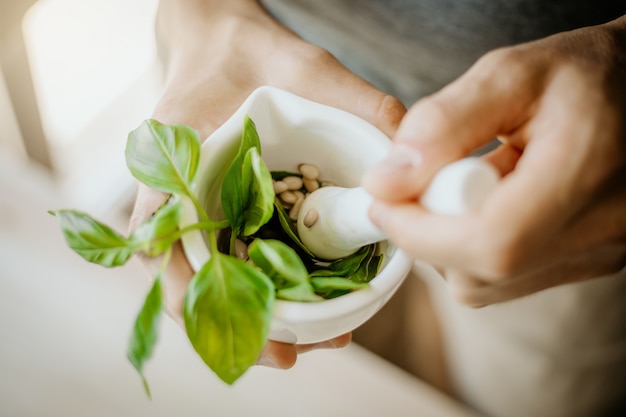
Lac is not a plant product. It is a natural resinous secretion produced by the female lac insect, Kerria lacca (previously classified as Laccifer lacca), belonging to the family Kerriidae. These tiny insects colonize the branches of specific host trees and secrete lac resin as a protective covering for their larvae.
India is the world's largest producer of lac, contributing approximately 50–60% of global output. The major lac-producing states include Jharkhand, Chhattisgarh, Madhya Pradesh, West Bengal, and Maharashtra.
The life cycle of the lac insect involves two main crop seasons:
- Baisakhi crop (summer): harvested in June–July
- Kartiki crop (winter): harvested in October–November
Host Trees
The quality of Laksha depends significantly on the host tree. Classical Ayurvedic texts recognize several host trees (Ashrayadruma):
- Palasha (Butea monosperma) — considered the best host, producing superior quality lac
- Ber (Ziziphus mauritiana)
- Babool (Acacia nilotica)
- Kusum (Schleichera oleosa)
- Peepal (Ficus religiosa)
- Bargad (Ficus benghalensis)
Bhavaprakasha Nighantu specifically states that Laksha obtained from Palasha is of highest medicinal grade.
Chemical Composition
The chemical profile of Laksha is complex and explains its diverse therapeutic applications:
| Component | Percentage | Key Compounds |
|---|---|---|
| Resin | 68–80% | Aleuritic acid, Shellolic acid, Jalaric acid |
| Wax | 5–6% | Myricyl palmitate, long-chain esters |
| Dye (Lac dye) | 2–10% | Erythrolaccin, Desoxyerythrolaccin, Laccaic acids A, B, C, D |
| Sugar | 1.5–8% | — |
| Proteins & amino acids | 5–10% | — |
| Minerals | 3–7% | Calcium, Zinc, Iron, Phosphorus |
| Volatile matter | 2–3% | — |
Aleuritic acid (9,10,16-trihydroxyhexadecanoic acid) is the primary resin acid and constitutes about 35% of the resin fraction. It has demonstrated anti-inflammatory and wound-healing properties in preclinical models. Erythrolaccin and laccaic acids are responsible for the characteristic red color and possess antioxidant and antimicrobial activity.
Vernacular Names and Sanskrit Synonyms
Laksha is known by numerous names across Indian languages:
- Sanskrit: Laksha, Raakta, Yavaphalapriya, Alaktaka (the red dye extract), Jantuja (insect-origin)
- Hindi: Lakh, Laha
- Tamil: Arakkum, Kallaccam
- Telugu: Lakkha
- Kannada: Arakku, Lakke
- Bengali: Lakh, Laksha
- Marathi: Lakh
- Malayalam: Arakku, Laksha
- Gujarati: Lakh
Ayurvedic Properties (Rasa Panchaka) and Effect on Doshas
What Are the Rasa, Guna, Veerya, and Vipaka of Laksha?
According to Bhavaprakasha Nighantu and Dhanvantari Nighantu:
| Property | Value |
|---|---|
| Rasa (Taste) | Kashaya (Astringent), Tikta (Bitter), Madhura (Sweet) |
| Guna (Quality) | Laghu (Light), Ruksha (Dry) |
| Veerya (Potency) | Sheeta (Cool) |
| Vipaka (Post-digestive effect) | Katu (Pungent) |
| Prabhava (Special effect) | Sandhaniya (Union-promoting), Varnya (Complexion-enhancing) |
Effect on Tridosha
Laksha is primarily a Vata-Kapha Shamaka — it pacifies both Vata and Kapha doshas. Its cooling potency (Sheeta Veerya) also helps in Pitta-related conditions, especially Raktapitta (bleeding disorders).
However, the interaction is nuanced. Due to its Kashaya Rasa and Ruksha Guna, excessive use can aggravate Vata in individuals with pre-existing Vata Prakruti. This is why classical texts recommend administering Laksha Rasa with Ghee or milk as an adjuvant — the unctuous medium counterbalances the drying tendency.
For Pitta conditions: administer with Ghee or milk (cooling adjuvants)
For Kapha conditions: administer with honey (Kapha-reducing adjuvant)
For Vata conditions: administer with Ghee and warm milk
Step-by-Step Preparation of Laksha Rasa
This is the most detailed, reproducible procedure available — filling a significant gap in existing literature. The method is based on the Dolayantra technique described in Sharangdhara Samhita and corroborated by the pharmaceutical analytical study published in the Journal of Ayurveda and Integrated Medical Sciences (JAIMS, 2023).
Ingredients and Equipment
- Laksha (Lac resin): 50 grams (cleaned, washed, free from impurities)
- Water: 800 ml (4 parts by volume)
- Muslin cloth: for making the Pottali (pouch)
- Vessel: Clay pot (Mritpatra) is traditional and preferred; stainless steel is acceptable
- String: Cotton thread for tying the pouch
- Strainer: Clean cotton or muslin cloth for filtration
Procedure (Dolayantra Method)
Step 1 — Purification of Laksha (Shodhana):
Wash raw Laksha thoroughly with warm water to remove dirt, insect remnants, and bark particles. Sun-dry for 4–6 hours. Pound coarsely using a mortar and pestle.
Step 2 — Pottali Preparation:
Take the coarsely powdered Laksha and place it in the center of a clean muslin cloth (approximately 30 × 30 cm). Gather the edges and tie securely with cotton thread, forming a pouch (Pottali). Leave enough thread length to suspend the pouch.
Step 3 — Setting up the Dolayantra:
- Pour 800 ml of water into the clay pot. Suspend the Pottali inside the pot using a wooden rod or stick placed across the mouth of the vessel. The pouch should hang in the water without touching the bottom of the pot.
- This is critical — direct contact with the heated bottom can cause localized overheating and degradation of active compounds.
Step 4 — Heating and Extraction:
Apply mild to moderate heat (Mandagni to Madhyamagni). As the water heats, it will gradually extract water-soluble compounds from the Laksha through the muslin cloth. You'll notice the water turning progressively reddish-brown.
Readiness markers to watch for:
- Water begins to simmer (not a rolling boil — maintain gentle simmering)
- Distinctive reddish-brown coloration develops
- Mild resinous aroma becomes noticeable
Step 5 — Volume Reduction:
Continue simmering until the liquid reduces to one-quarter (1/4) of the original volume — i.e., from 800 ml to approximately 200 ml. This concentration step typically takes 2.5–4 hours depending on heat intensity.
Step 6 — Removal and Filtration:
Remove the Pottali. Strain the remaining liquid through a clean muslin cloth to remove any fine particulate matter. The filtrate is your Laksha Rasa.
Step 7 — Optional Multi-Filtration (Potentiation):
The JAIMS (2023) study demonstrated that 21-fold filtration through fresh muslin cloth layers progressively reduces the pH of Laksha Rasa (from approximately 5.8 to 4.2), which may enhance its potency through increased extraction of acidic resin components. Each filtration cycle exposes the liquid to fresh cloth surface, potentially removing impurities while concentrating active acidic compounds.
Role of Vessel Material (Patra Bheda)
The choice of vessel matters more than most practitioners realize:
| Vessel Material | Effect on Laksha Rasa | Suitability |
|---|---|---|
| Clay pot (Mritpatra) | Neutral — no ion leaching; maintains original Rasa properties | Best — traditional choice |
| Stainless steel | Minimal interaction; acceptable for modern practice | Good — practical alternative |
| Copper (Tamra) | Adds trace copper ions; may enhance antimicrobial properties | Conditionally useful |
| Iron (Loha) | Iron ions interact with tannins in Laksha, changing color and properties | Not recommended unless specific Loha-Laksha combination is intended |
| Aluminium | Potential toxic leaching at low pH | Avoid completely |
The JAIMS study compared clay pot and stainless steel preparations, finding measurable differences in final pH and organoleptic characteristics, with the clay pot preparation showing slightly lower pH (more acidic) and a smoother taste profile.
Benefits and Therapeutic Uses of Laksha Rasa
How Does Laksha Rasa Help with Joint Pain and Fractures?
This is perhaps the most well-established use of Laksha Rasa. Ayurvedic texts categorize Laksha as Sandhaniya (union-promoting) and Asthisandhankara (bone-joint healing).
In fracture management, Laksha Rasa is administered internally alongside external application of Lakshadi Oil.
The mechanism works on multiple levels:
- Asthi Dhatu Poshana — nourishes bone tissue directly through its mineral content (Calcium, Phosphorus, Zinc)
- Vata Shamana — pacifies Vata dosha, which governs bone tissue metabolism
- Anti-inflammatory action — reduces swelling at the fracture site
- Collagen synthesis support — aleuritic acid's hydroxyl groups may support collagen cross-linking
For osteoarthritis and general joint pain, Laksha Rasa helps by reducing synovial inflammation and improving joint mobility. Traditional clinical experience suggests noticable improvement within 2–4 weeks of regular use.
Can Laksha Rasa Be Used for Skin Conditions?
Yes. Laksha Rasa has documented benefits for several dermatological conditions:
- Wound healing — its Kashaya Rasa (astringent) property promotes wound contraction
- Acne and inflammatory skin lesions — the Pitta-pacifying and antibacterial properties help
- Complexion enhancement — Bhavaprakasha classifies Laksha as Varnya (complexion-improving)
- Eczema — external application combined with internal use addresses both local and systemic factors
Laksha Rasa for Bleeding Disorders
The Sheeta Veerya (cooling potency) and Kashaya Rasa make Laksha Rasa an excellent Raktastambhaka (hemostatic agent).
It is traditionally used for:
- Menorrhagia (excessive menstrual bleeding) — administered with cold milk
- Raktapitta (bleeding diathesis) — with Ghee and sugar
- Bleeding gums — as a mouth rinse or gargle
- Hemorrhoids with bleeding — with buttermilk
Respiratory Benefits: Asthma, Bronchitis, and Chronic Cough
While less commonly discussed, Laksha Rasa plays a role in respiratory conditions where Kapha accumulation is the primary pathology. Its Laghu (light) and Ruksha (dry) qualities help mobilize stagnant Kapha from the respiratory tract. Combined with honey as an adjuvant, it can be used supportively in:
- Chronic bronchitis with productive cough
- Tamaka Shwasa (bronchial asthma) — as adjunct therapy
- Recurrent upper respiratory infections — for immune strengthening
Immunity Strengthening (Vyadhikshamatva)
Laksha Rasa enhances immunity through several mechanisms. It improves Ojas (vital essence) production by nourishing all seven Dhatus sequentially. The mineral content supports immune cell function, while the antioxidant lac dye compounds (erythrolaccin, laccaic acids) help neutralize oxidative stress.

Don't wait or self medicate. Start chat with Doctor NOW
Modern Pharmacological Mechanisms
Anti-Inflammatory Pathways
While large-scale randomized controlled trials (RCTs) specifically on Laksha Rasa are still lacking — a gap that the Ayurvedic research community needs to address — preclinical studies on lac resin compounds provide mechanistic insights:
- COX-2 inhibition: Aleuritic acid has shown cyclooxygenase-2 inhibitory activity in in-vitro models, similar to conventional NSAIDs but without the gastropathy risk (Sharma et al., 2018, Indian Journal of Pharmaceutical Sciences)
- TNF-α modulation: Lac resin extracts reduced tumor necrosis factor-alpha levels in lipopolysaccharide-stimulated macrophages, suggesting systemic anti-inflammatory potential
- NF-κB pathway: Laccaic acid D has demonstrated inhibition of the NF-κB signaling pathway, which is central to chronic inflammatory conditions like rheumatoid arthritis
- Antioxidant activity: DPPH free radical scavenging assays showed lac dye compounds possessing significant antioxidant capacity (IC50 values comparable to ascorbic acid in some fractions)
A 2019 preclinical study published in the Journal of Ethnopharmacology found that aqueous lac extracts (essentially analogous to Laksha Rasa) showed dose-dependent reduction in paw edema in carrageenan-induced inflammation models — with the 200 mg/kg dose showing 62% inhibition at 4 hours, compared to 71% for the standard drug indomethacin.
Bioavailability Considerations
The liquid Rasa form offers superior bioavailability compared to Churna for water-soluble components (laccaic acids, minerals, amino acids). However, resin-soluble compounds (aleuritic acid, shellolic acid) have limited aqueous solubility. This is why traditional formulations sometimes combine Laksha Rasa with Ghee — the lipid medium solubilizes these resin acids, dramatically improving their absorption.
Dosage: How Should Laksha Rasa Be Taken?
General Adult Dosage
| Condition | Dose | Adjuvant (Anupana) | Frequency | Duration |
|---|---|---|---|---|
| Joint pain / Arthritis | 20–40 ml | Warm milk or Ghee | Twice daily, before meals | 4–8 weeks |
| Fractures | 30–50 ml | Milk with Ghee | Twice daily | Until consolidation (6–12 weeks) |
| Bleeding disorders | 20–30 ml | Cold milk or sugar water | 2–3 times daily | Until bleeding stops + 1 week |
| Immune strengthening | 15–30 ml | Honey | Once daily, morning | 4–6 weeks |
| Skin conditions | 20–30 ml | Ghee | Twice daily | 4–8 weeks |
| Respiratory conditions | 15–25 ml | Honey + warm water | Twice daily | 3–6 weeks |
Dosage for Children (Age 5–12)
Half the adult dose — 10–15 ml, twice daily with milk. Not recommended for children under 5 without direct supervision of a qualified Vaidya.
Dosage for Elderly Patients
Start with the lower end of the adult range (15–20 ml) and gradually increase based on tolerance. Elderly patients with compromised digestion (Mandagni) may benefit from adding a pinch of Trikatu Churna to the adjuvant.
How Long Does It Take to See Results from Laksha Rasa?
Based on traditional clinical experience and practitioner reports:
- Acute inflammation/pain: 3–7 days for noticeable relief
- Fracture healing: 2–4 weeks for measurable improvement on radiograph
- Chronic arthritis: 3–6 weeks for significant improvement
- Bleeding disorders: Often within 2–5 days
- Immunity building: 4–8 weeks for sustained effect
Side Effects and Precautions
Are There Any Side Effects of Using Laksha Rasa?
Laksha Rasa is generally well-tolerated when used in recommended doses with appropriate adjuvants.
However, potential side effects include:
- Gastrointestinal discomfort: Mild nausea or stomach heaviness, especially when taken on an empty stomach without a proper adjuvant. Usually resolves by taking it with milk or after meals
- Constipation: Due to the Kashaya Rasa (astringent) and Ruksha Guna (drying quality). Counteract by increasing Ghee intake or adding a mild laxative like Triphala
- Allergic reactions: Rare but documented. Individuals with known shellac allergy should avoid Laksha Rasa entirely. Symptoms may include skin rash, itching, or in severe cases, respiratory distress
- Excessive dryness of skin or mouth: With prolonged use, particularly in Vata-dominant individuals
Specific Contraindications
| Clinical Situation | Recommendation | Reasoning |
|---|---|---|
| Pregnancy | Avoid unless prescribed by experienced Vaidya | Uterine stimulant potential; insufficient safety data |
| Lactation | Use with caution, low doses only | Insufficient transfer studies |
| Chronic kidney disease | Avoid or use minimal doses | Mineral accumulation risk |
| Liver disease (active hepatitis, cirrhosis) | Contraindicated | Impaired metabolism of resin compounds |
| Patients on anticoagulants (Warfarin, Heparin) | Avoid | Additive bleeding risk due to hemostatic properties may paradoxically interfere with coagulation cascade |
| Type 1 Diabetes | Use with monitoring | Potential blood sugar fluctuations |
| Known shellac allergy | Absolute contraindication | Anaphylaxis risk |
| Pre-surgical patients | Stop 2 weeks before surgery | Potential interaction with anesthesia and anticoagulant protocols |
Drug Interactions
Laksha Rasa may interact with:
- Anticoagulants and antiplatelets: Altered bleeding times
- Calcium supplements: Additive calcium intake may lead to hypercalcemia
- Iron supplements: Tannins in Laksha can bind iron, reducing its absorption — separate doses by at least 2 hours
- Immunosuppressants: Theoretical antagonism due to immunostimulatory effects of Laksha
Quality Control and Standardization
This is an area where existing resources have been virtually silent, yet it's critical for safe and effective use.
Analytical Parameters for Laksha Rasa
| Parameter | Acceptable Range | Test Method |
|---|---|---|
| pH | 4.0 – 6.0 | Digital pH meter |
| Specific Gravity | 1.02 – 1.08 | Pycnometer |
| Total Solids | 8 – 15% w/v | Evaporation method |
| Ash Value | < 5% | Muffle furnace at 450°C |
| Acid-insoluble Ash | < 1% | HCl-insoluble residue |
| Heavy Metals (Pb, Hg, As, Cd) | Within WHO/AYUSH limits | AAS / ICP-MS |
| Microbial Load | Total aerobic count < 10⁵ CFU/ml | Standard plate count |
| TLC/HPTLC Fingerprint | Characteristic bands for laccaic acid and aleuritic acid | Silica gel 60 F254, ethyl acetate:methanol:water (8:1:1) |
Storage and Shelf Life
Freshly prepared Laksha Rasa has a limited shelf life of 1–3 days when stored at room temperature, consistent with the general principle in Sharangdhara Samhita that Kwatha preparations are best used fresh.
Storage guidelines:
- Store in clean glass or food-grade stainless steel containers (never aluminium)
- Refrigeration (4–8°C) can extend usability to 5–7 days
- Protect from direct sunlight
- Do not reheat repeatedly — each reheating cycle degrades heat-sensitive compounds
Signs of spoilage:
- Foul or fermented odor (fresh Laksha Rasa has a mild, pleasant resinous smell)
- Visible mold or surface film
- Significant color change (darkening to black)
- Increased viscosity with slimy texture
- pH dropping below 3.5 (excessive acidification from microbial fermentation)
If any of these signs appear, discard the preparation immediately.
Traditional Home Remedies Using Laksha
Here are some classical home applications that practitioners have used for centuries:
For Menorrhagia (Heavy Menstrual Bleeding):
Mix 30 ml of freshly prepared Laksha Rasa with 100 ml cold milk and 1 teaspoon of sugar. Take twice daily from day 1 of menstruation until bleeding normalizes.
For Dental Caries and Gum Bleeding:
Combine 10 ml Laksha Rasa with 1 teaspoon of honey. Apply gently to affected gums and hold for 5 minutes before spitting out. Repeat 2–3 times daily.
For Bone Strengthening (Osteoporosis Prevention):
Take 25 ml Laksha Rasa with 5 grams Guggulu powder and 3 grams Triphala Churna mixed in warm milk. Once daily for 3 months.
For Wound Healing (External Application):
Soak a clean cotton pad in Laksha Rasa and apply directly to clean wounds. Secure with bandage. Change twice daily. The astringent property promotes wound contraction and the antimicrobial compounds help prevent infection.
Where Can I Buy Authentic Laksha Rasa?
Authentic Laksha Rasa is primarily available through:
- Ayurvedic pharmacies and Panchakarma centers — many prepare it fresh on-demand
- Certified Ayurvedic manufacturers — look for GMP-certified facilities approved by the AYUSH Ministry
- Direct from qualified Vaidyas — many traditional practitioners prepare Laksha Rasa in their practice
Red flags when purchasing:
- No manufacturing or expiry date
- Unusually long shelf life claims (> 6 months for liquid form)
- Extremely low price (quality Laksha from Palasha host trees commands a premium)
- Missing AYUSH license number on commercial products
- No batch number or quality certificate available upon request
When in doubt, consider sourcing raw Laksha from a reputable Ayurvedic raw material supplier and preparing the Rasa fresh at home following the procedure described above — this guarantees authenticity and potency.
Frequently Asked Questions (FAQ)
What is the difference between Laksha Rasa and Laxmivilas Ras?
These are completely different formulations despite the similar-sounding names. Laksha Rasa is a simple decoction of lac resin, while Laxmivilas Ras is a complex mercurial preparation (Rasa Aushadhi) containing processed mercury, sulfur, and multiple herbs. They have different indications, dosage forms, and safety profiles. Do not confuse or substitute one for the other.
Can Laksha Rasa be used alongside homeopathic medicines?
There is no strong evidence of direct pharmacological interaction between Laksha Rasa and homeopathic preparations. However, many Ayurvedic practitioners recommend separating the doses by at least 30 minutes to avoid any potential interference with the subtle mechanism of homeopathic remedies. Consult both your Ayurvedic and homeopathic practitioners before combining.
Is Laksha Rasa available in powder form?
Laksha Rasa itself is a liquid — that's what "Rasa" signifies in this context. If you find "Laksha Rasa powder" being sold, it is likely either mislabeled Laksha Churna or a spray-dried version of the decoction (which is not a traditional preparation). For authentic therapeutic benefit, use the freshly prepared liquid form.
Can I take Laksha Rasa with Western medicines for arthritis?
Exercise caution. If you are taking NSAIDs (ibuprofen, diclofenac), there may be additive effects on gastric mucosa and bleeding risk. If you're on DMARDs (methotrexate) or biologics, the immunomodulatory action of Laksha could theoreticaly interfere. Always inform your rheumatologist and Ayurvedic practitioner about all medications you are taking. A qualified integrative medicine doctor can help determine safe combinations.
What is the connection between Laksha and the red dye Alta (Alaktaka)?
Alta (also called Mahavar) is the cosmetic red dye extracted from Laksha — specifically from the lac dye fraction containing erythrolaccin and laccaic acids. The extraction process involves boiling Laksha in water, filtering, and concentrating the dye. While Alta is used externally for decorative purposes (applied on feet and palms during festivals and weddings), Laksha Rasa is an internal medicine with therapeutic intent. They share the same raw material but serve entirely different purposes.
Conclusion
Laksha Rasa represents one of Ayurveda's most elegant pharmaceutical innovations — transforming a raw insect secretion into a potent, bioavailable therapeutic liquid through the precise science of Dolayantra extraction. Its documented benefits for bone healing, joint disorders, bleeding conditions, and immune strengthening are supported by centuries of clinical experience and increasingly by modern pharmacological evidence.
What makes this preparation uniquely valuable is the combination of rapid onset (liquid form), targeted action on Asthi Dhatu, and relative safety
Scientific Sources
- Ethnobotany, phytochemistry, pharmacology, and toxicity of Centella asiatica (L.) Urban: A comprehensive review — Biswas D et al., 2021, Phytotherapy research : PTR
- From covalent bonds to eco-physiological pharmacology of secondary plant metabolites — Chatterjee SS, 2015, Biochemical pharmacology
- Daily intranasal sesame oil instillation to improve nasal barrier function and mucosal immunity for respiratory health: A pilot randomized trial in healthy adults — Chaturvedi S et al., 2025, Complementary therapies in medicine
- Mucuna pruriens Treatment for Parkinson Disease: A Systematic Review of Clinical Trials — Hammoud F et al., 2025, Parkinson's disease
- The role of alternative medicine in treating postnatal depression — Mantle F, 2002, Complementary therapies in nursing & midwifery
- Effectiveness of CAM therapy: understanding the evidence — Staud R, 2011, Rheumatic diseases clinics of North America
- Ethnodermatological use of medicinal plants in India: From ayurvedic formulations to clinical perspectives - A review — Anand U et al., 2022, Journal of ethnopharmacology
- COVID-19 pandemic: A pragmatic plan for ayurveda intervention — Rastogi S et al., 2022, Journal of Ayurveda and integrative medicine
- Integrative Medicine as an Adjunct to Orthopaedic Surgery — Ficke JR et al., 2018, The Journal of the American Academy of Orthopaedic Surgeons
- Safety and toxicity issues associated with lead-based traditional herbo-metallic preparations — Nagarajan S et al., 2014, Journal of ethnopharmacology
- Ayurvedic medicine for the treatment of chronic rhinosinusitis: a systematic review of randomized and non-randomized trials — Schmale IL et al., 2023, Journal of complementary & integrative medicine
- Exploring the Efficacy of Integrating Yoga and Ayurveda for Hypertension Treatment — Balkrishna A et al., 2025, Current hypertension reviews
- Safety of Ashwagandha Root Extract: A Randomized, Placebo-Controlled, study in Healthy Volunteers — Verma N et al., 2021, Complementary therapies in medicine
- An Insight of Clinical Evidence of Ayurveda Interventions in the Management of COVID-19 Patients — Maideen NMP et al., 2022, Infectious disorders drug targets
- Ayurveda in changing scenario of diabetes management for developing safe and effective treatment choices for the future — Banerjee S et al., 2015, Journal of complementary & integrative medicine
- BAD SCIENCE: Oil pulling — King A, 2018, British dental journal
- Exploring Ayurveda's Potential in Parkinson's Disease: A Comprehensive Narrative — Chikkanna U et al., 2025, Cureus
- Scientific evidence on the role of Ayurvedic herbals on bioavailability of drugs — Atal CK et al., 1981, Journal of ethnopharmacology
- Therapeutic plants of Ayurveda: a review of selected clinical and other studies for 166 species — Khan S et al., 2001, Journal of alternative and complementary medicine (New York, N.Y.)
- Ayurveda and a different kind of evidence: from Lord Macaulay to Lord Walton (1835 to 2001 AD) — Vaidya AD et al., 2001, The Journal of the Association of Physicians of India
Questions from users
Can I use Laksha Rasa as a natural dye for crafts?
Lucas
2 days ago
Laksha Rasa can be used as a natural dye for crafts. It is derived from the resinous secretion of the female lac insect, traditionally boiled, filtered, and concentrated to produce a vibrant dye. However, a few considerations are essential before using it for crafting. Individuals with a shellac allergy should avoid it entirely. Additionally, its availability in liquid form may require careful handling and storage. While Ayurveda references it, crafts-specific guidance is limited, so start with small quantities to test compatibility with your materials.
Can Laksha Rasa be used topically for skin benefits?
Anthony
12 days ago
Laksha Rasa is typically used internally in Ayurveda, it's not commonly applied topically for skin. For skin benefits, a paste made from Laksha or natural lac may be more suitable. But hey, checking with a local Ayurvedic practitioner they can guide you based on your body's needs, doshas, and all.
Can Laksha Rasa help with improving my digestion naturally?
Thomas
21 days ago
Laksha Rasa isn't really aimed at directly improving digestion. It's more about its therapeutic effects like helping with bone healing and astringency. If you're looking to boost digestion naturally, maybe try herbs like ginger or cumin which are better known in Ayurveda for digestive issues. Consider your dosha too, as balancing it can improve digestion. If you're not sure, consulting a practitioner to get a tailored advice would be beneficial!
Is it safe to use Laksha Rasa during recovery from surgery?
Valerie
38 days ago
Yes, it can be safe to use Laksha Rasa after surgery, but it's always best to consult with a qualified Ayurvedic practitioner first, just to be sure. It’s great for tissue recovery and balancing Vata dosha, which can help with healing, but everyone’s body is unique, so getting a tailored advice is smart.
What is the best way to store Laksha Rasa to maintain its potency?
Michael
48 days ago
The best way to store Laksha Rasa is by keeping it in a cool, dry place away from direct sunlight and moisture. This keeps its potency intact. Make sure it's in a well-sealed container to prevent air exposure. If you got any more questions about it, feel free to ask your Ayurevdic practitioner!
Can Laksha Rasa improve lung function for people with asthma?
Anna
58 days ago
Yes, Laksha Rasa might help improve lung function for folks with asthma. It's known to calm inflammation and boost respiratory health, potentially making breathing easier. Just remember, it's key to follow the specific treatment plan prescribed by a seasoned practitioner. Always considerate your prakriti (constitution) and current dosha balance too!
Can I mix Laksha Rasa with other herbal remedies for better results?
Sofia
67 days ago
Mixing Laksha Rasa with other herbal remedies could enhance its benefits, especially if they target similar issues, like inflammation or Vata imbalances. Just be cautious—some combinations might interact in unexpected ways. It’s often best to consult with an Ayurvedic practitioner who can consider your unique dosha and imbalances.
What is the recommended method for taking Laksha Rasa to maximize its benefits?
Hudson
77 days ago
To maximize Laksha Rasa benefits, take it in doses of 250-500 mg once or twice a day. You can mix it with warm water, ghee, or milk. Choose what suits your body and digestion best. Focus on consistent use for best results. And always, it's good to consult with an Ayurvedic doctor for personalized advice!
Can Laksha Rasa help improve my immune system during cold season?
Avery
86 days ago
Yes, Laksha Rasa can support immune system, especially during cold season. It's known for boosting immunity and promoting tissue healing. But always keep balance - too much might upset your digestion. If you have existing health conditions, maybe chat with a healthcare provider first!
Is Laksha Rasa safe to use for children with joint pain?
Isaac
96 days ago
Laksha Rasa can be helpful for joint pain, but when it comes to kids, it's best to be extra cautious. Kids have different needs and sensitivities. I'd suggest consulting with a qualified ayurvedic practitioner who can consider the child's dosha and overall constitution. They can guide you on the safest approach. A personalized check is key!
Related articles

Orthopedic Disorders
How to Lubricate Joints Naturally and Improve Flexibility
Learn how to lubricate joints naturally, increase synovial fluid, use herbs for joint lubrication, and relieve stiffness with natural methods and diet tips
5,053

Orthopedic Disorders
Gandharvahasthadi Thailam Benefits, How To Use, Ingredients, Side Effects
Exploration of Gandharvahasthadi Thailam Benefits, How To Use, Ingredients, Side Effects
1,892
Orthopedic Disorders
Asthi Shrinkhala – Ayurvedic Remedy for Bone Strength & Joint Health
Learn about Asthi Shrinkhala, an Ayurvedic formulation known for promoting bone health, improving joint strength, and preventing bone-related disorders.
3,500
Orthopedic Disorders
Dashmool Tail – Ayurvedic Oil for Joint Health & Inflammatory Relief
Explore Dashmool Tail, a traditional Ayurvedic herbal oil for managing joint pain, inflammation, rheumatism, headaches, and more. Discover its benefits, preparation, and applications using natural remedies.
3,479
Orthopedic Disorders
Yograj Guggulu Easy Ayurveda – Simple Ayurvedic Formula for Health & Wellness
Discover Yograj Guggulu Easy Ayurveda, a simplified Ayurvedic formulation known for its detoxifying, anti-inflammatory, and metabolic benefits, promoting overall health and wellness naturally.
3,477

Orthopedic Disorders
Rasnadi Guggulu – Uses, Dose and Side Effects
Exploration of Rasnadi Guggulu – Uses, Dose and Side Effects
2,505
Orthopedic Disorders
Kukkutnakhi Guggul: Benefits, Dosage & Science-Backed Insights
Discover the proven benefits, proper dosage, side effects, and scientific research behind Kukkutnakhi Guggul, a powerful Ayurvedic formulation for joint health and inflammation.
3,835

Orthopedic Disorders
Why Is Only My Left Leg Swelling: Ayurvedic Explanation and Natural Remedies
Why is only your left leg swelling? Discover Ayurvedic causes of left leg pain and swelling, common signs of imbalance, and natural ways to reduce inflammation
2,705

Orthopedic Disorders
Kottamchukkadi Thailam – Benefits, How To Use, Ingredients, Side Effects
Exploration of Kottamchukkadi Thailam – Benefits, How To Use, Ingredients, Side Effects
4,109

Orthopedic Disorders
Rasnadi Kashayam – Benefits, Dose, Side Effects, Ingredients and Reference
Exploration of Rasnadi Kashayam – Benefits, Dose, Side Effects, Ingredients and Reference
2,857
Related consultations on the topic
Legal
Additional Documents
© 2024 Ask Ayurveda. All rights reserved.