FREE! Ask Ayurvedic Doctors 24/7

 Fast responses
 1000+ verified doctors
Ayurvedic Treatment for Abscess – Natural Remedies to Promote Healing
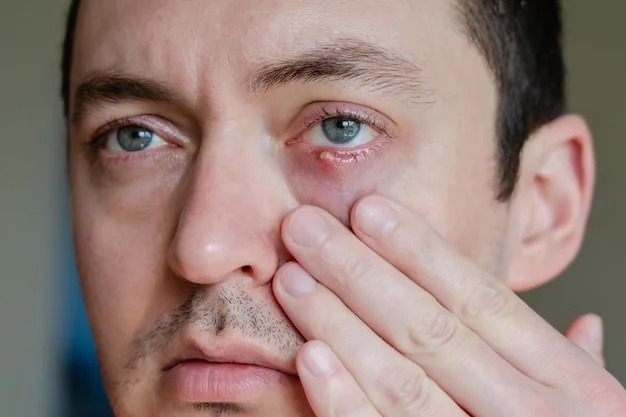
An abscess (known as Vidradhi in Ayurveda) is a painful, pus-filled swelling caused by infection, and Ayurvedic treatment offers a comprehensive approach that targets not just the symptoms but the underlying doshic imbalance driving the condition. The core strategy involves identifying whether the abscess is immature (Ama avastha) or mature (Pakva avastha), then applying stage-specific interventions — including herbal medicines like Haridra (turmeric), Neem, and Triphala, Panchakarma therapies such as Virechana and Raktamokshana, topical herbal pastes (Lepa), and surgical drainage (Shastrakarma) followed by classical wound care (Vranopachar) when necessary.
Unlike the conventional approach that often relies solely on antibiotics and incision, Ayurveda treats the root cause: the accumulation of toxins (Ama) in the blood and muscle tissues due to weakened digestive fire (Agni) and aggravated Pitta dosha. This is why Ayurvedic treatment tends to show lower recurrence rates when the full protocol — including dietary changes, lifestyle modifications, and doshic balancing — is followed consistently.
Let's break down everything you need to know.
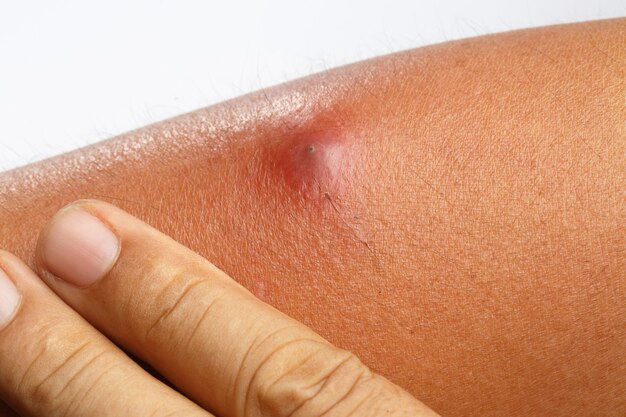
How Does Ayurveda Understand and Classify Abscesses (Vidradhi)?
In Ayurvedic medicine, abscesses are not simply "infections." They are understood as a manifestation of deep-seated doshic imbalance, primarily involving Pitta dosha (the principle governing heat, metabolism, and inflammation), with secondary involvement of Vata and Kapha depending on the type.
The classical texts — Sushruta Samhita, Charaka Samhita, Madhava Nidana, and Bhavaprakasha — all dedicate significant attention to Vidradhi. Acharya Sushruta, widely regarded as the father of surgery, described six types of Vidradhi: Vataja, Pittaja, Kaphaja, Sannipataja (tridoshic), Raktaja (blood-origin), and Agantuja (traumatic/external cause).
The Role of Agni, Ama, and Dhatu in Abscess Formation (Samprapti)
This is where Ayurveda's understanding goes deeper than most modern descriptions. Here's the full pathogenesis (Samprapti) that none of the commonly available resources explain in detail:
- 1.Agni Mandya (weakened digestive fire) — Poor digestion creates Ama (metabolic toxins)
- 2.Ama enters Rakta Dhatu (blood tissue) — Toxins circulate through the bloodstream
- 3.Pitta aggravation causes local inflammation — The toxins settle in vulnerable areas
- 4.Mamsa Dhatu involvement (muscle tissue) — Ama combines with Rakta and Mamsa, creating Dushta Rakta (vitiated blood)
- 5.Paka (suppuration) — The body attempts to isolate the infection, forming a walled-off collection of pus
This mechanism explains why people with chronically poor digestion, irregular eating habits, or excessive consumption of Pitta-aggravating foods (spicy, fermented, acidic) are significantly more prone to abscess formation.
Classification of Abscesses by Location
Ayurveda recognizes that abscesses can form virtually anywhere in the body, and the treatment approach varies based on location:
| Location | Ayurvedic Term / Context | Key Considerations |
|---|---|---|
| Skin / Subcutaneous | Bahya Vidradhi | Most common; responds well to Lepa + oral medicines |
| Breast (Mastitis-related) | Stana Vidradhi (ICD-10: N61.1) | Requires gentle approach; Jatyadi Ghrita for wound care |
| Perianal / Rectal | Bhagandara-associated Vidradhi | Often linked to fistula; Ksharasutra may be needed |
| Dental / Gum | Danta Vidradhi | Triphala Kashaya gargling + systemic treatment |
| Axillary / Inguinal | Related to Kapha-predominant blockage | Often recurrent; needs deeper Panchakarma |
| Pilonidal | Nadi Vrana (sinus-type) | Surgical drainage + Panchamoola Kashaya wash |
| Internal organs | Abhyantara Vidradhi | Requires immediate medical attention — see warnings below |
Ama Avastha vs Pakva Avastha: Why the Stage Matters
This is perhaps the most critical clinical distinction in Ayurvedic abscess management, and one that most online resources barely touch:
Ama Avastha (Immature Stage):
- The abscess is hard, painful, without a defined point
- No fluctuance (pus hasn't fully formed)
- Treatment goal: Resolve the swelling WITHOUT surgery — using Ama Pachana (toxin digestion), anti-inflammatory Lepa, and Pitta-pacifying herbs
- Incision at this stage is contraindicated as per Sushruta
Pakva Avastha (Mature/Ripe Stage):
- Soft, fluctuant swelling with a visible point
- Skin may be thinned, yellowish, or about to rupture
- Treatment goal: Facilitate drainage (surgical or spontaneous) and manage the wound
- This is when Sushruta recommends Shastrakarma (incision & drainage)
Getting this wrong — cutting too early or waiting too long — is what leads to complications and recurrence.
What Herbs Are Most Effective for Treating Abscesses?
Ayurvedic herbal treatment for abscesses works on multiple levels: reducing inflammation, fighting infection, digesting Ama, purifying blood, and accelerating wound healing. Here are the most clinically significant herbs, based on classical references and modern research.
Top Internal Herbs and Formulations
- Haridra (Curcuma longa / Turmeric) — The cornerstone of Ayurvedic anti-inflammatory treatment. Curcumin, its active compound, has been shown in a 2020 systematic review published in Phytotherapy Research to exhibit significant antibacterial activity against common abscess-causing organisms including Staphylococcus aureus.
- Dosage: typically 500 mg standardized extract twice daily, or 1 teaspoon of raw turmeric in warm milk.
Neem (Azadirachta indica) — Powerful blood purifier (Raktashodhaka) and antimicrobial. A 2018 study in the Asian Pacific Journal of Tropical Medicine demonstrated neem leaf extract's effectiveness against both gram-positive and gram-negative bacteria. Often given as Neem capsules (500 mg twice daily) or decoction.
- Guduchi / Giloy (Tinospora cordifolia) — Immunomodulator and Ama Pachaka. Enhances the body's natural ability to fight infection while clearing toxins.
- Typical dose: 500 mg tablet or 15-20 ml fresh juice twice daily.
Manjishta (Rubia cordifolia) — The premier Rakta Shodhaka (blood purifier) in Ayurveda. Directly addresses the Dushta Rakta that underlies abscess formation. Key Formulations:
| Formulation | Primary Action | Typical Dosage | Duration |
|---|---|---|---|
| Kaishore Guggulu | Anti-inflammatory, blood purifier | 2 tablets (500 mg each) twice daily | 4-8 weeks |
| Gandhaka Rasayana | Antimicrobial, skin healing | 250-500 mg twice daily with milk | 4-6 weeks |
| Triphala Churna | Detoxification, mild laxative, Pitta balance | 3-5 gm at bedtime with warm water | Ongoing |
| Arogyavardhini Vati | Liver detox, Pitta regulation | 2 tablets twice daily | 4-6 weeks |
| Chandraprabha Vati | Anti-inflammatory, Kapha-Pitta balance | 2 tablets twice daily | 4-6 weeks |
> Important note on dosages: The figures above are general adult dosages based on classical Ayurvedic practice. Individual dosing should always be determined by a qualified Ayurvedic practitioner (BAMS or MD Ayurveda) based on your Prakriti, severity, and concurrent conditions.
Drumstick (Moringa oleifera): A Classical Remedy from Sushruta
- Acharya Sushruta specifically recommends the use of Drumstick (Shigru) leaves for abscess treatment. In Sushruta Samhita, Chikitsa Sthana 16/31, the text describes applying a warm poultice of Drumstick leaves to promote ripening and drainage of mature abscesses.
- Modern research has validated this — a 2019 study in South African Journal of Botany confirmed Moringa's strong antimicrobial and wound-healing properties.
How Are Herbal Pastes (Lepa) and Local Treatments Applied?
External application is a cornerstone of Ayurvedic abscess management. The specific Lepa depends on the stage of abscess.
Lepa for Immature Abscess (Ama Avastha)
The goal here is to either resolve the swelling or help it mature properly:
- Haridra + Neem paste: Mix equal parts turmeric powder and neem leaf paste with a small amount of warm sesame oil. Apply thickly over the swelling, cover with a clean cloth. Change every 8-12 hours.
- Dashanga Lepa: A classical formulation containing 10 herbs, available as a powder. Mix with warm water or Triphala Kashaya to form a paste. Highly effective for early-stage inflammation.
- Panchavalkala Kashaya (decoction of five barks) — used as a warm wash before applying Lepa.
Wound Care After Drainage (Vranopachar)
Once the abscess has been drained — either surgically or spontaneously — the wound management protocol includes:
- Wound washing with Panchamoola Kashaya or Triphala Kashaya (warm decoction used to irrigate the wound twice daily)
- Application of Jatyadi Ghrita — a medicated ghee containing Jati (Jasminum grandiflorum), Neem, and other herbs. This formulation has shown remarkable wound-healing properties in clinical practice and is specifically mentioned in classical texts for Vrana Ropana (wound healing)
- Honey-turmeric dressing — Madhu (honey) mixed with Haridra acts as a natural antimicrobial dressing
This Vranopachar protocol typically results in complete wound healing within 2-4 weeks for uncomplicated abscesses, compared to the often prolonged healing seen with conventional packing alone.
What Panchakarma Therapies Help Treat and Prevent Abscesses?
Panchakarma isn't just detoxification — in the context of abscess treatment, it serves to remove the deep-seated Ama and correct the doshic imbalance that caused the abscess in the first place. This is especially critical for preventing recurrence.
Virechana (Therapeutic Purgation)
Virechana is the primary Panchakarma for abscess management. Since Pitta dosha is the dominant factor, and the GI tract is Pitta's primary seat, therapeutic purgation directly eliminates excess Pitta and accumulated toxins from the system.
The procedure involves:
- 3-7 days of Snehapana (internal oleation with medicated ghee)
- 1-3 days of Abhyanga (oil massage) and Swedana (steam therapy)
- Virechana with appropriate medication (commonly Trivrit Lehya or Abhayarishta)
- 3-7 days of graduated diet (Samsarjana Krama)
Virechana is particularly effective for patients with recurrent abscesses, as it addresses the systemic toxin load that keeps triggering new formations.
Raktamokshana (Bloodletting) with Jalauka (Leeches)
This is a fascinating and highly effective treatment that deserves more attention. Raktamokshana using medicinal leeches (Jalauka Avacharana) is specifically indicated for Raktaja and Pittaja Vidradhi.
The mechanism is multi-fold:
- Leeches secrete hirudin (a natural anticoagulant), hyaluronidase (which helps break down tissue barriers), and anti-inflammatory compounds
- They physically remove Dushta Rakta (vitiated blood) from the local area
- The process reduces local congestion and prevents spread of infection
A clinical study published in Ayu Journal (2017) demonstrated significant reduction in pain, swelling, and healing time when Raktamokshana was used as adjunct therapy for skin abscesses.
Basti (Medicated Enema) for Vata-Predominant Cases
When the abscess presentation has significant Vata involvement (extreme pain, irregular swelling, crackling sensation), Basti therapy — particularly with Dashmoola or Guduchyadi formulations — helps correct the Vata imbalance.
Can Ayurvedic Treatment Help Prevent Recurrent Abscesses?
- Recurrence is the biggest frustration for abscess sufferers.
- You get one drained, it heals, then three months later — another one. Conventional medicine often doesn't address the "why" behind recurrence. Ayurveda does, and this is where it truly excels.
Understanding Why Abscesses Keep Coming Back
Several factors contribute to recurrence:
- Unresolved Ama — If the metabolic toxin load isn't cleared, new abscesses will form
- Persistent Agni Mandya — Weak digestion continues to produce Ama
- Residual heat from previous illnesses — This is a unique Ayurvedic insight. Previous conditions like measles (Masoorika), chickenpox (Laghu Masurika), or even jaundice (Kamala) can leave residual Pitta/heat in the Rakta Dhatu, predisposing to abscess formation months or even years later
- Dushta Rakta — Chronically vitiated blood that hasn't been properly purified
The Anti-Recurrence Protocol
A comprehensive prevention strategy includes:
- 1.Seasonal Virechana — Particularly before summer (Grishma Ritu) and during early autumn (Sharad Ritu), when Pitta naturally aggravates
- 2.Daily Raktashodhaka herbs — Manjishta, Sariva, and Guduchi as a daily supplement for 3-6 months
- 3.Agni Deepana — Strengthening digestive fire with ginger, cumin, and Trikatu before meals
- 4.Addressing residual heat — If the patient has history of febrile illnesses, specific cooling protocols (Pitta Shamana) should be followed
Dietary Recommendations (Pathya-Apathya) for Abscess Management
Diet is not optional in Ayurvedic abscess treatment — it's foundational. What you eat directly affects Agni, Ama production, and Pitta levels.
Foods to Favor (Pathya)
- Bitter vegetables: Bitter gourd (Karela), Drumstick, Methi (fenugreek) leaves — these are natural Pitta pacifiers and blood purifiers
- Cooling foods: Cucumber, coconut water, coriander, fennel
- Whole grains: Old rice (Purana Shali), barley (Yava), green gram (Mudga)
- Spices: Turmeric, cumin, coriander seeds, fennel — anti-inflammatory and Agni-supporting
- Ghee (moderate): Helps carry medicinal properties to deeper tissues and pacifies Pitta
Foods to Strictly Avoid (Apathya)
- Excessively spicy, salty, and sour foods — Direct Pitta aggravators
- Fermented foods: Vinegar, pickles, alcohol, cheese — increase Ama and heat
- Deep-fried and heavy foods — Weaken Agni, increase Kapha, and promote Ama
- Non-vegetarian food (especially red meat) — during active treatment, as it aggravates Pitta and Rakta
- Refined sugar and processed foods — feed infection and impair immunity
Seasonal Dietary Adjustments (Ritucharya)
Abscess risk is highest during summer (Grishma) and the transition to rainy season (Varsha), when Pitta accumulates and then aggravates.
During these periods:
- Increase intake of cooling beverages like Shadanga Paniya, mint water, and buttermilk with roasted cumin
- Reduce exercise intensity to prevent excessive heat generation
- Favor sweet, bitter, and astringent tastes over pungent, sour, and salty
Yoga, Pranayama, and Lifestyle Changes to Support Healing
While often overlooked in abscess treatment discussions, yoga and breathing practices play a genuinely supportive role.
Recommended Practices
Pranayama:
- Sheetali Pranayama (cooling breath) — Directly reduces Pitta; practice 10-15 rounds morning and evening
- Nadi Shodhana (alternate nostril breathing) — Balances all three doshas; 5-10 minutes daily
Yoga Asanas:
- Paschimottanasana (seated forward bend) — Improves abdominal circulation and digestive fire
- Ardha Matsyendrasana (seated twist) — Supports detoxification
- Shavasana with guided relaxation — Reduces stress-induced Pitta aggravation
General Lifestyle:
- Maintain regular sleep schedule (before 10 PM is crucial — the 10 PM to 2 AM window is Pitta time)
- Avoid excessive sun exposure during active abscess
- Wear loose, breathable cotton clothing over affected areas
- Manage stress actively — chronic stress is a potent Pitta aggravator
Ayurveda vs Conventional Medicine for Abscess: An Honest Comparison
This is a comparison many people search for but rarely find presented fairly.
Here's an evidence-based assessment:
| Parameter | Conventional Medicine | Ayurvedic Treatment |
|---|---|---|
| Primary approach | Antibiotics + Incision & Drainage | Doshic balancing + Herbal medicines + Surgical drainage when needed |
| Speed of initial relief | Fast (24-48 hours post-drainage) | Moderate (3-7 days for immature; comparable post-drainage) |
| Wound healing time | 2-6 weeks (packing/secondary intention) | 2-4 weeks (with Vranopachar protocol) |
| Recurrence rate | Relatively high (up to 30-50% for certain types) | Lower when full protocol followed (limited formal data, but clinical evidence is encouraging) |
| Addresses root cause | Not typically | Yes — Agni correction, Ama clearance, doshic balance |
| Side effects | Antibiotic resistance, GI disruption, allergic reactions | Minimal when properly prescribed; some herbs may interact with medications |
| Cost | Can be high (especially surgical) | Generally moderate |
| Best suited for | Emergency, deep/internal abscesses, sepsis | Recurrent abscesses, mild-moderate external abscesses, prevention, post-surgical healing |
Can Ayurvedic Treatment Be Used Alongside Conventional Medicine?
Absolutely — and this integrative approach often yields the best results. A 2024 case report published in PMC (Journal of Ayurveda and Integrative Medical Sciences) documented successful integrative management of a breast abscess (Stana Vidradhi) where surgical drainage was combined with Ayurvedic wound care using Jatyadi Ghrita and internal herbal medicines. The patient showed complete healing with no recurrence at 6-month follow-up.
The key is communication between your conventional doctor and Ayurvedic practitioner.
When Ayurvedic Treatment Is NOT Enough: Critical Warning Signs
This is something no competitor adequately covers, and it could literally be life-saving information.
Seek immediate emergency medical care if you experience:
- High fever (above 101°F / 38.3°C) with rapidly spreading redness — possible sepsis
- Red streaks extending from the abscess site — lymphangitis, indicating spreading infection
- Abscess near the eyes, spine, or groin with systemic symptoms
- Suspected internal organ abscess (liver, lung, brain) — symptoms include persistent high fever, unexplained weight loss, severe localized pain
- Diabetes or immunocompromised state with a rapidly growing abscess
- Abscess not responding to Ayurvedic treatment within 5-7 days or getting worse
Ayurveda acknowledges its limitations. Sushruta himself categorized certain conditions as Asadhya (incurable by conservative means alone) or Yapya (manageable but requiring ongoing care). Deep internal abscesses, abscesses in immunocompromised patients, and septic presentations require conventional medical intervention, potentially with Ayurvedic support as adjunct therapy.
Frequently Asked Questions
What Is the Fastest Way to Heal an Abscess Naturally?
The fastest natural approach depends on the abscess stage. For a mature (Pakva) abscess, applying a warm Drumstick leaf poultice (as recommended in Sushruta Samhita, Chikitsa Sthana 16/31) can accelerate natural drainage within 1-2 days. Simultaneously, take Kaishore Guggulu and Triphala internally to support detoxification. For immature abscesses, a paste of turmeric, neem, and warm sesame oil applied externally, combined with internal Gandhaka Rasayana, can sometimes resolve the swelling within 5-7 days without the need for any incision.
How Long Does It Take to Heal an Abscess with Ayurvedic Treatment?
- For uncomplicated external abscesses, expect 2-4 weeks for complete healing with proper Ayurvedic management.
- The timeline breaks down roughly as: 3-7 days for the active inflammation and drainage phase, followed by 2-3 weeks of wound healing with Vranopachar. Recurrent or deep abscesses may take 6-8 weeks, including the systemic Panchakarma protocol to prevent further episodes.
Can Ayurveda Treat Perianal Abscess?
Yes, Ayurveda has well-established protocols for perianal abscesses, which often relate to Bhagandara (fistula-in-ano). Treatment typically involves Ksharasutra (medicated alkaline thread therapy) — a para-surgical technique with documented success rates comparable to conventional fistulotomy but with better healing outcomes. A clinical trial published in the Indian Journal of Medical Research (1991) involving 902 patients showed Ksharasutra therapy had a significantly lower recurrence rate compared to conventional surgery.
Is Ayurveda Safe for Treating Abscesses in Children or Pregnant Women?
- Ayurvedic external applications like Dashanga Lepa and Triphala wound washing are generally safe.
- However, many internal formulations — particularly Guggulu preparations, Gandhaka Rasayana, and strong Virechana drugs — are contraindicated in pregnancy and require dose adjustments for children. Always consult a qualified Ayurvedic pediatric specialist (Kaumarabhritya) or obstetrician-trained Ayurvedic doctor for these cases.
What Lifestyle Changes Should Be Made to Prevent Abscesses?
Beyond diet, the most impactful changes include: maintaining strict hygiene in sweat-prone areas, avoiding tight synthetic clothing (which traps heat and moisture), managing blood sugar levels, doing seasonal Virechana detox, practicing daily Pranayama for Pitta balance, sleeping before 10 PM, and reducing consumption of alcohol and processed foods. For those with a history of recurrence, a 3-month course of Manjishta + Guduchi after every episode significantly reduces the chance of another abscess forming.
Conclusion: A Holistic Path to Abscess Healing
Ayurvedic treatment for abscess isn't just about applying turmeric paste or taking herbal pills. It's a systematic, stage-appropriate approach rooted in thousands of years of clinical wisdom — now increasingly supported by modern research. From the initial assessment of Ama vs. Pakva avastha, through targeted herbal therapy and Panchakarma, to long-term dietary and lifestyle modifications that address recurrence, Ayurveda offers something conventional medicine often doesn't: a genuine path to breaking the cycle of repeated infections.
If you're dealing with a current abscess or struggling with recurrent episodes, consult a qualified Ayurvedic practitioner (BAMS/MD Ayurveda) who can assess your unique Prakriti and design a personalized treatment protocol. The combination of classical wisdom with modern diagnostic tools represents the best of both worlds.
Have a specific question about your condition? Our verified Ayurvedic doctors are available 24/7 to provide personalized guidance based on your symptoms and health history.
Scientific Sources
- Ayurvedic Herbal Medicines: A Literature Review of Their Applications in Female Reproductive Health — Patibandla S et al., 2024, Cureus
- Turmeric and Curcumin: From Traditional to Modern Medicine — Akaberi M et al., 2021, Advances in experimental medicine and biology
- Turmeric — 2006
- Efficacy and safety of curcumin therapy for knee osteoarthritis: A Bayesian network meta-analysis — Zhao J et al., 2024, Journal of ethnopharmacology
- Clinical Studies on Topical Curcumin — Di Lorenzo R et al., 2023, Skin pharmacology and physiology
Ask Ayurvedic doctor a question and get a consultation online on the problem of your concern in a free or paid mode.
More than 2,000 experienced doctors work and wait for your questions on our site and help users to solve their health problems every day.
Related articles