FREE! Ask Ayurvedic Doctors 24/7

 Fast responses
 1000+ verified doctors
Tinnitus Ayurveda – Natural Holistic Approach to Ear Health & Sound Balance
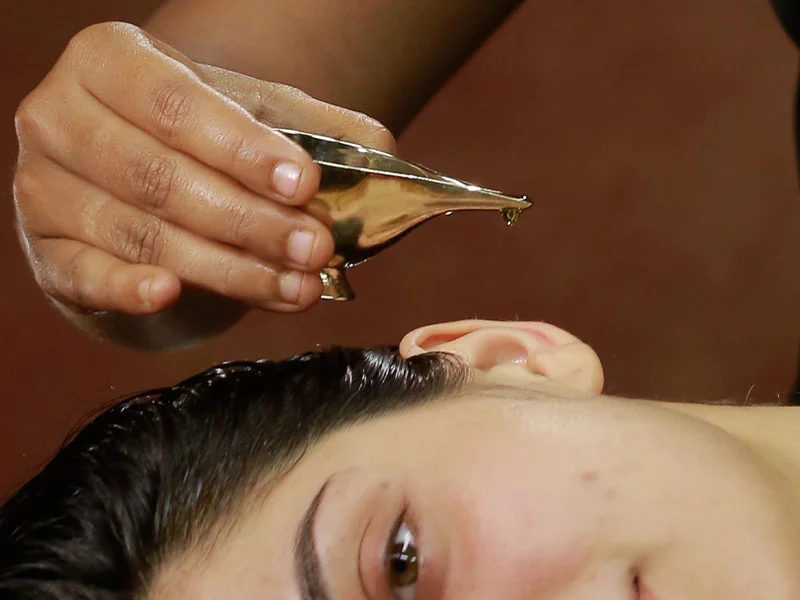
- If you're hearing a persistent ringing, buzzing, or hissing sound that nobody else can hear, Ayurveda calls it Karnanada — and it has been treating this condition for over 3,000 years. Tinnitus in Ayurveda is primarily understood as a Vata dosha imbalance, specifically involving Prana Vayu, the vital force governing sensory perception in the head and ear region. The good news?
- Ayurvedic treatment doesn't just mask the sound — it targets the root cause through herbal formulations, Panchakarma therapies, dietary corrections, and lifestyle modifications that restore balance to the entire auditory system.
This guide covers everything from classical Ayurvedic pathogenesis to modern research findings, specific treatment protocols, and practical steps you can start today.
What Is Tinnitus? Understanding the Condition Through an Ayurvedic Lens
Tinnitus is the perception of sound — ringing, buzzing, clicking, humming, hissing, or roaring — without any external acoustic stimulus. It affects an estimated 10–15% of the global adult population, and in India, prevalence studies suggest roughly 5–42% of people experience it at some point in their lives, depending on the population studied (Baguley et al., The Lancet, 2013).
Subjective vs. Objective Tinnitus
About 99% of tinnitus cases are subjective — only the patient can hear the sound. This type is most relevant to Ayurvedic treatment. The remaining roughly 1% is objective tinnitus, where a clinician can also detect the sound, usually caused by vascular abnormalities or muscular contractions near the ear.
Common Causes of Tinnitus
| Category | Specific Causes |
|---|---|
| Ear-related | Earwax blockage, ear infections, age-related hearing loss (presbycusis), noise-induced hearing loss |
| Medical conditions | Ménière's disease, otosclerosis, TMJ disorders, hypertension, diabetes |
| Medications | Ototoxic drugs — certain antibiotics, high-dose aspirin, loop diuretics, some chemotherapy agents |
| Lifestyle factors | Chronic stress, excessive caffeine, alcohol, nicotine, sleep deprivation |
The Ayurvedic Name: Karnanada (कर्णनाद)
- In classical Ayurvedic texts, tinnitus is referred to as Karnanada (literally "sound in the ear").
- It is classified under Karnagata Roga — diseases of the ear. Acharya Sushruta describes it in the Sushruta Samhita (Uttara Tantra, Chapter 20), while references also appear in Charaka Samhita, Ashtanga Hridaya, Madhava Nidana, Yogaratnakara, and Harita Samhita. Sushruta lists Karnanada among the 28 ear diseases, emphasizing its Vataja origin.
Differentiating Karnanada from Other Karnagata Roga
This is something most resources completely overlook. Karnanada is not the only ear disorder in Ayurveda, and precise differential diagnosis matters for correct treatment:
- Karnanada — perception of various sounds (ringing, buzzing) without hearing loss
- Karnakveda — a more specific, high-pitched whistling or humming; some texts use it interchangeably with Karnanada, while others distinguish it as a milder form
- Karnashoola — ear pain (otalgia), primarily a Vata disorder but with a distinct symptom profile
- Karnabadhirya — deafness or significant hearing loss, representing a more advanced pathological state
Understanding these distinctions allows an Ayurvedic practitioner to select the right therapeutic protocol rather than applying a generic approach.
How Vata Dosha and Prana Vayu Cause Tinnitus
This is the core of the Ayurvedic understanding.
Tinnitus is fundamentally a Vata Vyadhi — a disease caused by aggravated Vata dosha. But let's get more specific than that.
The Role of Prana Vayu
Vata has five subtypes, and Prana Vayu is the one most directly involved in tinnitus.
Prana Vayu resides in the head (Murdha) and governs:
- Sensory perception (hearing, vision, smell, taste)
- Cognitive functions and mental clarity
- The movement of sensory impulses between the sense organs and the brain
When Prana Vayu becomes vitiated — through excessive stress, irregular routines, cold/dry diet, loud noise exposure, or aging — it loses its normal flow pattern. This disturbed Vayu occupies the Shabda Vaha Srotas (channels carrying sound) and produces abnormal sound perception. That's tinnitus.
Ayurvedic Pathogenesis (Samprapti) — The Six Stages
No competitor has explained the full Shad Kriya Kala (six stages of disease progression) for Karnanada. Here's how tinnitus develops according to classical Ayurvedic pathology:
- 1.Sanchaya (Accumulation) — Vata begins accumulating in its primary seat (Pakwashaya/colon) due to causative factors: irregular eating, excess fasting, cold-dry foods, sleep deprivation, overwork, excessive talking, or emotional stress.
- 2.Prakopa (Aggravation) — The accumulated Vata becomes provoked.
- The person may notice subtle signs — occasional mild ear fullness, slight restlessness, dryness in the body.
- 3.Prasara (Spread) — Aggravated Vata overflows from the colon and begins circulating through the body via Rasa and Rakta Dhatu (plasma and blood).
- 4.Sthana Samshraya (Localization) — The vitiated Vata lodges in a weakened site — in this case, the Karna (ear) and its associated Srotas. Pre-existing weakness from noise exposure, ear infections, or constitutional vulnerability makes the ear a target.
- 5.Vyakti (Manifestation) — The patient begins perceiving tinnitus — the characteristic ringing, buzzing, or humming sound. This is when most people first seek treatment.
- 6.Bheda (Complications) — If left untreated, tinnitus may become chronic and lead to associated complications: hearing loss (Karnabadhirya), insomnia, anxiety, depression, memory problems, and chronic fatigue.
Understanding which stage a patient is in determines whether treatment focuses on prevention, pacification, or intensive Panchakarma detoxification.
Can Tinnitus Be Cured in Ayurveda?
Let's be honest and evidence-based here. Ayurveda offers significant relief for many tinnitus patients, but outcomes depend on the cause, duration, and stage of the condition.
Acute tinnitus (less than 3 months) responds much better to Ayurvedic treatment than chronic tinnitus. Cases arising from Vata imbalance, stress, earwax buildup, or mild ear infections often show excellent improvement — sometimes complete resolution. Chronic tinnitus associated with permanent sensorineural hearing loss is more difficult, though Ayurvedic therapies can reduce perceived loudness and improve quality of life.
What Does the Research Say?
A published case report in the Journal of Ayurveda and Integrated Medical Sciences (2023) documented a patient with bilateral tinnitus treated with a specific protocol: Nirgundi Taila Karnapoorana + Ksheerabala Taila Nasya + Sarivadi Vati over a 1-week intensive treatment period. The patient reported marked reduction in tinnitus severity, and improvement was maintained at 4-week follow-up (JAIMS, 2023, cited at jaims.in).
A pilot study published in AYU Journal (2012) found that Sarivadi Vati combined with Karnapoorana using Bilva Taila provided statistically significant improvement in tinnitus loudness and annoyance scores in a small patient group.
- However, a critical gap remains: no large-scale randomized controlled trials (RCTs) or systematic reviews have been published specifically on Ayurvedic interventions for tinnitus. The existing evidence is predominantly from case reports, case series, and small pilot studies.
- This doesn't mean Ayurveda is ineffective — it means the research infrastructure hasn't caught up with the clinical tradition yet. More rigorous studies are needed, and several Indian Ayurvedic institutions are currently conducting them.
Prakruti-Specific Treatment Approach
This is another area most guides miss entirely. Not all tinnitus is the same in Ayurveda, and treatment must be tailored to the patient's Prakruti (constitution) and the specific Dosha involvement:
| Dosha Involvement | Tinnitus Characteristics | Primary Treatment Focus |
|---|---|---|
| Vata (most common) | High-pitched ringing, variable intensity, worse with stress/cold/fatigue, fluctuating hearing | Oleation (internal + external), warm oils, Basti, Nasya, nourishing diet |
| Pitta | Buzzing with sensation of heat in ears, may accompany ear infections, irritability | Cooling herbs (Sariva, Shatavari), Ghrita preparations, Pitta-pacifying diet |
| Kapha | Low-frequency humming, ear fullness/congestion, heaviness in head | Drying therapies, Karna Dhoopana, warm light diet, Vacha-based formulations |
| Sannipataja (all three doshas) | Mixed symptoms, chronic and resistant cases | Comprehensive Panchakarma followed by dosha-specific Shamana therapy |
Panchakarma and Ayurvedic Therapies for Tinnitus Treatment
Panchakarma — Ayurveda's five-fold detoxification system — forms the backbone of serious tinnitus treatment. Here are the key therapies, explained in clinical detail.
Karnapoorana (Medicated Ear Oil Therapy)
This is the single most important localized therapy for tinnitus. Warm medicated oil is gently instilled into the ear canal and retained for 5–15 minutes.
Commonly used oils:
- Nirgundi Taila — anti-inflammatory, Vata-pacifying
- Bilva Taila — specifically indicated in classical texts for Karnanada
- Ksheerabala Taila — nourishes the nervous system, excellent for chronic Vata conditions
- Sarshapa Taila (mustard oil) — warming, used in Kapha-predominant cases
Protocol: Typically performed daily for 7–14 days during intensive treatment. The patient lies on the opposite side, warm oil (at body temperature) is instilled, and the ear is gently massaged at the tragus to facilitate oil penetration.
Nasya (Nasal Administration of Medicated Oils)
Since Prana Vayu is accessed most directly through the nasal passage — "Nasa Hi Shiraso Dwaram" (the nose is the gateway to the head, Ashtanga Hridaya) — Nasya is critical for tinnitus.
Key preparations:
- Anu Taila — the classical Nasya oil, balances all three doshas in the head region
- Ksheerabala Taila — for Vata-predominant cases with nerve degeneration
- Brahmi Ghrita — when tinnitus is accompanied by anxiety, insomnia, or cognitive issues
- Vacha (Acorus calamus) infused oil — for Kapha-related congestion contributing to tinnitus
- Protocol: 2–6 drops in each nostril, typically administered in the morning after facial steam.
- Duration: 7–21 days or as prescribed.
Abhyanga (Therapeutic Oil Massage)
Three forms of Abhyanga are particularly relevant:
- Shiro Abhyanga — head massage with warm sesame or Brahmi oil. Calms Prana Vayu, improves blood circulation to the auditory system.
- Karna Abhyanga — gentle massage around the ears, behind the ears, and at the mastoid process. Often combined with Karnapoorana.
- Padabhyanga — foot massage, especially at the Kshipra Marma point between the big toe and second toe, which has a direct connection to the ears according to Ayurvedic Marma theory.
Shirodhara — Deep Nervous System Reset
A continuous stream of warm medicated oil (or medicated milk/buttermilk) is poured on the forehead for 30–45 minutes. Shirodhara profoundly calms the nervous system and is especially valuable when tinnitus is driven by stress, anxiety, or insomnia. A 2014 study in the International Journal of Ayurveda Research noted significant reduction in anxiety scores following Shirodhara therapy.
Karna Dhoopana (Ear Fumigation)
- A lesser-known but highly effective therapy.
- Medicinal herbs — typically Vacha, Guggulu, Haridra, and Ghrita — are burned, and the herbal smoke is carefully directed into the ear canal through a funnel-like apparatus. This is particularly useful for Kapha-predominant tinnitus with ear congestion and heaviness.
Kavala & Gandusha (Oil Pulling and Oil Retention)
- Kavala — swishing warm sesame oil or medicated oil in the mouth for 5–10 minutes
- Gandusha — holding oil in the mouth without swishing until the eyes water
Both therapies strengthen the jaw, ear, and throat region, improve local circulation, and are specifically mentioned in Ashtanga Hridaya for ear disorders.
Virechana and Snehapana (Internal Purification)
For chronic, resistant tinnitus, Virechana (therapeutic purgation) preceded by Snehapana (internal oleation with medicated ghee for 3–7 days) can be transformative. This removes deep-seated toxins (Ama) and resets Vata to its normal pathway. Typically administered under clinical supervision in a Panchakarma center.
Indian Ayurvedic Medicine for Tinnitus — Herbs and Formulations
Key Single Herbs
| Herb | Latin Name | Primary Action in Tinnitus |
|---|---|---|
| Sariva | Hemidesmus indicus | Tridoshahara, nervine tonic, cooling — specific for Karnanada |
| Bala | Sida cordifolia | Vata-pacifying, strengthens nerves and muscles |
| Paribhadra | Erythrina variegata | Anti-inflammatory, specific for ear and nerve disorders |
| Amalaki | Emblica officinalis | Rasayana, antioxidant, supports tissue regeneration |
| Gokshura | Tribulus terrestris | Improves circulation, mild diuretic, nourishing |
| Yashtimadhu | Glycyrrhiza glabra | Anti-inflammatory, nourishes Rasa Dhatu |
| Brahmi | Bacopa monnieri | Medhya Rasayana — improves cognitive function, calms the mind |
| Ashwagandha | Withania somnifera | Adaptogen, nervine tonic, Vata-pacifying |
| Vacha | Acorus calamus | Opens channels in the head, improves auditory processing |
Classical Formulations
Oral medicines:
- Sarivadi Vati — the most commonly prescribed tablet for tinnitus, contains Sariva, Maricha, Pippali, and other herbs. Typically 2 tablets twice daily with honey or warm water.
- Saptamrita Loha — iron-based preparation with Triphala, Yashtimadhu; strengthens sensory organs
- Maha Vatavidhwansa Rasa — potent Vata-pacifying herbo-mineral formulation for chronic neurological conditions
- Brihat Vata Chintamani Rasa — contains gold and silver Bhasma; used in severe, chronic Vata disorders under strict physician guidance
- Dashamoola Kashaya — decoction of ten roots, powerful Vata-pacifier
Kashaya (decoctions):
- Mashabaladi Kashaya — nourishing, nerve-strengthening
- Maharasnadi Kashayam — classic for all Vata disorders
- Dhanvantara Kashayam — specific for Vata conditions affecting the head and sense organs
Ghrita preparations:
- Brahmi Ghrita — daily intake of 1–2 teaspoons with warm milk strengthens the nervous system. Regular consumption of plain cow's Ghee (Ghrita Pana) is also recommended — it lubricates the nerves and pacifies Vata.
Rasayana (Rejuvenation Therapy)
After the acute treatment phase, Rasayana therapy helps prevent recurrence. Chyawanprash, Brahma Rasayana, or Amalaki Rasayana rebuild tissues, enhance immunity, and slow age-related degeneration of the auditory system.
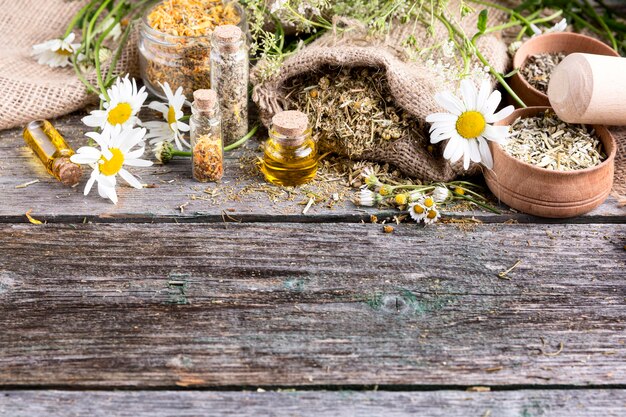
> Important: All internal medicines should be taken only under the guidance of a qualified Ayurvedic practitioner (BAMS or MD Ayurveda). Self-medication with herbo-mineral preparations like Vata Chintamani Rasa can be harmful.
Vata-Pacifying Diet and Lifestyle for Tinnitus Relief
Wholesome Foods and Habits (Pathya)
- Warm, cooked, slightly oily foods — soups, stews, porridges, kitchari
- Favor sweet, sour, and salty tastes — these pacify Vata
- Spices: ginger, turmeric, cumin, cinnamon, cardamom, black pepper, asafoetida (hing)
- Healthy fats: ghee, sesame oil, coconut oil
- Warm milk with a pinch of turmeric and nutmeg before bed — nourishes nerves and improves sleep
- Regular meal times — never skip meals; Vata is aggravated by fasting and irregular eating
- Adequate sleep — 7–8 hours, sleeping before 10 PM
- Daily Abhyanga (self-massage with warm sesame oil) — even 10 minutes daily makes a noticeable difference
- Gentle exercise — yoga, walking, swimming. Avoid excessive or exhausting exercise.
Unwholesome Foods and Habits (Apathya)
- Cold, raw, dry foods — salads, crackers, raw vegetables (especially in excess)
- Excess caffeine — constricts blood vessels and may worsen tinnitus by reducing blood flow to the cochlea. Limit to 1 cup of coffee or tea daily.
- Alcohol and nicotine — both damage auditory nerve function over time
- Loud noise exposure — use ear protection in noisy environments
- Excessive screen time — particularly before bed
- Irregular sleep schedule — this is one of the biggest Vata aggravators
- Suppression of natural urges — holding urine, stool, yawning, sneezing aggravates Apana Vata, which disrupts all Vata subtypes
Yoga and Pranayama for Tinnitus
Specific practices that help:
- Bhramari Pranayama (Bee Breath) — the vibration created during exhalation stimulates the auditory nerve and calms the mind. Practice 5–10 rounds daily. A small study at AIIMS (2017) showed that Bhramari practice reduced tinnitus perception in patients after 3 months of regular practice.
- Nadi Shodhana (Alternate Nostril Breathing) — balances Prana Vayu directly
- Shavasana — deep relaxation reduces the stress component of tinnitus
- Matsyasana (Fish Pose) — opens the throat and ear region, improves circulation to the head
- Sarvangasana (Shoulder Stand) — increases blood flow to the head (avoid if you have cervical issues or uncontrolled hypertension)
Does the Brain Adjust to Tinnitus?
Yes — and this is actually relevant to both modern neuroscience and Ayurvedic understanding. The brain has neuroplasticity, meaning it can learn to filter out or habituate to the tinnitus signal over time. Research from the Journal of Neurophysiology (2015) demonstrated that most tinnitus patients experience some degree of habituation within 6–18 months.
Ayurveda supports this process through Medhya Rasayana herbs (Brahmi, Shankhpushpi, Mandukaparni, Yashtimadhu) that enhance neuroplasticity and cognitive function, essentially helping the brain "re-learn" how to process auditory signals. The combination of neurological support and Vata pacification accelerates natural habituation.
Complications of Untreated Tinnitus
When tinnitus is ignored for a prolonged period, it can cascade into several secondary conditions:
- Chronic insomnia — the sound is often most noticeable in quiet environments, making sleep extremely difficult
- Anxiety and depression — a 2020 meta-analysis in JAMA Otolaryngology found that tinnitus patients have a 2.2x higher risk of depression
- Cognitive difficulties — reduced concentration, memory problems
- Chronic fatigue — from disrupted sleep and constant neural stimulation
- Social withdrawal — difficulty following conversations, avoiding social situations
- Hearing loss progression — if the underlying cause (like noise exposure) isn't addressed
This is why early Ayurvedic intervention — ideally at the Sanchaya or Prakopa stage — is so important.
Prevention of Tinnitus — An Ayurvedic Perspective
- Protect your hearing — use earplugs at concerts, construction sites, or when using loud machinery
- Practice daily Pratimarsha Nasya — 2 drops of Anu Taila or plain sesame oil in each nostril every morning. This is a simple Dinacharya (daily routine) practice that protects all sense organs.
- Maintain cardiovascular health — good blood circulation supports healthy auditory function. Ayurveda recommends regular exercise, Triphala, and a Sattvic diet.
- Manage stress proactively — meditation, Pranayama, adequate rest
- Avoid inserting objects in the ear — including cotton buds, which can push wax deeper
- Regular ear oiling — a few drops of warm sesame oil in each ear once a week as preventive care
Tinnitus Ayurveda Treatment in Kerala
Kerala has a particularly strong tradition of Panchakarma and ear-specific treatments. The Kerala Ayurvedic tradition preserves unique preparations and techniques — such as Ksheerabala Taila 101 Avartana (processed 101 times) which is considered exceptionally potent for neurological and Vata conditions. Many specialized Ayurvedic hospitals in Kerala (such as those in Kottakkal, Thrissur, and Trivandrum) offer dedicated tinnitus treatment protocols lasting 14–28 days, combining Karnapoorana, Nasya, Shirodhara, and internal medicines under inpatient care.

FAQ
Are bananas good for tinnitus?
Bananas are moderately helpful. They're rich in potassium and magnesium, both of which support healthy nerve function and blood circulation to the inner ear. From an Ayurvedic perspective, ripe bananas are sweet and slightly heavy — they pacify Vata but can aggravate Kapha. If your tinnitus is Vata-predominant, eating a ripe banana occasionally is fine. But don't expect bananas alone to cure tinnitus.
Can tinnitus be cured permanently?
It depends on the cause. Tinnitus caused by earwax blockage, ear infections, medication side effects, or acute Vata aggravation can often be fully resolved. Tinnitus associated with permanent sensorineural hearing loss or long-standing nerve damage may not be completely cured, but Ayurvedic treatment can significantly reduce its intensity and help the brain habituate to it. Early treatment gives the best outcomes.
Is there any Ayurvedic treatment for tinnitus research paper available?
Yes. The most cited case study is published in the Journal of Ayurveda and Integrated Medical Sciences (JAIMS, 2023), documenting successful treatment with Nirgundi Taila Karnapoorana, Ksheerabala Taila Nasya, and Sarivadi Vati. Additional research papers are available in AYU Journal, Ancient Science of Life, and the International Journal of Research in Ayurveda & Pharmacy. Search PubMed or Google Scholar for "Karnanada Ayurveda" or "tinnitus Ayurvedic treatment" for the latest publications.
What is the Ayurvedic name for tinnitus?
The Ayurvedic name for tinnitus is Karnanada (कर्णनाद). Some texts also use the term Karnakveda (कर्णक्वेद) for a specific variant involving a whistling or humming type of ear sound. Both terms appear in Sushruta Samhita and other classical Ayurvedic texts.
How long does Ayurvedic treatment for tinnitus take?
Acute cases may show improvement within 1–2 weeks of intensive Panchakarma treatment. Chronic tinnitus typically requires 4–12 weeks of combined therapy (Panchakarma + oral medicines + lifestyle changes), with follow-up maintenance for 3–6 months. Individual responses vary based on the cause, duration, and the patient's overall health.
Conclusion — Take the First Step Toward Quieter Ears
Tinnitus doesn't have to control your life. Ayurveda offers a structured, root-cause-oriented approach that addresses not just the symptom but the underlying Vata imbalance, nervous system health, and overall well-being. Whether you're dealing with recent-onset ringing or chronic buzzing that's been bothering you for years, an experienced Ayurvedic practitioner can design a personalized treatment plan combining Karnapoorana, Nasya, appropriate internal medicines, and lifestyle modifications.
Start today: Consult a qualified Ayurvedic doctor (BAMS/MD Ayurveda) who can assess your Prakruti, identify the specific Dosha imbalance, and create a treatment protocol tailored to your condition. If you'd like immediate guidance, our verified Ayurvedic doctors are available 24/7 to answer your questions and help you take that first step toward sound balance and ear health.
Scientific Sources
- Depression and Its Phytopharmacotherapy-A Narrative Review — Dobrek L et al., 2023, International journal of molecular sciences
- Neuroprotective Herbs for the Management of Alzheimer's Disease — Gregory J et al., 2021, Biomolecules
- Pharmacological attributes of Bacopa monnieri extract: Current updates and clinical manifestation — Fatima U et al., 2022, Frontiers in nutrition
- Meta-analysis of randomized controlled trials on cognitive effects of Bacopa monnieri extract — Kongkeaw C et al., 2014, Journal of ethnopharmacology
- Bacopa monnieri — Walker EA et al., 2026
- Can Ashwagandha Benefit the Endocrine System?-A Review — Wiciński M et al., 2023, International journal of molecular sciences
- Pharmacological evaluation of Ashwagandha highlighting its healthcare claims, safety, and toxicity aspects — Mandlik Ingawale DS et al., 2021, Journal of dietary supplements
- Clinician guidelines for the treatment of psychiatric disorders with nutraceuticals and phytoceuticals: The World Federation of Societies of Biological Psychiatry (WFSBP) and Canadian Network for Mood and Anxiety Treatments (CANMAT) Taskforce — Sarris J et al., 2022, The world journal of biological psychiatry : the official journal of the World Federation of Societies of Biological Psychiatry
- Effects of Withania somnifera (Ashwagandha) on Stress and the Stress- Related Neuropsychiatric Disorders Anxiety, Depression, and Insomnia — Speers AB et al., 2021, Current neuropharmacology
- Plant-derived nootropics and human cognition: A systematic review — Lorca C et al., 2023, Critical reviews in food science and nutrition
Ask Ayurvedic doctor a question and get a consultation online on the problem of your concern in a free or paid mode.
More than 2,000 experienced doctors work and wait for your questions on our site and help users to solve their health problems every day.
Related articles