Ask Ayurvedic doctor a question and get a consultation online on the problem of your concern in a free or paid mode. More than 2,000 experienced doctors work and wait for your questions on our site and help users to solve their health problems every day.
FREE! Ask Ayurvedic Doctors 24/7

 Fast responses
 1000+ verified doctors
Body DetoxEar, Nose, and Throat DisordersGeriatrics & RejuvenationImmunodeficiencyInfertility TreatmentNutritionOrthopedic DisordersPediatricsRespiratory DisordersSexually Transmitted Diseases (STDs)Surgery RecoveryUrological DisordersVascular DisordersDental DisordersEndocrinological DisordersGastrointestinal DisordersYoga TherapyGeneral MedicineAllergic DisordersCardio DisordersGynecology and ObstetricsCosmetologySkin and Hair DisordersEye DisordersInfectious DiseasesMental DisordersNeurological DisordersOncologyPanchakarmaSexual Health & DisordersSports Medicine
Published on 03/04/25
(Updated on 07/07/26)
5,572
Nasal Polyps Treatment in Ayurveda: Natural Healing Approaches
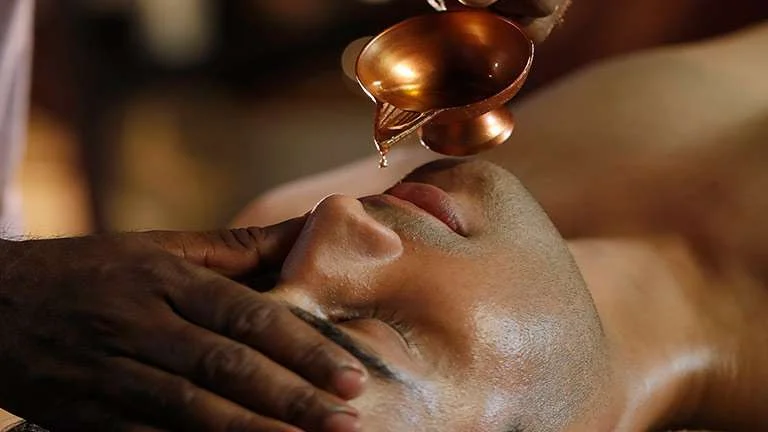
Nasal polyps are soft, painless, non-cancerous growths that hang down from the lining of your nasal passages or paranasal sinuses — like small, peeled grapes or teardrops. They form as a result of chronic inflammation and are associated with conditions like asthma, allergic rhinitis, and recurrent sinus infections. Small nasal polyps may cause no symptoms at all, but larger ones or clusters can block your nasal airways, make it hard to breathe, reduce your sense of smell, and lead to frequent infections.
- If you've been dealing with a stuffy nose that just won't go away, or you've noticed your sense of smell gradually fading, nasal polyps could be the reason. The good news? They're treatable.
- The not-so-good news is that they tend to come back — which is why understanding them thoroughly matters.
This guide covers everything you need to know: what causes nasal polyps, how they're diagnosed, the full range of treatment options (from nasal sprays to biologics to surgery), recovery expectations, costs, and even dietary and lifestyle changes that can help. Let's get into it.
What Are Nasal Polyps?
- Nasal polyps are benign inflammatory growths that develop on the mucosal lining of the nose or sinuses.
- They result from chronic inflammation — typically lasting 12 weeks or more — and are a hallmark feature of chronic rhinosinusitis with nasal polyposis (CRSwNP).
They can vary in size. Small polyps may go completely unnoticed. Larger polyps, or clusters of them, can physically obstruct the nasal cavity and sinus drainage pathways, creating a cascade of problems: persistent congestion, loss of smell (anosmia), facial pressure, and recurring sinus infections.
What Do Nasal Polyps Look Like?
If you're wondering whether you can spot them yourself — sometimes, yes. Nasal polyps appear as soft, semi-translucent, grayish or pinkish-yellow masses. They're often described as looking like peeled grapes. Unlike the surrounding nasal tissue, which is firm and pink, polyps are jellylike and move when probed. They are insensitive to touch and don't bleed easily.
A doctor using a nasal endoscope can see them clearly. In some cases, large polyps may even be visible just by looking up the nostrils with a light.
Nasal Polyps vs. Normal Nasal Tissue
Normal nasal tissue (including turbinates) is firm, vascular, and pink-red. Nasal polyps, by contrast, are pale, soft, edematous, and lack significant blood supply. This distinction is important because swollen turbinates are often mistaken for polyps by patients self-diagnosing at home. A proper clinical examination or endoscopy is the only reliable way to tell them apart.
Classification and Staging of Nasal Polyps
Clinically, nasal polyps can be categorized in several ways:
| Classification | Description |
|---|---|
| Localized (antrochoanal) | Single polyp, usually arising from the maxillary sinus, more common in children |
| Diffuse (ethmoidal) | Multiple polyps from the ethmoid sinuses, bilateral, the most common type in adults |
| Systemic/Associated | Polyps occurring as part of a systemic condition like cystic fibrosis or AERD |
Severity is often graded using endoscopic scoring systems. The Meltzer grading scale (0–4 per side) is commonly used in clinical trials, while the Lund-Mackay scoring system is based on CT scan findings and rates sinus opacification. These staging tools help doctors determine whether you need medication alone, biologics, or surgery.
What Is the Main Cause of Nasal Polyps?
The exact cause isn't fully understood, but the primary driver is chronic inflammation of the nasal and sinus mucosa. This inflammation is most often mediated by a Th2 immune response, which involves elevated levels of eosinophils, interleukin-5 (IL-5), interleukin-4 (IL-4), interleukin-13 (IL-13), and immunoglobulin E (IgE).
In simpler terms: your immune system overreacts to something — allergens, infections, pollutants — and the resulting long-term inflammation causes the nasal lining to swell, fill with fluid, and eventually form polyps.
Key Risk Factors and Associated Conditions
Several conditions significantly increase your risk:
- Chronic rhinosinusitis — the most direct association; polyps are essentially an advanced manifestation
- Asthma — present in 20–50% of patients with nasal polyps
- Allergic rhinitis — persistent allergic inflammation predisposes the nasal mucosa
- Aspirin-exacerbated respiratory disease (AERD) — also called Samter's triad (asthma + nasal polyps + aspirin/NSAID sensitivity). Affects roughly 10–15% of polyp patients. If you have polyps and asthma, you should be cautious with aspirin and ibuprofen
- Cystic fibrosis — nasal polyps in children should raise suspicion for CF, as up to 50% of CF patients develop them
- Genetics — family history of polyps increases risk; certain gene variants related to immune regulation are implicated
- Vitamin D deficiency — a 2015 meta-analysis published in Allergy suggested that low vitamin D levels correlate with higher polyp severity
The Role of Infections and Fungi
Staphylococcus aureus colonization plays a significant role. Staphylococcal superantigens can drive intense local immune activation and eosinophilic inflammation. Additionally, some researchers have proposed the "fungal hypothesis" — that an exaggerated immune response to common airborne fungi (like Alternaria) contributes to polyp formation in susceptible individuals, though this remains debated.
Nasal Polyps Symptoms: How to Know If You Have Them
Symptoms typically develop gradually and worsen over time. That's partly why many people live with nasal polyps for years before seeking treatment.
Common Symptoms
- Persistent nasal congestion — the most frequent complaint, often described as "a cold that never goes away"
- Reduced or lost sense of smell (hyposmia/anosmia) — affects up to 80% of patients with CRSwNP
- Reduced sense of taste — closely linked to smell loss
- Runny nose (rhinorrhea) — continuous, often clear or slightly discolored mucus
- Postnasal drip — mucus draining down the back of the throat, leading to chronic throat clearing or cough
- Facial pressure or pain — particularly around the forehead, cheeks, and between the eyes
- Headaches
- Snoring and sleep disturbance
- Frequent nosebleeds (less common, but possible)
When Should You See a Doctor?
You should seek medical attention if:
- Nasal congestion and stuffiness lasts longer than 10 days
- You experience a sudden or significant loss of smell
- Breathing through your nose becomes consistantly difficult
- You have recurrent sinus infections (more than 3–4 per year)
- You develop visual changes, severe headache, or high fever — these could indicate serious complications
- You notice a unilateral (one-sided) nasal mass — this requires urgent evaluation to rule out malignancy
How Are Nasal Polyps Diagnosed?
Diagnosis is primarily clinical, but imaging and additional tests help determine the extent and underlying cause.
Diagnostic Methods
| Method | Purpose |
|---|---|
| Anterior rhinoscopy | Basic exam with a light and speculum; can detect large polyps |
| Nasal endoscopy | Gold standard; a thin, flexible scope with a camera provides a detailed view of the nasal cavity and sinus openings |
| CT scan (computed tomography) | Shows the exact size, location, and extent of polyps; essential for surgical planning; Lund-Mackay scoring is based on this |
| MRI | Used when tumor or fungal sinusitis is suspected; better soft tissue detail |
| Allergy testing | Skin prick tests or blood IgE levels to identify allergic triggers |
| Cystic fibrosis testing | Sweat chloride test — recommended for children with nasal polyps or any patient with bilateral polyps and no clear allergic etiology |
| Biopsy | If a unilateral mass or unusual-looking growth raises concern for inverted papilloma or malignancy |
Differential Diagnosis
- Not every nasal mass is a polyp.
- Conditions that can mimic nasal polyps include: inverted papilloma, angiofibroma (especially in adolescent males), encephalocele, nasal glioma, and rarely sinonasal carcinoma. A unilateral, bleeding, or rapidly growing mass should always be biopsied.
Nasal Polyps Treatment: Medications, Biologics, and Surgery
Treatment follows a step-up approach. Most patients start with medical therapy; surgery is reserved for those who don't respond. In recent years, biologic medications have transformed the treatment landscape for severe cases.
Medical Treatment
Intranasal Corticosteroid Sprays
First-line therapy. Sprays like fluticasone, mometasone, and budesonide reduce inflammation and can shrink small to medium polyps significantly. A 2019 Cochrane review confirmed that topical nasal steroids improve symptom scores and reduce polyp size compared to placebo. They're safe for long-term use but work best with consistent daily application.
Oral Corticosteroids
- Short courses of oral steroids (e.g., prednisone 30–40 mg/day, tapered over 1–3 weeks) can rapidly shrink polyps and restore smell.
- However, frequent or prolonged use carries risks: weight gain, blood sugar elevation, bone density loss, mood changes, and adrenal suppression. Typically used as a "rescue" option or pre-operatively.
Saline Nasal Irrigation
High-volume saline rinses (using a squeeze bottle or neti pot) help flush out mucus, allergens, and inflammatory mediators. They're inexpensive, have virtually no side effects, and improve the effectiveness of nasal steroid sprays by clearing the passages first. A 2016 study in the Canadian Medical Association Journal found that nasal irrigation significantly improved symptom outcomes in chronic sinusitis.
Leukotriene Receptor Antagonists
Medications like montelukast (Singulair) may benefit patients whose polyps are driven by leukotriene pathways — particularly those with AERD. Evidence is moderate but some patients report meaningful symptom improvement when used alongside nasal steroids.
Antibiotics
Short or extended courses (particularly macrolides like clarithromycin at low doses for 8–12 weeks) may reduce inflammation through anti-inflammatory properties, not just antibacterial effects. This approach is more established in Asian and European practice guidelines.
Biologic Medications: A Game-Changer for Severe Polyps
For patients with severe or recurrent nasal polyps who don't respond to steroids and/or surgery, biologic drugs targeting specific immune pathways have become a breakthrough option.
| Biologic | Target | FDA-Approved for CRSwNP | Dosing | Notes |
|---|---|---|---|---|
| Dupilumab (Dupixent) | IL-4/IL-13 | Yes (2019) | 300 mg subcutaneous injection every 2 weeks | Most studied; also treats asthma and atopic dermatitis |
| Omalizumab (Xolair) | IgE | Yes (2020) | Varies by IgE level and weight; every 2–4 weeks | Best for patients with high IgE and comorbid allergic asthma |
| Mepolizumab (Nucala) | IL-5 | Yes (2021) | 100 mg subcutaneous every 4 weeks | Targets eosinophilic inflammation specifically |
Clinical trials (SINUS-24, SINUS-52 for dupilumab; POLYP 1 & 2 for mepolizumab) have shown that these biologics significantly reduce polyp size, improve nasal congestion, and restore sense of smell — with effects maintained over 1–2 years.
The downside? Cost. In the U.S., biologic therapy can run $30,000–$50,000 per year without insurance. In India, dupilumab costs approximately ₹30,000–₹35,000 per injection, making it expensive for long-term use. Insurance coverage varies, and most require documented failure of other treatments before approving biologics.
Side effects are generally mild: injection site reactions, conjunctivitis (particularly with dupilumab), and joint pain.
Surgical Treatment
Endoscopic Sinus Surgery (FESS)
- When medications fail to control symptoms or polyps are too large, functional endoscopic sinus surgery is the standard procedure.
- A surgeon inserts a thin endoscope through the nostrils — no external incisions — and removes polyps while widening sinus drainage pathways. It's done under general anesthesia, usually as a day-case or overnight procedure.
A 2020 study in The Laryngoscope found that FESS combined with post-operative medical therapy improved quality-of-life scores by over 60% at 12 months.
Polypectomy
A simpler, quicker procedure for removing accessible polyps using microdebriders or suction instruments. Often combined with FESS for comprehensive clearance.
Balloon Sinuplasty
A minimally invasive alternative where a small balloon catheter is inserted into the sinus opening and inflated to widen the drainage pathway. It doesn't remove polyps directly but can improve sinus ventilation and drainage. Best suited for patients with sinus obstruction but minimal polyp burden.
Recovery After Sinus Surgery
This is something most guides skip, but it really matters if you're considering surgery.
- First 1–2 weeks: Expect nasal congestion (worse than before, initially), mild blood-tinged discharge, facial pressure, and fatigue. No blowing your nose, no heavy lifting, no strenuous exercise
- - Weeks 2–4: Congestion gradually improves.
- Regular saline irrigation is critical — usually 4–6 times daily. Follow-up endoscopic debridement appointments are common (and important)
- Full recovery: Most patients feel significantly better by 4–6 weeks. Smell may take 2–3 months to return fully
- Long-term care: Continued nasal steroid sprays and saline rinses are essential to reduce recurrence. Without post-operative medical therapy, recurrence rates can reach 40–60% within 3–5 years
Don't wait or self medicate. Start chat with Doctor NOW
How to Cure Nasal Polyps Permanently
Let's be honest: there is currently no guaranteed permanent cure. Nasal polyps have a high recurrence rate because the underlying inflammatory tendency persists even after polyps are removed.
However, combining the right treatments can achieve long-term remission:
- Surgery to remove existing polyps and open sinus pathways
- Daily nasal corticosteroid sprays to maintain remission
- Biologic therapy for patients with recurrent, eosinophilic disease
- Allergen avoidance and allergy management
- Regular follow-up with an ENT specialist — at least every 6–12 months
The patients who do best are those who treat nasal polyps as a chronic condition requiring ongoing management, rather then a one-time fix.
Are Nasal Polyps Dangerous? Complications If Left Untreated
Nasal polyps themselves are not cancerous and not directly dangerous.
But ignoring them can lead to serious complications over time:
- Obstructive sleep apnea — large polyps can obstruct the airway during sleep
- Asthma flare-ups — chronic upper airway inflammation worsens lower airway disease
- Sinus infections — blocked sinus drainage creates a breeding ground for bacteria
- Osteomyelitis — infection can spread to the facial bones
- Orbital complications — infection extending into the eye socket can cause vision loss
- Intracranial complications — meningitis, brain abscess, or cavernous sinus thrombosis — rare but life-threatening
- Mucocele formation — expanding cyst-like masses in blocked sinuses
A unilateral polyp that grows rapidly or bleeds should be evaluated urgently — although rare, it could represent an inverted papilloma or sinonasal malignancy.
Nasal Polyps in Children
While nasal polyps are overwhelmingly more common in adults over 40, they do occur in children — and when they do, the clinical approach differs.
Key considerations:
- Any child with bilateral nasal polyps should be tested for cystic fibrosis (sweat chloride test). Up to 50% of children with CF develop nasal polyps
- Antrochoanal polyps (single, unilateral) are the most common type in pediatric patients and are typically treated surgically
- Intranasal steroid sprays are considered safe in children, though growth monitoring is recommended with prolonged use
- Biologic therapies are currently approved only for patients aged 18+ for CRSwNP (though pediatric trials are ongoing)
Diet, Lifestyle & Natural Remedies for Nasal Polyps
This is a gap that existing medical resources almost never address — but patients consistently search for it. Here's what the evidence actually supports.
Anti-Inflammatory Diet
While no specific diet has been proven to cure nasal polyps, reducing systemic inflammation through diet makes biological sense and some emerging data supports it:
- Omega-3 fatty acids (fatty fish, flaxseed, walnuts) — anti-inflammatory; a 2017 study in Prostaglandins, Leukotrienes and Essential Fatty Acids showed omega-3 supplementation reduced nasal polyp recurrence after surgery
- Fruits and vegetables rich in quercetin (onions, berries, apples) — quercetin has demonstrated mast cell stabilization and anti-inflammatory effects in vitro
- Turmeric (curcumin) — widely used in traditional medicine; a 2016 pilot study showed curcumin supplementation reduced nasal symptoms in allergic rhinitis, though data specific to polyps is limited
- Vitamin D supplementation — given the association between deficiency and polyp severity, ensuring adequate vitamin D (aim for serum levels above 30 ng/mL) is a reasonable strategy
Foods and Substances to Avoid
- Alcohol — can worsen nasal congestion and may trigger reactions in AERD patients
- Aspirin and NSAIDs — if you have AERD, these can cause severe polyp flares and asthma attacks
- Salicylate-rich foods — some AERD patients benefit from a low-salicylate diet (though evidence is preliminary and adherence is difficult)
- Smoking — damages nasal mucosa, worsens inflammation, impairs healing after surgery
Home Remedies: What Actually Helps
- Steam inhalation — provides temporary symptomatic relief from congestion; no evidence it shrinks polyps
- Saline rinses — the single most evidence-backed home remedy. Do it daily
- Humidifier use — keeps nasal mucosa moist; helpful in dry or air-conditioned environments
- Tea tree oil — has antimicrobial properties in lab studies, but no clinical trials support its use for nasal polyps. Applying essential oils directly in the nose can cause mucosal irritation — use caution
- Ayurvedic approaches (Nasya, herbal preparations) — traditional practices like Anu taila nasya have historical use in India; scientific evidence remains limited, and these should complement rather than replace proven medical treatment
Cost of Nasal Polyp Treatment
One practical question patients always have but medical websites rarely answer: how much will this cost?
| Treatment | Approximate Cost (India) | Approximate Cost (USA) |
|---|---|---|
| Nasal corticosteroid spray (monthly) | ₹200–₹600 | $30–$80 |
| Oral steroid course | ₹100–₹300 | $10–$30 |
| Nasal endoscopy (diagnostic) | ₹1,500–₹4,000 | $200–$800 |
| CT scan (sinuses) | ₹2,000–₹5,000 | $300–$1,500 |
| FESS (surgery) | ₹40,000–₹1,50,000 | $5,000–$30,000 |
| Dupilumab (per injection) | ₹30,000–₹35,000 | $1,800–$2,500 |
| Biologic therapy (annual) | ₹7,00,000–₹9,00,000 | $30,000–$50,000 |
Note: Costs vary by city, hospital, insurance coverage, and surgeon experience. These are approximate ranges for reference.
Can Nasal Polyps Be Prevented?
You can't always prevent nasal polyps — especially if you have a genetic predisposition or underlying conditions like asthma or CF. But you can significantly reduce your risk of developing them or having them recur:
- Use prescribed nasal steroid sprays consistently, even when feeling well
- Perform daily saline nasal irrigation
- Manage allergies aggressively (antihistamines, immunotherapy if indicated)
- Avoid known irritants: cigarette smoke, strong chemical fumes, air pollution
- Use a humidifier in dry environments
- Treat asthma effectively — uncontrolled asthma and polyp recurrence go hand in hand
- Avoid aspirin and NSAIDs if you have AERD
- Follow up regularly with your ENT, especially after surgery
- Consider vitamin D testing and supplementation if levels are low
Comparison: Medications vs. Surgery vs. Biologics
| Factor | Nasal Steroids | Oral Steroids | FESS Surgery | Biologics |
|---|---|---|---|---|
| Best for | Mild to moderate polyps | Acute flare-ups, pre-surgery | Large/obstructing polyps, failed medical therapy | Severe, recurrent, eosinophilic polyps |
| Effectiveness | Moderate | High (short-term) | High | High |
| Onset of action | Weeks | Days | Immediate (after healing) | 2–4 weeks |
| Side effects | Minimal | Significant with repeated use | Surgical risks (bleeding, rare orbital/brain complications) | Mild (injection site reactions, conjunctivitis) |
| Recurrence risk | Ongoing use reduces risk | Returns after stopping | 40–60% without post-op meds | Low while on treatment |
| Long-term suitability | Yes | No | Repeatable if needed | Yes (ongoing treatment) |
| Cost | Low | Very low | Moderate (one-time) | Very high (ongoing) |
Nasal Polyps and COVID-19: What We Know
- An interesting and frequently asked question.
- Both nasal polyps and COVID-19 cause loss of smell — but through different mechanisms. COVID-19 damages olfactory neurons directly, while polyps physically block odor molecules from reaching them.
Some early studies (including a 2021 paper in The Journal of Allergy and Clinical Immunology) suggested that the Th2-skewed immune environment in nasal polyp patients might actually offer partial protection against severe COVID-19, since SARS-CoV-2 primarily triggers Th1-driven inflammation. However, this is preliminary and should not be taken as a reason to avoid vaccination or precautions.
Patients on biologics like dupilumab were generally advised to continue treatment during the pandemic, as discontinuation could lead to polyp recurrence and worsening asthma.
Frequently Asked Questions (FAQ)
Will nasal polyps go away on their own?
No. Nasal polyps do not resolve spontaneously. Without treatment, they tend to persist and grow larger as long as the underlying inflammation continues. Small polyps may be managed with medication, but they won't disapear without active treatment.
Can you see nasal polyps by looking up your nose?
Sometimes. Large polyps may be visible at the nostril opening, especially when using a flashlight and mirror. However, most polyps are located deeper in the nasal cavity and require a nasal endoscope for proper visualization.
What questions should I ask my doctor?
- Are my polyps caused by allergies, asthma, or another condition?
- Should I be tested for cystic fibrosis or AERD?
- What stage/grade are my polyps?
- Will I need surgery, or can medications control them?
- Am I a candidate for biologic therapy?
- What's the recurrence risk with my specific situation?
- How often should I follow up?
What can I expect if I have nasal polyps?
- Nasal polyps are a chronic, manageable condition. Most patients achieve good symptom control with a combination of medication and (if needed) surgery.
- The key challenge is recurrence — maintaining daily nasal care and regular specialist follow-up is essential for long-term quality of life.
How long do nasal polyps last?
Without treatment, nasal polyps persist indefinitely as long as the underlying inflammatory condition remains active. With treatment, polyps can shrink significantly or be surgically removed, but recurrence is common — ongoing maintenance therapy is needed.
Final Thoughts: Taking Control of Nasal Polyps
Nasal polyps are frustrating. They steal your sense of smell, make breathing a daily struggle, and have an annoying tendency to come back. But the treatment landscape has never been better. Between advanced nasal steroid formulations, revolutionary biologic therapies, and refined surgical techniques, most patients can achieve excellent long-term symptom control.
The most important step? Don't wait. If you've been dealing with persistent nasal congestion, reduced smell, or recurrent sinus infections — see an ENT specialist. Early diagnosis and consistent treatment make all the difference.
Whether you're exploring medication options, considering surgery, or looking into biologics, the right approach depends on your specific situation — your polyp severity, underlying conditions, and treatment history. Work with your doctor to build a personalized plan, and commit to the long-term care that nasal polyps require.
Scientific Sources
- Diverse Endotypes of Chronic Rhinosinusitis and Clinical Implications — Xie X et al., 2023, Clinical reviews in allergy & immunology
- Chinese Position Paper on Biologic Therapy for Chronic Rhinosinusitis With Nasal Polyps — Xian M et al., 2025, Allergy
- Updated epithelial barrier dysfunction in chronic rhinosinusitis: Targeting pathophysiology and treatment response of tight junctions — Huang ZQ et al., 2024, Allergy
- Stapokibart for Severe Uncontrolled Chronic Rhinosinusitis With Nasal Polyps: The CROWNS-2 Randomized Clinical Trial — Shen S et al., 2025, JAMA
- Efficacy and safety of CM310 in severe eosinophilic chronic rhinosinusitis with nasal polyps (CROWNS-1): a multicentre, randomised, double-blind, placebo-controlled phase 2 clinical trial — Zhang Y et al., 2023, EClinicalMedicine
- Effects of inflammatory endotypes on disease trajectory in chronic rhinosinusitis with nasal polyps — Dorismond C et al., 2025, The Journal of allergy and clinical immunology
- An anti-TSLP monoclonal antibody for uncontrolled CRSwNP: the DUBHE randomized clinical trial — Xian M et al., 2025, Nature communications
- Traditional Chinese medicine in chronic rhinosinusitis: Mechanisms and postoperative recovery — Zhang XH et al., 2025, Phytomedicine : international journal of phytotherapy and phytopharmacology
- Recent Advances in Allergic Rhinitis: A Narrative Review — Tidke M et al., 2024, Cureus
- Aspirin-exacerbated respiratory disease in the era of biologics — Laidlaw TM, 2025, Annals of allergy, asthma & immunology : official publication of the American College of Allergy, Asthma, & Immunology
- Macrophages in CRSwNP: Do they deserve more attention? — Fan HL et al., 2024, International immunopharmacology
- The current findings in eosinophilic chronic rhinosinusitis — Tsuda T et al., 2024, Auris, nasus, larynx
- Herbal Medicines for Rhinosinusitis: A Systematic Review and Network Meta-analysis — Hoang MP et al., 2023, Current allergy and asthma reports
- LncRNA NEAT1 promotes epithelial-mesenchymal transition in nasal polyp cells via the miR-199-3p/PAK4 axis — Li S et al., 2025, Frontiers in immunology
- The root and development of otorhinolaryngology in traditional Chinese medicine — Yap L et al., 2009, European archives of oto-rhino-laryngology : official journal of the European Federation of Oto-Rhino-Laryngological Societies (EUFOS) : affiliated with the German Society for Oto-Rhino-Laryngology - Head and Neck Surgery
- New concepts for the pathogenesis and management of aspirin-exacerbated respiratory disease — Sehanobish E et al., 2022, Current opinion in allergy and clinical immunology
- Artificial Intelligence-Based Pathological Subtype Diagnosis of Nasal Polyps: A Multidimensional and Micro-Visualization Study — Luo X et al., 2026, Allergy
- Microbiota and antibiotic therapy in rhinosinusitis — Zawadzka-Głos L, 2023, Otolaryngologia polska = The Polish otolaryngology
- Identification and validation of ferroptosis-related genes for chronic rhinosinusitis with nasal polyps — Huang GJ et al., 2023, European archives of oto-rhino-laryngology : official journal of the European Federation of Oto-Rhino-Laryngological Societies (EUFOS) : affiliated with the German Society for Oto-Rhino-Laryngology - Head and Neck Surgery
- Clinical Efficacy of Biologics and ATAD in NSAID-Exacerbated Respiratory Disease: A Phenotype-Based Comparative Study — Cihanbeylerden M et al., 2025, The journal of allergy and clinical immunology. In practice
Questions from users
How do I prepare for my ENT appointment regarding nasal polyps?
Dylan
5 days ago
To prepare for an ENT appointment regarding nasal polyps, gather detailed information on your symptoms, such as how long they've persisted, how severe they are, and any triggers you've noticed. Make a list of any medications you are currently taking, including nasal sprays or allergy medications. Note any past treatments for nasal conditions and their outcomes. During the appointment, your ENT may discuss treatment options like nasal steroids, biologic therapies, or surgery. Be ready to explore your medical history and family history of similar issues. Seeing an ENT is vital if you have ongoing nasal congestion, loss of smell, or frequent sinus infections.
Is it safe to have surgery for nasal polyps if I also have asthma?
Isaac
15 days ago
Having surgery for nasal polyps if you have asthma can be safe, but it’s important to discuss it with your doctor. Asthma can complicate things due to breathing issues during surgery, so they'll take extra precautions. But also it might help improve your asthma symptoms in the long run. Keep an open dialogue with your healthcare team—they know your situation best.
Can herbal oils like Anu Taila help with sinus pressure related to nasal polyps?
Morgan
33 days ago
Yes, Anu Taila can be quite helpful for sinus pressure related to nasal polyps as it can reduce inflammation and improve airflow. Consistency is key though! It's designed to help clear mucus and support balance in the nasal passages. Best to use regularly, but always good to consult a practitioner to make sure it's right for you.
Can I eat spicy foods to help with nasal polyps according to Ayurveda?
Mason
42 days ago
You can try adding some spicy foods to your diet since they fall under the pungent category, which can help balance the doshas by reducing excess Kapha. Just keep it moderate—overdoing it can upset agni, your digestive fire. Balance is key! You might also mix in bitter foods like leafy greens. Hope it helps!
Can I use steam inhalation with Ayurvedic herbs daily for nasal polyps?
Phillip
51 days ago
Yes, you can use steam inhalation daily, but it's best to not overdo it. Ayurveda sees nasal polyps as a Kapha imbalance, so it might help to use warming herbs like eucalyptus or basil in the steam. If you notice any irritation or don't feel better, take a break or chat with an Ayurvedic practitioner for more personalized advice. Stay mindful of how your body feels!
Can I use essential oils in Ayurveda to help with nasal polyps?
Lily
61 days ago
You can definitely use essential oils in an Ayurvedic approach, but it's super important to choose the right ones and use 'em safely. Oils like tea tree or eucalyptus might help with reducing inflammation and congestion. But always chat with an Ayurvedic practitioner first to get advice tailored to your dosha and specific condition! 🌿
What is Triphala and how does it help with nasal polyps?
Mia
70 days ago
Triphala is actually a blend of three fruits: Amalaki, Bibhitaki, and Haritaki. It helps detoxify the body and balance the doshas, which aligns with reducing inflammation and promoting healthy tissue growth. So, by supporting overall health and helping keep the body's systems in balance, Triphala can indirectly assist in reducing nasal polyps! 🌿
What is the role of Kapha dosha in the development of nasal polyps?
Walker
80 days ago
Kapha dosha plays a major role in the development of nasal polyps by causing excess mucus and tissue growth. It creates an environment where the tissues swell, leading to polyps. Managing Kapha, through diet and lifestyle like avoiding dairy and fried foods, can help. Think of balancing Kapha as reducing the 'heavy and sticky' qualities that promote the polyps!
Can steam inhalation with Ayurvedic herbs help with seasonal allergies?
Robert
90 days ago
Yes, steam inhalation with Ayurvedic herbs can definitely help with seasonal allergies! It's great for loosening mucus and reducing inflammation which is huge for allergy relief. Try using herbs like eucalyptus or tulsi in your steam. Though everyone reacts different, regular use could make a real difference over time. Just kind of tune into how your body feels!
Is it safe to combine Ayurvedic treatments with conventional medicine for nasal polyps?
Natalie
99 days ago
Yes, generally it's safe to combine Ayurveda with conventional medicine, but always a good idea to talk to both your doctor and an Ayurvedic practitioner. They can help guide you based on your body's unique needs. Ayurveda aims to balance your doshas and strengthen immunity. But to avoid interactions, always check with healthcare providers!!
Related articles

Ear, Nose, and Throat Disorders
Ayurvedic Tips To Improve Hearing
In contemporary times, hearing loss has become increasingly prevalent, often attributed to factors like loud noise exposure, medications, infections, or the natural aging process.
4,971

Ear, Nose, and Throat Disorders
Swasahara Leham – Natural Ayurvedic Syrup for Respiratory Wellness
Discover Swasahara Leham, a traditional Ayurvedic syrup formulated to support respiratory health. Learn about its benefits, ingredients, usage, and how it promotes holistic wellness naturally.
2,411

Ear, Nose, and Throat Disorders
Kasa in Ayurveda – Understanding Its Role, Causes, and Remedies
Explore the significance of Kasa in Ayurveda, its causes, symptoms, and Ayurvedic remedies. Learn how this ancient approach can help alleviate cough-related issues effectively.
4,131

Ear, Nose, and Throat Disorders
Tundikeri: A Comprehensive Guide to Its Medicinal Uses
Explore Tundikeri’s origins, health benefits, scientific research, and practical uses. Learn how this herbal remedy supports well-being and cautious usage.
2,198

Ear, Nose, and Throat Disorders
Karpuradi Vati Revealed: Detox & Rejuvenate with Ancient Ayurvedic Wisdom!
Unlock the secrets of Karpuradi Vati for detoxification and rejuvenation. Discover how this ancient Ayurvedic tablet can transform your wellness journey.
2,261

Ear, Nose, and Throat Disorders
How to Get Rid of Dust Allergy Naturally and Effectively
Discover how to get rid of dust allergy with Ayurvedic remedies, prevention tips, and dust mite allergy treatment at home for lasting relief
5,101

Ear, Nose, and Throat Disorders
What Causes Tinnitus: Common Causes and Ayurvedic Understanding
What causes tinnitus? Discover common causes of ringing in the ears, including drug-related factors, and explore how Ayurveda addresses tinnitus naturally
2,585

Ear, Nose, and Throat Disorders
Vasarista: Understanding the Ayurvedic Herbal Tonic
Discover the science, benefits, and uses of vasarista, an Ayurvedic herbal tonic. Learn about current research, best practices, and safety considerations.
2,472

Ear, Nose, and Throat Disorders
Sinus Problems: Ayurveda's Insights
Understanding sinus problems involves recognizing common causes, symptoms, and triggers that can disrupt daily life.
2,247

Ear, Nose, and Throat Disorders
How to Get Rid of Ear Pain: Effective Home Remedies and Natural Treatments
Discover how to get rid of ear pain using home remedies. Learn about ayurvedic ear pain treatment at home, natural cures, and ways to stop ear pain quickly
5,937
Related consultations on the topic
Legal
Additional Documents
© 2024 Ask Ayurveda. All rights reserved.