Ask Ayurvedic doctor a question and get a consultation online on the problem of your concern in a free or paid mode. More than 2,000 experienced doctors work and wait for your questions on our site and help users to solve their health problems every day.
FREE! Ask Ayurvedic Doctors 24/7

 Fast responses
 1000+ verified doctors
Body DetoxEar, Nose, and Throat DisordersGeriatrics & RejuvenationImmunodeficiencyInfertility TreatmentNutritionOrthopedic DisordersPediatricsRespiratory DisordersSexually Transmitted Diseases (STDs)Surgery RecoveryUrological DisordersVascular DisordersDental DisordersEndocrinological DisordersGastrointestinal DisordersYoga TherapyGeneral MedicineAllergic DisordersCardio DisordersGynecology and ObstetricsCosmetologySkin and Hair DisordersEye DisordersInfectious DiseasesMental DisordersNeurological DisordersOncologyPanchakarmaSexual Health & DisordersSports Medicine
Published on 02/11/25
(Updated on 06/19/26)
2,615
Phalasarpis Benefits – Natural Ayurvedic Rejuvenation & Vitality Booster
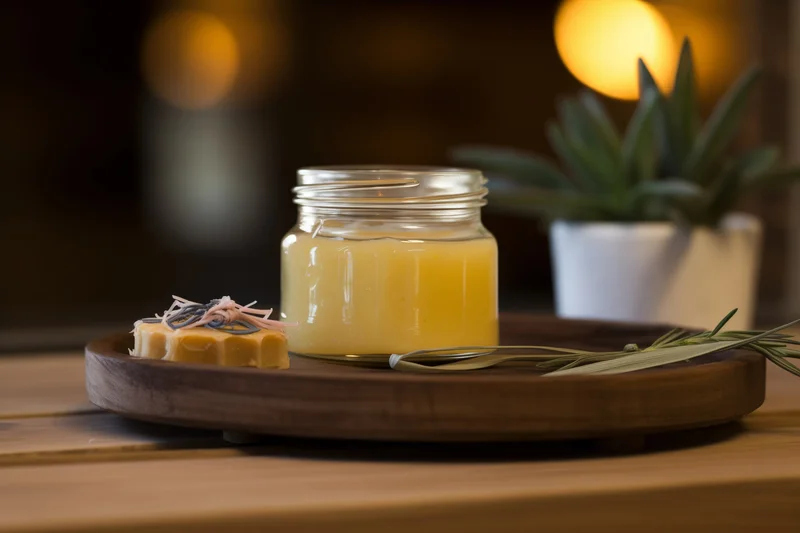
Phalasarpis, also known as Phala Ghrita or Phala Sarpis, is a classical Ayurvedic medicated ghee formulation primarily used to treat male and female infertility, support pregnancy, and promote reproductive wellness. Originating from the ancient text Ashtanga Hridayam (Uttarasthana 34/64–67) by Acharya Vagbhata, this polyherbal ghritam has been prescribed by Ayurvedic practitioners for centuries as a uterine tonic, fertility enhancer, and rejuvenative remedy. If you've been searching for a natural, time-tested approach to reproductive health — Phalasarpis is one of the most well-documented formulations in the entire Ayurvedic pharmacopoeia.
In this comprehensive guide, we cover everything you need to know: ingredients, mechanism of action, dosage protocols, benefits for both men and women, side effects, contraindications, and how Phalasarpis compares to other Ayurvedic fertility formulations. We also address gaps that no other resource online currently covers — including drug interactions, clinical research evidence, and detailed course protocols aligned with the menstrual cycle.
What Is Phalasarpis (Phala Ghrita)?
Phalasarpis literally translates to "fruit ghee" — Phala meaning fruit (symbolizing the fruit of conception) and Sarpis meaning ghee (clarified butter). It is a medicated ghee (ghritam) prepared by processing cow's ghee with a decoction and paste of specific herbs known for their reproductive and rejuvenative properties.
Classical Reference & Origin
The original formulation is documented in Ashtanga Hridayam Uttarasthana, Chapter 34, Shlokas 64–67, authored by Acharya Vagbhata. The Sanskrit verse describes both the ingredients and the therapeutic indications:
> Phalasarpiḥ phalaprāptyai strīṇām puṃsāṃ ca śasyate
> (Phalasarpis is recommended for the attainment of progeny in both women and men.)
The formulation also finds mention in Bhaishajya Ratnavali and Yogaratnakara, confirming its widespread acceptance across multiple classical Ayurvedic traditions. It is classified under Garbhasthapana (pregnancy-supporting) and Vajikarana (aphrodisiac) categories.
Synonyms and Alternative Names
Phalasarpis goes by several names depending on the manufacturer and regional tradition:
- Phala Ghrita / Phala Ghritam — most common classical name
- Phalasarpis Ghritam — used by Kottakkal Arya Vaidya Sala
- Phalasarpis Ghritham — used by Kerala Ayurveda
- Phalasarpi — shortened form used by Planet Ayurveda and Sri Sri Tattva
- Phalasarpis Saptavarti — a specific variation available in softgel capsule form (e.g., SKM brand, 650 mg capsules)
The formulation is manufactured by several reputed companies including Arya Vaidya Sala Kottakkal, Kerala Ayurveda, AVP (Arya Vaidya Pharmacy), Nagarjuna Ayurveda, and SKM. It is commonly available in 150 g containers of medicated ghee, and more recently in capsule/softgel formats for convenience.
Ingredients & Composition
Complete List of Ingredients
The traditional Phalasarpis formulation contains a carefully balanced combination of herbs processed in cow's ghee. While slight variations exist between manufacturers, the classical recipe includes:
| Ingredient (Sanskrit) | Botanical Name | Part Used | Primary Action |
|---|---|---|---|
| Shatavari | Asparagus racemosus | Root | Female reproductive tonic |
| Ashwagandha | Withania somnifera | Root | Adaptogen, male fertility |
| Manjistha | Rubia cordifolia | Root | Blood purifier, uterine health |
| Haritaki | Terminalia chebula | Fruit | Digestive, detoxifier |
| Amalaki | Emblica officinalis | Fruit | Antioxidant, rejuvenative |
| Bibhitaki | Terminalia bellirica | Fruit | Respiratory & reproductive |
| Musta (Nagarmotha) | Cyperus rotundus | Rhizome | Hormonal balance, digestive |
| Nilotpala | Nymphaea stellata | Flower | Cooling, uterine tonic |
| Padmaka | Prunus cerasoides | Heartwood | Anti-hemorrhagic, cooling |
| Payasya | Ipomoea digitata | Tuber | Galactagogue, nourishing |
| Vidanga | Embelia ribes | Fruit | Anthelmintic, purifying |
| Kalanusari (Priyangu) | Callicarpa macrophylla | Flower | Uterine tonic, anti-inflammatory |
| Madhuka (Yashtimadhu) | Glycyrrhiza glabra | Root | Hormonal support, demulcent |
| Go Ghrita | Cow's Ghee | — | Base / carrier medium |
| Ksheera (Milk) | Cow's Milk | — | Processing liquid |
> Note: Some manufacturers add or subtract minor ingredients. Always check the label of your specific brand for the exact composition.
Benefits of Key Ingredients
Shatavari (Asparagus racemosus) — Perhaps the most important herb in this formulation for women. Known as the "Queen of Herbs" in Ayurveda, Shatavari supports estrogen regulation, improves follicular development, and nourishes the uterine lining. A 2018 review published in Biomedicine & Pharmacotherapy confirmed its phytoestrogenic and antioxidant properties relevant to female fertility. Ashwagandha (Withania somnifera) — A potent adaptogen that reduces cortisol, improves sperm quality in men, and supports thyroid function. A 2013 study in Evidence-Based Complementary and Alternative Medicine found that Ashwagandha root extract significantly improved semen parameters in infertile men — including sperm count, motility, and volume. Manjistha (Rubia cordifolia) — Primarily a blood purifier (Raktashodhaka) that clears toxins from the rasa and rakta dhatus, promoting healthy endometrial tissue and reducing inflammation in the reproductive tract. Triphala (Haritaki, Amalaki, Bibhitaki) — This classic trio supports digestion and detoxification, ensuring proper nutrient absorption. In the context of fertility, healthy agni (digestive fire) is considered essential for the formation of quality shukra dhatu (reproductive tissue). Musta (Cyperus rotundus) — Extensively studied for its anti-inflammatory and analgesic properties. In Ayurveda, it is specifically used for menstrual irregularities and is considered one of the best herbs for balanceing pitta and kapha in the female reproductive system. Go Ghrita (Cow's Ghee) — Far from being a passive carrier, ghee itself is considered a powerful rasayana (rejuvenative). It enhances bioavailability of fat-soluble herbal compounds, nourishes all seven dhatus, and specifically supports shukra dhatu (reproductive tissue) according to Ayurvedic pharmacology.
Method of Preparation
Traditional Preparation Steps
Phalasarpis is prepared following the classical Sneha Kalpana (medicated fat preparation) method outlined in Ayurvedic pharmaceutical texts:
- 1.Kalka (Paste): The herbs listed above are individually cleaned, dried, and ground into a fine paste using water.
- 2.Kwatha (Decoction): A separate decoction is prepared by boiling the coarse powders of the same herbs in water, reducing it to one-quarter of the original volume.
- 3.Sneha Paka (Ghee Processing): Cow's ghee is heated gently on a low flame. The herbal paste (kalka) and decoction (kwatha) are added in the classical ratio of 1 (ghee) : ¼ (paste) : 4 (liquid/decoction + milk).
- 4.Cooking: The mixture is stirred continuously and cooked until the moisture evaporates completely and the ghee reaches the madhyama paka (medium stage) — indicated by specific tests like the varti pariksha (wick test), where a cotton wick dipped in the ghee burns without crackling.
- 5.Filtration: The medicated ghee is filtered through a clean muslin cloth while still warm, and stored in glass or food-grade containers.
Quality Standards (GMP, AYUSH, FSSAI)
Reputed manufacturers like Kottakkal Arya Vaidya Sala, Kerala Ayurveda, and AVP follow GMP (Good Manufacturing Practices) guidelines mandated by the AYUSH Ministry of India.
Look for the following certifications on the product label:
- GMP Certificate — ensures standardized manufacturing
- AYUSH License — regulatory approval for Ayurvedic medicines
- FSSAI Registration — food safety compliance (applicable for ghee-based products)
- ISO Certification — additional quality assurance
Organoleptic Characteristics (Taste & Smell)
- Taste (Rasa): Sweet (madhura), slightly astringent (kashaya), and mildly bitter (tikta)
- Smell: Characteristic ghee aroma with herbal undertones
- Color: Golden-yellow to greenish-yellow
- Texture: Semi-solid at room temperature, melts easily when warmed
Properties & Pharmacological Action
Ayurvedic Properties (Rasa, Guna, Virya, Vipaka)
| Property | Attribute |
|---|---|
| Rasa (Taste) | Madhura (Sweet), Tikta (Bitter), Kashaya (Astringent) |
| Guna (Quality) | Snigdha (Unctuous), Guru (Heavy) |
| Virya (Potency) | Sheeta (Cooling) |
| Vipaka (Post-digestive effect) | Madhura (Sweet) |
| Prabhava (Special action) | Garbhasthapana (Pregnancy-supporting) |
Effect on Doshas
Phalasarpis is primarily Vata-Pitta shamaka — it pacifies both Vata and Pitta doshas. The unctuous, cooling nature of ghee directly addresses Vata's dryness and Pitta's heat, both of which can disrupt reproductive function. Some ingredients like Musta and Vidanga also help manage Kapha, preventing excessive mucus or congestion in the reproductive channels (artavavaha srotas).
Mechanism of Action — Ayurvedic Pharmacology
Understanding how Phalasarpis works requires grasping the Ayurvedic concept of dhatu poshana (tissue nourishment):
- 1.Agni Enhancement: Triphala and Musta strengthen jatharagni (digestive fire), ensuring optimal digestion and nutrient absorption — the foundation of all tissue formation.
- 2.Rasa-Rakta Dhatu Purification: Manjistha and Amalaki purify the plasma (rasa) and blood (rakta) tissues, which are the precursors to all subsequent tissues including shukra (reproductive tissue).
- 3.Shukra Dhatu Nourishment: Shatavari, Ashwagandha, and the ghee base directly nourish shukra dhatu — responsible for ovum quality in women and sperm quality in men.
- 4.Srotas Cleansing: The formulation clears blockages in artavavaha srotas (menstrual/ovarian channels) and shukravaha srotas (seminal channels), restoring normal flow and function.
- 5.Hormonal Modulation: Phytoestrogenic herbs (Shatavari, Madhuka) gently regulate estrogen-progesterone balance without the aggressive action of synthetic hormones.
Phalasarpis Benefits & Indications
For Female Reproductive Health
This is where Phalasarpis truly shines.
The formulation is classicaly indicated for:
- Female Infertility (Vandhyatva): Supports ovulation, improves egg quality, and prepares the endometrium for implantation
- Recurrent Miscarriage / Habitual Abortion (Garbhasrava): Strengthens the uterine musculature and supports progesterone-like activity to maintain pregnancy
- PCOS / Irregular Menstruation (Artava Dushti): Helps regulate menstrual cycles by balancing hormonal signals and clearing ama (toxins) from reproductive channels
- Low AMH (Anti-Müllerian Hormone): While no direct clinical trial exists specifically for Phalasarpis and AMH, the ovarian-nourishing properties of Shatavari and Ashwagandha are theoretically supportive. A 2019 pilot study on Shatavari published in Journal of Ayurveda and Integrative Medicine showed promising results in improving ovarian reserve markers
- Uterine Fibroids & Fibroadenoma: Phalasarpis is sometimes asked about for fibroadenoma — however, it is important to note that fibroadenoma is a breast condition, not uterine. For uterine fibroids, the formulation may offer supportive benefits through its blood-purifying and anti-inflammatory properties, but should not replace primary treatment
- Leucorrhea (Shweta Pradara): The astringent and cooling herbs help manage excessive white discharge
For Male Reproductive Health
While often overlooked in discussions about Phalasarpis, its benefits for men are significant:
- Oligospermia (Low Sperm Count): Ashwagandha and ghee base nourish shukra dhatu, potentially improving sperm production. The aforementioned 2013 study showed a 167% increase in sperm count with Ashwagandha supplementation alone
- Asthenospermia (Poor Sperm Motility): The antioxidant-rich ingredients (Amalaki, Shatavari) combat oxidative stress — a leading cause of poor motility
- Erectile Dysfunction (Klaibya): As a vajikarana formulation, Phalasarpis supports sexual vigor and stamina through overall vitality enhancement
- Male Factor Infertility: The combination of adaptogens and reproductive tonics addresses stress-related fertility impairment, which accounts for a substantial percentage of male infertility cases
General Health Benefits
Beyond reproduction, Phalasarpis offers:
- Rasayana (Rejuvenation): Promotes longevity, enhances immunity (ojas), and combats premature aging
- Antioxidant Support: The combined antioxidant potential of Triphala, Shatavari, and Amalaki helps neutralize free radicals
- Digestive Support: Improves appetite and nutrient absorption, which indirectly benefits all bodily tissues
- Stress Reduction: Ashwagandha's adaptogenic properties help modulate the HPA axis, lowering cortisol levels
Don't wait or self medicate. Start chat with Doctor NOW
How to Take Phalasarpis — Dosage & Administration
Recommended Dosage
| Form | Dosage | Frequency | Route |
|---|---|---|---|
| Medicated Ghee | 5–10 g (approximately 1–2 teaspoons) | Twice daily | Oral, before meals |
| Softgel Capsules (Saptavarti) | 1–2 capsules (650 mg each) | Twice daily | Oral, with warm water or milk |
> Important: Dosage should be individualized based on your agni (digestive capacity), body constitution (prakriti), and the severity of the condition. Always consult a qualified Ayurvedic practitioner before starting.
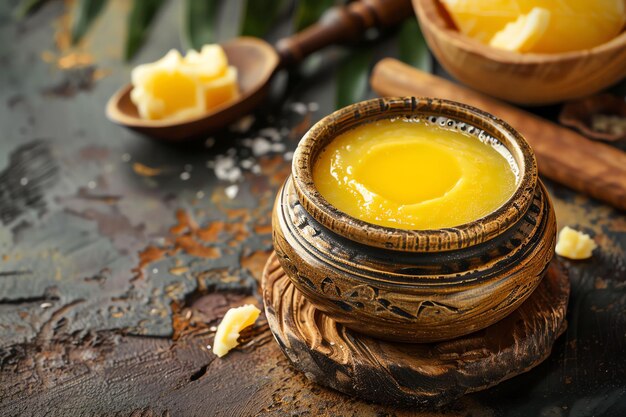
Anupana (Adjuvant — What to Take It With)
- Warm Milk — the most commonly recommended anupana; enhances absorption and adds nourishing properties
- Warm Water — for those with lactose intolerance or kapha-dominant constitution
- Sugar/Mishri — sometimes added for palatability and additional cooling effect
- Honey — occasionally recommended, but never mixed with ghee in equal quantities (this combination is considered viruddha ahara or incompatible food in Ayurveda)
Duration of Course
This is a critical detail that most online resources completely miss.
Here's a practical protocol:
- Standard Course: 3–6 months of continuous use
- For Fertility Treatment: Minimum 3 months (aligning with the approximately 90-day maturation cycle of both ova and sperm)
- For Recurrent Miscarriage: Begin 2–3 months before planned conception and continue through the first trimester under medical supervision
- Maintenance Dose: After initial course, some practitioners recommend a lower dose (5 g once daily) for an additional 3 months
When to Take — Timing & Menstrual Cycle Phase
For women actively trying to conceive:
- Day 1–5 (Menstruation): May pause or continue at reduced dose, depending on practitioner's advice
- Day 6–14 (Follicular Phase): Full dose — this is the most important window, as the herbs support follicular development and endometrial growth
- Day 15–28 (Luteal Phase): Continue full dose to support potential implantation
- Post-Conception: Continue under supervision to support early pregnancy; many practioners recommend continuing through the first trimester
Side Effects, Precautions & Contraindications
Possible Side Effects
Phalasarpis is generally considered safe when taken in recommended dosages.
However, some individuals may experience:
- Mild heaviness or fullness in the stomach (due to ghee base)
- Loose stools in individuals with weak digestive fire
- Nausea in rare cases, especially when taken on an empty stomach without adequate anupana
- Temporary increase in body weight with prolonged use
Most side effects are mild and self-limiting. They typically resolve by adjusting the dosage or taking the ghee with warm water.
Contraindications
Do not take Phalasarpis if you have:
- Diarrhea or acute digestive disorders — ghee-based medicines can worsen loose motions
- Dyslipidemia / High Cholesterol — the ghee base may elevate lipid levels in susceptible individuals
- Hypertension — use with caution; some ingredients may interact with blood pressure regulation
- Jaundice or acute liver disease — impaired bile metabolism makes fat digestion difficult
- Obesity with Kapha excess — the heavy, unctuous qualities may aggravate kapha
- Known allergy to any ingredient in the formulation
Drug Interactions
This is an area that no competitor has adequately addressed.
Here's what you need to know:
- With Clomiphene Citrate / Letrozole: Phalasarpis can be used as a complementary therapy alongside conventional fertility medications, but inform both your Ayurvedic and allopathic doctors. No direct antagonistic interaction has been reported, but concomitant estrogenic activity should be monitored.
- With IVF/IUI Protocols: Some integrative fertility clinics in India allow Phalasarpis during the preparatory phase (2–3 months before the ART cycle) but recommend discontinuing during the active stimulation protocol to avoid unpredictable herb-drug interactions.
- With Metformin (for PCOS): Generally considered compatible; however, monitoring blood sugar is advisable as some herbs may have mild hypoglycemic effects.
- With Blood Thinners (Warfarin, Aspirin): Manjistha and Amalaki have mild blood-thinning properties. Use with caution and medical oversight.
- With Other Ayurvedic Medicines: Commonly prescribed alongside Ashokarishtam, Kumaryasavam, or Sukumaram Kashayam for comprehensive reproductive support. Your practitioner will determine the best combination.
Phalasarpis vs Other Ayurvedic Fertility Formulations
One question that patients frequently ask is: how does Phalasarpis compare to other popular Ayurvedic reproductive formulations?
Here's a side-by-side comparison:
| Feature | Phalasarpis (Phala Ghrita) | Shatavari Ghritam | Ashoka Ghritam | Sukumaram Ghritam |
|---|---|---|---|---|
| Primary Indication | Male & female infertility, recurrent miscarriage | Female reproductive tonic | Uterine bleeding disorders, fibroids | Gynecological disorders, uterine tumors |
| Key Ingredient | Multi-herb (Shatavari + Ashwagandha + Triphala + more) | Shatavari-dominant | Ashoka bark-dominant | Combination with castor oil base |
| Best For | Couples trying to conceive | Women needing hormonal support | Heavy menstrual bleeding | Fibroids, cysts, menstrual pain |
| Dosha Action | Vata-Pitta shamaka | Vata-Pitta shamaka | Pitta-Kapha shamaka | Vata shamaka primarily |
| Male Fertility | Yes — significant benefit | Minimal | No | No |
| Pregnancy Support | Yes — Garbhasthapana | Yes — moderate | Not typically | Not during pregnancy |
| Classical Source | Ashtanga Hridayam | Multiple texts | Bhaishajya Ratnavali | Sahasrayogam |
Takeaway: Phalasarpis is the most comprehensive fertility-focused ghritam because it addresses both male and female factors simultaneously while offering pregnancy-supporting (garbhasthapana) properties. Shatavari Ghritam is a simpler formulation best for women who primarily need hormonal nourishment. Ashoka Ghritam and Sukumaram Ghritam are better suited for structural uterine disorders.
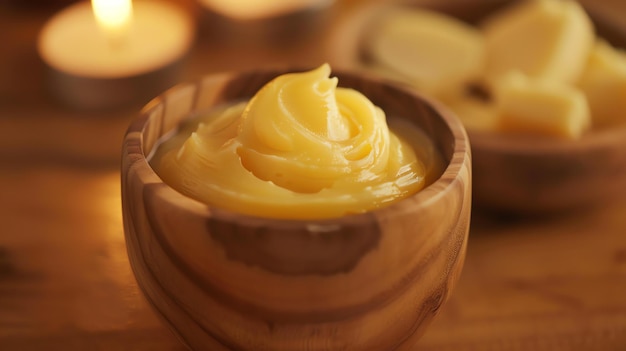
Clinical Evidence & Research
One of the biggest gaps in existing online resources is the lack of referenced clinical data. While large-scale RCTs (Randomized Controlled Trials) are still limited for classical Ayurvedic formulations, there is emerging evidence:
- AYUSHDHARA Journal Study: A clinical study published in AYUSHDHARA evaluated the efficacy of Phala Ghrita on female infertility. The study reported significant improvement in menstrual regularity, ovulation, and conception rates among participants over a 3-month treatment period.
- Shatavari Systematic Review (2018): A review in Biomedicine & Pharmacotherapy analyzed 23 preclinical studies and confirmed Shatavari's estrogenic, anti-inflammatory, and antioxidant activities relevant to female reproductive health.
- Ashwagandha and Male Fertility (2013): A study in Evidence-Based Complementary and Alternative Medicine demonstrated that 675 mg/day of Ashwagandha root extract for 90 days improved sperm count by 167%, semen volume by 53%, and sperm motility by 57% in infertile men.
- Ghee as Bioenhancer: Research published in AYU Journal has shown that ghee-based preparations (ghritams) enhance the bioavailability of lipophilic herbal compounds by up to 10x compared to water-based preparations, explaining why the ghee format is traditionally preferred for reproductive medicines.
> Bottom line: While Phalasarpis as a complete formulation needs more dedicated RCTs, the individual ingredient evidence strongly supports its traditional use. Multi-center clinical trials are currently a priority area for AYUSH-funded research.
Storage, Shelf Life & Buying Guide
How to Store Phalasarpis
- Store in a cool, dry place away from direct sunlight
- Keep the container tightly sealed after each use
- Use a clean, dry spoon every time — moisture contamination is the primary cause of spoilage
- Do not refrigerate unless you live in an extremely hot climate (above 40°C consistently); excessive cooling can alter the texture
Shelf Life
- Medicated ghee (traditional): 12–24 months from date of manufacture (check label)
- Softgel capsules: Typically 24–36 months
- Signs of spoilage: Rancid smell, color change to dark brown, visible mold, or sour taste. Discard immediately if any of these are observed.
Buying Tips
- Always purchase from authorized retailers or directly from the manufacturer's website
- Check for AYUSH license number on the packaging
- Popular trusted brands: Kottakkal Arya Vaidya Sala, Kerala Ayurveda, AVP, Nagarjuna, SKM
- Available on Amazon India, 1mg, and brand-specific e-commerce portals
- Price range: approximately ₹150–₹350 for 150 g (ghee form); ₹200–₹400 for capsule formats
Frequently Asked Questions (FAQ)
What is Phalasarpis used for?
Phalasarpis is primarily used for treating male and female infertility, supporting healthy pregnancy, preventing recurrent miscarriage, and acting as a reproductive tonic. It also offers general rejuvenative benefits including improved immunity, digestion, and vitality.
How to take Phalasarpis ghee?
Take 5–10 g (1–2 teaspoons) of Phalasarpis ghee twice daily before meals, preferably with warm milk or warm water. Continue for a minimum of 3 months for fertility-related concerns. Always follow your Ayurvedic doctor's specific dosage recommendations.
Is Phalasarpis available in tablet or capsule form?
Yes. SKM manufactures Phalasarpis Saptavarti softgel capsules (650 mg). These are convenient for people who find the taste or texture of medicated ghee unpleasant. However, traditional practitioners generally prefer the ghee form for its superior bioavailability.
Can Phalasarpis help with pregnancy?
Yes, Phalasarpis is classified as Garbhasthapana in Ayurveda, meaning it specifically supports pregnancy maintenance. It is traditionally used both to facilitate conception and to support early pregnancy. Always use under medical guidence during pregnancy.
Which herb is best for female fertility?
While many herbs support female fertility, Shatavari (Asparagus racemosus) is widely considered the most important single herb. However, Phalasarpis offers an advantage over single-herb remedies because it combines multiple fertility-enhancing herbs (Shatavari, Ashwagandha, Manjistha, Triphala, and more) in a synergistic ghee-based formulation.
Can Phalasarpis be taken with allopathic fertility medicines?
In many cases, yes — but only under the supervision of both your Ayurvedic and allopathic doctors. It is generally used as a complementary therapy during the preparatory phase of fertility treatment and may be paused during active IVF stimulation protocols.
Is Phalasarpis Nagarjuna different from Kottakkal?
Both Nagarjuna Ayurveda and Kottakkal Arya Vaidya Sala manufacture Phalasarpis based on the same classical recipe. Minor differences may exist in sourcing of herbs or manufacturing processes, but the core formulation remains identical. Both are reputable AYUSH-licensed manufacturers from Kerala.
Does Phalasarpis have any effect on AMH levels?
There is no direct clinical study proving Phalasarpis raises AMH. However, the formulation's ability to nourish shukra dhatu and improve ovarian health (through Shatavari and Ashwagandha) may theoretically support ovarian reserve over time. This is an area that needs further research.
Final Thoughts — Is Phalasarpis Right for You?
Phalasarpis stands out as one of the most comprehensive, well-formulated Ayurvedic medicines for reproductive health — for both men and women. Its multi-herb composition, ghee-based bioenhancement, and centuries of classical backing make it a formulation worth considering for anyone dealing with fertility challenges, recurrent pregnancy loss, or general reproductive wellness concerns.
That said, Ayurveda emphasizes individualized treatment. What works beautifully for one person's constitution may need adjustment for another. The best outcomes come from combining Phalasarpis with proper diet (pathya ahara), lifestyle modifications, stress management, and guidance from a qualified Ayurvedic practitioner who can tailor the protocol to your unique situation.
Ready to explore Phalasarpis for your reproductive health journey? Consult with a certified Ayurvedic doctor to determine the right dosage, duration, and complementary therapies for your specific needs. If you found this guide helpful, bookmark it and share it with others who might benefit from this ancient yet remarkably relevant formulation.
Scientific Sources
- Revisiting the therapeutic potential of homeopathic medicine Rhus Tox for herpes simplex virus and inflammatory conditions — Shinde MD et al., 2023, Journal of Ayurveda and integrative medicine
- Nitrates in the environment: A critical review of their distribution, sensing techniques, ecological effects and remediation — Singh S et al., 2022, Chemosphere
- Eco-friendly synthesized nanoparticles as antimicrobial agents: an updated review — Borehalli Mayegowda S et al., 2023, Frontiers in cellular and infection microbiology
- Emerging roles of anacardic acid and its derivatives: a pharmacological overview — Hemshekhar M et al., 2012, Basic & clinical pharmacology & toxicology
- Interactions between Natural Products-A Review — Rajčević N et al., 2022, Metabolites
- How Thymoquinone from Nigella sativa Accelerates Wound Healing through Multiple Mechanisms and Targets — Kmail A et al., 2023, Current issues in molecular biology
- Alternative medicine: an ethnographic study of how practitioners of Indian medical systems manage TB in Mumbai — McDowell A et al., 2016, Transactions of the Royal Society of Tropical Medicine and Hygiene
- Oral healthcare challenges for older Punjabi-speaking immigrants — MacEntee MI et al., 2014, Canadian journal on aging = La revue canadienne du vieillissement
- Global hazards of herbal remedies: lessons from Aristolochia: The lesson from the health hazards of Aristolochia should lead to more research into the safety and efficacy of medicinal plants — Grollman AP et al., 2016, EMBO reports
- Mutagenic, Carcinogenic, and Teratogenic Effect of Heavy Metals — Dasharathy S et al., 2022, Evidence-based complementary and alternative medicine : eCAM
- Withaferin A: From Ancient Remedy to Potential Drug Candidate — Sultana T et al., 2021, Molecules (Basel, Switzerland)
- Alternative medicine(https://pubmed.ncbi.nlm.nih.gov/12146072/) — Mitello L, 2001, Professioni infermieristiche
- Indian folklore medicine in managing men's health and wellness — Lohiya NK et al., 2016, Andrologia
- Medicinal Profile, Phytochemistry, and Pharmacological Activities of Murraya koenigii and its Primary Bioactive Compounds — Balakrishnan R et al., 2020, Antioxidants (Basel, Switzerland)
- Ayurvedic herbal medicine and lead poisoning — Gunturu KS et al., 2011, Journal of hematology & oncology
- Triphala's characteristics and potential therapeutic uses in modern health — Bairwa VK et al., 2025, International journal of physiology, pathophysiology and pharmacology
- A machine learning-based clinical decision support system for effective stratification of gestational diabetes mellitus and management through Ayurveda — Shetty NP et al., 2024, Journal of Ayurveda and integrative medicine
- Review of Holarrhena antidysenterica (L.) Wall. ex A.DC.: Pharmacognostic, Pharmacological, and Toxicological Perspective — Jamadagni PS et al., 2017, Pharmacognosy reviews
- Chlorophytum borivilianum: a white gold for biopharmaceuticals and neutraceuticals — Thakur GS et al., 2009, Current pharmaceutical biotechnology
- The evolution of ancient healing practices: From shamanism to Hippocratic medicine: A review — Elendu C, 2024, Medicine
Questions from users
What is the role of Ashwagandha in boosting male fertility and reproductive health?
Mia
4 days ago
Ashwagandha plays a big role in boosting male fertility. It improves sperm count, motility, and volume, which can really help with fertility issues. Plus, it supports overall reproductive health by balancing Vata and boosting stamina. It’s fascinating tho, more research is def needed to fully understand all its benefits!
How does phalasarpis support sexual health and wellness?
Skylar
16 days ago
Phalasarpis can support sexual health by balancing doshas and boosting vitality through its adaptogenic and rejuvenating properties. It helps in coping with stress, which is crucial for sexual well-being. The bioactive compounds enhance stamina and cellular regeneration, both of which are helpful for sexual health. Time-wise, benefits vary per individual, so listen to your body!
What is the best way to source high-quality phalasarpis for maximum health benefits?
Paris
25 days ago
To get high-quality phalasarpis, I'd recommend checking out organic Ayurvedic pharmacies with a good reputation. They often have high-quality stuff. Also, sourcing locally where ingredients are grown naturally can ensure purity. If that's tricky, online shops with good reviews and transparency about sourcing can be helpful.
What is the recommended dosage for phalasarpis to support energy and vitality?
Allison
34 days ago
For phalasarpis, I'd suggest starting with around 1 to 2 teaspoons once or twice daily, preferably taken with warm water or milk. It's important to listen to your body, though, and adjust based on your energy levels and digestion. If you're unsure, talking to an Ayurvedic practitioner can help tailor it to your needs. 😊
Is it safe to combine phalasarpis with other herbal supplements?
Theodore
44 days ago
Combining phalasarpis with other herbal supplements isn't generally risky, but it's smart to be cautious. Since phalasarpis balances the doshas and boosts regeneration, adding other herbs could intensify effects or affect your body's balance. Best to consult with a qualified Ayurvedic practitioner who can consider your dosha and any potential interactions.
What are the traditional methods of preparing phalasarpis in Ayurveda?
Ellie
54 days ago
Traditional preparation of phalasarpis involves boiling a mix of fruits, herbs, and minerals in ghee until it becomes a homogenous blend. It's important to maintain the right temperature to preserve nutrients. Though methods can vary, always using fresh, quality ingredients is key to capturing its full potential. Be mindful of your body's needs while consuming!
Can phalasarpis be used as a long-term supplement without any risks?
Mia
63 days ago
Phalasarpis can be a good supplement but using it long-term should be personalized. It's best to consult with an Ayurvedic practitioner, since Phalasarpis' effects could vary depending on your dosha balance and overall health condition. Long-term use without guidance might risk imbalances or unwanted side effects. Make sure it's of high quality and fits your body type and needs!
Can phalasarpis help improve focus and concentration during stressful situations?
Dylan
73 days ago
Yes, phalasarpis can help with focus and concentration, especially during stress. The adaptogenic properties can support your body’s stress response, and balancing the doshas may lead to more mental clarity. So it's a pretty solid choice if you're looking to improve focus in rough times. Just be sure to consider your unique needs and any specifics about your doshas!
What are the signs that phalasarpis is effective for improving stamina?
Lily
82 days ago
You'll know phalasarpis is working if you start feeling more energized during the day, have better endurance in physical activities, and generally feel more vibrant and alive. It's kinda like noticing that you don't tire as quickly. But remember, it's good to chat with an Ayurvedic practitioner to tailor it to your needs for the best results.
What should I do if I experience side effects while using phalasarpis?
Zoey
162 days ago
If you're having side effects from phalasarpis, it might mean it's not balancing your doshas right or affecting your agni. I'd stop using it and consult with an ayurveda practitioner to tweak the dosage or try something different. Sourcing high-quality products is also key! But yeah, always listen to your body and adjust as needed.
Related articles

General Medicine
Gandharvahasthadi Kashayam Uses – A Traditional Ayurvedic Elixir for Vitality and Wellness
Discover the uses of Gandharvahasthadi Kashayam, a time-tested Ayurvedic decoction that promotes strength, vitality, and overall wellness. Learn how this herbal remedy supports digestion, immunity, and longevity.
3,855

General Medicine
Palsinuron Capsules Benefits, Dosage, Ingredients, Side Effects
Exploration of Palsinuron Capsules Benefits, Dosage, Ingredients, Side Effects
2,537
General Medicine
Ayurvedic Medicine for Body Pain and Weakness: What Actually Works (And Why It's Not Just in Your Head)
Ayurvedic medicine for body pain and weakness isn’t just a pill or a cream. It’s a whole philosophy of how the body functions, breaks down, and rebuilds. It treats fatigue and pain not as isolated issues but as signals — whispers from within that somethin
3,436

General Medicine
Khadirarishta Uses, Side Effects, Ingredients, And Dose
Exploration of Khadirarishta Uses, Side Effects, Ingredients, And Dose
3,169

General Medicine
Unveiling Gomutra Ghan Vati: Experience Natural Remedies!
Discover the benefits, dosage, side effects, and Ayurvedic uses of Gomutra Ghan Vati, a powerful remedy for detoxification, immunity, and overall well-being.
3,223

General Medicine
Discovering Tikta Rasa: The Science Behind the Bitter Taste
Learn the science, benefits, and practical healthcare uses of Tikta Rasa (bitter taste) in Ayurveda. Explore evidence, expert insights, and safety tips.
4,115

General Medicine
Laxmi Vilas Ras Nardiya Benefits, Dosage, Ingredients, Side Effects
Exploration of Laxmi Vilas Ras Nardiya Benefits, Dosage, Ingredients, Side Effects
4,149
General Medicine
Eight Branches of Ayurveda
Ayurveda is an all-encompassing and holistic system of medicine with roots in India dating back over 5,000 years.
4,448
General Medicine
Laja Manda: The Rare Ayurvedic Herb for Rejuvenation
Explore the ancient Ayurvedic preparation Laja Manda, its therapeutic uses, benefits, composition, and holistic approaches for rejuvenation and balance using traditional wisdom.
3,345

General Medicine
Clevira Tablet
Exploration of Clevira Tablet
1,968
Related questions on the topic
Legal
Additional Documents
© 2024 Ask Ayurveda. All rights reserved.