Ask Ayurvedic doctor a question and get a consultation online on the problem of your concern in a free or paid mode. More than 2,000 experienced doctors work and wait for your questions on our site and help users to solve their health problems every day.
FREE! Ask Ayurvedic Doctors 24/7

 Fast responses
 1000+ verified doctors
Body DetoxEar, Nose, and Throat DisordersGeriatrics & RejuvenationImmunodeficiencyInfertility TreatmentNutritionOrthopedic DisordersPediatricsRespiratory DisordersSexually Transmitted Diseases (STDs)Surgery RecoveryUrological DisordersVascular DisordersDental DisordersEndocrinological DisordersGastrointestinal DisordersYoga TherapyGeneral MedicineAllergic DisordersCardio DisordersGynecology and ObstetricsCosmetologySkin and Hair DisordersEye DisordersInfectious DiseasesMental DisordersNeurological DisordersOncologyPanchakarmaSexual Health & DisordersSports Medicine
Published on 02/13/25
(Updated on 06/16/26)
star_border 5
4,679
Best Ayurvedic Medicine for Calcium – Natural Remedies for Bone Health

Calcium deficiency is one of the most widespread nutritional problems in India, affecting an estimated 80–90% of the population according to a 2020 survey by the Indian Council of Medical Research (ICMR). If you're searching for the best ayurvedic medicine for calcium, the most effective options include Praval Pishti, Mukta Shukti Bhasma, Godanti Bhasma, Kukkutandatvak Bhasma (calcined eggshell), and herbal formulations containing Hadjod (Cissus quadrangularis) and Ashwagandha. These time-tested remedies supply bio-available calcium while simultaneously balancing doshas and supporting the body's natural mineral absorption pathways — something synthetic calcium carbonate or calcium citrate tablets simply don't do.
In this comprehensive guide, we'll cover everything from the Ayurvedic understanding of calcium loss to a detailed comparison of the top ayurvedic calcium formulations available in India, their exact dosages, side effects (a topic no other source covers properly), and practical dietary strategies to maximize calcium absorption naturally.
What Is Calcium Deficiency (Asthi Dhatu Kshaya) in Ayurveda?
Modern medicine calls it hypocalcemia. Ayurveda recognized the same condition thousands of years ago as Asthi Dhatu Kshaya — the depletion of bone tissue, one of the seven dhatus (vital tissues) described in Charaka Samhita.
Ayurvedic Understanding of Bone Tissue and Calcium
- In Ayurvedic physiology, Asthi Dhatu (bone tissue) is the fifth of seven sequential tissue layers nourished by the food we eat. Its health is governed primarily by Vata dosha, specifically Vyana Vayu and Apana Vayu.
- When Vata becomes aggravated — through irregular eating habits, excess dry and cold foods, chronic stress, or aging — it directly depletes Asthi Dhatu.
This is remarkably consistent with modern science. We now know that cortisol (the stress hormone) accelerates bone resorption, and that calcium absorption decreases significantly after age 50. Ayurveda described this Vata-driven degeneration centuries before BMD scans existed.
- The Asthi Dhatu is also closely connected to Purisha Dhara Kala (the membrane lining the colon), which is why Ayurvedic texts emphasize that gut health directly impacts bone density.
- Modern research confirms this — a 2018 study published in the Journal of Clinical Investigation showed that the gut microbiome significantly modulates calcium absorption.
Causes of Calcium Deficiency According to Ayurveda
Ayurveda identifies several root causes (nidana) that go beyond simple dietary calcium shortage:
- Agni Mandya (weakened digestive fire): Even if you consume adequate calcium, weak digestion means poor transformation of nutrients into Asthi Dhatu
- Vata Prakopa: Excess Vata — from stress, overexertion, fasting, irregular routines — literally "dries out" bone tissue
- Ama accumulation: Toxins from incomplete digestion coat absorption sites in the intestines, blocking mineral uptake
- Dhatu Agnimandya: Each tissue has its own metabolic fire; when Asthi Dhatvagni is weakened, conversion of precursor tissues into healthy bone fails
Who Is Most at Risk?
| Risk Group | Age/Condition | Why Vulnerability Increases |
|---|---|---|
| Post-menopausal women | 45+ years | Estrogen decline accelerates bone loss; Vata naturally increases |
| Pregnant & lactating women | 20–40 years | Fetal/infant calcium demands deplete maternal stores |
| Growing children | 2–18 years | Rapid bone formation requires sustained calcium supply |
| Elderly men | 60+ years | Testosterone decline + reduced absorption capacity |
| Vata-dominant prakriti | Any age | Constitutional predisposition to Asthi Dhatu depletion |
| Those with digestive disorders | Any age | Compromised Agni reduces mineral assimilation |
Signs and Symptoms of Calcium Deficiency
Recognizing calcium deficiency early can prevent irreversible bone damage. Symptoms progress from mild to severe.
Early Warning Signs
These often get dismissed as "normal aging" or fatigue — but they're actually your body signaling Asthi Dhatu Kshaya:
- Muscle cramps and spasms, especially in the calves at night
- Brittle, ridged, or peeling nails
- Chronic fatigue that doesn't resolve with rest
- Numbness or tingling in the fingers and toes (paresthesia)
- Tooth decay or increased dental sensitivity despite good oral hygiene
- Dry skin and hair loss — Asthi Dhatu nourishes Kesha (hair) as its upadhatu
Severe Symptoms (Tetany, Arrhythmia, Osteoporosis)
When deficiency becomes chronic, the consequences are serious:
- Osteopenia and Osteoporosis: Bone mineral density drops silently. A DEXA scan is the only way to detect it before a fracture occurs
- Tetany: Involuntary muscle contractions, especially in hands and feet (carpopedal spasm)
- Cardiac arrhythmia: Calcium is essential for heart muscle contraction; severe hypocalcemia can cause prolonged QT interval
- Rickets (in children): Soft, deformed bones due to inadequate mineralization
- Frequent fractures: Bones become so porous that minor falls cause breaks
Common Diseases Caused by Calcium Deficiency
Osteoporosis
- The "silent disease." India has approximately 50 million people affected by osteoporosis, according to the International Osteoporosis Foundation.
- It disproportionately affects women — 1 in 3 women over 50 will experience an osteoporotic fracture globally.
In Ayurvedic terms, this is advanced Asthi Dhatu Kshaya with significant Vata Prakopa. The bones become porous (Asthi Soshirya), exactly matching the "porous bone" description in modern pathology.
Osteopenia
- The precursor to osteoporosis. T-scores between -1.0 and -2.5 on DEXA scan.
- This is the ideal stage for intervention — Ayurvedic treatment is particularly effective here because bone loss hasn't become irreversible yet.
Rickets and Dental Problems
In children, calcium deficiency manifests as Rickets — bowing of legs, delayed fontanelle closure, and poor dental eruption. India still reports significant rickets prevalence, especially in northern states with limited sunlight exposure during winters, compounding the problem with concurrent Vitamin D deficiency.
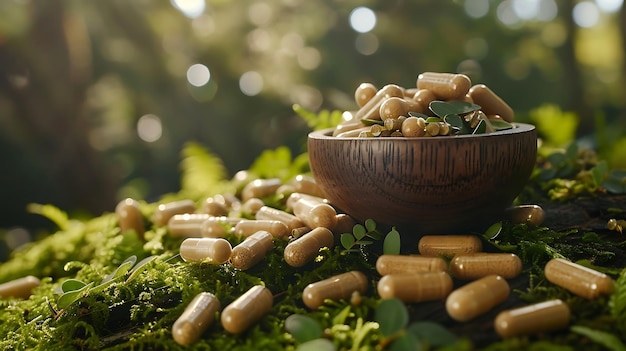
Top Ayurvedic Medicines for Calcium — Detailed Comparative Review
No other guide compares these formulations side by side. Here's what actually works, with specific details on calcium content, form, and bioavailability.
Classical Bhasma and Pishti Preparations
These are the oldest and most researched forms of ayurvedic calcium:
Praval Pishti (Coral Calcium)
Made from coral (Praval), processed with rose water and ground into an ultra-fine powder. Contains approximately 24–38% elemental calcium in the form of calcium carbonate, along with trace minerals like magnesium, strontium, and zinc.
- Dosage: 250–500 mg twice daily with honey or warm milk
- Best for: Pitta-Vata constitution, hyperacidity coexisting with calcium deficiency
- Unique advantage: Cools Pitta while supplying calcium — dual action
Mukta Shukti Bhasma (Pearl Oyster Shell)
Calcined mother-of-pearl shell. A 2014 study published in the Journal of Ayurveda and Integrative Medicine demonstrated that Mukta Shukti Bhasma particles are in the nanometer range (50–80 nm), which dramatically enhances intestinal absorption compared to conventional calcium supplements.
- Elemental calcium content: Approximately 28–35%
- Dosage: 125–250 mg twice daily with honey or warm water
- Best for: General calcium supplementation, growing children, osteopenia
Godanti Bhasma (Calcined Gypsum)
Derived from natural gypsum (calcium sulfate). After repeated calcination with herbal juices, it contains bio-available calcium along with sulfur compounds.
- Elemental calcium content: Approximately 18–23%
- Dosage: 250–500 mg twice daily
- Best for: Calcium deficiency with fever, headache, or Pitta-dominant conditions
Kukkutandatvak Bhasma (Eggshell Calcium)
Made from calcined hen eggshells. A 2015 study in the International Journal of Pharmaceutical Sciences found that the calcium from Kukkutandatvak Bhasma showed 92% bioavailability in animal models — significantly higher than standard calcium carbonate supplements (around 40%).
- Elemental calcium content: Approximately 36–39% (highest among Bhasmas)
- Dosage: 250–500 mg twice daily with lukewarm water
- Best for: Severe deficiency, post-fracture recovery, osteoporosis
Shankha Bhasma (Conch Shell)
Calcined conch shell, traditionally used for both digestive disorders and bone health. Contains calcium alongside beneficial trace minerals.
- Elemental calcium content: Approximately 25–32%
- Dosage: 125–250 mg twice daily
- Best for: Calcium deficiency with digestive weakness (Agni Mandya) — addresses root cause
Herbal Formulations
Hadjod (Cissus quadrangularis)
This is probably the most well-researched Ayurvedic herb for bone health. A 2009 randomized controlled trial published in Clinical Orthopedics and Related Research showed that Cissus quadrangularis accelerated fracture healing by approximately 33% compared to placebo.
Hadjod works differently from Bhasmas — it doesn't supply calcium directly but stimulates osteoblast activity (bone-building cells) and enhances calcium deposition in bone matrix.
- Dosage: 500–1000 mg extract twice daily
- Best for: Fracture healing, osteoporosis prevention, athletes with stress fractures
Ashwagandha (Withania somnifera)
Beyond its famous adaptogenic properties, Ashwagandha has direct bone-protective effects. A 2019 in-vivo study on ovariectomized rats (published in Pharmacognosy Research) demonstrated that Ashwagandha root extract significantly improved bone mineral density comparable to estrogen therapy — without the cancer risk.
- Dosage: 300–600 mg standardized extract (withaferin A 5%) daily
- Best for: Post-menopausal women, stress-related bone loss, Vata pacification
Comparative Table: Ayurvedic Calcium Medicines at a Glance
| Medicine | Calcium Form | Elemental Ca (%) | Particle Size | Best Suited For | Approximate Price (30-day supply) |
|---|---|---|---|---|---|
| Praval Pishti | CaCO₃ + trace minerals | 24–38% | Micro | Pitta-Vata types, acidity + deficiency | ₹150–300 |
| Mukta Shukti Bhasma | CaCO₃ + nacre proteins | 28–35% | Nano (50–80 nm) | General supplementation, children | ₹120–250 |
| Godanti Bhasma | CaSO₄ derivatives | 18–23% | Micro | Pitta conditions, migraine + deficiency | ₹80–150 |
| Kukkutandatvak Bhasma | CaCO₃ | 36–39% | Micro-nano | Severe deficiency, fractures | ₹100–200 |
| Shankha Bhasma | CaCO₃ + Mg, Sr | 25–32% | Micro | Digestive issues + deficiency | ₹90–180 |
| Hadjod Extract | Not a calcium source | N/A | N/A | Fracture healing, osteoblast boost | ₹200–400 |
| Ashwagandha Extract | Not a calcium source | N/A | N/A | Post-menopausal bone loss, stress | ₹250–500 |
Ayurvedic Calcium vs Synthetic Calcium Supplements: What's the Difference?
This is a question nobody answers properly. Let's break it down.
Bioavailability and Absorption
Synthetic calcium supplements (calcium carbonate, calcium citrate) provide calcium in standardized amounts. Calcium carbonate requires an acidic stomach environment for absorption — that's why it should be taken with food. Calcium citrate absorbs independently of stomach acid but provides only ~21% elemental calcium.
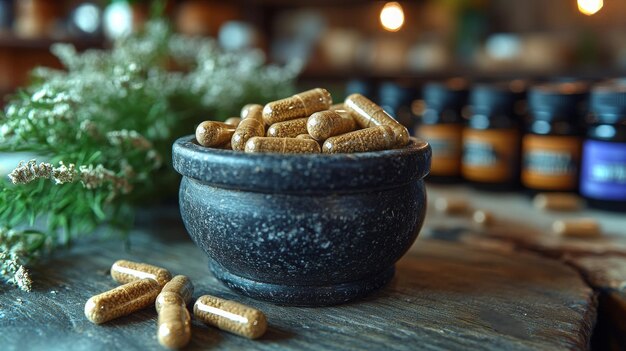
Ayurvedic Bhasmas, particularly those processed through Shodhana (purification) and Marana (calcination), are reduced to nano-scale particles. A 2016 study in AYU (An International Quarterly Journal of Research in Ayurveda) confirmed that properly prepared Bhasmas contain nanoparticles ranging from 30–100 nm, which cross the intestinal barrier far more efficiently than micrometer-sized synthetic particles.
Safety for Kidneys
This matters enormously. Conventional calcium supplements at high doses (>1000 mg/day) have been linked to a 17% increased risk of kidney stones according to a 2015 meta-analysis in The BMJ. Ayurvedic Bhasmas, because they are absorbed more efficiently at lower doses, may carry a reduced kidney stone risk — though rigorous long-term studies are still needed.
Beyond Just Calcium
- Synthetic supplements give you calcium.
- That's it.
- Ayurvedic Bhasmas contain trace minerals — strontium, magnesium, zinc, silica — that work synergistically for bone health. Strontium, for instance, simultaneously increases bone formation and decreases bone resorption. And herbal adjuncts like Hadjod and Ashwagandha address the underlying cause of bone loss, not just the mineral deficiency.
How to Increase Calcium Absorption: Diet, Lifestyle, and Panchakarma
Taking ayurvedic calcium medicine alone isn't enough. Absorption is everything.
Calcium-Rich Foods in Ayurvedic Diet
| Food | Calcium per 100g | Ayurvedic Benefit |
|---|---|---|
| Sesame seeds (Tila) | ~975 mg | Vata-pacifying, nourishes Asthi Dhatu directly |
| Ragi (Finger millet) | ~344 mg | Easily digestible, suitable for all doshas |
| Milk (warm, with turmeric) | ~125 mg | Classic Ayurvedic Rasayana for bones |
| Almonds (soaked overnight) | ~264 mg | Balances Vata, strengthens Ojas |
| Moringa leaves (Drumstick) | ~185 mg | Rich in co-factors for calcium absorption |
| Leafy greens (Amaranth) | ~215 mg | Avoid spinach — high oxalates bind calcium |
| Curd (homemade) | ~149 mg | Probiotics improve mineral absorption |
Practical tip: Prepare ragi chapati or ragi porridge as a daily staple. Combine with sesame chutney for a calcium powerhouse meal delivering approximately 500 mg calcium per serving.
The Critical Role of Vitamin D and Sunlight
You can take all the calcium in the world — without adequate Vitamin D, your intestines will absorb only 10–15% of it. With optimal Vitamin D levels (40–60 ng/mL), absorption jumps to 30–40%.
Ayurveda calls sunlight exposure Atapa Sevana and considers it essential for bone health. Aim for 20–30 minutes of direct sunlight exposure on arms and face between 10 AM and 2 PM, without sunscreen, at least 4–5 days per week.
Vitamin D deficiency is epidemic in India — a 2019 meta-analysis in Scientific Reports found that 70–80% of Indians are Vitamin D deficient. This makes Ayurvedic formulations containing Vitamin D3 (often from Lichen source) alongside calcium Bhasma particularly valuable.
Factors That Block Calcium Absorption
Avoid these within 2 hours of taking your ayurvedic calcium medicine:
- Caffeine (tea, coffee): Increases urinary calcium excretion by ~5 mg per cup
- Oxalates (spinach, beet greens, chocolate): Bind calcium, making it unavailable
- Phytates (raw whole grains, beans): Soak/sprout grains before cooking to reduce phytate content
- Excess salt: High sodium intake increases renal calcium loss
- Iron supplements: Iron and calcium compete for the same absorption pathways. Take them at different times of day
- Carbonated beverages: Phosphoric acid in cola drinks leaches calcium from bones
Panchakarma and Yoga for Bone Health
- Panchakarma: Basti (medicated enema) is the primary treatment for Vata disorders and Asthi Dhatu Kshaya.
- Tikta Ksheera Basti — enema prepared with bitter herbs in milk — is specifically mentioned in classical texts for bone nourishment. A course of 8–16 Bastis under a qualified Panchakarma physician can dramatically improve calcium uptake.
Yoga Asanas for bones:
- Bhujangasana (Cobra pose): Compressive loading on spine stimulates osteoblast activity
- Virabhadrasana (Warrior poses): Weight-bearing posture strengthens hip and leg bones
- Vrikshasana (Tree pose): Balance training reduces fall risk; weight bearing on single leg increases femoral bone density
- Pranayama — Anulom Vilom: Reduces cortisol levels, indirectly protecting bones from stress-mediated resorption
Don't wait or self medicate. Start chat with Doctor NOW
Dosage Recommendations by Age Group and Gender
This is a major gap in existing content online.
Here's a practical dosage guide:
For Children (2–12 Years)
- Mukta Shukti Bhasma: 65–125 mg twice daily with honey
- Praval Pishti: 125 mg twice daily
- Hadjod syrup: 5 mL twice daily
- Duration: 2–3 months, followed by 1-month break
- Important: Always consult a qualified Ayurvedic pediatrician (Kaumarbhritya specialist)
For Adults (18–50 Years)
- General maintenance: Mukta Shukti Bhasma 250 mg or Praval Pishti 250 mg twice daily
- Active deficiency: Kukkutandatvak Bhasma 500 mg twice daily + Hadjod 500 mg twice daily
- Duration: 3–6 months with monthly monitoring
For Pregnant and Lactating Women
- Praval Pishti: 250 mg twice daily with warm milk (safest option during pregnancy)
- Mukta Shukti Bhasma: 125–250 mg twice daily
- Avoid: Shankha Bhasma and Godanti Bhasma during pregnancy unless specifically prescribed
- Supplement with: Shatavari (Asparagus racemosus) — supports lactation AND calcium metabolism
- Duration: Throughout pregnancy and 6 months postpartum
For Post-Menopausal Women
- Kukkutandatvak Bhasma: 500 mg twice daily
- Ashwagandha extract: 300–600 mg daily
- Hadjod extract: 500 mg twice daily
- Duration: Long-term (6–12 months), with DEXA scan monitoring every 12 months
For Elderly (60+ Years)
- Combination approach: Mukta Shukti Bhasma 250 mg + Hadjod 500 mg + Ashwagandha 300 mg, all twice daily
- Add Vitamin D3: 1000–2000 IU daily (or as per blood levels)
- Duration: Ongoing with quarterly physician review
Side Effects and Contraindications of Ayurvedic Calcium Medicines
No competitor covers this. But it's crucial information, especially for a YMYL topic.
Possible Side Effects
- Constipation: The most common side effect, particularly with Shankha Bhasma and Kukkutandatvak Bhasma.
- Mitigation: take with Triphala churna at bedtime
- Gastric discomfort: Especially if Agni (digestive fire) is weak. Start with lower doses and gradually increase
- Hypercalcemia: Rare but possible with prolonged high-dose use. Symptoms include excessive thirst, frequent urination, nausea, and confusion. Get serum calcium tested if symptoms appear
- Heavy metal contamination: Improperly prepared Bhasmas may contain harmful levels of lead, mercury, or arsenic. This is the single biggest safety concern
Contraindications
- Renal insufficiency (eGFR <30): Impaired calcium excretion can cause dangerous hypercalcemia
- Hyperparathyroidism: Already elevated calcium levels
- Sarcoidosis: Increased Vitamin D sensitivity leads to hypercalcemia
- Known allergy to shellfish: Avoid Mukta Shukti Bhasma and Shankha Bhasma
How to Verify Quality and Authenticity
- Always check for: AYUSH manufacturing licence number on the packaging
- GMP certification: Ensures standardized processing conditions
- Batch number and expiry date: Bhasmas do expire — despite popular belief
- Reputable manufacturers: Look for companies with in-house quality testing labs
- Third-party heavy metal testing: Some premium brands provide a Certificate of Analysis (CoA) upon request
Diagnostic Tests: How to Confirm Calcium Deficiency
Before starting any calcium supplementation — ayurvedic or allopathic — get these tests done:
| Test | Normal Range | What It Tells You |
|---|---|---|
| Serum Calcium (Total) | 8.5–10.5 mg/dL | Overall calcium status |
| Ionized Calcium | 4.5–5.6 mg/dL | Active, usable calcium (more accurate) |
| Serum Vitamin D (25-OH) | 30–100 ng/mL | Absorption capacity |
| Parathyroid Hormone (PTH) | 15–65 pg/mL | Whether body is compensating for low calcium |
| DEXA Scan (Bone Density) | T-score > -1.0 | Actual bone mineral density |
| Serum Alkaline Phosphatase | 44–147 IU/L | Bone turnover rate |
When to retest: After 3 months of ayurvedic calcium therapy, repeat serum calcium and Vitamin D. After 12 months, repeat DEXA scan to assess bone density changes.
Frequently Asked Questions
How to increase calcium in Ayurveda?
Combine internal medicines (Praval Pishti, Mukta Shukti Bhasma, or Kukkutandatvak Bhasma) with calcium-rich diet (sesame seeds, ragi, warm milk), adequate sunlight for Vitamin D synthesis, and Panchakarma treatments like Tikta Ksheera Basti. Strengthen Agni (digestive fire) with ginger tea before meals to maximize absorption. A holistic approach works far better than popping calcium pills alone.
Which herb is highest in calcium?
Moringa oleifera (Sahjan/Drumstick) leaves contain approximately 185 mg of calcium per 100g — one of the highest among commonly available herbs. However, sesame seeds (technically a seed, not herb) lead with ~975 mg per 100g. Among true Ayurvedic herbs, Hadjod (Cissus quadrangularis) doesn't contain high calcium itself but dramatically enhances calcium deposition in bones.
How to get 100% daily calcium requirement naturally?
Adults need approximately 1000 mg of calcium per day (1200 mg for women over 50). A daily diet including 1 glass warm milk (~300 mg), 2 tablespoons sesame seeds (~175 mg), 1 serving ragi porridge (~200 mg), 1 cup homemade curd (~200 mg), and a handful of soaked almonds (~75 mg) provides roughly 950 mg — nearly your entire daily requirement without any supplements.
What is the best medicine for calcium?
For those preferring Ayurvedic options, Kukkutandatvak Bhasma offers the highest elemental calcium content (36–39%) with excellent bioavailability. For a well-rounded approach, a combination of Mukta Shukti Bhasma (for nano-sized calcium) + Hadjod (for osteoblast stimulation) + Ashwagandha (for hormonal balance) covers all bases. The "best" medicine depends on your dosha type, severity of deficiency, and coexisting health conditions.
Can I take ayurvedic calcium medicine along with allopathic medicines?
- Generally yes, but maintain a gap of at least 2 hours between ayurvedic and allopathic medications.
- Specific caution: ayurvedic calcium Bhasmas can reduce absorption of thyroid medications (levothyroxine), tetracycline antibiotics, and bisphosphonates. Always inform both your Ayurvedic and allopathic doctors about all medicines you are taking.
How long does it take for ayurvedic calcium to show results?
- Mild deficiency symptoms like cramps and nail brittleness may improve within 4–6 weeks.
- Bone density improvement takes longer — typically 6–12 months of consistent use, verified by DEXA scan. Unlike synthetic supplements that show quick serum calcium rise, Ayurvedic medicines work gradually by nourishing the entire Asthi Dhatu pathway. Patience is essential.
Is long-term use of Bhasma safe?
- Properly prepared Bhasma from reputable AYUSH-licensed manufacturers, taken in recommended doses, is generally safe for long-term use (12+ months).
- The key word is "properly prepared" — traditional Shodhana and Marana processes eliminate toxic heavy metals. Always purchase from manufacturers who provide heavy metal analysis reports.
Conclusion: Building Stronger Bones the Ayurvedic Way
Calcium deficiency doesn't have to mean a lifetime of synthetic supplements with their potential kidney stone risks and limited absorption. Ayurvedic medicine offers a comprehensive, time-tested, and increasingly science-backed approach — from nano-particle Bhasmas that deliver highly absorbable calcium to herbs like Hadjod and Ashwagandha that address the root cause of bone deterioration.
But here's the most important thing to remember: no medicine works in isolation. The Ayurvedic approach to bone health is inherently holistic — it combines the right medicine with the right diet, adequate sunlight, stress management through yoga, and gut health optimization through Panchakarma. Skip any one element, and results will be suboptimal.
- Start with a proper diagnosis — get your serum calcium, Vitamin D, and DEXA scan done. Consult a qualified BAMS doctor who can assess your Prakriti and Vikriti. Choose AYUSH-certified products from reputed manufacturers.
- And give the treatment time — bone tissue regenerates slowly, but it does regenerate.
Your bones carried you this far. Now it's time to give them what they need.
Scientific Sources
- Can Ashwagandha Benefit the Endocrine System?-A Review — Wiciński M et al., 2023, International journal of molecular sciences
- Pharmacological evaluation of Ashwagandha highlighting its healthcare claims, safety, and toxicity aspects — Mandlik Ingawale DS et al., 2021, Journal of dietary supplements
- Clinician guidelines for the treatment of psychiatric disorders with nutraceuticals and phytoceuticals: The World Federation of Societies of Biological Psychiatry (WFSBP) and Canadian Network for Mood and Anxiety Treatments (CANMAT) Taskforce — Sarris J et al., 2022, The world journal of biological psychiatry : the official journal of the World Federation of Societies of Biological Psychiatry
- Effects of Withania somnifera (Ashwagandha) on Stress and the Stress- Related Neuropsychiatric Disorders Anxiety, Depression, and Insomnia — Speers AB et al., 2021, Current neuropharmacology
- Plant-derived nootropics and human cognition: A systematic review — Lorca C et al., 2023, Critical reviews in food science and nutrition
- Ayurvedic Herbal Medicines: A Literature Review of Their Applications in Female Reproductive Health — Patibandla S et al., 2024, Cureus
- Efficacy and Safety of Shatavari Root Extract for the Management of Menopausal Symptoms: A Double-Blind, Multicenter, Randomized Controlled Trial — Gudise VS et al., 2024, Cureus
- Wild Asparagus — 2006
- Shatavari supplementation in postmenopausal women alters the skeletal muscle proteome and pathways involved in training adaptation — O'Leary MF et al., 2024, European journal of nutrition
- A Standardized Asparagus Racemosus Root Extract Improves Hormonal Balance and Menstrual Health and Reduces Vasomotor Symptoms in Perimenopausal Women: A Randomized, Double-Blind, Placebo-Controlled Study — Yadav P et al., 2025, Journal of the American Nutrition Association
Questions from users
What is the role of Guduchi in enhancing calcium metabolism for bone health?
Logan
14 days ago
Guduchi, or Giloy, is great for boosting immunity and also plays a part in enhancing calcium metabolism, which helps with bone health. It works by balancing Vata dosha and improving digestion (agni), ensuring better absorption of nutrients like calcium. So it's not just good for bones but for overall vitality too!
Can I combine Shatavari with other Ayurvedic herbs for enhanced bone health benefits?
Sydney
24 days ago
Yes, you can! Shatavari works well with herbs like Ashwagandha or Guduchi for bone health. They help balance Vata and Pitta, boosting calcium absorption and bone vitality. But remember, it’s always a good idea to consult with an Ayurvedic practitioner to get personalized advice, as our constitutions are unique!
What is Shatavari and how does it improve reproductive health in women?
Sophia
33 days ago
Shatavari is a key herb in Ayurveda, especially for improving reproductive health in women. It's known to balance female hormones, support fertility, and soothe PMS symptoms by nourishing the reproductive organs. It can also boost libido and enhance overall vitality. Just remember, individual responses can vary.
Can Ayurvedic remedies like Ashwagandha help with bone pain?
Olivia
43 days ago
Yes, Ashwagandha can actually be helpful for bone pain! It's known to strengthen bones and support bone health, which might ease some discomfort. It's great to include it, but also think about balancing your doshas and improving digestion to help with mineral absorption! Also, always best to check in with a practitioner, just to make sure it's right for you.
What is Ashwagandha and how does it benefit bone health?
Hunter
52 days ago
Ashwagandha is an adaptogenic herb that's really beneficial for overall health, and yes, it helps bone health too! It promotes calcium absorption, which is key for improving bone density. But remember, it's not just about one herb. Eat a balanced diet and maintain a healthy lifestyle to really support your bones. 😉
What is the best time of day to take Shatavari for maximum bone health benefits?
Zoe
62 days ago
The best time to take Shatavari might be in the morning or evening, depending on your routine and digestion (agni)! It's usually taken with warm milk or water to help with absorption. Keep consistency in mind for benefits, as it's the regular intake that matters more than the specific time. Hope that helps with your bone health journey!
Is it safe to take Moringa with other calcium supplements?
James
72 days ago
Yes, it's generally safe to take moringa with calcium supplements, but it's always a good idea to keep everything balanced. Moringa itself helps with calcium absorption, so you wouldn't want to overload. Maybe chat with a healthcare provider to check how it fits with your personal needs or if there's any specific balance to be aware of. :)
What is the role of Vata dosha in maintaining strong bones according to Ayurveda?
Alexander
81 days ago
Vata dosha, in Ayurveda, is connected to movement and space within the body. It governs the movements and functions of bones. When Vata is balanced, it supports strong bones by ensuring proper nourishment and removal of waste. An imbalance may lead to dryness and brittleness, so keeping Vata balanced is key to healthy bones. Ashwagandha can be helpful here!
What precautions should I take when starting to use Shatavari for bone health?
Kayden
160 days ago
When starting Shatavari for bone health, be sure to consult with an Ayurvedic practitioner, especially if you have existing health conditions or are on medications. It's vital to balance your doshas too! Shatavari aids calcium absorption, but you still gotta maintain a balanced diet and active lifestyle to see best results. Also, start with a small dose and observe how your body reacts, everyone's different!
Can Ayurvedic practices like yoga and diet help enhance the effects of these herbs on bone health?
Stella
183 days ago
Absolutely! Yoga and diet can totally boost the effects of herbs on bone health. Yoga enhances flexibility and circulation, supporting bone strength. A well-balanced Ayurvedic diet stabilizes doshas, helping in nutrient absorption. Try to match your yoga and diet to your dosha to get the most benefits! 😊
Related articles
General Medicine
Most Common Diseases
A disease is any detrimental deviation from the normal functional state of the body associated with certain signs and symptoms.
2,593

General Medicine
Patanjali Tejus Tailum
Exploration of Patanjali Tejus Tailum
4,120

General Medicine
Chandanadi Vati Benefits, Dosage, Side Effects, Ingredients
Exploration of Chandanadi Vati Benefits, Dosage, Side Effects, Ingredients
2,481

General Medicine
Karpooradi Thailam Benefits, How to Use, Ingredients, Reference
Exploration of Karpooradi Thailam Benefits, How to Use, Ingredients, Reference
3,409

General Medicine
How to Make Mosquito Repellent at Home: Natural Ways to Keep Mosquitoes Away
Learn how to make mosquito repellent at home using natural ingredients. Discover Ayurvedic tips to get rid of mosquitoes naturally and protect your home
8,140

General Medicine
Leptaden Tablet
Exploration of Leptaden Tablet
2,208
General Medicine
Bola Parpati: Energize Your Life with Ayurvedic Wisdom
Discover Bola Parpati, its Ayurvedic significance, therapeutic benefits, uses, dosage recommendations, and safety precautions. Learn how this traditional remedy supports holistic healing and balance.
2,721

General Medicine
Shilajit: Ancient Remedy, Modern Benefits
Shilajit is a mineral-rich, sticky substance from the Himalayas, integral to Ayurveda for centuries.
2,788

General Medicine
Mathulunga Rasayanam: Revitalize Your Health with Ayurvedic Rejuvenation
Discover Mathulunga Rasayanam, an ancient Ayurvedic rejuvenator that enhances vitality, boosts immunity, and promotes longevity through its powerful blend of herbs.
2,669
General Medicine
How to Check for a Blood Clot in Your Leg: Signs, Tests & Tips
Discover how to check for a blood clot in your leg. Learn common signs, early symptoms, risk factors, Ayurvedic insights, and when to seek urgent care
2,465
Related questions on the topic
Legal
Additional Documents
© 2024 Ask Ayurveda. All rights reserved.