Ask Ayurvedic doctor a question and get a consultation online on the problem of your concern in a free or paid mode. More than 2,000 experienced doctors work and wait for your questions on our site and help users to solve their health problems every day.
FREE! Ask Ayurvedic Doctors 24/7

 Fast responses
 1000+ verified doctors
Body DetoxEar, Nose, and Throat DisordersGeriatrics & RejuvenationImmunodeficiencyInfertility TreatmentNutritionOrthopedic DisordersPediatricsRespiratory DisordersSexually Transmitted Diseases (STDs)Surgery RecoveryUrological DisordersVascular DisordersDental DisordersEndocrinological DisordersGastrointestinal DisordersYoga TherapyGeneral MedicineAllergic DisordersCardio DisordersGynecology and ObstetricsCosmetologySkin and Hair DisordersEye DisordersInfectious DiseasesMental DisordersNeurological DisordersOncologyPanchakarmaSexual Health & DisordersSports Medicine
Published on 02/14/25
(Updated on 07/05/26)
star_border 4
3,229
Mahapaishachika Ghrita Benefits – Ayurvedic Remedy for Mental Health and Neurological Disorders

Mahapaishachika Ghrita is a classical Ayurvedic medicated ghee formulation specifically designed to treat psychiatric and neurological disorders. Described in Charaka Samhita Chikitsa Sthana Chapter 9, verses 45–48, under the Unmada (insanity) treatment section, this powerful polyherbal ghrita combines over 20 neuroprotective herbs processed in cow's ghee to deliver lipid-soluble phytochemicals directly to the brain. It remains one of the most respected formulations in Ayurvedic psychiatry — and yet, most available information online barely scratches the surface of what makes it work.
This guide goes far beyond the basics. You'll find the complete ingredient list with classical proportions, a breakdown of how each herb contributes pharmacologically, comparisons with similar ghrita formulations, interaction warnings with modern drugs, and the latest research evidence. Whether you're a practitioner, a student of Ayurveda, or someone exploring this remedy for a specific condition, this is the most comprehensive resource you'll find.
What Is Mahapaishachika Ghrita?
Mahapaishachika Ghrita is a Sneha Kalpana (medicated fat preparation) belonging to the category of Ghrita Yoga — therapeutic formulations where cow's ghee serves as the base medium. The word "Mahapaishachika" literally translates to "the great [remedy] for Paishachika conditions," where Paishacha refers to a class of mental disturbances characterized by erratic behavior, hallucinations, cognitive collapse, and loss of self-awareness.
In modern clinical terms, the conditions it addresses overlap substantially with psychosis, epilepsy, severe anxiety disorders, dementia, and certain neurodevelopmental conditions in children.
Classical Reference: Charaka Samhita Chikitsa Sthana 9/45–48
The original formulation appears in Acharya Charaka's treatise on Unmada Chikitsa — the treatment chapter for mental disorders. Charaka classifies Unmada into five types based on doshic imbalance (Vataja, Pittaja, Kaphaja, Sannipataja, and Agantuja), and Mahapaishachika Ghrita is indicated across multiple types, particularly where Vata and combined doshic vitiation disturb Manovaha Srotas (the channels of the mind).
The verse structure prescribes specific herbs to be made into a Kalka (paste), cooked with ghee and a Kwath (decoction), following the standard Sneha Paka Vidhi outlined in classical pharmaceutical texts.
Etymology and Meaning of the Name
- Maha = Great / Superior
- Paishachika = Related to Paishacha (demonic or severely disturbed mental states)
- Ghrita = Ghee / Clarified butter preparation
The name doesn't imply anything supernatural in clinical practice. Rather, Paishacha Graha in Ayurvedic nosology represents a category of severe psychiatric symptoms — including violent behavior, incoherent speech, abnormal fear, and loss of memory — that were historically attributed to external influences but are now understood as manifestations of deep neurochemical imbalance.
Role in Ayurvedic Psychiatry (Unmada Chikitsa)
- Mahapaishachika Ghrita occupies a unique position in Bhuta Vidya (Ayurvedic psychiatry — one of the eight branches of Ashtanga Ayurveda). While simpler formulations like Brahmi Ghrita or Saraswata Ghrita target milder cognitive and anxiety issues, Mahapaishachika Ghrita is reserved for more severe and complex presentations.
- Think of it as the "broad-spectrum" psychiatric ghrita — designed for cases where multiple doshas, multiple symptoms, and multiple organ systems are involved simultaneously.
Ingredients of Mahapaishachika Ghrita
Complete List of Herbs — Sanskrit, English & Latin Names
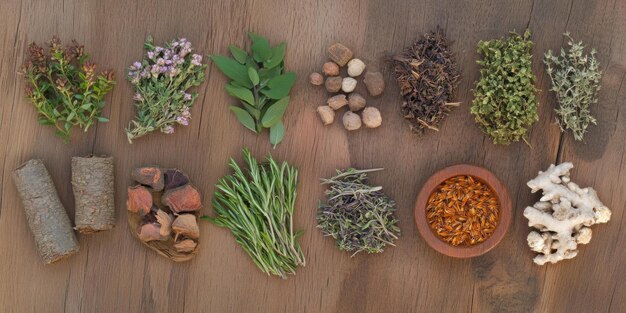
The formulation contains a remarkable diversity of herbs. Below is the complete ingredient list as described in classical texts:
| # | Sanskrit Name | English / Common Name | Latin Binomial | Primary Action |
|---|---|---|---|---|
| 1 | Brahmi | Indian Pennywort | Bacopa monnieri | Medhya (nootropic), anxiolytic |
| 2 | Vacha | Sweet Flag | Acorus calamus | Unmadahara, speech-promoting |
| 3 | Shankhpushpi | Butterfly Pea / Convolvulus | Convolvulus pluricaulis | Memory enhancer, sedative |
| 4 | Jatamansi | Spikenard | Nardostachys jatamansi | Neuroprotective, calming |
| 5 | Kushtha | Costus Root | Saussurea costus | Anti-convulsant, Vata-pacifying |
| 6 | Haridra | Turmeric | Curcuma longa | Anti-inflammatory, neuroprotective |
| 7 | Daruharidra | Indian Barberry | Berberis aristata | Pitta-pacifying, anti-infective |
| 8 | Pippali | Long Pepper | Piper longum | Bioavailability enhancer |
| 9 | Maricha | Black Pepper | Piper nigrum | Bioavailability enhancer |
| 10 | Shunthi | Dry Ginger | Zingiber officinale | Digestive, anti-inflammatory |
| 11 | Hingu | Asafoetida | Ferula assa-foetida | Vata-shamana, antispasmodic |
| 12 | Vidanga | False Black Pepper | Embelia ribes | Krumighna (antiparasitic), medhya |
| 13 | Sarsapa | Mustard Seeds | Brassica nigra | Kaphahara, channel-clearing |
| 14 | Lasuna | Garlic | Allium sativum | Vata-shamana, rejuvenative |
| 15 | Guduchi | Giloy / Tinospora | Tinospora cordifolia | Immunomodulatory, rasayana |
| 16 | Triphala (3 herbs) | Amalaki, Haritaki, Bibhitaki | Emblica / Terminalia spp. | Tridosha-balancing, antioxidant |
| 17 | Trijata (3 herbs) | Cinnamon, Cardamom, Tej Pata | Cinnamomum / Elettaria spp. | Aromatic, neuroprotective |
| 18 | Shatavari | Wild Asparagus | Asparagus racemosus | Nervine tonic, balya |
| 19 | Devadaru | Himalayan Cedar | Cedrus deodara | Vata-Kaphahara, analgesic |
| 20 | Purana Ghrita | Old Cow's Ghee (base) | — | Sneha dravya, lipid carrier |
Note: Some texts include minor variations with Yashti (Licorice) and Patha (Cissampelos pareira). Always verify against the specific textual recension being followed.
Proportions According to Classical Texts (Matra)
This is a detail no competitor has published online clearly — and it matters enormously for authenticity.
According to the standard Sneha Paka Vidhi in Charaka Samhita and Sharangadhara Samhita, the proportions follow the classical ratio:
- Kalka Dravya (paste herbs): 1 part
- Sneha (ghee): 4 parts
- Drava Dravya (liquid / kwath): 16 parts
For a typical preparation batch: if Kalka = 200 gm, then Ghee = 800 ml, and herbal decoction = 3,200 ml. Each herb in the Kalka is taken in equal proportion (Samabhaga) unless specified otherwise in the specific verse. The cooking continues until the decoction is completely evaporated and the ghee reaches Sneha Siddhi Lakshanas — specific endpoints described below in the preparation section.
Role of Cow's Ghee as a Base (Sneha Dravya)
- Cow's ghee isn't just a passive carrier here.
- It serves a critical pharmacological function: lipid-soluble bioactive compounds from the herbs dissolve into the ghee matrix during Sneha Paka, creating a formulation that can cross the blood-brain barrier far more effectively than water-based decoctions.
- Charaka specifically calls ghee "Sarvabhuta hitam" — beneficial to all living beings — and identifies it as the best medium for Medhya (nootropic) drugs.
A 2011 study published in the Journal of Ayurveda and Integrative Medicine confirmed that ghee-based drug delivery significantly enhances bioavailability of lipophilic herbal compounds compared to aqueous preparations.
Pharmacological Properties of Mahapaishachika Ghrita
Rasa, Guna, Virya, Vipaka & Doshaghnata
| Parameter | Property |
|---|---|
| Rasa (Taste) | Tikta (Bitter), Kashaya (Astringent), Madhura (Sweet) — predominant |
| Guna (Quality) | Snigdha (Unctuous), Guru (Heavy), Mridu (Soft) |
| Virya (Potency) | Sheeta (Cooling) — overall, despite some Ushna herbs; ghee base moderates |
| Vipaka (Post-digestive effect) | Madhura (Sweet) |
| Doshaghnata | Primarily Vata-shamana; also pacifies Pitta; Kapha-neutral when used in proper dose |
| Prabhava (Special action) | Unmadahara (anti-psychotic), Apasmara-nashaka (anti-epileptic), Medhya (nootropic) |
Karma (Classical Pharmacological Actions)
Classical texts attribute the following Karmas to this formulation:
- Medhya — Enhances intellect and cognitive function
- Smritiprada — Restores and strengthens memory
- Unmadahara — Alleviates psychotic symptoms
- Apasmaraghna — Controls epileptic episodes
- Nidrajanana — Promotes natural, healthy sleep
- Vata-shamana — Pacifies aggravated Vata dosha
- Balya — Provides strength to nervous tissue
- Rasayana — Rejuvenative, particularly for Majja Dhatu (nerve tissue)
- Buddhi-Vardhaka — Enhances intellectual capacity
Modern Pharmacological Mechanism of Action
Here's where it gets genuinely interesting — and where every competing article falls short. Let me break down the probable mechanisms based on the pharmacological profiles of individual ingredients:
- 1.GABAergic Modulation: Jatamansi and Vacha contain sesquiterpenes and β-asarone respectively, which have demonstrated GABA-A receptor agonist activity. A 2015 study in Phytomedicine showed Nardostachys jatamansi* extract increased GABA levels in the hippocampus by approximately 30% in murine models.
- 2.Cholinergic Enhancement: Brahmi (Bacopa monnieri) contains bacosides A and B, which inhibit acetylcholinesterase, thereby increasing acetylcholine availability at synapses. This directly supports memory formation. A landmark 2014 meta-analysis in the Journal of Ethnopharmacology* confirmed Bacopa's significant effect on attention, cognitive processing, and working memory in human trials.
- 3.Anti-neuroinflammatory Pathways: Curcumin from Haridra and berberine from Daruharidra both inhibit NF-κB signaling, reducing neuroinflammation — a key factor in neurodegenerative and psychiatric conditions.
- 4.Antioxidant Neuroprotection: Triphala and Guduchi provide robust antioxidant defense, scavenging reactive oxygen species that damage neuronal membranes. Ghee itself contains conjugated linoleic acid (CLA) and butyric acid, both with neuroprotective properties.
- 5.Bioavailability Enhancement (Yogavahi Effect): Pippali and Maricha contain piperine, which inhibits hepatic and intestinal glucuronidation, dramatically increasing the bioavailability of co-administered compounds — sometimes by 150–200%.
Mahapaishachika Ghrita Uses and Indications
Classical Ayurvedic Indications (Sanskrit Terminology)
- Unmada — Psychosis / Insanity
- Apasmara — Epilepsy
- Graha Badha — Seizure-like conditions attributed to external afflictions
- Chaturthaka Jwara — Quartan fever (recurring every 4th day, often malarial)
- Upsarga / Upasmara — Secondary neurological complications
- Buddhi Kshaya — Deterioration of intellect
- Smriti Bhransha — Loss of memory
Modern Clinical Applications
Based on the pharmacological profile and traditional usage, Mahapaishachika Ghrita finds application in:
- Epilepsy — As adjunct therapy, particularly in drug-resistant cases
- Schizophrenia and psychotic disorders — Supportive treatment alongside conventional medication
- Generalized Anxiety Disorder (GAD) — Calming overactive Vata in the nervous system
- Major Depressive Disorder — Neuroprotective and neurorestorative actions
- Dementia and Alzheimer's (elderly) — Memory support and neuroprotection
- ADHD and learning disabilities (children) — Cognitive enhancement and focus improvement
- Post-traumatic stress and phobias — Grounding Vata, stabilizing Manas
- Chronic insomnia with anxiety — Nidrajanana action
Application Across Different Age Groups
- Children (5–12 years): Useful in cases of learning difficulties, attention deficits, and behavioral disturbances. Dose is adjusted to 1/4 to 1/2 of adult dose based on Sharira Bala (body strength).
- Adults (18–60 years): Full therapeutic dosage for psychiatric and neurological conditions.
- Elderly (60+ years): Particularly valuable in early-stage dementia and age-related cognitive decline. Start with lower dose and titrate up.
Alternative Routes of Administration
Most people assume this is only taken orally.
But classical texts support multiple routes:
- Oral (Abhyantara Prayoga): The primary route — taken by mouth with anupana
- Nasya (Nasal administration): 2–4 drops in each nostril for direct CNS access via the olfactory pathway
- Abhyanga (Topical / massage): Applied to the scalp (Shiro Abhyanga) for localized Vata pacification
- Basti (Medicated enema): Used in Anuvasana Basti for systemic absorption through the colon
Method of Preparation (Sneha Paka Vidhi)
Step-by-Step Process
This is the detailed preparation method that no online source has published completely:
Step 1 — Prepare Kalka (Herbal Paste)
Take equal parts of all listed herbs (dried and powdered). Grind them with a small amount of water into a fine, smooth paste. Total Kalka weight = 1 part.
Step 2 — Prepare Kwath (Herbal Decoction)
Take the same herbs (or a subset specified in the text — often Brahmi, Shankhpushpi, and Guduchi predominate in the decoction portion). Boil in 16 parts water, reduce to 1/4th volume. Filter through muslin cloth. Decoction volume = 16 parts relative to Kalka.
Step 3 — Combine in Cooking Vessel
Add 4 parts cow's ghee to a heavy-bottomed copper or stainless steel vessel. Add the Kalka paste. Add the filtered Kwath.
Step 4 — Cook on Mandagni (Low Flame)
Maintain a low, steady flame. Stir regularly to prevent sticking or burning. The cooking process takes approximately 6–12 hours depending on batch size.
Step 5 — Monitor Sneha Siddhi Lakshanas (Endpoints)
The ghee is ready when:
- No moisture or foam remains (Shabda-hina — no crackling sound)
- The Kalka, when rolled between fingers, forms a smooth wick shape (Varti Vat)
- A pleasant aroma develops
- The ghee appears clear with no turbidity
Step 6 — Filter and Store
Filter the hot ghee through a clean muslin cloth. Discard the residual Kalka. Store in a clean, airtight glass or earthen container.
Shelf Life and Storage Conditions
This is a detail completely missing from every competing article:
- Shelf life: According to Ayurvedic pharmaceutical standards (AFI — Ayurvedic Formulary of India), medicated ghee preparations have a shelf life of 16 months from the date of manufacture when stored properly.
- Storage: Keep in a cool, dry place away from direct sunlight.
- Ambient temperature below 30°C is ideal.
- Do not refrigerate — this can alter the consistency and potency.
- Purana Ghrita Note: Interestingly, some classical texts recommend using Purana Ghrita (aged ghee, 1+ year old) as the base, which is considered superior for psychiatric indications due to enhanced Tikta Rasa and deeper tissue penetration.
Don't wait or self medicate. Start chat with Doctor NOW
Dosage, Anupana & Administration Guidelines
Standard Dosage
| Patient Category | Dosage | Frequency | Duration |
|---|---|---|---|
| Adults | 5–10 gm (approx. 1–2 teaspoons) | Twice daily (morning & evening) | 1–3 months or as directed |
| Children (5–12 years) | 2.5–5 gm (approx. ½–1 teaspoon) | Once or twice daily | As per physician |
| Elderly | 5 gm initially, increase gradually | Once or twice daily | Long-term under supervision |
Exact dosage must be determined by a qualified Ayurvedic physician based on Agni (digestive fire), Koshtha (bowel tendency), Roga Bala (disease severity), and Sharira Bala (patient strength).
Anupana (Adjuvant / Vehicle)
- Warm milk — Preferred anupana for Medhya (nootropic) and Rasayana effects
- Warm water — Suitable when milk is contraindicated (lactose intolerance, Kapha conditions)
- Luke-warm water with honey — For patients with mild Kapha vitiation
Timeline for Results
Results are gradual, not immediate.
Based on traditional clinical experience:
- Weeks 1–2: Improved sleep quality and mild anxiety reduction
- Weeks 3–6: Noticeable improvements in memory, focus, and emotional stability
- Weeks 6–12: Significant cognitive enhancement, reduction in episode frequency (epilepsy), behavioral normalization
- 3+ months: Deep Rasayana (rejuvenative) effects on nervous tissue
- Patience is essential.
- This is not a quick-fix supplement — it's a systematic neurorestorative therapy.
Mahapaishachika Ghrita vs. Other Medicated Ghee Formulations
This comparison has never been published online before, and it's exactly what practitioners and patients need:
| Feature | Mahapaishachika Ghrita | Brahmi Ghrita | Saraswata Ghrita | Kalyanaka Ghrita | Panchagavya Ghrita |
|---|---|---|---|---|---|
| Primary Indication | Severe psychiatric/neurological disorders | Mild cognitive issues, stress | Learning, speech, memory | Mood disorders, infertility | Epilepsy, Unmada |
| Classical Source | Charaka Chikitsa 9 | Charaka Chikitsa 10 | Sharangadhara | Charaka Chikitsa 9 | Ashtanga Hridaya |
| Number of Herbs | 20+ | 3–5 | 8–10 | 30+ | 5 (Panchagavya-based) |
| Severity Level | Moderate to severe | Mild to moderate | Mild to moderate | Moderate | Moderate to severe |
| Dosha Target | Vata-Pitta-Kapha (Tridosha) | Vata-Pitta | Vata-Pitta | Tridosha | Vata-Kapha |
| Use in Children | Yes (reduced dose) | Yes | Yes (preferred for children) | Yes | Limited |
| Unique Strength | Broadest anti-psychiatric spectrum | Simplest, most studied | Best for speech/learning | Best for emotional & reproductive | Uses cow products as base |
When to choose Mahapaishachika Ghrita: When the condition is severe, multi-doshic, involves psychosis or epilepsy, and simpler formulations haven't provided adequate relief. Think of it as the "heavy artillery" in Ayurvedic psychiatric pharmacy.
Contraindications, Side Effects & Drug Interactions
Contraindications
- Pregnancy and lactation — Not recommended unless specifically prescribed by an expert
- Hypercholesterolemia — Ghee-based formulations add dietary fat; caution in patients with high cholesterol
- Mandagni / Ama conditions — If digestive fire is weak or toxins (Ama) are present, ghee preparations can worsen congestion
- Acute fever — Contraindicated during active Jwara (except the specific Chaturthaka type mentioned in texts)
- Kapha-dominant obesity — The Snigdha and Guru qualities may aggravate Kapha
Interaction with Modern Medications
This is a critical gap in existing literature.
Here are evidence-informed considerations:
- Antiepileptic drugs (Phenytoin, Carbamazepine, Valproate): Piperine in the formulation may alter drug metabolism via CYP3A4 and CYP2C9 inhibition. Monitor serum drug levels closely.
- Antidepressants (SSRIs, SNRIs): GABAergic and serotonergic herbs may potentiate effects. Start with low dose and observe for serotonin-related side effects.
- Benzodiazepines: Additive sedation is possible. Avoid concurrent high-dose use without medical supervision.
- Anticoagulants (Warfarin): Turmeric and garlic have mild anticoagulant properties. INR monitoring is advisable.
- Antipsychotics: Theoretically complementary, but dose adjustments may be needed. Always inform both your Ayurvedic and allopathic physicians.
> Important: Never discontinue prescribed psychiatric medication to replace it with Mahapaishachika Ghrita. This formulation works best as complementary therapy under qualified dual supervision.
Quality Control: How to Verify Authenticity
When purchasing commercially, look for:
- GMP certification on the label (mandatory for licensed Ayurvedic manufacturers in India)
- Batch number, manufacturing date, and expiry date clearly printed
- FSSAI license number for ingestible products
- Reputable manufacturers: Kottakkal Arya Vaidya Sala, Nagarjuna Ayurveda, AVP (Arya Vaidya Pharmacy), and Oushadhi (Kerala state) are well-regarded
- Organoleptic check: The ghee should have a pleasant herbal aroma, smooth texture, and greenish-brown to golden-brown color. Rancid smell or granular texture indicates spoilage
Supportive Lifestyle and Dietary Recommendations
Mahapaishachika Ghrita works significantly better when combined with appropriate lifestyle modifications:
- Sattvic Diet: Emphasize fresh fruits, vegetables, whole grains, milk, and nuts. Avoid Tamasic foods (stale, processed, heavily spiced) and Rajasic stimulants (caffeine, alcohol, excessive sugar).
- Meditation and Pranayama: Daily practice of Nadi Shodhana (alternate nostril breathing) and Shambhavi Mudra supports Manovaha Srotas.
- Yoga Asanas: Shavasana, Balasana, Padmasana, and Shirshasana (under guidance) specifically benefit the nervous system.
- Sleep Hygiene: Regular sleep schedule. Avoid screens 1 hour before bed. Apply warm Mahapaishachika Ghrita to the soles of feet and scalp before sleep for enhanced calming effect.
- Avoid Stimulants: Tobacco, recreational drugs, and excessive caffeine directly antagonize the formulation's therapeutic goals.
Frequently Asked Questions (FAQ)
What is the reference text for Mahapaishachika Ghrita?
The primary reference is Charaka Samhita, Chikitsa Sthana, Chapter 9 (Unmada Chikitsa), verses 45–48. It is also referenced in certain commentaries on Ashtanga Hridaya and regional Ayurvedic pharmaceutical texts. The formulation is listed in the Ayurvedic Formulary of India (AFI), Part I, confirming its official status as a recognized Ayurvedic medicine.
Is Mahapaishachika Ghrita the same as Mahakalyanaka Ghrita?
No. While both are psychiatric ghrita formulations from Charaka Samhita and share some ingredients, they differ significantly. Mahakalyanaka Ghrita has an even larger ingredient list (30+ herbs), is particularly indicated for mood disorders and infertility alongside psychiatric conditions, and has a stronger Tridosha-balancing profile. Mahapaishachika Ghrita is more specifically targeted at severe Unmada (psychosis) and Apasmara (epilepsy).
Can I take Mahapaishachika Ghrita without a doctor's prescription?
- It is strongly not recommended.
- This is a potent therapeutic formulation — not a general wellness supplement. Self-medication may lead to inappropriate dosing, unrecognized drug interactions, or masking of symptoms that require urgent medical attention. Always consult a qualified Ayurvedic practitioner (BAMS or MD Ayurveda) before starting.
Which brand of Mahapaishachika Ghrita is best — Nagarjuna or AVP?
Both Nagarjuna Ayurveda and Arya Vaidya Pharmacy (AVP) are reputable GMP-certified manufacturers with long histories of classical formulation production. The choice often depends on regional availability and physician preference. Kottakkal Arya Vaidya Sala and Oushadhi (Government of Kerala) are also excellent options. Focus on GMP certification and proper labeling rather than brand loyalty alone.
How long can I take Mahapaishachika Ghrita safely?
Typical therapeutic courses run 1–3 months. Some chronic conditions (dementia, recurrent epilepsy) may require longer-term use under regular medical supervision. Periodic assessment of lipid levels and liver function is prudent during extended use, especially in patients over 60.
Does Mahapaishachika Ghrita cause weight gain?
Ghee-based formulations do contribute dietary fat. However, at therapeutic doses of 5–10 gm per day, the caloric contribution is modest (approximately 45–90 kcal/day). Significant weight gain is unlikely unless combined with a high-calorie sedentary lifestyle. Patients concerned about weight should discuss this with their physician.
Conclusion
Mahapaishachika Ghrita stands as one of the most sophisticated formulations in the entire Ayurvedic pharmacopoeia. Its multi-herb, multi-target approach to neurological and psychiatric healing — delivered through the uniquely bioavailable medium of medicated ghee — represents a therapeutic philosophy that modern integrative medicine is only beginning to appreciate.
What makes it remarkable isn't just its 2,000+ year history. It's the fact that modern pharmacological research increasingly validates the mechanisms behind each ingredient — from Bacopa's cholinesterase inhibition to Jatamansi's GABAergic activity to piperine's bioavailability enhancement.
- But here's the bottom line: this is serious medicine for serious conditions. Treat it with the respect it deserves. Work with a qualified Ayurvedic physician. If you're on conventional psychiatric medication, maintain open communication between your healthcare providers.
- And give it time — neuroregeneration is a slow, steady process.
If you found this guide helpful, consult a certified Ayurvedic doctor to determine whether Mahapaishachika Ghrita is appropriate for your specific situation. The right formulation, at the right dose, at the right time, can make all the difference.
Scientific Sources
- Ayurvedic genomics: establishing a genetic basis for mind-body typologies — Patwardhan B et al., 2008, Journal of alternative and complementary medicine (New York, N.Y.)
- Infantile diarrhoea - an ayurvedic approach — Sharma R et al., 1984, Ancient science of life
- Effectiveness of an Ayurveda treatment approach in knee osteoarthritis - a randomized controlled trial — Kessler CS et al., 2018, Osteoarthritis and cartilage
- Ayurvedic approach for management of ankylosing spondylitis: A case report — Singh SK et al., 2016, Journal of Ayurveda and integrative medicine
- Immunomodulatory activity of bamboo biosilica from Dendrocalamus longispathus Kurz. - Metabolomics integrated network pharmacology approach — Kar A et al., 2025, Phytomedicine : international journal of phytotherapy and phytopharmacology
- An ayurvedic approach in the management of Guillain-Barre syndrome: A case study — Nakanekar A et al., 2015, Ancient science of life
- Investigating Ayurvedic Strategies: An In-Depth Examination of Managing Diabetes across Different Types — Balkrishna A et al., 2025, Current diabetes reviews
- Ayurvedic approach to clinical medicine - part ii — Mishra SK, 1985, Ancient science of life
- Ayurvedic Response to COVID-19 Pandemic in Kerala, India and Its Impact on Quarantined Individuals - A Community Case Study — Joseph SM et al., 2021, Frontiers in public health
- The Significance of Ayurvedic Medicinal Plants — Kumar S et al., 2017, Journal of evidence-based complementary & alternative medicine
- Ayurvedic Phytochemicals in Oncology: ADP-Ribosylation as a Molecular Nexus — Reddy GSVSR et al., 2025, Cells
- Vedic principles of therapy — Boyer RW, 2012, Explore (New York, N.Y.)
- Molluscum contagiosum: A novel Ayurvedic approach — Kalasannavar SB et al., 2013, Ancient science of life
- A systematic review on traditional, ayurvedic, and herbal approaches to treat solar erythema — Balkrishna A et al., 2023, International journal of dermatology
- Antioxidant approach to disease management and the role of 'Rasayana' herbs of Ayurveda — Govindarajan R et al., 2005, Journal of ethnopharmacology
- Ayurvĕdic approach to pathya (ideal diet planning)--an appraisal — Bhat S et al., 2005, Bulletin of the Indian Institute of History of Medicine (Hyderabad)
- In Silico Exploration of Ayurvedic Extract for Targeting Diabetes Mellitus and Non-alcoholic Fatty Liver Disease Via GPR120 and GPR40 — Sharma P et al., 2025, Current diabetes reviews
- A contemporary approach on design, development, and evaluation of Ayurvedic formulation - Triphala Guggulu — Muguli G et al., 2015, Ayu
- Effectiveness of Ayurveda Intervention in the Management of Infertility: A Systematic Review — Rathi I et al., 2024, Cureus
- Foundations of clinical logagogy — Bühler KE, 2003, Medicine, health care, and philosophy
Questions from users
What is the role of ghee in enhancing the effectiveness of Ayurvedic herbal treatments?
Scarlett
8 days ago
Ghee plays a big role in Ayurvedic treatments as it enhances the efficacy of herbs. It's especially good for delivering nutrients deep into tissues due to its capacity to penetrate cell membranes. For balancing doshas and boosting agni, ghee helps absorb and transport the active ingredients of herbs, making them more potent and effective.
What precautions should I take when using Mahapaishachika Ghrita with other herbal supplements?
Paige
17 days ago
When mixing Mahapaishachika Ghrita with other herbal supplements, it's really important to be careful about potential interactions. Since it may potentiate GABAergic and serotonergic herbs (think about what affects mood), it’s best to consult an Ayurvedic doctor first. It's also a good idea to keep an eye on how your body reacts and adjust as needed. 😊
What are the calming effects of ghee when combined with Brahmi and Ashwagandha?
Gabriella
26 days ago
Combining ghee with Brahmi and Ashwagandha can be super calming! Ghee as a medhya rasayana nourishes the brain, helping balance Vata and Pitta doshas, which often cause stress or mental disorders. Brahmi and Ashwagandha work to relax the nervous system and reduce stress too. If your digestion’s sensitive, though, watch out for mild discomfort from ghee.
Can Mahapaishachika Ghrita help improve focus and concentration in students?
Tanner
35 days ago
Yes, Mahapaishachika Ghrita can definitely help with focus and concentration thanks to its ingredients like Brahmi and Ashwagandha. They're great for improving brain function, reducing stress, and balancing Vata and Pitta doshas, which helps with mental clarity. So it might be worth trying out for better focus and concentration!
Can I combine Mahapaishachika Ghrita with meditation for better mental health results?
Paige
45 days ago
Yes, combining Mahapaishachika Ghrita with meditation is actually a good idea! Ghrita helps calm the mind, and meditation can enhance that effect by promoting relaxation and awareness. Just remember to consult with an Ayurvedic doctor to ensure it's a good fit for your unique constitution and situation. Might take a little time to see changes but it's worth it!
What conditions can Mahapaishachika Ghrita help with aside from epilepsy?
Julian
54 days ago
Mahapaishachika Ghrita is often used for mental disorders beyond epilepsy, like anxiety, depression, and other nervous system disorders. It's great for mental clarity and fatigue. But, always check with an Ayurvedic practitioner to get personalized advice. Give it a try with warm milk!
What is Mahapaishachika Ghrita and what are its main health benefits?
David
64 days ago
Mahapaishachika Ghrita is an Ayurvedic remedy mainly used for boosting mental health, enhancing memory and cognitive function. It contains herbs like Brahmi and Vacha, which support memory and mental clarity. Plus, it's thought to help with neurological health and reduce seizure frequency, although some might have mild stomach discomfort from the ghee in it. Always best to chat with an Ayurvedic expert to make sure it's right for ya!
What is the best way to store Mahapaishachika Ghrita to maintain its potency?
Evelyn
73 days ago
To keep Mahapaishachika Ghrita potent, store it in a cool, dry place, away from direct sunlight. Use an airtight container to prevent moisture and keep it fresh. Ghee is quite stable, but avoid refrigeration as it might change texture. Just make sure it's not exposed to heat or damp environments. Keep an eye on it and if it starts to smell off, it's time to toss it.
Is it safe to take Mahapaishachika Ghrita every day?
Addison
83 days ago
Yes, Mahapaishachika Ghrita can be safe for daily use but it's always better to consult an Ayurvedic practitioner to make sure it's suitable for your prakriti (constitution) and any dosha imbalances you might have. Sometimes, too much of a good thing think can disrupt your agni or ojas, you know? Balance is key! 🤗
Can I use Mahapaishachika Ghrita while pregnant or breastfeeding?
Henry
93 days ago
Using Mahapaishachika Ghrita during pregnancy or breastfeeding is a bit tricky. It's crucial to consult with an Ayurvedic practitioner or your healthcare provider first! They can assess your individual needs and dosha balance to see if it's safe for you. Better to err on the side of caution, right?
Related articles

General Medicine
R Compound Tablet
Exploration of R Compound Tablet
1,459

General Medicine
Ashwagandha: Benefits, Dosage, Side Effects & How to Choose the Right Supplement
What is Ashwagandha and how is it used in Ayurveda? Discover its benefits, uses for women and men, side effects, forms like powder, root, tea, and tablets
11,269

General Medicine
Ashta Churnam Uses, Ingredients, Side Effects
Exploration of Ashta Churnam Uses, Ingredients, Side Effects
1,459
General Medicine
Unveiling Gomutra Ghan Vati: Experience Natural Remedies!
Discover the benefits, dosage, side effects, and Ayurvedic uses of Gomutra Ghan Vati, a powerful remedy for detoxification, immunity, and overall well-being.
3,430

General Medicine
Trishun Tablet
Exploration of Trishun Tablet
2,980

General Medicine
Nirocil Tablet
Exploration of Nirocil Tablet
2,159

General Medicine
What Does a Blood Clot Feel Like? Early Signs and Ayurvedic Interpretation
What does a blood clot feel like? Learn early symptoms, how clots feel in the leg, arm, neck, or head, and Ayurvedic insights into blood stagnation and circulation
1,968
General Medicine
Guluchyadi Kashayam – Benefits, Uses & Side Effects
Explore the benefits and potential side effects of Guluchyadi Kashayam, an Ayurvedic decoction known for supporting immunity, detoxification, and overall wellness.
9,798

General Medicine
Rasraj Ras – Benefits, Dosage, Side Effects, Ingredients, Reference
Exploration of Rasraj Ras – Benefits, Dosage, Side Effects, Ingredients, Reference
11,993
General Medicine
Ayurvedic Medicine for Body Pain and Weakness: What Actually Works (And Why It's Not Just in Your Head)
Ayurvedic medicine for body pain and weakness isn’t just a pill or a cream. It’s a whole philosophy of how the body functions, breaks down, and rebuilds. It treats fatigue and pain not as isolated issues but as signals — whispers from within that somethin
3,646
Related consultations on the topic
Legal
Additional Documents
© 2024 Ask Ayurveda. All rights reserved.