Ask Ayurvedic doctor a question and get a consultation online on the problem of your concern in a free or paid mode. More than 2,000 experienced doctors work and wait for your questions on our site and help users to solve their health problems every day.
FREE! Ask Ayurvedic Doctors 24/7

 Fast responses
 1000+ verified doctors
Body DetoxEar, Nose, and Throat DisordersGeriatrics & RejuvenationImmunodeficiencyInfertility TreatmentNutritionOrthopedic DisordersPediatricsRespiratory DisordersSexually Transmitted Diseases (STDs)Surgery RecoveryUrological DisordersVascular DisordersDental DisordersEndocrinological DisordersGastrointestinal DisordersYoga TherapyGeneral MedicineAllergic DisordersCardio DisordersGynecology and ObstetricsCosmetologySkin and Hair DisordersEye DisordersInfectious DiseasesMental DisordersNeurological DisordersOncologyPanchakarmaSexual Health & DisordersSports Medicine
Published on 05/29/25
(Updated on 07/12/26)
1,968
What Does a Blood Clot Feel Like? Early Signs and Ayurvedic Interpretation

You ever get a weird, sudden tightness in your leg and think, “Wait, is that… a blood clot?” You wouldn’t be the only one. It’s a scary thought, mostly because blood clots don’t always come with big, dramatic symptoms. Sometimes, they whisper. Not shout.
Let’s face it — most of us wouldn’t know what a blood clot feels like until it becomes a serious issue. I’ve heard people say it feels like heat or pressure. Others mention a dull ache or even a tingling sensation. And then there are the odd ones — the ones in the scalp or neck that just feel… off. Not painful. Just weird.
So let’s break it down. This isn’t just a science-y rundown of thrombosis. We’ll also tap into Ayurvedic insights, personal observations, and real-world symptoms — the kind you might notice while lying in bed, wondering if it’s just a pulled muscle or something far worse.
What Is a Blood Clot and How It Develops
Physical Explanation and Risk Zones
At its core, a blood clot is the body doing what it’s supposed to do — stop bleeding. But sometimes, clots form when there’s no bleeding at all. That’s where trouble starts.
A clot, or thrombus, is a gel-like clump of blood. Normally, these clots dissolve on their own. But if one forms in a vein or artery and doesn’t go away, it can restrict or even block blood flow. This is when it becomes dangerous. Think deep vein thrombosis (DVT) or pulmonary embolism — terms we usually hear in a hospital waiting room or a crime show.
Risk zones? Most commonly: legs, thighs, arms, neck, and — believe it or not — the scalp or head. And while you might not think about blood clots in your neck while you’re sipping tea, it happens.
Blood Clots in Ayurveda: Rasa, Rakta, and Srotas Blockage
From an Ayurvedic perspective, blood clots are not just physical events. They’re signs of imbalances — disruptions in the doshas (Vata, Pitta, Kapha) and blockages in the srotas (bodily channels). Especially the Rakta Vaha Srotas, responsible for blood circulation.
If you’re familiar with Rasa (plasma/lymph) and Rakta (blood), you’ll know that clotting can be seen as stagnation or congestion in these pathways. Ayurveda might not talk about fibrin or platelets, but it does emphasize sluggish movement, heat imbalance, and toxic buildup (Ama) as precursors to clot-like symptoms.
A practitioner might say, “Ah, this is a Pitta disorder,” especially if there’s inflammation, heat, and sharp pain involved. Or they might look at emotional stress — long-term anger or anxiety — as a contributing factor. Fascinating, right?
Ayurvedic treatment would include blood purifiers like Manjistha, circulation boosters like Guggulu, and dietary shifts to reduce Pitta and Ama. Not a replacement for medical intervention, of course — but an insightful layer that modern medicine often overlooks.

What a Blood Clot Feels Like: Location-Specific Symptoms
Now this is where things get a little more personal — because the feeling of a blood clot depends a lot on where it is in the body. And yes, you can feel a blood clot… but not always in the way you’d expect.
Blood Clot in Leg, Thigh, or Foot: Swelling, Heat, and Tightness
Let’s start with the most common spot — the leg.
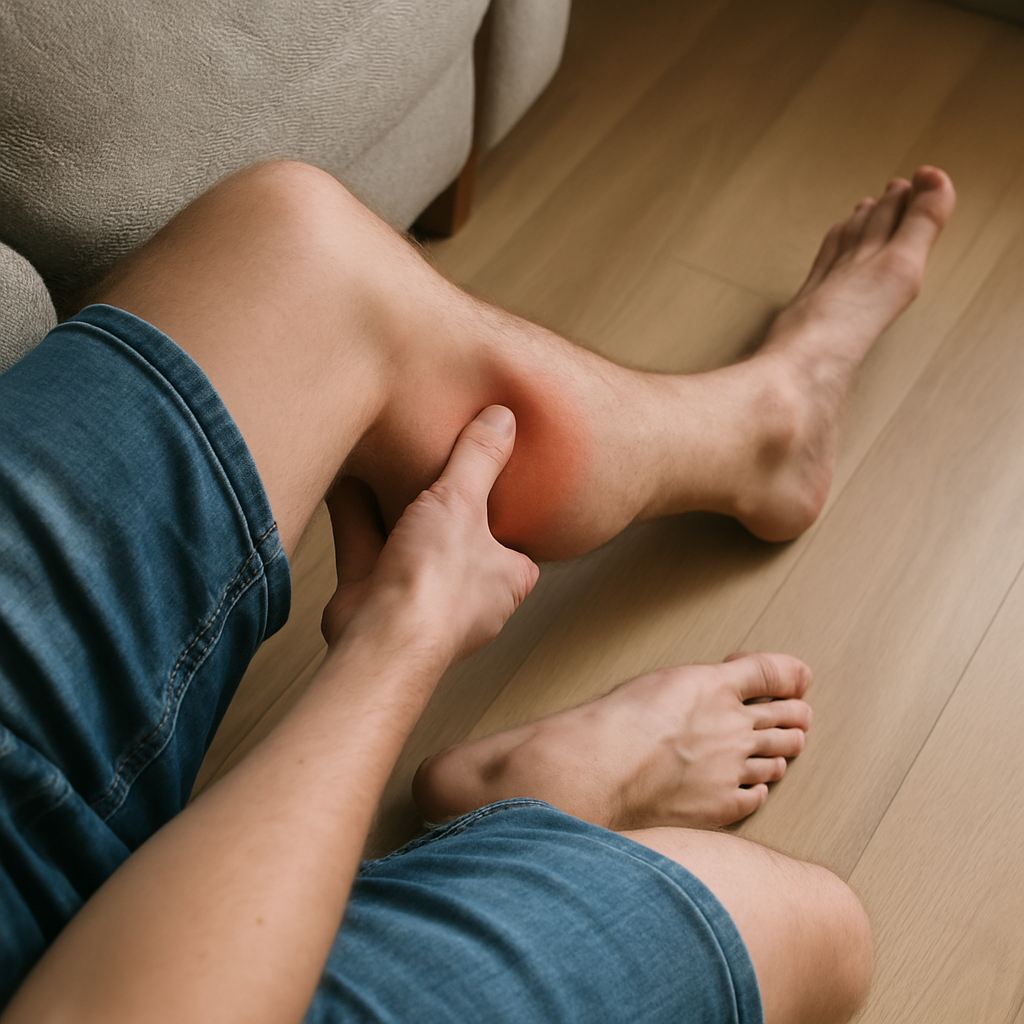
A blood clot in the leg, especially a deep vein thrombosis (DVT), doesn’t usually feel like sharp pain. People often describe it as tightness, almost like their calf is being squeezed. Others mention warmth — not the cozy kind, but like an internal heat radiating from the area. Swelling is also a big one. And it’s usually not symmetrical — one leg gets big, the other stays normal.
One guy I knew said his leg felt “too full,” like it was pumped up from the inside. Another said his calf felt “weirdly heavy,” like gravity had doubled for that limb alone. The blood clot feeling in the leg or thigh isn’t necessarily painful — it’s just… wrong.
And sometimes, you feel it more when you’re still. Sitting on a plane, riding in a car, or even watching Netflix. That’s what makes it dangerous — it hides in comfort.
Blood Clot in Arm or Neck: Pressure, Pain, and Stiffness
Blood clots in the arm or neck are less common, but they do happen — and honestly, they can be pretty alarming.
In the arm, it might feel like soreness after a workout — only you didn’t work out. There’s this dull ache that won’t go away, sometimes with visible redness or swelling. I remember someone saying it felt like their vein was “too tight” under the skin. Not a great sign.
In the neck? That’s even trickier. You might feel pressure — a kind of internal push near the side of the neck or collarbone. Some describe it as stiffness that radiates into the jaw or shoulder. Others mention a strange sense of fullness or even shortness of breath when lying flat. A blood clot in the neck feeling might be misread as muscle strain — until it isn’t.
It’s subtle. And that’s the problem.
Tingling Sensation in Scalp or Head: Subtle Signs
Okay, now for the weird one — the scalp or head. Can a blood clot cause a tingling sensation in the scalp? Technically, yes. A clot affecting cerebral veins or sinuses might result in odd neurological symptoms: tingling, numbness, headaches that feel “off,” or even a buzzing under the skin.
I’m not saying every weird head feeling is a clot — far from it. But if the sensation is new, persistent, and doesn’t respond to usual remedies, it’s worth checking out.
Sometimes people describe it as a light electric buzz across their scalp. Others call it a crawling sensation, like something is moving under the skin. Again, it’s subtle. Not painful. Just strange.
Early Stage Blood Clot Symptoms and Warning Signals
So what are the early signs? Swelling. Heat. Discomfort that feels disproportionate to the activity. Pain that doesn't go away with rest. Tingling, tightness, pressure — these are the body's whispers.
But here’s the thing: early stage blood clot symptoms often mimic harmless issues. That’s why they get missed. The key is to listen when something doesn’t feel quite right. Especially if it’s persistent, gets worse, or is accompanied by other weird signs (shortness of breath, sudden fatigue, dizziness).
How to Recognize a Blood Clot and When to Act
Can You Feel a Blood Clot?
So, here’s the million-dollar question: can you feel a blood clot? The answer? Sometimes. But it’s slippery.
Some clots announce themselves — with swelling, tightness, or a gnawing pressure. Others? Stealth mode. You might not feel anything at all until something serious happens, like a sudden pain in the chest or difficulty breathing (yep, that’s when it moves to the lungs — a pulmonary embolism).
But if something feels off — especially in one limb, or if there's weird swelling, warmth, or pressure — don’t dismiss it. Trust the weird feeling. It’s better to overreact than overlook.
What Does a Blood Clot Look Like?
Weird question, right? Because most clots are inside the body. But if we’re talking surface signs, here’s what a visible blood clot might look like:
-
The skin might appear reddish or bluish.
-
It may feel warm or tender to the touch.
-
The vein may be hard or ropey.
-
The area might swell or feel “overinflated.”
But honestly? Most clots don’t look like anything. That’s part of the problem — you often feel them before you ever see them.
Ayurvedic View on Circulatory Disruption and Dosha Aggravation
Back to Ayurveda for a second — because this stuff is pretty fascinating.
When a clot forms, Ayurveda might frame it as a disruption in Rakta dhatu (the blood tissue), caused by aggravated Pitta dosha (heat, intensity, inflammation). If Vata is involved, there’s dryness, stagnation, or spasms. If Kapha, there’s sluggish flow, heaviness, and obstruction.
One practitioner I met once explained it like this: “Your inner rivers are blocked. Your doshas are panicking.” Kind of poetic. But also very Ayurvedic.
They often recommend therapies to restore flow — herbal formulations, oil massages (Abhyanga), blood-purifying decoctions, and dietary modifications. Again, not a replacement for emergency medicine — but potentially a great complementary lens.
Conclusion
So — what does a blood clot feel like? Honestly? It’s not always dramatic. Sometimes it’s a whisper. A warmth. A heaviness. A tingle on your scalp you can’t explain. And sometimes, it’s just a gut feeling that something’s wrong.
Whether it’s a blood clot in the leg feeling like a pulled muscle, or a blood clot in the neck feeling like stiffness that won’t quit, the key is paying attention. You don’t need to panic over every ache, but when a symptom lingers, grows, or feels strange — listen.
And please, don’t try to Google your way to peace of mind (ironic, I know). If something feels wrong, get it checked. You’re not wasting anyone’s time by being cautious.
Don't wait or self medicate. Start chat with Doctor NOW
FAQs
What are the first signs of a blood clot?
Swelling, warmth, tightness, and unexplained discomfort in a limb. Sometimes visible color change or surface vein changes.
How do you tell if it's muscle pain or a blood clot?
Muscle pain usually eases with movement or rest. Clot pain often persists and is accompanied by swelling or heat.
How long can I have a blood clot without knowing?
Unfortunately, days or even weeks. Some people discover it only when complications arise. Trust unusual sensations early.
Questions from users
How can I recognize unusual color changes in my skin related to blood clots?
Serenity
14 hours ago
To recognize unusual skin color changes related to blood clots, look for areas that appear reddish or bluish. These visual indicators might accompany other symptoms such as the skin feeling warm or tender and swelling localized to the affected area. A vein might feel hard or rope-like beneath the skin. If you experience these symptoms, particularly in the legs, seek medical attention promptly, as blood clots can pose serious health risks. Don’t rely on surface symptoms alone—consult a healthcare provider for an accurate diagnosis.
Can blood clots cause unusual sensations in my body besides pain?
Nevaah
10 days ago
Yes, clots can cause unusual sensations, like tingling, numbness, or even a light buzzing sensation. It’s not necessarily painful, but if it's a new and persistent feeling, it's a good idea to get it checked out. Remember, not all odd feelings are clots, but it's better to be cautious.
What does it mean if I feel a strange sense of fullness when lying flat?
Lincoln
19 days ago
That strange sense of fullness when lying flat might be linked to Kapha imbalance, causing heaviness and sluggishness in your system. Maybe something's "blocking" your inner flow, like an undetected clot. If you get other signs, like shortness of breath, it's worth checking with a doc to be sure.
How does diet affect my risk of developing blood clots?
Vincent
28 days ago
Diet definitely plays a role in your risk of blood clots! Eating foods that support good circulation and help manage inflammation can be helpful. You might want to focus on foods rich in omega-3 fatty acids, like fish or walnuts, and avoid excessive salt. Keeping your agni, or digestive fire, strong by eating warm, fresh meals can also support overall wellness and possibly reduce your risk. But remember, it’s always good to chat with a healthcare pro for personalized advice too!
What does a tingling sensation in the scalp indicate about my circulatory health?
Grace
38 days ago
A tingling sensation in the scalp could suggest a few things about circulatory health. In Ayurveda, it might point to Pitta imbalance or poor blood circulation, often linked to Ama buildup. Boosting circulation with herbs like Guggulu or Manjistha, and modifying your diet to balance Pitta, can be helpful. But, it's important to listen to your body and maybe consult with a healthcare pro to get to the root!
What is Abhyanga and how does it help with circulation in Ayurveda?
Robert
47 days ago
Abhyanga is a traditional Ayurvedic oil massage that's great for boosting circulation. It involves applying warm oil to the body, which you massage in with gentle strokes. This can really support your circulatory system by mobilizing blood, relaxing spasm, and warming tissues, especially if your Vata (dry, light, and cold) is out of balance. Plus, it's super relaxing! Always choose an oil that suits your dosha. You can try sesame oil if you're vata.
What are some Ayurvedic treatments to improve circulation and relieve heaviness?
Seth
57 days ago
To improve circulation and relieve heaviness, Ayurveda suggests focusing on improving kapha dosha balance. You might wanna try warm oil massages like Abhyanga, herbal teas (ginger or cinnamon), and light exercises like yoga. Also, consider eating easy-to-digest, warm foods to support your digestive fire. Small tweaks can often make big differences!
What is the connection between emotional stress and blood clot symptoms?
Joseph
66 days ago
Emotional stress, like anxiety or long-standing anger, can affect the body, contributing to blood clot symptoms by creating imbalance in the body's doshas. Stress might increase Pitta, leading to heat and inflammation, affecting circulation. Just remember, though, it's a subtle connection and more about stress impacting overall health.
What lifestyle factors can contribute to sluggish movement and heat imbalances in Ayurveda?
Grayson
76 days ago
Too much stress, spicy or oily foods, long intense workouts or not enough sleep can lead to sluggish movement and heat imbalances in Ayurveda. These factors can agitate Pitta dosha, resulting in inflammation and other symptoms. Consider balancing with cooling foods, regular sleep, yoga, and meditation to restore harmony!🌿
What is Manjistha and how does it help with blood circulation in Ayurveda?
Theodore
86 days ago
Manjistha, it's a powerful herb in Ayurveda, often used as a blood purifier. It boosts circulation by helping with the removal of toxins and balancing Pitta dosha, which can aid with clear skin and improved blood flow. If you're exploring natural ways to support your circulatory system, Manjistha is definitely a go-to!
Related articles

General Medicine
Dosha Dushya Sammurchana – Understanding Tissue and Dosha Interactions in Ayurveda
In classical Ayurvedic literature, the concept of Dosha Dushya Sammurchana is described as the process by which imbalanced doshas interact with and affect the body’s dhatus.
3,028

General Medicine
Guggulu Shodhana – Ayurvedic Detoxification & Purification Therapy
Discover how guggulu shodhana eliminates toxins, reduces inflammation, and promotes overall metabolic health.
3,241
General Medicine
Exploring the Three Sub-Pillars of Health in Ayurveda
Ayurveda is an ancient holistic healing system that has been practiced for thousands of years, originating in India.
4,455

General Medicine
What Causes Diabetes? Lifestyle, Genetics & Ayurvedic Insights
Find out what causes diabetes and how lifestyle, diet, and genetics play a role. Discover Ayurvedic perspectives and prevention strategies. Learn how imbalances in the doshas can contribute to blood sugar issues
1,338

General Medicine
What Are the Benefits of Choosing Ayurveda Treatments?
In a world dominated by modern medicine and advanced technologies, Ayurveda, an ancient system of natural healing, stands as a beacon of traditional wisdom.
2,834

General Medicine
Phalasarpis Benefits – Natural Ayurvedic Rejuvenation & Vitality Booster
Explore the phalasarpis benefits, a traditional Ayurvedic formulation renowned for its rejuvenative, aphrodisiac, and holistic health properties. Enhance vitality and promote overall wellness naturally with phalasarpis.
2,791

General Medicine
Aushadh Sevan Kaal – Mastering the Optimal Timing for Ayurvedic Medicine Consumption
Explore the principle of aushadh sevan kaal in Ayurveda, focusing on the optimal timing for consuming herbal remedies to enhance detoxification, digestion, and dosha balance.
3,327
General Medicine
Best Ayurvedic Medicine for Calcium – Natural Remedies for Bone Health
Discover the best Ayurvedic medicines for calcium that promote bone strength, prevent osteoporosis, and support overall skeletal health with natural, holistic remedies.
5,010

General Medicine
Body Types According to Ayurveda
You’ve probably heard someone casually mention their “dosha” over turmeric tea, right? Maybe it sounded a little woo-woo, like zodiac signs for your digestion. But here’s the thing — Ayurvedic body types, or prakriti, aren’t just some mystical categorizat
2,323
General Medicine
Bhunimbadi Churna: Exploring Ayurvedic & Scientific Insights
Discover the science and tradition behind Bhunimbadi Churna, its health benefits, research-backed uses, and expert guidance for safe, effective application.
3,011
Related consultations on the topic
Legal
Additional Documents
© 2024 Ask Ayurveda. All rights reserved.