Ask Ayurvedic doctor a question and get a consultation online on the problem of your concern in a free or paid mode. More than 2,000 experienced doctors work and wait for your questions on our site and help users to solve their health problems every day.
FREE! Ask Ayurvedic Doctors 24/7

 Fast responses
 1000+ verified doctors
Body DetoxEar, Nose, and Throat DisordersGeriatrics & RejuvenationImmunodeficiencyInfertility TreatmentNutritionOrthopedic DisordersPediatricsRespiratory DisordersSexually Transmitted Diseases (STDs)Surgery RecoveryUrological DisordersVascular DisordersDental DisordersEndocrinological DisordersGastrointestinal DisordersYoga TherapyGeneral MedicineAllergic DisordersCardio DisordersGynecology and ObstetricsCosmetologySkin and Hair DisordersEye DisordersInfectious DiseasesMental DisordersNeurological DisordersOncologyPanchakarmaSexual Health & DisordersSports Medicine
Published on 02/24/25
(Updated on 07/06/26)
2,842
Sthoulya Chikitsa – Natural Ayurvedic Approach for Obesity Management
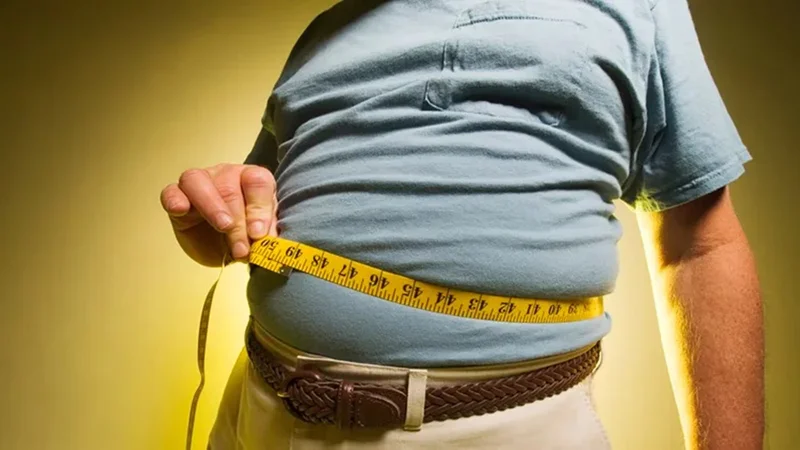
Sthoulya Chikitsa is the comprehensive Ayurvedic treatment framework for managing Sthoulya (obesity), a condition characterized by excessive accumulation of Medo Dhatu and Mamsa Dhatu in the abdomen, thighs, buttocks, and chest. Unlike modern weight-loss programs that focus narrowly on calorie restriction, Sthoulya Chikitsa addresses the root pathology — a disrupted Medovaha Srotas, aggravated Kapha Dosha, and a deceptive cycle of Tikshna Agni that drives compulsive overeating. This guide covers everything from classical Nidana and Samprapti to a full Panchakarma protocol, evidence-backed herbal formulations, individualized Prakriti-based treatment strategies, and practical Yoga prescriptions — areas no single competitor resource has covered in depth.
Acharya Charaka placed Sthoulya among the eight despised body constitutions (Ashtanindita Purusha) and explicitly stated that Sthoulya is more dangerous than Karshya (emaciation), because it is harder to nourish a depleted body than to reduce an excessively accumulated one (Charaka Sutra Sthana 21/3). This classical context frames why Ayurveda treats obesity not as a cosmetic problem but as a systemic metabolic disorder demanding urgent, multi-pronged intervention.
What Is Sthoulya in Ayurveda?
Sthoulya literally translates to "corpulence" or "excessive bulkiness." Charaka Samhita (Sutra Sthana 21/4) defines it as a condition where Meda and Mamsa Dhatu accumulate disproportionately, causing pendulous abdomen, buttocks, and breasts, while the remaining Dhatus (Asthi, Majja, Shukra) remain undernourished. Madhava Nidana (Chapter 34) and Yoga Ratnakara further elaborate on Sthoulya as a Santarpanajanya Vikara — a disease born from over-nourishment.
In modern clinical terms, Sthoulya correlates with obesity (BMI > 30 kg/m²) and overweight (BMI 25–29.9 kg/m²). The WHO estimates that over 135 million individuals in India are affected by obesity-related conditions, making this ancient Ayurvedic framework remarkably relevant today.
Sthoulya vs Medoroga vs Medo Vriddhi — Key Differences
These three terms are often used interchangeably, but they carry distinct clinical meanings:
| Term | Meaning | Clinical Focus |
|---|---|---|
| Sthoulya | Anatomical presentation — visibly bulky, heavy body | External manifestation, body habitus |
| Medo Vriddhi | Physiological disturbance — quantitative increase of Medo Dhatu | Dhatu-level metabolic imbalance |
| Medoroga | The disease entity — systemic pathology involving Medovaha Srotas | Full disease with complications |
Think of them as two sides of one coin: Sthoulya is what you see, Medo Vriddhi is what's happening inside, and Medoroga is the complete disease process. A person can have Medo Vriddhi without visible Sthoulya (visceral fat accumulation), which is actually more dangerous from a cardiovascular standpoint.
Ashtanindita Purusha — Why Charaka Ranked Sthoulya as Worse Than Emaciation
Charaka described eight types of despised body constitutions: Ati Dirgha (excessively tall), Ati Hrasva (excessively short), Ati Loma (excessively hairy), Aloma (hairless), Ati Krishna (excessively dark), Ati Gaura (excessively fair), Ati Sthula (obese), and Ati Krisha (emaciated). Among these, he gave special attention to Sthoulya and Karshya but declared Sthoulya to be more troublesome.
The reasoning is practical: in Karshya, you build up Dhatus through Brimhana therapy with relatively predictable outcomes. But in Sthoulya, reducing Medo Dhatu without depleting other already-malnourished Dhatus is a far more delicate balancing act. The treatment must simultaneously reduce fat, strengthen Agni, clear Srotas, and nourish the starved tissues — a therapeutic tightrope that demands individualized protocols.
Sthoulya Nidana (Causes and Etiology)
Understanding causes is half the cure in Ayurveda. Charaka Samhita and Ashtanga Hridaya identify multiple causative factors:
Ahara (Dietary Causes)
- Shleshmala Ahara — Kapha-aggravating foods: excessive sweets (Madhura Rasa), oily/unctuous foods (Snigdha), heavy-to-digest foods (Guru)
- Navanna Sevana — consumption of newly harvested grains (particularly new rice)
- Mamsa Rasa — excessive meat soups, especially from domestic animals
- Dadhi Sevana — regular consumption of curd, especially at night
- Ikshu Vikara — sugarcane products and jaggery in excess
- Excessive Masha (black gram) consumption
Vihara (Lifestyle Causes)
- Avyayama — complete absence of physical exercise
- Avyavaya — lack of sexual activity (reduced metabolic expenditure)
- Divasvapna — habitual daytime sleeping, which directly increases Kapha
- Harshanityatvat — constant state of cheerfulness without exertion (this might sound strange, but Charaka implies complacency and lack of physiological stress)
- Achintanat — freedom from worry (again, implying metabolic complacency)
Manasika Nidana (Psychological Causes)
This is a critical gap that no competitor has explored. Ayurveda recognizes Prajnaparadha (crimes against wisdom) as a fundamental disease cause. Emotional overeating driven by Chinta (anxiety), Shoka (grief), and Krodha (anger) disrupts Manovaha Srotas and triggers compulsive food-seeking behavior.
Modern research supports this: a 2018 systematic review in Obesity Reviews found that chronic psychological stress elevates cortisol, which preferentially deposits visceral fat and increases appetite for energy-dense foods — essentially the same mechanism Ayurveda described through Manovaha Srotas dysfunction millennia ago.
Beeja Dosha (Genetic Predisposition)
- Charaka acknowledged hereditary factors (Sahaja Sthoulya). If both parents are Sthula, the offspring carries predisposition through Beeja Dosha.
- This aligns with modern genetics — genome-wide association studies have identified over 900 genetic loci associated with BMI, with FTO gene variants showing the strongest effect.
Sthoulya Samprapti (Pathogenesis)
The pathogenesis of Sthoulya is one of the most elegant disease mechanisms described in Ayurveda, involving a self-perpetuating vicious cycle.
The Vicious Cycle Explained
- Nidana Sevana → Excess Kapha-aggravating diet and sedentary lifestyle
- Agni Mandya → Jatharagni becomes irregular, but here's the paradox — it's not simply weak
- Medo Dhatu Vriddhi → Excessive Medo Dhatu accumulates
- Medovaha Srotas Avarodha → Fat blocks the channels that nourish subsequent Dhatus (Asthi, Majja, Shukra)
- Avarana → This blockage causes Vata to be obstructed (Margavarana)
- Vata Prakopa in Koshta → Displaced Vata accumulates in the GI tract
- Tikshna Agni → Vata fans the digestive fire, creating abnormally sharp appetite
- Ati Kshudha → Patient experiences intense, frequent hunger
- Excessive eating → The cycle restarts and amplifies
This explains the clinical paradox that Vijaya Rakshita commented upon: how can a person have both Tikshna Agni (sharp digestion) and Ama (metabolic toxins) simultaneously? The answer is that while Jatharagni may be sharp, the Dhatvagni (tissue-level metabolic fires) remain impaired due to Srotavarodha. Food gets digested at the gut level but improperly metabolized at the tissue level, producing both excessive Medo Dhatu and Ama.
Subcutaneous vs Visceral Fat — An Ayurvedic-Modern Integration
Modern medicine distinguishes between subcutaneous fat (80–90% of total body fat, relatively metabolically inert) and visceral fat (surrounds internal organs, metabolically active, releases inflammatory cytokines). Ayurveda's concept of Sthoulya primarily describes subcutaneous accumulation (visible bulkiness), while Medoroga complications like Hridroga (heart disease), Prameha (diabetes), and Vata Roga suggest visceral fat pathology.
- Genetics, sex hormones, age, and chronic stress all influence fat distribution. Women tend to accumulate subcutaneous fat (Kapha-predominant areas: hips, thighs), while men accumulate more visceral fat.
- This has direct implications for treatment — visceral fat responds better to Lekhana (scraping) therapies and Tikshna Shodhana, while subcutaneous fat requires sustained Udvartana and lifestyle modification.
Sthoulya Lakshana (Clinical Features and Complications)
Cardinal Symptoms
Charaka and Sushruta describe these Pratyatma Lakshanas (characteristic symptoms):
- Ayushoh Hrasa — shortened lifespan
- Javoparodha — decreased physical agility and speed
- Krichhra Vyavaya — difficulty in sexual activity
- Daurbalya — generalized weakness (paradoxically, despite large body mass)
- Daurgandhya — unpleasant body odor from excessive Sveda (sweat)
- Sveda Abadha — excessive perspiration
- Kshut Ati Matra — abnormally increased appetite
- Pipasa Ati Yoga — excessive thirst
- Kshudra Shwasa — breathlessness on minimal exertion
- Svapna Krathana — loud snoring during sleep (correlates with obstructive sleep apnea)
- Nidra Ati Yoga — excessive somnolence
- Utsahahani — loss of enthusiasm and initiative
- Alpa Prana — reduced vitality
- Sphik-Udara-Stana Avalambana — pendulous buttocks, abdomen, and breasts
Upadrava (Complications)
When Sthoulya progresses untreated, it leads to severe Upadravas:
- Prameha (diabetes mellitus) — the most common complication
- Hridroga (cardiovascular disease) — due to Dhamani Pratichaya (atherosclerosis)
- Vidradhi (deep abscesses)
- Bhagandara (fistula-in-ano)
- Prameha Pidaka (diabetic carbuncles)
- Jvara (fever from metabolic inflammation)
- Various Vata Rogas — due to chronic Margavarana
Complete Sthoulya Chikitsa Protocol
Charaka's fundamental treatment principle for Sthoulya is Apatarpana (de-nourishment) through Guru cha Aptarpana — therapies that are heavy in quality but depleting in action. This unique principle means the treatment should satisfy the patient (prevent excessive hunger) while simultaneously reducing Medo Dhatu.
Shodhana Chikitsa (Panchakarma Protocol for Sthoulya)
No competitor has provided a complete step-by-step Shodhana protocol specifically for Sthoulya.
Here it is:
Purvakarma (Preparatory Procedures)
- - Ruksha Udvartana — dry powder massage using Triphala Churna, Kolkulathadi Churna, or Vacha Churna mixed with Haridra.
- Duration: 30–45 minutes, upward strokes (Pratiloma). This is done for 3–7 days before main Shodhana.
- Ruksha Swedana — dry steam therapy using Valuka Sweda (sand bolus) or Churna Pinda Sweda (herbal powder bolus). Unlike standard Snehana-Swedana in other conditions, Sthoulya Purvakarma deliberately avoids oil-based procedures.
Important: Snehapana (internal oleation) is generally contraindicated or given in minimal doses for Sthoulya patients. If required, Tikshna and Ruksha fats like old Gomutra (cow's urine)–processed ghee or Mustard oil are preferred.
Pradhana Karma (Main Procedures)
| Procedure | Indication | Key Drugs | Duration | Specific Notes for Sthoulya |
|---|---|---|---|---|
| Vamana (therapeutic emesis) | Kapha-predominant Sthoulya with Ama | Madanaphala, Vacha, Saindhava, honey water | Single sitting, may repeat after 15 days | Best in Vasanta Ritu (spring); first-line for Bahya Medo |
| Virechana (therapeutic purgation) | Pitta-Kapha Sthoulya, metabolic complications | Trivrit, Aragvadha, Haritaki | 1–3 sittings over treatment course | Preferred when Prameha co-exists |
| Lekhana Basti (scraping enema) | All types of Sthoulya, especially visceral fat | Triphala Kwatha, Gomutra, Yavakshara, honey, Vacha, Kutaja | 8–16 days (Yoga Basti or Kala Basti schedule) | The hallmark therapy; directly scrapes Meda from Srotas |
Contraindications for Shodhana in Sthoulya: Very elderly patients (above 75), pregnant women, patients with Alpa Bala (extremely low strength despite obesity), active cardiac disease, and severe depression.
Paschat Karma (Post-Procedure Care)
- Samsarjana Krama (graduated diet protocol) is modified for Sthoulya — instead of the standard Peya-Vilepi-Akrita Yusha sequence, lighter preparations like Takra (buttermilk), Laja Manda (parched rice water), and Yava Yusha (barley soup) are preferred.
- Duration: 3–7 days depending on Shuddhi grade achieved.
Shamana Chikitsa (Palliative Herbal Therapy)
Sthoulya Chikitsa Medicine — Classical Formulations with Evidence
| Formulation | Classical Source | Dosage | Key Action | Clinical Evidence |
|---|---|---|---|---|
| Navaka Guggulu | Chakradatta | 500 mg TID, before meals | Medohara, Lekhana | A 2017 study in AYU journal showed significant BMI reduction (avg. 2.3 kg/m²) over 90 days (n=30) |
| Triphala Guggulu | Sharangdhara Samhita | 500 mg–1g BID with warm water | Srotoshodhana, Deepana | Reduces waist circumference; 2016 IJAPR study showed 4.2 cm average reduction in 60 days |
| Vidangadi Churna | Charaka Samhita | 3–6g with honey, before meals | Kaphahara, Krimighna, Medohara | Limited RCT data, but strong classical backing |
| Varunadi Kwatha | Sushruta Samhita | 40–60 ml BID | Medovaha Srotoshodhana | A 2019 observational study (n=25) showed improved lipid profile |
| Amritadi Guggulu | Bhaishajya Ratnavali | 250–500 mg BID | Anti-inflammatory, Amapachana | Useful when Ama coexists; no RCT available |
| Tryushnadi Guggulu | Yoga Ratnakara | 500 mg BID with Ushna Jala | Deepana, Pachana, Medohara | Commonly referenced but under-studied clinically |
| Medohar Guggulu | Bhaishajya Ratnavali | 250–500 mg TID | Specific Medohara action | Contains Guggulu, Musta, Haritaki — synergistic fat-reducing action |
Note: All Guggulu preparations should be taken with warm water or honey. Honey (Madhu) is specifically indicated in Sthoulya as it has Ruksha, Lekhana, and Yogavahi properties — it scrapes fat while carrying other drugs deeper into tissues.
Bahiparimarjana Chikitsa (External Therapies)
These external treatments are particularly valuable because they offer non-pharmacological intervention:
- - Udvartana — The cornerstone external therapy. Dry herbal powders (Triphala, Kolkulathadi, Yava) are massaged vigorously in Pratiloma direction (against hair growth). This breaks down subcutaneous fat, improves skin tone, and stimulates lymphatic drainage.
- Duration: 45 minutes, daily for 14–21 days.
- Churna Pinda Sweda — Herbal powders tied in boluses, heated and applied. Combines Swedana with Lekhana action.
- Valuka Sweda — Hot sand boluses applied to specific areas of fat accumulation. Particularly effective for localized adiposity.
- Kashaya Dhara — Continuous pouring of warm decoctions (Triphala Kashaya, Dashamoola Kashaya) over the body.
Don't wait or self medicate. Start chat with Doctor NOW
Prakriti-Based Individualized Treatment Strategy
This is perhaps the most important clinical gap in existing literature. Not every obese person should receive the same treatment.
Kapha-Prakriti Sthoulya
The most common type. These patients have inherently slow metabolism, heavy build, and tendency toward fluid retention.
- Priority: Vamana Karma, strong Udvartana, Ruksha Ahara
- Preferred drugs: Trikatu, Guggulu, honey-based preparations
- Exercise: Vigorous — Surya Namaskar (12 rounds minimum), brisk walking, swimming
- Avoid: All Snigdha therapies, excessive sleep
Vata-Kapha Prakriti Sthoulya
Mixed constitution with irregular digestion, anxiety-driven eating, and variable fat distribution.
- Priority: Regulate Agni first with Deepana-Pachana, then gentle Shodhana
- Preferred drugs: Chitrakadi Vati followed by Navaka Guggulu
- Exercise: Moderate — Yoga with grounding postures (Virabhadrasana, Trikonasana)
- Caution: Avoid aggressive Langhana; these patients crash easily
Kapha-Pitta Prakriti Sthoulya
Associated with metabolic syndrome, inflammatory markers, and anger-driven overeating.
- Priority: Virechana first, then Lekhana Basti
- Preferred drugs: Amritadi Guggulu, Arogyavardhini Vati, Triphala
- Exercise: Moderate-high with cooling component — swimming, Shitali Pranayama after exertion
- Diet: Emphasize bitter (Tikta Rasa) foods — bitter gourd, neem leaves, turmeric
Yoga and Vyayama as Part of Sthoulya Chikitsa
Charaka states: "Shareera Ayasa Janakam Karma Vyayama" — any physical action that produces exertion is Vyayama. He further specifies that exercise should be done to Ardha Bala (half one's capacity), indicated by sweating on the forehead, increased breathing rate, and dryness of the mouth.
Specific Asanas for Sthoulya
| Asana | Target Area | Duration | Benefit |
|---|---|---|---|
| Surya Namaskar | Full body | 12–24 rounds daily | Kapha reduction, metabolic activation |
| Paschimottanasana | Abdominal fat | 1–3 minutes hold | Stimulates Jatharagni, compresses Medo Dhatu |
| Ardha Matsyendrasana | Visceral fat, liver | 30 sec each side | Improves Dhatvagni, twists flush hepatic circulation |
| Bhujangasana | Abdominal wall | 30–60 sec | Strengthens Udara muscles, reduces Sphik Meda |
| Dhanurasana | Full anterior body | 15–30 sec, 3 reps | Intense abdominal compression, thyroid stimulation |
| Naukasana | Core | 15–30 sec, 5 reps | Directly targets Udara Meda |
Pranayama for Metabolic Activation
- Kapalbhati — 120 strokes/minute for 5 minutes. The most effective Pranayama for Kapha reduction. A 2015 study in the International Journal of Yoga demonstrated that 12 weeks of Kapalbhati practice significantly reduced waist circumference and improved fasting blood glucose in obese subjects.
- Bhastrika — Forceful breathing, 3 rounds of 20 breaths. Activates Agni, generates internal heat.
- Surya Bhedana — Right-nostril breathing. Increases Pitta, counteracts Kapha dominance.
Pathya-Apathya (Dietary Do's and Don'ts)
Pathya (Recommended)
- Yava (Barley) — the single most important grain for Sthoulya. Ruksha, Lekhana properties
- Mudga (Green gram) — light, easily digestible, does not increase Kapha
- Kulattha (Horse gram) — powerful Medohara action
- Patola, Karela, Shigru — bitter vegetables that scrape fat
- Madhu (Honey) — with warm water, 1–2 teaspoons morning empty stomach
- Takra (Buttermilk) — churned, without fat, with Saindhava and Jeera
- Warm water — throughout the day, never cold
Apathya (To Be Avoided)
- Nava Anna — newly harvested rice and wheat
- Masha (Black gram) — heavy, Kapha-increasing
- Dadhi (Curd) — especially at night; blocks Srotas
- Ikshu Vikara — sugarcane juice, jaggery, refined sugar
- Cold beverages — extinguish Agni immediately
- Divasvapna — daytime sleeping (a lifestyle Apathya, but critical)
Dinacharya and Ritucharya for Sthoulya Prevention
No competitor has addressed the preventive framework. Ayurveda's strength lies in prevention.
Daily Routine (Dinacharya)
- Wake before sunrise (Brahma Muhurta) — Kapha Kala begins at sunrise; waking before it prevents Kapha accumulation
- Ushna Jala Pana — warm water with lemon and honey immediately upon waking
- Vyayama — exercise to half capacity, preferably Surya Namaskar
- Udvartana at home — self-massage with Chickpea flour (Besan) and Triphala powder before bathing
- Two meals only — breakfast (8–9 AM) and dinner (6–7 PM), or lunch and early dinner. Avoid snacking.
- Walk 100 steps after each meal (Shatapavali)
- Sleep by 10 PM — never after; late sleeping increases Kapha
Seasonal Regimen (Ritucharya)
- Vasanta (Spring) — best season for Shodhana. Kapha naturally liquefies and is ready for expulsion. Schedule annual Vamana here.
- Greeshma (Summer) — reduce exercise intensity; use Takra and light foods
- Varsha (Monsoon) — Agni is weakest; strictly avoid heavy foods. Take Panchakola Churna before meals
- Sharad (Autumn) — ideal for Virechana. Pitta naturally aggravated; purge to prevent metabolic inflammation
Clinical Evidence: A Case Study in Sthoulya Chikitsa
A published case study from PMC (2019) documented the treatment of a 38-year-old female patient with Sthoulya:
Baseline: Weight 70 kg, BMI 28.4, waist-hip ratio elevated, lipid profile deranged (HDL 47, LDL 146, Triglycerides 164, Total Cholesterol 189). Intervention: Combined Udvartana (14 days) + Lekhana Basti (8 days) + Navaka Guggulu (500 mg TID for 60 days) + Pathya Ahara. Results after 60 days:
- Weight: 70 → 66 kg (4 kg reduction)
- BMI: 28.4 → 26.8
- HDL: 47 → 55 mg/dL (improved)
- LDL: 146 → 76 mg/dL (dramatically improved)
- Triglycerides: 164 → 135 mg/dL
- Total Cholesterol: 189 → 158 mg/dL
- Waist circumference and arm circumference: measurably reduced
The lipid profile improvements were particularly striking — the LDL reduction of nearly 48% rivals statin therapy outcomes, though this is a single case and larger RCTs are needed.
Frequently Asked Questions
What does Sthoulya Chikitsa say in Charaka Samhita?
Charaka Samhita dedicates significant discussion to Sthoulya in Sutra Sthana Chapter 21 (Ashtanindita Purusha Adhyaya). The treatment principles include Guru Apatarpana (heavy but depleting therapy), Ruksha Udvartana, Lekhana Basti, and dietary modifications emphasizing Yava, Mudga, and Madhu. Charaka also describes the pathognomonic Samprapti involving Medovaha Srotas blockage and paradoxical Tikshna Agni.
What is the best Sthoulya Chikitsa medicine?
- Navaka Guggulu and Triphala Guggulu are considered the most effective classical formulations. Navaka Guggulu has some clinical trial support showing BMI reduction over 90 days.
- However, the best medicine depends on individual Prakriti — Kapha types benefit from Trikatu-based preparations, while Kapha-Pitta types respond better to Amritadi Guggulu.
How is Sthoulya Samprapti different from simple overeating?
Sthoulya Samprapti involves a self-perpetuating pathological cycle where Medo Dhatu blocks its own Srotas, causing Vata displacement into Koshta, which creates Tikshna Agni and false hunger. Simple overeating may not involve this Srotas blockage. The key differentiator is that in Sthoulya, subsequent Dhatus (Asthi, Majja, Shukra) are malnourished despite excess food intake.
Can Sthoulya Chikitsa help with visceral fat specifically?
Yes. Lekhana Basti is particularly effective for visceral fat because the medication administered rectally reaches the deeper tissues through vascular absorption. Combined with Virechana and Tikta Rasa-dominant diet, visceral fat responds well. Subcutaneous fat requires additional Udvartana and sustained Vyayama.
Is Sthoulya Chikitsa safe during other health conditions?
Sthoulya with Prameha (diabetes) requires modified protocols — Virechana is preferred over Vamana, and sugar-free Asava-Arishta formulations replace honey-based preparations. In Sthoulya with Hridroga (heart disease), aggressive Shodhana is contraindicated; gentle Shamana therapy with Arjuna and Guggulu combinations is safer.
How long does Sthoulya Chikitsa take to show results?
Most patients notice subjective improvement (increased energy, reduced breathlessness, better sleep) within 2–3 weeks of starting treatment. Objective weight loss typically becomes measurable by 30–45 days. A complete treatment course usually spans 3–6 months, with annual Shodhana in Vasanta Ritu for maintenance.
Final Thoughts and Practical Next Steps
Sthoulya Chikitsa is not a quick fix — it is a systematic, individualized protocol that addresses obesity at every level: Dosha, Dhatu, Srotas, Agni, and Manas. The evidence, both classical and modern, supports its efficacy when applied correctly under qualified supervision.
If you are dealing with Sthoulya, start with three immediately actionable steps: replace your morning beverage with warm water and honey, begin 12 rounds of Surya Namaskar daily, and eliminate daytime sleeping entirely. These simple changes address three fundamental Nidanas simultaneously.
For a personalized Prakriti assessment and treatment protocol, consult a qualified Ayurvedic physician who can determine whether you need Shodhana or Shamana as your primary approach — because in Sthoulya Chikitsa, the wrong protocol for your constitution can be as ineffective as no treatment at all.
Scientific Sources
- Neuroprotective Herbs for the Management of Alzheimer's Disease — Gregory J et al., 2021, Biomolecules
- The antitumor effects of herbal medicine Triphala on oral cancer by inactivating PI3K/Akt signaling pathway: based on the network pharmacology, molecular docking, in vitro and in vivo experimental validation — Hu S et al., 2024, Phytomedicine : international journal of phytotherapy and phytopharmacology
- Role of Triphala in dentistry — Prakash S et al., 2014, Journal of Indian Society of Periodontology
- Indian Ayurvedic medicine: Overview and application to brain cancer — Newton HB, 2024, Journal of Ayurveda and integrative medicine
- Comparison of medicinal preparations of Ayurveda in India and five traditional medicines in China — Li X et al., 2022, Journal of ethnopharmacology
- Evaluation of antioxidant profile and activity of amalaki (Emblica officinalis), spirulina and wheat grass — Shukla V et al., 2009, Indian journal of clinical biochemistry : IJCB
- Influence of Amalaki Rasayana on telomerase activity and telomere length in human blood mononuclear cells — Guruprasad KP et al., 2017, Journal of Ayurveda and integrative medicine
- Triphala's characteristics and potential therapeutic uses in modern health — Bairwa VK et al., 2025, International journal of physiology, pathophysiology and pharmacology
- Amalaki rasayana, a traditional Indian drug enhances cardiac mitochondrial and contractile functions and improves cardiac function in rats with hypertrophy — Kumar V et al., 2017, Scientific reports
- Ayurvedic formulations amalaki rasayana and rasa sindoor improve age-associated memory deficits in mice by modulating dendritic spine densities — Verma B et al., 2022, Journal of Ayurveda and integrative medicine
- Therapeutic Uses of Triphala in Ayurvedic Medicine — Peterson CT et al., 2017, Journal of alternative and complementary medicine (New York, N.Y.)
- Evaluation of the anti-hyperlipidemic effects of Triphala in high fat diet fed rats: Studies with two combinations — Rana S et al., 2022, Ayu
- Scientific validation of the ethnomedicinal properties of the Ayurvedic drug Triphala: a review — Baliga MS et al., 2012, Chinese journal of integrative medicine
- Effect of Triphala on dextran sulphate sodium-induced colitis in rats — Rayudu V et al., 2014, Ayu
- Bangladeshi medicinal plant dataset — Borkatulla B et al., 2023, Data in brief
- Extraction, phytochemical characterization and anti-cancer mechanism of Haritaki churna: An ayurvedic formulation — Khan MRUZ et al., 2023, PloS one
- Unique aspect of Tibetan medicine — Dakpa T, 2014, Acupuncture & electro-therapeutics research
- The Ayurvedic medicines Haritaki, Amala and Bahira reduce cholesterol-induced atherosclerosis in rabbits — Thakur CP et al., 1988, International journal of cardiology
- A Systematic Review and Meta-Analysis of Ayurvedic Herbal Preparations for Hypercholesterolemia — Gyawali D et al., 2021, Medicina (Kaunas, Lithuania)
- Complementary and alternative medicine in the (symptomatic) treatment of acute tonsillitis in children: A systematic review — Büttner R et al., 2023, Complementary therapies in medicine
- Ankylosing spondylitis — Edavalath M, 2010, Journal of Ayurveda and integrative medicine
- A comparative study of Kaishora Guggulu and Amrita Guggulu in the management of Utthana Vatarakta — Ramachandran AP et al., 2010, Ayu
- Oral toxicity evaluation of gokshuradi guggulu, an ayurvedic formulation — Wanjari MM et al., 2022, Drug and chemical toxicology
Questions from users
What is the role of self-massage in Ayurveda for overall wellness?
Mya
7 days ago
Self-massage, or abhyanga, is pretty amazing in Ayurveda. It helps balance your doshas by increasing circulation, detoxifying tissues, and calming the mind. Regular self-massage with oil can nourish your skin, improve flexibility and boost your immune system. It's like daily self-care that supports overall well-being. Give it a try!
How does the practice of Kapalbhati support weight loss in Sthoulya Chikitsa?
Michael
16 days ago
Kapalbhati helps with weight loss in Sthoulya Chikitsa by stimulating the digestive fire (agni) and helping to balance Kapha dosha, which is often linked with obesity. By enhancing circulation and boosting metabolism, it can reduce waist circumference and assist in breaking down Dhatus (tissues). Plus, it aids in eliminating toxins, supporting overall detoxification processes. Make sure to combine it with dietary recommendations for best results!
What is the significance of the three doshas in Ayurvedic weight management?
Anna
32 days ago
The three doshas—Vata, Pitta, and Kapha—are like the body's unique energy blueprint in Ayurveda. For weight management, Kapha tends to lead to weight gain due to its earthy tendency, so balancing it is usually key. But remember each person’s mix is unique, so a personalized approach considering their dominant dosha helps. Focusing on strong agni, or digestion, can also play a vital role.
How does Sthoulya Chikitsa improve insulin sensitivity in weight management?
Elizabeth
41 days ago
Sthoulya Chikitsa helps improve insulin sensitivity by enhancing digestion and metabolism while reducing inflammation. It breaks down stored fats, clearing ama (toxins) and rebalancing body systems. This combo action supports better insulin function, aiding weight management. Remember, results can vary based on individual constitution (prakriti) and lifestyle. 😊
What is Sthoulya Chikitsa and how does it support a holistic approach to weight management?
Sydney
51 days ago
Sthoulya Chikitsa is an Ayurvedic approach to weight management focusing on balancing Kapha dosha, which often leads to weight gain when aggravated. It helps improve digestion (Agni) and nutrient absorption while boosting energy. The holistic part is that it doesn't just target weight loss, but overall balance for a healthier lifestyle. If you're exploring this, think about your diet, lifestyle, and emotional factors too.
What is the detoxification process in Sthoulya Chikitsa for managing obesity?
Julian
61 days ago
In sthoulya chikitsa for obesity, detoxification starts with boosting agni (digestive fire). This may involve herbal decoctions or teas that stimulate digestion and eliminate ama (toxins). Panchakarma, like Vamana (emesis) or Virechana (purgation), could be used based on your dosha imbalance. Always check with an Ayurvedic expert first!
How does Sthoulya Chikitsa help with detoxification for weight loss?
Grace
70 days ago
Sthoulya Chikitsa helps detox by balancing Kapha dosha, which is notorious for contributing to weight gain. By detoxifying, it improves agni, or digestive fire, making metabolism more efficient. It also supports removing accumulated toxins, or ama, that can hinder weight loss. This process isn't instant, so patience n' consistency are key!
Is it safe to combine Sthoulya Chikitsa with other weight loss programs?
Sutton
80 days ago
Hmm, combining Sthoulya Chikitsa with other weight loss programs can be safe, but it really depends on what those other programs involve. It's crucial to consult an Ayurvedic practitioner who knows your specific health background. They can help make sure the combo won't aggravate any dosha imbalances or interfere with any herbs or treatments you're using. Basically, tailor it to your needs.
Can I use Sthoulya Chikitsa if I have a specific health condition?
Walker
89 days ago
It really depends on what your specific health condition is. Sthoulya Chikitsa is all about balancing the doshas (vata, pitta, kapha) and boosting digestion, but if you've got a health condition, you should consult with an Ayurvedic practitioner to see if it's right for you. They can provide guidance tailored to your needs!
What is the role of detoxification in Sthoulya Chikitsa for weight loss?
Christopher
99 days ago
Detoxification in sthoulya chikitsa helps to clear toxins (ama) that can interfere with your metabolism and digestion, which are crucial for effective weight loss. By cleaning the system, it supports agni (digestive fire), allowing nutrients to be better absorbed and improves overall balance and health. Think of it as preparing the body for more effective healing and weight management!
Related articles

Gastrointestinal Disorders
Jatiphaladi Churna – Traditional Ayurvedic Powder for Digestive & Systemic Health
Discover the benefits and uses of Jatiphaladi Churna, a traditional Ayurvedic powder known for promoting digestive health, detoxification, and overall vitality through a blend of potent herbs.
2,711
Gastrointestinal Disorders
Amrutadi Guggul Uses: Bridging Ayurvedic Tradition and Modern Science
Explore Amrutadi Guggul Uses from an Ayurvedic and scientific perspective. Learn about traditional benefits, research insights, dosage guidelines, and practical tips for wellness.
2,703
Gastrointestinal Disorders
Laghu Soota Mishrana: The Ayurvedic Solution for Holistic Health
Laghu Soota Mishrana is an Ayurvedic formulation designed to alleviate digestive and respiratory ailments while promoting overall balance in the body.
2,850

Gastrointestinal Disorders
Laghu Sutshekhar Ras Benefits, Dosage, Ingredients, Side Effects
Exploration of Laghu Sutshekhar Ras Benefits, Dosage, Ingredients, Side Effects
9,007

Gastrointestinal Disorders
Shaddharanam Tablet – Benefits, Dosage, Side Effects, Ingredients
Exploration of Shaddharanam Tablet – Benefits, Dosage, Side Effects, Ingredients
2,147

Gastrointestinal Disorders
Patanjali Divya Udarkalp Churna
Exploration of Patanjali Divya Udarkalp Churna
3,001

Gastrointestinal Disorders
Swarn Sutshekhar Ras: Benefits, Dosage & Uses Explained
Explore Swarn Sutshekhar Ras benefits, uses, dosage, and precautions. Learn about its Ayurvedic significance and evidence-based applications for health and vitality.
3,692

Gastrointestinal Disorders
Amritarishta – Uses, Ingredients, Dose and Side Effects
Exploration of Amritarishta – Uses, Ingredients, Dose and Side Effects
3,239

Gastrointestinal Disorders
How to Heal a Fistula Without Surgery: Ayurvedic Methods and Recovery
Learn how to heal a fistula without surgery using Ayurvedic remedies, herbal treatments, and lifestyle changes. Discover safe and natural ways to support recovery
5,950
Gastrointestinal Disorders
How to Stop Diarrhea: Ayurvedic Remedies and Recovery Tips
How to stop diarrhea naturally? Discover Ayurvedic remedies, what to eat during diarrhea, and how to treat chronic or post-meal symptoms holistically
3,612
Related consultations on the topic
Legal
Additional Documents
© 2024 Ask Ayurveda. All rights reserved.