Ask Ayurvedic doctor a question and get a consultation online on the problem of your concern in a free or paid mode. More than 2,000 experienced doctors work and wait for your questions on our site and help users to solve their health problems every day.
FREE! Ask Ayurvedic Doctors 24/7

 Fast responses
 1000+ verified doctors
Body DetoxEar, Nose, and Throat DisordersGeriatrics & RejuvenationImmunodeficiencyInfertility TreatmentNutritionOrthopedic DisordersPediatricsRespiratory DisordersSexually Transmitted Diseases (STDs)Surgery RecoveryUrological DisordersVascular DisordersDental DisordersEndocrinological DisordersGastrointestinal DisordersYoga TherapyGeneral MedicineAllergic DisordersCardio DisordersGynecology and ObstetricsCosmetologySkin and Hair DisordersEye DisordersInfectious DiseasesMental DisordersNeurological DisordersOncologyPanchakarmaSexual Health & DisordersSports Medicine
Published on 02/24/25
(Updated on 07/06/26)
10,084
Sebaceous Cyst Ayurvedic Treatment – Natural Approach for Cyst Reduction
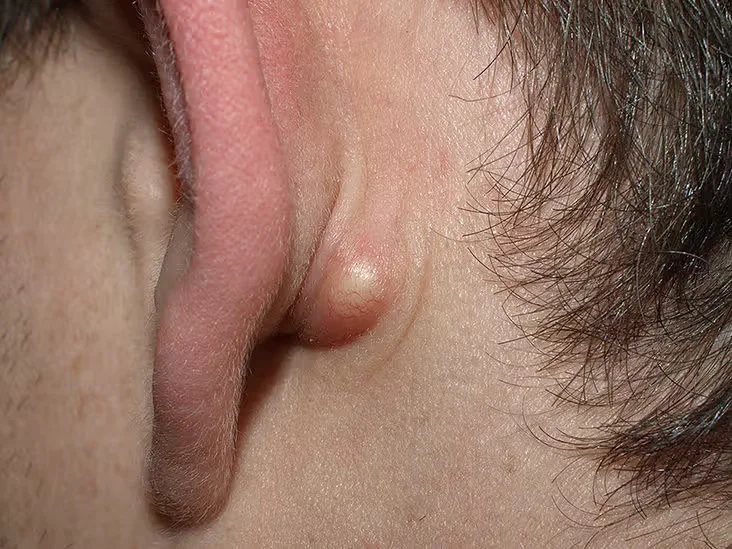
A sebaceous cyst is a slow-growing, non-cancerous lump beneath the skin that contains a buildup of keratin — a soft, cheese-like protein — not sebum as the name misleadingly suggests. Most sebaceous cysts are harmless and painless, but they can become inflamed, infected, or cosmetically bothersome, which is when medical attention becomes necessary. In this comprehensive guide, we cover everything from causes and symptoms to surgical removal, home remedies, post-operative care, cost considerations, and the emotional impact of living with visible cysts.
> Important clarification: What most people call a "sebaceous cyst" is technically an epidermoid cyst or a pilar cyst. True sebaceous cysts (steatocystomas) are quite rare. However, since the term "sebaceous cyst" is universally used by patients and doctors alike, we'll use it throughout this article while noting the clinical distinctions where relevant.
What Is a Sebaceous Cyst (Epidermal Inclusion Cyst)?
A sebaceous cyst — clinically called an epidermal inclusion cyst — is a closed sac under the skin filled with keratin, a protein that makes up your skin, hair, and nails. These cysts develop when the surface skin cells (epidermis) move deeper into the skin and multiply, forming a sac-like structure. The sac produces keratin, which accumulates as a thick, yellowish, foul-smelling material.
Sebaceous cysts are the most common type of skin cyst. They can appear anywhere on the body, though they tend to favor certain areas.
Epidermoid Cyst vs. Pilar Cyst vs. True Sebaceous Cyst
Understanding the differences matters because treatment and behavior can vary slightly:
| Feature | Epidermoid Cyst | Pilar (Trichilemmal) Cyst | True Sebaceous Cyst (Steatocystoma) |
|---|---|---|---|
| Origin | Epidermis (top skin layer) | Hair follicle outer root sheath | Sebaceous gland |
| Contents | Keratin (soft, cheese-like) | Compact keratin (firmer) | Oily/sebum-like fluid |
| Common location | Face, neck, trunk, back | Scalp (90% of cases) | Chest, armpits, trunk |
| Gender prevalence | Slightly more common in men | More common in women (autosomal dominant) | Equal distribution |
| Frequency | Most common | Second most common | Rare |
When your doctor says "sebaceous cyst," they almost always mean an epidermoid cyst. True steatocystomas are a separate and uncommon entity.
How Common Are Sebaceous Cysts?
Epidermoid cysts affect roughly 1–2% of the general population at some point in their lives. They occur most frequently in adults between the ages of 20 and 60 and are about twice as common in men. These cysts are rare in children before puberty, since the sebaceous glands and hair follicles are not yet fully active.
What Does a Sebaceous Cyst Look Like?
A typical sebaceous cyst appears as a:
- Round or dome-shaped bump under the skin
- Size ranging from a few millimeters to 5+ centimeters (most are 1–3 cm)
- Skin-colored or slightly yellowish surface
- Central punctum (a tiny dark dot) — this is a blocked pore opening and is a hallmark sign
- Movable lump — it slides under the skin when you press it
- Smooth texture with well-defined borders
When squeezed or ruptured, the cyst releases a thick, whitish-to-yellow substance that often has a distinctly unpleasant odor.
What Causes a Sebaceous Cyst?
The main reason for sebaceous cysts is the trapping of skin cells beneath the surface. Instead of shedding normally, epidermal cells migrate inward and form a sac that continuously produces keratin. But what triggers this process?
Common Causes and Triggers
- Blocked or damaged hair follicles — the most frequent cause. Follicle trauma from shaving, waxing, or friction can push cells inward.
- Skin trauma or injury — cuts, surgical wounds, and crush injuries can implant surface cells into deeper skin layers.
- Acne — severe or cystic acne damages follicles and creates conditions favorable for cyst formation.
- Sun damage — chronic UV exposure can alter follicular structure.
- HPV infection — certain strains of Human Papillomavirus have been linked to epidermal cyst development.
Risk Factors You Might Not Know About
Beyond the common causes, several lesser-known risk factors exist:
- Genetic syndromes: Gardner syndrome (familial adenomatous polyposis) and Gorlin syndrome (basal cell nevus syndrome) are associated with multiple epidermoid cysts. Favre-Racouchot syndrome also predisposes individuals.
- Medications: BRAF inhibitors (used in melanoma treatment), imiquimod (topical immune modifier), and cyclosporine (immunosuppressant) have all been documented to increase cyst risk.
- Testosterone and anabolic steroids: Elevated androgen levels stimulate sebaceous glands and can contribute to cyst development.
- Post-surgical skin: Skin grafts and reconstructive procedures can create conditions where epidermoid cysts develop along suture lines.
If you develop multiple cysts simultaneously, especially at a young age, your doctor may want to screen for underlying genetic conditions.
Where Do Sebaceous Cysts Form on the Body?
Sebaceous cysts can technically appear anywhere you have hair follicles — which means almost anywhere except the palms and soles.
However, they have clear preferred locations:
- Face — especially the cheeks, forehead, and around the eyes
- Neck — front and sides
- Scalp — extremely common, especially pilar cysts
- Back and upper chest — particularly between the shoulder blades
- Behind the ears
- Groin and genital area — including vulvar/vaginal cysts in women and scrotal cysts in men
- Arms and legs — less common but not unusual
Sebaceous Cyst in the Genital Area
Cysts in the vaginal, vulvar, or scrotal area deserve a special mention because they cause significant anxiety. These are usually epidermoid cysts or Bartholin's cysts (in women) and are not sexually transmitted. They're typically caused by blocked glands or follicle damage from shaving. However, genital lumps should always be examined by a doctor to rule out other conditions.
Symptoms: How to Know If You Have a Sebaceous Cyst
Most sebaceous cysts are asymptomatic — meaning they don't hurt and don't cause any symptoms beyond the visible lump. However, they can change over time.
Typical Symptoms
- Small, round, painless bump under the skin
- Slow growth over weeks to months (or even years)
- Central visible pore (punctum)
- Freely movable when pressed
- No skin color change (unless infected)
Signs of an Infected or Inflamed Cyst
This is when things get uncomfortable:
- Redness and warmth around the cyst
- Swelling — the cyst may double or triple in size rapidly
- Pain and tenderness — can range from mild to severe
- Discharge — thick, white-grey or greenish pus, often with a foul smell
- Fever — in severe infections
When to See a Doctor Immediately
Seek medical attention if you notice:
- Rapid growth (doubling in size within weeks)
- A cyst larger than 5 cm
- Signs of infection (redness, pain, warmth, discharge)
- A cyst that keeps coming back after drainage
- Any cyst in an unusual location (e.g., breast tissue)
- Skin changes over the cyst (ulceration, color changes)
While sebaceous cysts are almost always benign, very rarely — in fewer than 1% of cases — they can be associated with squamous cell carcinoma or basal cell carcinoma arising within the cyst wall. Rapid growth and unusual appearance are key warning signs.
How Is a Sebaceous Cyst Diagnosed?
Physical Examination
Most sebaceous cysts are diagnosed through a simple physical exam. Your doctor will assess the lump's size, location, mobility, and whether a central punctum is present. This is usually enough for a confident diagnosis.
Imaging and Biopsy
In certain situations, additional tests may be needed:
- Ultrasound (USG): The most common imaging modality. On ultrasound, a sebaceous cyst appears as a well-defined, hypoechoic (dark) mass with posterior acoustic enhancement. USG helps differentiate cysts from solid tumors and determines the cyst's depth and relationship to surrounding structures.
- CT or MRI scan: Rarely needed, but useful for deep or unusually located cysts, especially near vital structures.
- Biopsy/histopathology: After excision, the cyst tissue is typically sent for microscopic examination to confirm the diagnosis and rule out malignancy. This is especially important for cysts larger than 5 cm or those with atypical features.
Sebaceous Cyst vs Lipoma vs Abscess vs Boil: How to Tell Them Apart
This is one of the most common areas of confusion for patients.
Here's a clear comparison:
| Feature | Sebaceous Cyst | Lipoma | Abscess | Boil (Furuncle) |
|---|---|---|---|---|
| What it is | Keratin-filled sac | Fat tissue growth | Pus-filled infection | Infected hair follicle |
| Texture | Firm, slightly compressible | Soft, rubbery, doughy | Tense, warm, fluctuant | Hard initially, then soft |
| Pain | Usually painless (unless infected) | Painless | Painful | Painful |
| Central punctum | Often present | Absent | Absent | Yellow/white head |
| Growth rate | Slow (months to years) | Very slow (years) | Fast (days) | Fast (days) |
| Discharge | Cheese-like keratin if ruptured | None | Pus | Pus with blood |
| Skin color | Normal or slightly yellow | Normal | Red, swollen | Red, swollen |
| Treatment | Excision | Excision if bothersome | Incision & drainage + antibiotics | Warm compresses, may need I&D |
Key tip: If the lump developed quickly over a few days and is painful, it's more likely an abscess or boil. If it's been there for months and is painless, it's probably a cyst or lipoma.
Don't wait or self medicate. Start chat with Doctor NOW
How to Get Rid of a Sebaceous Cyst: Treatment Options
Can Sebaceous Cysts Go Away by Themselves?
Sometimes, yes. Small sebaceous cysts may resolve on their own over time, though this is uncommon. More often, they remain the same size for years or gradually enlarge. They do not respond to antibiotics alone (unless infected), and no topical cream can dissolve them. The only definitive treatment is complete surgical removal of the cyst wall.
Surgical Treatment: The Gold Standard
Surgery is the only way to permanently get rid of a sebaceous cyst and prevent recurrence.
Several techniques exist:
Conventional Wide Excision
The surgeon makes an elliptical incision around the cyst and removes it entirely, including the surrounding skin containing the punctum. This method has the lowest recurrence rate (less than 3%) but leaves a larger scar.
Minimal Excision Technique
A small 2–3 mm incision is made, the cyst contents are expressed, and the cyst wall is extracted through the small opening. This leaves a much smaller scar but has a slightly higher recurrence rate (around 4-8%).
Punch Biopsy Excision
A dermatology punch tool (typically 4–6 mm) creates a circular opening over the cyst. The contents are drained, and the cyst wall is removed through this opening. It offers a good balance between cosmetic outcome and complete removal.
Laser-Aided Excision
A CO2 laser creates a small hole in the cyst, allowing drainage of contents. The cyst wall is then removed through the opening after 4–6 weeks. This two-stage approach is particularly useful for facial cysts where scarring is a concern.
What to Expect During Cyst Removal: A Patient's Guide
Many people feel anxious about the procedure, so here's exactly what happens:
Before the procedure:
- The area is cleaned with antiseptic solution
- Local anesthetic (usually lidocaine) is injected around the cyst — you may feel a brief sting
- The area goes numb within 2–5 minutes
During the procedure:
- You'll feel pressure and pulling, but no pain
- The surgeon makes an incision, removes the cyst and its wall
- The entire procedure typically takes 15–30 minutes
- Stitches are placed (absorbable or removable)
After the procedure:
- A pressure dressing is applied
- You can usually go home immediately
- Mild discomfort for 24–48 hours (managed with over-the-counter painkillers)
- Most people return to desk work the next day
Antibiotics and Medical Management
- Antibiotics are not a treatment for the cyst itself — they treat secondary infections. Your doctor may prescribe oral antibiotics (such as cefalexin or flucloxacillin) if the cyst shows signs of infection. Importantly, surgeons generally avoid excising actively infected cysts because the inflamed tissue makes complete wall removal difficult, increasing the recurrence rate.
- The standard approach is: treat the infection first, then excise 4–6 weeks later.
Post-Operative Care and Recovery Timeline
This is something most resources gloss over, yet it's crucial for patients:
| Timeline | What to Expect | What to Do |
|---|---|---|
| Day 1-2 | Mild pain, some oozing from the wound | Keep dressing dry, take prescribed painkillers |
| Day 3-5 | Swelling begins to subside | Change dressing daily, keep wound clean |
| Day 7-10 | Suture removal (for non-absorbable stitches) | Visit your doctor for stitch removal |
| Week 2-3 | Wound mostly healed | Can resume exercise and normal activities |
| Week 4-6 | Scar begins to mature | Apply silicone scar gel if desired |
| Month 3-6 | Scar fades significantly | Sun-protect the scar area |
Do's and Don'ts after removal:
- ✅ Keep the wound dry for 48 hours
- ✅ Change dressings daily using sterile gauze
- ✅ Apply antibiotic ointment as directed
- ❌ Don't soak in water (no swimming or bathing) for at least a week
- ❌ Don't pick at the scab or sutures
- ❌ Avoid strenuous exercise for 7–10 days (especially if the cyst was on the trunk or limbs)
Sebaceous Cyst Treatment at Home: What Actually Works?
Let's be honest — many people search for home remedies hoping to avoid surgery. While no home treatment can eliminate a sebaceous cyst permanently (the wall must be removed), several approaches can help manage symptoms and reduce inflammation.
Warm Compress
This is the most effective and safest home remedy. Apply a clean, warm, damp cloth to the cyst for 15–20 minutes, 3–4 times daily. The heat increases blood circulation to the area, promotes drainage, and can soften the cyst contents. A 2014 review in the Journal of Clinical and Aesthetic Dermatology supported warm compresses as a first-line conservative measure for inflamed cysts.
Tea Tree Oil
- Tea tree oil has well-documented antimicrobial and anti-inflammatory properties.
- Dilute it with a carrier oil (coconut or jojoba) in a 1:10 ratio and apply to the cyst with a cotton ball twice daily. It may help prevent infection in inflamed cysts, though it won't dissolve the cyst itself.
Apple Cider Vinegar
Some anecdotal reports suggest that applying diluted apple cider vinegar to the cyst can reduce its size. The acetic acid may have mild antimicrobial effects. However, there is no clinical evidence supporting this for cyst treatment, and it can irritate sensitive skin.
Aloe Vera
Aloe vera gel has anti-inflammatory and antimicrobial properties. Applying pure aloe vera gel to an inflamed cyst may soothe irritation and reduce redness. It's safe and unlikely to cause harm.
What to NEVER Do at Home
- Never squeeze, pop, or lance a cyst yourself. This can push infected material deeper, cause severe infection, or lead to scarring.
- Never insert a needle into a cyst. This is not sterile and can introduce bacteria.
- Don't apply undiluted essential oils directly on the skin — this can cause chemical burns.
Sebaceous Cyst Removal Cost
- Cost is a practical concern that most medical resources ignore entirely.
- Here's what you can expect:
Cost in India
- Government hospital: ₹500–₹3,000 (often free under Ayushman Bharat or state insurance schemes)
- Private clinic (minor OT): ₹3,000–₹10,000 for simple excision
- Private hospital: ₹8,000–₹25,000 depending on size, location, and whether general anesthesia is needed
- Laser excision: ₹10,000–₹30,000
Factors That Affect Cost
- Size of the cyst — larger cysts require more extensive surgery
- Location — facial cysts may require plastic surgery techniques for better cosmetic results
- Type of facility — dermatology clinic vs. hospital operating theater
- Anesthesia type — local vs. general anesthesia
- Histopathology — biopsy charges are additional (typically ₹800–₹2,000)
- Insurance coverage — many health insurance policies in India cover cyst removal if deemed "medically necessary" (infected, painful, or rapidly growing). Purely cosmetic removals may not be covered.
Recurrence: Why Cysts Come Back and How to Prevent It
One of the most frustrating aspects of sebaceous cysts is their tendency to recur. Studies show recurrence rates vary significantly based on the surgical technique:
- Complete excision with intact cyst wall: 0–3% recurrence
- Minimal excision: 4–8% recurrence
- Incision and drainage only (without wall removal): up to 50% recurrence
Why Do They Come Back?
The single most important factor is incomplete removal of the cyst wall. Even a tiny fragment of the epithelial lining left behind can regenerate into a full cyst.
Other factors include:
- Operating on an infected/inflamed cyst (distorted anatomy makes complete removal harder)
- Cyst rupture during surgery
- Genetic predisposition (some people are simply prone to forming cysts)
How to Reduce Recurrence Risk
- Insist on complete excision, not just drainage
- Wait until any infection has fully resolved before surgery
- Choose an experienced surgeon — technique matters enormously
- Manage underlying acne aggressively with retinoids or other medications
- If you have a genetic predisposition, maintain regular follow-up with a dermatologist
Sebaceous Cysts in Children
While sebaceous cysts are uncommon before puberty, they do occasionally occur in children.
Key points for parents:
- Cysts in children under 10 are unusual and should prompt evaluation for genetic syndromes (particularly Gardner syndrome)
- Pilar cysts can appear in adolescents as hormonal changes activate hair follicles
- Treatment approach is generally conservative — observation unless the cyst is symptomatic
- Surgical removal in children may require sedation or general anesthesia depending on age and location
- Prognosis is excellent, with the same low recurrence rates as in adults
The Emotional and Psychological Impact
This is something nobody talks about, but it matters. A sebaceous cyst on the face, neck, or other visible area can significantly affect a person's self-esteem and social confidence. A 2018 study in the British Journal of Dermatology found that even benign skin lesions can cause anxiety levels comparable to more serious dermatological conditions.
Patients commonly report:
- Embarrassment and self-consciousness, especially with facial cysts
- Anxiety about whether the lump is cancerous
- Frustration with recurrent cysts
- Avoidance of social situations or intimate relationships (particularly with genital cysts)
If a sebaceous cyst is affecting your quality of life — even if it's "just cosmetic" — that is a valid medical reason to seek treatment. Don't let anyone minimize your concerns.
Frequently Asked Questions (FAQ)
Can sebaceous cysts be harmful or turn into cancer?
- In the vast majority of cases, sebaceous cysts are completely harmless and benign.
- Malignant transformation is extremely rare — fewer than 1% of cases. However, any cyst that grows rapidly, exceeds 5 cm, ulcerates, or recurs repeatedly after excision should be biopsied to rule out squamous cell carcinoma or other malignancies.
Are sebaceous cysts contagious?
No. Sebaceous cysts are not contagious and cannot spread from person to person through touch, shared clothing, or any other means. They are not caused by infections (though they can become secondarily infected).
What are epidermal inclusion cysts filled with?
Despite the name "sebaceous," these cysts are filled with keratin — not oil or sebum. Keratin is a protein that forms the structural framework of your skin, hair, and nails. The accumulated keratin has a thick, paste-like consistency and often smells unpleasant due to bacterial breakdown.
Is an epidermal inclusion cyst painful?
Not typically. Most cysts are painless unless they become inflamed or infected. An infected cyst can be quite painful, red, and swollen. Cysts in areas subject to pressure (like the buttocks or back) may cause discomfort when sitting or lying down.
How is sebaceous cyst diagnosed on ultrasound (USG)?
On ultrasound, a sebaceous cyst appears as a well-circumscribed, round or oval, hypoechoic (darker than surrounding tissue) lesion in the dermis or subdermis. It typically shows posterior acoustic enhancement. There may be a visible tract connecting the cyst to the skin surface. USG is particularly useful for differentiating cysts from solid masses like lipomas or enlarged lymph nodes.
How long can a sebaceous cyst last?
A sebaceous cyst can persist indefinitely if left untreated. Some remain stable for years or even decades. Occasionally, small cysts may resolve spontaneously, but this is unpredictable. If a cyst is not bothering you and shows no concerning features, watchful waiting is a perfectly reasonable approach.
Can I prevent sebaceous cysts from forming?
There's no guaranteed way to prevent them, but you can reduce your risk by:
- Managing acne effectively with appropriate medications (retinoids, antibiotics)
- Avoiding unnecessary skin trauma
- Not squeezing or picking at pimples or existing cysts
- Maintaining good skin hygiene
- Protecting skin from excessive sun exposure
Final Thoughts: Take Action When It Matters
A sebaceous cyst is almost always a benign, manageable condition. Most cysts don't require treatment unless they're infected, painful, growing, or affecting your confidence. If you do need treatment, complete surgical excision by an experienced doctor offers a cure rate exceeding 97%.
Don't try to pop or drain a cyst at home — it nearly always makes things worse. And don't ignore a cyst that's rapidly changing. See your dermatologist or surgeon for a proper evaluation.
If you're living with a sebaceous cyst and unsure about your next step, consult a qualified dermatologist who can assess your specific case and recommend the most appropriate treatment plan. Early evaluation means more options and better outcomes.
Scientific Sources
- CO(2) Laser Punch-Assisted Minimally Invasive Surgery for Sebaceous Cysts — Wang ZC et al., 2020, Lasers in surgery and medicine
- Repair of Areolar Defect Following the Excision of Sebaceous Cyst by Applying Kite-Flap: A Case Report and Literature Review — Jiang N et al., 2026, Clinical, cosmetic and investigational dermatology
- Salvage of necrotic flap following malignant peripheral nerve sheath tumor excision using multimodal pharmacotherapy: a case report — Chen L et al., 2025, Frontiers in oncology
Questions from users
What is the procedure for surgical removal of a sebaceous cyst?
Ella
6 days ago
The surgical removal of a sebaceous cyst usually involves one of a few techniques, like a conventional wide excision. The surgeon makes an elliptical cut around the cyst and removes it, including its wall to prevent it from coming back. That's generally the key point! If you have concerns, always good to consult a healthcare professional.
Is it normal for a sebaceous cyst to grow rapidly, and what should I do?
Emma
16 days ago
If a sebaceous cyst grows rapidly, it's a bit of a red flag. Could be a sign of infection or something else going on. I’d suggest seeing a doctor to get it checked out, especially if there's pain or redness. Applying warm compresses might help till then but better safe than sorry! Rapid changes are worth a closer look.
What is the best way to detoxify when undergoing Ayurvedic treatment for sebaceous cysts?
Brooklyn
32 days ago
For detoxifying during Ayurvedic treatment for sebaceous cysts, focus on stimulating your digestive fire, or Agni. This can be done by adding warming spices like ginger, turmeric, or cumin to your meals. Sip warm water or herbal teas throughout the day to help eliminate ama, the toxins. Avoid heavy, processed foods, and oily stuff to keep things balanced. Make sure to work with an Ayurvedic practitioner to tailer detox methods to your individual dosha and needs.
What is the best way to maintain skin health while using Ayurvedic treatments for cysts?
Sophia
41 days ago
To keep your skin healthy while treating cysts with Ayurveda, focus on balancing your doshas, especially Pitta which often affects skin health. Use cooling herbs like neem or sandalwood, stay hydrated, and avoid spicy, oily or junk foods. Keeping your digestive fire (agni) strong with a suitable diet is key too! Consider consulting an Ayurvedic practitioner to personalize your routine!
What lifestyle habits can interfere with the effectiveness of Ayurvedic treatment for sebaceous cysts?
Thomas
51 days ago
Habits that might interfere with Ayurvedic treatment for sebaceous cysts include irregular sleep patterns, unhealthy diet (think greasy, spicy, or oily foods!), stress, or not following your treatment regimen consistently. Try to keep a balanced lifestyle, stay hydrated, and focus on wholesome, fresh foods to support the treatment.
What is the role of detoxification in Ayurvedic treatment for sebaceous cysts?
Yolanda
61 days ago
In Ayurveda, detoxification helps clear ama (toxins) that might block channels or disturb dosha balance, like excess kapha, causing cysts. It helps reduce inflammation and improves overall skin health. But just detoxifying isn't enough — balancing doshas, enhancing agni (digestive fire), and nourishing skin with herbs are key too!
Is it safe to use topical pastes from Ayurvedic treatments for broken skin or open wounds?
Zayden
70 days ago
For broken skin or open wounds, it's best to consult a qualified Ayurvedic practitioner. Some topical pastes might be helpful, but using the wrong one could irritate or worsen the condition. Every person's body is different, so professional guidance ensures you're using the right remedy for your dosha and needs.
Can Ayurvedic treatments help prevent sebaceous cysts from reoccurring?
Claire
80 days ago
Ayurvedic treatments can def help in preventing sebaceous cysts from coming back by balancing your doshas, especially kapha, which is linked here. Focus on an anti-inflammatory diet, detoxifying herbs like turmeric, and improving your digestive fire or agni. Consulting a skilled practitioner could even offer a personalized plan that fits your body's needs.
Can I use Ayurvedic herbs alongside prescribed medications for sebaceous cysts?
Virginia
89 days ago
You can definitely use Ayurvedic herbs alongside prescribed medications for sebaceous cysts, but it’s always smart to consult with your healthcare provider first. Some herbs might interact with medications or affect your Dosha balance. Ayurveda offers supportive remedies that can reduce toxins (ama) and improve digestive fire (Agni), helping with balance and healing. I'd keep an open line with your doctor to make sure everything works together well!
Is it safe to use Ayurvedic treatments for sebaceous cysts while pregnant?
Hannah
99 days ago
Using Ayurvedic treatments for sebaceous cysts during pregnancy can be safe, but it’s best to consult with a knowledgeable Ayurvedic practitioner who can consider your unique constitution. Some herbs might not be recommended, so double-checking is smart. Emphasize gentle therapies, keep doshas balanced, and focus on a healthy lifestyle to support overall wellness too.
Related articles

Skin and Hair Disorders
Discover the Amazing Health & Beauty Benefits of Chandanbala Lakshadi Oil
Discover the proven chandanbala lakshadi oil benefits, proper usage, side effects, and scientific research behind this powerful Ayurvedic remedy.
2,982

Skin and Hair Disorders
Ayurvedic Treatment for Ichthyosis Vulgaris: Skin Healing Guide
Explore Ayurvedic approaches for ichthyosis vulgaris. Discover natural remedies, herbal treatments, and lifestyle tips to manage dry, scaly skin and promote healthy complexion.
3,990

Skin and Hair Disorders
Dhurdhurapatradi Oil Uses: Benefits, Research, and Application
Explore Dhurdhurapatradi oil uses, potential benefits, and current research. Learn how this Ayurvedic remedy supports scalp health and hair care naturally.
4,403

Skin and Hair Disorders
Scalp Psoriasis Ayurveda Treatment: Herbal Remedies & Tips
Explore Ayurvedic solutions for scalp psoriasis. Discover natural remedies, herbal treatments, and lifestyle tips to manage symptoms, reduce inflammation, and promote scalp health.
2,986

Skin and Hair Disorders
Chicken Pox Treatment in Ayurveda: Natural Remedies for Relief
Discover effective chicken pox treatment in Ayurveda with herbal remedies, dietary tips, and lifestyle practices that soothe symptoms, boost immunity, and restore balance.
7,152

Skin and Hair Disorders
Sarivadyasava Benefits – Ayurvedic Tonic for Women's Health & Wellness
Discover the benefits of Sarivadyasava, an Ayurvedic fermented herbal tonic. Learn how it supports women's health, balances hormones, boosts immunity, and promotes overall well-being.
3,365

Skin and Hair Disorders
How to Prepare Rosemary Oil for Hair Growth: Recipes, Benefits, and Ayurvedic Uses
Exploration of Unlock the Benefits of Rosemary Oil for Hair Growth and Care
6,662

Skin and Hair Disorders
What Happens If You Use Anti-Aging Products at a Young Age?
Is it safe to use anti-aging products at a young age? Learn about side effects, ideal age to start, and Ayurvedic views on skin rejuvenation and prevention
2,962

Skin and Hair Disorders
Marichyadi Oil: Benefits, Uses & Science-Based Insights
Discover the benefits, uses, dosage, and scientific research behind Marichyadi Oil, an Ayurvedic remedy for skin health, inflammation, and more.
5,633
Skin and Hair Disorders
Kasisadi Taila – Ayurvedic Oil for Treating Piles, Corns, Warts & Skin Conditions
Kasisadi Taila offers a natural and effective solution for managing piles, corns, warts, and other skin conditions. Its unique blend of herbal extracts and nourishing base oil works synergistically to reduce inflammation
3,783
Related consultations on the topic
Legal
Additional Documents
© 2024 Ask Ayurveda. All rights reserved.