Ask Ayurvedic doctor a question and get a consultation online on the problem of your concern in a free or paid mode. More than 2,000 experienced doctors work and wait for your questions on our site and help users to solve their health problems every day.
FREE! Ask Ayurvedic Doctors 24/7

 Fast responses
 1000+ verified doctors
Body DetoxEar, Nose, and Throat DisordersGeriatrics & RejuvenationImmunodeficiencyInfertility TreatmentNutritionOrthopedic DisordersPediatricsRespiratory DisordersSexually Transmitted Diseases (STDs)Surgery RecoveryUrological DisordersVascular DisordersDental DisordersEndocrinological DisordersGastrointestinal DisordersYoga TherapyGeneral MedicineAllergic DisordersCardio DisordersGynecology and ObstetricsCosmetologySkin and Hair DisordersEye DisordersInfectious DiseasesMental DisordersNeurological DisordersOncologyPanchakarmaSexual Health & DisordersSports Medicine
Published on 10/10/24
(Updated on 07/09/26)
3,140
Ayurveda- A Brief Introduction and Guide
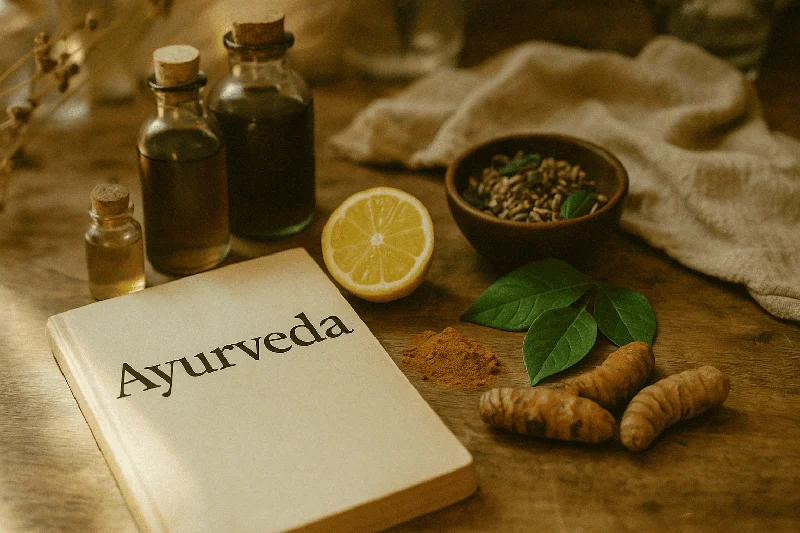
- Ayurveda is a comprehensive medical system that originated in India over 5,000 years ago, and it remains one of the most widely practiced traditional medicine systems on earth.
- The word itself comes from two Sanskrit roots — Ayu (life) and Veda (knowledge or science) — literally translating to "the science of life." But Ayurveda is far more than a set of herbal remedies or ancient rituals. It is a complete framework for understanding human health that treats each person as a unique combination of physical, mental, and spiritual elements. And unlike many historical medical traditions that faded into obscurity, Ayurveda has survived millennia, adapted to modern contexts, and is now increasingly validated by contemporary scientific research.
Whether you're exploring Ayurveda out of curiosity, seeking alternatives for chronic health issues, or looking to integrate its principles into your daily routine, this guide covers everything — from foundational philosophy and classical texts to modern scientific evidence, practical dietary advice, and safety considerations that no other resource brings together in one place.
What Is Ayurveda? Definition, Meaning, and Core Philosophy
Etymology: Ayu + Veda
The term "Ayurveda" is derived from the Sanskrit words Ayu, meaning life or lifespan, and Veda, meaning knowledge or science. But Ayu in the Ayurvedic context doesn't just refer to biological existence. According to the Charaka Samhita, one of Ayurveda's foundational texts, Ayu encompasses four dimensions: Shareera (body), Indriya (senses), Sattva (mind), and Atma (soul). So when we say "science of life," we're really talking about a holistic science that addresses every layer of human existence.
Core Philosophy and Objectives
- Ayurveda's primary goal is not merely to cure disease — it's to maintain the health of the healthy and treat the illness of the sick. This dual objective (Swasthya Rakshana and Vikara Prashamana) distinguishes it from purely curative systems.
- The philosophy rests on several interconnected concepts:
- Panchamahabhutas (Five Elements): Everything in the universe, including the human body, is composed of Earth (Prithvi), Water (Jala), Fire (Agni), Air (Vayu), and Space (Akasha).
- Tridosha (Three Doshas): These five elements combine to form three biological energies — Vata (Air + Space), Pitta (Fire + Water), and Kapha (Earth + Water) — that govern all physiological and psychological functions.
- Sapta Dhatu (Seven Tissues): Rasa (plasma), Rakta (blood), Mamsa (muscle), Meda (fat), Asthi (bone), Majja (marrow), and Shukra (reproductive tissue).
- Trimalas (Three Wastes): Purisha (feces), Mutra (urine), and Sveda (sweat) — proper elimination is critical for health.
- Agni (Digestive Fire): Considered the cornerstone of health. When Agni is strong, digestion, absorption, and immunity function optimally. When it's impaired, toxins (Ama) accumulate, triggering disease.
- Health, in the Ayurvedic view, is the dynamic equilibrium of doshas, dhatus, malas, and Agni.
- Disease arises when this balance is disturbed — by diet, lifestyle, seasonal changes, emotional stress, or environmental factors.
History and Origins of Ayurveda
Vedic Roots and Ancient Timeline
Ayurveda's origins trace back to the Vedic period, roughly 3,000 to 5,000 years ago. References to medicinal herbs, healing prayers, and health concepts appear in the Rigveda and more extensively in the Atharvaveda, which is often considered the primary Vedic source of Ayurvedic knowledge. According to tradition, Ayurveda was divinely revealed to the sage Dhanvantari (revered as the god of medicine) and subsequently passed down through a lineage of sages.
Classical Period and the Great Texts
- The codification of Ayurvedic knowledge into structured textbooks occurred during the classical period.
- These texts are categorized into two groups:
Brihattrayee (The Greater Triad):
| Text | Author | Focus | Approximate Period |
|---|---|---|---|
| Charaka Samhita | Charaka (Agnivesha, revised) | Internal medicine (Kayachikitsa) | ~2nd century BCE |
| Sushruta Samhita | Sushruta | Surgery (Shalya Tantra) — includes descriptions of rhinoplasty, over 1,120 diseases, 184 chapters | ~3rd century BCE |
| Ashtanga Hridaya | Vagbhata | Comprehensive compilation of both | ~7th century CE |
Laghutrayee (The Lesser Triad):
- Madhava Nidana — focused on disease diagnosis and pathology
- Sharangdhara Samhita — pharmaceutical formulations and dosage forms
- Bhavaprakasha — materia medica and later-period additions
Sushruta's contributions deserve special mention. He described over 300 surgical procedures, 120 surgical instruments, and pioneered techniques including rhinoplasty (nose reconstruction) and cataract surgery. His classification of skin into seven layers remains remarkably consistent with modern anatomical understanding.
Global Spread
Ayurveda didn't remain confined to the Indian subcontinent. It spread to Southeast Asia, Tibet, Sri Lanka, and the Arab world through trade routes and cultural exchanges. Tibetan medicine (Sowa Rigpa) and traditional medicine systems in Myanmar, Thailand, and Indonesia all bear significant Ayurvedic influence.
The Eight Branches of Ayurveda (Ashtanga Ayurveda)
Just like modern medicine has specializations, Ayurveda was organized into eight branches thousands of years ago:
| Branch | Sanskrit Name | Modern Equivalent |
|---|---|---|
| Internal Medicine | Kayachikitsa | General Medicine |
| Surgery | Shalya Tantra | General Surgery |
| ENT & Ophthalmology | Shalakya Tantra | ENT / Ophthalmology |
| Pediatrics | Kaumarabhritya | Pediatrics & Obstetrics |
| Toxicology | Agada Tantra | Forensic Medicine / Toxicology |
| Psychiatry | Bhuta Vidya | Psychiatry & Psychotherapy |
| Rejuvenation | Rasayana Tantra | Anti-aging / Geriatrics |
| Reproductive Medicine | Vajikarana Tantra | Andrology / Reproductive Health |
This eight-fold classification — described in the Ashtanga Hridaya — demonstrates that Ayurveda was never just "herbal medicine." It was a complete medical system with specialized branches addressing surgery, mental health, pediatric care, and toxicology millennia before these became distinct Western medical disciplines.
Prakriti, Doshas, and Personalized Health
Understanding Your Prakriti (Constitution)
One of Ayurveda's most powerful — and most modern — concepts is Prakriti: the unique constitutional type determined at conception. Your Prakriti is essentially your biological and psychological fingerprint, shaped by the dominant dosha(s) at the time of your birth. It doesn't change throughout life, though your current state (Vikriti) fluctuates based on diet, stress, seasons, and lifestyle.
This is remarkably similar to what modern medicine calls personalized or precision medicine. A 2015 study published in the Journal of Translational Medicine found that Prakriti-based classifications correlated with distinct genomic expressions, suggesting a biological basis for this ancient typology.
The Three Doshas in Detail
Vata (Air + Space): Governs movement, breathing, nervous system function, and circulation. Vata-dominant individuals tend to be creative, energetic, and quick-thinking but may struggle with anxiety, dry skin, and irregular digestion when imbalanced. Pitta (Fire + Water): Governs digestion, metabolism, and transformation. Pitta types are usually sharp, focused, and driven but prone to inflammation, acidity, and irritability when out of balance. Kapha (Earth + Water): Governs structure, lubrication, and immunity. Kapha-dominant people tend to be calm, nurturing, and strong but may experience weight gain, congestion, and lethargy when imbalanced.
Most people are a combination of two doshas (Dwandaja Prakriti), with very few being purely single-dosha or equal tri-dosha types.
Ayurvedic Diagnosis and Treatment Methods
Diagnostic Approaches
Ayurvedic diagnosis goes beyond symptom analysis. The classical method is Ashtavidha Pariksha (eightfold examination):
- 1.Nadi Pariksha — Pulse diagnosis (identifies dosha imbalances)
- 2.Mutra Pariksha — Urine examination
- 3.Mala Pariksha — Stool examination
- 4.Jihva Pariksha — Tongue examination
- 5.Shabda Pariksha — Voice and speech analysis
- 6.Sparsha Pariksha — Touch/palpation
- 7.Drik Pariksha — Eye examination
- 8.Akriti Pariksha — General appearance and body build
Ayurveda also recognizes Shat Kriyakala — six stages of disease development, from initial dosha accumulation (Sanchaya) to full manifestation (Bheda). This framework allows practitioners to identify and intervene in disease processes before symptoms even appear, making Ayurveda fundamentally a preventive system.
Six Types of Treatment
The National Institute of Ayurveda (NIA), Jaipur classifies Ayurvedic treatment into six categories:
- 1.Shodhana — Purification/detoxification (Panchakarma)
- 2.Shamana — Palliative therapy using herbs and lifestyle adjustments
- 3.Pathya Vyavastha — Dietary and lifestyle prescriptions
- 4.Nidan Parivarjan — Avoiding causative factors
- 5.Satvavajaya — Psychotherapy and mental health management
- 6.Rasayana — Rejuvenation therapy for tissue nourishment and immunity
Panchakarma: The Five Purification Procedures
Panchakarma is Ayurveda's signature detoxification protocol, consisting of five primary procedures:
- Vamana — Therapeutic emesis (for Kapha disorders)
- Virechana — Therapeutic purgation (for Pitta disorders)
- Basti — Medicated enemas (for Vata disorders)
- Nasya — Nasal administration of medicines
- Raktamokshana — Bloodletting (rarely used today)
These procedures are preceded by preparatory steps (Purvakarma) including oil massage (Snehana) and steam therapy (Swedana), and followed by post-treatment protocols (Paschatkarma) to restore digestive strength.
The Four Pillars of Successful Treatment
Ayurveda describes four essential components (Chatushpada) for effective treatment: the physician (Vaidya), the medicine (Dravya), the attendant/nurse (Paricharak), and the patient (Rogi). All four must be competent and committed for treatment to succeed — a concept that modern healthcare increasingly recognizes as the therapeutic alliance.
Don't wait or self medicate. Start chat with Doctor NOW
Ayurvedic Diet, Daily Routine, and Seasonal Living
Ayurvedic Nutrition (Ahara): The Six Tastes
- Ayurveda considers food as medicine.
- The dietary framework revolves around Shad Rasa — six tastes — each with specific effects on the doshas:
| Taste (Rasa) | Sanskrit | Elements | Dosha Effect |
|---|---|---|---|
| Sweet | Madhura | Earth + Water | ↓ Vata, ↓ Pitta, ↑ Kapha |
| Sour | Amla | Earth + Fire | ↓ Vata, ↑ Pitta, ↑ Kapha |
| Salty | Lavana | Water + Fire | ↓ Vata, ↑ Pitta, ↑ Kapha |
| Pungent | Katu | Fire + Air | ↑ Vata, ↑ Pitta, ↓ Kapha |
| Bitter | Tikta | Air + Space | ↑ Vata, ↓ Pitta, ↓ Kapha |
| Astringent | Kashaya | Air + Earth | ↑ Vata, ↓ Pitta, ↓ Kapha |
An ideal Ayurvedic meal includes all six tastes in proportions suited to your Prakriti. Equally important is the concept of Viruddha Ahara (incompatible food combinations) — for example, milk with fish, fruit with meals, or honey heated above 40°C are considered harmful. While some of these recommendations lack clinical validation, others align with modern nutritional science (e.g., certain food combinations do inhibit nutrient absorption).
Dinacharya (Daily Routine)
Ayurveda prescribes a detailed daily routine for preventive health:
- Wake before sunrise (ideally during Brahma Muhurta, ~4:30–5:30 AM)
- Oil pulling (Gandusha) — swishing sesame or coconut oil for oral health
- Tongue scraping (Jihva Nirlekhana) — removing overnight bacterial buildup
- Self-massage with warm oil (Abhyanga) — nourishes skin, calms Vata
- Exercise (Vyayama) — to half capacity, not exhaustion
- Meditation and Pranayama — mental hygiene
- Meals at consistent times — largest meal at midday when Agni is strongest
Ritucharya (Seasonal Regimen)
Ayurveda divides the year into six seasons and prescribes specific dietary and lifestyle adjustments for each. For instance, during the hot summer (Grishma), sweet, cooling foods and reduced physical activity are recommended, while winter (Hemanta) calls for heavier, warming, and nourishing foods. This seasonal approach to health management has no real parallel in conventional medicine, yet it aligns with emerging research on circadian rhythm and seasonal variations in immune function.
Key Ayurvedic Herbs: Evidence, Mechanisms, and Dosages
- This is where most Ayurveda articles fall short — they mention herbs but never discuss the actual science.
- Here's what research actually shows:
Ashwagandha (Withania somnifera)
- Active compounds: Withanolides (withaferin A, withanolide D)
- Evidence: A 2019 randomized controlled trial in Medicine (Baltimore) found that 600 mg/day of ashwagandha root extract significantly reduced stress and cortisol levels compared to placebo. A 2021 systematic review in the Journal of Ethnopharmacology confirmed anxiolytic and adaptogenic effects across multiple studies.
- Typical dosage: 300–600 mg standardized extract daily
- Caution: May interact with thyroid medications, immunosuppressants
Turmeric / Curcumin (Curcuma longa)
- Active compounds: Curcuminoids (curcumin, demethoxycurcumin)
- Evidence: A 2016 meta-analysis in the Journal of Medicinal Food involving 8 RCTs demonstrated significant anti-inflammatory effects. A 2020 Cochrane-style review noted that bioavailability is poor without piperine (black pepper extract) or lipid-based formulations.
- Typical dosage: 500–2,000 mg curcumin with piperine daily
- Caution: May increase bleeding risk; avoid before surgery
Triphala
- Composition: Equal parts Amalaki (Emblica officinalis), Haritaki (Terminalia chebula), Bibhitaki (Terminalia bellirica)
- Evidence: A 2017 study in the Journal of Alternative and Complementary Medicine showed Triphala's efficacy as a gentle laxative and antioxidant. Research published in PLOS ONE (2019) found prebiotic effects supporting gut microbiome diversity.
- Typical dosage: 500–1,000 mg before bed or 1–2 tsp powder with warm water
Brahmi (Bacopa monnieri)
- Active compounds: Bacosides A and B
- Evidence: A 2014 meta-analysis in the Journal of Ethnopharmacology involving 9 RCTs showed significant improvement in attention, cognitive processing, and memory. Effects typically require 8–12 weeks of consistent use.
- Typical dosage: 300–450 mg standardized extract (55% bacosides)
Guduchi (Tinospora cordifolia)
- Active compounds: Berberine, tinosporin, giloy satva
- Evidence: Studied extensively for immunomodulatory properties. A 2020 study in Phytotherapy Research showed it enhanced macrophage activity and modulated cytokine production. Gained significant attention during COVID-19 as an immunity booster, though clinical evidence for antiviral activity remains preliminary.
- Typical dosage: 300–500 mg extract or 1–3 gm powder daily
Safety, Side Effects, and Interactions
This is a critical topic that most Ayurveda resources gloss over — or ignore entirely.
Heavy Metal Contamination
A landmark 2008 study published in JAMA tested 193 Ayurvedic products purchased online and found that 20.7% contained detectable levels of lead, mercury, or arsenic exceeding safe limits. Rasa Shastra preparations (mineral/metal-based formulations) had the highest contamination rates. This doesn't mean all Ayurvedic products are unsafe, but it does mean sourcing matters enormously.
How to stay safe:
- Purchase from GMP-certified manufacturers
- Look for third-party heavy metal testing certificates
- Avoid Rasa Shastra preparations unless prescribed by a qualified Vaidya
- Inform your allopathic doctor about any Ayurvedic supplements you take
Drug-Herb Interactions
Some common interactions to be aware of:
| Herb | Potential Interaction |
|---|---|
| Ashwagandha | May potentiate thyroid hormones, sedatives, immunosuppressants |
| Turmeric/Curcumin | May increase bleeding risk with anticoagulants (warfarin, aspirin) |
| Guggulu | Can affect thyroid medication absorption, lipid-lowering drugs |
| Brahmi | May enhance effects of antidepressants, sedatives |
| Triphala | May enhance effects of antihypertensive medications |
Contraindications
Pregnant and breastfeeding women should avoid most Ayurvedic herbs unless specifically recommended by both an Ayurvedic practitioner and their obstetrician. Panchakarma procedures like Vamana and Virechana are contraindicated in children, elderly, and debilitated patients.
Ayurveda and Modern Integrative Medicine
Ayurveda is no longer confined to traditional clinics in Kerala or Rajasthan. Leading Western medical institutions have begun integrating Ayurvedic principles:
- Cleveland Clinic's Center for Integrative Medicine offers Ayurvedic consultations alongside conventional care
- Mount Sinai's Integrative Health programs incorporate Ayurvedic dietary and lifestyle counseling
- AIIMS New Delhi has an integrated Ayurveda department collaborating on research with conventional medicine departments
The Indian government's AYUSH Ministry (Ayurveda, Yoga, Unani, Siddha, Homeopathy) has invested significantly in standardizing Ayurvedic education and research. The BAMS (Bachelor of Ayurvedic Medicine and Surgery) degree is a 5.5-year program recognized across India, and institutions like the National Institute of Ayurveda (NIA) Jaipur and All India Institute of Ayurveda (AIIA) Delhi lead research efforts.
Ayurveda vs. Other Traditional Systems
| Feature | Ayurveda | Traditional Chinese Medicine (TCM) | Unani | Siddha |
|---|---|---|---|---|
| Origin | India (~5000 yrs) | China (~3000 yrs) | Greco-Arabic (~2500 yrs) | South India (~2000+ yrs) |
| Core Framework | Tridosha | Yin-Yang, Five Phases | Four Humors | Three Humors (Vatham, Pittam, Kapham) |
| Primary Diagnostics | Pulse, tongue, urine | Pulse, tongue, face reading | Pulse, urine | Pulse, tongue, eyes |
| Unique Strength | Personalized constitution (Prakriti) | Meridian/acupuncture system | Temperament-based treatment | Mercury-based alchemy (unique pharmacology) |
Digital Ayurveda and Emerging Technologies
The 2020s have seen a surge in technology-enabled Ayurveda. AI-powered Prakriti assessment tools are being developed at institutions like IIT Bombay. Telemedicine platforms now connect patients with certified Ayurvedic doctors across India and internationally. And machine learning models are being used to predict herb-drug interactions and identify new therapeutic compounds from classical formulations — a field sometimes called "reverse pharmacology."
Becoming an Ayurvedic Practitioner
Education and Certification
In India, the standard qualification is a BAMS degree — a 5.5-year undergraduate program (including 1 year internship) offered by over 400 colleges regulated by the National Commission for Indian System of Medicine (NCISM). Post-graduate specializations (MD/MS in Ayurveda) are available in all eight branches of Ashtanga Ayurveda.
Internationally, organizations such as NAMA (National Ayurvedic Medical Association, USA) and the Ayurvedic Practitioners Association (UK) provide certification and credentialing for practitioners outside India.
Legal Status by Country
- India, Nepal, Sri Lanka: Fully integrated into national healthcare systems
- USA: Classified as complementary/alternative medicine; no federal licensure, but several states recognize Ayurvedic practice
- EU: Varies by country; herbal products regulated under Traditional Herbal Registration directive
- Australia: Not specifically regulated; Ayurvedic practitioners operate under general complementary medicine frameworks
Frequently Asked Questions About Ayurveda
What do you mean by Ayurveda?
Ayurveda literally means "the science of life." It is a holistic medical system originating in ancient India that focuses on maintaining health through balance of body, mind, and spirit using diet, lifestyle practices, herbal medicines, and purification therapies.
Is Ayurveda 100% natural?
Most Ayurvedic treatments use natural ingredients — herbs, minerals, oils, and dietary modifications. However, "natural" does not automatically mean "safe." Some classical preparations contain processed minerals or metals (Rasa Shastra), and quality control varies between manufacturers. Always source products from reputable, GMP-certified companies.
What are the 4 pillars of Ayurveda?
The four pillars (Chatur Stambha) of a healthy life according to Ayurveda are: Ahara (proper diet), Nidra (adequate sleep), Brahmacharya (balanced management of sexual energy/self-discipline), and Bhaya Tyaga (freedom from fear/emotional balance). Some texts reference Ahara, Nidra, and Brahmacharya as the three sub-pillars (Trayopastambha) of life.
Does Ayurveda really work?
Evidence varies by condition and treatment. Certain Ayurvedic herbs like ashwagandha, turmeric, and Brahmi have substantial clinical trial evidence supporting their efficacy for specific conditions. Panchakarma has shown benefits in rheumatological and metabolic disorders in controlled studies. However, many Ayurvedic interventions still lack large-scale RCTs, and more research is needed. The best approach is to work with qualified practitioners and integrate Ayurveda with — not as a replacement for — conventional medical care for serious conditions.
Is Ayurveda legal in Australia?
Ayurveda is not specifically regulated in Australia as a standalone medical system. Practitioners typically operate under general complementary medicine frameworks. Ayurvedic herbal products must comply with Therapeutic Goods Administration (TGA) regulations.
Can Ayurveda treat chronic diseases?
Ayurveda has shown promise in managing chronic conditions like osteoarthritis, irritable bowel syndrome, type 2 diabetes, anxiety, and skin disorders. A 2011 study published in the Annals of Internal Medicine comparing Ayurvedic treatment with methotrexate for rheumatoid arthritis found comparable clinical outcomes. However, chronic disease management should always involve coordination between your Ayurvedic and allopathic doctors.
Final Thoughts: Making Ayurveda Work in Modern Life
Ayurveda isn't a relic of the past — it's a living, evolving system that offers genuinely practical tools for modern health challenges. Its emphasis on prevention, personalized treatment based on individual constitution, and the integration of diet, lifestyle, and mental health into a single framework is exactly what contemporary medicine is moving towards.
- Start simple.
- Learn your Prakriti.
- Follow basic Dinacharya principles — tongue scraping, consistent meal times, seasonal eating. If you're considering Ayurvedic herbs or Panchakarma, consult a qualified BAMS practitioner rather than self-medicating based on internet advice. And always, always tell your doctor about any supplements or treatments you're using.
- The beauty of Ayurveda is that it meets you where you are. You don't have to overhaul your entire life overnight. Even small, consistent changes aligned with your constitution can produce meaningful shifts in how you feel, sleep, digest, and manage stress.
- That's the real promise of this 5,000-year-old science — not miracle cures, but a sustainable, personalized path to wellbeing.
Scientific Sources
- Ayurveda and Epigenetics — Sharma H et al., 2020, Medicina (Kaunas, Lithuania)
- A Systematic Review and Meta-Analysis of Ayurvedic Herbal Preparations for Hypercholesterolemia — Gyawali D et al., 2021, Medicina (Kaunas, Lithuania
- Catharanthus roseus (L.) G.
- Don: A review of its ethnobotany, phytochemistry, ethnopharmacology and toxicities — Kumar S et al., 2022, Journal of ethnopharmacology
- Ayurveda for Animals — Dohmen L, 2025, The Veterinary clinics of North America. Small animal practice
- Botanical drugs in Ayurveda and Traditional Chinese Medicine — Jaiswal Y et al., 2016, Journal of ethnopharmacology
- Ayurvedic plumbism — Sadler M et al., 2017, Internal medicine journal
- Cancer--an ayurvedic perspective — Balachandran P et al., 2005, Pharmacological research
- Dentistry and ayurveda--1 — Amrutesh S, 2003, Indian journal of dental research : official publication of Indian Society for Dental Research
- Ayurgenomics and Modern Medicine — Wallace RK, 2020, Medicina (Kaunas, Lithuania)
- Dementia in Ayurveda — Manyam BV, 1999, Journal of alternative and complementary medicine (New York, N.Y.)
- Rational use of Ashwagandha in Ayurveda (Traditional Indian Medicine) for health and healing — Joshi VK et al., 2021, Journal of ethnopharmacology
- Ayurveda and in silico Approach: A Challenging Proficient Confluence for Better Development of Effective Traditional Medicine Spotlighting Network Pharmacology — Sahu R et al., 2023, Chinese journal of integrative medicine
- Personalized medicine: a confluence of traditional and contemporary medicine — Jafari S et al., 2014, Alternative therapies in health and medicine
- Ayurvedic medicine and arthritis — Chopra A, 2000, Rheumatic diseases clinics of North America
- Traditional Ayurvedic and herbal remedies for Alzheimer's disease: from bench to bedside — Sharma R et al., 2019, Expert review of neurotherapeutics
- Integrative Skin Care: Dermatology and Traditional and Complementary Medicine — Bodeker G et al., 2017, Journal of alternative and complementary medicine (New York, N.Y.)
- Herbal and Holistic Solutions for Neurodegenerative and Depressive Disorders: Leads from Ayurveda — Sharma R et al., 2018, Current pharmaceutical design
- Diabetes mellitus, Ayurveda, and yoga — Manyam BV, 2004, Journal of alternative and complementary medicine (New York, N.Y.)
- Ayurvedic and Chinese Herbs against Coronaviruses — Gasmi A et al., 2024, Current pharmaceutical design
- Ayurveda and COVID-19: Where psychoneuroimmunology and the meaning response meet — Rajkumar RP, 2020, Brain, behavior, and immunity
Questions from users
How can Ayurveda support digestive health and balance the doshas?
Peyton
11 hours ago
Ayurveda can support digestive health by recommending dietary and lifestyle adjustments tailored to an individual's dosha, but scientific evidence supporting these claims is limited. Incorporating practices like mindful eating, consuming warm and cooked foods, and using spices such as ginger and turmeric may aid digestion. However, timeframe and results can vary among individuals, and persistent symptoms should be evaluated by a healthcare professional for conditions like IBS or GERD. Ayurveda's role is supplemental, and Western medical advice is crucial for serious digestive issues.
What is the connection between Ayurveda and modern personalized medicine?
Rowan
10 days ago
Ayurveda and modern personalized medicine both focus on catering to individual needs. In Ayurveda, it's all about aligning treatments with your unique dosha and current imbalances (vikriti). Modern medicine similarly tailors treatments based on genetics, lifestyle, and environment. Both aim for a customized approach for better health outcomes!
What is Prakriti in Ayurveda and how does it influence my health and wellness?
Allison
19 days ago
Prakriti's like your Ayurvedic blueprint. It's your unique mix of doshas (Vata, Pitta, Kapha) and it affects everything from digestion to mood to how you handle stress. For example, a Vata type might lean towards being more creative but also prone to anxiety. Understanding your Prakriti helps tailor diet, lifestyle, and more to balance your specific needs.
What are the benefits of using Ashwagandha for stress management in Ayurveda?
Rory
28 days ago
Ashwagandha is awesome for stress management in Ayurveda. It's an adaptogen, meaning it helps the body adapt to stress. It can reduce cortisol levels and promote calmness, which is fab for calming vata imbalances. Plus, it supports overall vitality and balances kapha too. So, it's got that nice all-rounder vibe!
What is Guduchi and how does it help with immune health in Ayurveda?
Lucas
37 days ago
Guduchi, or Tinospora cordifolia, is an awesome herb in Ayurveda known for its immune-boosting properties. It contains active compounds like berberine and tinosporin, which help support the body's defense mechanisms by enhancing the immune response. Plus, guduchi's often used to balance vata and pitta doshas and is generally good for boosting overall health. Just remember results may take several weeks, so patience is kind of key here!
How does Ayurveda address the prevention of diseases through lifestyle and diet?
Sofia
52 days ago
Ayurveda focuses on balance through diet and lifestyle to prevent diseases. It tailors food and daily routines to your dosha, or body type, to maintain harmony. A strong digestive fire (agni) is critical, so eating cooked, easy-to-digest foods often helps. Regular routines like sleep and exercise are important too. If you suspect an imbalance, it's always good to talk to a practitioner.
Can I use Ayurvedic herbs alongside my current medications safely?
Isaac
62 days ago
It's possible, but it's important to be careful. Some herbs might interact with your current meds, changing how they work or causing side effects. It's best to consult with a knowledgeable practitioner who understands both Ayurveda and modern medicine. They'll help you find a balance and avoid any unwanted interactions! 😊
What role did Sushruta play in the development of surgical practices in Ayurveda?
Madison
72 days ago
Sushruta is often called the "Father of Surgery" in Ayurveda! He wrote the Sushruta Samhita, which is one of the foundational texts in Ayurvedic medicine. He introduced many surgical techniques, including complex ones like rhinoplasty, and contributed loads to understanding anatomy. His work really paved the way for surgical practices.
Is it safe to combine Ayurvedic treatments with conventional medicine?
Xanthe
81 days ago
Combining Ayurvedic treatments with conventional medicine can be safe, but it's key to communicate openly with both your Ayurvedic practioner and conventional doctor. They can check for possible interactions and ensure treatments complement each other. Ayurveda focuses on dosha balancing, which can support overall wellness while using conventional treatments.
What is the role of meditation in Ayurveda and how can it benefit overall health?
Isabella
91 days ago
Meditation in Ayurveda is like giving your mind a gentle yoga, it's key for balancing the doshas! By quieting the mind, you can improve mental clarity and emotional well-being. It can boost your Agni (digestion), too, by reducing stress, which helps the body work better as a whole. Think of it as hitting a 'reset' button for your mind and body. 😊
Related articles
General Medicine
Most Common Diseases
A disease is any detrimental deviation from the normal functional state of the body associated with certain signs and symptoms.
2,752

General Medicine
What Causes Low Blood Sugar Without Diabetes?
What causes low blood sugar without diabetes? Explore non-diabetic hypoglycemia symptoms, causes, and Ayurvedic remedies to restore energy and balance
1,837

General Medicine
Khadiradi Vati
Exploration of Khadiradi Vati
2,669

General Medicine
Yograj Guggul Benefits, Dosage, How to Use, Side Effects, Ingredients, Reference
Exploration of Yograj Guggul Benefits, Dosage, How to Use, Side Effects, Ingredients, Reference
5,310

General Medicine
Chandanasava for Body Heat: Cool Down with Ayurvedic Wisdom
Explore how Chandanasava can balance body heat, its benefits, usage guidelines, potential side effects, and the scientific evidence behind this traditional Ayurvedic remedy.
5,360

General Medicine
Palsinuron Capsules Benefits, Dosage, Ingredients, Side Effects
Exploration of Palsinuron Capsules Benefits, Dosage, Ingredients, Side Effects
3,283

General Medicine
Phalasarpis Benefits – Natural Ayurvedic Rejuvenation & Vitality Booster
Explore the phalasarpis benefits, a traditional Ayurvedic formulation renowned for its rejuvenative, aphrodisiac, and holistic health properties. Enhance vitality and promote overall wellness naturally with phalasarpis.
2,757

General Medicine
Oil Pulling and Its Benefits: Everything You Need to Know!
Forget fancy mouthwashes and electric toothbrushes, for an ancient Ayurvedic secret therapy is making waves in the realm of oral health.
3,214
General Medicine
Vishama Jwara: Ayurvedic & Modern Insights
Explore Vishama Jwara from Ayurvedic roots to modern research. Learn causes, symptoms, and practical management tips for better health.
3,432

General Medicine
Boost Your Energy with Ashwagandhadi Yamakam: An Ayurvedic Solution
Discover Ashwagandhadi Yamakam, its benefits, proper dosage, side effects, and the scientific research supporting its use as an effective Ayurvedic detoxification and wellness formulation.
2,632
Related consultations on the topic
Legal
Additional Documents
© 2024 Ask Ayurveda. All rights reserved.