Ask Ayurvedic doctor a question and get a consultation online on the problem of your concern in a free or paid mode. More than 2,000 experienced doctors work and wait for your questions on our site and help users to solve their health problems every day.
FREE! Ask Ayurvedic Doctors 24/7

 Fast responses
 1000+ verified doctors
Body DetoxEar, Nose, and Throat DisordersGeriatrics & RejuvenationImmunodeficiencyInfertility TreatmentNutritionOrthopedic DisordersPediatricsRespiratory DisordersSexually Transmitted Diseases (STDs)Surgery RecoveryUrological DisordersVascular DisordersDental DisordersEndocrinological DisordersGastrointestinal DisordersYoga TherapyGeneral MedicineAllergic DisordersCardio DisordersGynecology and ObstetricsCosmetologySkin and Hair DisordersEye DisordersInfectious DiseasesMental DisordersNeurological DisordersOncologyPanchakarmaSexual Health & DisordersSports Medicine
Published on 02/26/25
(Updated on 07/06/26)
3,306
Bilwadi Vati – Traditional Ayurvedic Remedy for Holistic Health
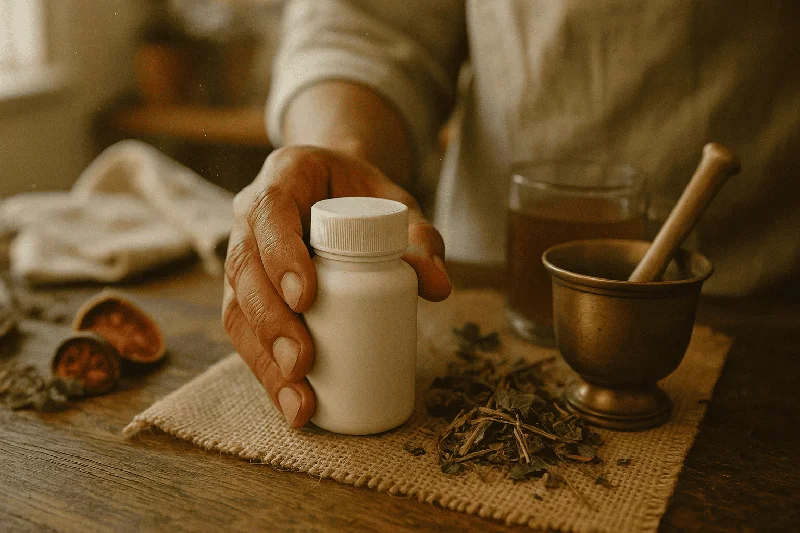
Bilwadi Vati is a classical Ayurvedic formulation primarily used to treat chronic diarrhea, dysentery, irritable bowel syndrome (IBS), and a condition known in Ayurveda as Grahani (malabsorption syndrome). Rooted in centuries of traditional practice, this herbal-mineral tablet combines the astringent power of Bilwa (Aegle marmelos) fruit with a carefully balanced blend of herbs and spices that work synergistically to restore digestive health, reduce intestinal inflammation, and rebalance disturbed doshas. If you've been searching for a natural, time-tested remedy for stubborn gut problems — this guide covers everything you need to know, from classical references and pharmacological mechanisms to dosage, safety, and how Bilwadi Vati compares to similar Ayurvedic formulations.
What Is Bilwadi Vati?
Bilwadi Vati (also spelled Bilvadi Vati) is a polyherbal Ayurvedic tablet where the principal ingredient is the unripe fruit pulp of Aegle marmelos — commonly known as Bael or Bilwa. The word "Vati" simply means tablet or pill in Sanskrit. This formulation is categorized under Vati-Gutika Prakarana (tablet preparations) in classical Ayurvedic pharmacology.
At its core, the medicine is designed to strengthen Agni (digestive fire), absorb excess moisture in the intestines, and restore normal bowel movements. It's particularly valued for conditions where the stool is loose, frequent, or contains mucus — situations that modern medicine would classify under infectious diarrhea, IBS-D (diarrhea-predominant IBS), or inflammatory bowel conditions.
Classical References: Sharangdhara Samhita & Ashtanga Hridaya
One of the biggest gaps in existing online resources is that almost nobody tells you where this formula actually comes from. So let's fix that.
The Bilwadi Vati formulation finds its roots in multiple classical Ayurvedic texts:
- Sharangdhara Samhita (Madhyama Khanda, Vati-Gutika Prakarana) — This 13th-century treatise by Acharya Sharangdhara provides one of the most systematic descriptions of tablet-form medicines, including Bilwadi Vati for Atisara (diarrhea) and Grahani.
- Ashtanga Hridaya by Vagbhata — References to Bilwa-based formulations for digestive disorders appear in the Atisara Chikitsa (treatment of diarrhea) chapter.
- Bhaishajya Ratnavali — This later compendium also documents variations of the Bilwadi formula with slight compositional differences depending on the intended use.
Understanding the source text matters because different classical references sometimes prescribe slightly different ingredient ratios or additional components. The version most commonly manufactured today follows the Sharangdhara Samhita formulation.
Bilwadi Vati vs Bilvadi Gutika vs Vilwadi Gulika — What's the Difference?
This is perhaps the single most confusing aspect for anyone researching this medicine online. Different brands use different names, and no existing resource clearly explains whether these are the same product or not.
Here's the clarification:
| Name | Primary Focus | Key Differentiator | Common Brands |
|---|---|---|---|
| Bilwadi Vati / Bilvadi Vati | GI disorders — diarrhea, dysentery, IBS, Grahani | Focus on digestive system; Bilwa fruit pulp as the primary herb | SDP Ayurveda, AVS Health |
| Bilvadi Gutika | GI + anti-toxic properties | Similar GI focus but some formulations include additional anti-toxic herbs | Dhootapapeshwar |
| Vilwadi Gulika | Poisoning, insect bites, toxicity, nervous system disorders | Significantly different formula — includes Bhasta Mootra (goat's urine) and stronger detoxifying agents; used externally and internally | Vaidyaratnam, Nagarjuna |
The critical takeaway: Bilwadi Vati and Vilwadi Gulika are NOT the same medicine, even though they share a similar-sounding name and both contain Bilwa. Vilwadi Gulika (popular in Kerala Ayurvedic tradition) is primarily an anti-toxic formulation used for insect bites, scorpion stings, and even as a nervine tonic. It contains unique ingredients like goat's urine (approximately 1.3 mL per dose in some classical preparations) and has a completely different therapeutic profile.
If your concern is digestive health, you need Bilwadi Vati — not Vilwadi Gulika.
Ayurvedic Properties (Rasa, Guna, Veerya, Vipaka, Dosha Karma)
No competitor adequately covers the Ayurvedic pharmacological profile.
Here it is:
| Property | Detail |
|---|---|
| Rasa (Taste) | Kashaya (Astringent), Tikta (Bitter), Katu (Pungent) |
| Guna (Quality) | Laghu (Light), Ruksha (Dry) |
| Veerya (Potency) | Ushna (Hot) |
| Vipaka (Post-digestive effect) | Katu (Pungent) |
| Dosha Karma | Primarily pacifies Kapha and Pitta doshas; kindles Agni (digestive fire) which indirectly balances Vata in the GI tract |
The predominantly astringent and dry qualities make this formulation ideal for conditions involving excess moisture, mucus, and looseness in the bowels — which are characteristically Kapha-Pitta imbalances in Ayurvedic pathology.
Key Ingredients & Composition
The strength of Bilwadi Vati lies in its multi-herb, multi-target approach. Each ingredient addresses a different aspect of digestive dysfunction. Below is the detailed breakdown with botanical names, therapeutic roles, and — something no competitor provides — the pharmacological mechanisms behind each.
Bilwa (Aegle marmelos) — The Core Ingredient
The unripe fruit pulp of Bael tree is the star of this formulation. In Ayurveda, Bilwa is considered one of the most powerful remedies for Grahani and chronic diarrhea.
How it works pharmacologically: The unripe fruit is rich in tannins (particularly marmelosin and luvangetin), which exert a potent astringent effect on the intestinal mucosa. A 2017 study published in the Journal of Traditional and Complementary Medicine confirmed that Aegle marmelos fruit extract demonstrated significant anti-diarrheal activity in experimental models, reducing intestinal motility and fluid accumulation. The tannins essentially "tighten" the intestinal lining, reducing secretion and slowing transit time.
Additionally, Bilwa contains furocoumarins and alkaloids that show antimicrobial activity against common diarrhea-causing pathogens, including E. coli and Shigella species.
Athivisha (Aconitum heterophyllum)
Known as Ativisha or Indian Atees, this root is one of Ayurveda's safest herbs for children and is traditionally used as a digestive stimulant and antipyretic.
Therapeutic role: Anti-inflammatory, digestive stimulant, reduces Ama (metabolic toxins). A 2019 pharmacological review noted its anti-inflammatory properties are comparable to mild COX-inhibitors, making it useful for gut inflammation.
Chithraka (Plumbago zeylanica)
Chitraka root is a powerful Deepana-Pachana herb — it both kindles digestive fire and helps digest accumulated toxins.
Therapeutic role: Improves metabolism, stimulates gastric acid secretion, enhances nutrient absorption. The active compound plumbagin has demonstrated antimicrobial and anti-inflammatory effects in multiple preclinical studies.
Nimba (Azadirachta indica)
Neem needs little introduction. Its leaves and bark have been used across Indian medical traditions for millenia.
Therapeutic role: Broad-spectrum antimicrobial, anti-parasitic, and blood purifier. The key compound azadirachtin disrupts parasite life cycles. Margosin, another active constituent, has significant antibacterial activity — particularly relevant in infectious diarrhea.
Pata (Cissampelos pareira)
A lesser-known but critically important ingredient in this formulation.
Therapeutic role: Anti-spasmodic and anti-diarrheal. Contains the alkaloid hayatinin, which relaxes intestinal smooth muscle spasms — providing relief from cramping and colic that often accompanies diarrhea.
Panchamritaparpati — The Unique Mineral Component
This is a calcined mineral preparation (parpati) unique to certain Bilwadi Vati formulations. Panchamritaparpati is made from a combination of purified mercury, sulfur, mica, iron, and other minerals processed through classical Ayurvedic Shodhana (purification) techniques.
Why it matters: This mineral blend supports gut health, reduces intestinal inflammation, and has shown acid-neutralizing capacity in preliminary in vitro studies. A research paper published in Ukaaz Publications evaluated the acid-neutralizing capacity of Vilwadi formulations, finding that the mineral components contributed significantly to buffering excess gastric acid — a factor relevant for patients with acid-related diarrhea.
Full Ingredient Composition Table
| Ingredient | Botanical / Sanskrit Name | Primary Action |
|---|---|---|
| Bilwa | Aegle marmelos | Astringent, anti-diarrheal |
| Athivisha | Aconitum heterophyllum | Anti-inflammatory, digestive |
| Chithraka | Plumbago zeylanica | Metabolic stimulant |
| Nimba | Azadirachta indica | Antimicrobial, anti-parasitic |
| Pata | Cissampelos pareira | Anti-spasmodic |
| Shunthi (Ginger) | Zingiber officinale | Carminative, anti-nausea |
| Maricha (Black Pepper) | Piper nigrum | Bioavailability enhancer |
| Pippali (Long Pepper) | Piper longum | Digestive stimulant |
| Panchamritaparpati | Mineral preparation | Acid-neutralizing, gut healing |
Note: Exact composition and proportions may vary slightly between manufacturers and the specific classical text they follow.
What Is Bilwadi Vati Used For?
The therapeutic applications of Bilwadi Vati span a range of gastrointestinal and systemic conditions. Let's break them down in detail.
Chronic Diarrhea & Dysentery
This is the primary indication. Bilwadi Vati is most effective for chronic or recurrent diarrhea where stools are watery, frequent, and may contain mucus or blood (as in dysentery). The astringent action of Bilwa, combined with the antimicrobial effects of Neem and the anti-spasmodic properties of Pata, creates a comprehensive anti-diarrheal action.
Grahani (Malabsorption Syndrome / IBS)
Grahani is an Ayurvedic clinical entity closely resembling IBS and malabsorption syndrome. The term literally refers to the duodenum and small intestine's ability to "hold" food for proper digestion. When Grahani function is impaired, food passes too quickly without adequate absorption — leading to alternating diarrhea and constipation, malnutrition, and fatigue.
Bilwadi Vati addresses Grahani by strengthening the intestinal mucosal lining, restoring Agni, and improving nutrient absorption.
Indigestion & Loss of Appetite
The Trikatu components (Shunthi, Maricha, Pippali) along with Chitraka are potent digestive stimulants. They help when the root cause of loose stools is weak digestive fire rather than infection.
Use in Food Poisoning & Mild Toxicity
Some formulations of Bilwadi Vati (especially those closer to the Vilwadi Gulika composition) are traditionally used for mild food poisoning and toxic reactions. However, for serious poisoning or venomous bites, always seek immediate medical attention.
Health Benefits of Bilwadi Vati
Beyond its primary digestive indications, Bilwadi Vati offers several additional health benefits that are worth understanding.
Restores Gut Microbiome Balance
The antimicrobial herbs in the formulation don't just kill pathogens — they selectively target harmful bacteria while the astringent and prebiotic properties of Bilwa fruit help create an environment favourable for beneficial gut flora to flourish. This is particularly valuable after antibiotic-associated diarrhea.
Anti-inflammatory Action on the Intestinal Lining
Chronic diarrhea often involves inflammation of the intestinal mucosa. Ingredients like Athivisha and Panchamritaparpati provide targeted anti-inflammatory relief, helping heal the damaged gut lining over time.
Supports Immune Function
Approximately 70% of the body's immune tissue resides in the gut (known as GALT — gut-associated lymphoid tissue). By restoring gut health, Bilwadi Vati indirectly strengthens immune function. Neem further contributes through its immunomodulatory properties.
Balances Doshas for Overall Wellness
From a purely Ayurvedic perspective, Bilwadi Vati's combination of Kashaya rasa (astringent taste) and Ushna veerya (hot potency) makes it uniquely effective at pacifying both Kapha (which causes excess mucus and heaviness in the gut) and Pitta (which causes inflammation and burning diarrhea), while simultaneously kindling Agni — which prevents Vata from going into disarray.
Dosage & How to Take Bilwadi Vati
Standard Adult Dosage
| Parameter | Recommendation |
|---|---|
| Dose | 1–2 tablets (250–500 mg each) |
| Frequency | 2–3 times per day |
| Timing | After meals or as directed by physician |
| Anupana (vehicle) | Lukewarm water, buttermilk, or takra (diluted yogurt water) |
Buttermilk is considered the ideal anupana for Bilwadi Vati, as it enhances absorption of the herbs while providing its own probiotic and digestive benefits.
Duration of Course
This is a question that no competitor answers. But it's important.
- Acute diarrhea: 3–7 days, or until symptoms resolve
- Chronic diarrhea / IBS / Grahani: 4–8 weeks, with periodic reassessment by an Ayurvedic practitioner
- Maintenance / prevention of relapse: Some practitioners recommend a low-dose maintenance course (1 tablet daily) for an additional 2–4 weeks after symptom resolution
Do not self-medicate beyond 2 weeks without consulting a qualified Ayurvedic doctor.
Dosage for Children
Another gap no one addresses. Bilwadi Vati can be used in children, but the dosage must be adjusted:
- Children 5–12 years: ½ to 1 tablet, twice daily
- Children under 5: Generally not recommended without direct supervision of a pediatric Ayurvedic specialist. Athivisha (one of the ingredients) is traditionally considered safe for pediatric use, but the overall formulation should be prescribed cautiously.
Always consult a physician before giving any Ayurvedic medicine to children.
Dosage for Elderly
Elderly patients can take the standard adult dose. However, those with compromised kidney or liver function should start with the lower dose (1 tablet twice daily) and monitor for tolerance.
Don't wait or self medicate. Start chat with Doctor NOW
Side Effects, Safety & Precautions
- Bilwadi Vati is generally considered safe when taken in recommended doses for appropriate durations.
- However, like any medicine — Ayurvedic or otherwise — there are things you should know.
Known Side Effects
- Constipation: Overuse can cause excessive astringency, leading to constipation. This is the most commonly reported side effect.
- Gastric irritation: Rare, but possible in Pitta-dominant individuals due to the hot potency of ingredients like Chitraka and Trikatu.
- Dryness: Extended use may cause dryness in the mouth, throat, or skin due to the Ruksha (dry) quality of the formulation.
Pregnancy & Lactation
Bilwadi Vati is generally NOT recommended during pregnancy. Several ingredients (particularly Chitraka/Plumbago zeylanica) have known uterine-stimulating properties and could theoretically increase the risk of miscarriage. During lactation, use only under medical supervision as some constituents may pass into breast milk.
Drug Interactions
This is another area completely ignored by existing resources.
- With allopathic anti-diarrheal drugs (Loperamide, Diphenoxylate): Concurrent use may cause excessive constipation. Avoid combining without medical advice.
- With antibiotics: Generally safe to use alongside, but space the doses by at least 2 hours, as tannins in Bilwa can reduce antibiotic absorption.
- With other Ayurvedic formulations: Often combined with Kutajghan Vati or Gangadhara Churna by practitioners for enhanced effect — but this should be done under professional guidance.
- With anti-diabetic medications: Some ingredients may have mild hypoglycemic effects. Monitor blood sugar if you're on diabetes medication.
Storage & Shelf Life
Store in a cool, dry place away from direct sunlight. Classical texts suggest an indefinite shelf life for properly prepared Vati/Gutika formulations, but modern Good Manufacturing Practice (GMP) standards typically assign a shelf life of 3–5 years.
Bilwadi Vati vs Other Ayurvedic GI Remedies: When to Choose What
Nobody else provides this comparison, and it's probably one of the most practically useful pieces of information for patients and practitioners alike.
| Medicine | Best For | Key Difference from Bilwadi Vati |
|---|---|---|
| Bilwadi Vati | Chronic diarrhea, Grahani, IBS-D, mucusy stools | Broad-spectrum; astringent + antimicrobial + anti-spasmodic |
| Kutajghan Vati | Amoebic dysentery, bloody diarrhea, infectious diarrhea | More targeted at infections; Kutaja (Holarrhena antidysenterica) is a specific amoebicidal herb |
| Gangadhara Churna | Chronic Grahani with severe malabsorption | Powder form; more emphasis on nutritive and restorative herbs |
| Jatiphaladi Vati | Diarrhea with abdominal pain and cramping | Contains Jatiphala (nutmeg) — stronger anti-spasmodic and mild narcotic effect |
| Chitrakadi Vati | Weak digestion and loss of appetite WITHOUT diarrhea | Primarily an appetizer; not suited for active diarrhea |
Practical guidance: For acute infectious diarrhea with blood, Kutajghan Vati is often the first choice. For chronic, non-infectious diarrhea or IBS, Bilwadi Vati is generally preferred. Many experienced Vaidyas combine both for comprehensive coverage.
Diet & Lifestyle Advice While Taking Bilwadi Vati
Taking the right medicine is only half the equation. Ayurveda has always emphasised Pathya-Apathya (favorable and unfavorable diet/lifestyle) during treatment.
Foods to Favour (Pathya)
- Buttermilk (Takra) — considered the best adjunct for all Grahani conditions
- Pomegranate — astringent and digestive
- Rice gruel (Peya or Manda) — light, easy to digest
- Moong dal — the lightest of all lentils
- Ginger tea — stimulates Agni
Foods to Avoid (Apathya)
- Heavy, oily, and fried foods
- Raw salads and cold beverages
- Milk and heavy dairy (except buttermilk)
- Spicy or excessively sour foods
- Junk food and processed items
Lifestyle Recommendations
- Eat at regular times; don't skip meals
- Avoid eating when not hungry
- Manage stress (stress is a major trigger for IBS flare-ups)
- Get adequate sleep — gut repair happens during rest
Frequently Asked Questions (FAQ)
What is the use of Bilwadi Vati?
Bilwadi Vati is primarily used to treat chronic diarrhea, dysentery, irritable bowel syndrome (IBS-D), Grahani (malabsorption syndrome), and indigestion. It strengthens the intestinal lining, improves digestive fire, and kills harmful gut pathogens.
What is Vilwadi tablet used for?
This depends on the specific formulation. Vilwadi Gulika (popular in Kerala tradition) is used for insect bites, scorpion stings, poisoning, and nervous system disorders. Bilwadi Vati (the formulation discussed in this article) is used for gastrointestinal disorders. Despite similar names, they are different medicines with different ingredients and uses.
Can Bilwadi Vati be taken with allopathic medicines?
Generally yes, but with caution. Space the doses by at least 2 hours if taking antibiotics. Avoid combining with allopathic anti-diarrheal drugs like Loperamide without medical advice, as the combined astringent effect may cause severe constipation.
Is Bilwadi Vati safe during pregnancy?
No. Bilwadi Vati is generally not recommended during pregnancy due to the presence of ingredients like Chitraka (Plumbago zeylanica), which has uterine-stimulating properties. Consult your doctor for safe alternatives.
How long does it take for Bilwadi Vati to show results?
For acute diarrhea, relief is often noticeable within 1–3 days. For chronic conditions like IBS or Grahani, expect gradual improvement over 2–4 weeks of consistent use. Full course may extend to 6–8 weeks.
Is Baheda good for the liver?
Baheda (Terminalia bellirica) is one of the three fruits in Triphala and is known for its hepatoprotective properties. However, Baheda is not the primary ingredient in Bilwadi Vati. If liver health is your primary concern, consult an Ayurvedic practitioner for a more targeted formulation.
Can I take Bilwadi Vati for weight loss?
Bilwadi Vati is not a weight loss supplement. While improved digestion may indirectly support healthy weight management, this formulation is specifically designed for diarrhea and related GI conditions.
Does Bilwadi Vati have any effect on doshas?
Yes. It primarily pacifies Kapha and Pitta doshas while kindling Agni (digestive fire). It is most suitable for individuals with Kapha-Pitta type digestive imbalances. Vata-dominant individuals should use it cautiously, as its drying and astringent nature could potentially aggravate Vata in some cases.
Conclusion: Is Bilwadi Vati Right for You?
Bilwadi Vati stands as one of Ayurveda's most reliable and well-documented formulations for chronic digestive disorders. Its multi-herb, multi-target approach addresses not just the symptoms of diarrhea and IBS, but the root causes — weak digestive fire, intestinal inflammation, microbial imbalance, and dosha vitiation.
What makes this formulation particularly valuable is its versatility. Whether you're dealing with acute infectious diarrhea, chronic Grahani, or the frustrating cycle of IBS flare-ups, Bilwadi Vati offers a comprehensive therapeutic solution grounded in centuries of clinical observation and increasingly supported by modern pharmacological research.
That said, Ayurvedic medicine works best when personalized. The ideal dose, duration, combination therapy, and dietary regimen should be tailored to your unique constitution (Prakriti), the nature of your condition (Vikriti), and your overall health status.
Consult a qualified Ayurvedic practitioner before starting Bilwadi Vati, especially if you are pregnant, nursing, on other medications, or treating a child. With proper guidance, this ancient formulation can be a powerful ally in your journey toward lasting digestive health and overall wellness.
Scientific Sources
- A critical review on two types of Laghupanchamula — Ghildiyal S et al., 2012, Ayu
- Anti-inflammatory profile of Aegle marmelos (L) Correa (Bilva) with special reference to young roots grown in different parts of India — Rajaram A et al., 2018, Journal of Ayurveda and integrative medicine
- The protective role of Aegle marmelos on aspirin-induced gastro-duodenal ulceration in albino rat model: a possible involvement of antioxidants — Das SK et al., 2012, Saudi journal of gastroenterology : official journal of the Saudi Gastroenterology Association
- A comparative experimental study to evaluate Mutrala (diuretic) activity of Bilva Moola and Patra (Aegle marmelos Corr.) — Parmar NA et al., 2014, Ayu
- Bangladeshi medicinal plant dataset — Borkatulla B et al., 2023, Data in brief
- Extraction, phytochemical characterization and anti-cancer mechanism of Haritaki churna: An ayurvedic formulation — Khan MRUZ et al., 2023, PloS one
- Unique aspect of Tibetan medicine — Dakpa T, 2014, Acupuncture & electro-therapeutics research
- The Ayurvedic medicines Haritaki, Amala and Bahira reduce cholesterol-induced atherosclerosis in rabbits — Thakur CP et al., 1988, International journal of cardiology
- Triphala's characteristics and potential therapeutic uses in modern health — Bairwa VK et al., 2025, International journal of physiology, pathophysiology and pharmacology
- Therapeutic Uses of Triphala in Ayurvedic Medicine — Peterson CT et al., 2017, Journal of alternative and complementary medicine (New York, N.Y.)
- Evaluation of the anti-hyperlipidemic effects of Triphala in high fat diet fed rats: Studies with two combinations — Rana S et al., 2022, Ayu
- Scientific validation of the ethnomedicinal properties of the Ayurvedic drug Triphala: a review — Baliga MS et al., 2012, Chinese journal of integrative medicine
- Effect of Triphala on dextran sulphate sodium-induced colitis in rats — Rayudu V et al., 2014, Ayu
- Evaluation of antioxidant profile and activity of amalaki (Emblica officinalis), spirulina and wheat grass — Shukla V et al., 2009, Indian journal of clinical biochemistry : IJCB
- Influence of Amalaki Rasayana on telomerase activity and telomere length in human blood mononuclear cells — Guruprasad KP et al., 2017, Journal of Ayurveda and integrative medicine
- Amalaki rasayana, a traditional Indian drug enhances cardiac mitochondrial and contractile functions and improves cardiac function in rats with hypertrophy — Kumar V et al., 2017, Scientific reports
- Ayurvedic formulations amalaki rasayana and rasa sindoor improve age-associated memory deficits in mice by modulating dendritic spine densities — Verma B et al., 2022, Journal of Ayurveda and integrative medicine
- Chinese herbal medicine-derived extracellular vesicles as novel biotherapeutic tools: present and future — Zhang J et al., 2024, Journal of translational medicine
- Efficacy of herbal medicine (cinnamon/fennel/ginger) for primary dysmenorrhea: a systematic review and meta-analysis of randomized controlled trials — Xu Y et al., 2020, The Journal of international medical research
- A critical review of Ginger's (Zingiber officinale) antioxidant, anti-inflammatory, and immunomodulatory activities — Ayustaningwarno F et al., 2024, Frontiers in nutrition
- Ayurvedic Herbal Medicines: A Literature Review of Their Applications in Female Reproductive Health — Patibandla S et al., 2024, Cureus
- Zingiber officinale var. rubrum: Red Ginger's Medicinal Uses — Zhang S et al., 2022, Molecules (Basel, Switzerland)
Questions from users
Can Bilwadi Vati be used for constipation relief?
Teagan
7 days ago
Bilwadi Vati is actually more typically used for diarrhea and certain digestive issues, not constipation. In fact, overuse can actually lead to constipation because of its astringent properties. If you're looking for constipation relief, considering something like triphala might be more helpful.
What is Panchamritaparpati and how does it support gut health in Ayurvedic medicine?
Zoe
17 days ago
Panchamritaparpati involves purified minerals like mercury and sulfur and is used in Ayurveda for gut health. It reduces inflammation, helps with issues like antibiotic-associated diarrhea, and works to balance your agni (digestive fire). It absorbs extra moisture and normalizes bowel function. Good to chat more with a practitioner if you're curious!
How should I store Bilwadi Vati to maintain its potency and effectiveness?
Xander
33 days ago
To store Bilwadi Vati, keep it in a cool, dark place, away from direct sunlight and moisture. Sealed in its original container works best. Just make sure it's out of reach of kids and pets. Proper storage helps keep its potency intact for longer, so you get the most out of it! If you're unsure, check with an Ayurvedic practitioner for any specific advice.
What is Bilwadi Vati and how does it support the immune system?
Mia
42 days ago
Bilwadi Vati is an Ayurvedic formulation primarily focused on digestion and balancing doshas. When your digestion is strong and your doshas are balanced, it naturally boosts the immune system by promoting optimal nutrient absorption and detoxification. Just be mindful of any initial changes in digestion—it’s your body adapting!
Is it safe to take Bilwadi Vati if I have food allergies?
Sofia
52 days ago
If you have food allergies, it's a good idea to check the ingedients of Bilwadi Vati first to see if it has anything you might react to. Some formulations might have common allergens, depending on the brand or manufacturer. If in doubt, consulting with an ayurvedic practitioner or even your doctor can really help pinpoint any possible concerns. 😊
Can I use Bilwadi Vati to support my overall wellness besides digestive health?
John
61 days ago
Yes, Bilwadi Vati can definitely support overall wellness! It's traditionally used for digestive balance, but its herbal synergy can also help in harmonizing your body’s energies more generally. Just remember, it's always best to consult with an Ayurvedic practitioner first—they can tailor advice to fit your unique constitution.
Can I use Bilwadi Vati for bloating and gas relief?
Henry
71 days ago
Yes, Bilwadi Vati can help with bloating and gas because it supports digestive balance and gut health. Its astringent and bitter herbs help reduce inflammation and regulate bowel activities. Just be sure to consult an Ayurvedic professional before starting to make sure it fits your needs and constitution.
Can Bilwadi Vati help with weight management or loss?
Millie
80 days ago
Bilwadi Vati isn't specifically aimed at weight loss, but it can support digestion and regulate bowel movements, which might help indirectly with weight management. For better results, focusing on your digestive fire (agni) and balancing your doshas with diet and lifestyle would be more effective. Always good to consult with an Ayurvedic practioner!
Is Bilwadi Vati suitable for children, and what dosage should be given?
Quinn
90 days ago
Bilwadi Vati can be given to children, but it's best to consult an Ayurvedic doctor for precise dosing. Dosage really depends on the child's age, weight, and individual constitution or dosha balance. Typically, it might be a fraction of the adult dose. Also, keep an eye on how it affects their digestion and overall health!
Can I take Bilwadi Vati for inflammatory conditions other than digestive issues?
Grayson
100 days ago
Absolutely, you can use Bilwadi Vati for other inflammatory conditions too. It's known for balancing doshas and supporting the immune system, so it can help with various inflammations. Just keep an eye out for any digestive changes when starting it. If you're unsure, consider checking with an Ayurvedic practitioner!
Related articles

Gastrointestinal Disorders
Ayurvedic Medicine for Cystitis: Natural Relief and Healing
Explore Ayurvedic medicine for cystitis, natural remedies, and holistic treatment approaches to manage urinary tract inflammation and promote healing using ancient wisdom.
2,935

Gastrointestinal Disorders
Patanjali Divya Gashar Churna
Exploration of Patanjali Divya Gashar Churna
2,903

Gastrointestinal Disorders
Amavatari Capsules – Ayurvedic Digestive and Liver Support
Discover Amavatari Capsules benefits, uses, and dosage. Learn how this Ayurvedic supplement supports health, wellness, and vitality through traditional wisdom.
2,020

Gastrointestinal Disorders
Swarna Sutshekhar Ras: Benefits, Dosage & Ayurvedic Insights
Explore the benefits, proper dosage, uses, and Ayurvedic foundations of Swarna Sutshekhar Ras, a traditional herbal formulation for holistic health.
4,012
Gastrointestinal Disorders
Best Ayurvedic Medicine for Weight Gain: Comprehensive Guide
Discover the best Ayurvedic medicine for weight gain, backed by research and expert insights. Learn how natural remedies can support healthy, sustainable gains.
5,413

Gastrointestinal Disorders
Pilex Tablet
Exploration of Pilex Tablet
4,425

Gastrointestinal Disorders
Annadrava Shoola – Ayurvedic Approach to Managing Deep-Seated Pain
Discover targeted Ayurvedic therapies for managing chronic pain and restoring balance with annadrava shoola solutions.
2,334

Gastrointestinal Disorders
How to Heal a Fistula Without Surgery: Ayurvedic Methods and Recovery
Learn how to heal a fistula without surgery using Ayurvedic remedies, herbal treatments, and lifestyle changes. Discover safe and natural ways to support recovery
5,959
Gastrointestinal Disorders
Indukantham Kwatham Tablets Uses: Benefits & Research Insights
Explore Indukantham Kwatham tablets uses, benefits, research-backed insights, and expert tips on dosage, safety, and real-world applications.
3,504

Gastrointestinal Disorders
Punarnavashtak Kwath Uses: Comprehensive Ayurvedic Health Guide
Discover the uses of Punarnavashtak Kwath for detoxification, kidney health, and overall wellness. Learn about its Ayurvedic benefits, proper dosage, and therapeutic applications.
3,297
Related consultations on the topic
Legal
Additional Documents
© 2024 Ask Ayurveda. All rights reserved.