

Ask Ayurvedic doctor a question and get a consultation online on the problem of your concern in a free or paid mode. More than 2,000 experienced doctors work and wait for your questions on our site and help users to solve their health problems every day.
FREE! Ask Ayurvedic Doctors 24/7

 Fast responses
 1000+ verified doctors
Body DetoxEar, Nose, and Throat DisordersGeriatrics & RejuvenationImmunodeficiencyInfertility TreatmentNutritionOrthopedic DisordersPediatricsRespiratory DisordersSexually Transmitted Diseases (STDs)Surgery RecoveryUrological DisordersVascular DisordersDental DisordersEndocrinological DisordersGastrointestinal DisordersYoga TherapyGeneral MedicineAllergic DisordersCardio DisordersGynecology and ObstetricsCosmetologySkin and Hair DisordersEye DisordersInfectious DiseasesMental DisordersNeurological DisordersOncologyPanchakarmaSexual Health & DisordersSports Medicine
Published on 04/04/25
(Updated on 07/02/26)
5,335
Best Ayurvedic Medicine for Weight Gain: Comprehensive Guide
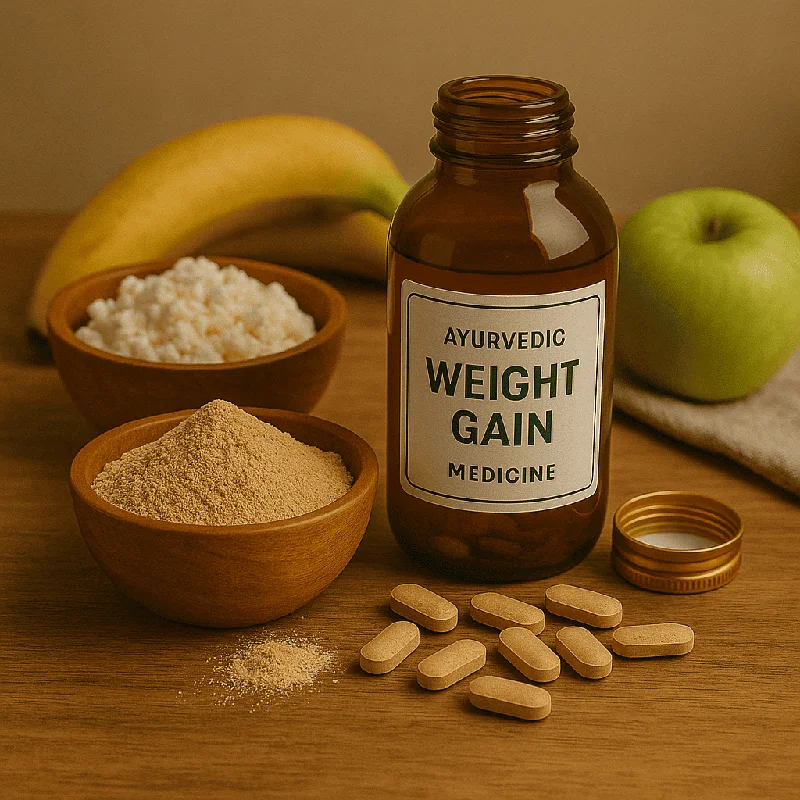
Introduction: The Rising Interest in Ayurvedic Weight Gain Solutions
Did you know that an estimated 462 million people worldwide are underweight, according to the World Health Organization (WHO)? While much attention is focused on weight loss, there is a sizeable population striving to put on healthy weight. In recent years, Ayurveda has gained popularity for offering a holistic approach to health and wellness, including Ayurvedic remedies for weight gain. These time-tested herbal combinations, dietary suggestions, and lifestyle practices aim to balance the body’s internal systems to facilitate healthy weight management.
In this article, we explore the best Ayurvedic medicine for weight gain, dissect current scientific research on Ayurvedic principles, and present an evidence-based perspective on how these herbal formulations might help you meet your nutritional goals. Along the way, we’ll cite peer-reviewed studies, highlight standard medical guidelines, and share practical tips for safe and effective use. Please note that this information is for educational purposes only and should not replace professional medical advice. Always consult a qualified healthcare provider before making any significant changes to your health regimen.
Table of Contents
-
Understanding Ayurveda and Weight Gain
-
Common Ayurvedic Herbs and Formulations
-
Evidence from Research: Efficacy and Safety
-
Practical Tips for Using Ayurvedic Remedies
-
Dietary and Lifestyle Recommendations
-
Frequently Asked Questions (FAQ)
-
Conclusion and Call to Action
1. Understanding Ayurveda and Weight Gain
1.1 What Is Ayurveda?
Ayurveda is an ancient system of medicine with roots in India, dating back over 5,000 years. It focuses on balancing the three fundamental bodily energies, or “doshas”—Vata, Pitta, and Kapha—to maintain overall health. In Ayurvedic philosophy, weight gain or loss can be influenced by an imbalance in these doshas, dietary habits, metabolic processes, and stress levels.
1.2 Why Consider Ayurvedic Approaches for Weight Gain?
-
Holistic View: Ayurveda treats the body as an interconnected system. Instead of solely targeting symptoms (e.g., lack of appetite), it emphasizes restoring balance, which can lead to more sustainable results.
-
Minimal Side Effects: Many Ayurvedic formulations use herbs and natural substances, theoretically reducing the risk of severe side effects when used correctly.
-
Personalized Medicine: Ayurvedic practitioners tailor treatments to an individual’s unique constitution (prakriti), lifestyle, and existing health conditions.
According to a review published in the Journal of Ayurveda and Integrative Medicine (2015), certain Ayurvedic interventions have shown potential in managing body weight, though more robust clinical trials are still needed for definitive conclusions.
2. Common Ayurvedic Herbs and Formulations
2.1 Ashwagandha (Withania somnifera)
Often touted as one of the best Ayurvedic medicine for weight gain, Ashwagandha is an adaptogenic herb used to modulate stress response. Elevated stress levels can contribute to a poor appetite and weight loss.
-
Key Components: Withanolides, alkaloids, and lactones.
-
Potential Benefits: Research (PubMed ID: 28471731) suggests that Ashwagandha may help in improving muscle mass and reducing fatigue.
2.2 Shatavari (Asparagus racemosus)
Shatavari is commonly recommended for those looking to increase mass and improve digestion. Traditionally used for female reproductive health, it also contains compounds that can support the digestive system.
-
Key Components: Steroidal saponins, which may help balance hormonal levels.
-
Potential Benefits: May improve nutrient absorption and appetite.
2.3 Yashtimadhu (Glycyrrhiza glabra)
Popularly known as licorice root, Yashtimadhu supports the mucosal lining of the stomach, potentially aiding digestion and nutrient assimilation.
-
Key Components: Glycyrrhizin, flavonoids, and isoflavones.
-
Potential Benefits: May have anti-inflammatory and soothing effects on the gastrointestinal tract, which could contribute to better nutrient absorption.
2.4 Chyawanprash
A classical Ayurvedic jam, Chyawanprash is prepared using a blend of herbs, amla (Indian gooseberry), sesame oil, ghee, and honey. It is widely used as a general health tonic.
-
Key Components: Amla (rich in Vitamin C), various herbs, ghee, and honey.
-
Potential Benefits: Strengthens immunity, improves digestion, and can support healthy weight gain when taken regularly.
2.5 Draksharishta and Other Herbal Tonics
Draksharishta is a fermented Ayurvedic tonic primarily made from grapes, known to support digestion and boost appetite. Other herbal tonics like Ashwagandharishta or Balarishta may also be recommended, depending on individual needs.
-
Key Components: Fermented grape juice, spices, and herbs that may help stimulate digestion.
-
Potential Benefits: Enhanced appetite, improved gut health, and better absorption of nutrients.
Don't wait or self medicate. Start chat with Doctor NOW
3. Evidence from Research: Efficacy and Safety
While anecdotal and historical evidence strongly supports the use of Ayurvedic remedies, modern scientific validation is still evolving. Some key points:
-
Ashwagandha Studies: In a randomized controlled trial (RCT) published in PLoS One (2015), participants taking Ashwagandha root extract experienced an increase in muscle mass and reduction in exercise-induced muscle damage, suggesting potential for healthy weight gain.
-
Digestive Support: Herbs like Shatavari and Yashtimadhu have shown promise in small-scale studies for improving digestion and overall gut health, which are crucial for weight gain.
-
Safety Profile: Generally considered safe when used in recommended doses, Ayurvedic herbs can still interact with medications or cause side effects. For instance, excessive licorice (Yashtimadhu) intake may lead to elevated blood pressure in some individuals (National Institutes of Health, 2020).
Healthcare providers often stress the importance of consulting a qualified Ayurvedic practitioner and a medical doctor before beginning any herbal supplementation, especially for individuals with pre-existing conditions or those taking other medications.
4. Practical Tips for Using Ayurvedic Remedies
-
Consult a Professional: Before you begin any Ayurvedic regimen, consult with a certified Ayurvedic practitioner for a personalized plan.
-
Start Slow: Introduce one herb or formulation at a time to monitor your body’s reaction.
-
Check Labels: Look for reputable manufacturers and verify that products are tested for purity and quality.
-
Combine with a Balanced Diet: Even the best Ayurvedic medicine for weight gain will not work if your overall calorie intake is inadequate. Ensure you consume balanced meals with sufficient proteins, carbohydrates, and healthy fats.
-
Stay Hydrated: Proper hydration is essential for digestion and nutrient absorption. Aim for 8–10 glasses of water per day, or as advised by your healthcare provider.
-
Follow Recommended Dosages: Overuse of herbs can lead to imbalances or interactions with other medications.
5. Dietary and Lifestyle Recommendations
5.1 Diet
-
Incorporate High-Calorie Whole Foods: Nuts, seeds, avocados, whole grains, and dairy products (if tolerated) provide nutrient-dense calories.
-
Eat Small, Frequent Meals: Spreading meals throughout the day can help boost calorie intake without overwhelming your digestive system.
-
Include Herbal Spices: Spices like cumin, fennel, and ginger can aid digestion and improve nutrient absorption.
-
Avoid Junk Calories: Focus on nutrient-rich foods rather than sugary beverages or processed snacks.
5.2 Lifestyle
-
Manage Stress: Elevated cortisol levels can interfere with healthy weight gain. Techniques like yoga, meditation, and pranayama (breathing exercises) are commonly recommended in Ayurveda for stress relief.
-
Regular Sleep Schedule: Aim for 7–9 hours of quality sleep each night. Adequate rest is critical for muscle recovery and overall hormonal balance.
-
Physical Activity: While excessive cardio might be counterproductive for weight gain, moderate strength training can help build muscle mass.
These recommendations align with general guidelines from recognized health organizations, such as the National Health Service (NHS) and the World Health Organization (WHO), which emphasize balanced diets, regular exercise, and adequate rest for overall well-being.
6. Frequently Asked Questions (FAQ)
Q1: What is the best Ayurvedic medicine for weight gain?
A1: There is no single “best” solution that works for everyone, as Ayurveda relies on personalized treatment. However, herbs like Ashwagandha, Shatavari, and formulas such as Chyawanprash are commonly used for supporting healthy weight gain.
Q2: Are Ayurvedic remedies safe for long-term use?
A2: Many Ayurvedic remedies can be safe for extended periods when taken under the guidance of a qualified practitioner. Always follow dosage recommendations and consult your healthcare provider, especially if you take other medications or have chronic conditions.
Q3: How quickly can I expect results?
A3: Results vary depending on individual factors like metabolism, lifestyle, and diet. Some people notice changes within a few weeks, while others may take several months to see significant improvement.
Q4: Can I use Ayurvedic herbs with conventional supplements?
A4: While it’s often possible to combine Ayurvedic and Western supplements, it’s crucial to consult both an Ayurvedic practitioner and a medical doctor to avoid potential interactions or side effects.
Q5: Do I need to change my diet when using Ayurvedic remedies?
A5: Yes. A balanced, nutritious diet works in tandem with Ayurvedic remedies to deliver the best results. Relying solely on herbs without adequate calories, proteins, and nutrients is unlikely to promote healthy weight gain.
7. Conclusion and Call to Action
Ayurveda provides a holistic framework for achieving and maintaining a healthy weight, drawing upon centuries of empirical wisdom and an ever-growing body of scientific research. While Ashwagandha, Shatavari, Yashtimadhu, and other herbal formulations are among the best Ayurvedic medicine for weight gain, their effectiveness is maximized when integrated with a balanced diet, stress management techniques, and regular physical activity.
Nevertheless, clinical evidence supporting these herbs continues to evolve, and it’s essential to adopt a cautious, research-informed approach. Always consult qualified healthcare professionals for personalized advice, particularly if you have underlying medical conditions or are taking other medications.
If you found this guide helpful, please share it with others who may benefit, leave a comment below with your thoughts or experiences, and subscribe for more in-depth articles on holistic health and wellness. Empower yourself with the best of traditional wisdom and modern science to reach your weight goals safely and sustainably.
Disclaimer
This article is for informational purposes only and does not substitute professional medical advice. Always consult with a healthcare provider before making any changes to your treatment plan or regimen.
References and Suggested Reading
-
Journal of Ayurveda and Integrative Medicine (2015). [Available on PubMed]
-
National Institutes of Health (2020). “Herbs at a Glance.”
-
PLoS One (2015). [Available on PubMed]
-
World Health Organization. “Malnutrition: Key Facts.”
This article is provided in the spirit of sharing credible and balanced information. For individualized guidance, please seek professional consultation.
Questions from users
What is the best way to combine Ayurveda and modern nutrition for healthy weight gain?
Leo
7 days ago
Great question! To combine Ayurveda and modern nutrition for weight gain, focus on grounding, nourishing foods like whole grains, oils, and dairy, alongside enough protein. Ayurvedic herbs like ashwagandha or shatavari can help balance doshas and support digestion. Make sure to also listen to your body and adjust based on how you feel.
How to adjust my Ayurvedic treatment plan if I'm not seeing any results?
Madison
16 days ago
If you're not seeing results, it might be due to not matching the treatment to your dosha imbalance or maybe dietary or lifestyle factors aren't aligned with your Ayurvedic constitution, your prakriti. It’s important to consult with an Ayurvedic practitioner, they can help adjust your plan, including diet, herbs, and routines. Be patient, results take time.
How to use meditation effectively for stress relief according to Ayurvedic practices?
Emma
25 days ago
For stress relief in Ayurveda, meditation can be used to balance your doshas. Set a regular time for meditation, maybe daily, to calm your mind and enhance your agni (digestive fire) positively. Focus on deep, slow breathin’ and visualize tranquility. Try to meditate in a peaceful spot, away from distractions, to enhance the effect!
Is it safe to use licorice for weight gain if I have high blood pressure?
Leslie
34 days ago
Using licorice for weight gain isn't ideal if you have high blood pressure. Licorice can raise blood pressure and cause fluid retention, so it's best to avoid it or use it sparingly. I'd recommend talking to both a medical doctor and an ayurvedic practioner to find a safer alternative. Take care!
Is it safe to follow Ayurvedic weight gain recommendations without a doctor's approval?
Paisley
44 days ago
It's usually a smart move to chat with a healthcare pro before diving into Ayurvedic recommendations for weight gain, especially coz we're all unique. That way, you can know it all fits your body's needs without any risky surprises. But, Ayurveda, focusing on balancing doshas and boosting agni, can be gentle and supportive. Just stay safe! 😉
How does adequate rest contribute to muscle recovery and weight gain?
Kiley
53 days ago
Adequate rest helps muscle recovery by allowing muscles to repair and grow after workouts. During sleep, growth hormone is released, which is essential for muscle development. It also aids in maintaining hormonal balance. For weight gain, rest gives your body time to build and store energy, supporting muscle growth along with a proper diet.
Can I take Ashwagandha for weight gain if I have a fast metabolism?
Caleb
63 days ago
Yes, you can defnitely take Ashwagandha to help with weight gain even if you have a fast metabolism. It's known to support healthier weight gain when used appropriately. Just a tip: combine it with a balanced diet to see the best results. But make sure to consult an Ayurvedic practitioer before starting any new herb like Ashwagandha, just to be safe.
What is the best way to evaluate the quality of Ayurvedic remedies for weight gain?
Claire
73 days ago
To evaluate the quality of Ayurvedic remedies for weight gain, focus on the authenticity of ingredients, traditional formulation, and reputable sources. Check if they balance your doshas (especially if you're Vata) & improve your agni. Consulting an experienced Ayurvedic practitioner can also help, since they can tailor remedies to your specific prakriti.
Is it safe to combine Ayurvedic weight gain remedies with bodybuilding supplements?
Christopher
82 days ago
Combining Ayurvedic remedies with bodybuilding supplements can be a bit tricky. Ayurveda focuses on balancing doshas and optimizing digestive fire (agni). But some supplements might disrupt this balance. It's essential to check how they affect your body constitution (prakriti). Best to consult an Ayurvedic practitioner or a health expert before mixing them!
What is the role of a balanced diet in Ayurvedic weight gain solutions?
Tucker
92 days ago
A balanced diet plays a big role in Ayurvedic weight gain. It complements other remedies by nourishing your body and balances the doshas. You gotta match foods to your dosha, so think warming spices if you're a Vata. Also, focus on building strong agni, or digestive fire, for stronger absorption. If unsure, consulting an Ayurvedic doc can be handy!
Related articles

Gastrointestinal Disorders
Is Curd Good for Piles? Ayurvedic View and Safe Dietary Use
Is curd good for piles? Learn what Ayurveda says about curd, curd rice, and combinations like onion or radish with curd. Find out how to eat it during piles
3,752

Gastrointestinal Disorders
Digestion from the view of Ayurveda
Healthy digestion is the fundamental aspect of wellness in Ayurveda.
225,005

Gastrointestinal Disorders
Ayurvedic Treatment For Digestive Problems
As people get busy with their work-life one of the first things that they tend to forget is the importance of digestion.
2,764

Gastrointestinal Disorders
Natural Ayurvedic Medicine for Creatinine: Lower Levels Safely & Effectively
Explore how Ayurvedic medicine addresses high creatinine levels naturally, with insights on herbs, dosage, benefits, and scientific evidence behind these remedies.
2,415

Gastrointestinal Disorders
Appendix Ayurvedic Medicine: Holistic Solutions for Appendicitis
Explore Ayurvedic medicine for appendix issues, natural remedies, and holistic treatment approaches to manage appendicitis symptoms and support digestive health using ancient wisdom.
3,629

Gastrointestinal Disorders
Guggulu Tiktaka Ghrita: Uses, Benefits, and How to Use It Effectively
Explore the uses, benefits, proper dosage, and scientific research behind Guggulu Tiktaka Ghrita, a potent Ayurvedic formulation for joint health and inflammation.
5,560

Gastrointestinal Disorders
Ayurvedic Treatment for Gastritis: A Real Talk on Gut Healing
Let’s not sugarcoat it—gastritis sucks. Whether it hits you like a slow burn or drops you with sudden, stabbing upper-abdominal pain, it’s no walk in the park. Technically speaking, gastritis is inflammation of the stomach lining. But if you’ve dealt with
3,335

Gastrointestinal Disorders
Mahadhanwantharam Gulika – Ancient Remedy for Holistic Healing
Explore Mahadhanwantharam Gulika, an Ayurvedic formulation. Learn about its benefits, uses, dosage, precautions, and scientific insights for holistic health.
2,707

Gastrointestinal Disorders
Kutaja Parpati Vati Uses – Traditional Ayurvedic Remedy for Digestive Disorders
Discover the traditional Ayurvedic uses of Kutaja Parpati Vati, a potent remedy for digestive disorders including dysentery and diarrhea. Learn about its benefits, usage guidelines, and expert insights.
2,651

Gastrointestinal Disorders
Agnitundi Vati – Ayurvedic Medicine for Digestive Health
earn about Agnitundi Vati, an Ayurvedic formulation for digestive wellness. Discover its benefits, usage, and potential side effects to ensure safe and effective treatment.
3,414
Related consultations on the topic
Legal
Additional Documents
© 2024 Ask Ayurveda. All rights reserved.